
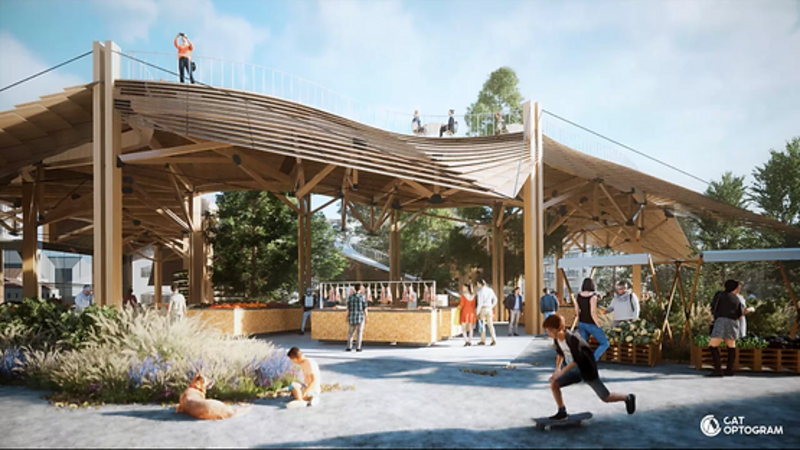
The growing emphasis on sustainable building materials is transforming architecture, but selecting the right eco-friendly options requires more than just specifications—it demands vivid, realistic visualization. In this article, we’ll introduce you to 10 top sustainable building materials that are reshaping the industry, from bamboo and hempcrete to recycled steel and cork.
D5 Render revolutionizes sustainable material implementation in design with its advanced tools, enabling architects to visualize these eco-friendly materials in photorealistic detail during pre-construction phases. Its photorealistic rendering capabilities enable designers to explore how sustainable building materials interact with light, texture, and environmental conditions, facilitating smarter, greener design choices. Discover how these innovative materials perform in real-world scenarios—through D5’s powerful visualization platform.
Points clés à retenir sur Sustainable Building Materials in D5 Render
- Bonjour Discover 10 Top Sustainable Building Materials – From bamboo and hempcrete to recycled steel and cork, this guide highlights eco-friendly materials revolutionizing green construction while reducing environmental impact.
- D5 Render Enhances Sustainable Design Choices – With AI-powered textures and Matériaux PBR , architects can visualize how sustainable building materials behave under real-world lighting, improving both aesthetics and material accuracy. Bonjour
- Real-Time Environmental Insights – D5’s ray-traced lighting and solar studies let designers simulate and assess sustainable design performance through immersive, photorealistic previews.

1. Why Sustainable Building Materials Matter
Traditional construction materials like concrete and steel carry a significant environmental burden. Responsible for nearly 40% of global carbon emissions, these materials demand enormous energy to produce and frequently become landfill waste after demolition. Their limited recyclability creates persistent environmental challenges.
The alternative? Sustainable building materials. Eco-conscious options like bamboo, recycled steel, and hempcrete offer multiple benefits – they reduce carbon footprints, conserve energy, enhance indoor air quality, and support biophilic design principles that integrate structures with natural surroundings.
However, material selection goes beyond technical specifications – it requires visualizing real-world performance. This is where D5 Render excels. Its real-time rendering capabilities allow architects to digitally explore sustainable materials, optimizing designs without generating physical waste.
As sustainable construction becomes the future, having the right visualization tools like D5 is essential for creating greener buildings.
2. Top 10 Sustainable Building Materials
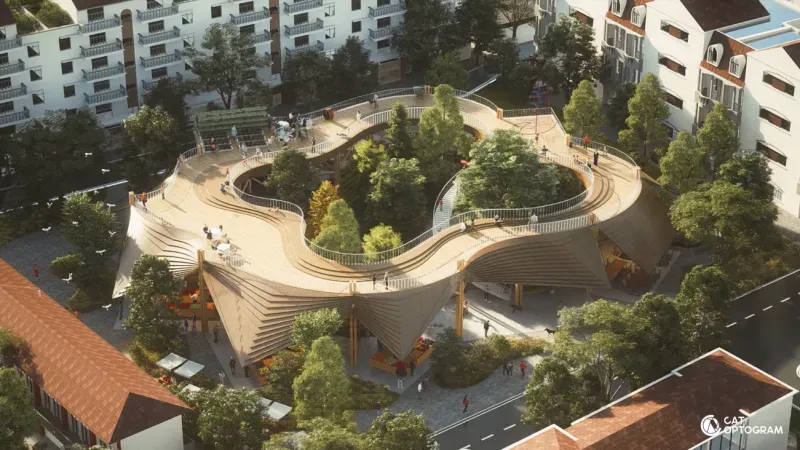
As environmental concerns reshape the construction industry, architects and builders are increasingly turning to innovative materials that reduce ecological impact without compromising performance. The following table compares ten leading sustainable building materials, highlighting their key characteristics and applications in modern architecture. These solutions demonstrate how sustainability can be integrated across structural, aesthetic, and functional aspects of building design.
| Matériau | Composition | Key Benefits | Primary Applications |
|---|---|---|---|
| 1️⃣ Bamboo | Fast-growing grass | Renewable, high tensile strength, carbon sink | Flooring, structural elements |
| 2️⃣ CLT | Layered engineered wood | Carbon storage, prefabrication-friendly | Mid-rise construction, wall systems |
| 3️⃣ Recycled Steel | Reprocessed scrap metal | 100% recyclable, durable | Structural frames, roofing |
| 4️⃣ Hempcrete | Hemp fibers + lime binder | Carbon-negative, moisture-regulating | Insulation, partition walls |
| 5️⃣ Rammed Earth | Compacted natural soils | Excellent thermal mass, low embodied energy | Load-bearing walls, thermal mass |
| 6️⃣ Cork | Harvested oak bark | Renewable, acoustic insulation | Flooring, wall coverings |
| 7️⃣ Recycled Glass | Post-consumer glass waste | Waste diversion, design flexibility | Countertops, decorative surfaces |
| 8️⃣ Mycelium | Cultivated fungal networks | Fully biodegradable, low-energy production | Temporary structures, packaging |
| 9️⃣ Ferrock | Iron dust + industrial byproducts | CO2-absorbing, marine-resistant | Pavement, marine applications |
| ? Low-Carbon Concrete | Traditional concrete with substitutes | 30-50% emissions reduction | Foundations, structural elements |
3. D5 Render Asset Integration: Bringing Sustainable Building Materials to Life
Want to showcase sustainable materials in photorealistic detail? Here’s how D5 Render helps architects and designers visualize eco-friendly choices with stunning accuracy:
❶ AI-Generated Textures for Natural Materials
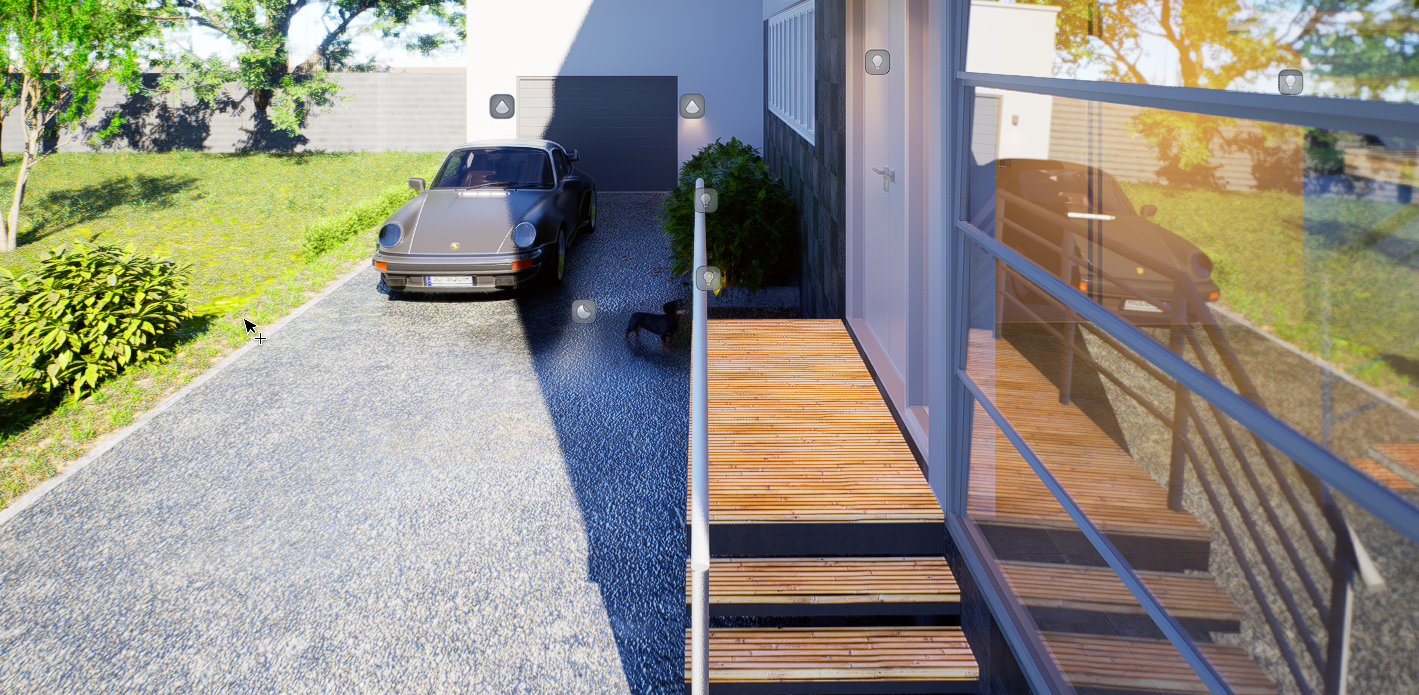
D5 Render’s AI-powered material tools enable effortless creation of photorealistic textures for sustainable materials like bamboo. The Cartes de textures matérielles générées par l'IA produces custom textures that accurately capture bamboo’s organic grain and color variations, while the IA pour rendu sans raccord feature ensures perfect tiling for large-scale applications. For ultra-high fidelity, AI Ultra HD Texture enhances resolution without compromising performance. This combination allows designers to create authentic, environmentally-conscious bamboo textures for façades or flooring with remarkable efficiency—no manual tweaking required.
❷ PBR Materials for Industrial Elements
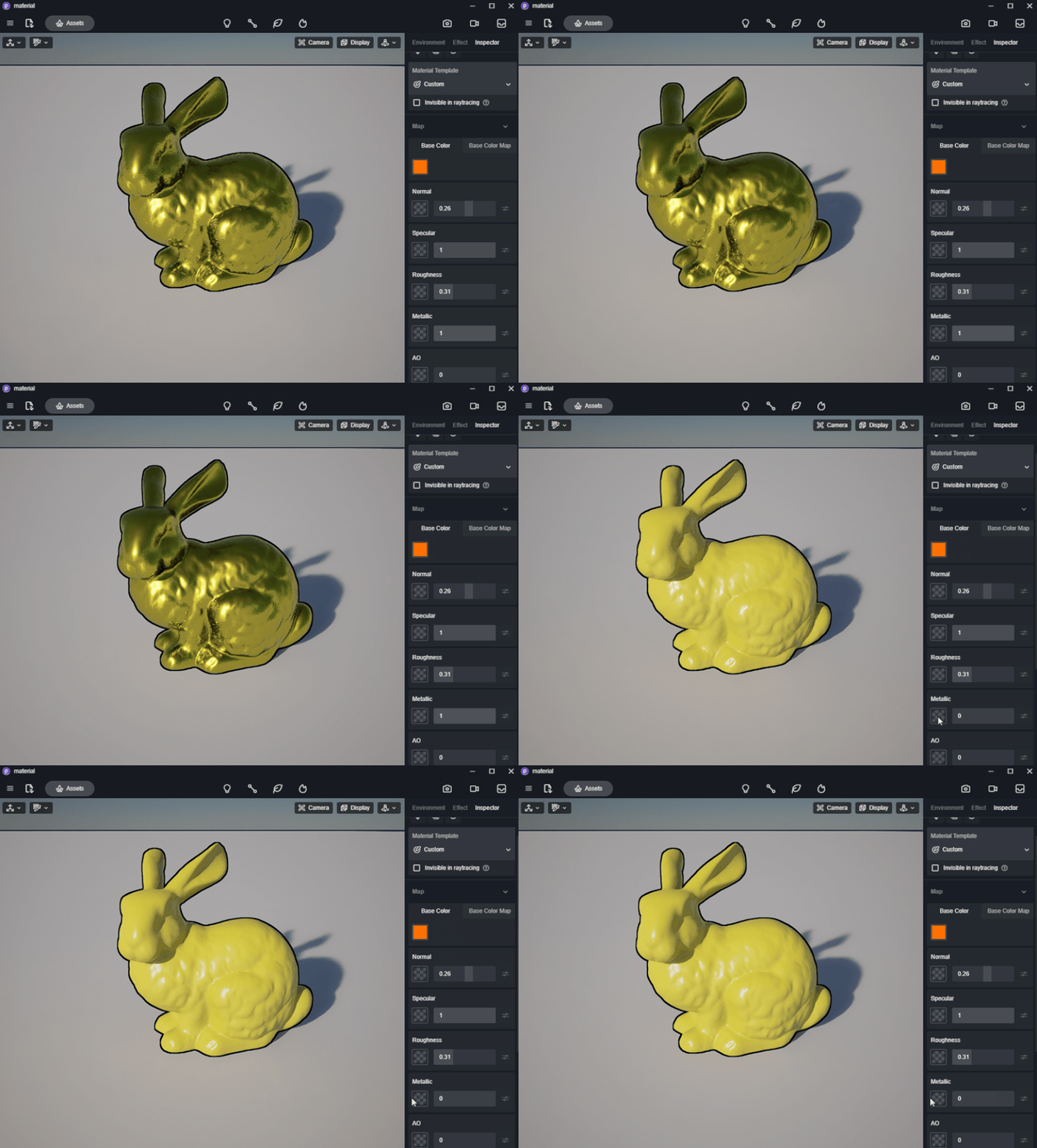
For industrial materials like recycled steel, D5 Render ’s support for physically based rendering (PBR) ensures that metallic properties, reflectivity, and subtle aging effects—such as rust or patina—are accurately represented. You can showcase how upcycled steel beams or panels will look under different lighting conditions without needing physical samples. This helps clients understand both the aesthetic and sustainable value of these choices.
Comment utiliser AI Make Seamless ? | Manuel d'utilisation >
What Are PBR Materials & How to Use Them in D5 Render >
❸ Sustainable Lighting Performance with Ray Traced GI
D5 Render’s ray-traced lighting et illumination globale (GI) enable architects to conduct sunlight analysis. GI accurately simulates how surfaces—including sustainable materials like reclaimed wood or low-carbon concrete—respond to changing light, allowing precise evaluation of finishes, textures, and environmental performance. For furniture or product designers, GI renders materials with photorealistic accuracy.
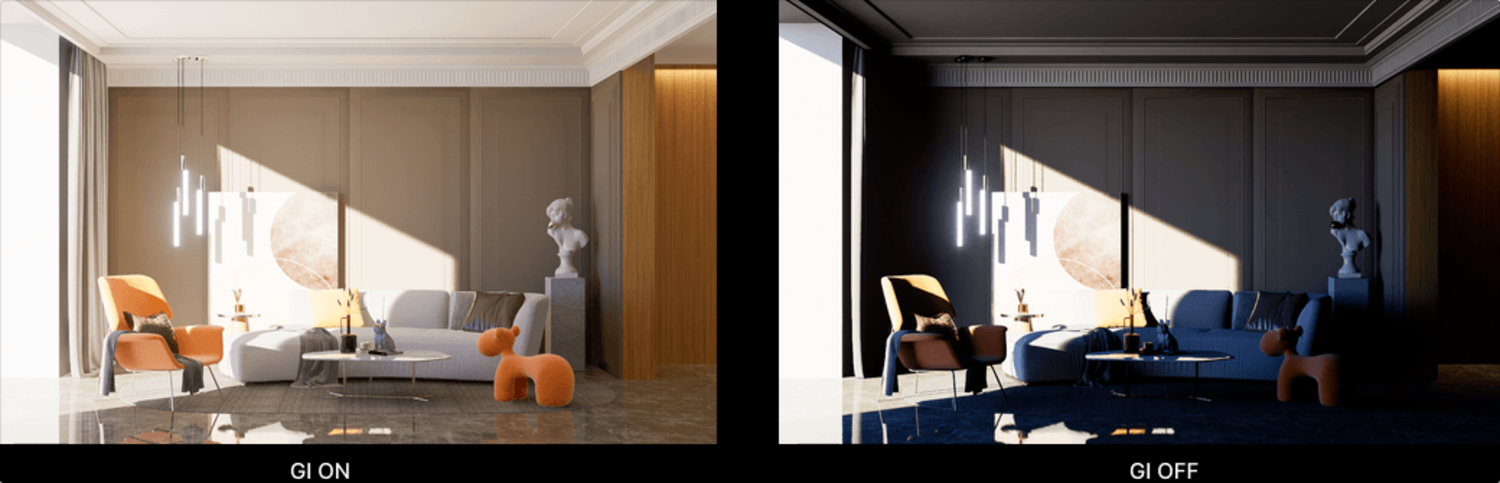
What’s Global Illumination and Why We Need It >
What is Real-Time Path Tracing in D5 Render 2.10 and Why Does It Matter? >
4. How D5 Render Enhances Sustainable Design
D5 Render transforms sustainable architecture by bridging the gap between concept and reality. Its cutting-edge tools empower designers to make eco-conscious decisions with confidence—before construction begins. Here’s how:
① Real-Time Feedback for Informed Decisions
Test sustainable materials instantly with D5 ’s interactive workflow. Compare how:
- Recycled glass vs. traditional windows diffuse natural light
- Bamboo flooring vs. concrete impacts the overall aesthetic and feel of a space
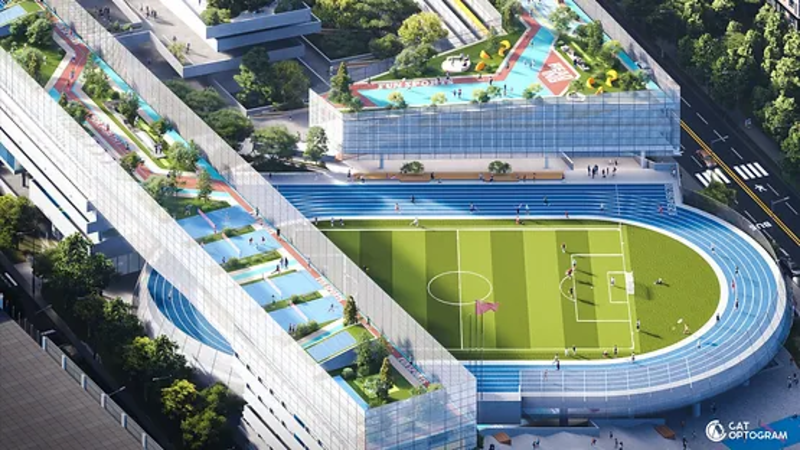
- Showcase the stunning visual impact of green roof materials on buildings using D5 Render for your clients.
This immediate feedback loop eliminates guesswork, allowing architects to optimize designs for both aesthetics and sustainability in minutes.
② Photorealistic Material Representation
D5’s AI nhancer et Matériaux PBR capture the essence of sustainable elements with unprecedented accuracy:
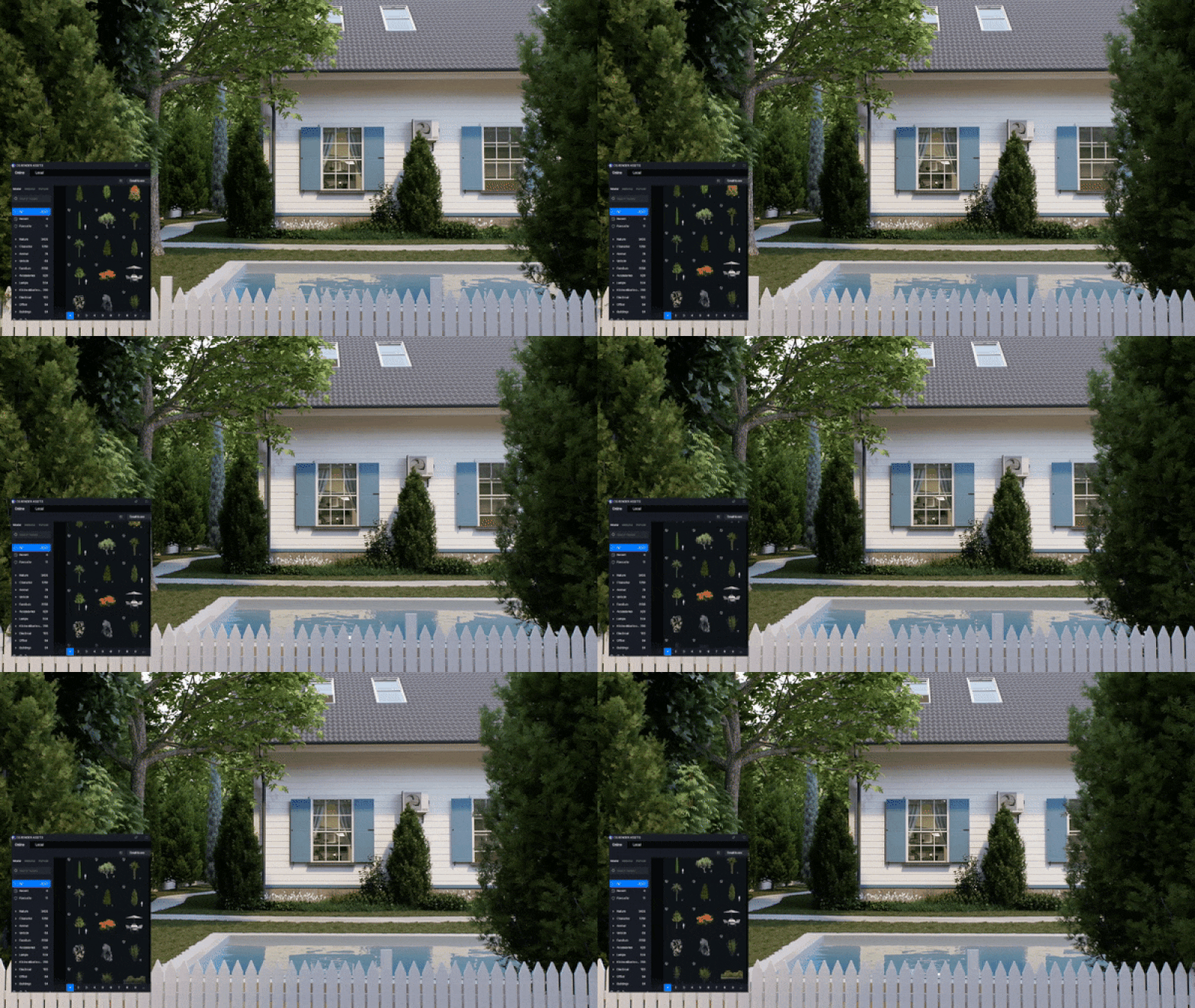
- Use D5’s AI tools like AI Ultra HD Texture to create detailed textures for materials like hempcrete and reclaimed wood
- Leverage D5’s asset library to design lifelike landscapes and sustainable environments with unprecedented efficiency.
- Adjust material properties to achieve desired texture effects.
These features help clients visualize sustainability as tangible beauty rather than abstract concepts.
③ Climate-Responsive Design Tools
D5 Render ’s environmental simulation tools take sustainable design beyond static visuals:
- Simulate environmental conditions like sunlight patterns and shade to instantly preview material performance across climates, seasons, and times of day – optimizing visual outcomes with real-time feedback.
- Explore seasonal changes and solar studies to ensure designs are climate-adaptive
D5 Render’s comprehensive lighting and shadow simulation capabilities allow for thorough analysis of solar impact on designs.
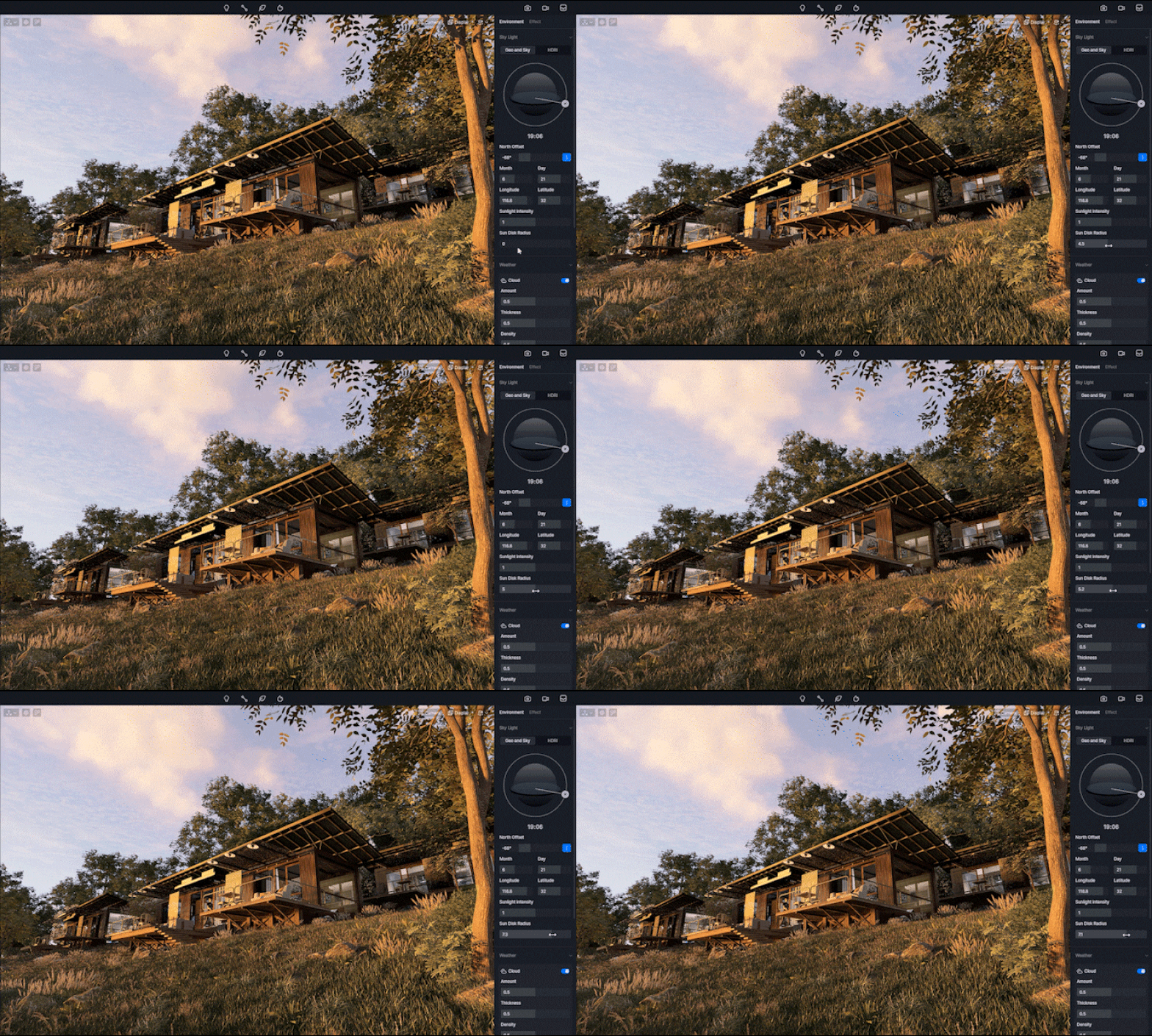
By combining advanced rendering technologies with intuitive design tools, D5 Render not only visualizes sustainable designs but also showcases their practical application and benefits.
5. Conclusion on Sustainable Building Materials in D5 Render
Sustainable materials are transforming construction – and with D5 Render , you can see that future today. Its real-time visualization brings eco-friendly choices like bamboo and recycled steel to life, helping architects test designs without waste. From simulates sunlight patterns to showcasing sustainable building materials textures in stunning detail, D5 makes sustainable decisions clearer and more convincing. As green building becomes the norm, tools like this ensure designs aren’t just environmentally smart – they’re visually impressive too. Ready to build better? D5 Render helps turn sustainability from an idea into inspiring reality.
Learn More About Sustainable Buildings Rendered in D5 Render
Enhancing Green Architecture with AI Powered Real-Time Rendering >
Green & Sustainable Residential Landscape Design Tips >
Advanced Green Architectural Design with D5 Render >
Architecture students winning in global Design Competition with D5 Render >
FAQs: Sustainable Building Materials in D5 Render
1️⃣ How can I ensure accurate material representation for sustainable options like hempcrete or cork?
D5 Render’s AI-generated textures and PBR (Physically Based Rendering) materials provide photorealistic representations of sustainable materials. For rare or custom textures (like hempcrete), use AI Make Seamless to refine tiling or import custom PBR maps for precise visual accuracy.
2️⃣ Why do some sustainable materials look unnatural under different lighting conditions?
D5’s real-time traçage de rayons et GI simulate how materials react to light. Adjust Geo Sky presets to test daylight variations and use AI Ultra HD Texture to enhance detail, ensuring realistic interactions with sunlight and shadows.
3️⃣ How can I compare multiple sustainable materials efficiently?
D5’s real-time feedback allows instant material swaps (e.g., bamboo vs. reclaimed wood). Leverage D5 Render’s extensive Asset Library to experiment with different material options and run multiple test renders to evaluate aesthetic appeal, lighting performance, and sustainable design benefits.
4️⃣ What if my sustainable material isn’t in D5’s default library?
D5 supports custom material imports via Textures PBR . For unique materials like mycelium or ferrock, create AI-generated textures or source high-quality texture maps from sustainable material databases, then fine-tune properties like reflectivity and roughness.

 English
 Español
 Français
 한국어
한국어 日本語
日本語