
주요 요점:
- 건축 시각화는 디자인 과정의 핵심적인 부분이 되었습니다, 학생들이 최종 발표 단계에서만 아이디어를 생각하고 시험하고 소통하는 것이 아니라 실시간으로 할 수 있도록 지원합니다.
- 장기적인 교육적 영향은 구조화된 제도적 채택에서 비롯됩니다—교수진 교육, 교육 과정에 도구 통합, 학생들에게 보편적 접근 보장.
- AI 리터러시는 이제 건축 교육에서 기초적인 기술입니다., 준비하는 학생들을 이미 직무를 형성하고 있는 도구와 워크플로우로.

소노라 총회에서 시작된 한 워크숍이 이제는 건축 시각화 및 AI를 고등 교육에 통합하는 새로운 모델로 훨씬 더 큰 영향을 미치도록 발전했습니다.
D5 Render와의 파트너십을 통해 소노라 대학교(UNISON)는 건축학 스승들을 대상으로 아이디어 발표 방식뿐만 아니라, 시각화, 설계 워크플로우, 미래 준비 교육에 대한 대학의 접근 방식 자체를 변화시킨 집중적인 실습 학습 경험을 개최했습니다.
1. 워크샵에서 제도적 추진력까지
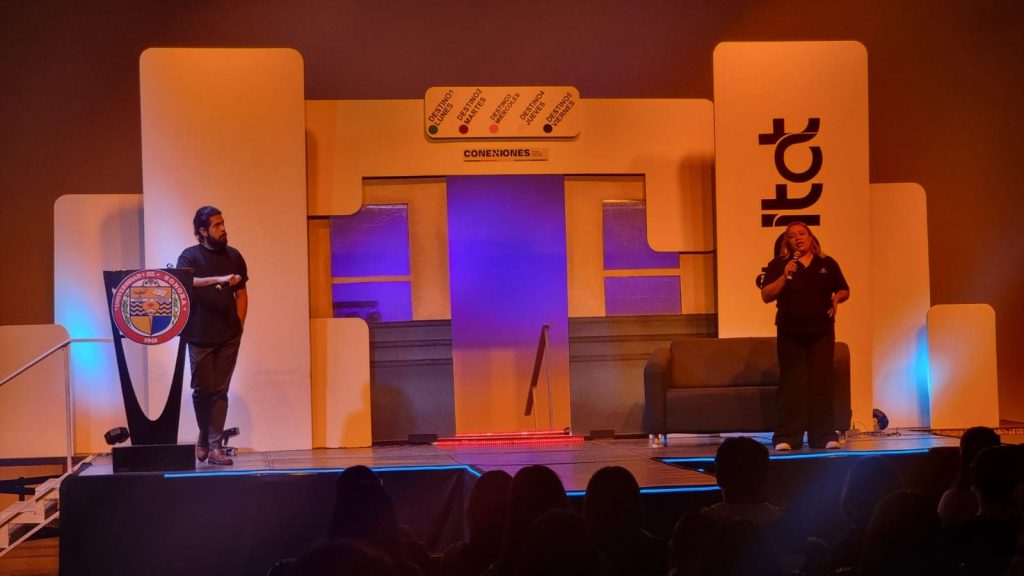
행사 기간 동안 유니슨 에르모시요 캠퍼스 학생 40여 명이 D5 Render LATAM의 고객 성공 관리자 호세 안토니오 프레시아도가 이끄는 20시간의 전문 워크숍에 참여했습니다.
실제 워크플로우를 시뮬레이션하도록 설계된 이 교육은 실시간 시각화를 완성 터치가 아닌 디자인 프로세스의 핵심 부분으로 소개했습니다. 5일 동안 학생들은 완전한 시각화 파이프라인을 통과했습니다.
- SketchUp, Rhino, Revit등에서 모델 가져오기
- AI 기반 PBR 워크플로우로 소재 제작 및 작업
- 조명, 분위기 및 환경 제어 살펴보기
- 카메라 설정, 애니메이션 제작 및 고품질 내보내기 제작하기
- 학술 포트폴리오에 포함하기 위한 내부 및 외부 프로젝트 완료
많은 학생들에게 실시간 렌더링과 AI 기반 도구는 처음 접하는 경험이었으며, 그 영향은 즉각적이었습니다.
2. 학생들이 생각하고 소통하는 방식의 변화
워크숍이 끝날 무렵, 학생들은 완성된 시각화 자료를 발표했으며, 일부는 작업의 명확성과 품질로 특별 표창을 받았습니다. 하지만 수상보다 더 의미 있었던 것은 인식의 분명한 전환이었습니다.
“학생들이 실시간 3D 시각화를 통해 아이디어를 발표하는 방식에 근본적인 변화가 있었습니다. 이제 학생들은 이 프로그램을 시각화 도구뿐만 아니라 설계 도구로도 사용하고 있습니다.”
- 유니슨 교수진
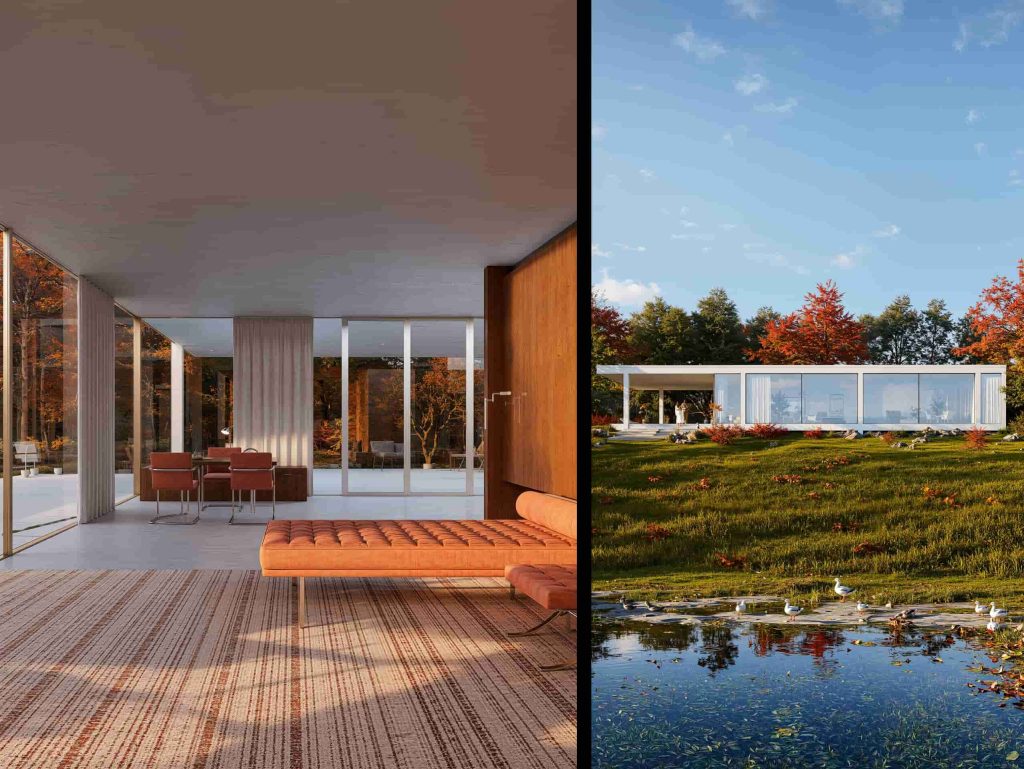
시각화는 더 이상 결과물이 아니라 창작 과정의 필수적인 부분이 되었습니다. 학생들은 아이디어를 설명하기 위해서뿐만 아니라 아이디어를 형성하고 다듬기 위해서도 시각화를 사용하기 시작했습니다.
개념, 디자인 의도, 커뮤니케이션을 시각화가 연결하는 이 진화는 많은 건축 프로그램이 달성하고자 하는 바와 정확히 일치합니다.
3. 유니슨이 더 나아가기로 결정한 이유
이 이니셔티브가 주목할 만한 이유는 그다음에 일어난 일입니다.
워크숍을 일회성 경험으로 취급하기보다는 UNISON의 학문 리더십은 시각화와 AI 교육 방식을 발전시킬 수 있는 더 넓은 기회를 보았습니다. 커리큘럼 위원회 한 회원이 말했듯이:
“불과 몇 년 만에 D5는 시장에서 가장 사용자 친화적이고 강력하며 혁신적인 옵션이 되었습니다. 그 잠재력을 잘 알고 있는 우리 직원들은 이제 이를 커리큘럼에 통합하기 위해 노력하고 있습니다.”
D5의 사용 용이성, 기존 플랫폼과의 호환성, 통합 AI 도구는 학생들에게 접근하기 쉬울 뿐만 아니라 교직원이 대규모로 채택하기에도 실용적이었습니다.
또한 읽어보세요: 끝없는 3D 후처리 작업에 지치셨나요? D5 Render 클릭 한 번으로 완성하세요
4. 단일 이벤트를 확장 가능한 모델로 전환하기
의회, UNISON 및 D5 Render 이후로 실시간 시각화를 대학의 학술 전략에 통합하기 위한 장기적인 프레임워크 구축을 시작했습니다. 여기에는 다음이 포함됩니다.
4.1 교직원 연수
교수님들은 이제 D5 Render을(를) 채택할 수 있는 안내가 포함된 주문형 교육 자료에 액세스할 수 있으며 AI 워크플로 그들의 기존 교육에 방해되지 않게.
4.2 간소화된 교육 라이선싱
학생들은 무료 D5 Render 라이선스에 쉽게 액세스하여 하드웨어 제한 없이 자신의 장치에서 작업할 수 있으며, 첫 학기부터 전문가 수준의 작품을 제작할 수 있습니다.
4.3 UNISON 플랫폼을 통한 연중 학습
이제 UNISON의 기관 플랫폼을 통해 선택 사항인 D5 Render 워크숍을 이용할 수 있습니다. 이를 통해 학생들은 유연하고 지속적인 고급 시각화 교육 접근 권한을 얻게 됩니다.
5. 산업의 미래를 위한 학생 준비
이번 협업은 AEC 업계가 나아가고 있는 방향에 대한 폭넓은 이해를 반영합니다. 실시간 렌더링과 AI 워크플로는 더 이상 새로운 트렌드가 아니라 디자인 전문가의 기본 기술로 빠르게 자리 잡고 있습니다.
“AI 워크플로우는 디자인과 경영 프로젝트 자체의 구조적인 DNA 부분이 될 것입니다.”
이러한 도구들을 학문적 틀 안에 통합함으로써, UNISON은 졸업생들이 다음과 같은 역량을 갖추고 사회로 나아갈 수 있도록 보장합니다:
- 산업 표준 워크플로우에 대한 실질적인 능숙도
- 강력하고 시각적으로 돋보이는 포트폴리오
- 설계 및 의사결정 과정의 일부로서 AI 사용에 대한 자신감
또한 읽어보세요: 2025년 건축 분야의 AI: 예상치 못한 5가지 놀라운 패턴
6. 라틴 아메리카 건축 학교 모델
소노라 의회의 하이라이트로 시작된 것이 이제 UNISON을 건축 시각화 교육 분야의 지역 리더로 자리매김하고 있습니다.
단기 워크숍이 교수진 지원, 교육 과정 조정, 접근 가능한 도구와 함께 이루어질 때 진정한 변화가 가능해집니다.
귀 대학에 이 모델을 도입하는 데 관심이 있으신가요?
UNISON과 D5 Render의 파트너십은 교육 이벤트가 어떻게 실시간 시각화와 AI를 통해 학계와 전문 실무를 연결하며 장기적인 변화를 촉발할 수 있는지를 보여주는 강력한 예시입니다.
라탐 시장에서 협력 또는 교육 구현을 탐색하려면 메시지를 보내주세요.
[email protected]
[email protected]
 English
 Español
 Français
 한국어
한국어 日本語
日本語