

Founded in 1967, Nihon Sekkei is one of Japan’s largest and longest-established multi-disciplinary design firm. The firm offers end-to-end services across architectural design, urban design, landscape design, civil engineering and project management. With hundreds of architects and specialists working across offices in Japan and abroad, Nihon Sekkei is known for handling complex, large-scale projects both domestically and internationally.
Key Takeaways
Nihon Sekkei regularly undertakes large and highly complex projects that require close collaboration between architecture, urban design, landscape design, and engineering teams. The scale of these projects, the use of multiple tools such as Revit and Rhinoceros, and the need for tight cross-team coordination created a strong demand for a visualization solution that combines speed, high compatibility, and collaborative capability.
D5 Render answered these challenges with:
- Real-time, high-quality rendering and smooth syncing with Revit and Rhinoceros.
- Multi-editor scene editing that allows multiple users to work on the same project simultaneously, significantly improving efficiency.
- An intuitive interface allowing architects to produce visuals at early stage, with smooth handoff to visualization experts.
- Rich vegetation assets and tools that support consistency between architectural and landscape design.
Turning Scale and Complexity into Strength: Nihon Sekkei’s Research-Driven Workflow
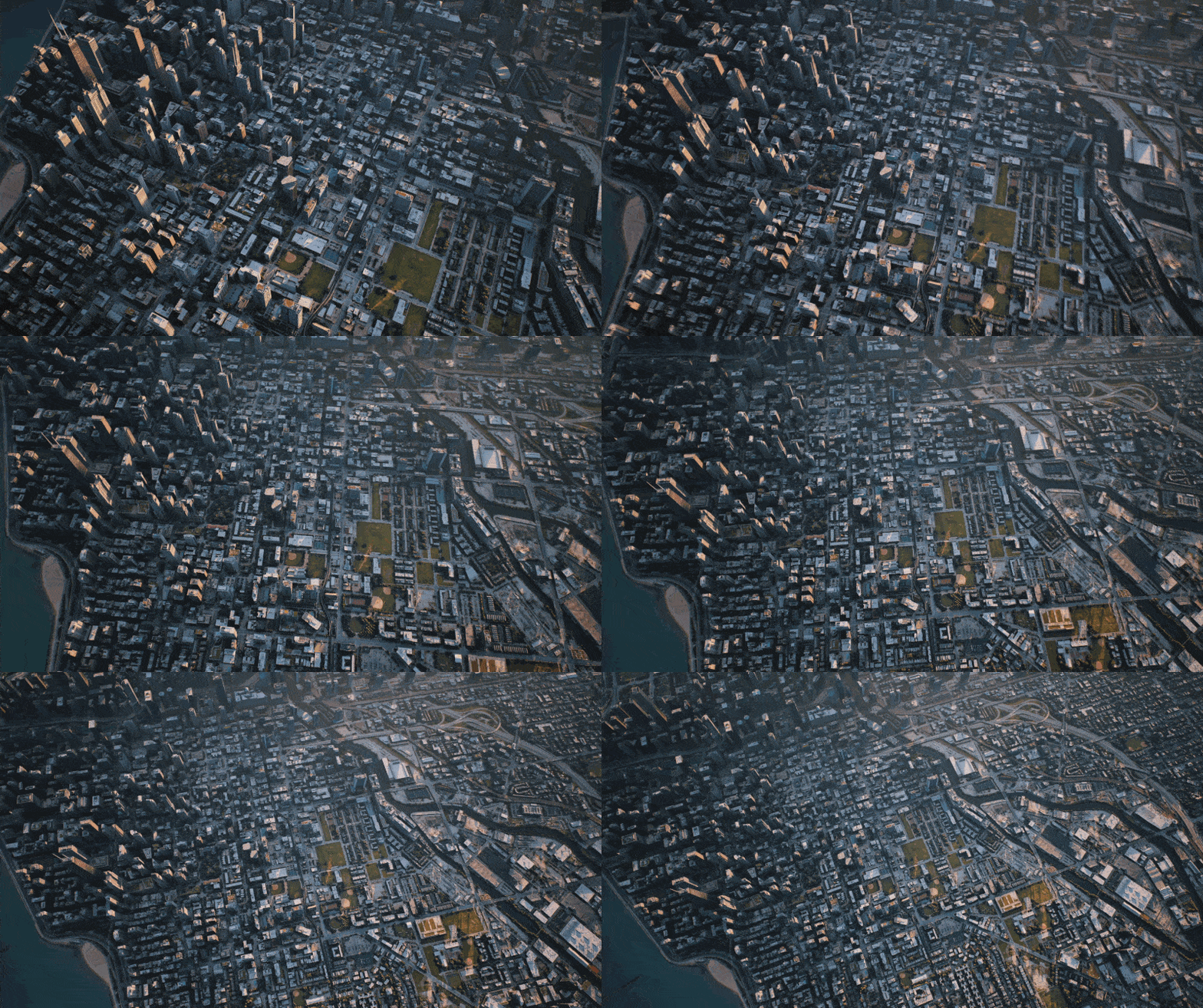
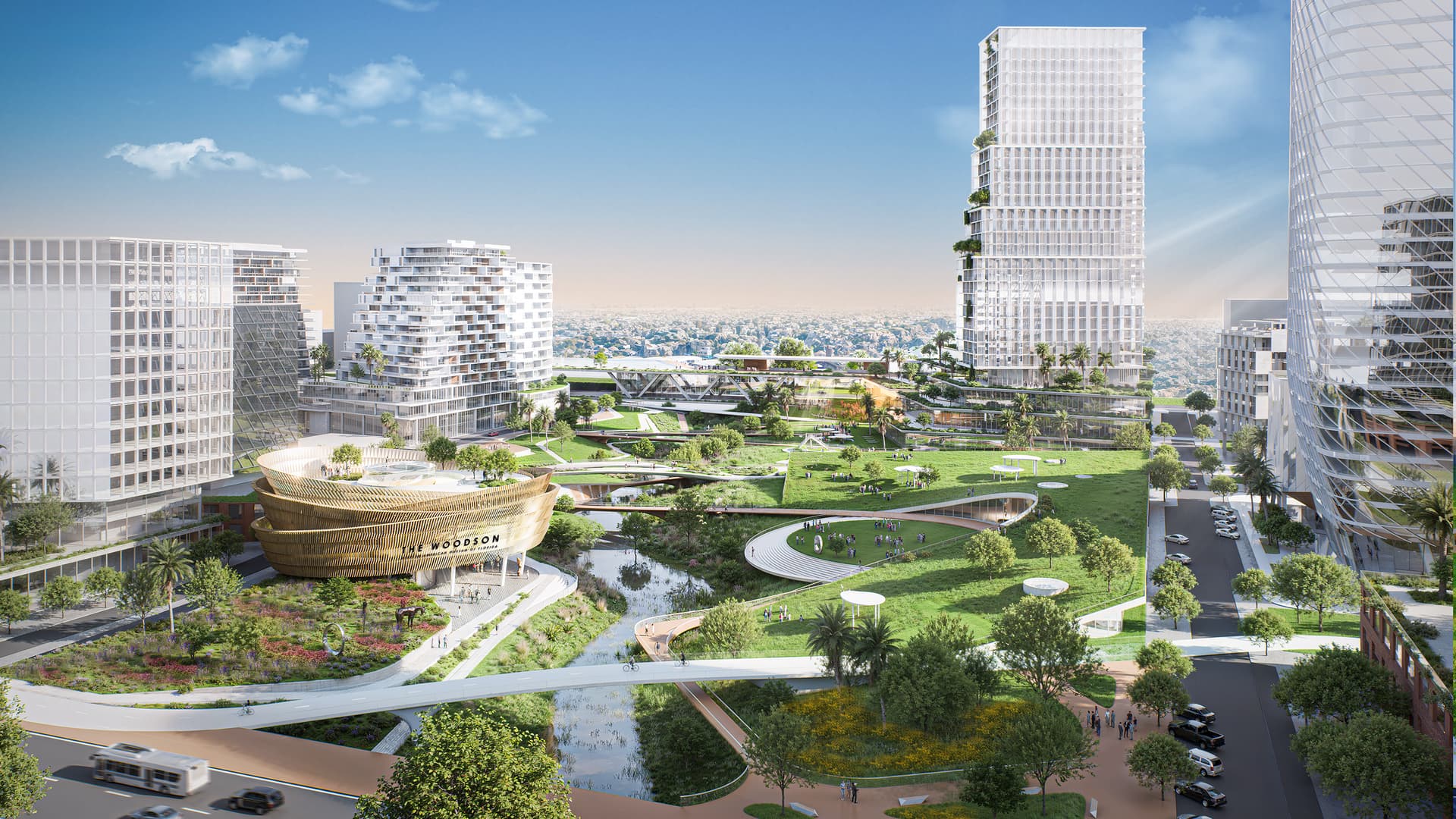
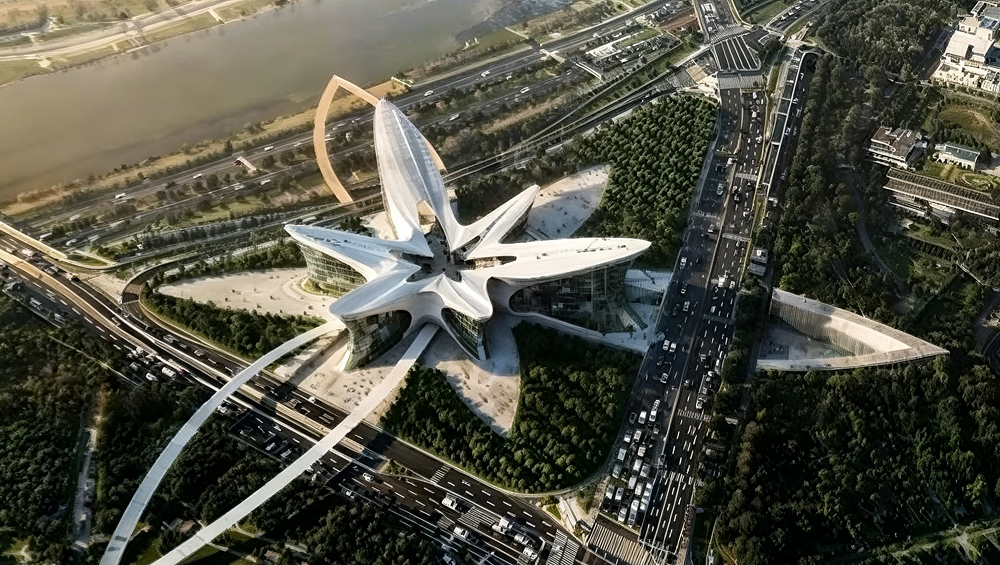
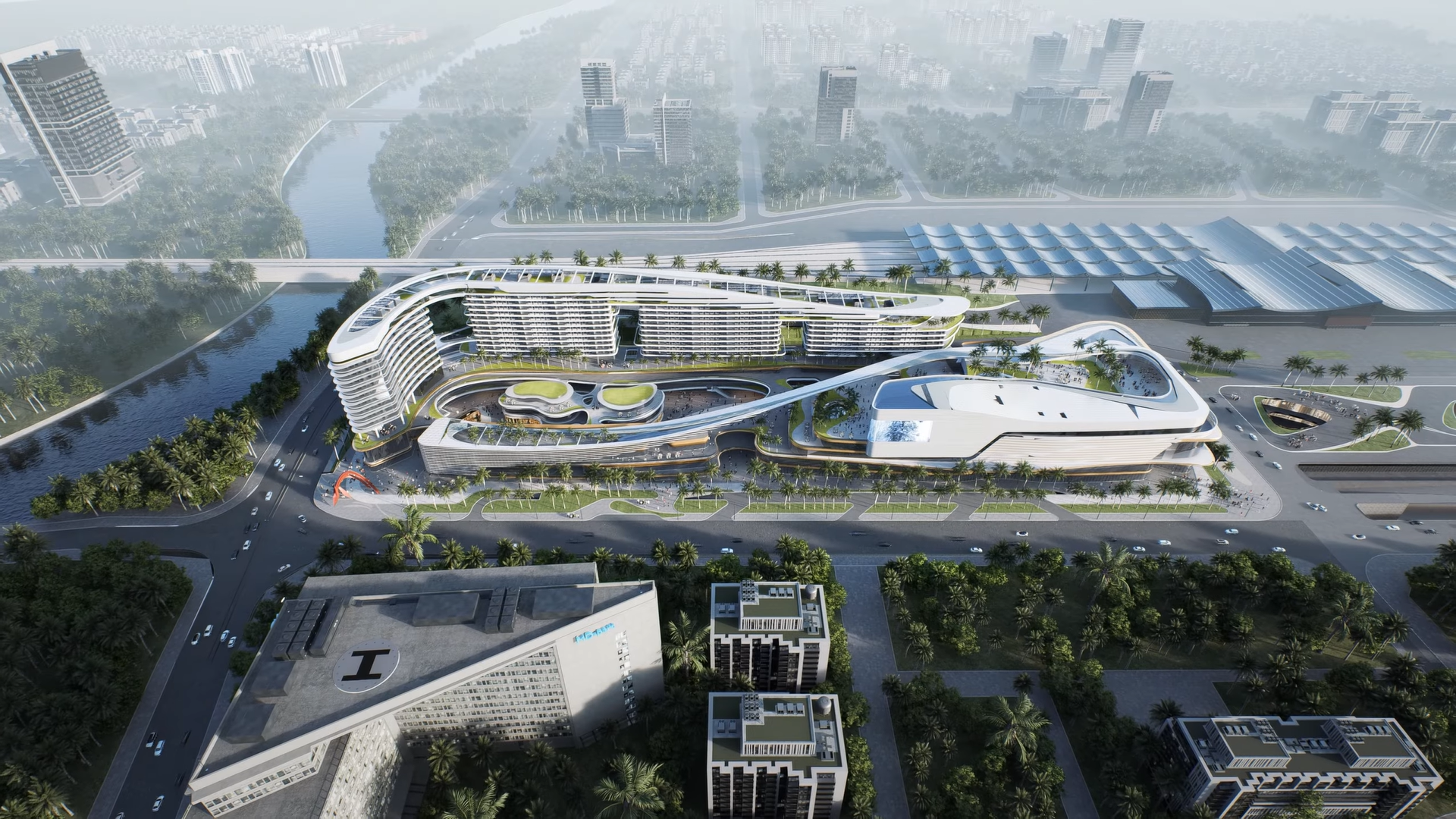
Nihon Sekkei’s portfolio spans a wide range of project types, including urban developments, public facilities, commercial buildings, and university campuses. These projects often involve long timelines, many stakeholders and multiple design disciplines working in parallel—placing particularly high demands on tools for visualization and information sharing.
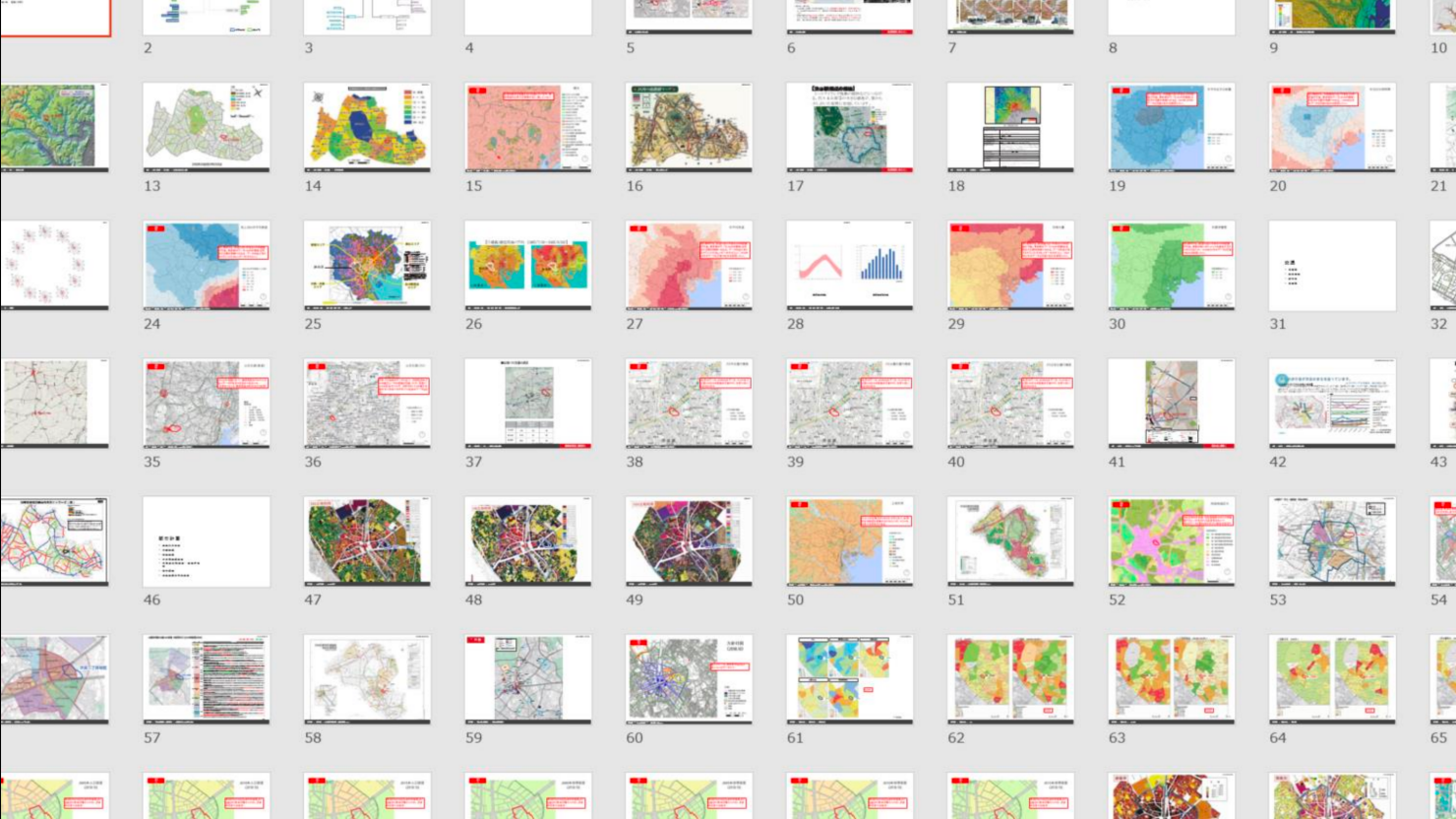
One defining characteristic of Nihon Sekkei’s approach is the comprehensive research phase conducted at the outset of each project. This includes careful study of site history, environmental context, transportation systems, urban planning policies, disaster prevention considerations, and regulatory frameworks. The findings are shared across the entire design team—including engineering specialists—to establish a unified understanding before design development begins.
However, this integrated workflow also brings challenges:
- Handling Large and Complex Data
From extensive site models to highly detailed building information, projects require a visualization environment that remains responsive even under heavy data loads, allowing teams to continue exploring ideas without interruption.
- Managing Diverse Design Tools
Nihon Sekkei relies primarily on Revit and Rhinoceros, along with various simulation tools.
For example, in the design of Nagaoka Institute of Design, Atelier Building No.4, an agile design process was adopted, in which multiple performance criteria—such as façade thermal loads, structural analysis, and analyses of light and wind—were addressed simultaneously. This approach required fast, reliable interoperability with rendering software.

- Cross-Disciplinary Coordination
Architecture and landscape teams need to review project conditions within a shared visual environment and maintain overall alignment—particularly when it comes to accurately conveying landscape design intent through planting representation.
- Clear, High-Quality Visual Communication
Efficient communication between designers and clients depends on the ability to share concepts and visuals quickly and accurately, reducing misunderstandings and unnecessary revisions.
Together, these factors underscored the need for a visualization tool that combines speed, compatibility, and collaborative capabilities—one capable of supporting projects of this scale and complexity for Nihon Sekkei.
From Challenge to Solution: Why Nihon Sekkei chose D5 Render
D5 Render provided practical, workflow-oriented solutions to Nihon Sekkei’s key challenges.
- Seamless Synchronization with Revit and Rhinoceros
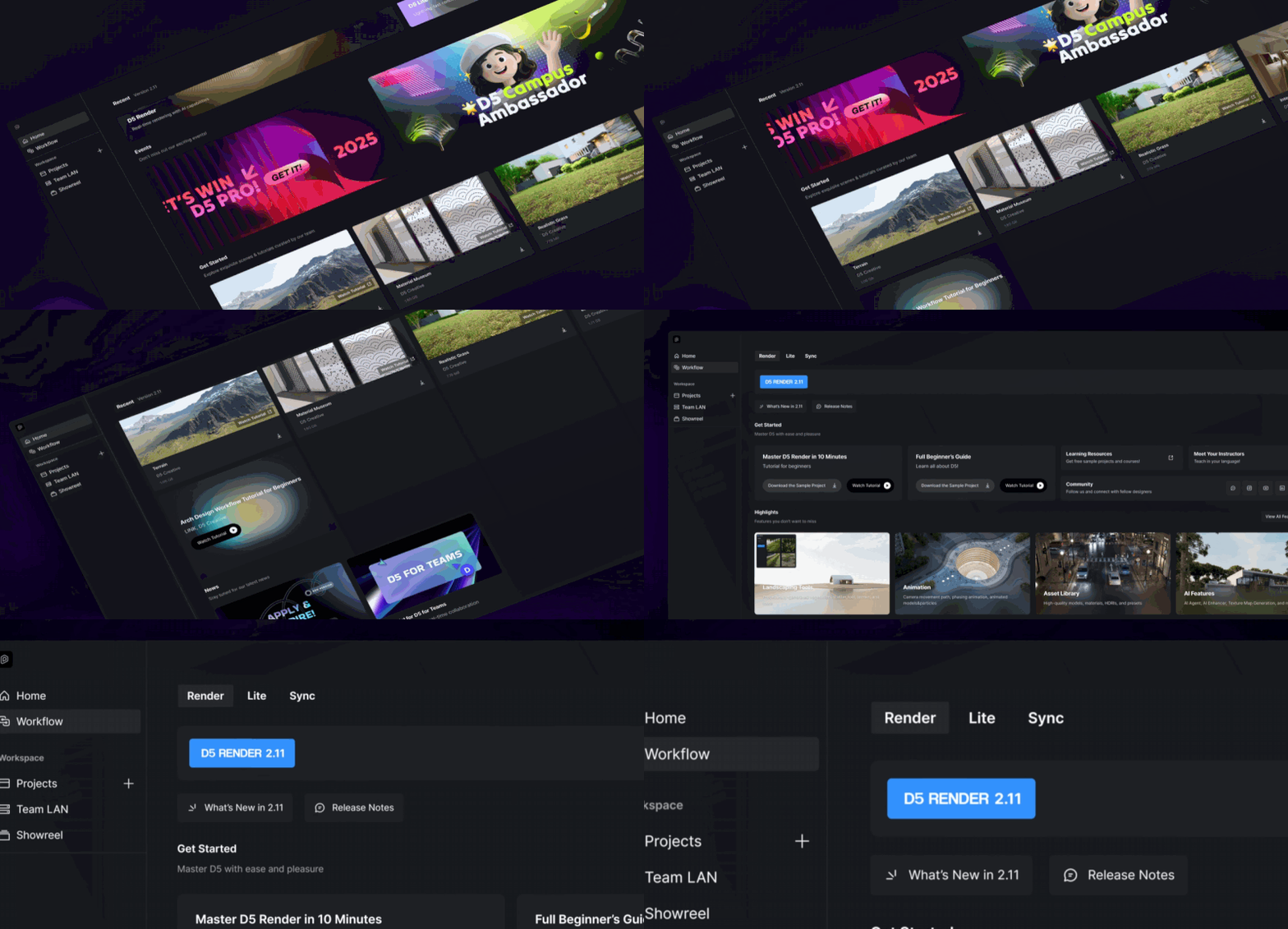
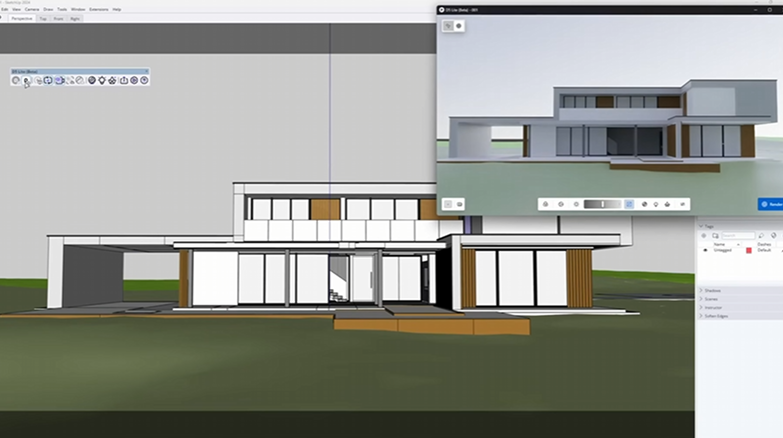
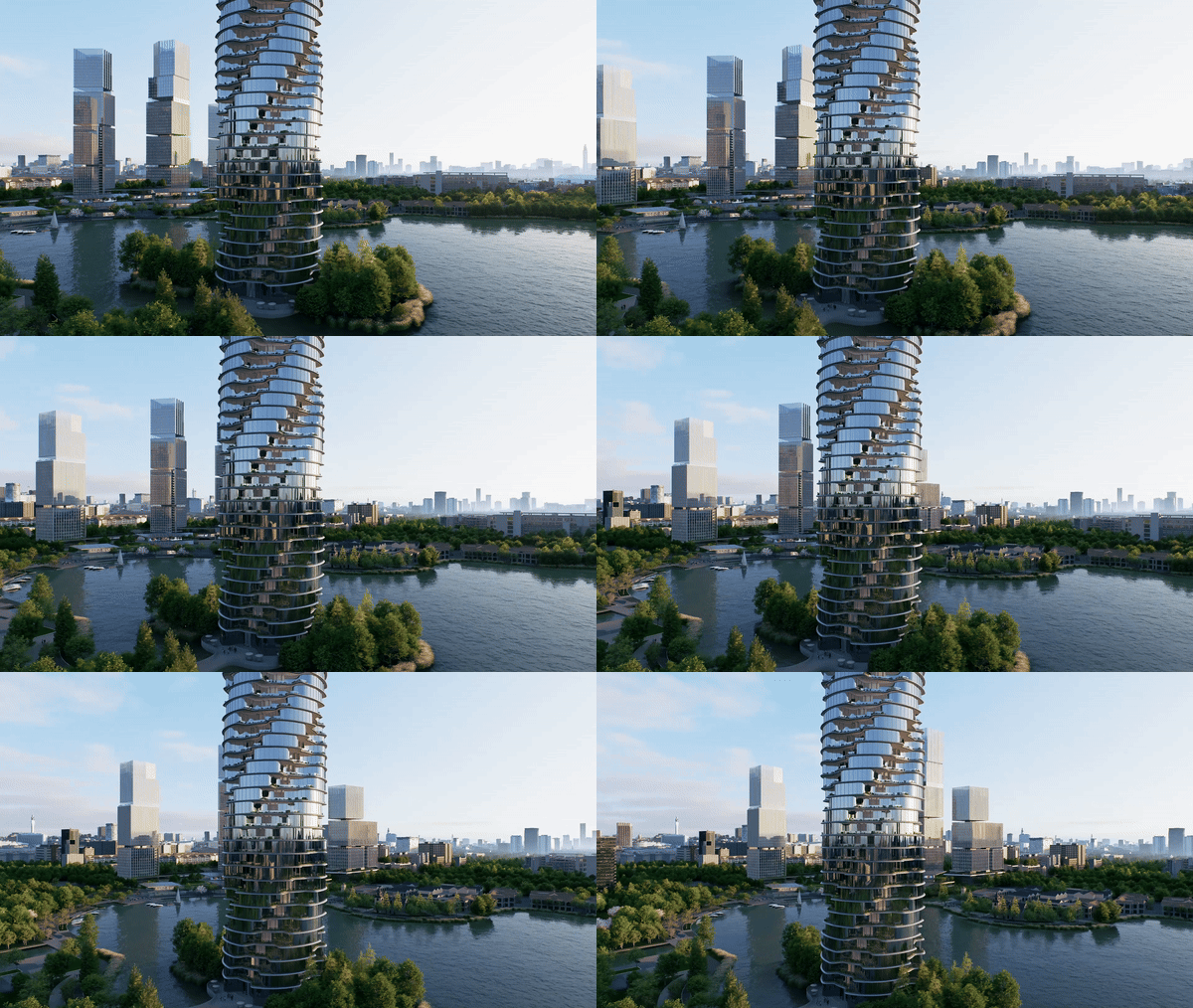
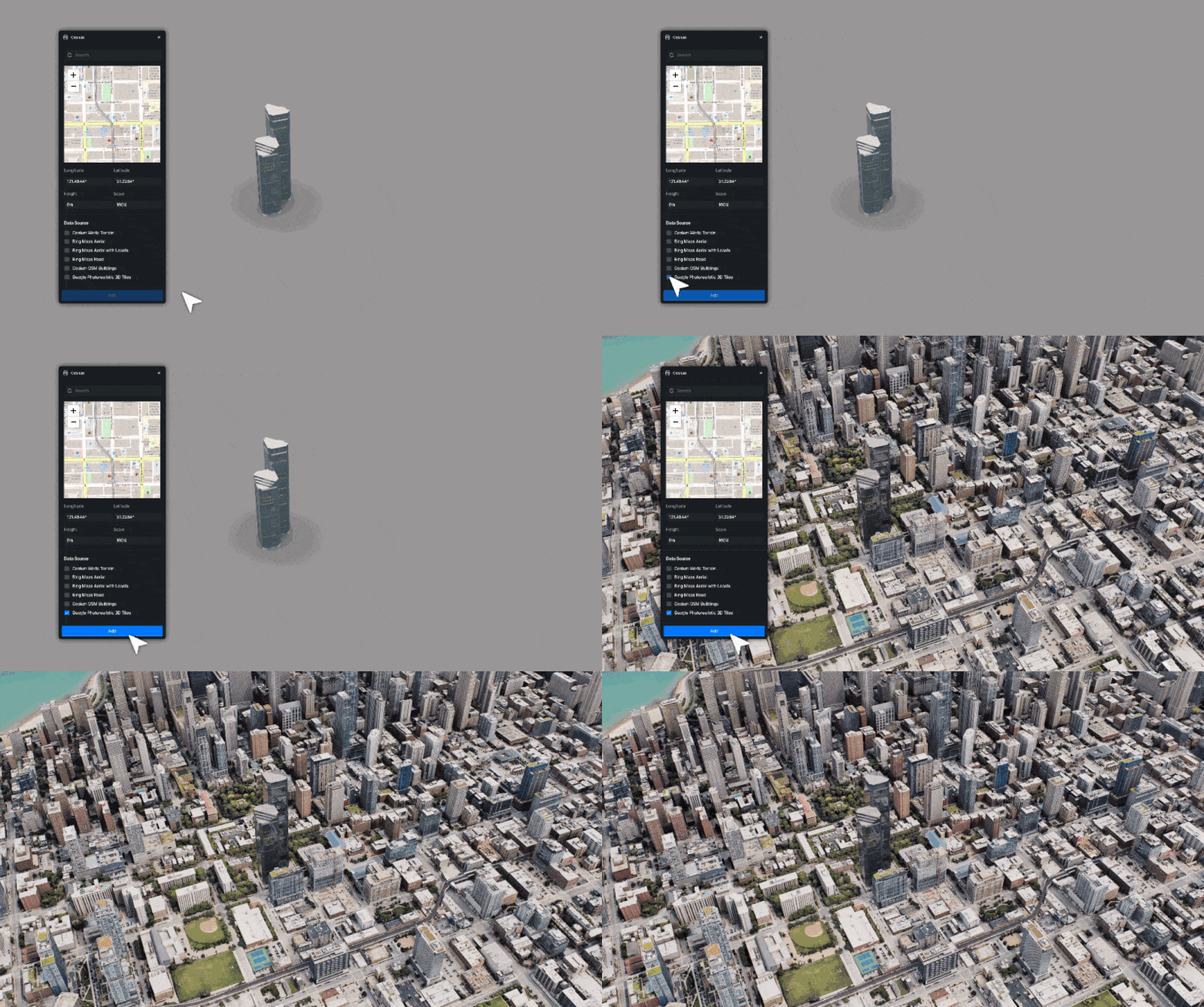
In addition to sending camera views set in Rhino directly to D5 Render, views can also be adjusted within D5 itself. This reduces redundant work while enabling consistent visual communication in step with the design process. D5 also supports smooth data interoperability across architectural, structural, and MEP disciplines in Revit.
- Efficient Collaboration with Multi-Editor Functionality
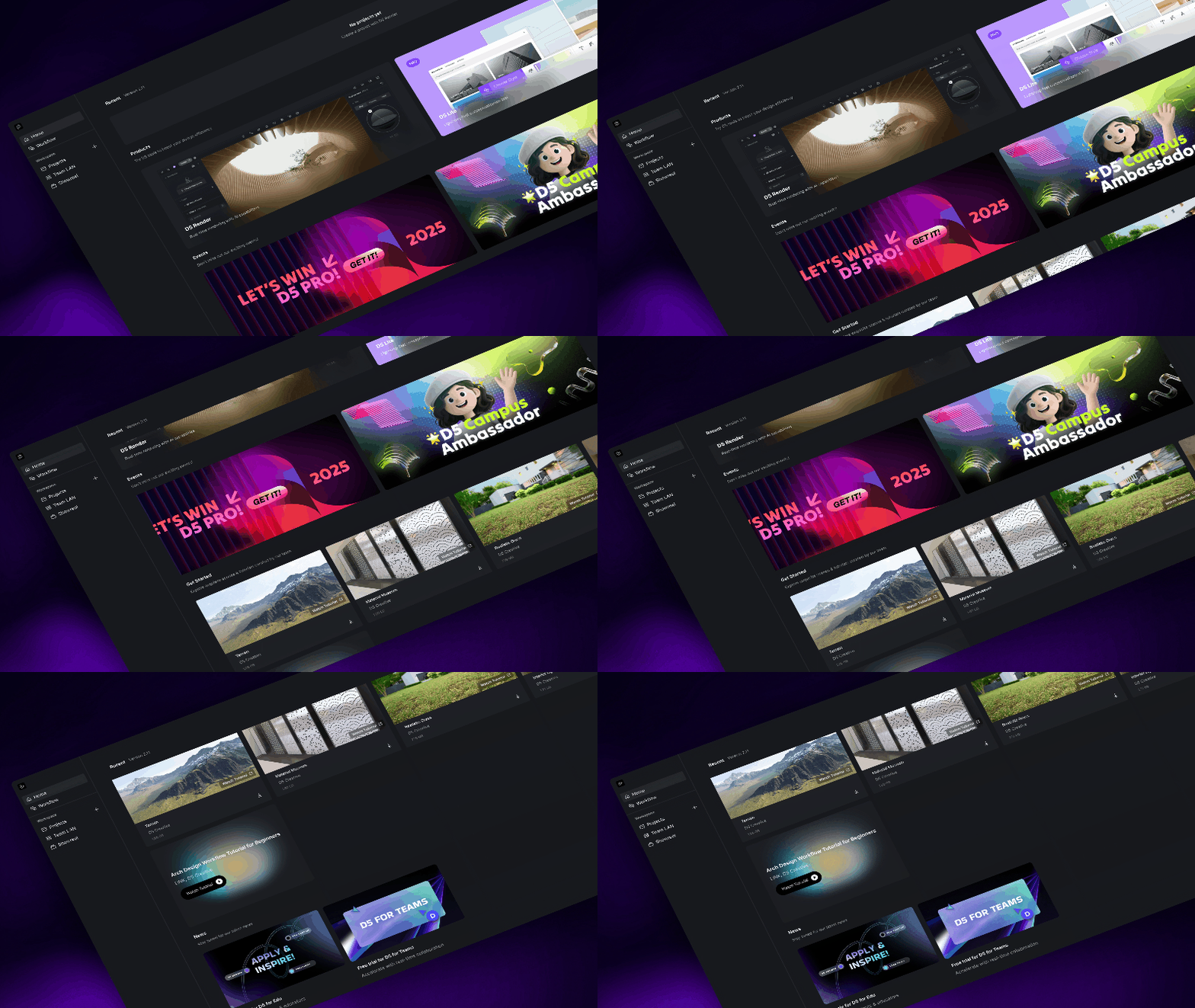
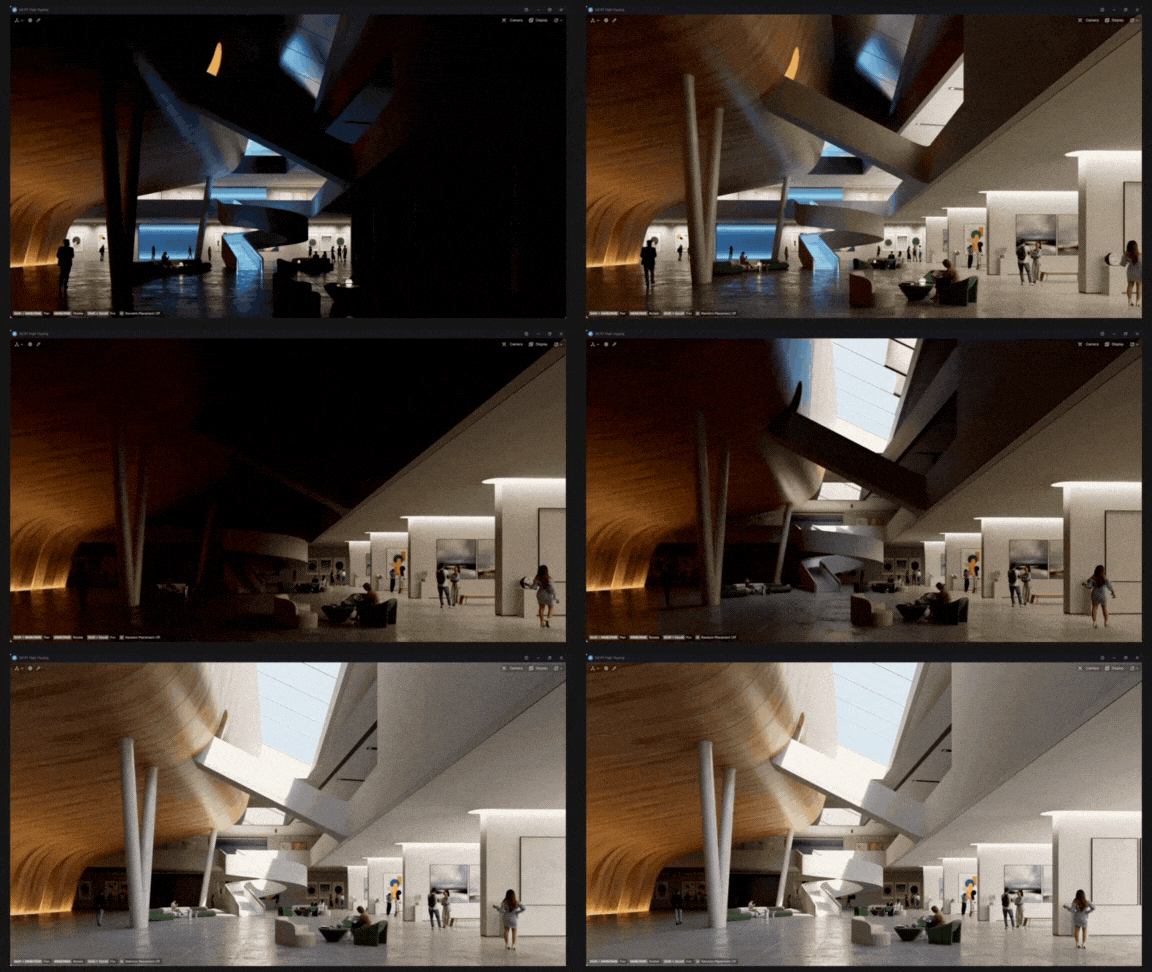
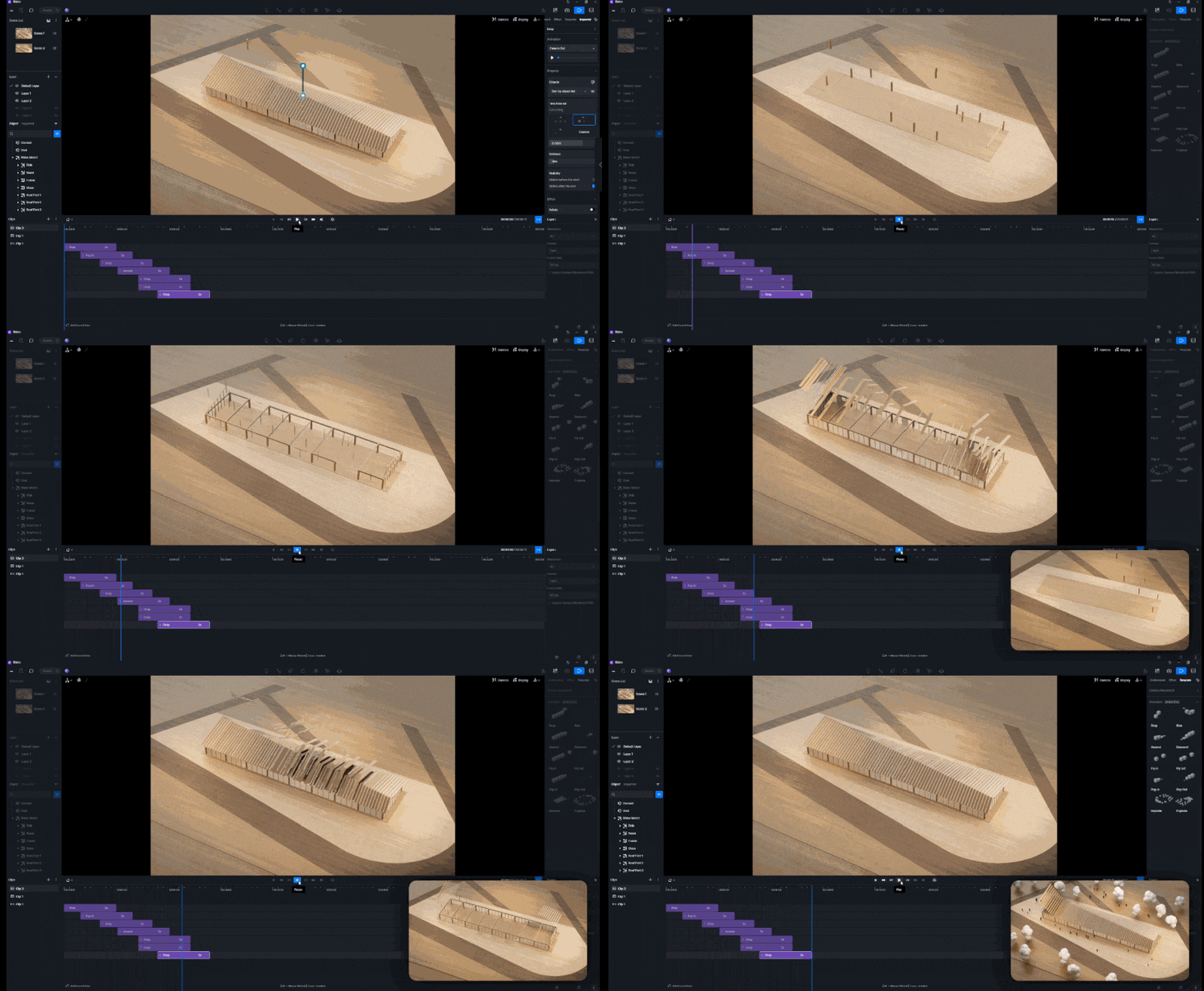
With D5 Render for Teams, multiple teams can edit the same scene simultaneously, eliminating the need to wait in line as with traditional workflows. As a result, overall productivity is significantly improved.
“共同作業ができるので、一人一人が順番を待ちながらシーンファイル編集するような工程が削減された。”
"Since collaborative work is now possible, we were able to eliminate the process of each person editing the scene file one after another."
- Ease of Use and Flexible Role Allocation
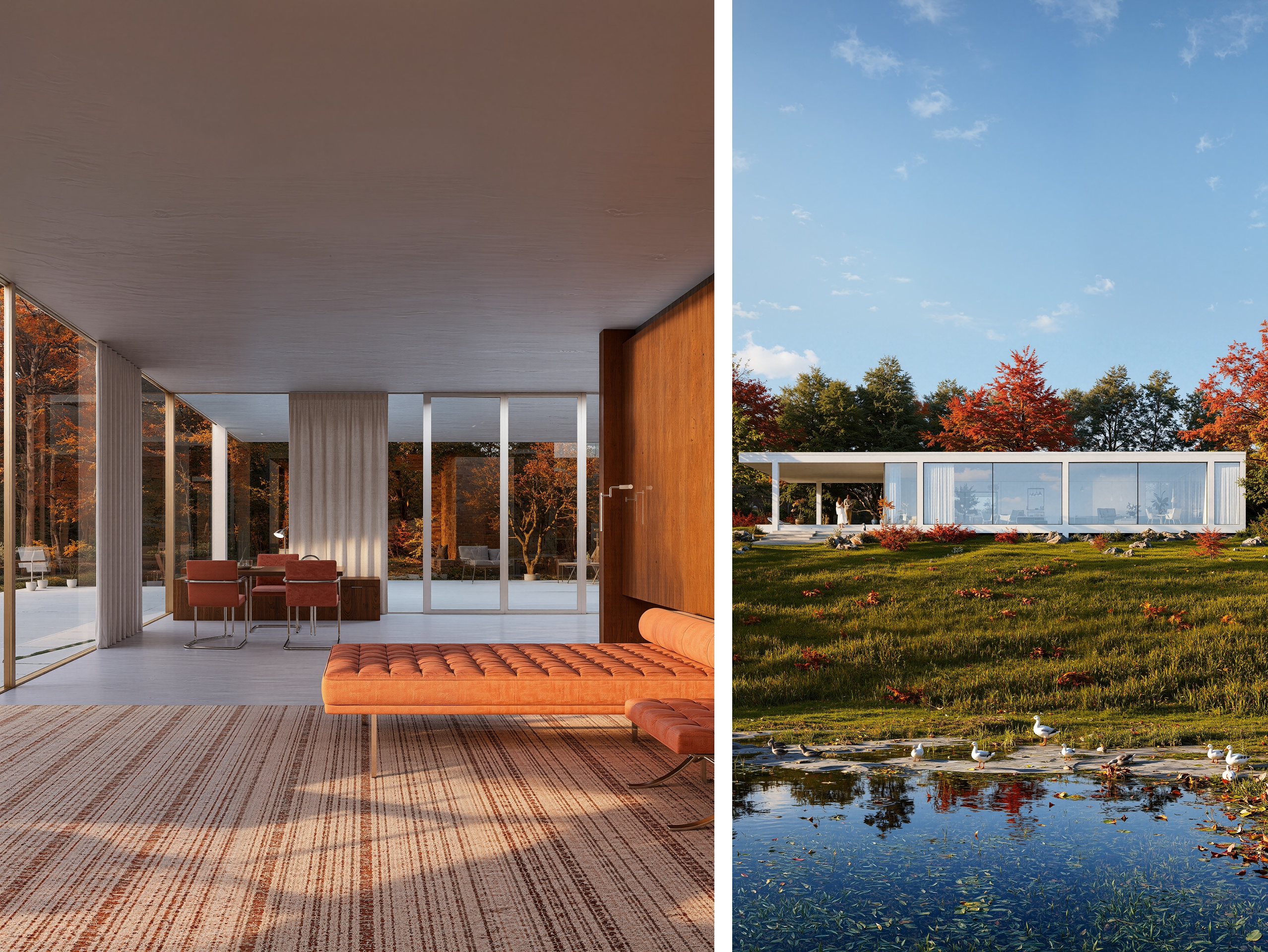
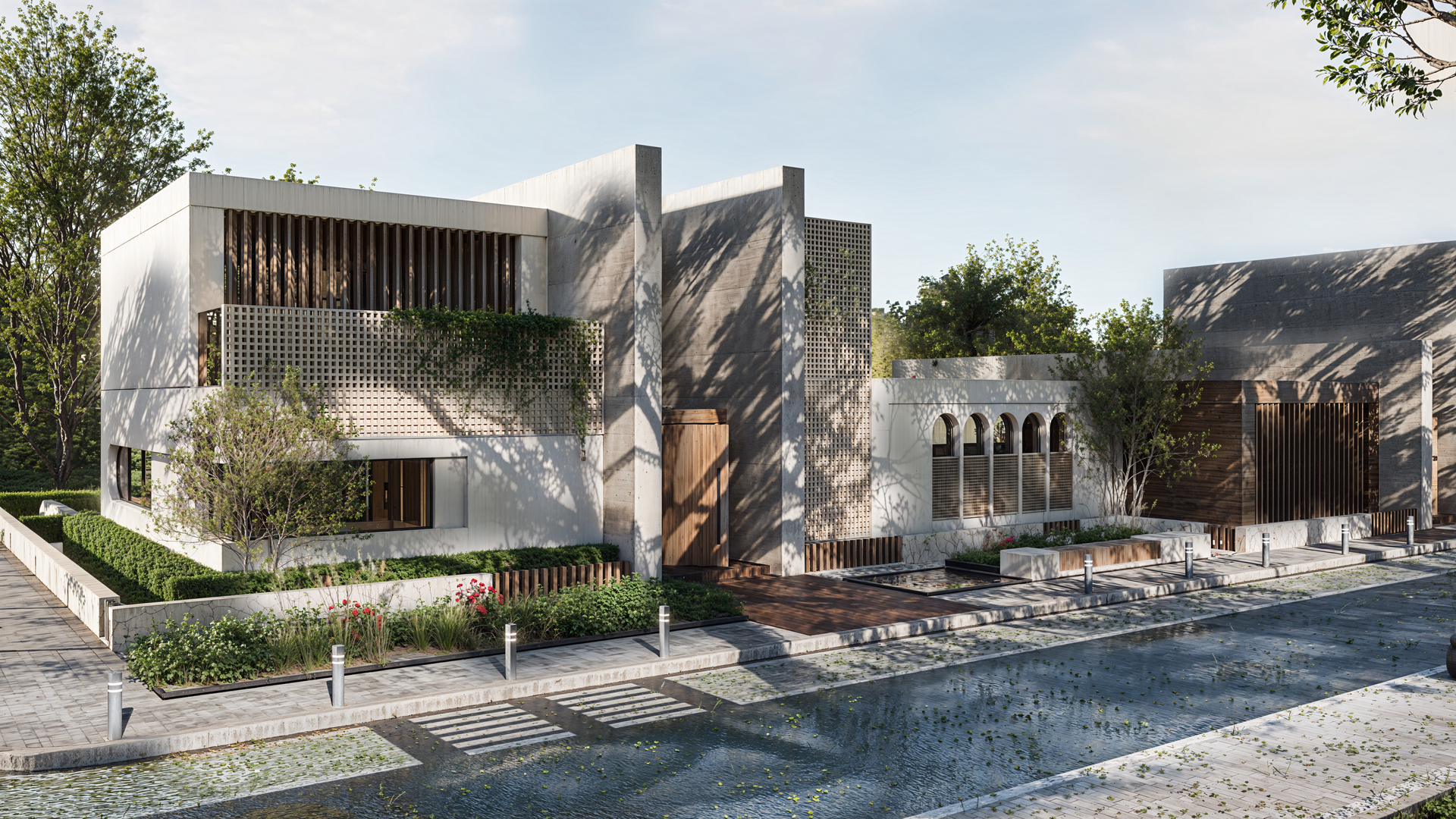
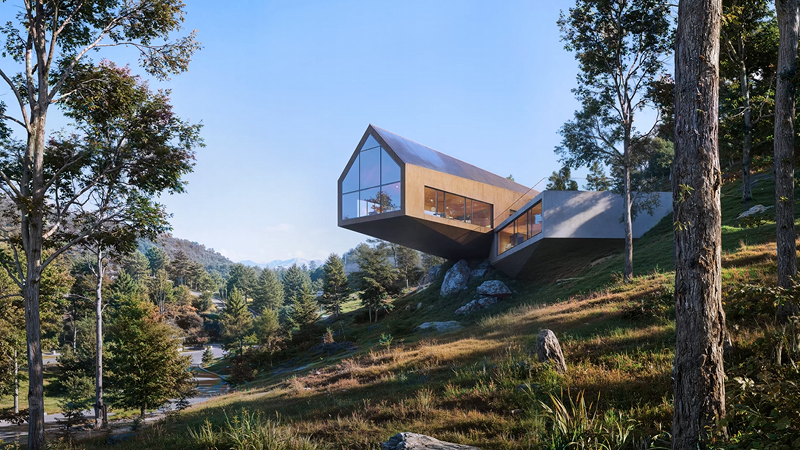
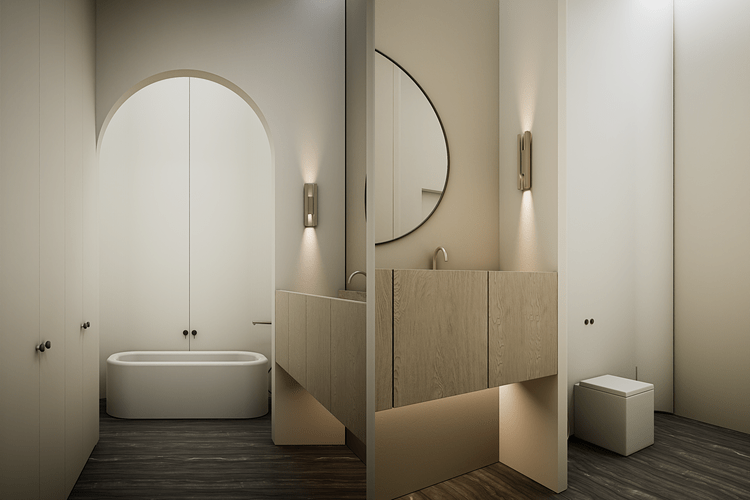
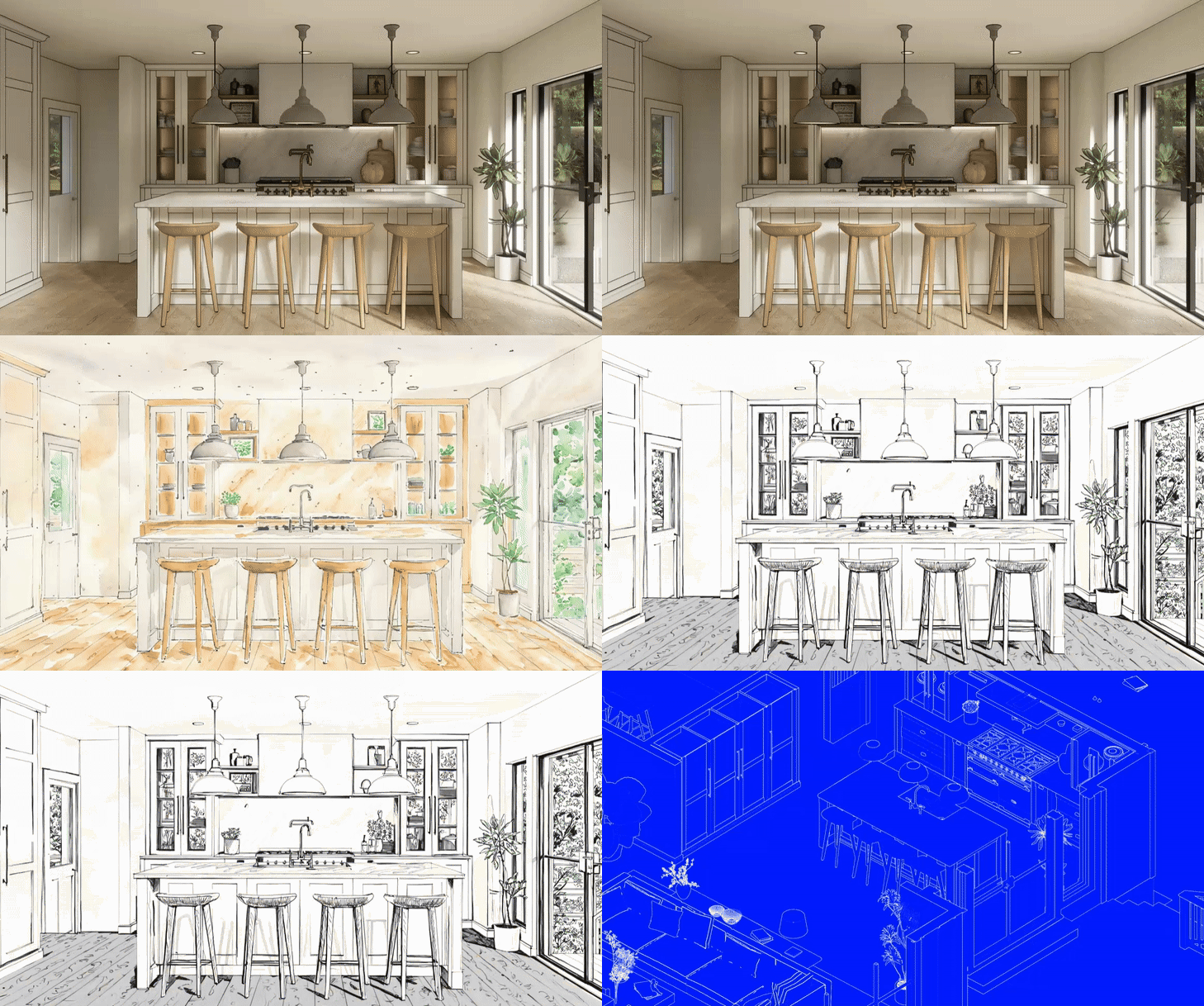
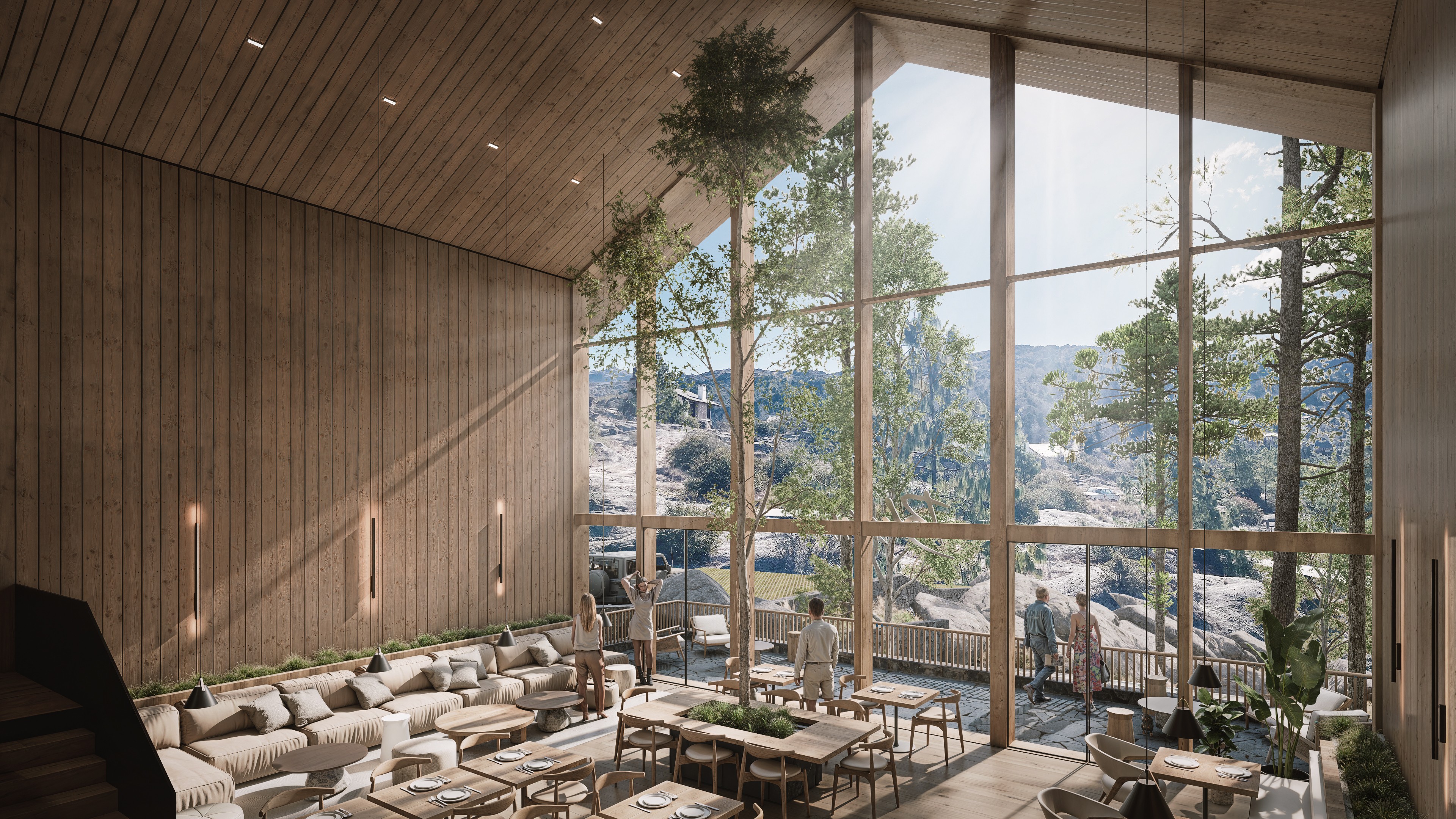
Thanks to D5 Render’s intuitive UI, the architectural design team can quickly produce early-stage visuals on their own. When higher visual quality is required, projects can be seamlessly handed over to the in-house visualization team for refinement.
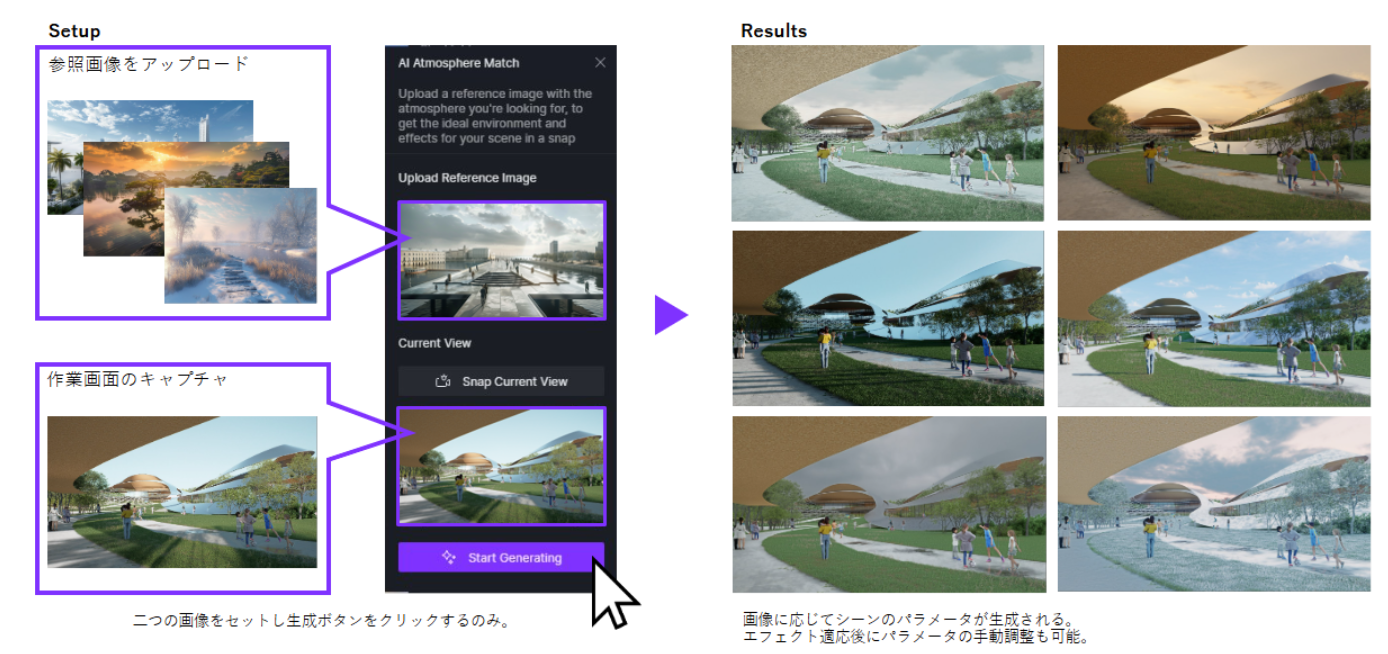
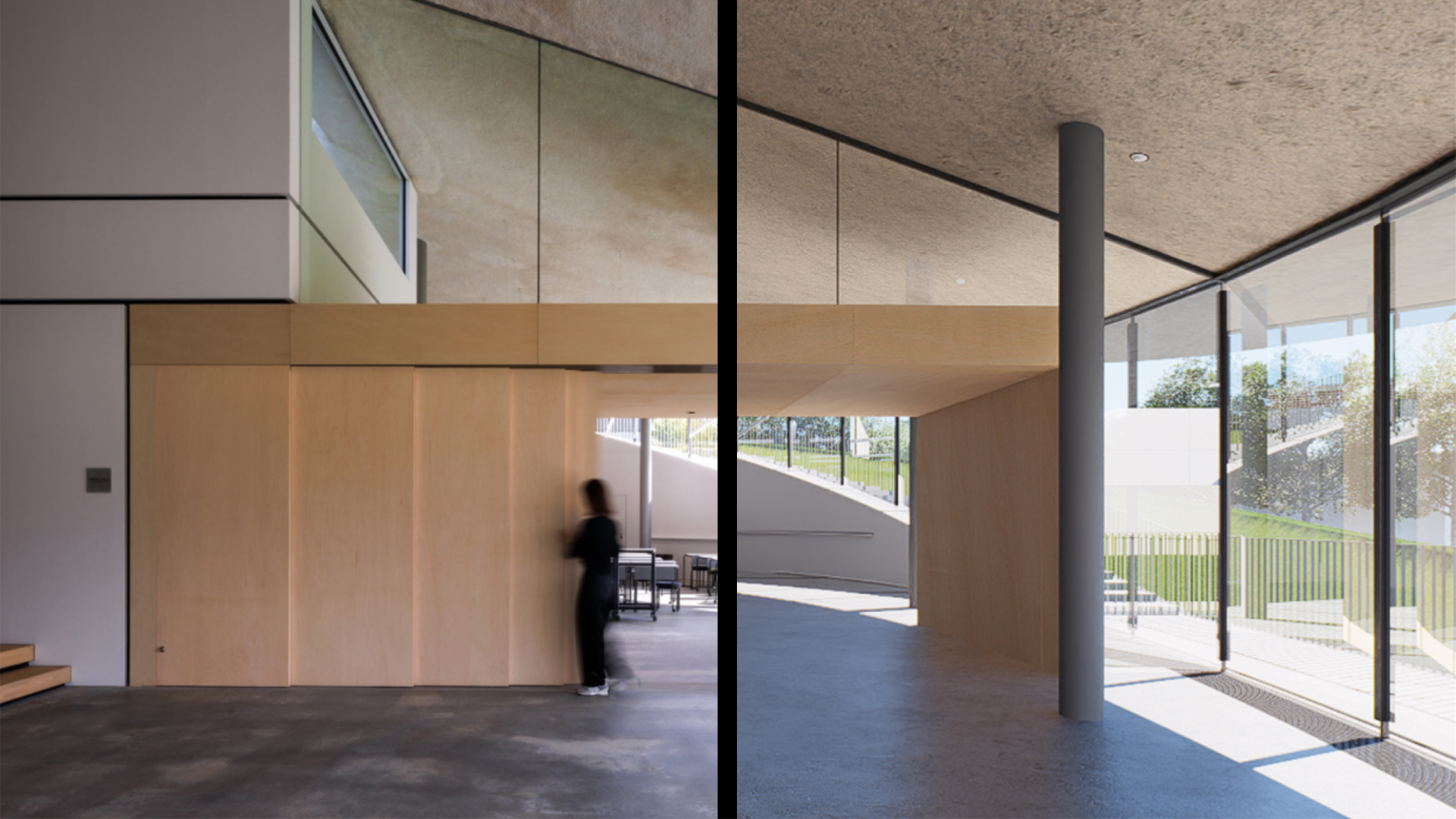
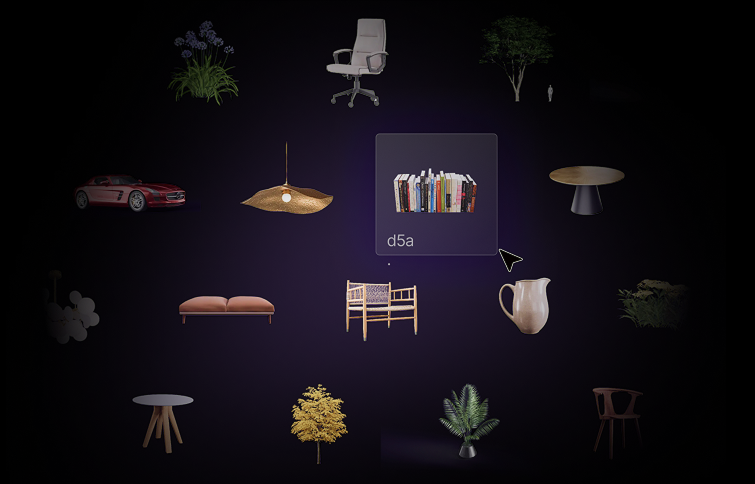
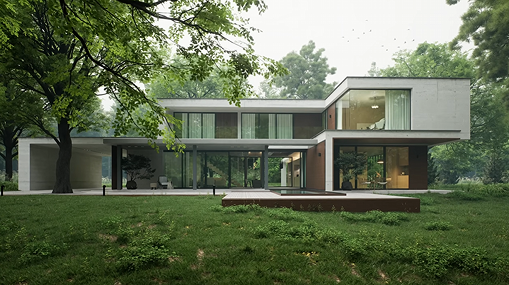
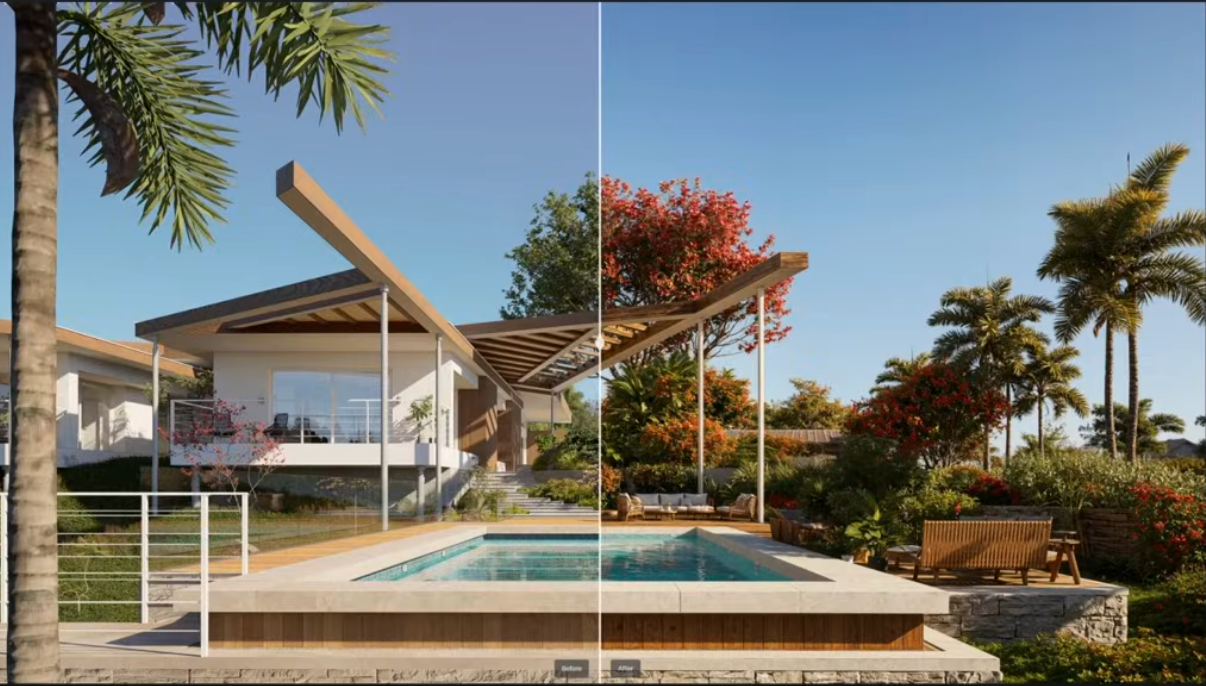
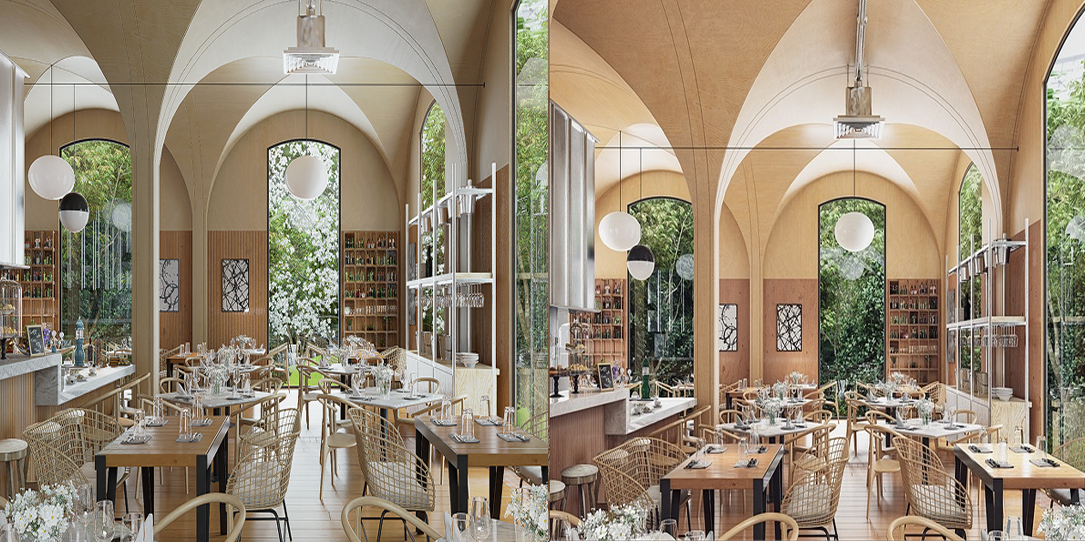
The high rendering quality and rich asset library of D5 Render have also reduced the need for extensive post-processing, easing the overall production burden.
”UIや品質的にも登録ビューがチェックしやすく、完成をイメージしやすいのでレンダリング後の手戻りや、ポストプロセス工程自体も少なくなりました。”
“The UI and visual quality make registered views easy to review and help us clearly imagine the final result. As a result, rework after rendering and the need for post-processing have been significantly reduced.”
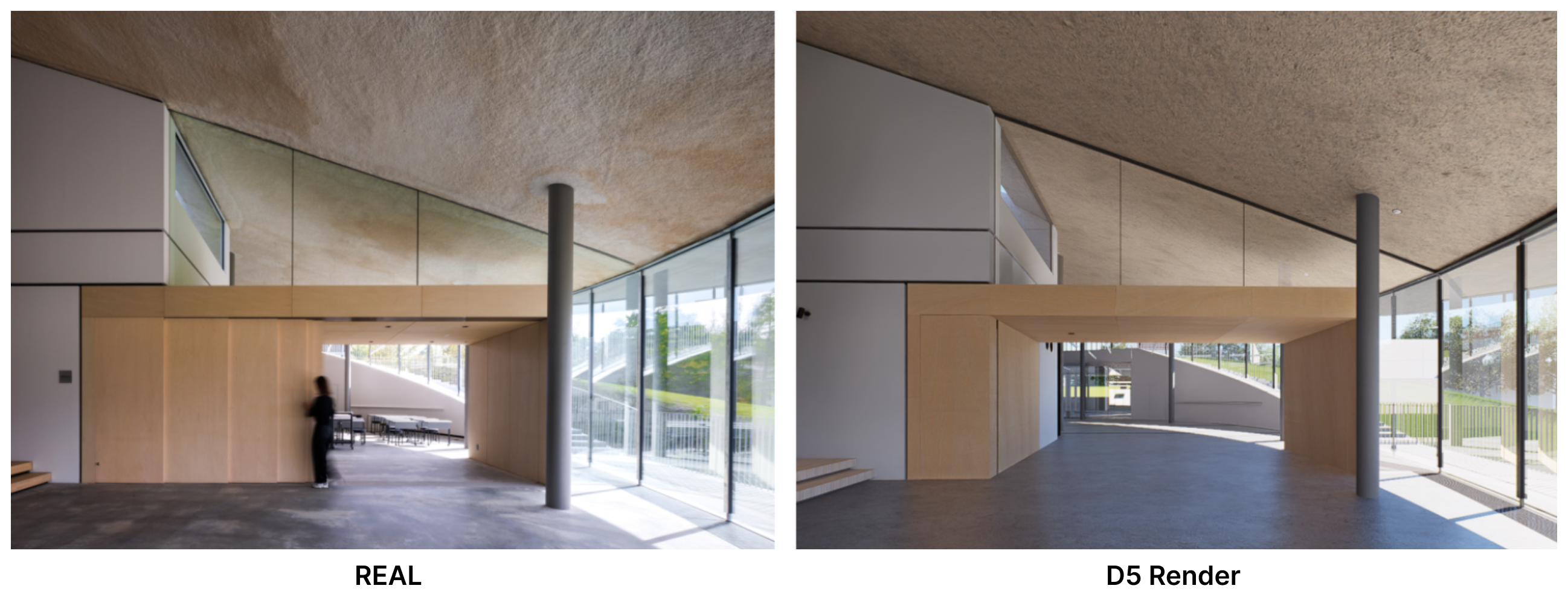
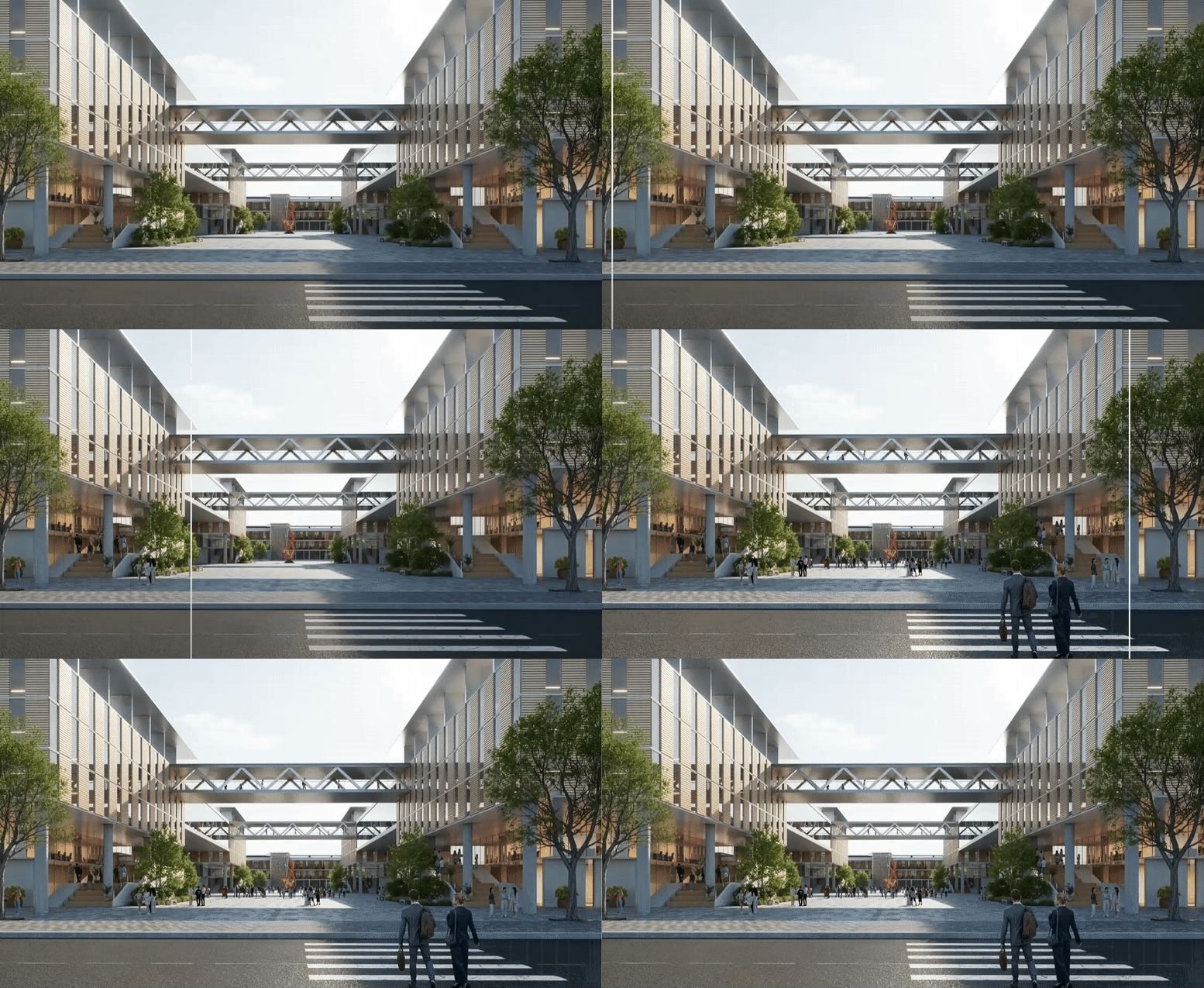
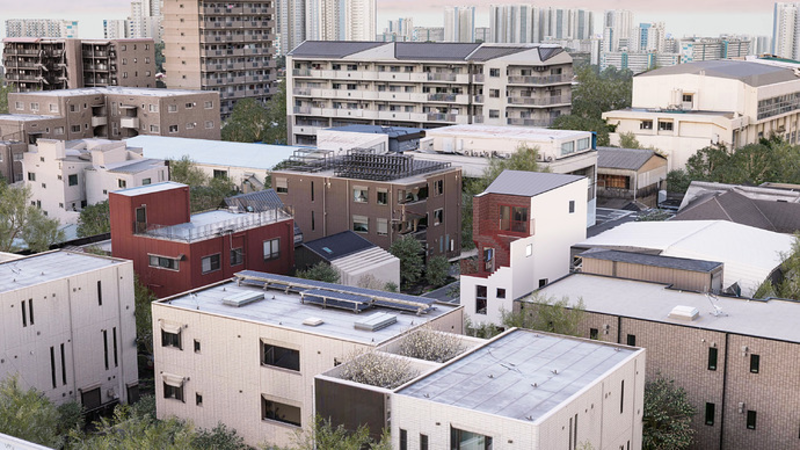
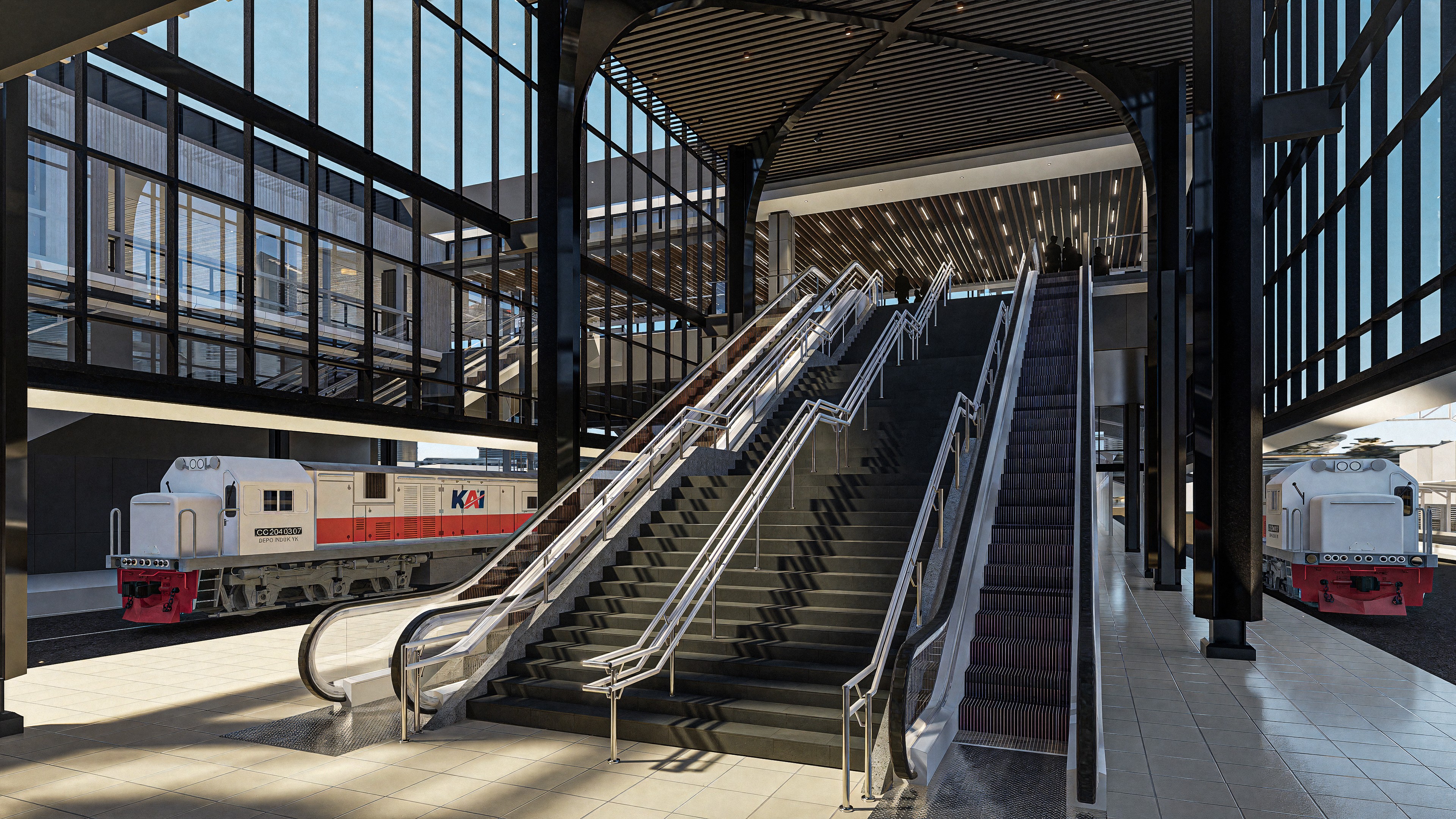
Left © Kawasumi-Kobayashi Kenji Photograph
Right © Nihon Sekkei
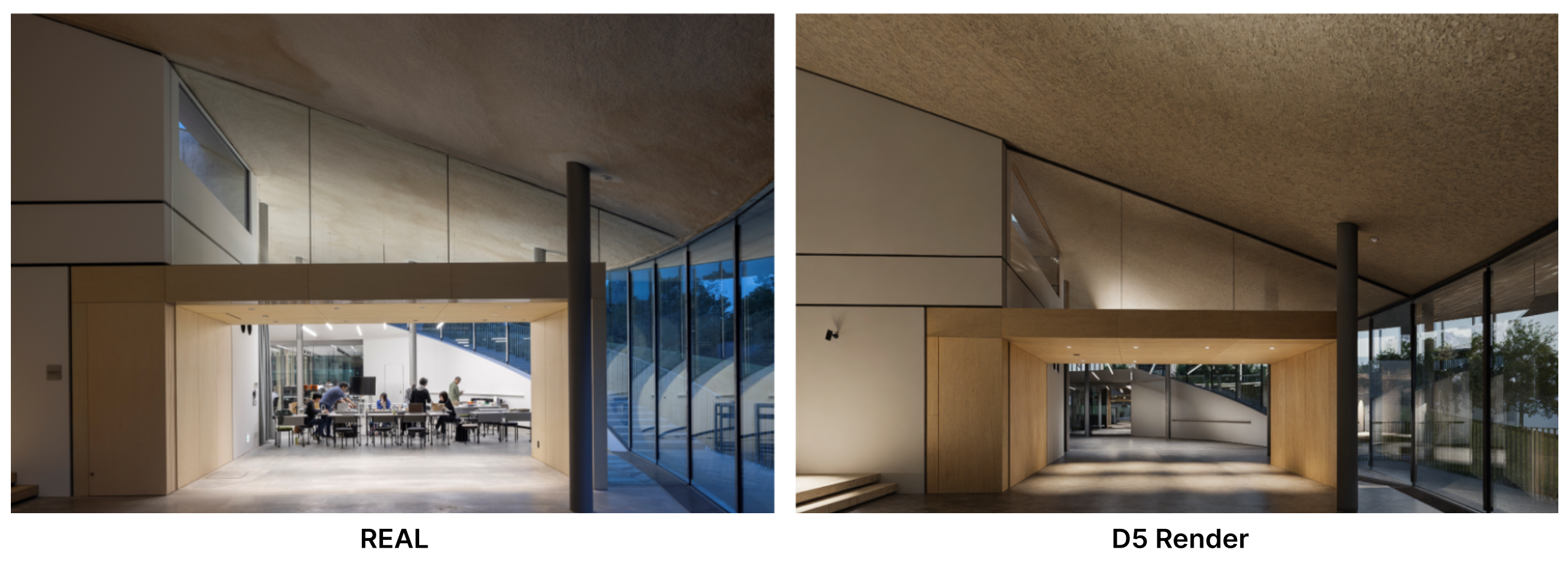
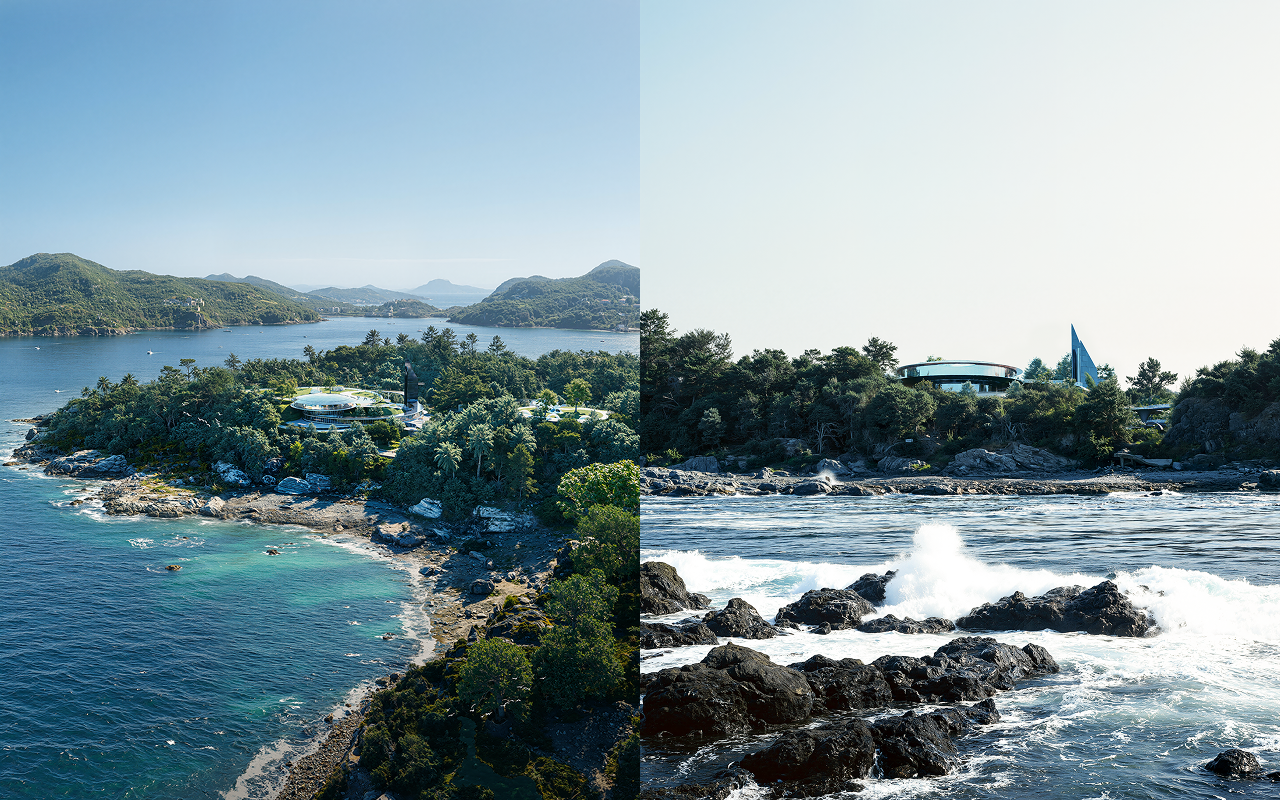
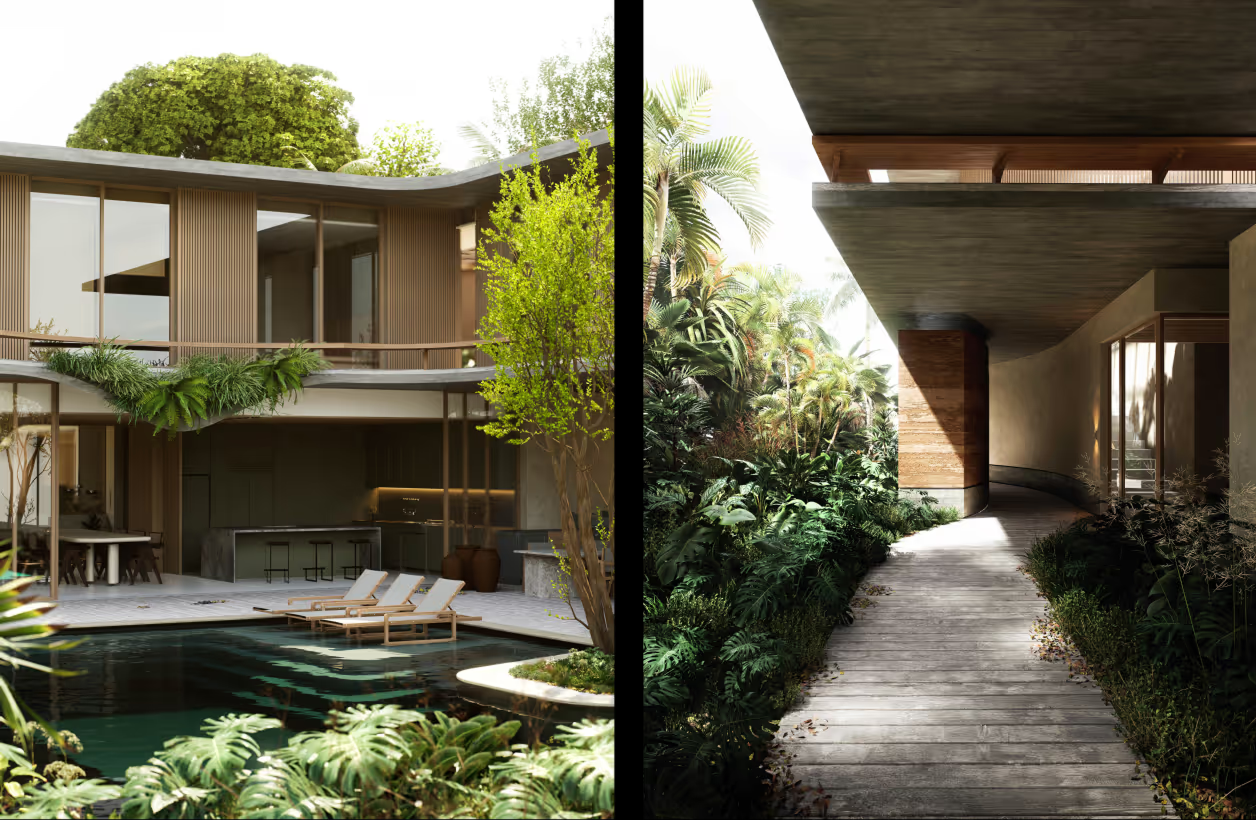
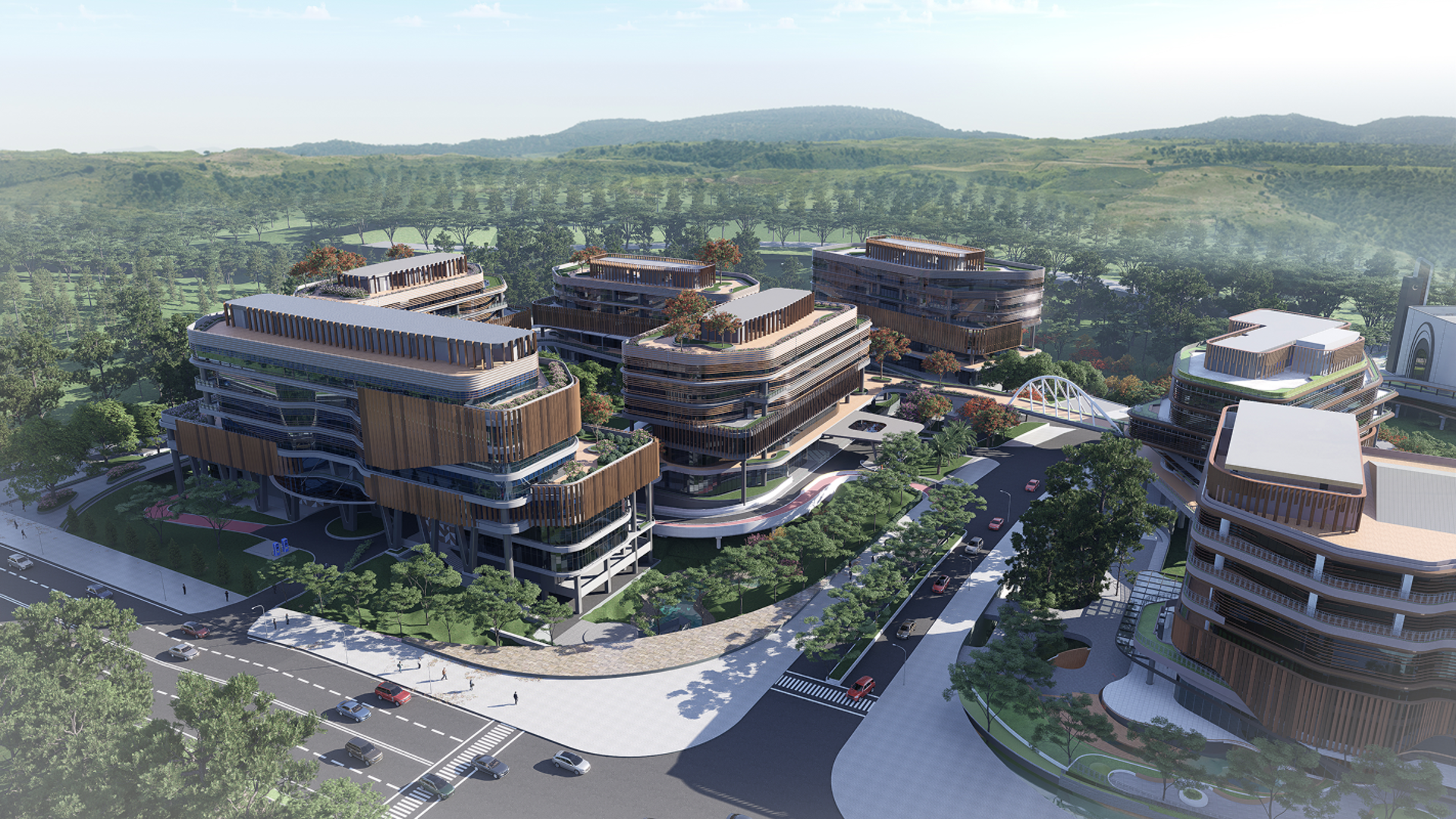
Left © Yuichi Higurashi
Right © Nihon Sekkei
- Supporting Landscape Design with Rich Assets and Tools
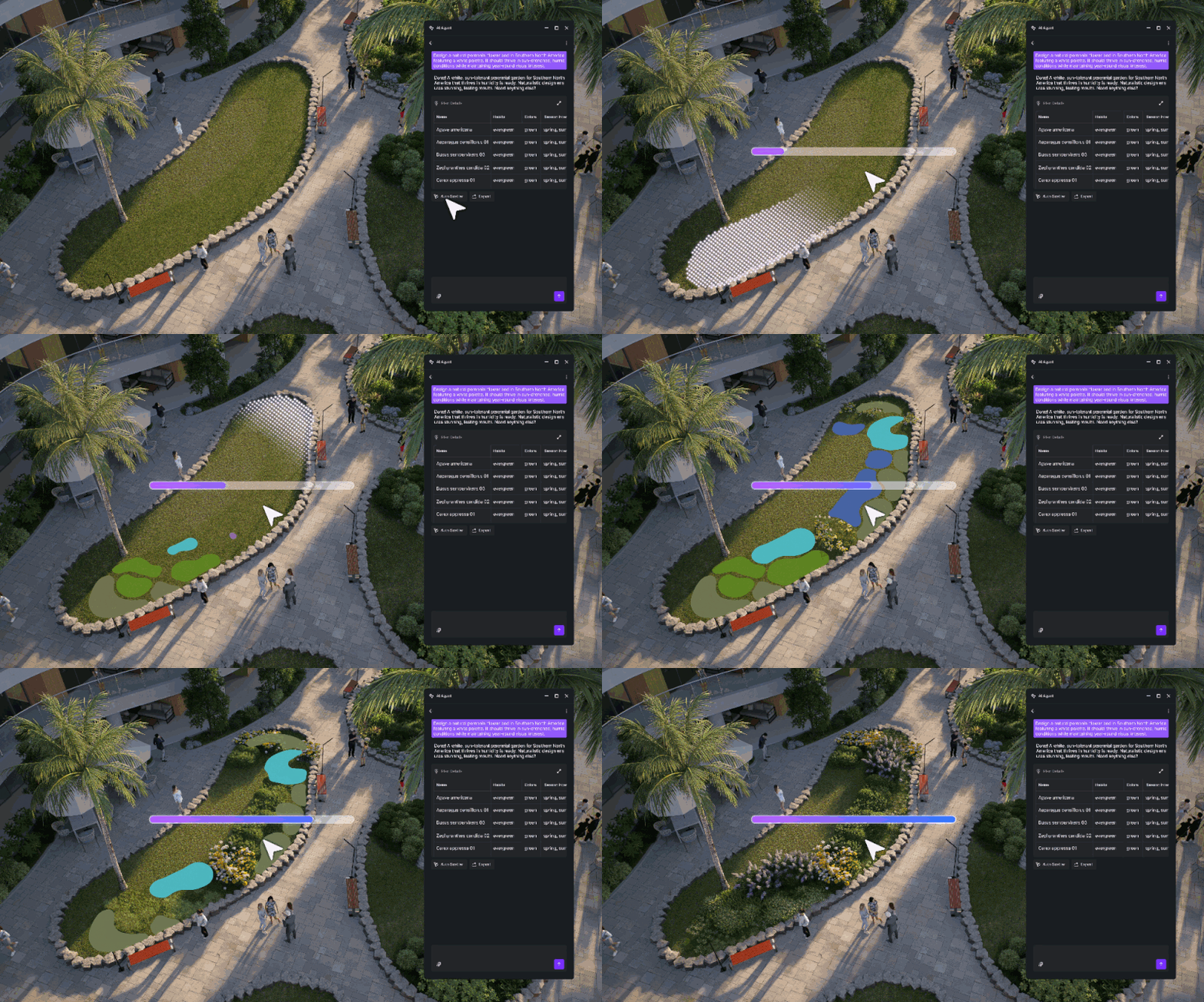
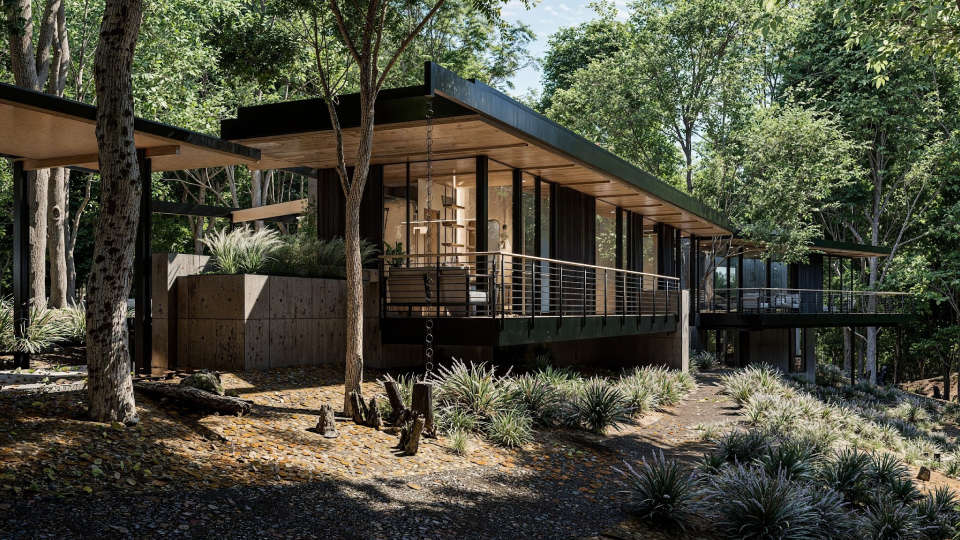
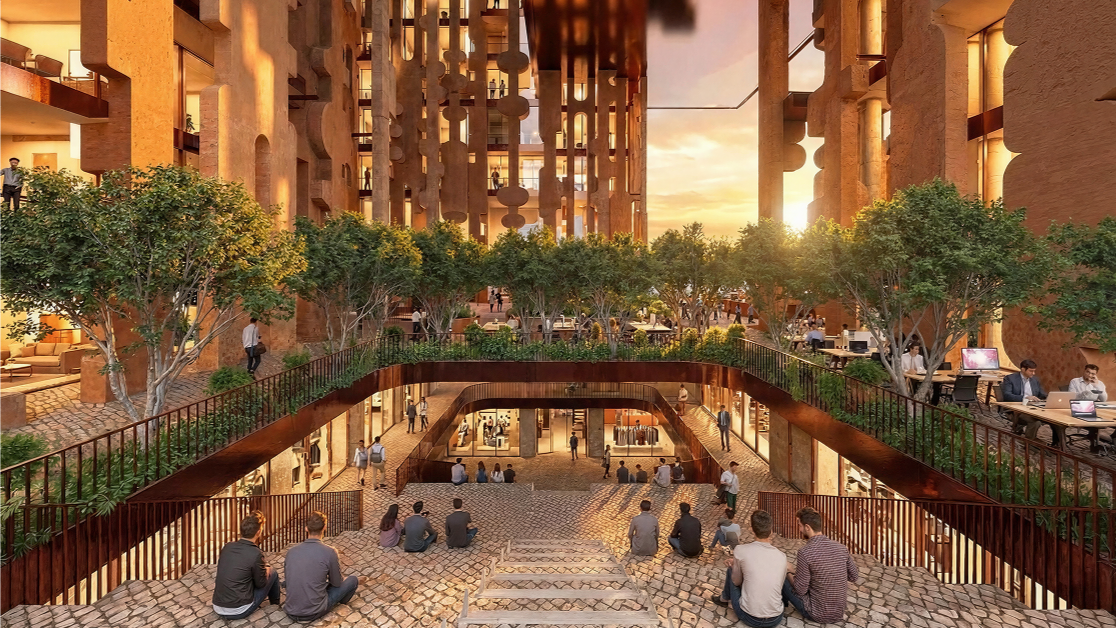
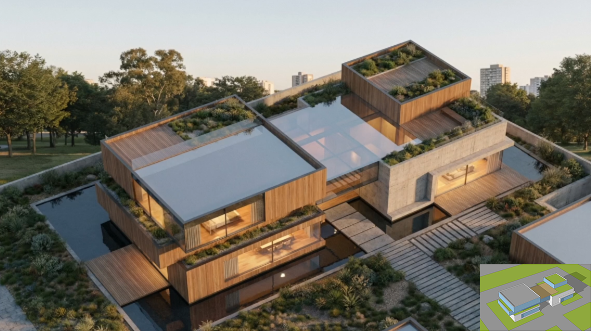
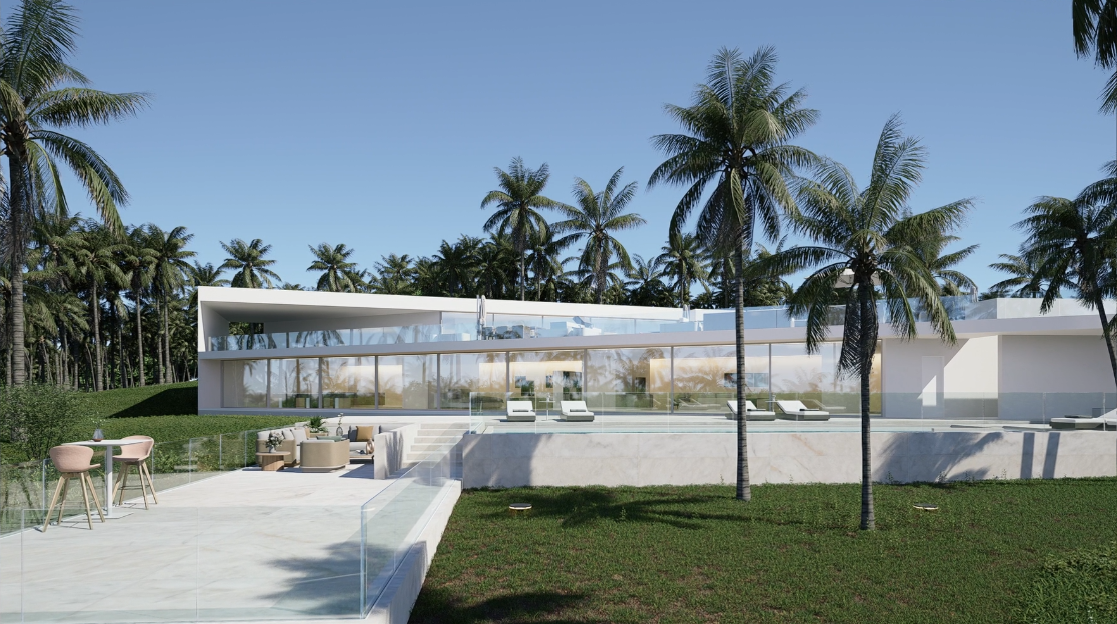
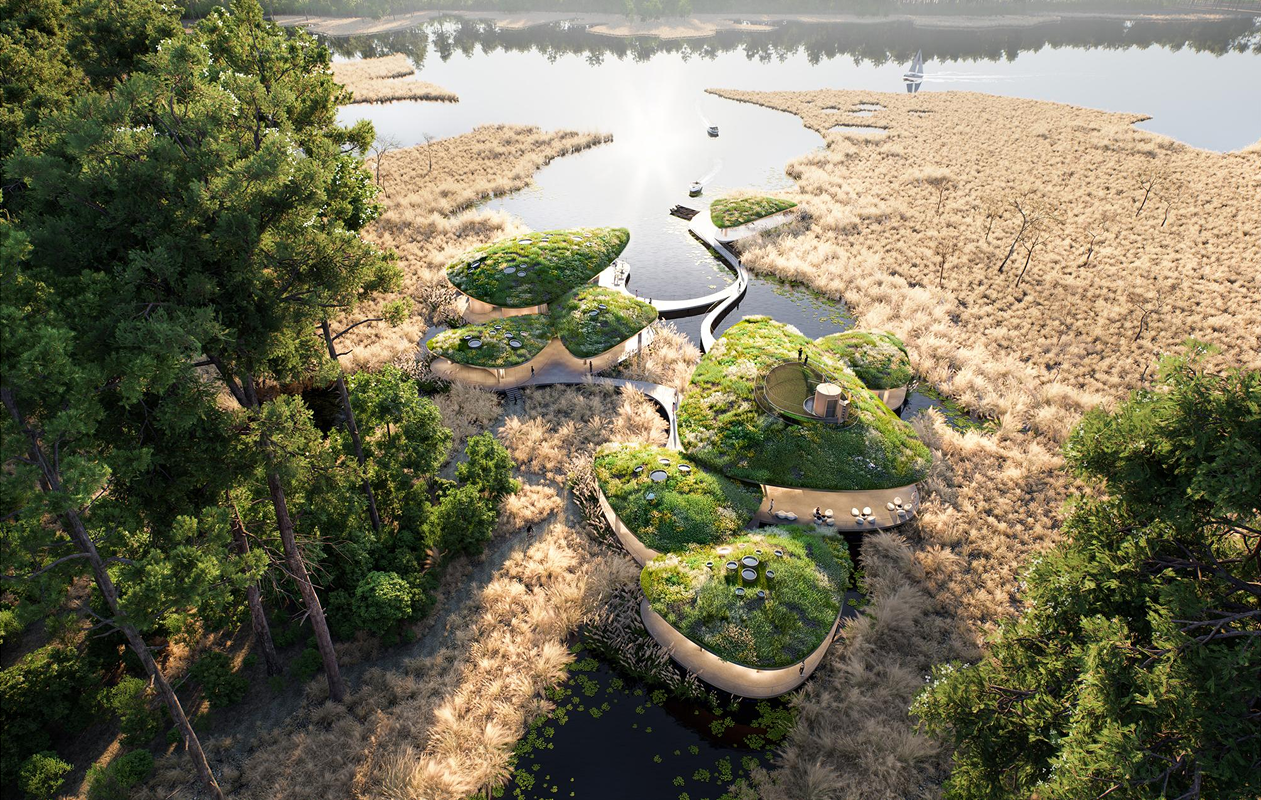
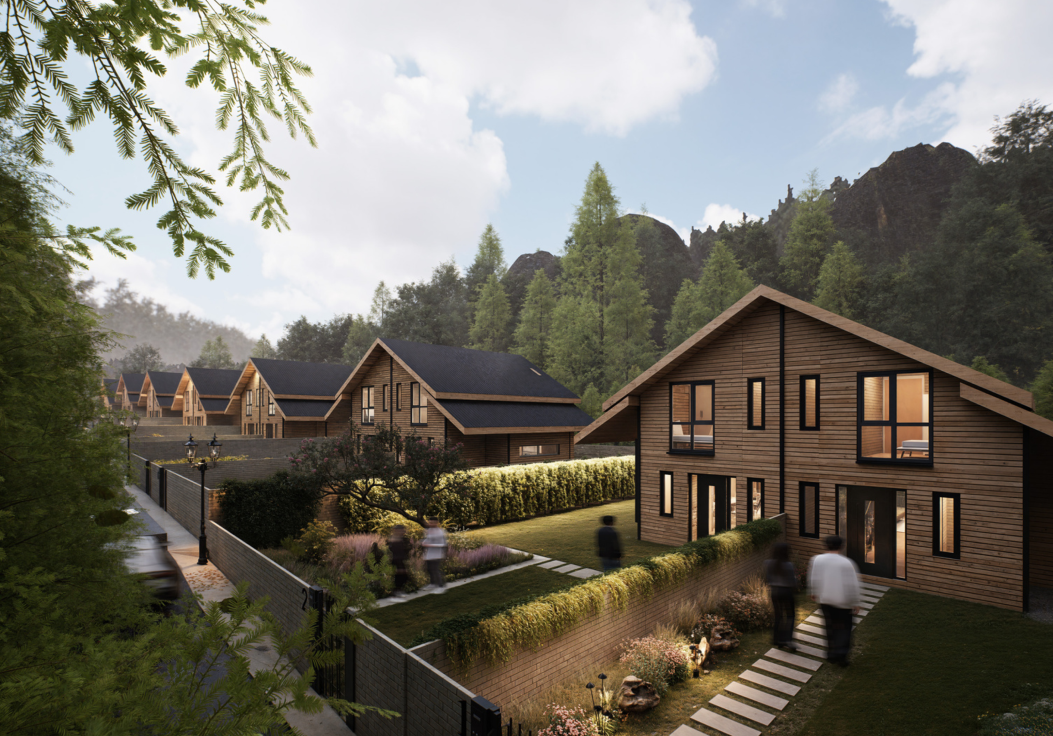
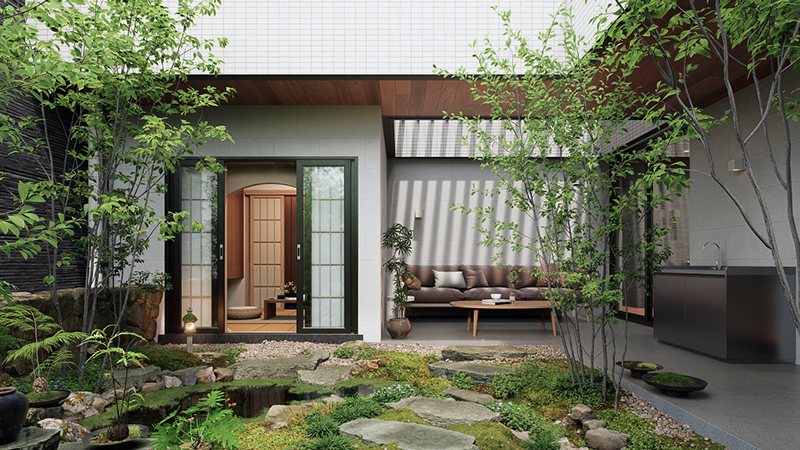
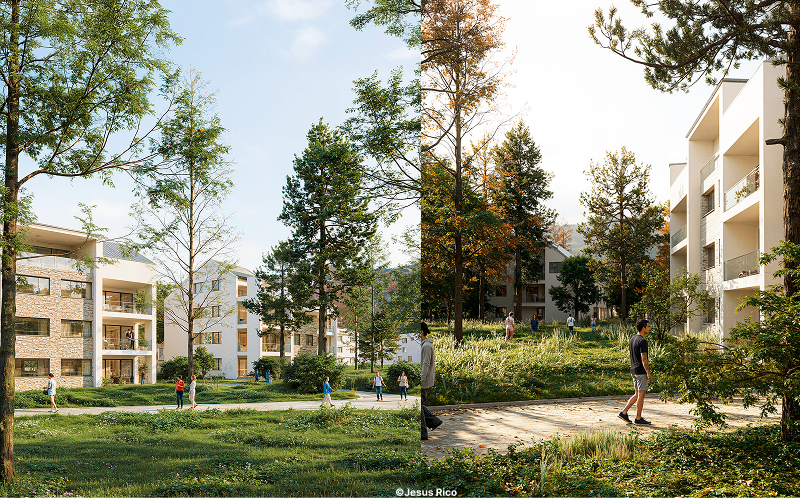
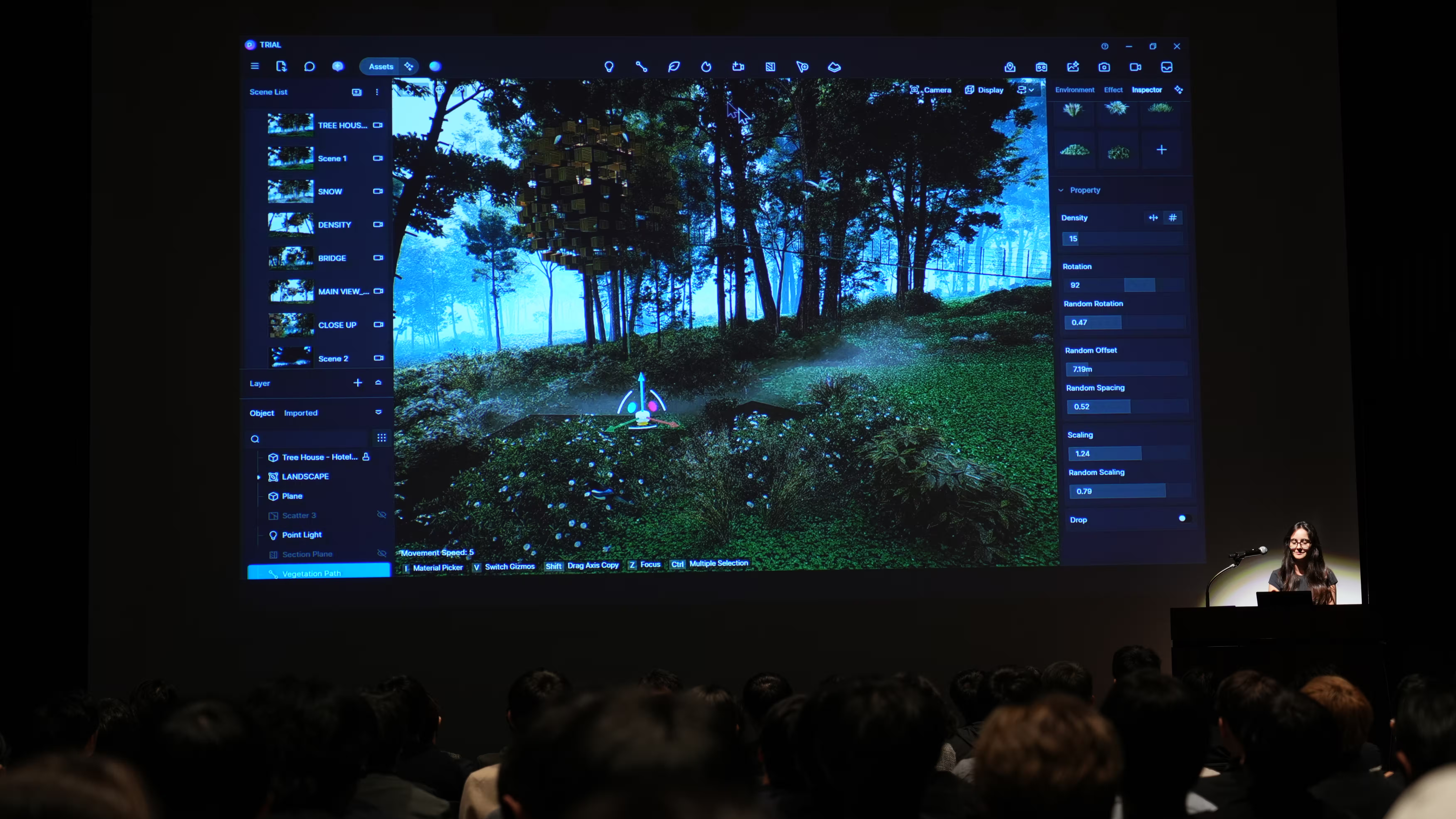
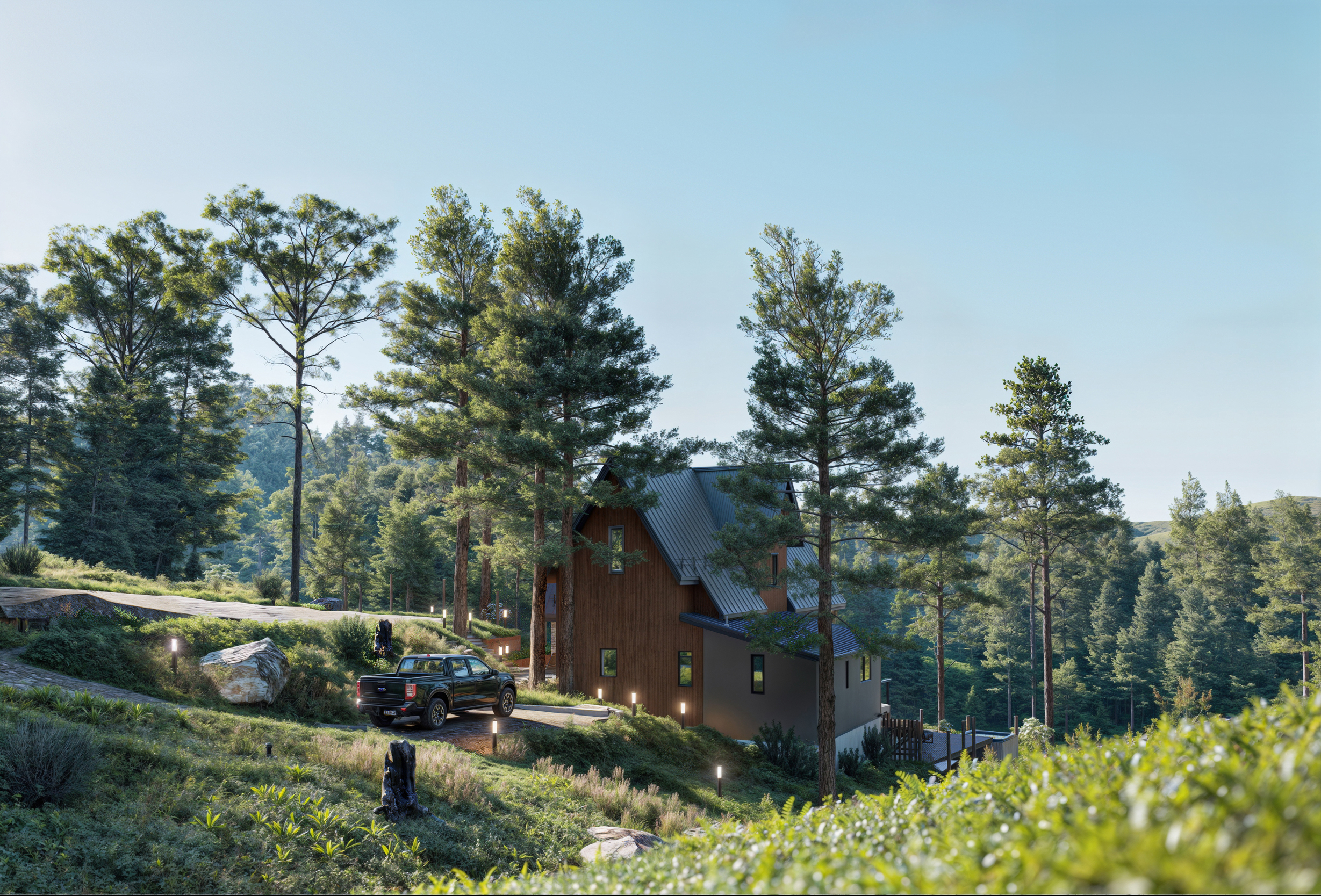
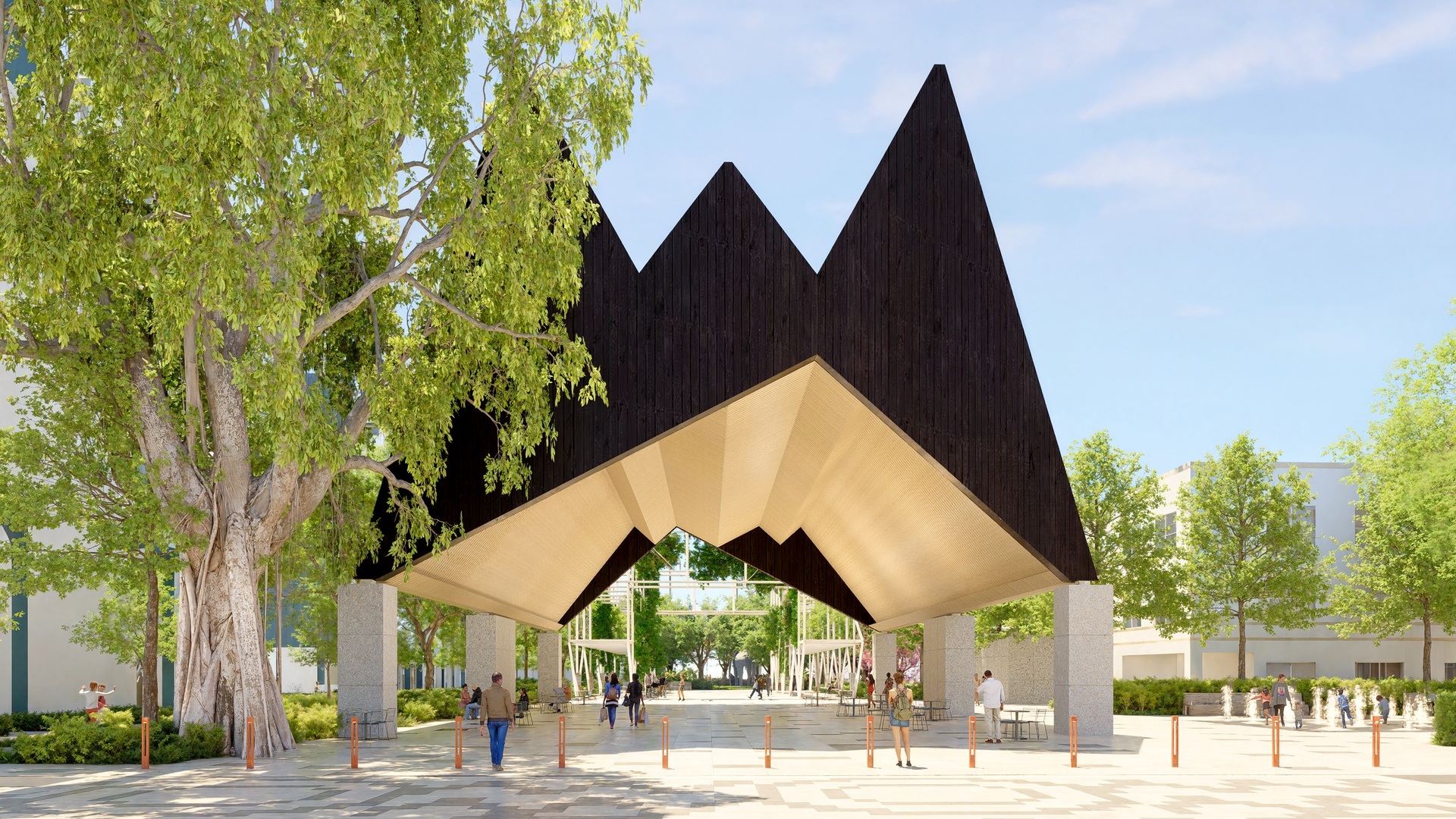
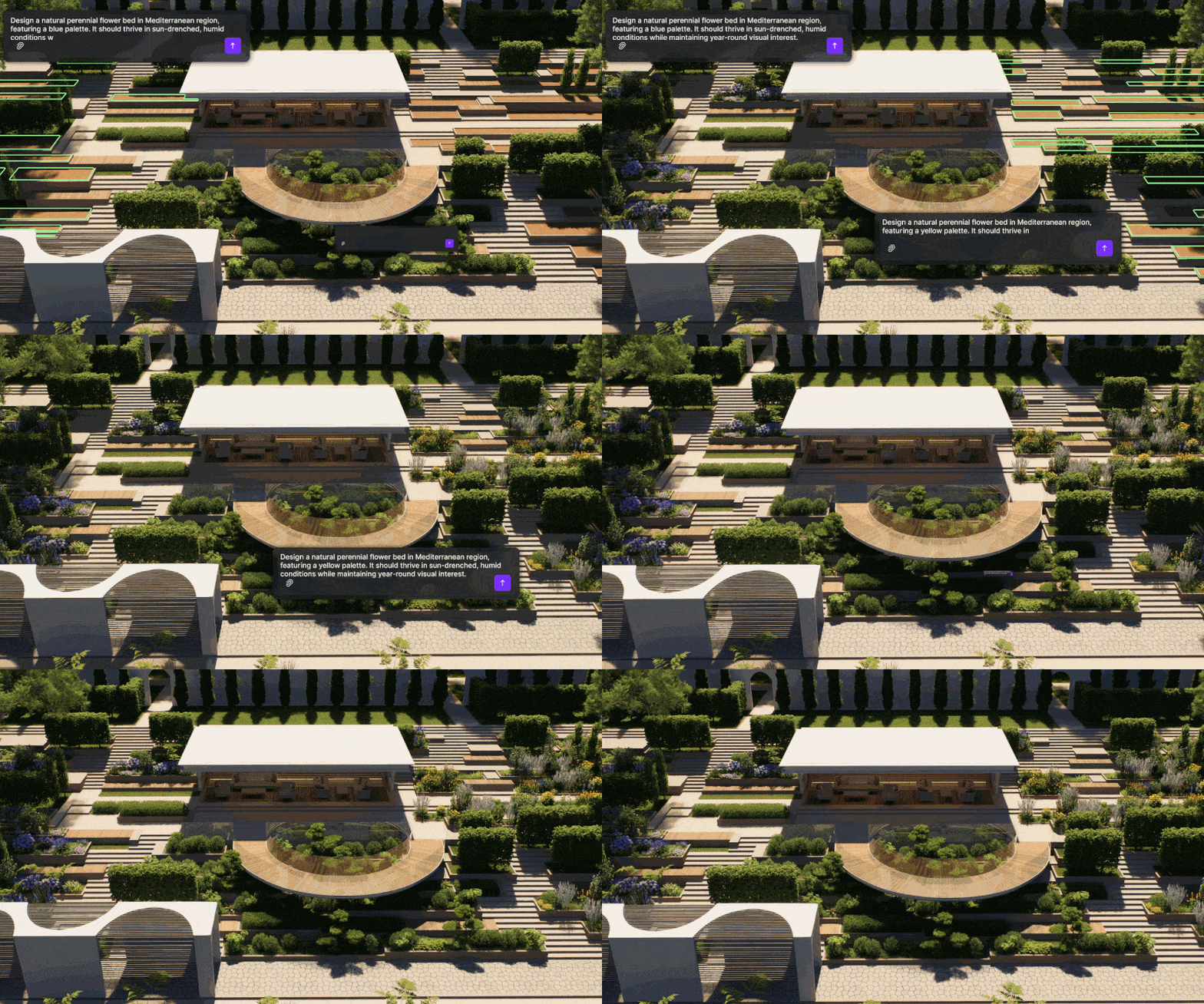
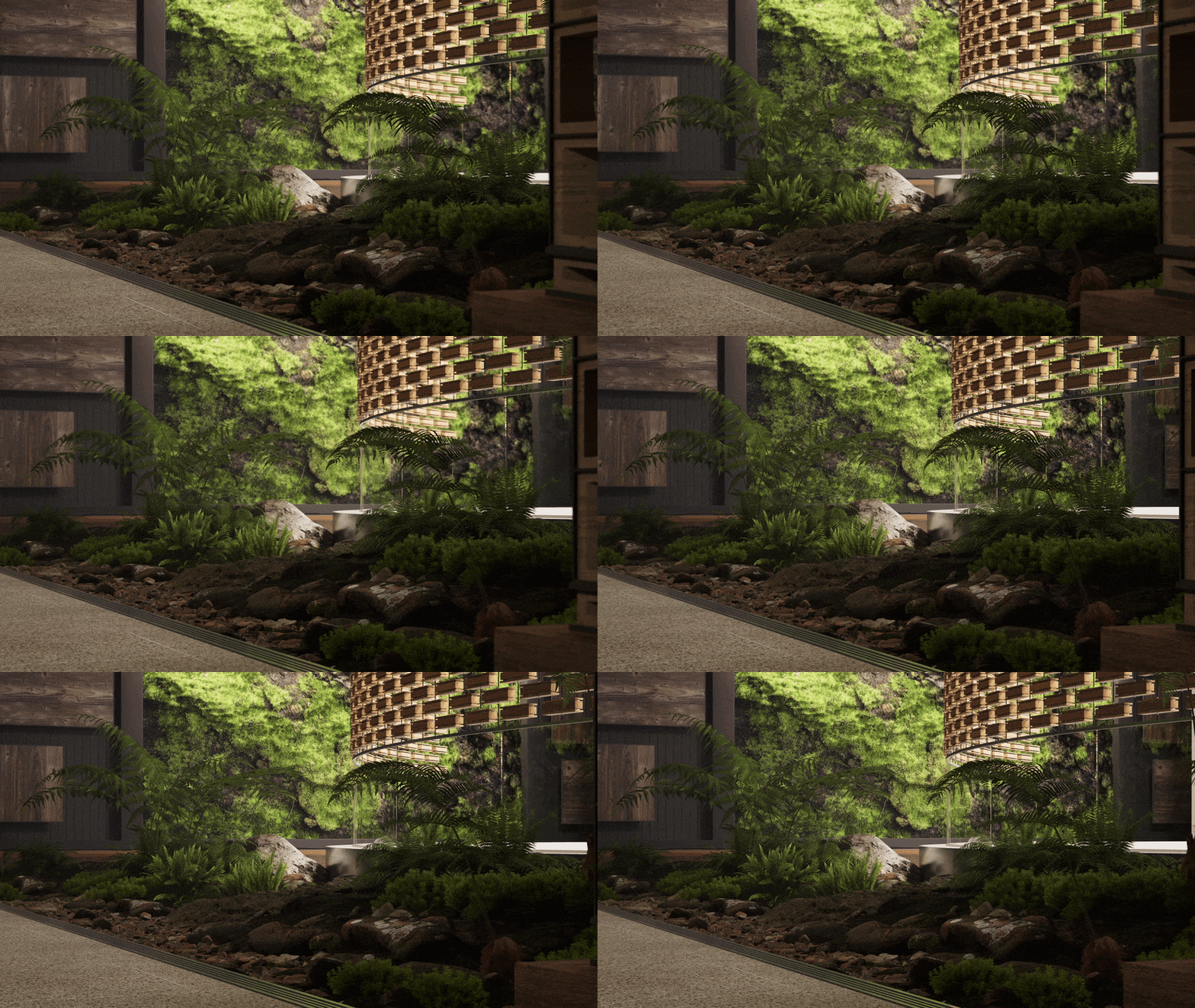
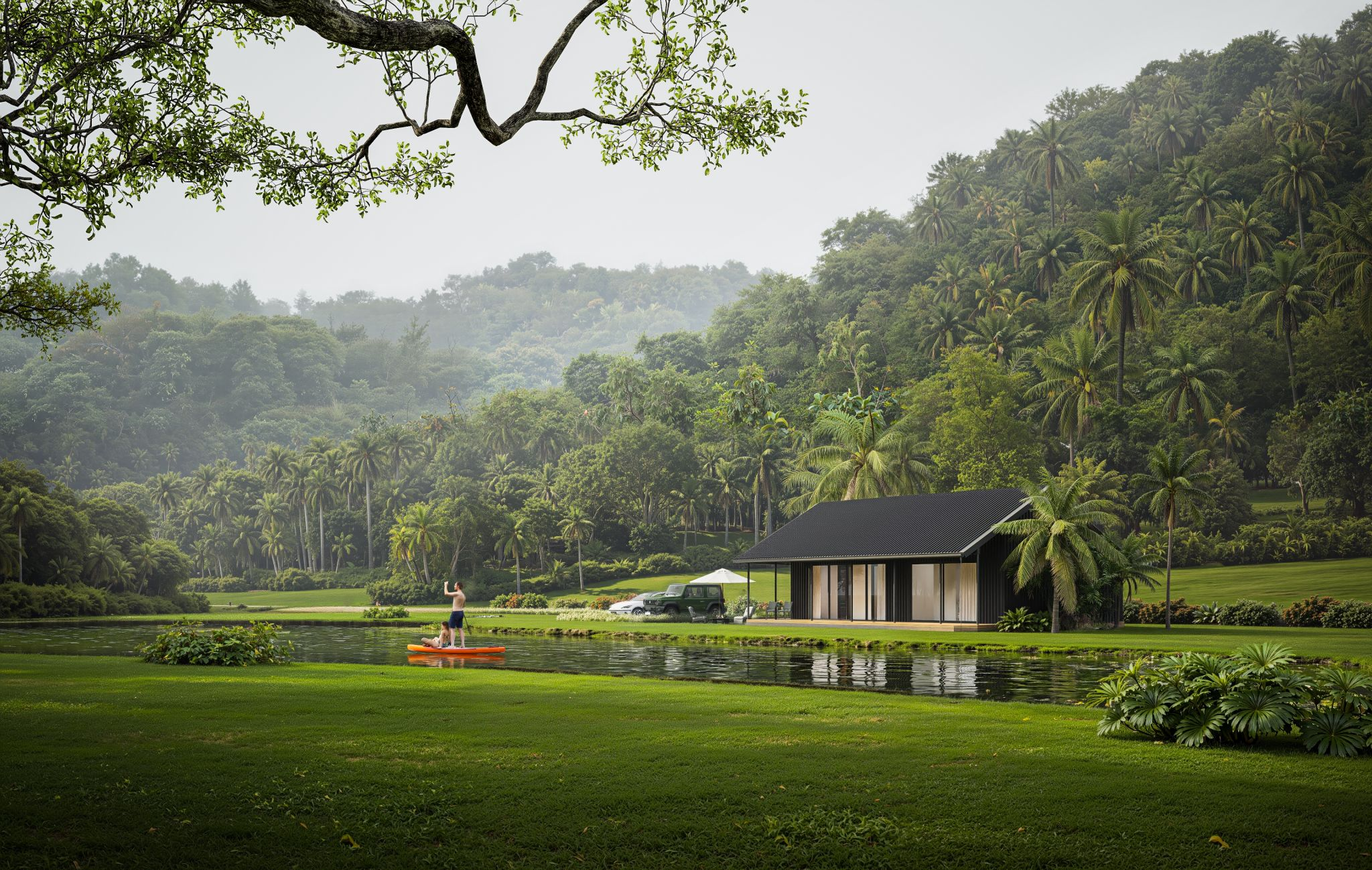
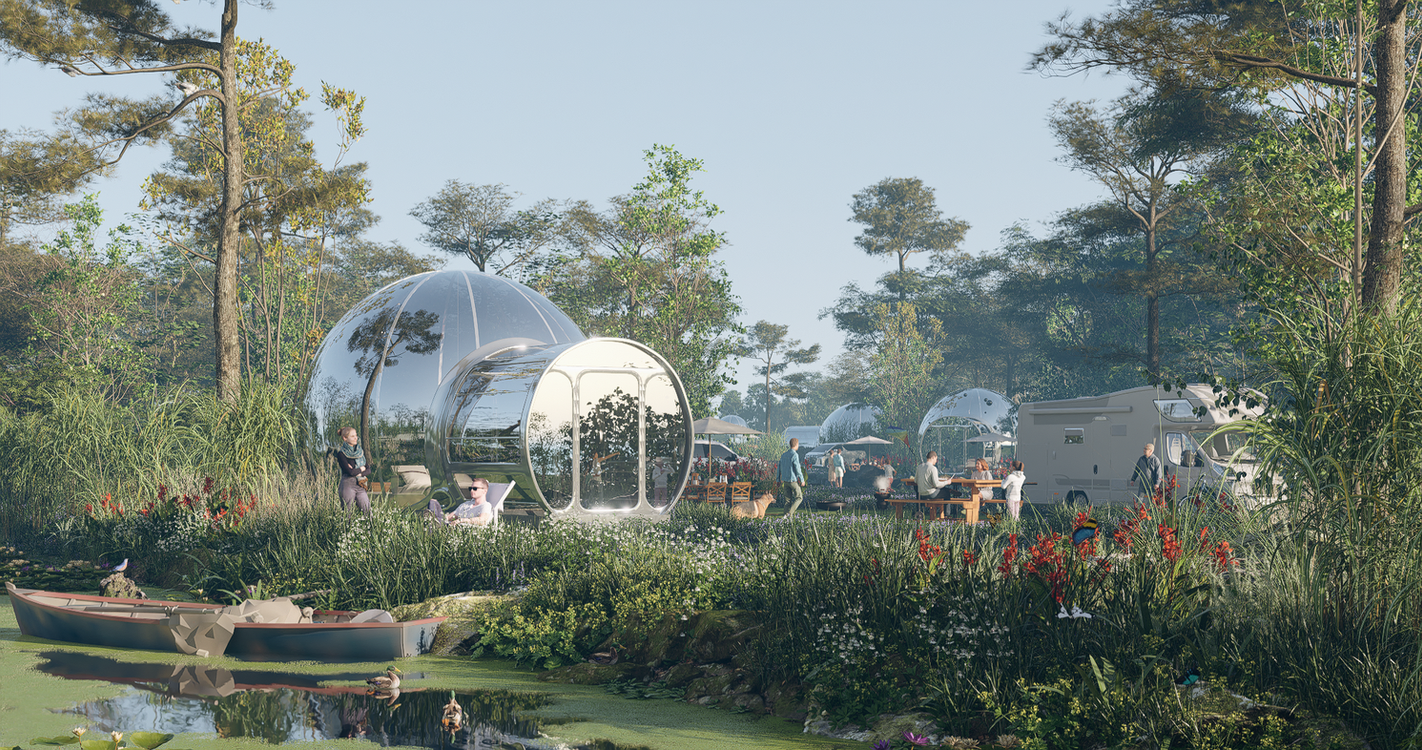
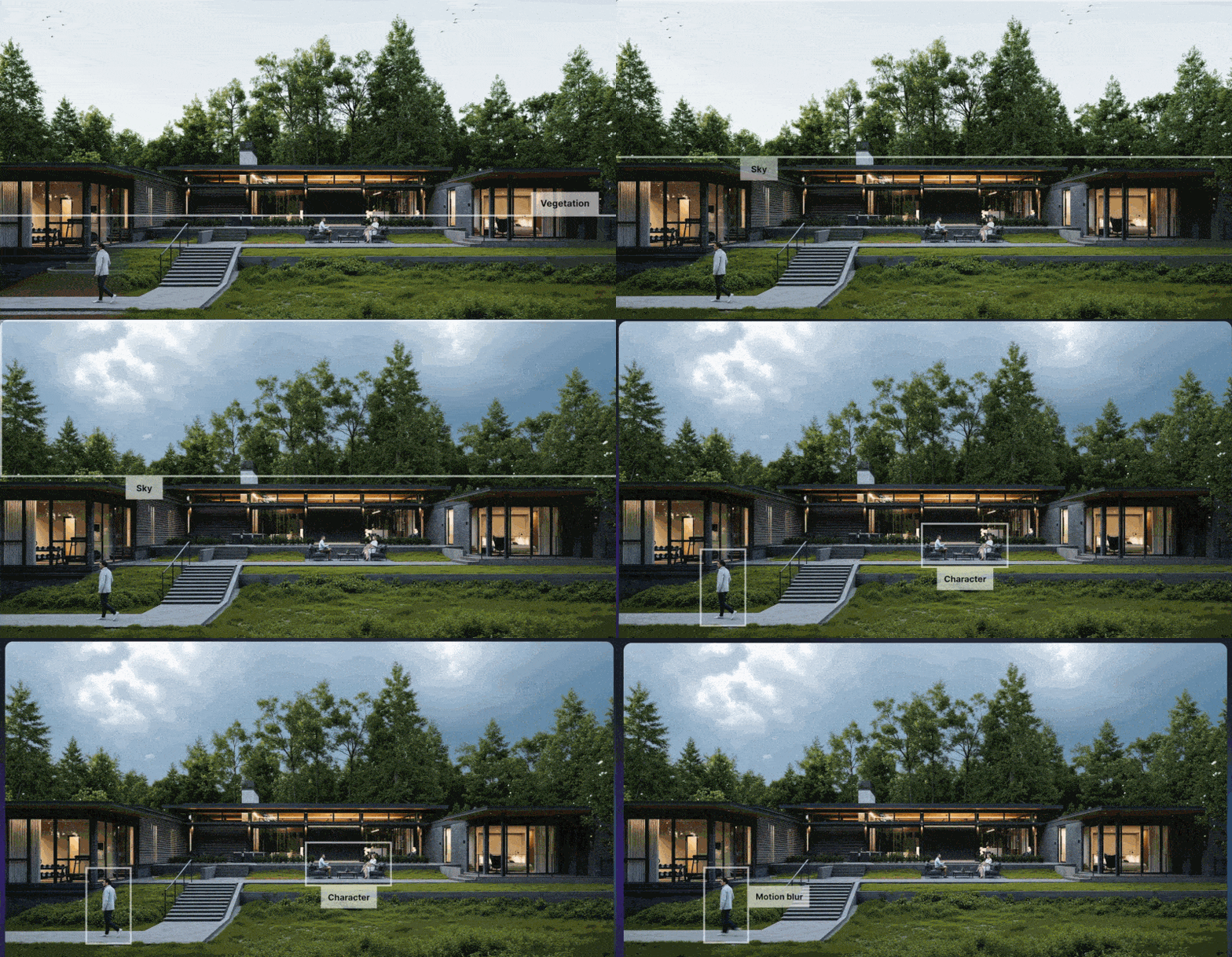
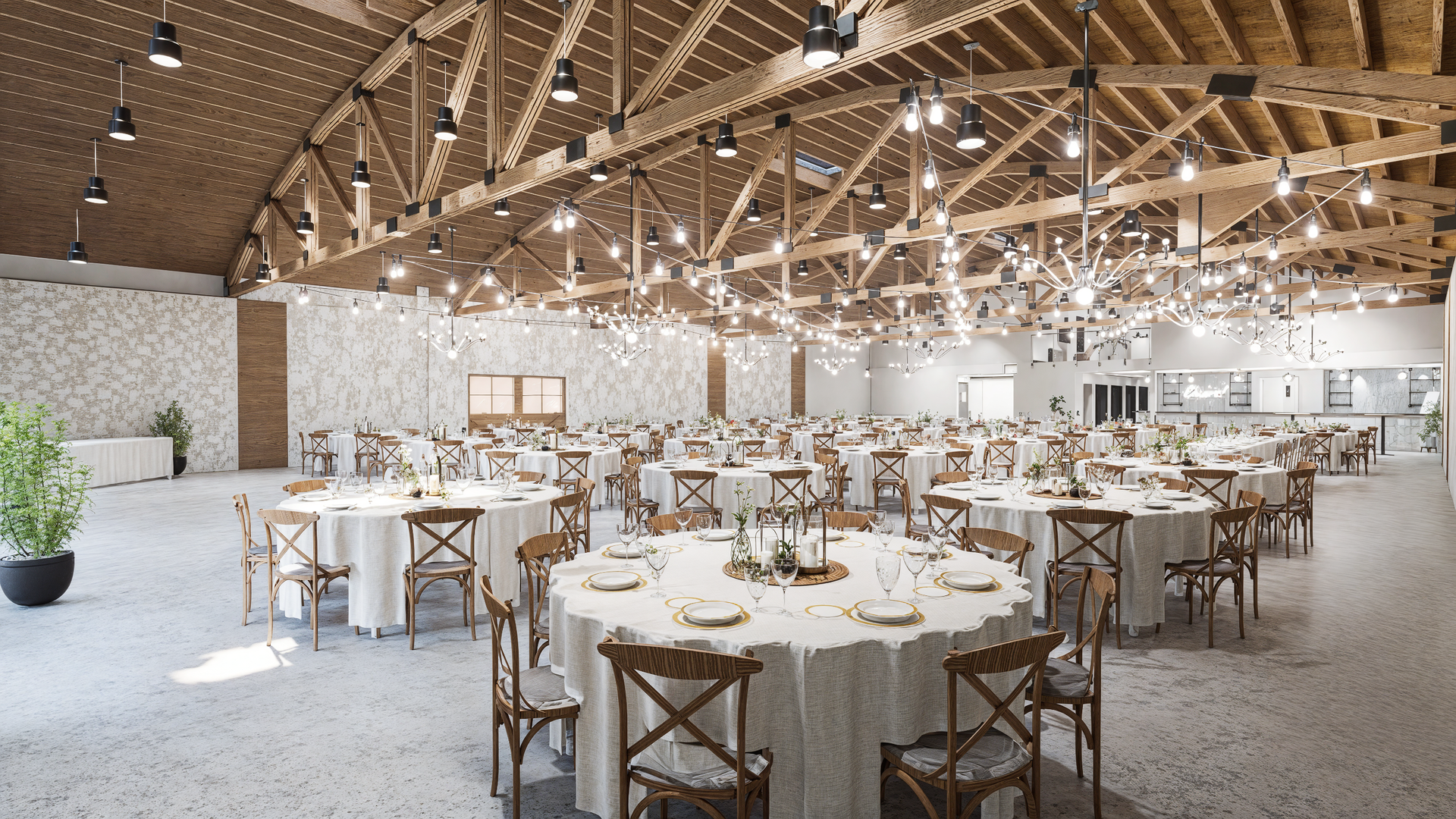
Nihon Sekkei also validated D5 Render’s quality through real-world projects. For landscape design in particular, D5’s extensive vegetation library—combined with Scatter, Brush, and Fill tools—enables fast and realistic testing of plant species and layouts. This allows landscape design intent to be accurately represented while maintaining alignment with architectural visuals.
Conclusion
The decision for Nihon Sekkei to adopt D5 Render was driven by a strong alignment between the firm’s practical workflow needs and the tool’s capabilities. With D5 Render in place, manual handoffs were reduced, design iteration cycles accelerated, and cross-disciplinary visual coordination became significantly easier. For an organization handling numerous large-scale, complex projects, this has resulted in a boost in overall productivity.


.png)





.png)
1%20(2).png)



%20(1).png)
.png)
.png)










.png)