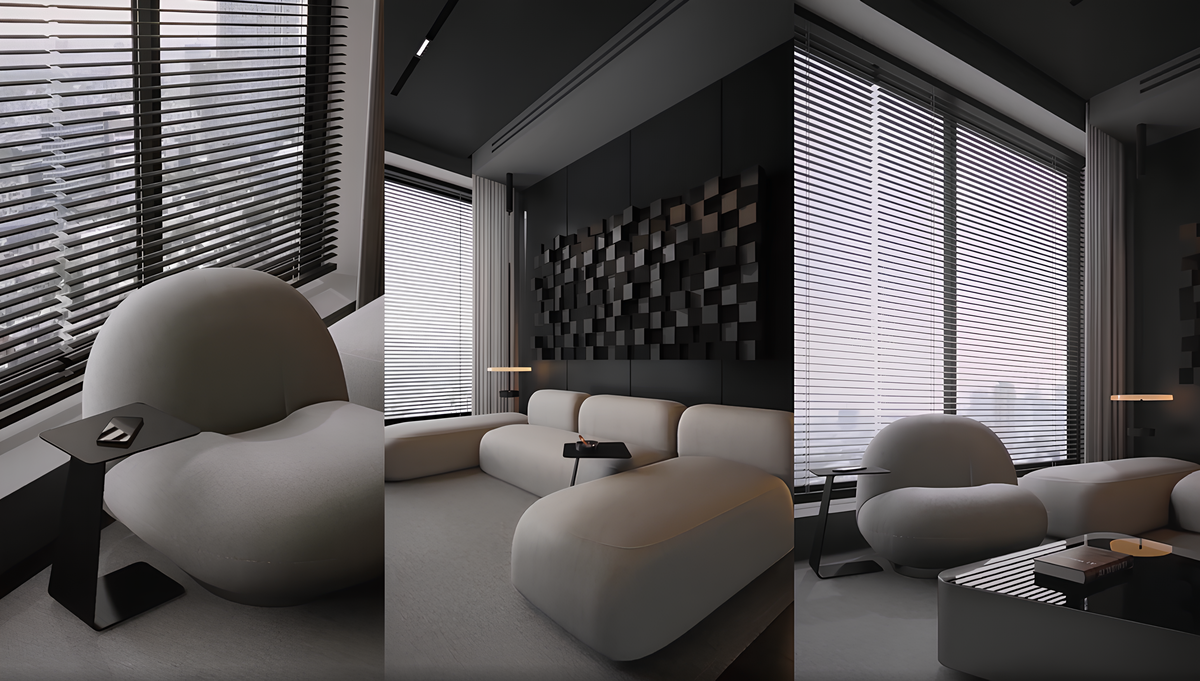
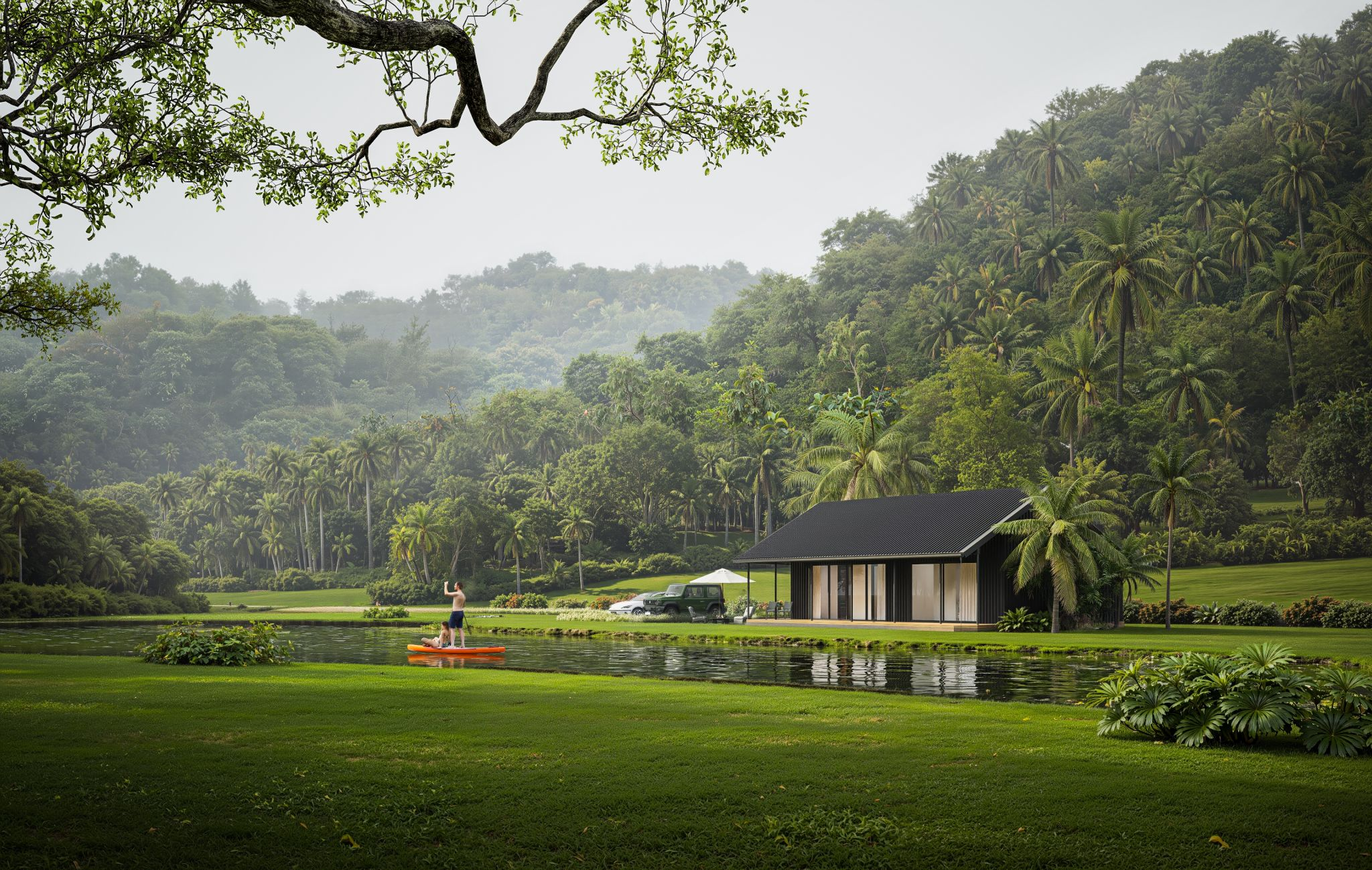
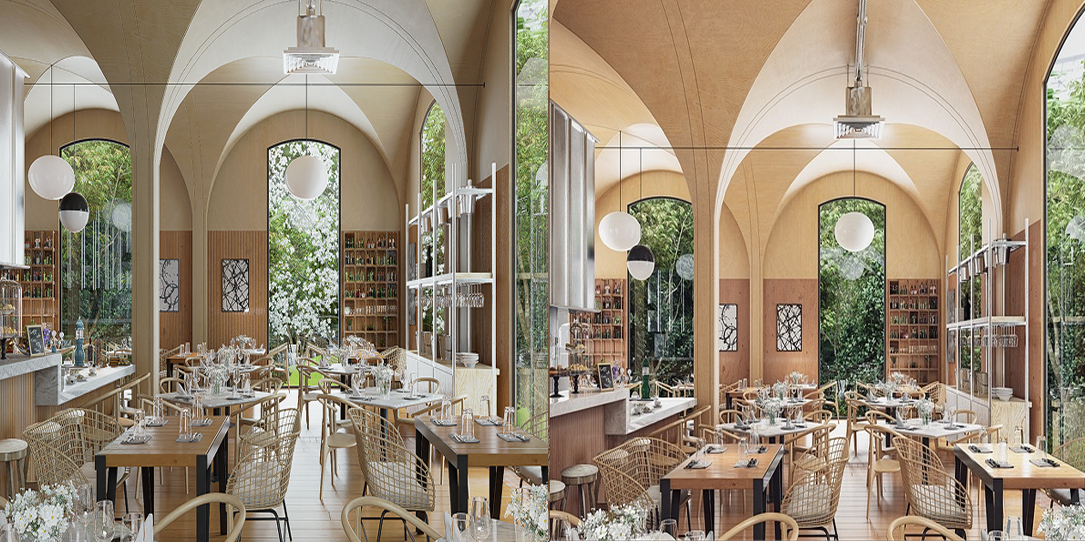
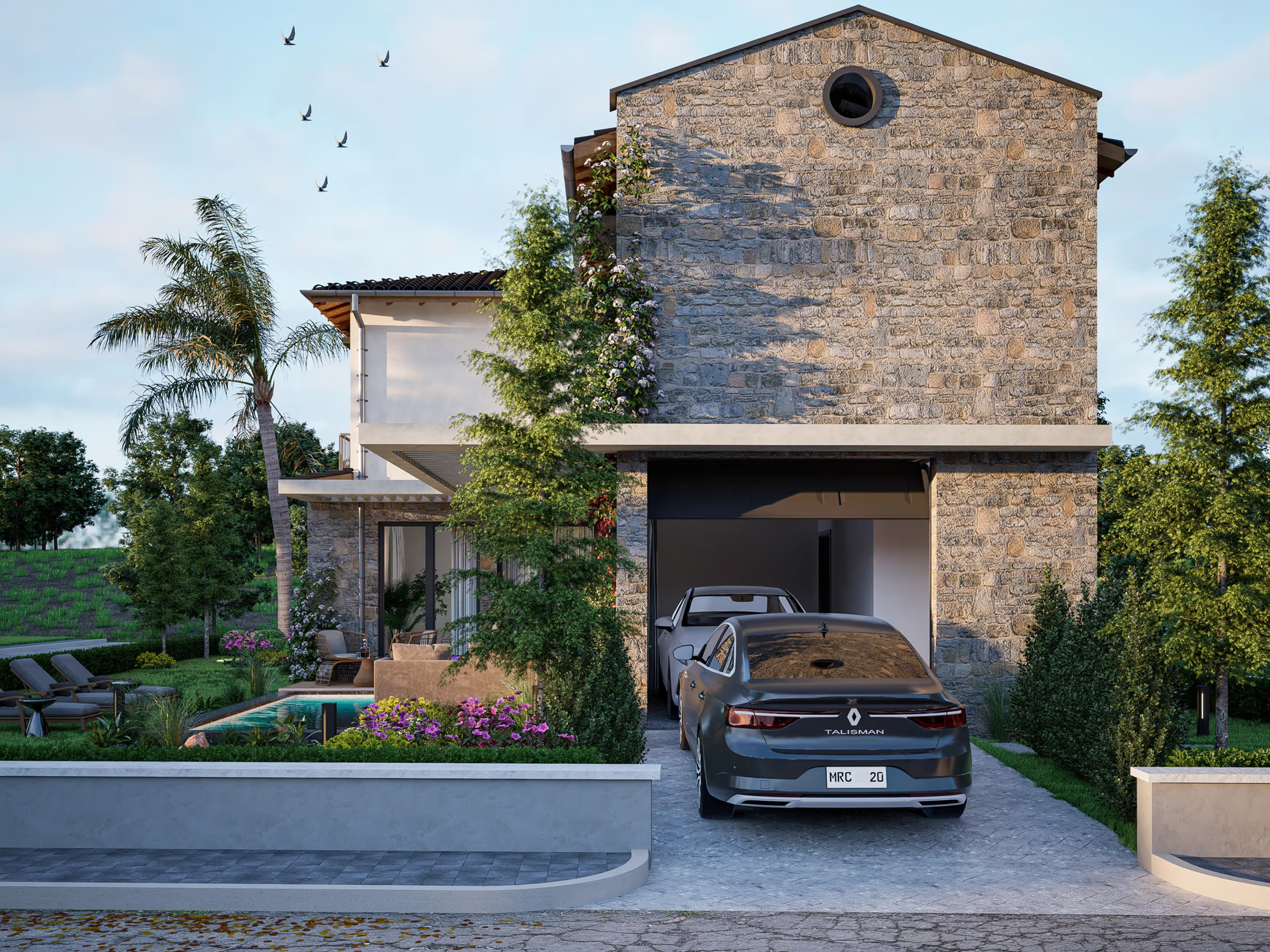
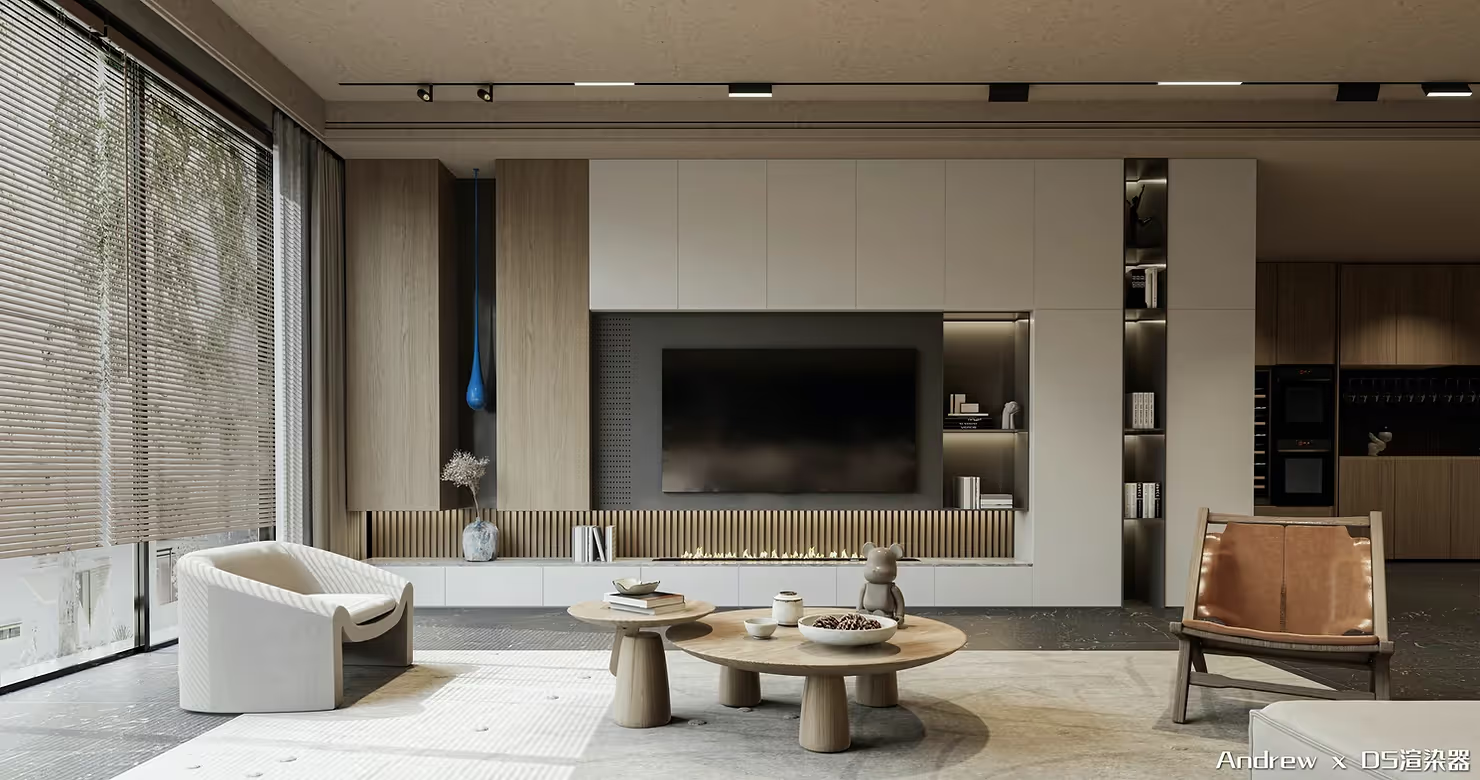
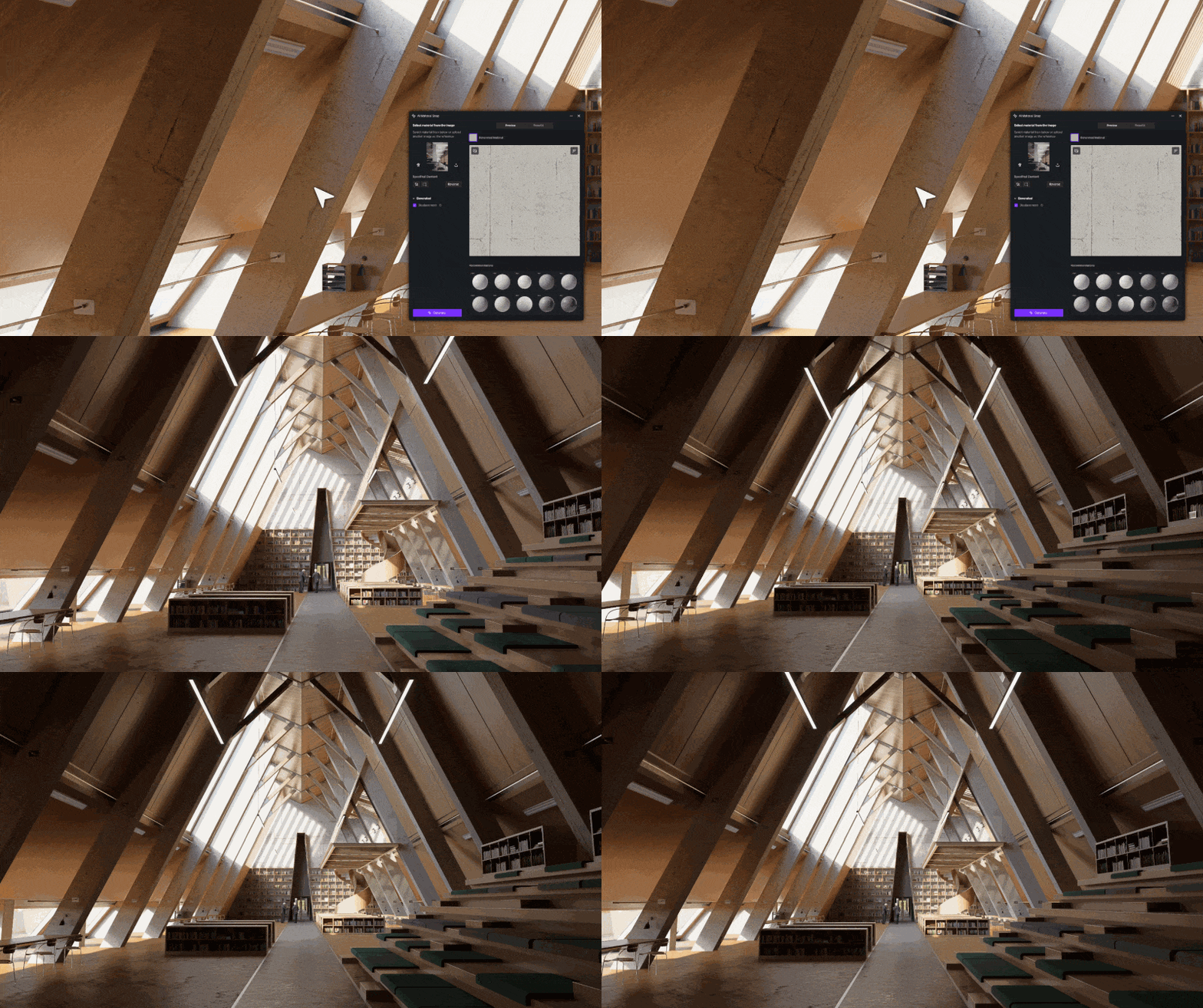
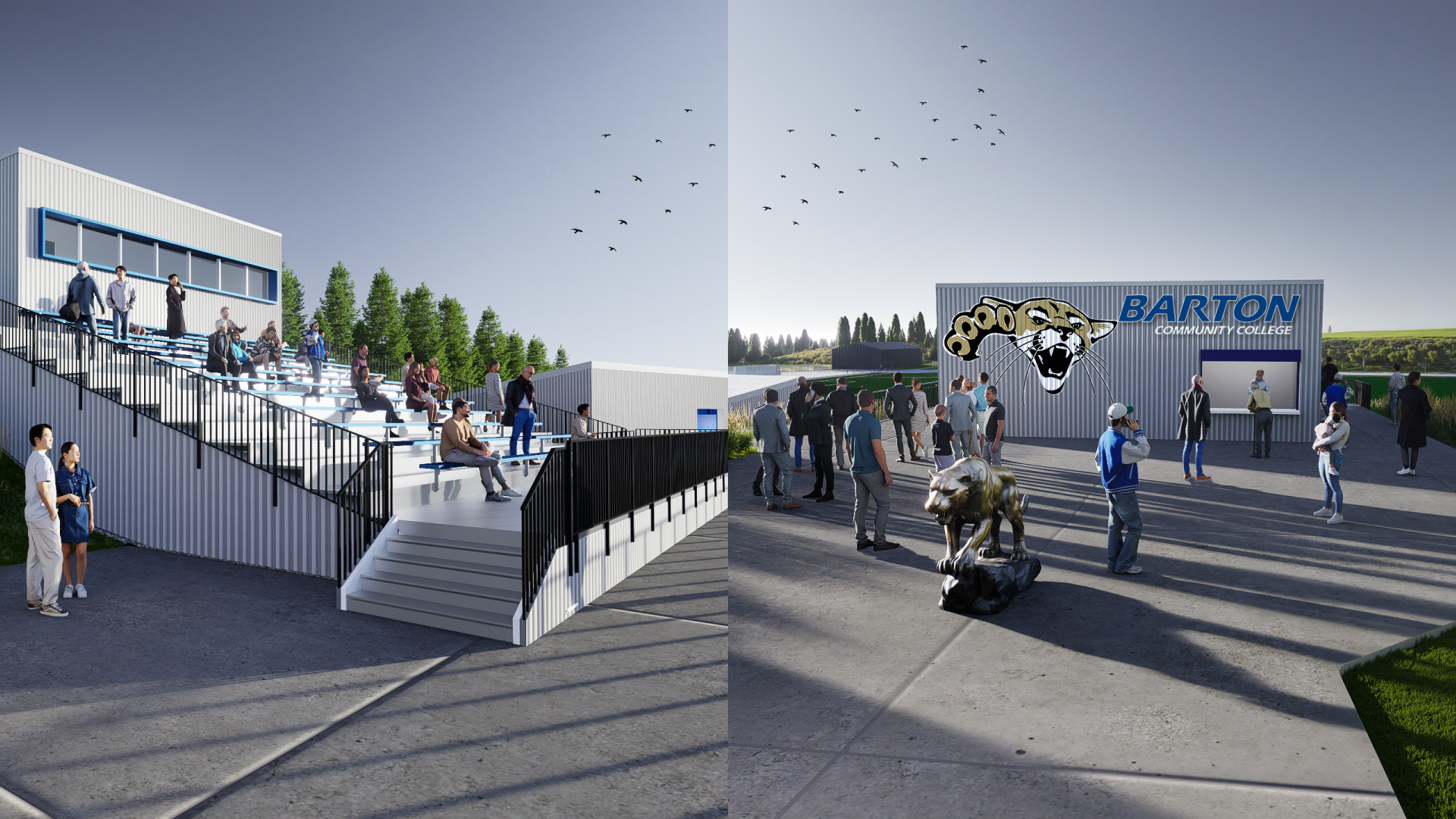
重要なポイント:
- 建築ビジュアライゼーションは、最終的な成果物としてだけでなく、内部インフラストラクチャとして機能する場合に最大の価値を生み出します。
- ビジュアライゼーションを高速化することの真のメリットは、スピードそのものではなく、大規模で複雑なチーム全体でキャパシティを引き出すことができることです。
- 目に見えないワークフローの摩擦を取り除くことで、リアルタイムの視覚化により、より早く、より明確で、より自信を持って設計上の決定を行うことができます。
スタジオ概要
- 場所: インド・プネー
- チームサイズ: 300 人以上、最大 10 人のアーティストから成る専任の社内ビジュアライゼーションチーム
- スタジオタイプ: 学際的な建築と設計実践
- プロジェクトタイプ: 大規模な住宅開発とタウンシップ、都市規模のマスタープラン、公共部門および政府プロジェクト、多目的開発、インテリア、景観重視プロジェクト、環境主導型開発
- モデリングツール: スケッチアップ、ブレンダー、3ds Max

設計組織が成長するにつれ、複雑さは直線的に増加するのではなく、倍増します。 VK Group では、ビジュアライゼーションは最終的な成果物から、300 人の複数の専門分野にわたる診療所の連携と効率性を維持するための基礎システムへと進化しました。ビジュアライゼーションがインフラストラクチャになったとき、スピード、明快さ、容量といった他のすべてがそれに続きました。
同社は、インテリア、ランドスケープ、都市計画、公共部門のプロジェクトに幅広く取り組んでいます。何百人ものデザイナーが複雑で規制の厳しい開発に携わっていたため、真の課題は業務上の課題でした。それは、ビジュアライゼーションがボトルネックにならないようにチームを動かし続ける方法でした。
視覚化によってワークフローが遅くなったとき
採用する前に D5 レンダリング、ビジュアライゼーションはパイプラインの終わり近くまで続きました。アーキテクトは設計意図を練り、モデルを引き継ぎましたが、後期段階での変更があると、おなじみのループが発生しました。
再インポート、再テクスチャリング、照明リセット、広範囲にわたるポストプロダクション。
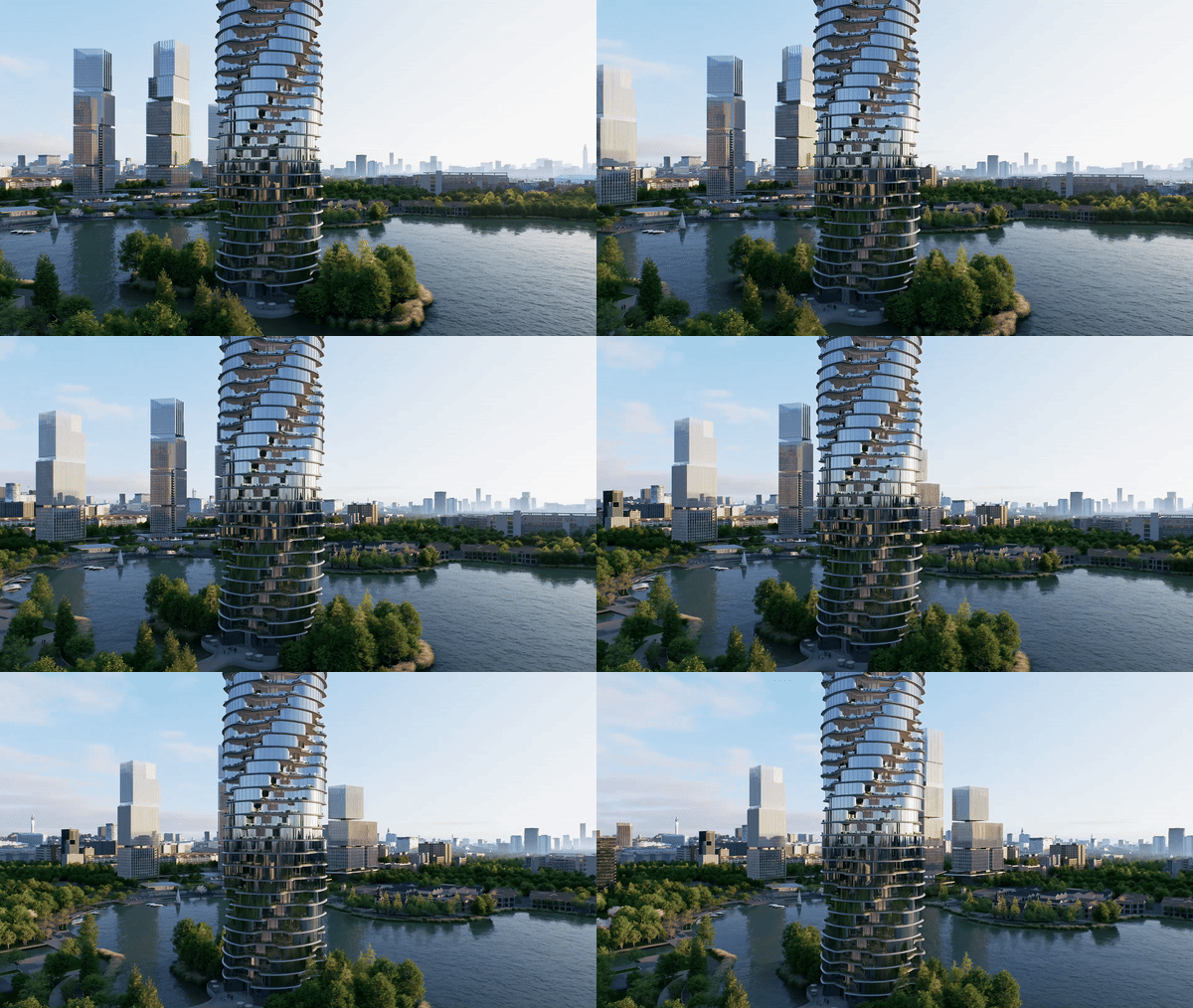
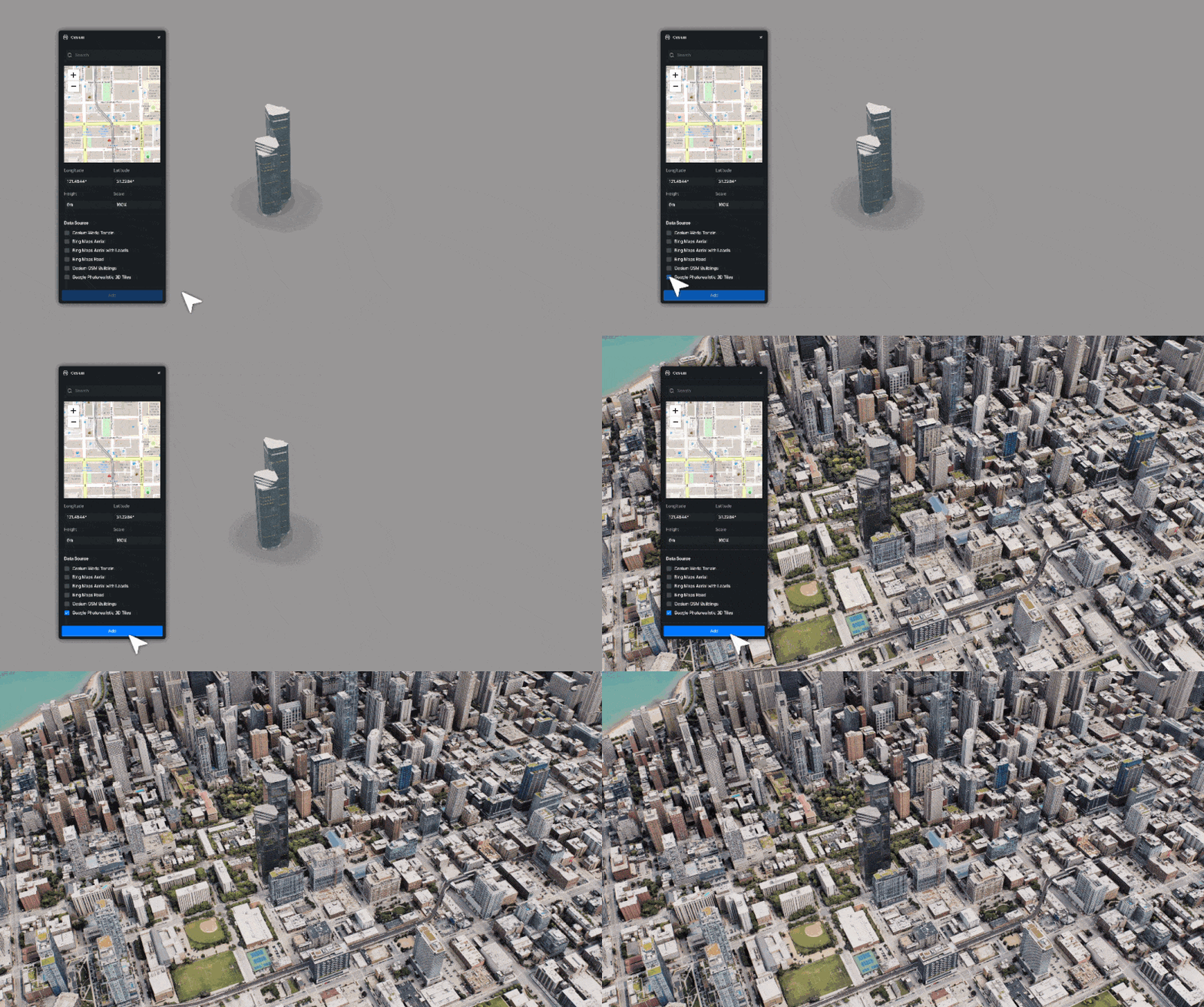
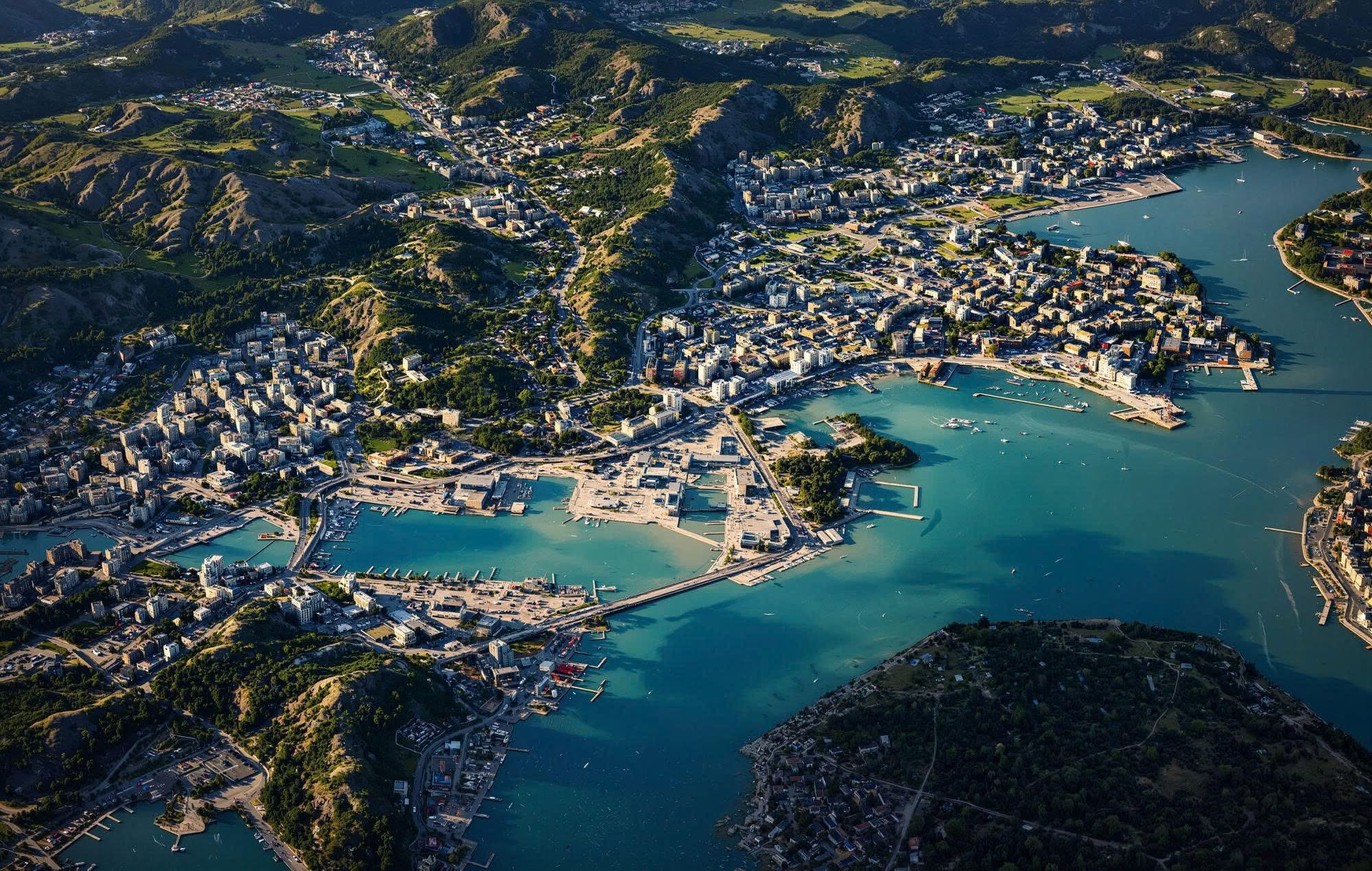
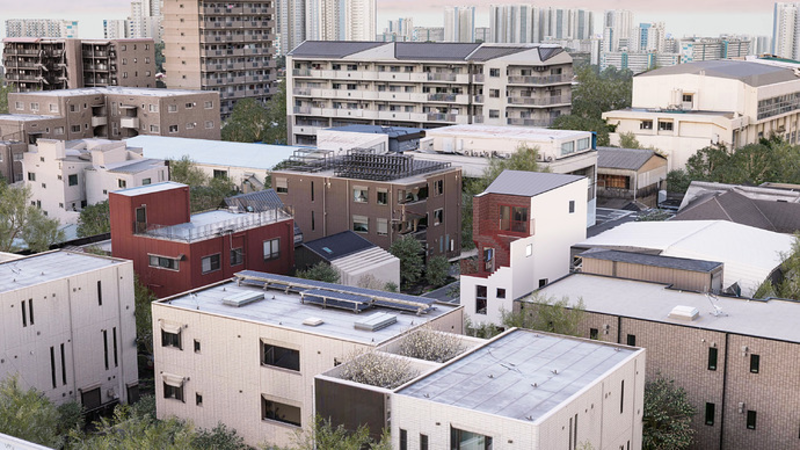
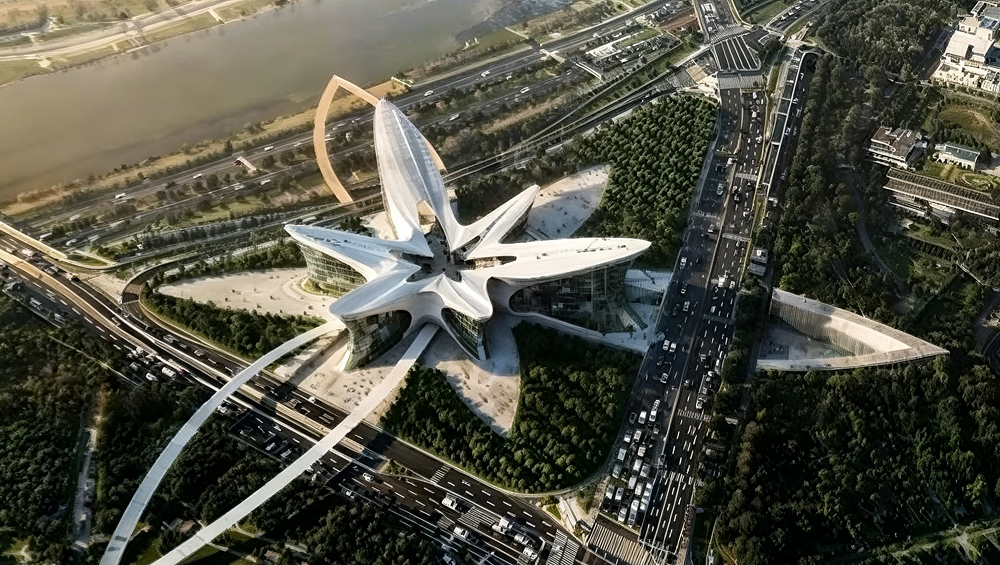
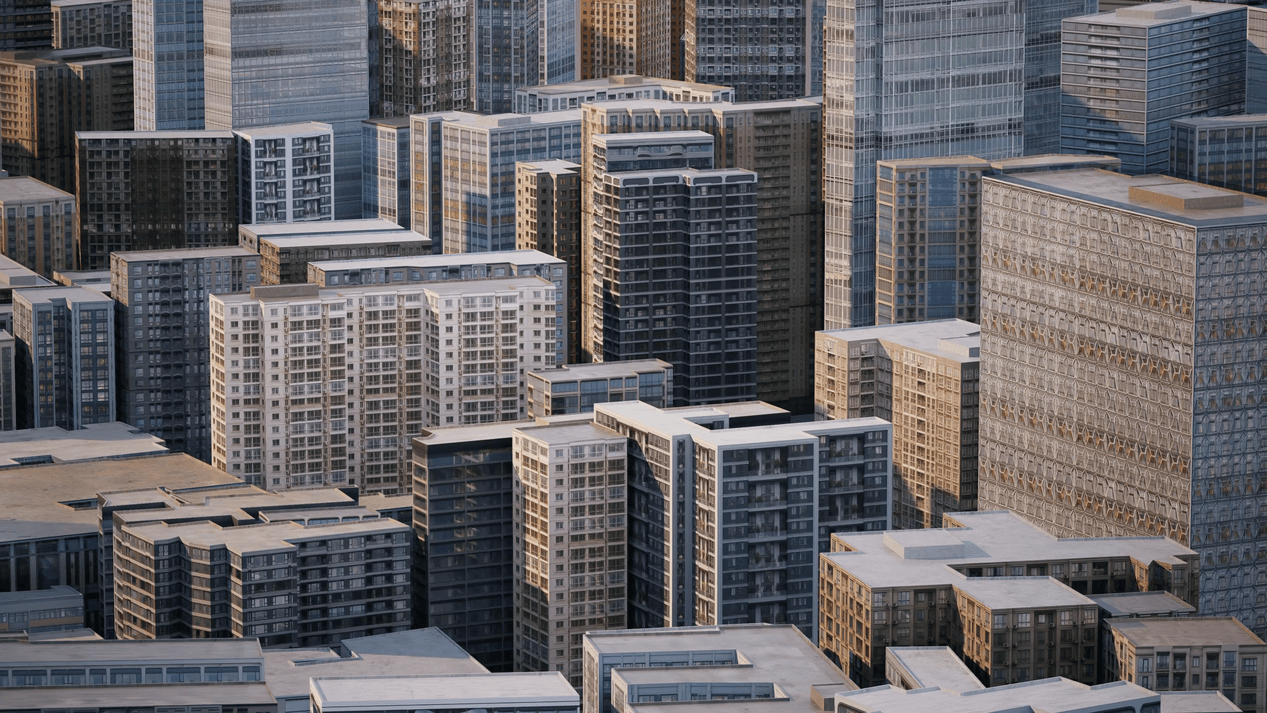
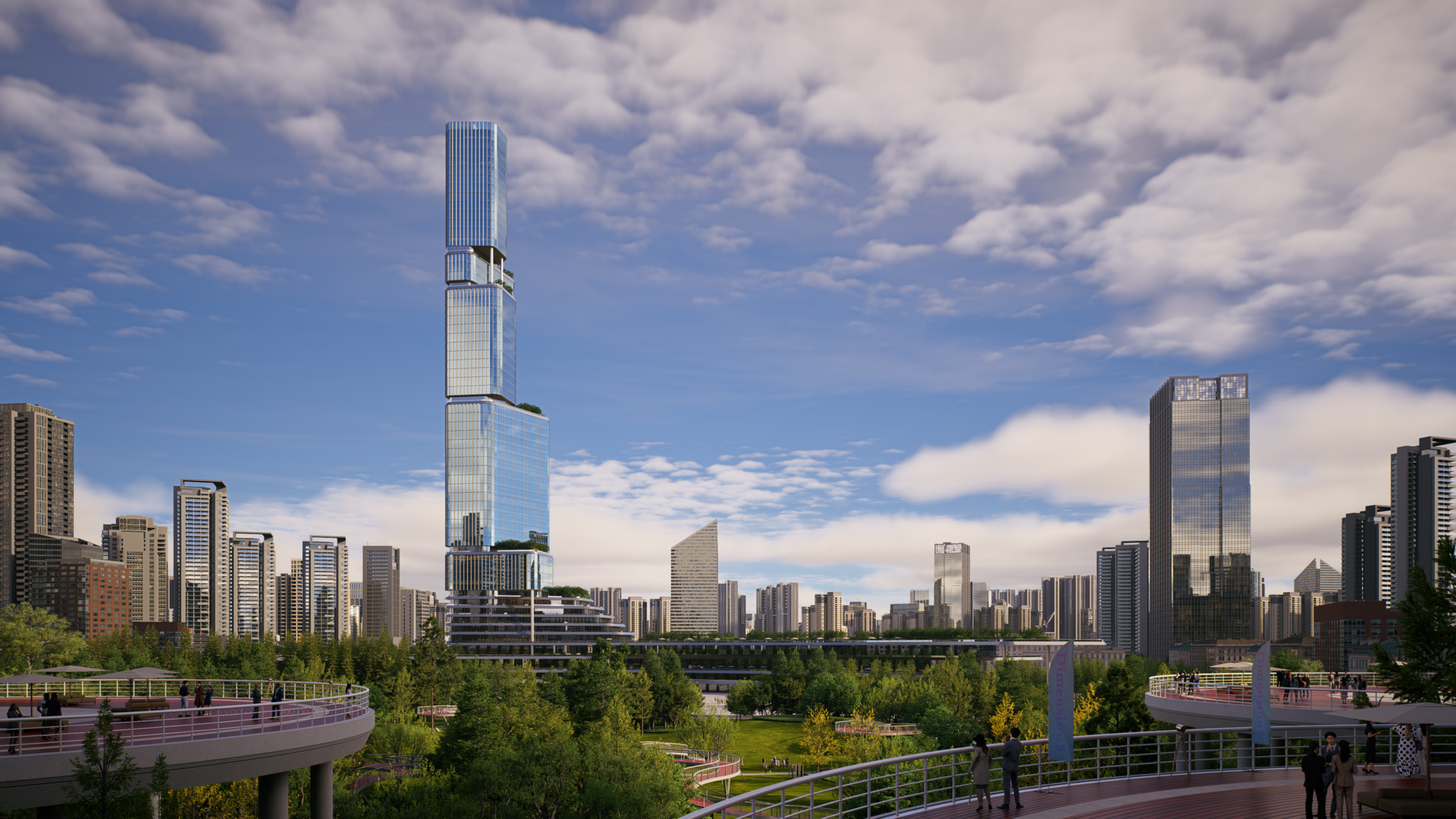
プロジェクトがより複雑になるにつれて、この摩擦もそれに伴って拡大しました。複数の塔と豊かな緑に囲まれた密集した都市モデルでは、ツールが限界に達しました。イテレーションが遅くなった。アニメーションが煩雑になりました。ビジュアライゼーションの効率化により、企業のキャパシティがひっそりと制限されるようになりました。
共有ビジュアライゼーションバックボーン
2022年後半、VKグループが大規模な都市プロジェクトでD5をテストしたとき、すべてが変わりました。最初の疑問は、リアルタイムレンダリングが品質を犠牲にすることなく大量のデータセットを処理できるかどうかということでした。答えは「はい」でしたが、その影響はさらに深刻でした。
「D5は、クライアントが期待するレベルのビジュアル品質を維持しながら、納期をほぼ 80% 短縮しました。」 とビジュアライゼーションチームの責任者であるAnup Gandhe氏は言います。
D5はレンダリングをスピードアップしただけではありません。その過程で、ビジュアライゼーションのあり方が変わりました。最終段階ではなく、チームがプロジェクトのライフサイクル全体を通じて使用できる共有環境になりました。

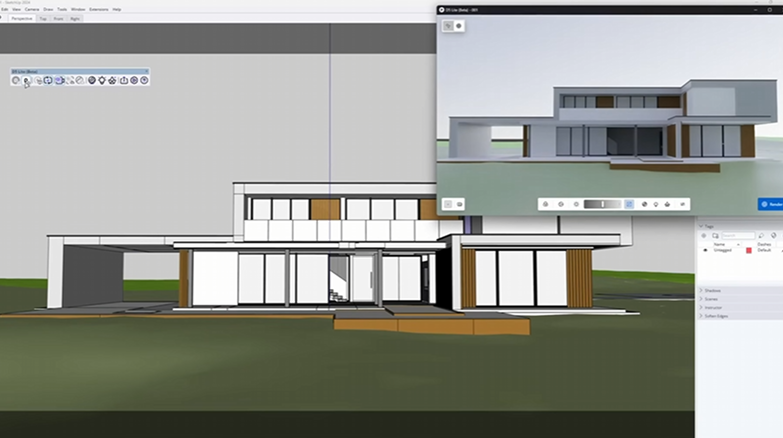
建築家はまだSketchUpから始めますが、ビジュアライゼーションチームはBlenderまたは3ds Maxでジオメトリを改良します。しかし、ワークフローを分散させる代わりに、今やすべてが D5 に集約されるようになりました。マテリアル、照明、風景、カメラ、アニメーションはすべて 1 か所で解決されます。ビジュアライゼーションはもはや引き継ぎではなく、継続的で統合されたプロセスです。
また読む: D5 ウィジェット | レンダリングプロジェクトを統合して Arch Studio のチームワークをより良く、より簡単に
D5が削除した内容が最も重要
最大のブレークスルーの1つは、D5が追加したものではなく、D5が排除したものでした。
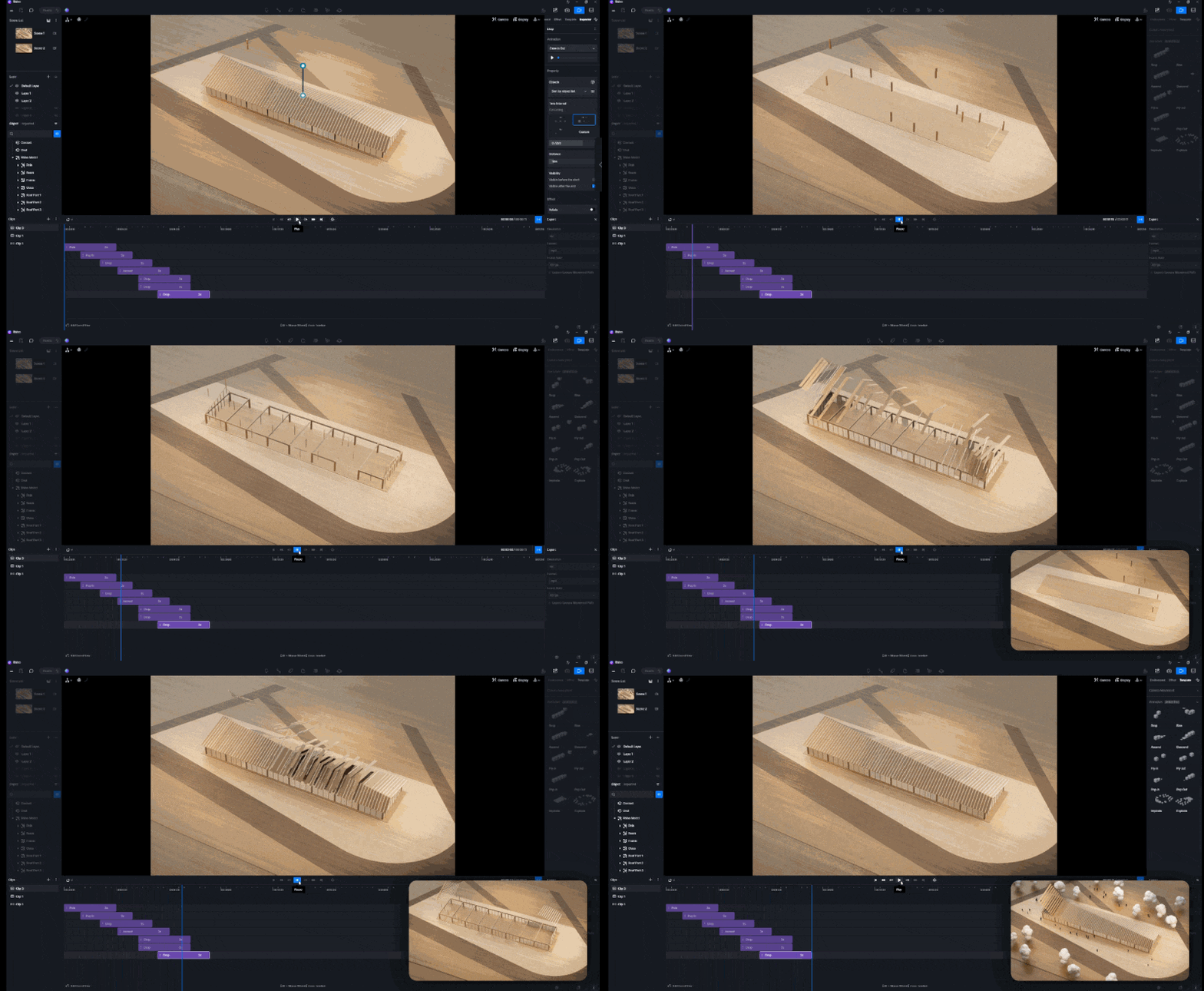
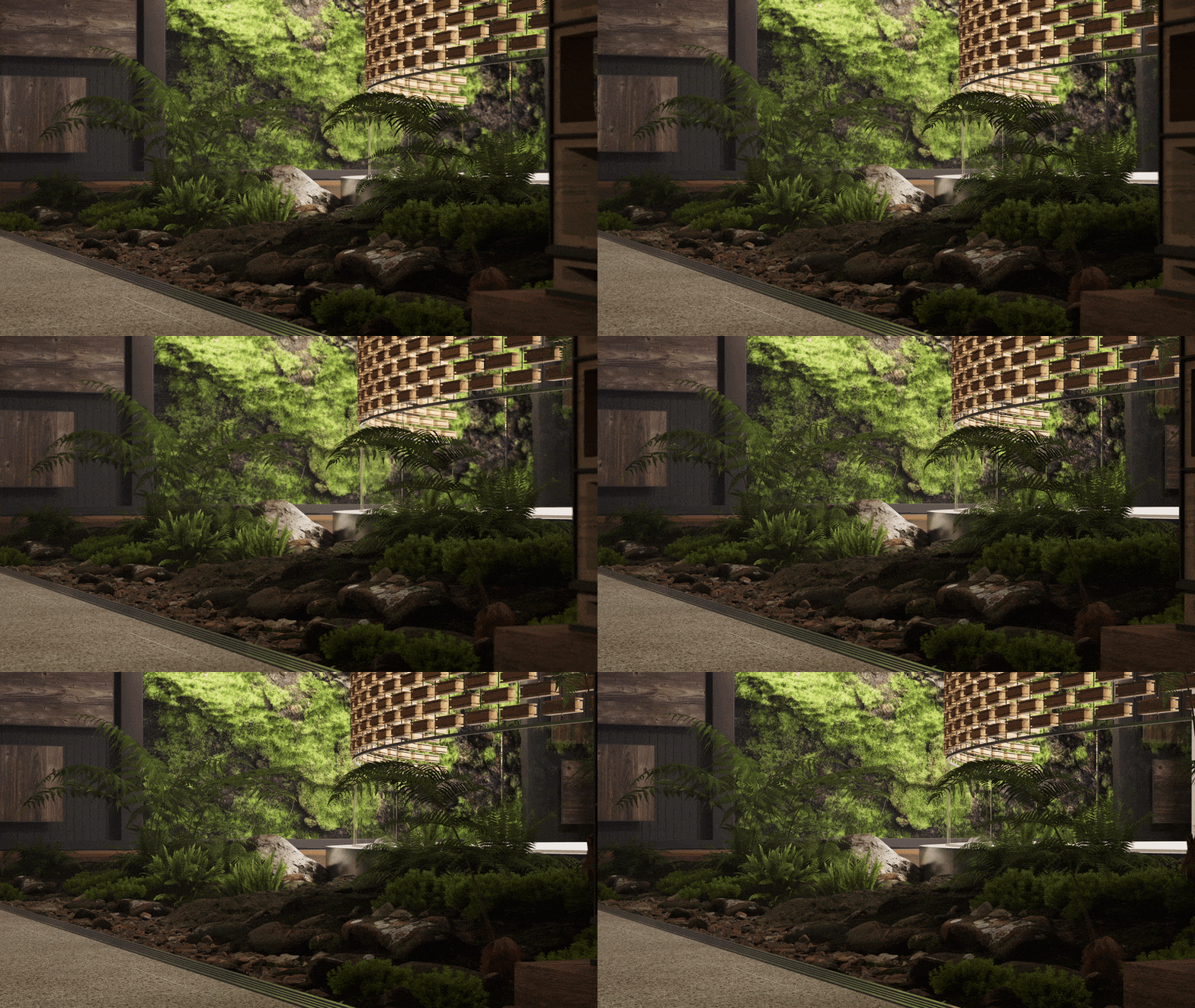
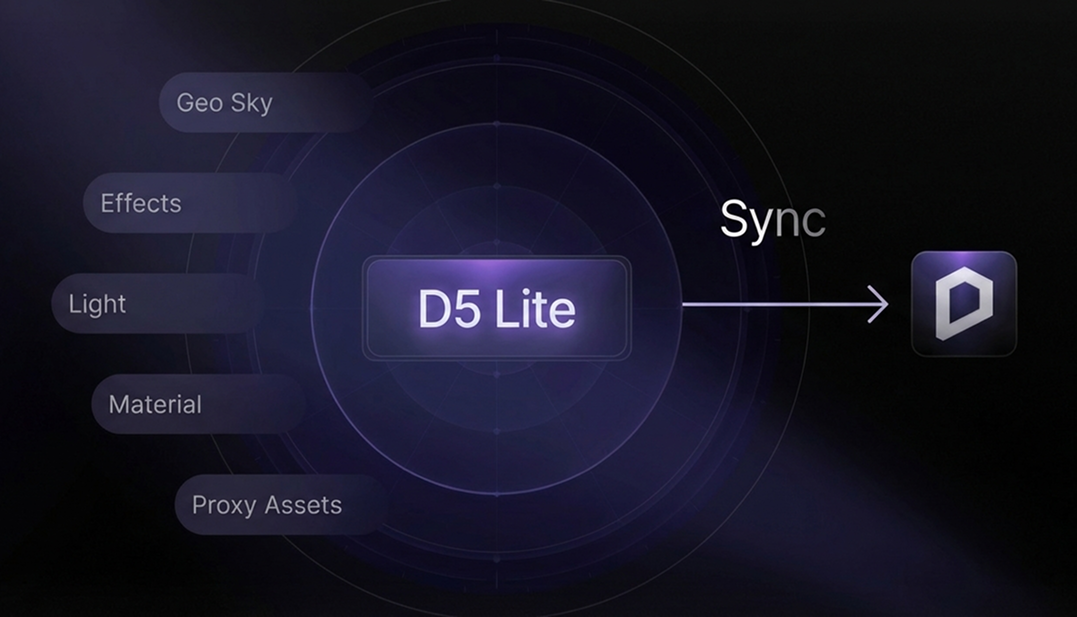
以前は小さな設計変更により隠れたオーバーヘッドが発生していましたが、D5 Live Syncではその摩擦はなくなりました。アップストリームの変更が D5 で即座に更新されるようになりました。
「モデルを更新するだけで、D5で更新されるので、再インポートや再テクスチャリングは不要です」とAnup氏は言います。
この目に見えない時間の節約が、目に見える違いをもたらしました。設計者はファイル管理に費やす時間が減り、設計上の決定を考える時間が増えました。ビジュアライゼーションは目に見えないインフラストラクチャとなり、静かで信頼性が高く、チームの作業方法に組み込まれるようになりました。
また読む: D5 レンダリング + 3ds Max: アニメーションを簡単に
アウトプットから設計の信頼性まで
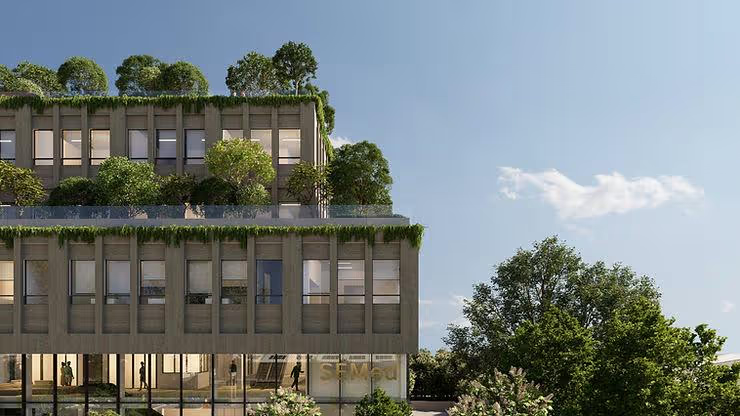
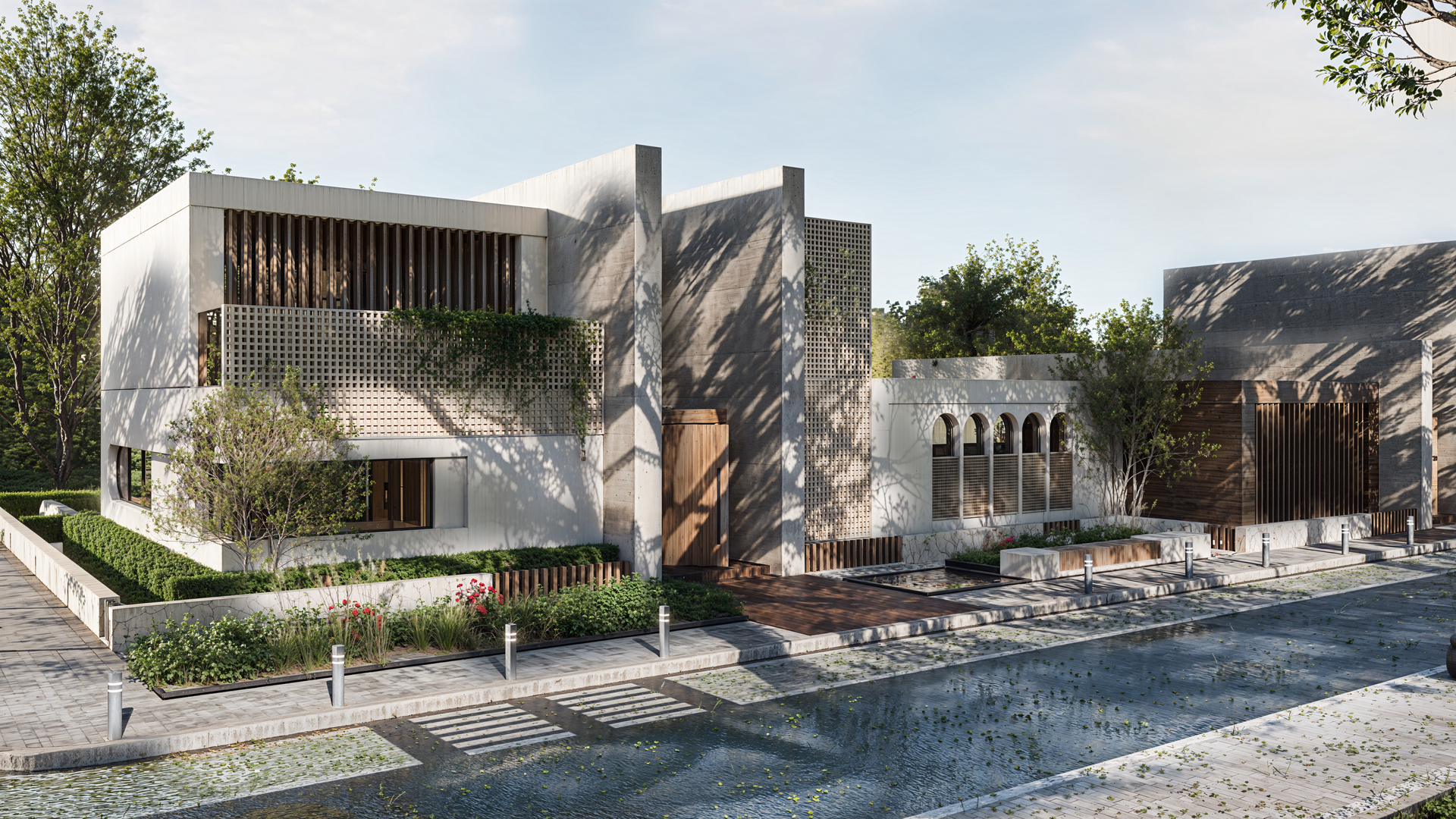
摩擦がなくなるにつれ、視覚化はプレゼンテーションとしてだけでなく、不確実性を減らす方法としても新しい役割を見出しました。チームは早い段階で、まだ柔軟な意思決定ができる段階で、ファサードのテスト、素材の調査、オプションの比較にD5を使い始めました。
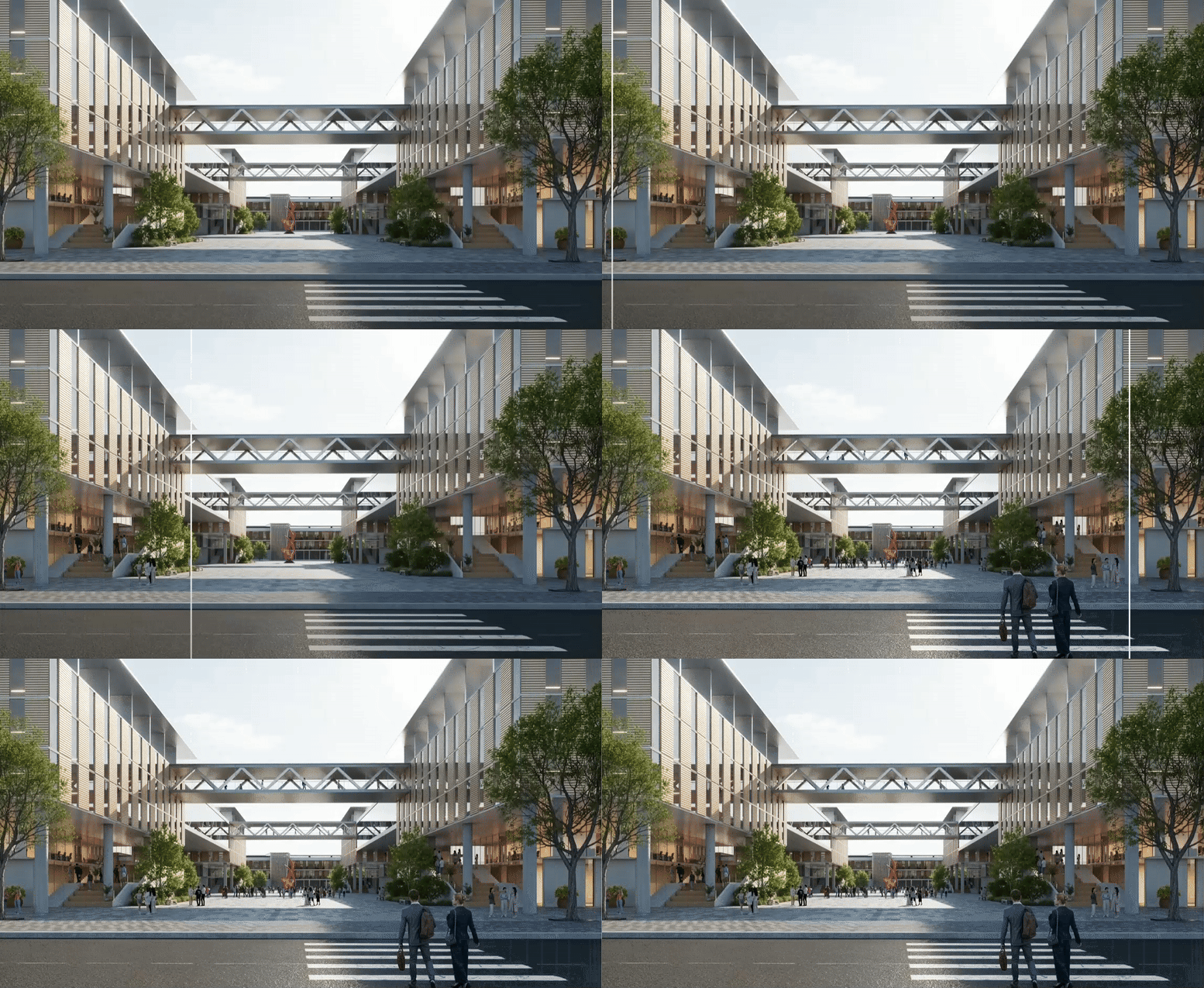
同じシーンで、同じ照明とカメラの下で、デザインのバリエーションが並んで存在するようになりました。 デザイナーは図面について議論しません。すぐにその影響がわかります、プレゼンテーションが始まる前に自信を持って意思決定を行います。
ランドスケープ全体にわたるリアルタイム思考のスケーリング
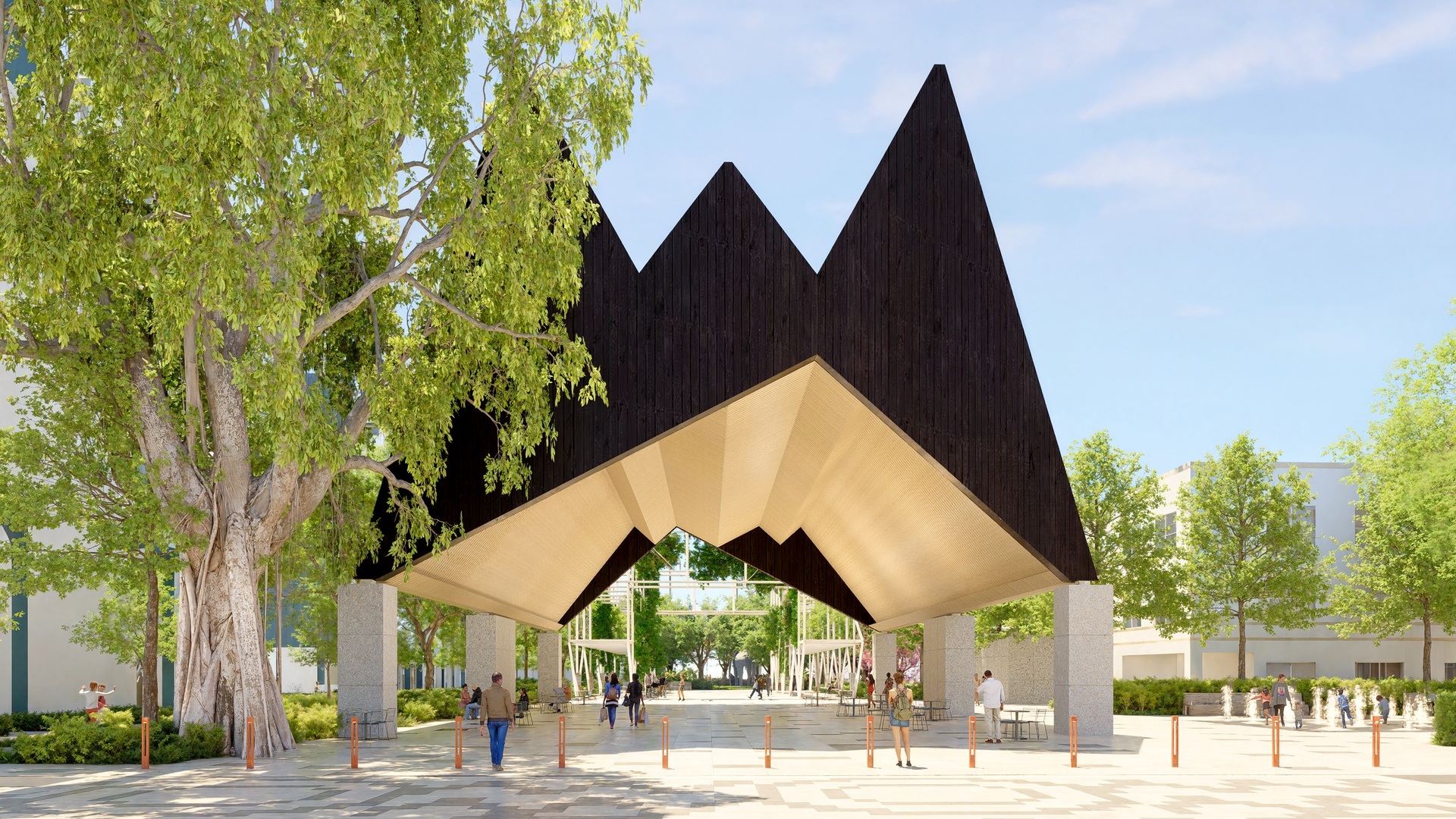
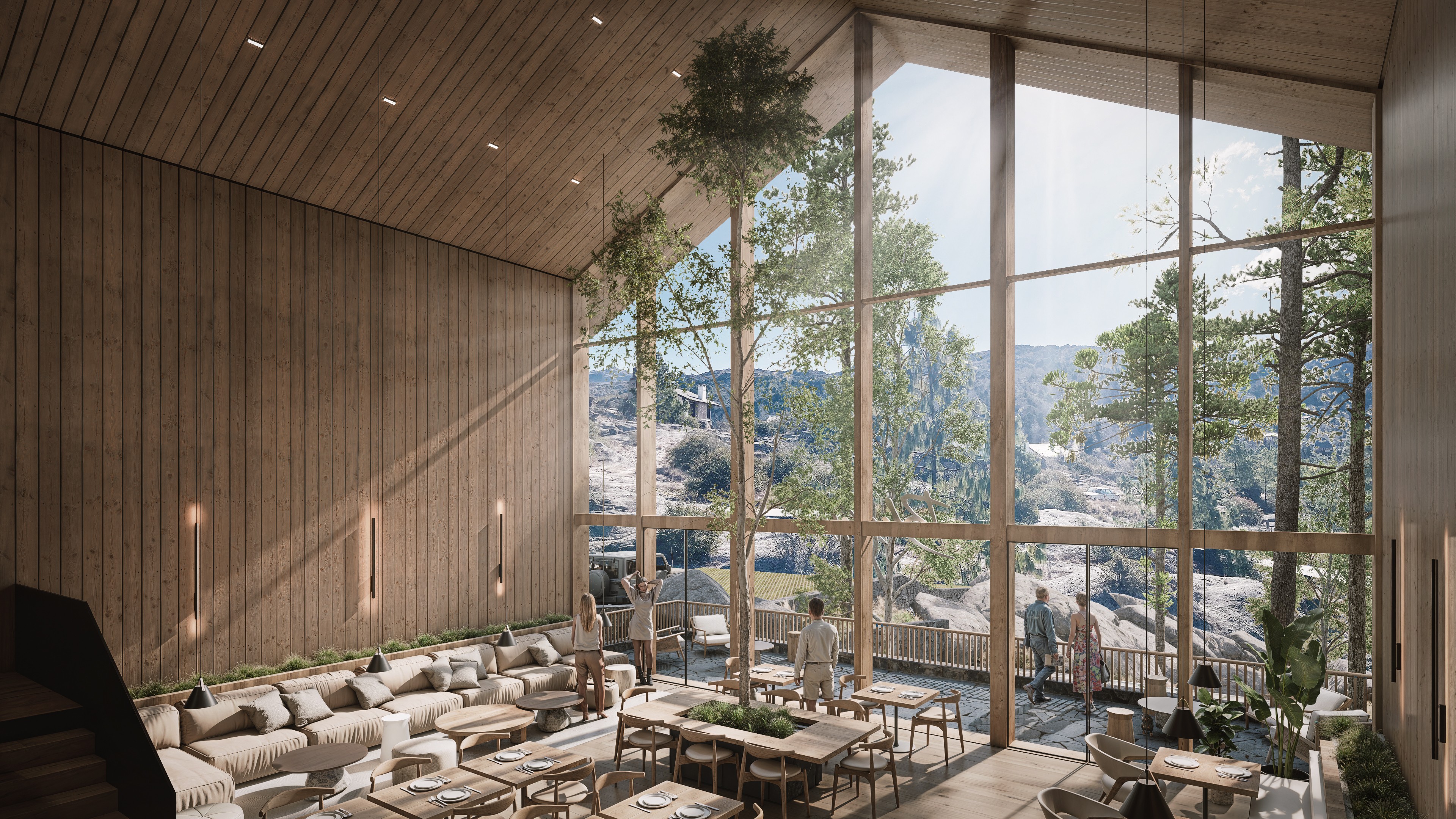
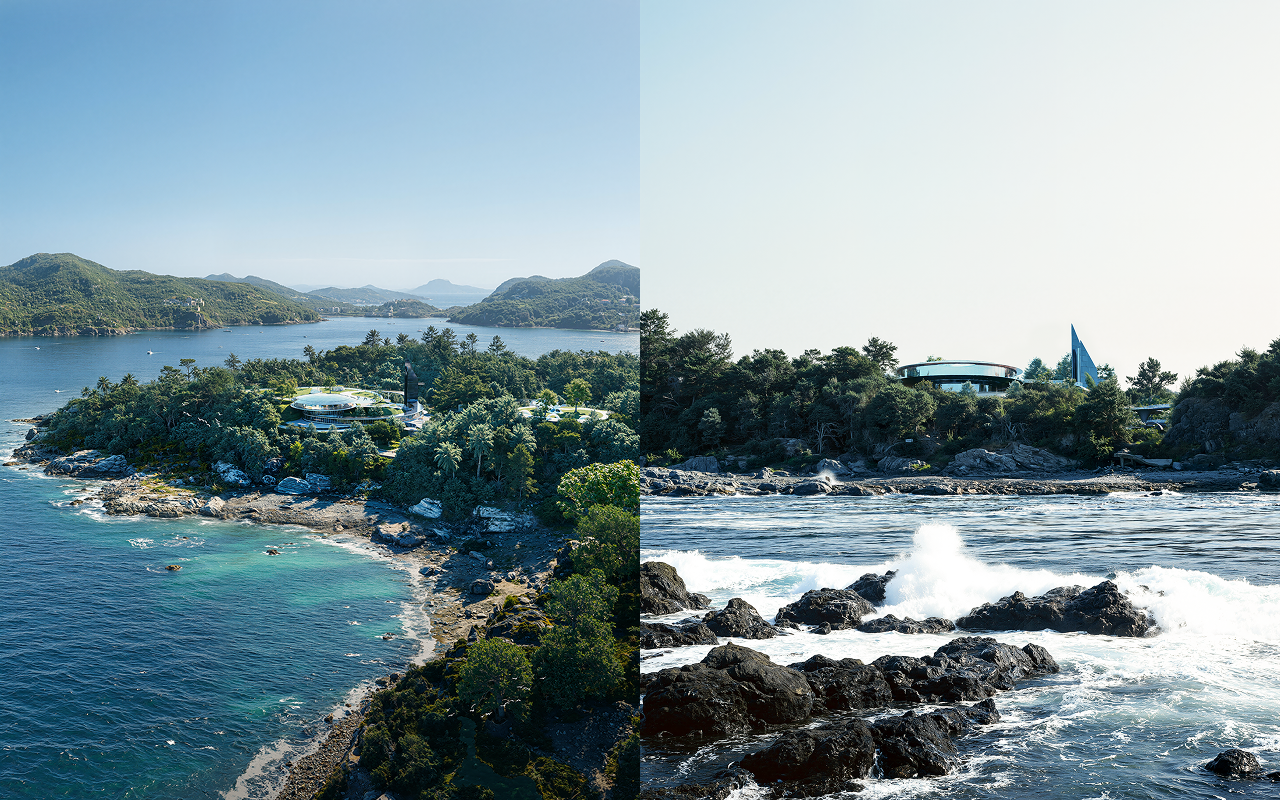
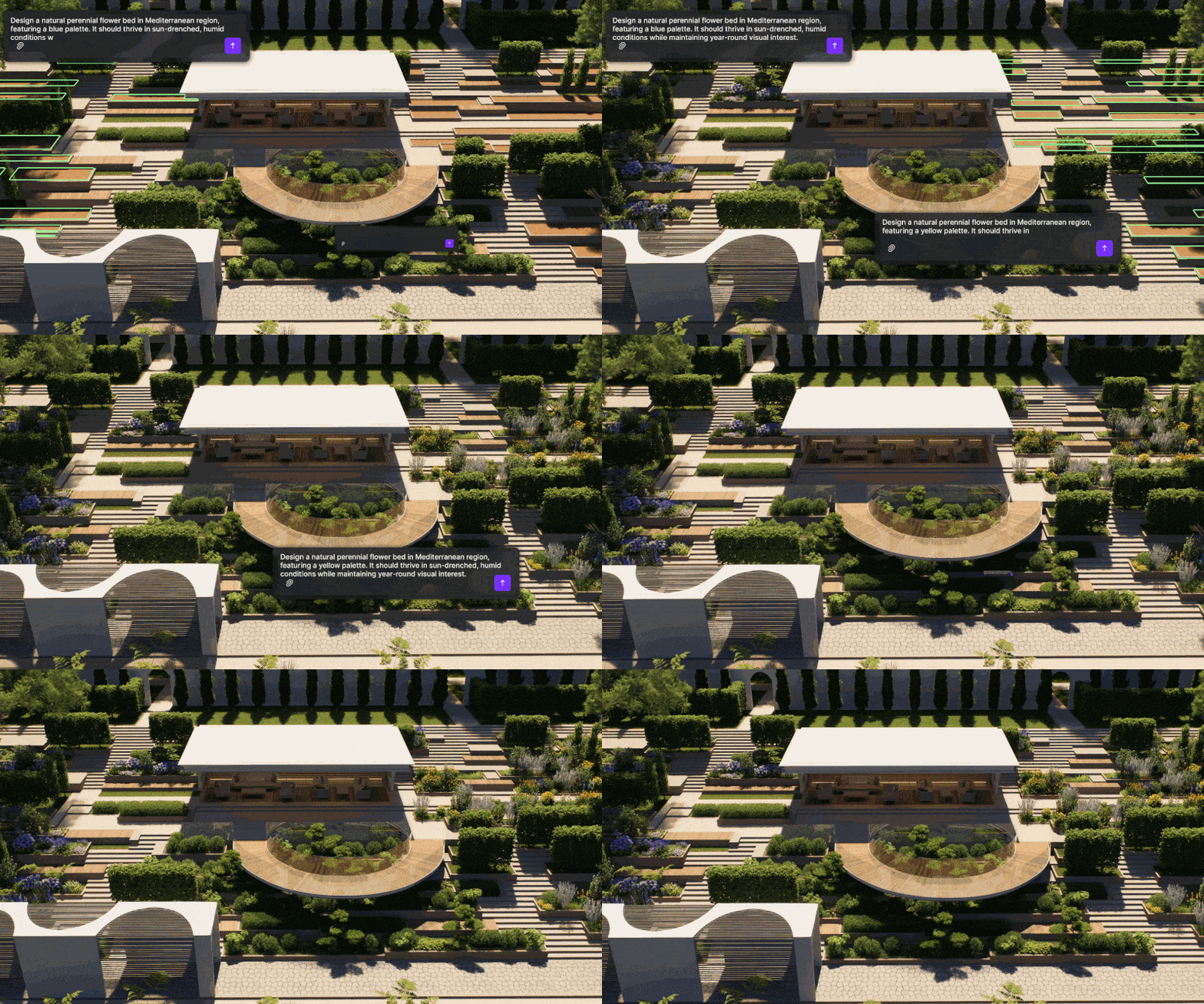
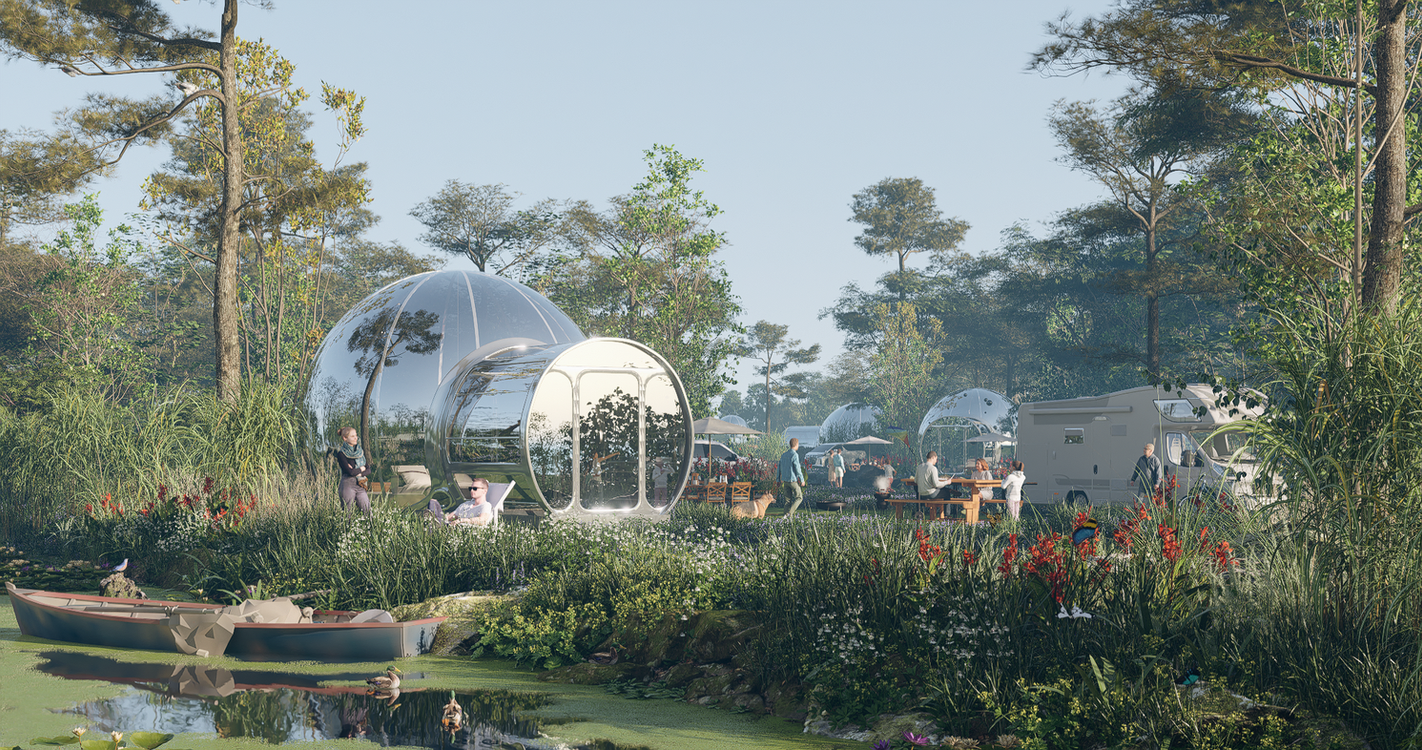
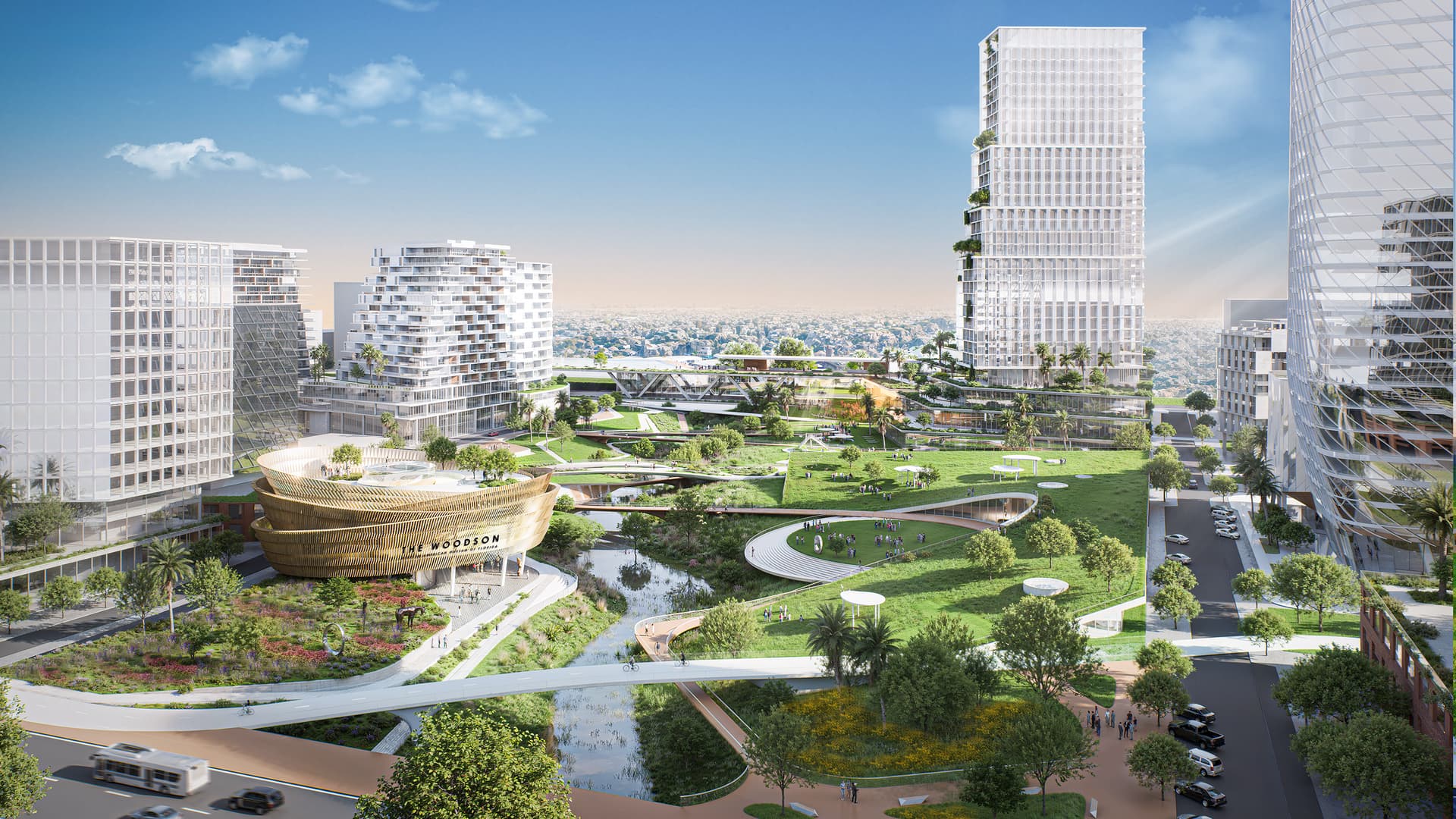
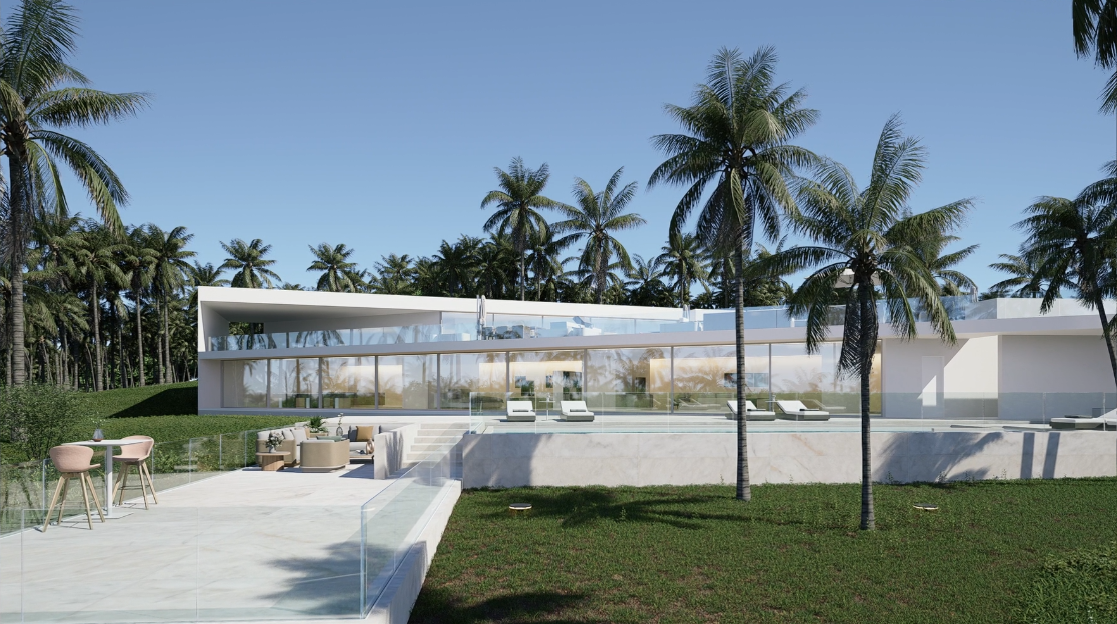
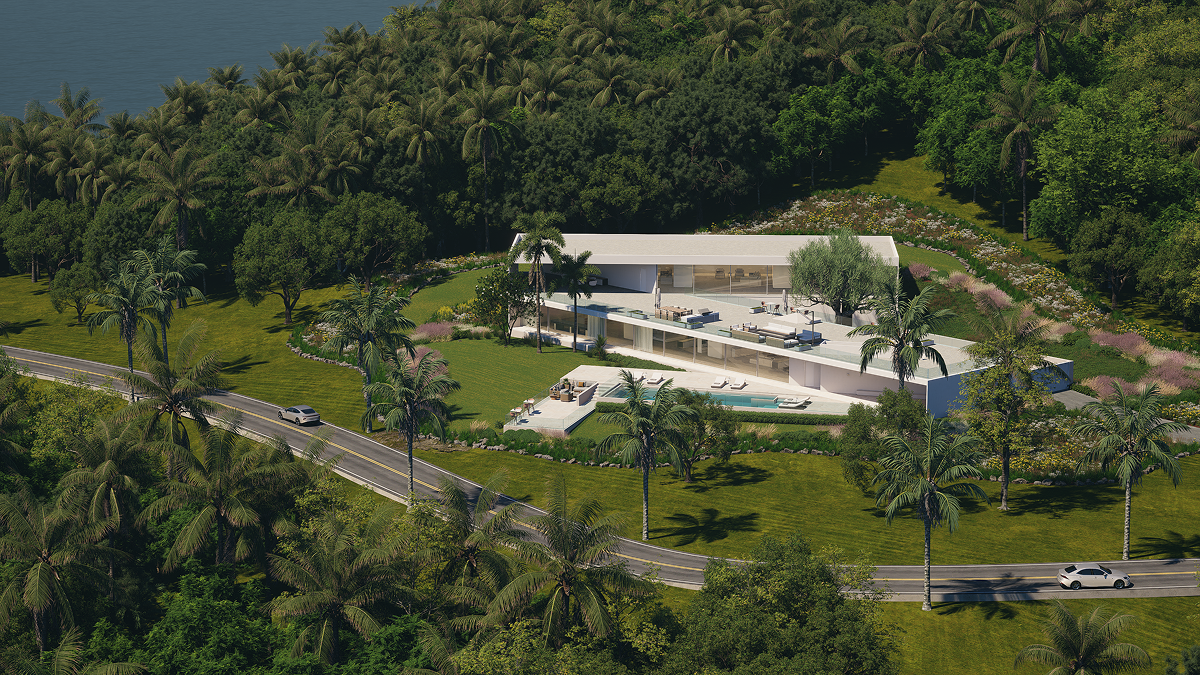
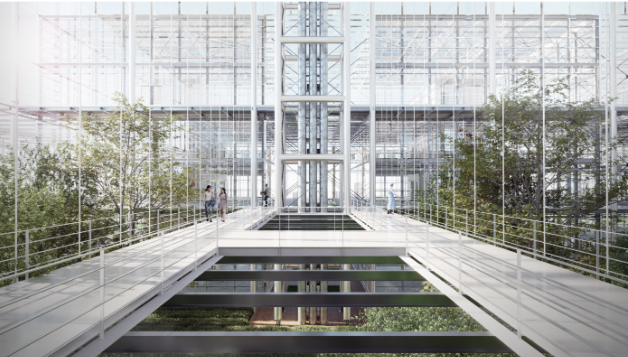
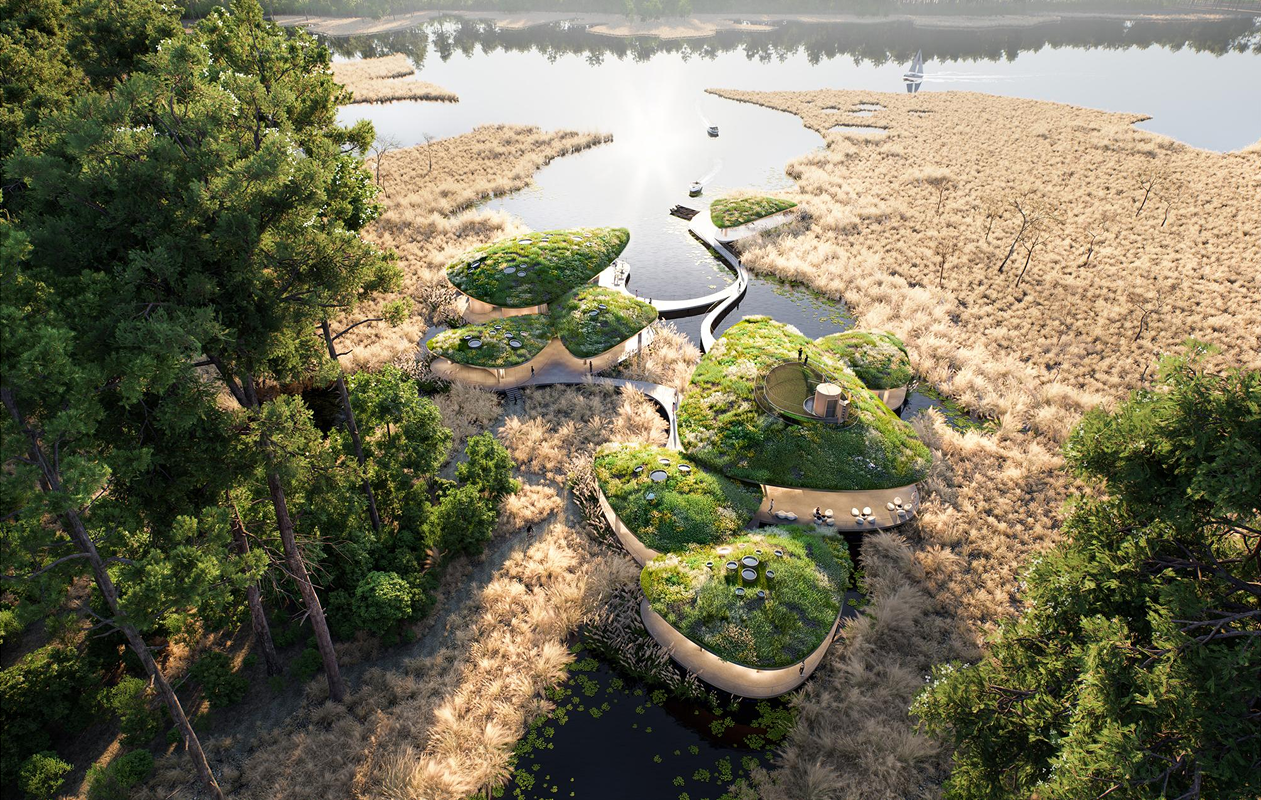
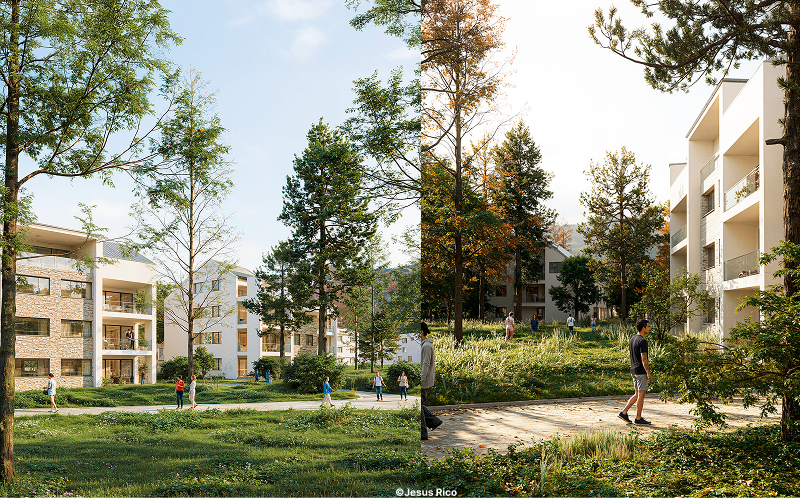
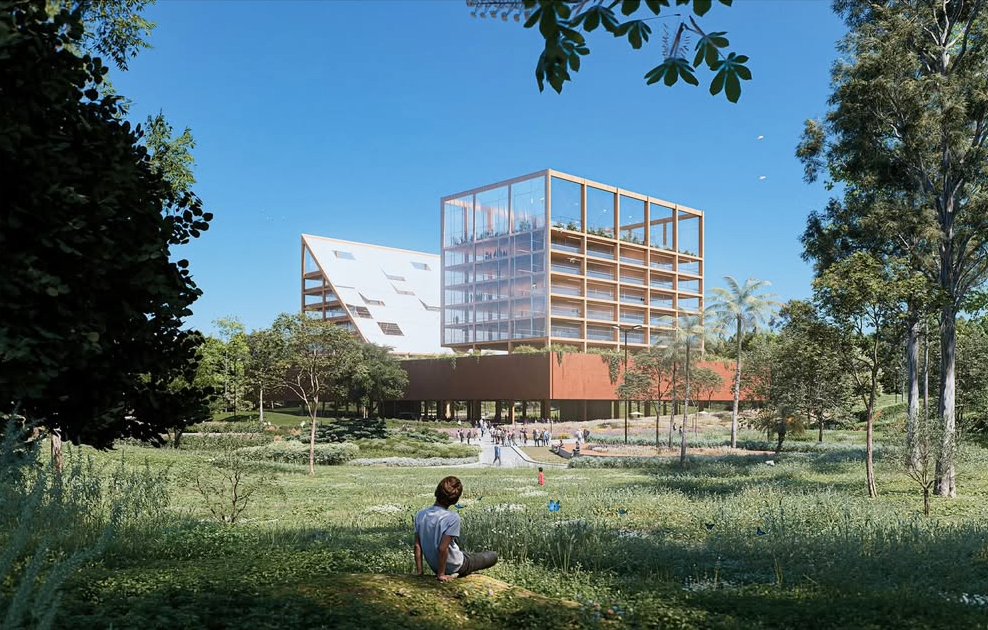
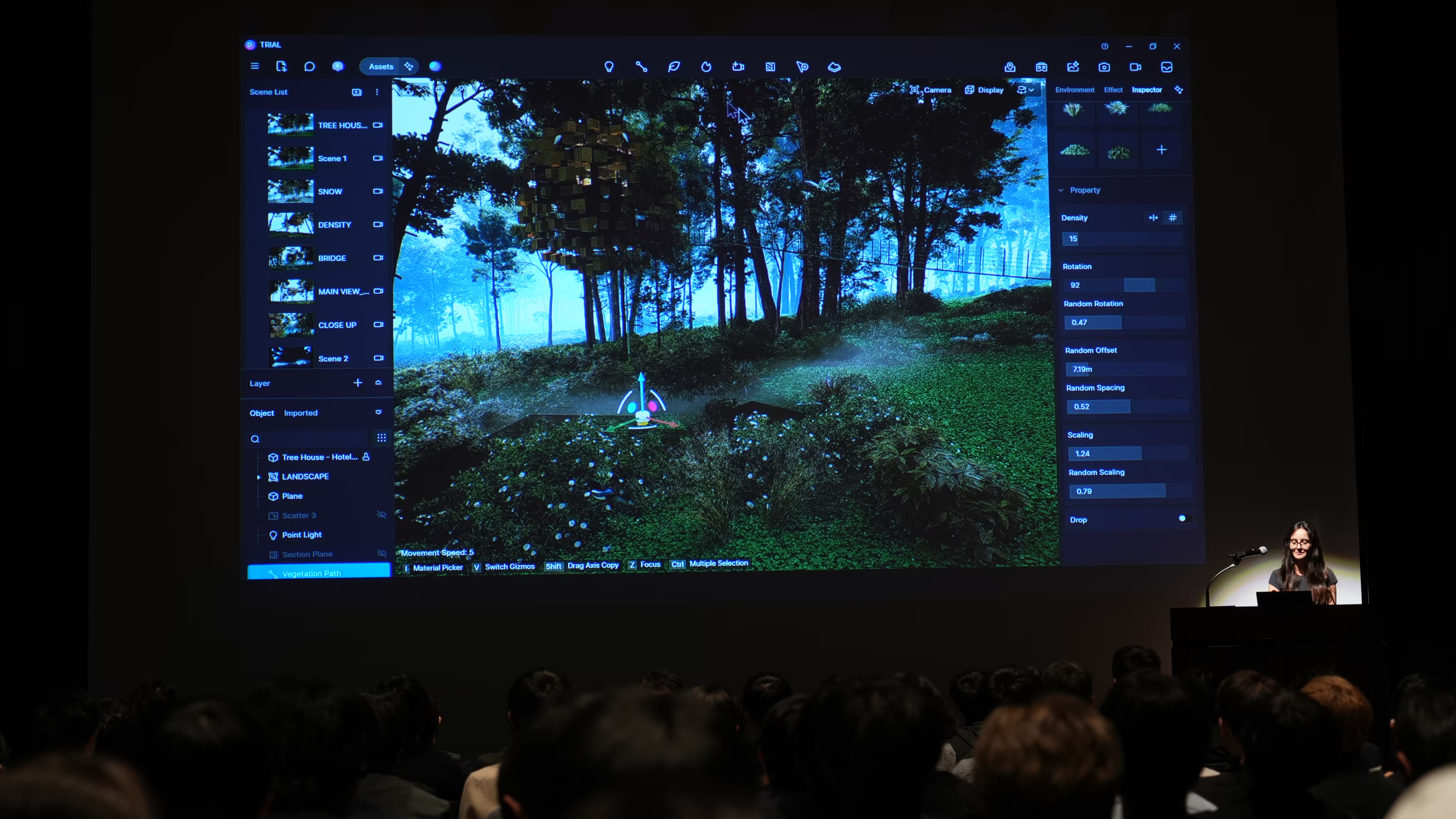
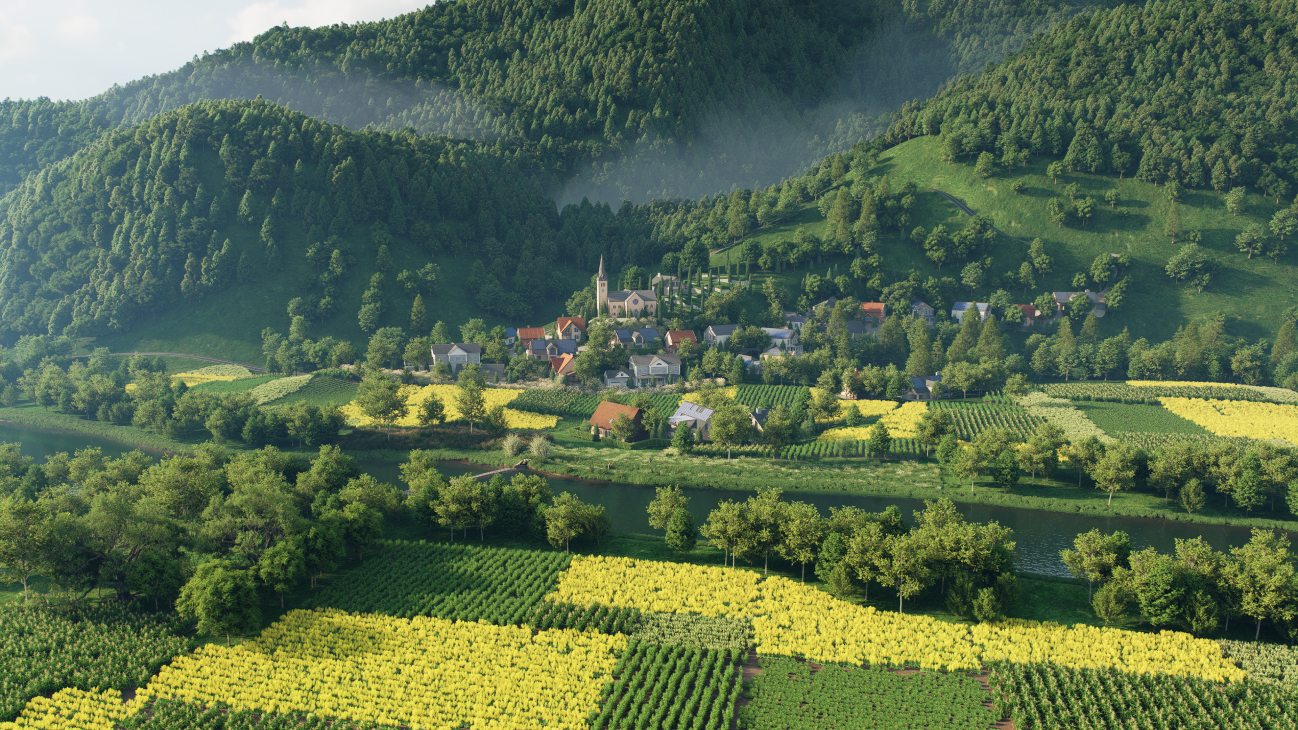
ランドスケープほどこの変化がはっきりしている場所はありません。VKグループの事業所は、多くの場合、広大な緑地と階層化された循環ネットワークにまたがっています。これまでは、意図を伝えるためだけに、これらを視覚化するには時間がかかっていました。デザイナーは、リアルタイムツールと AI を活用したワークフローにより、コンセプトを構築するのと同じくらい迅速にサイト戦略を模索できるようになりました。

これは詳細なランドスケープデザインに取って代わるものではなく、理解を深めるものです。チームは細部にこだわる前に、密度、リズム、雰囲気について学べます。ビジュアライゼーションは、単に仕上げるだけでなく、考えるためのツールにもなります。
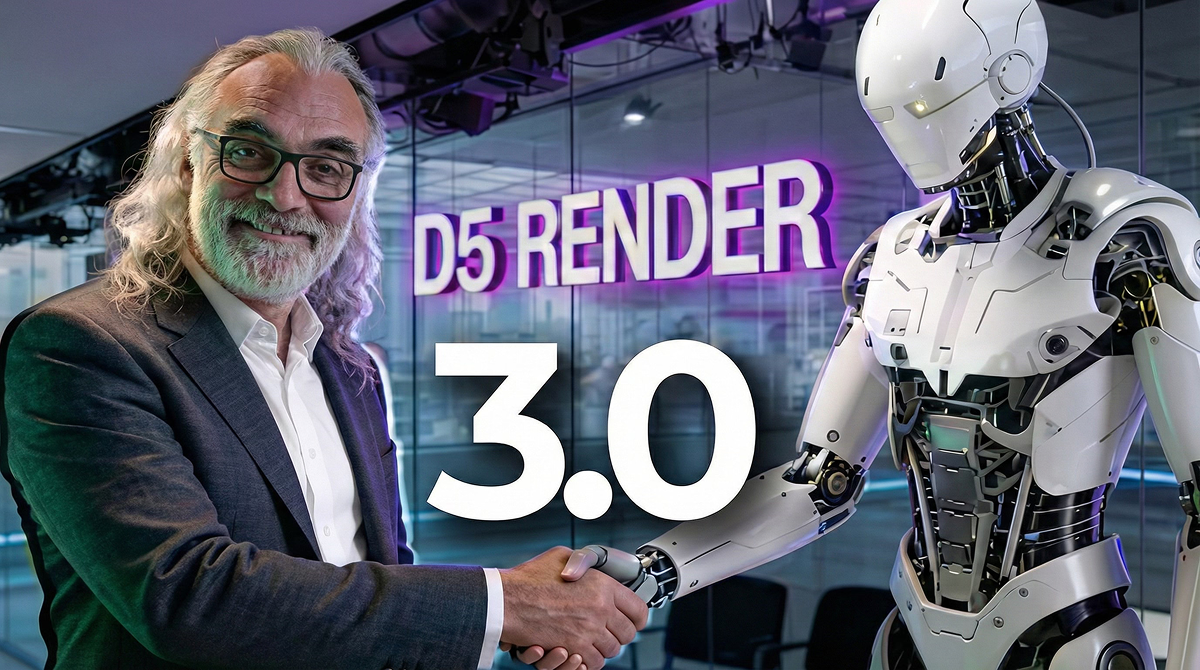
また読む: D5 Render 3.0が登場:デザインワークフローのためのAIレンダリングの新時代
スピードがキャパシティになるとき
より速く、より統合されたビジュアライゼーションにより、予想外のことが起こりました。それは、容量が増加したということです。VK Group はこれ以上画像を作成しようとは思いませんでしたが、レンダリングがボトルネックではなくなったため、出力は自然に増加しました。
同じチームが、人員を増やすことなく、より多くのプロジェクトをサポートし、より多くのオプションを生み出し、より迅速に対応できるようになりました。スピードとは、単に動きを速めることだけではなく、より多くのことを行うためのスペースを確保することでした。
現実世界での試練:コヒノールサトリ
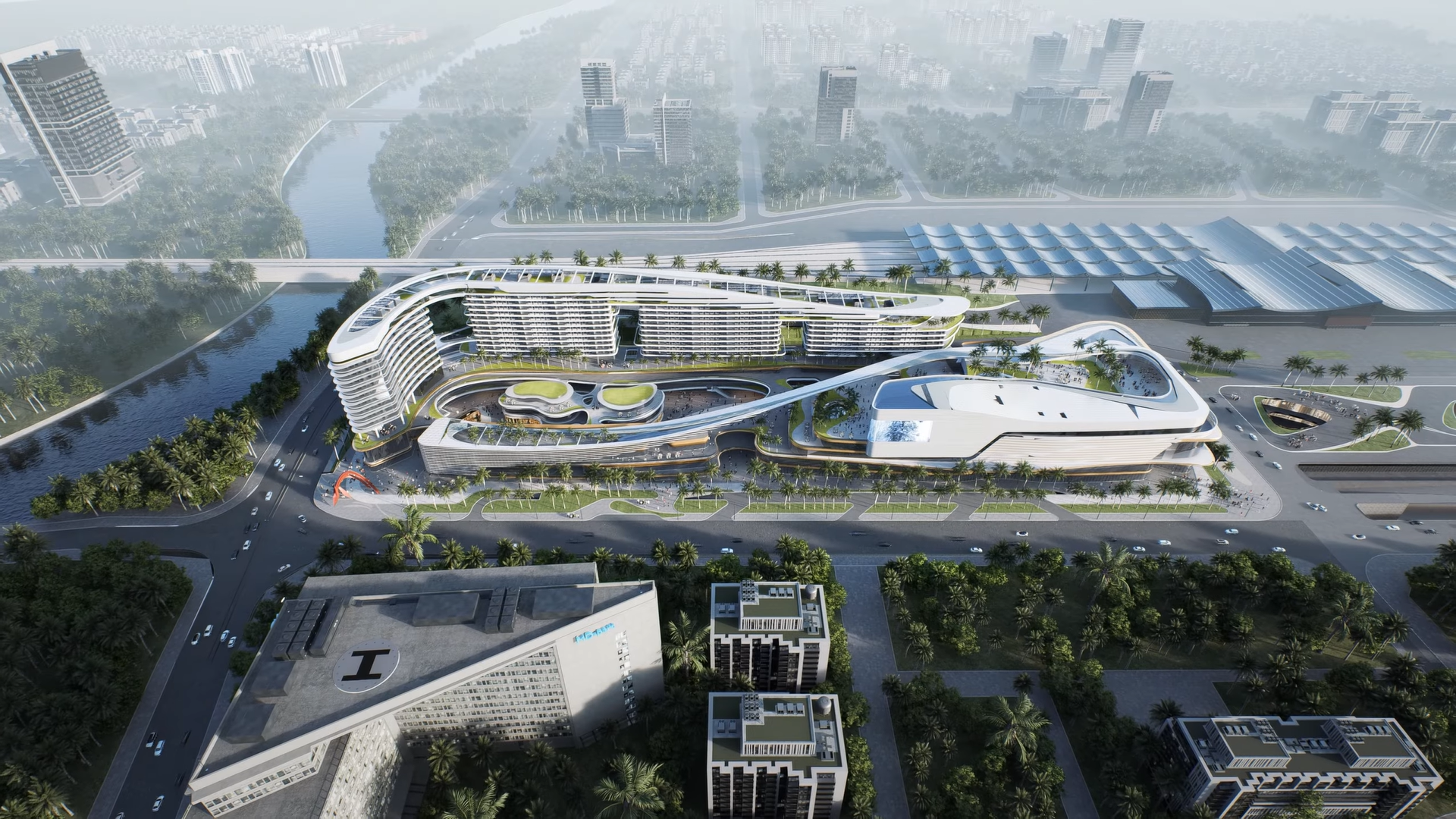
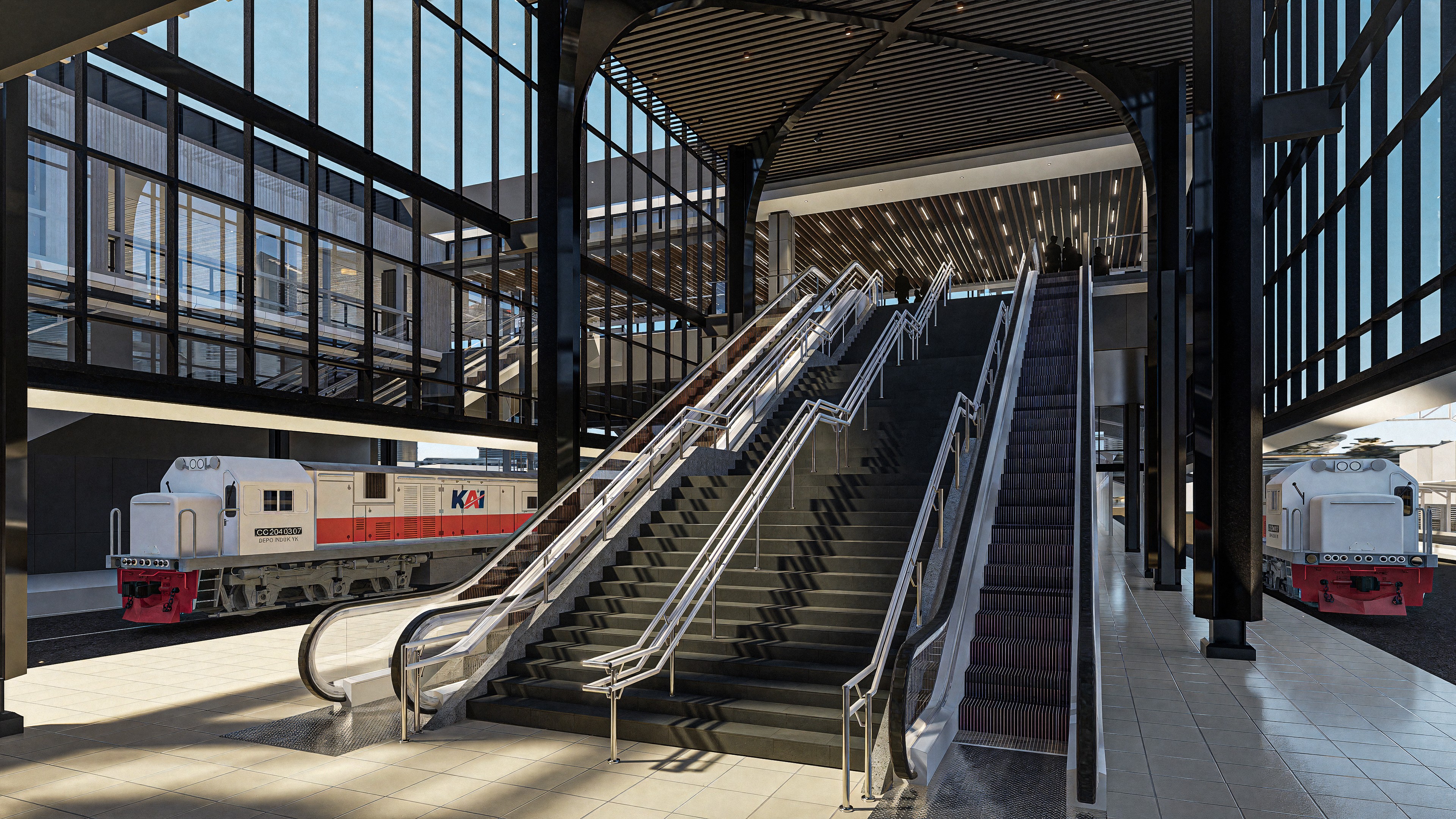
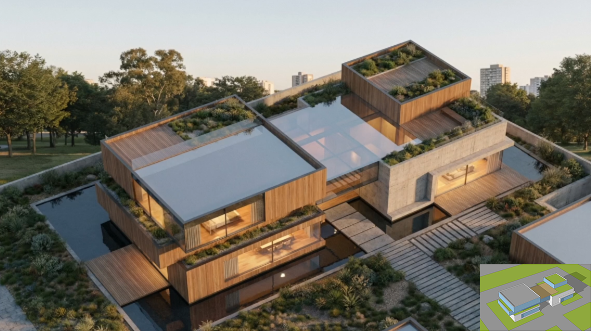
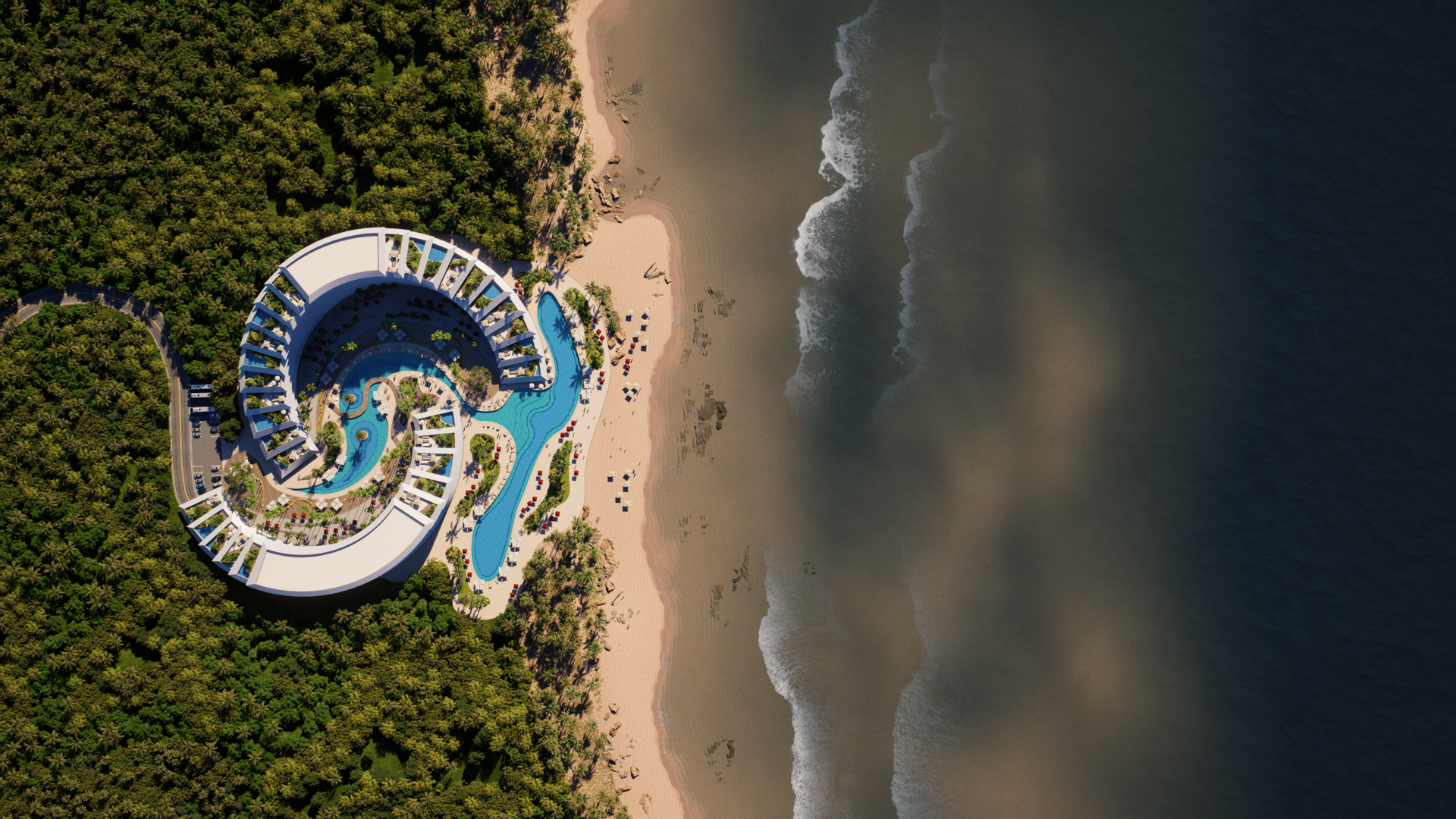
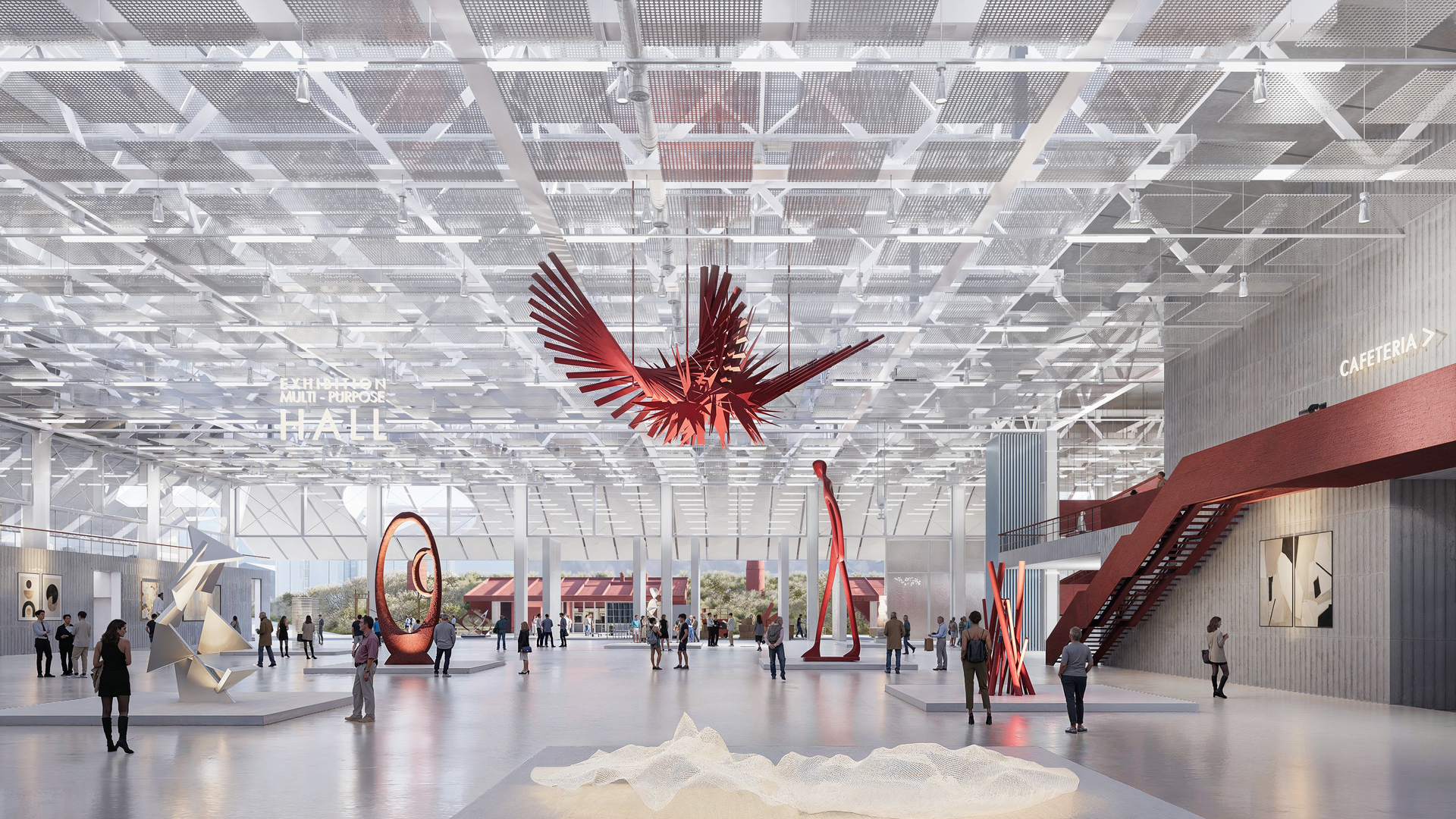
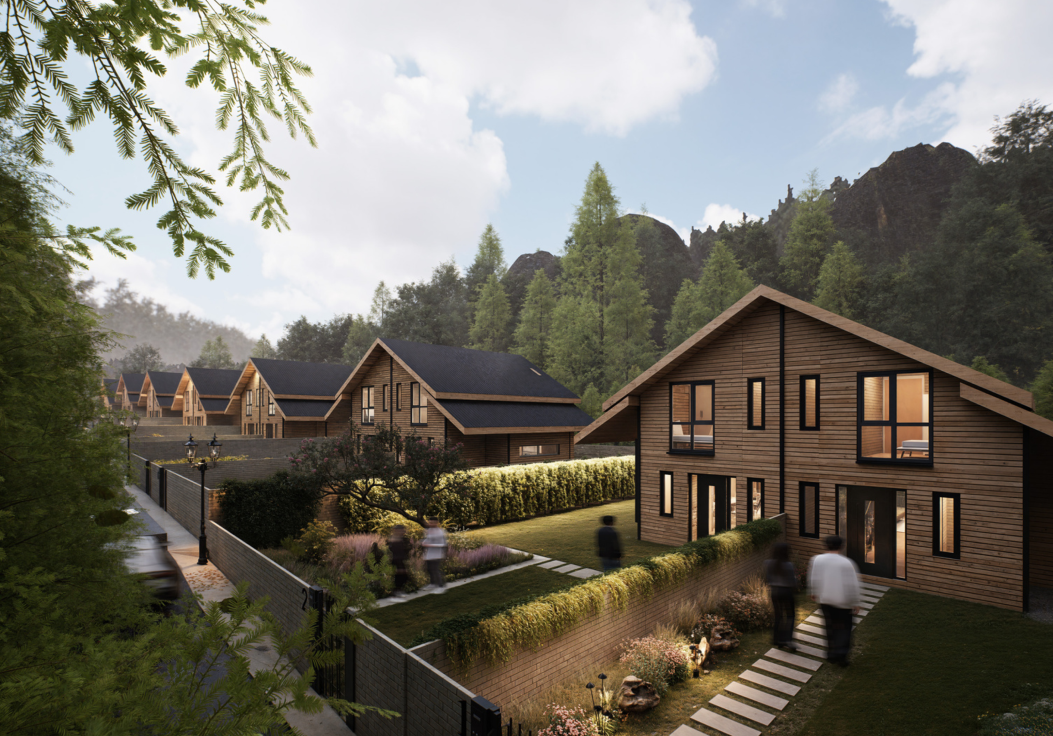
プネーのコヒノール・グループによる大規模な住宅プロジェクト「コヒノール・サトリ(Kohinoor Satori)」は、複数のタワー、大規模な造園、アニメーションのニーズから成る大規模な住宅プロジェクトで、この変化を試しました。古いワークフローでは、スケジュール通りに進めるためだけにトレードオフが必要でした。
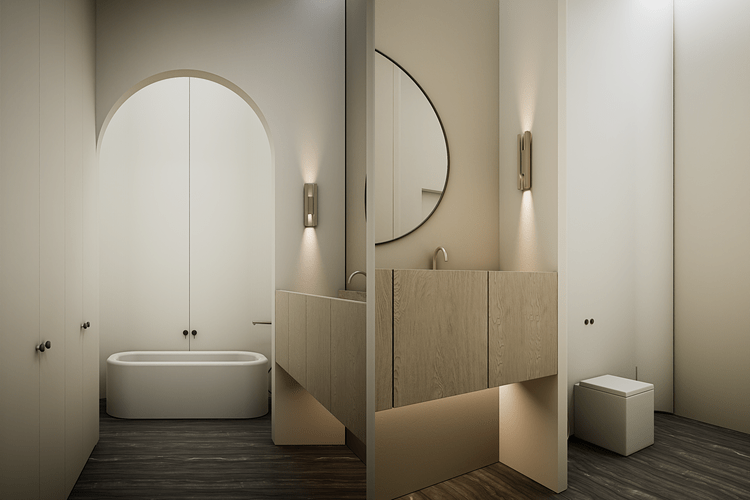
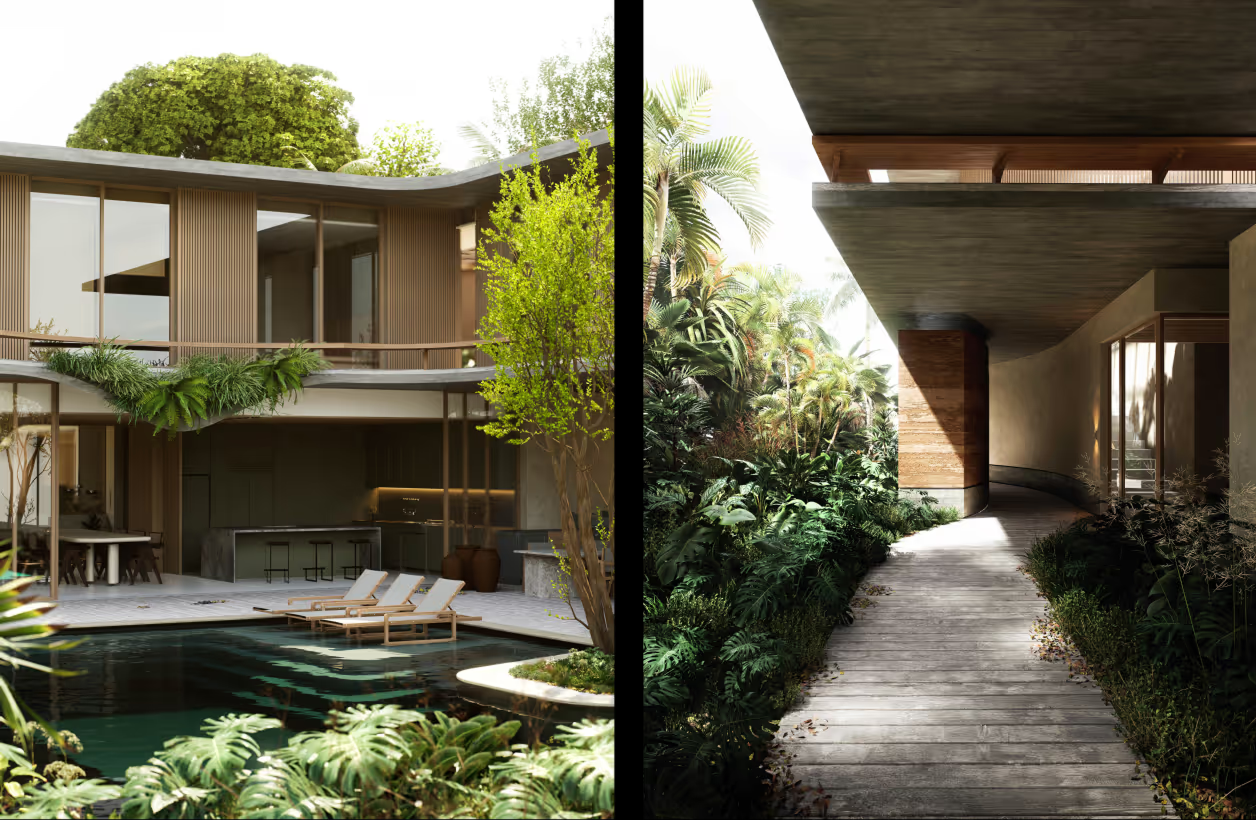
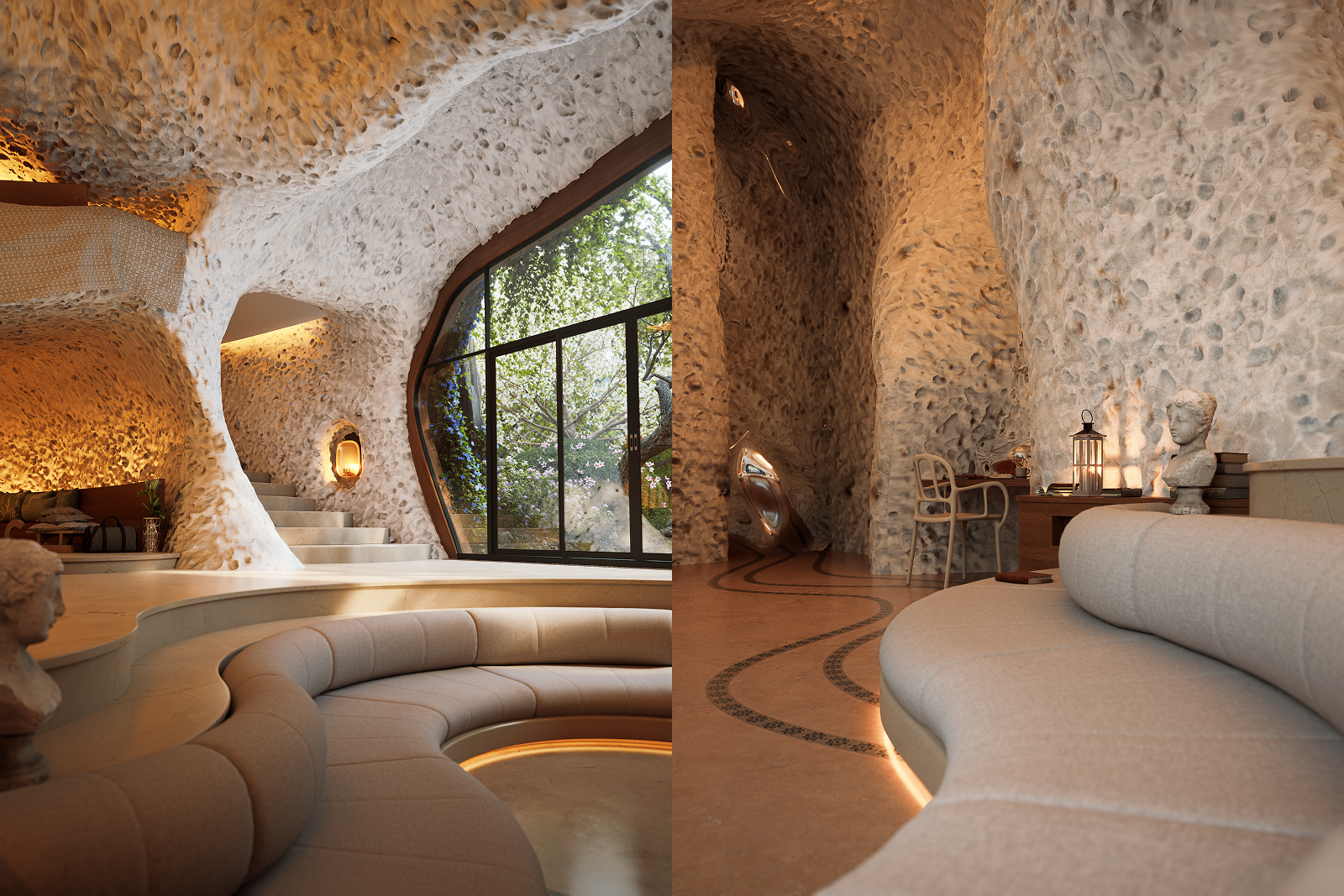
D5では、さまざまなアーティストがインテリア、エクステリア、ランドスケープを並行して処理し、パフォーマンスを損なうことなくすべてをまとまりのあるシーンに統合しました。
大規模導入のしやすさ
最も見過ごされがちな成功要因の1つは、導入のしやすさでした。大企業では、新しいツールがリスクをもたらします。コストではなく混乱です。トレーニング時間は重要です。
VKグループのチームは数日以内にD5で稼働しました。その短い学習曲線により、プロジェクトの途中であっても迅速な標準化が可能になりました。インフラストラクチャは人々が信頼してはじめて機能し、使いやすさがその信頼を得たのです。
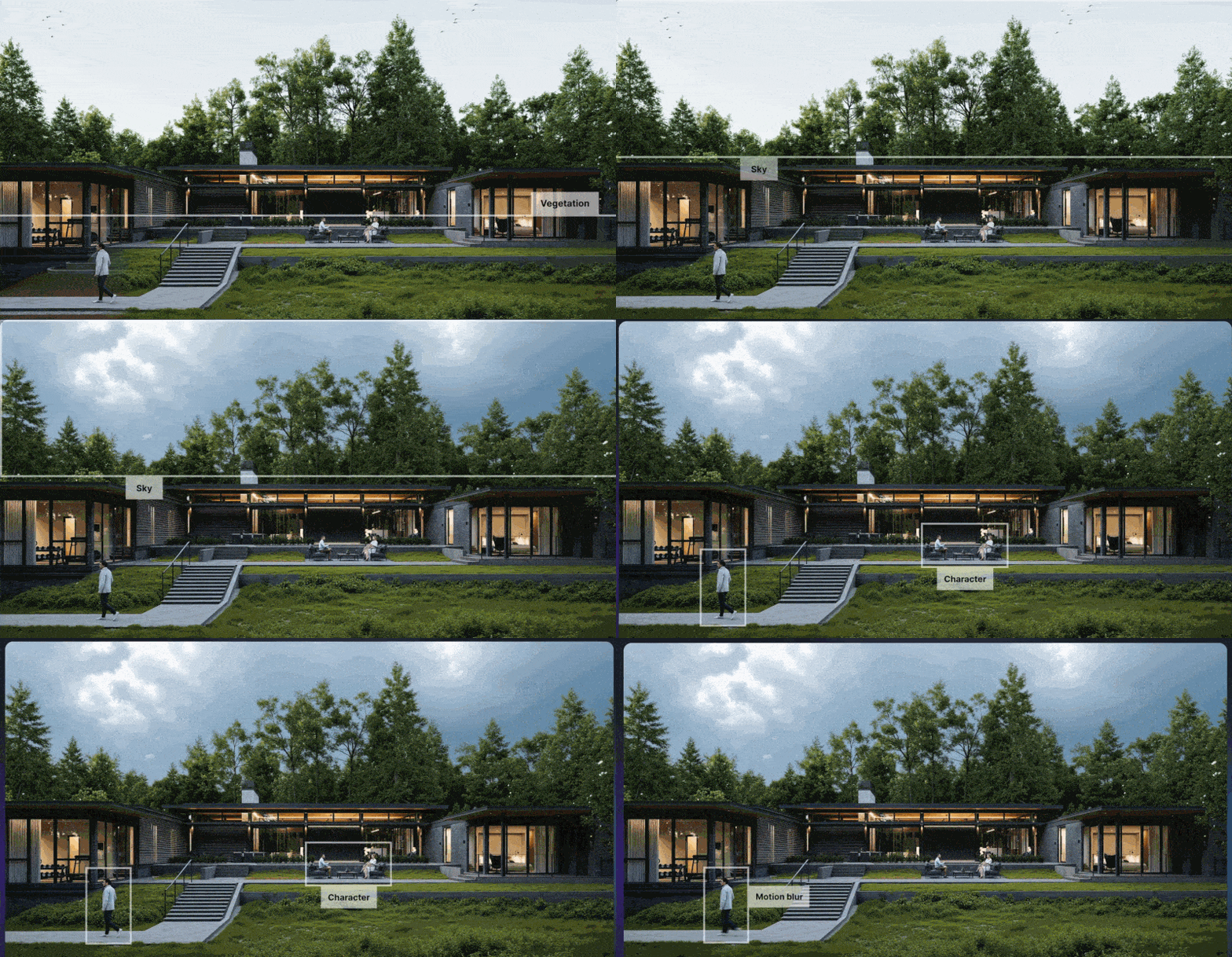
時間が経つにつれて、外部のポストプロダクションへの依存度は低下しました。Photoshop でかつて処理されていたタスクが D5 内で実行されるようになりました。フィードバックサイクルが短縮され、全体的に一貫性が向上しました。
ビジュアライゼーション、リフレーム
VK Groupのストーリーを際立たせているのは、リアルタイムレンダリングの方が速いという主張ではありません。それは十分に確立されています。唯一無二なのは、ビジュアライゼーション (かつては最終製品) が、いかに構造化されたかということです。今では、組織全体の意思決定、調整、創造の流れを支えています。
実際の変容は画面上では起こりませんでした。かつては摩擦が起きていたチーム間の空間で起こりました。ビジュアライゼーションは改善されただけでなく、インフラストラクチャにもなりました。


.png)



.jpg)

.png)
1%20(2).png)




%20(1).png)
.png)
.png)