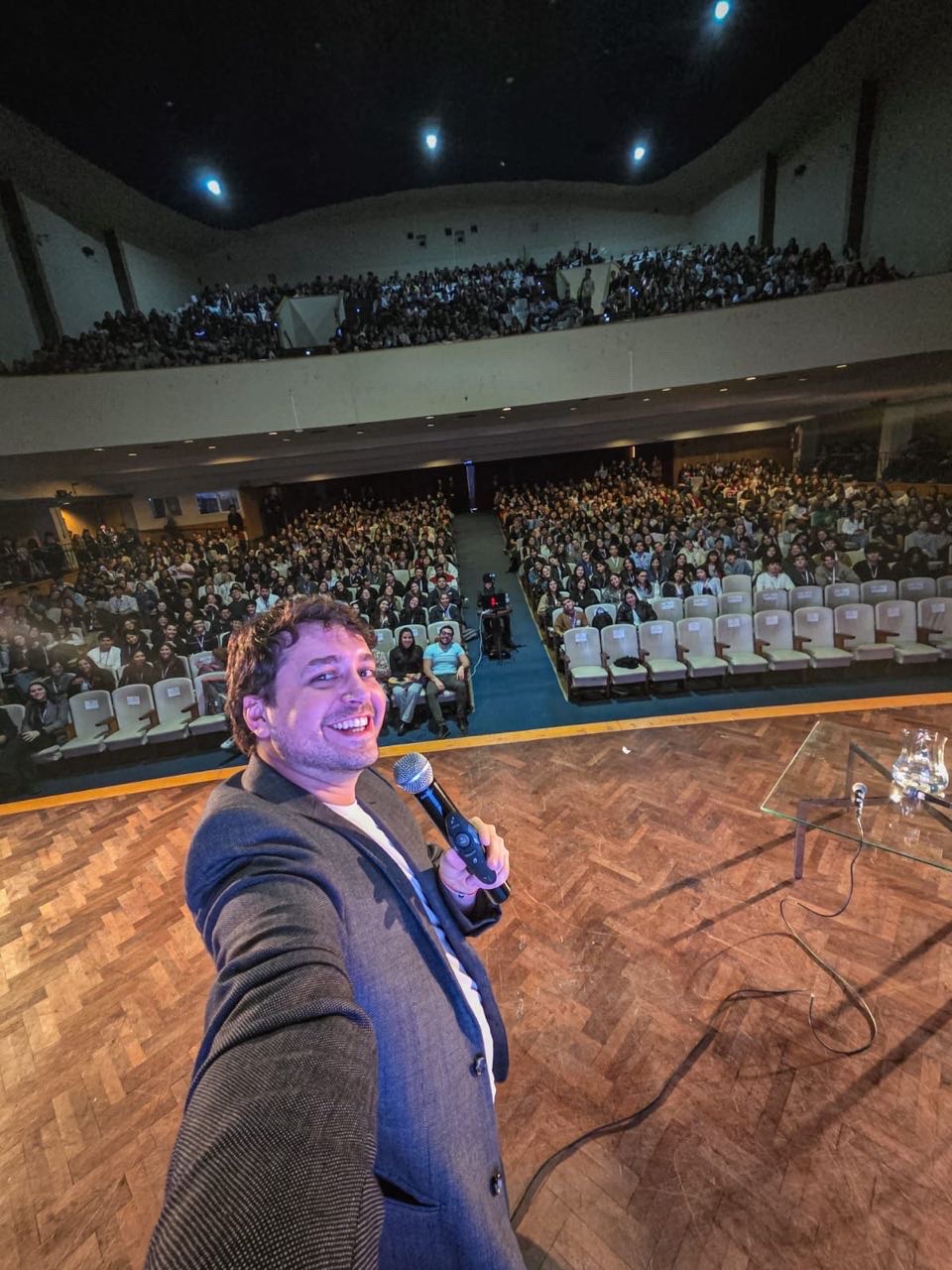


Alex Junhyeon Song is an engineer and junior architect whose work bridges architecture, ecology, and technology. A graduate of TU Delft in the Netherlands, he brings an engineering-driven design approach that emphasizes environmental logic, material intelligence, and technical clarity.
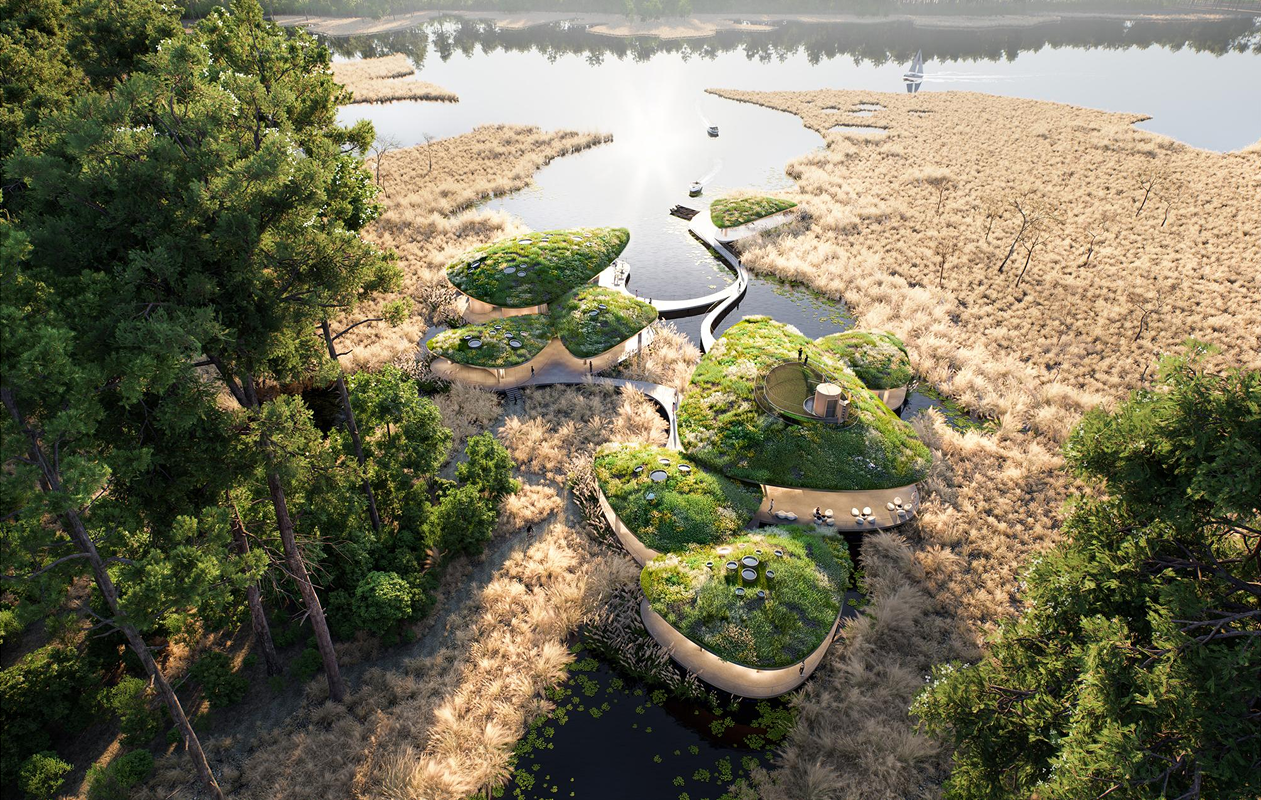
Alex teamed up with Jinku Kim, Taehyun Kang, and Bumjoong Kim to create Soft-Landing on an Incubated Landscape, which received an Honorable Mention in The Field Station competition. The project reflects their shared values of creating eco-architecture that is both engineering-driven and human-centered.
Eco-Architecture: Core Principles & Design Strategies
- Alex Song proves that true eco-architecture emerges from engineering logic and nature-first strategies, rather than arbitrary aesthetics.
- Using D5 Render, the team visualized complex wetlands in real-time, effectively bridging the gap between technical data and design.
- They embrace AI as a tool for efficiency, ensuring that human intent—not algorithms—remains the driving force behind sustainable solutions.

1. The Motivation Behind Engineering-Driven Eco-Architecture
For Alex and his team, competitions are a natural continuation of academic and professional journey. They provide the freedom to revisit a core belief in their work: engineering should not exist as a separate layer. Instead, it should drive the design, shape the aesthetics, and inform the building's final form. Architecture, in their view, should emerge naturally from engineering logic rather than arbitrary gestures.
2. Designing Eco-Architecture that Emerges from Logic
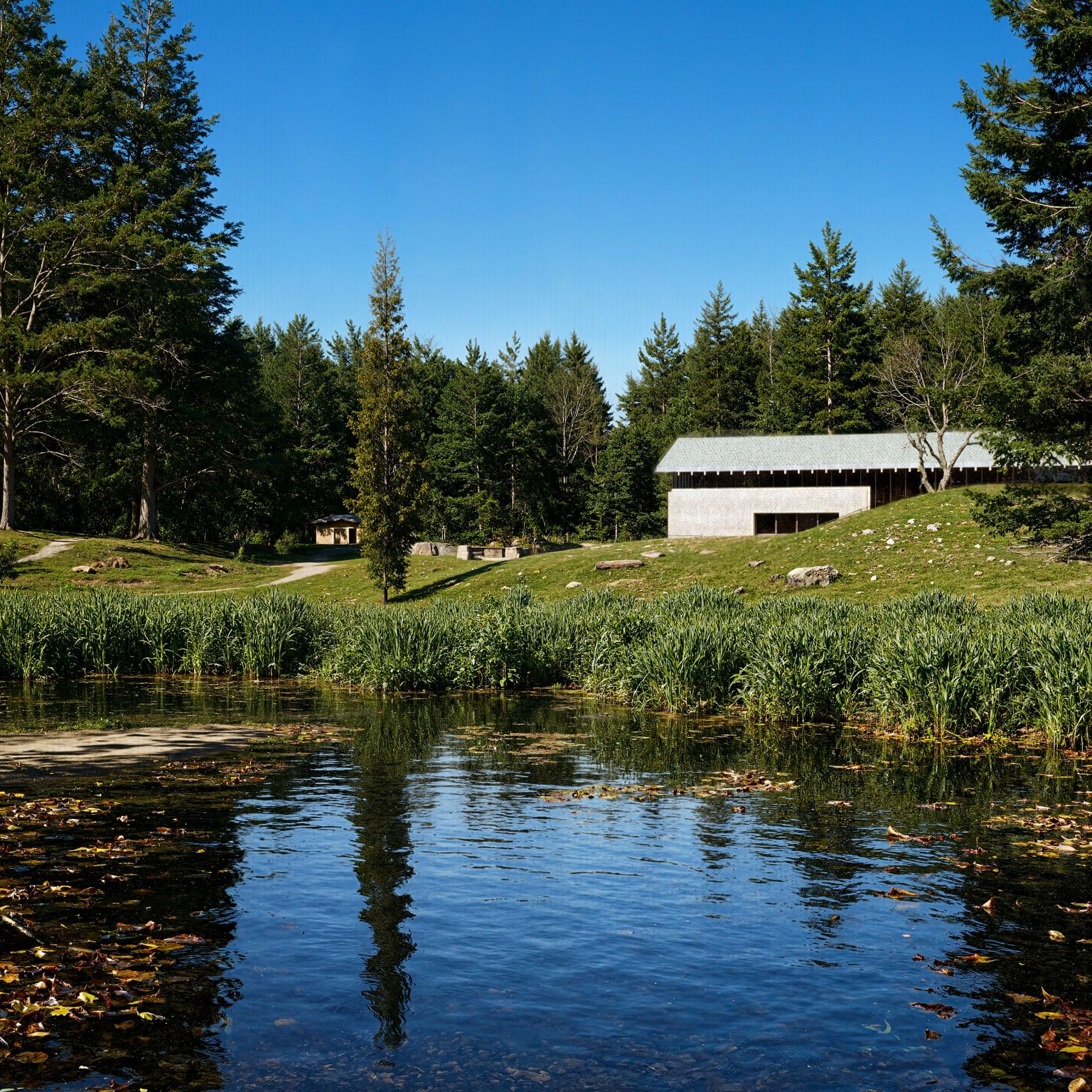
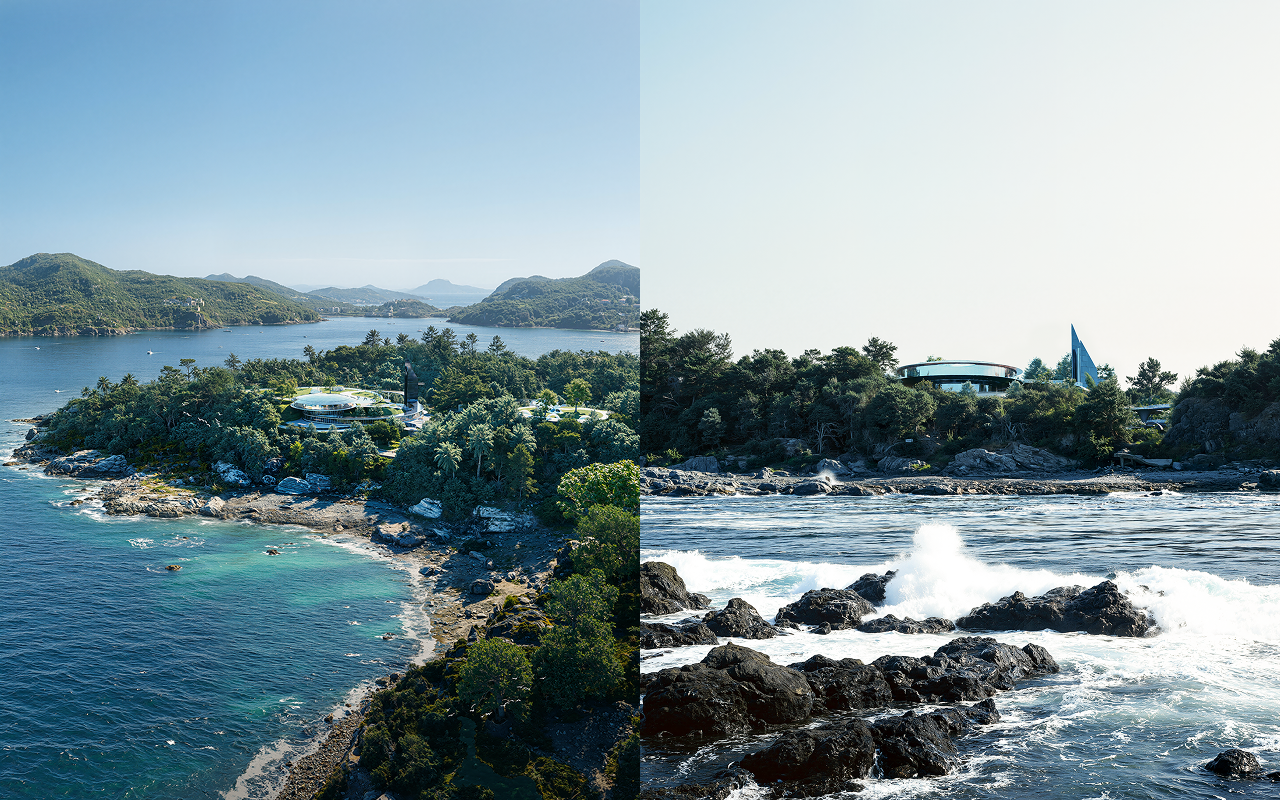
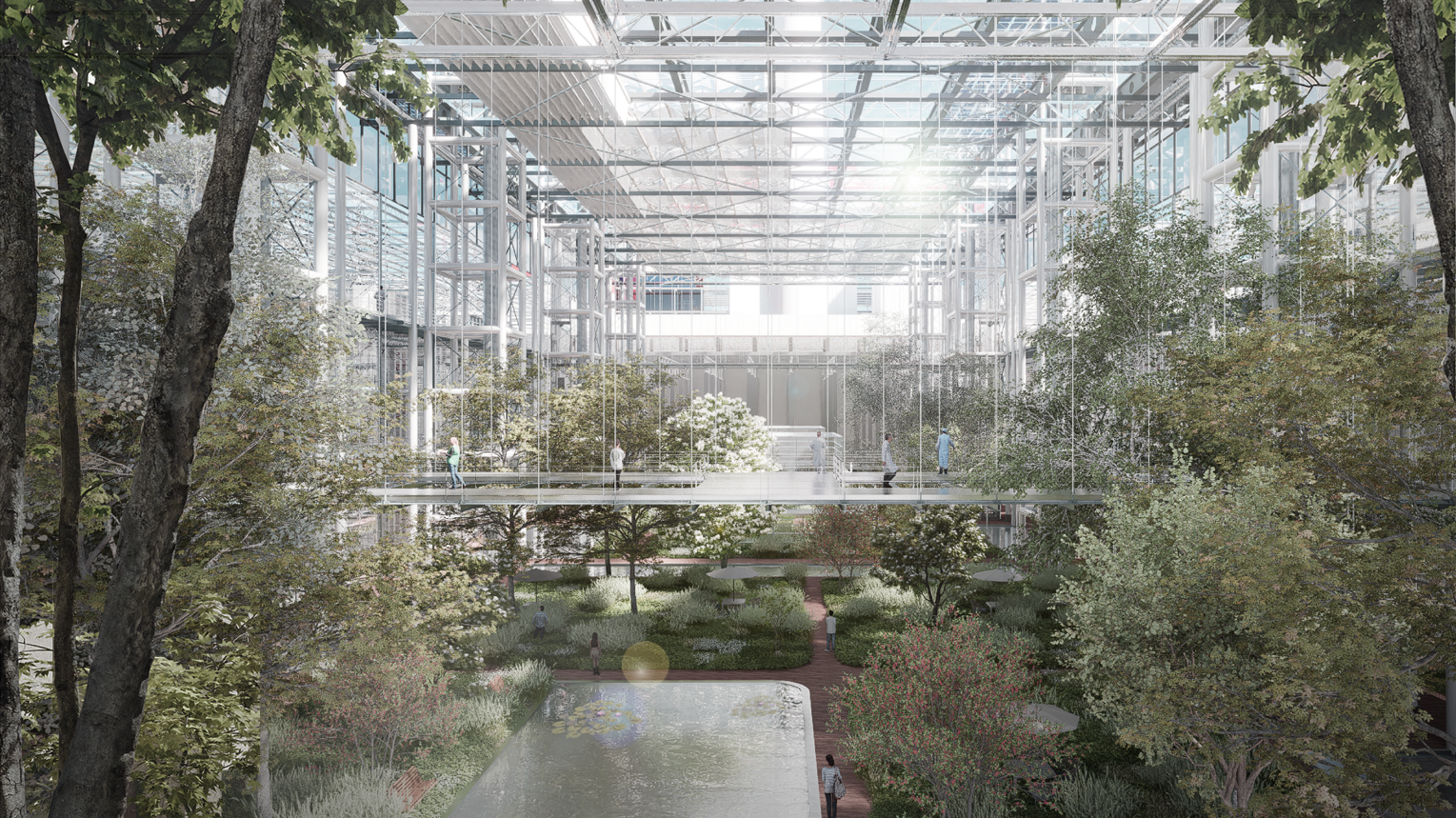
Alex's architectural approach is grounded in the belief that every design decision should be traceable back to a clear rationale. In Soft-Landing on an Incubated Landscape, this philosophy translated into a nature-first strategy. Rather than starting from a predefined form, the project begins with an analysis of natural processes—such as sedimentation, tidal flows, and wetland regeneration—and aims to support wetland restoration by carefully inserting architectural elements that adapt to, rather than disrupt, ecological systems.
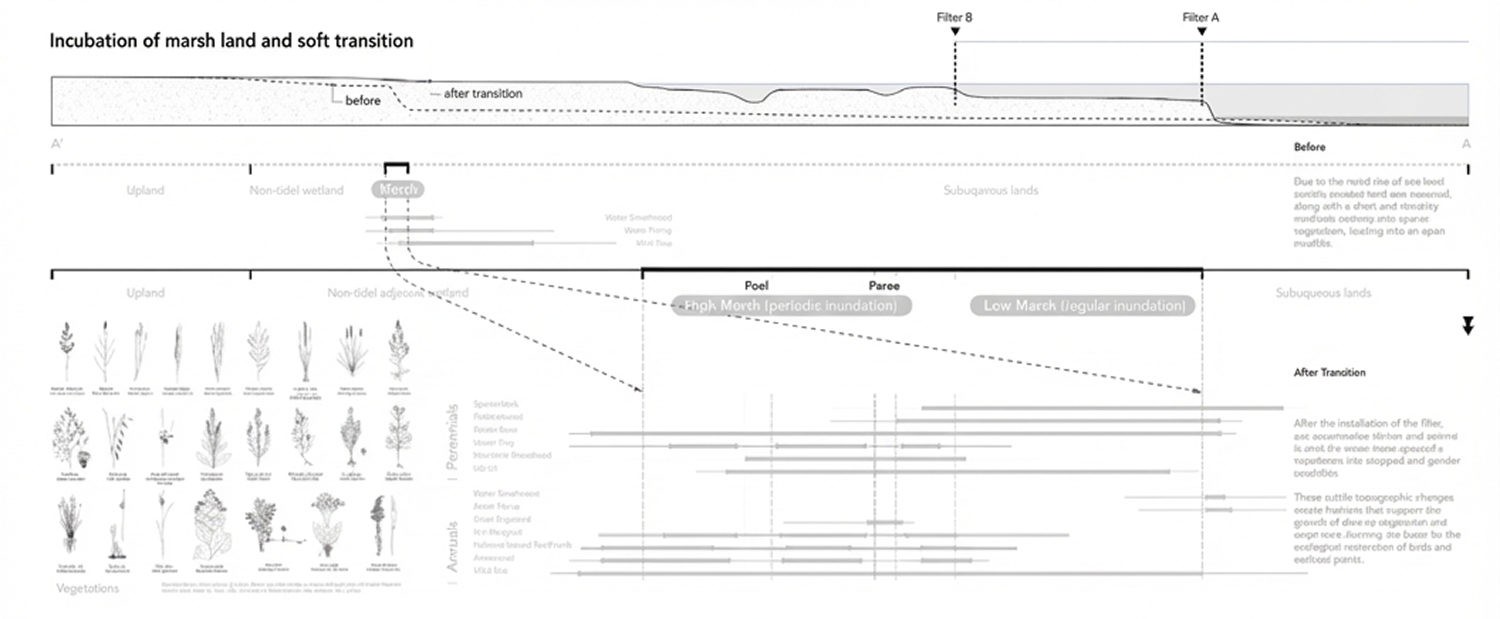
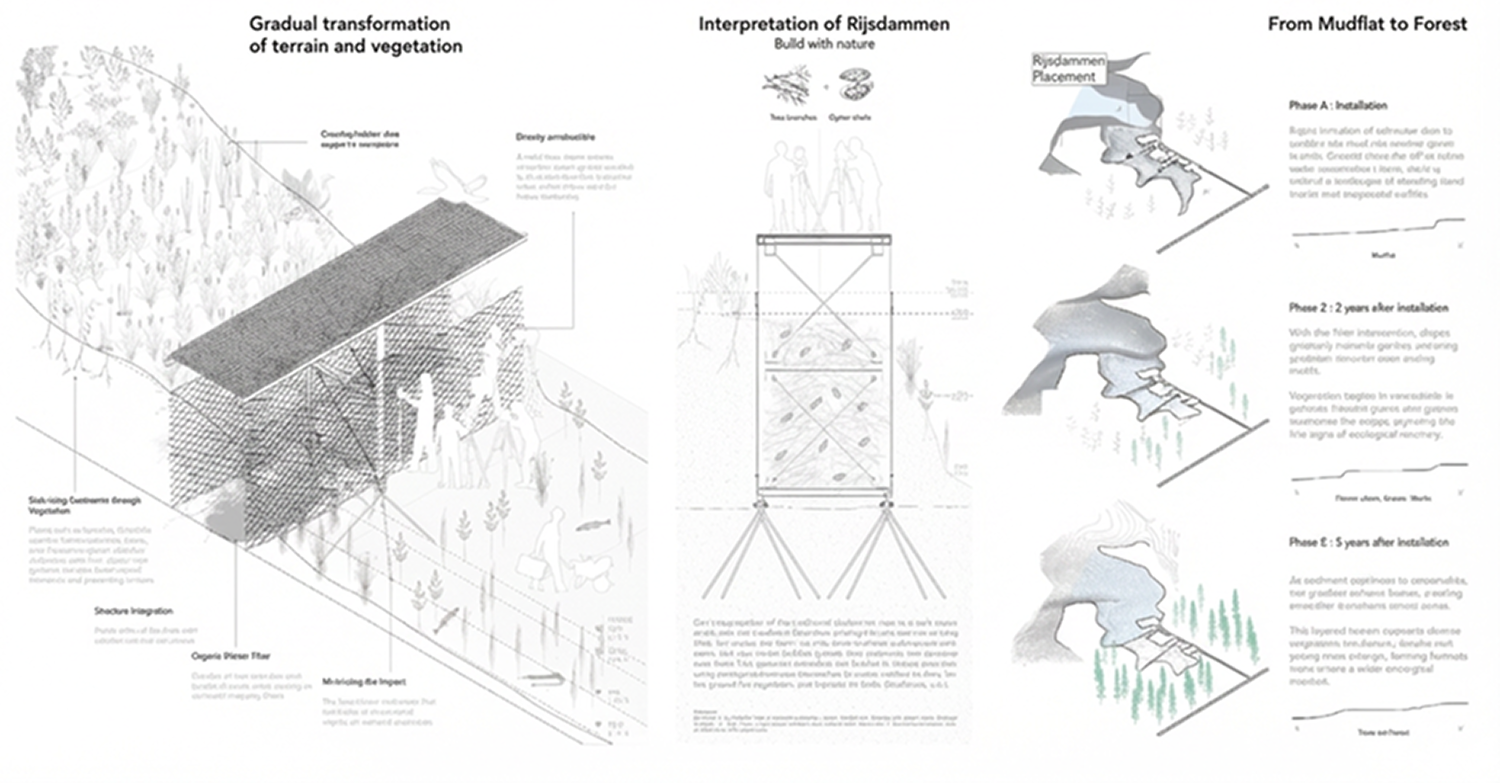
This philosophy is clearly reflected in the project's material strategy. Originated from the Dutch "Rijsdammen," Oyster shells and bundled branches are used as sedimentation filters to reduce saline intrusion and restore wetlands. It forms a structural system that actively shapes the landscape over time.
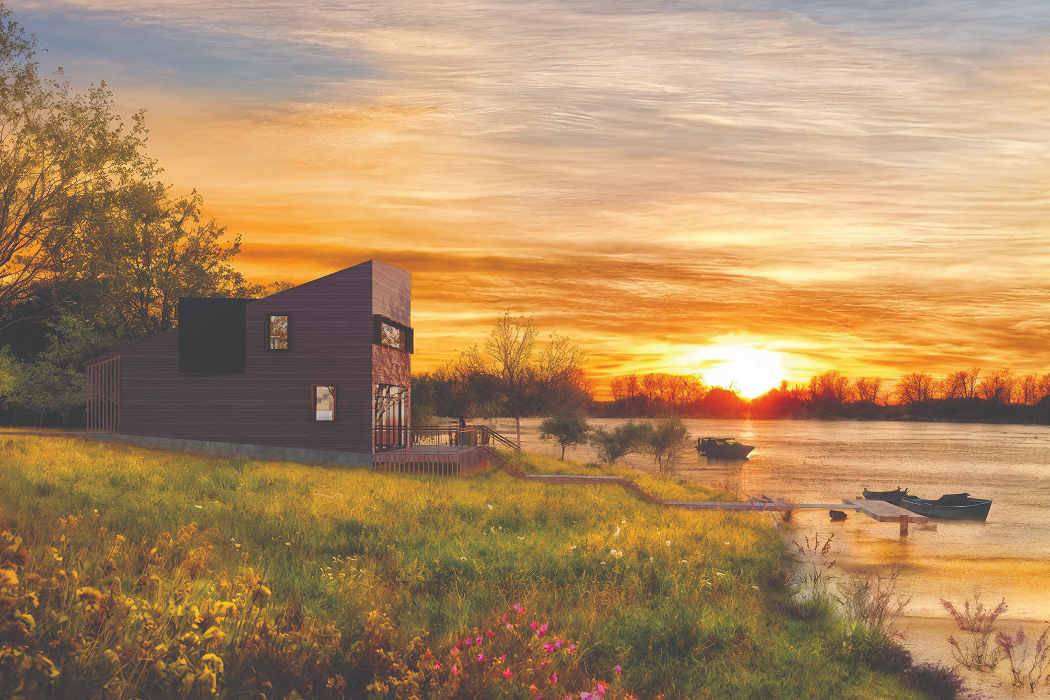
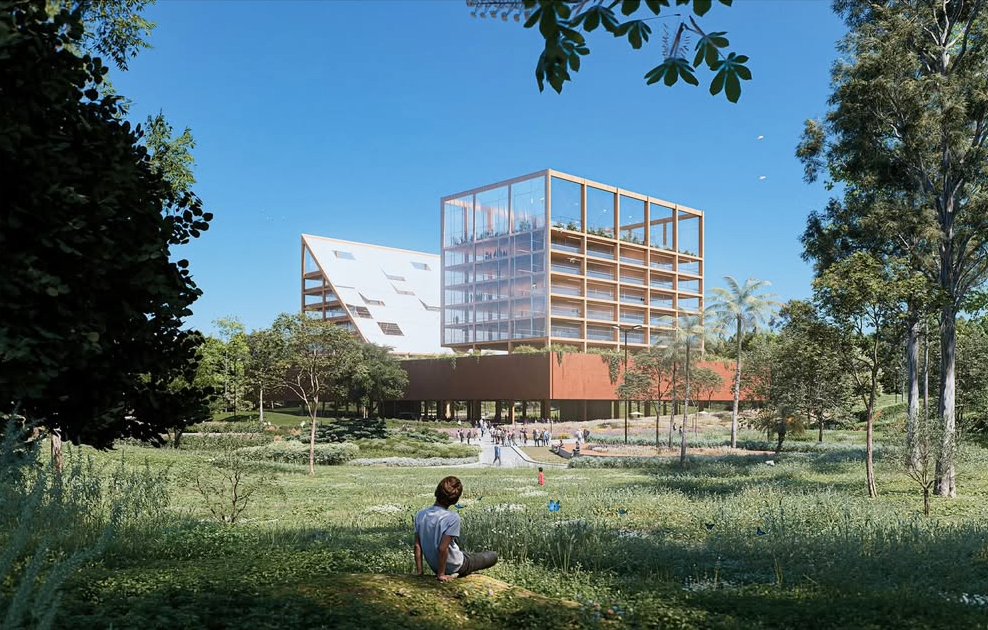
The field station further embodies this logic-driven approach. Lightweight, modular components are designed to respond to flooding, site variability, and changing programmatic needs. Structural systems—such as A-shaped steel frames and tensioned decks—provide both adaptability and clarity, allowing the architecture to adjust to the evolving wetland while maintaining efficiency and coherence. Circulation paths, observation decks, and modular units arise from considerations of forces, connections, and spatial logic, resulting in an architecture that feels grounded, purposeful, and naturally integrated with its environment.
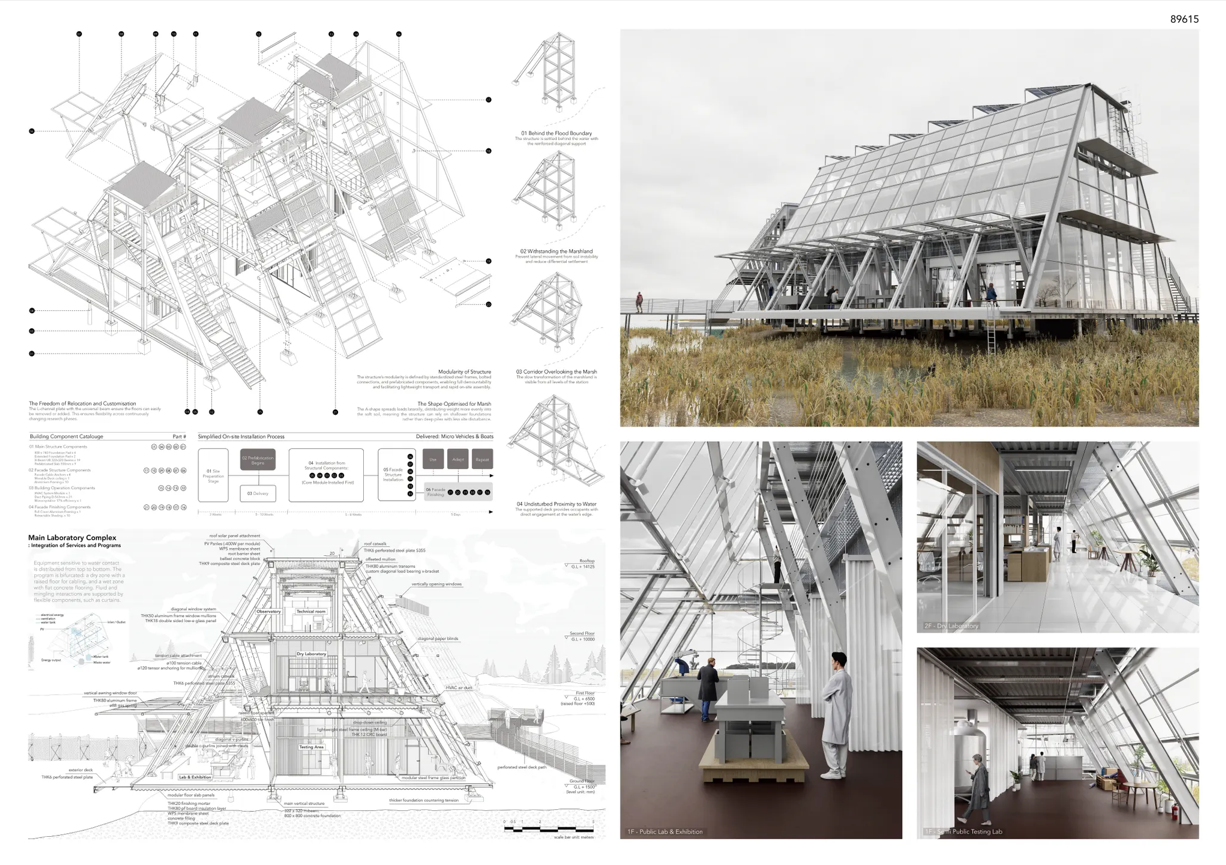
The design process was not without challenges, particularly in understanding the complexity of the wetland ecosystem and translating its invisible dynamics into architecture. Addressing these difficulties required constant iteration and close collaboration. The project was developed by a team of four, with each member focusing on a specific area of expertise—from sedimentation research and structural planning to design language and project coordination. Through continuous discussion and teamwork, these challenges were resolved and integrated into a coherent final proposal.
3. Choosing D5 Render: Speed, Clarity, and Real-Time Thinking
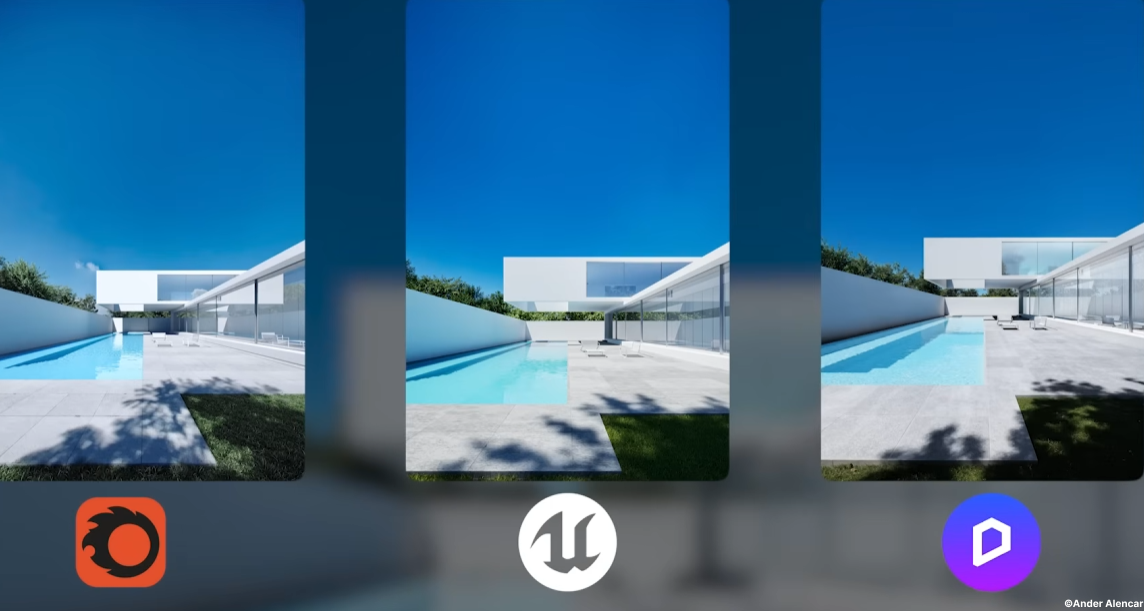
When it came to visualization, the team chose D5 Render as the primary tool for both design development and final image production. Having experience with other renderers such as V-Ray and Enscape, the team found D5's real-time workflow particularly valuable under the tight timeline of a competition setting.
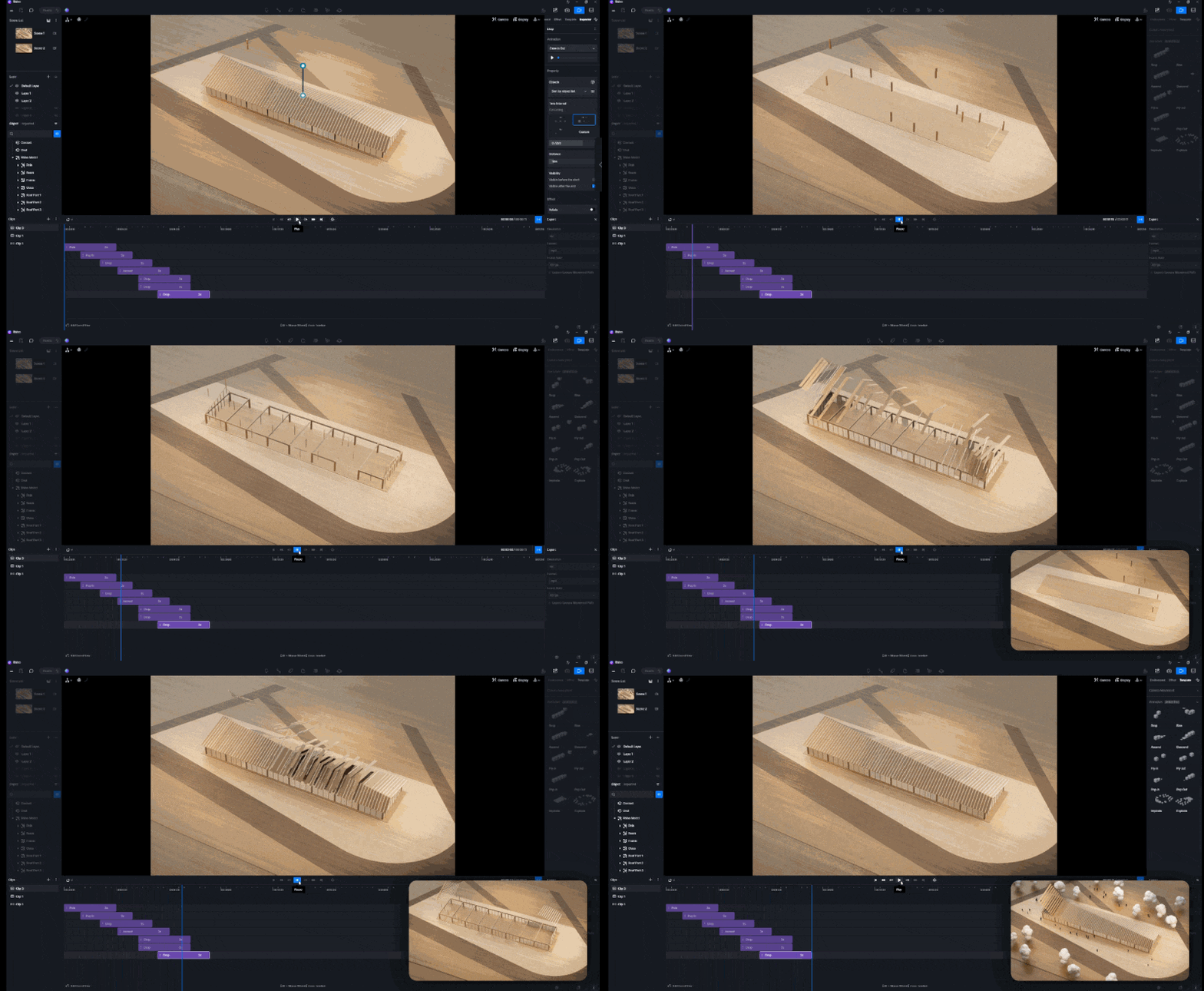
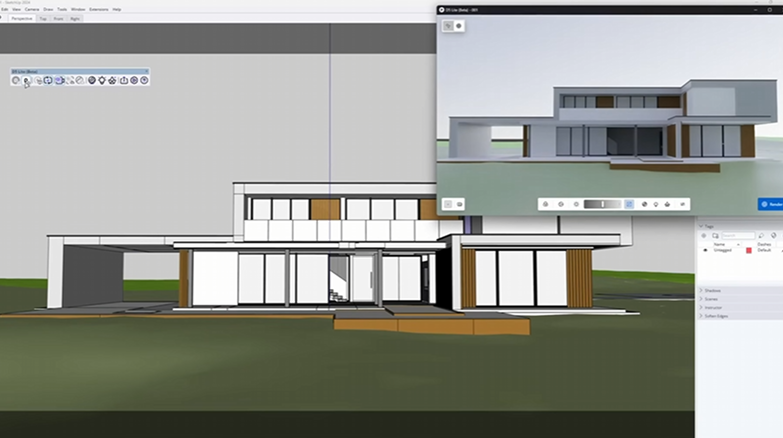
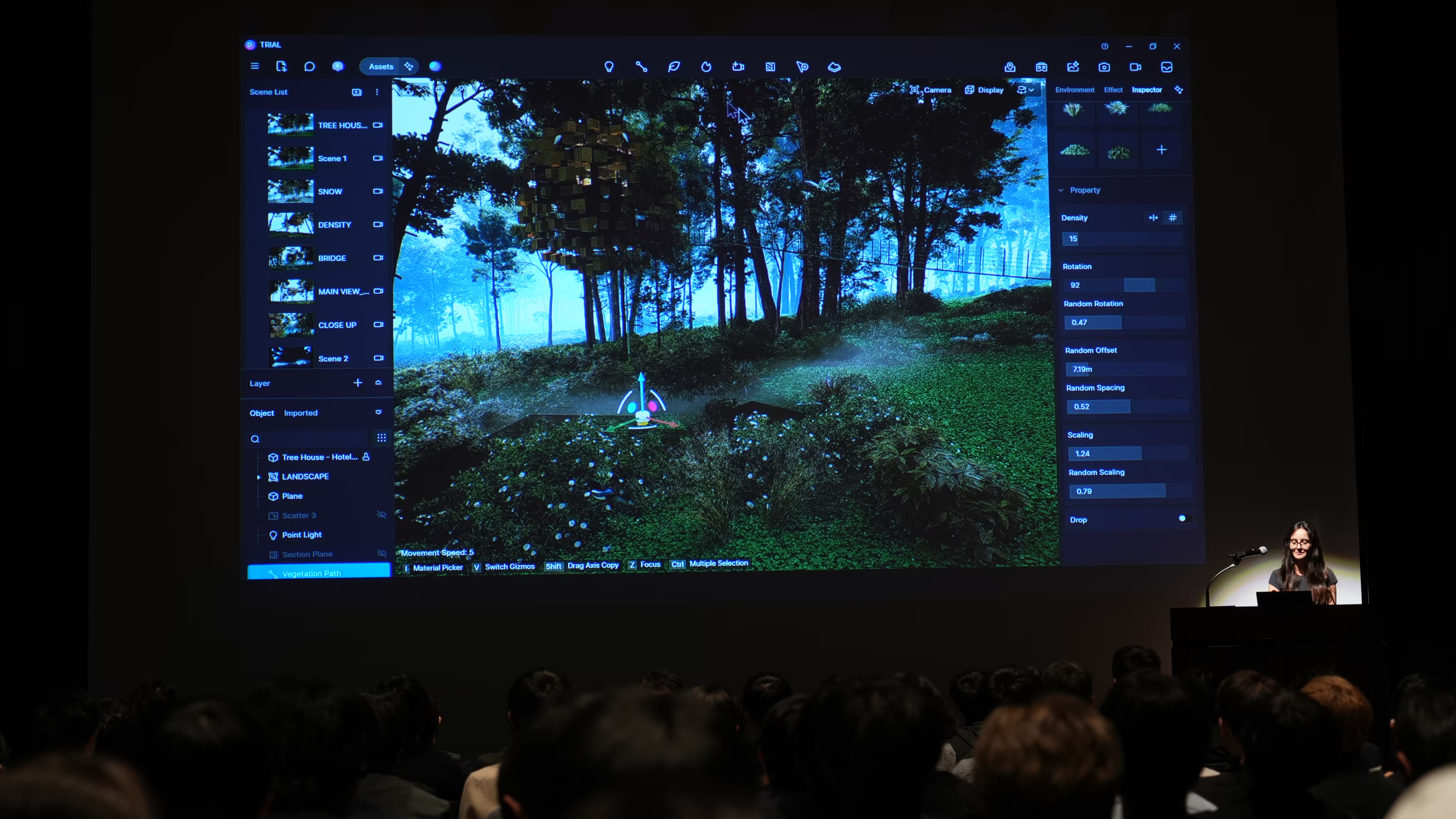
D5 Render allowed the team to visualize ideas quickly and clearly during the design phase, not just at the end. The ability to see high-quality results in real time helped bridge the gap between concept and representation, enabling faster decision-making and more informed design discussions.
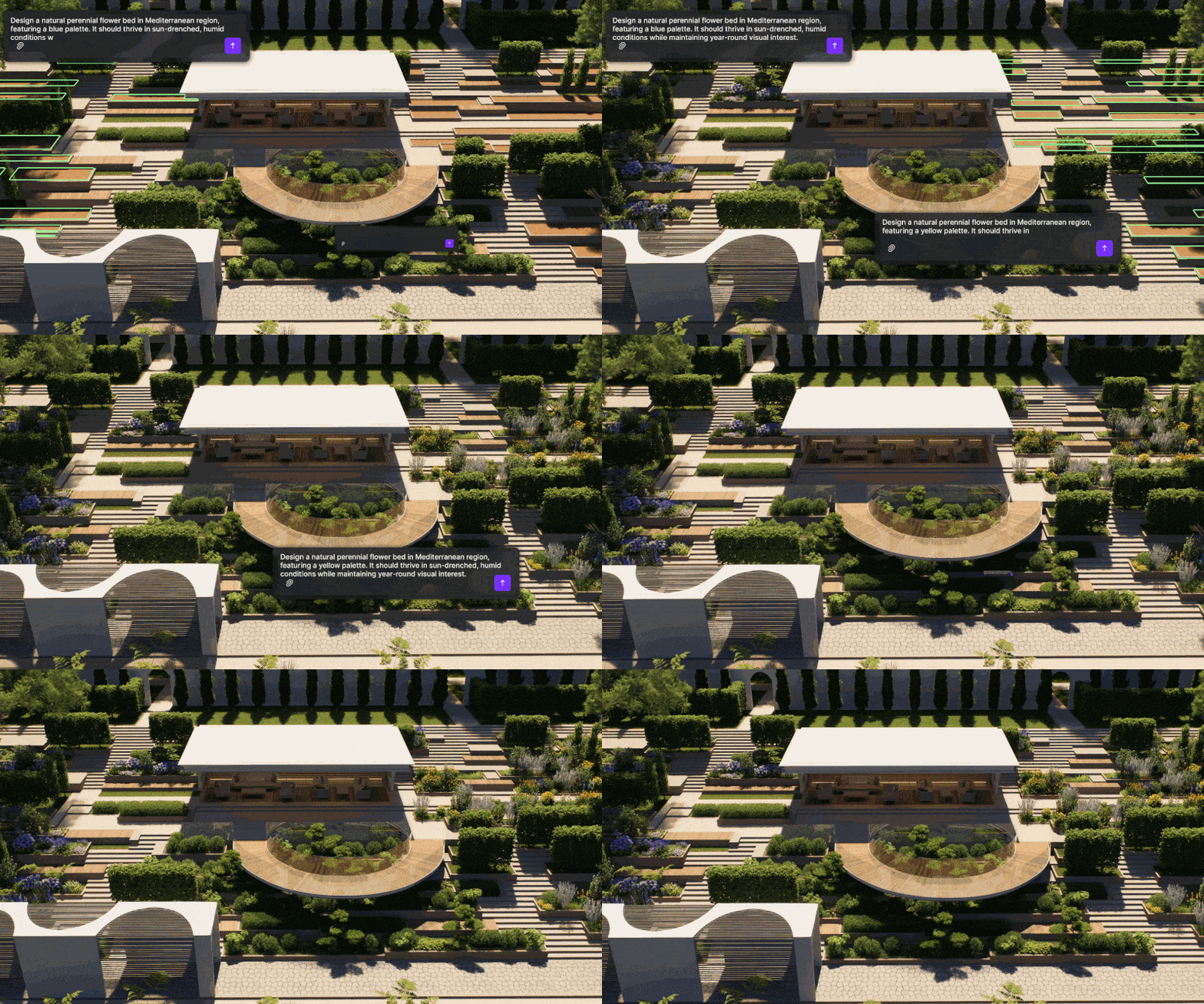
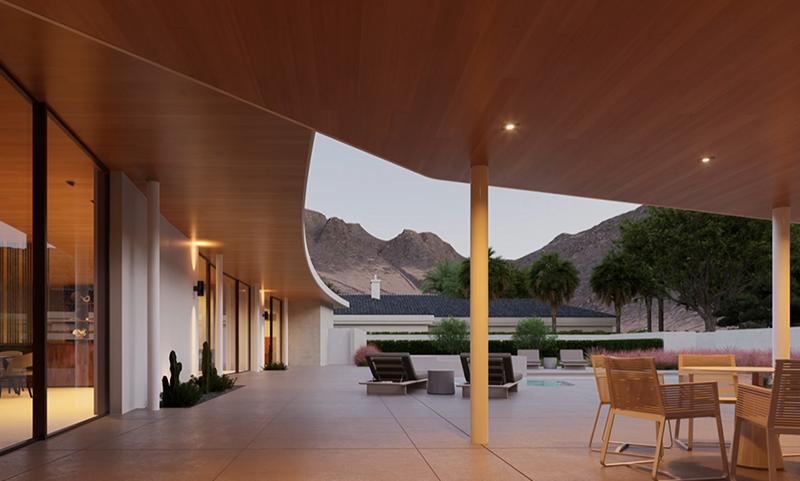
👉 Enhancing Green Architecture with AI Powered Real-Time Rendering
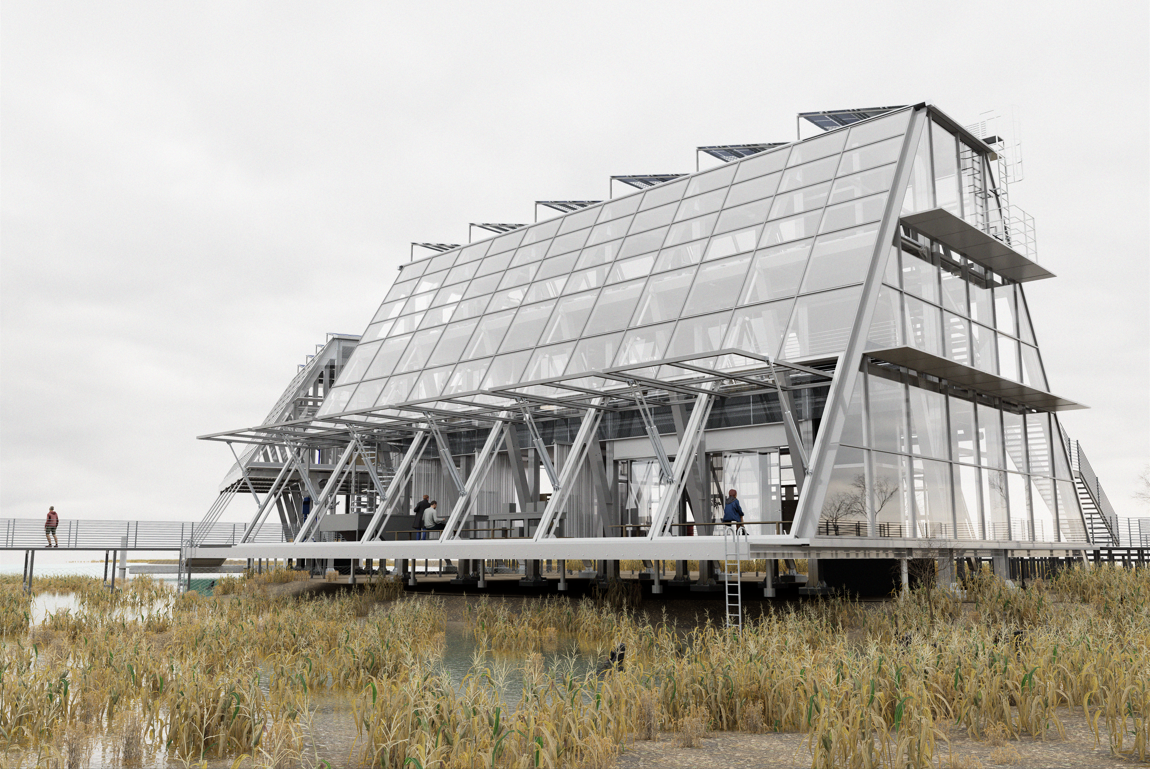
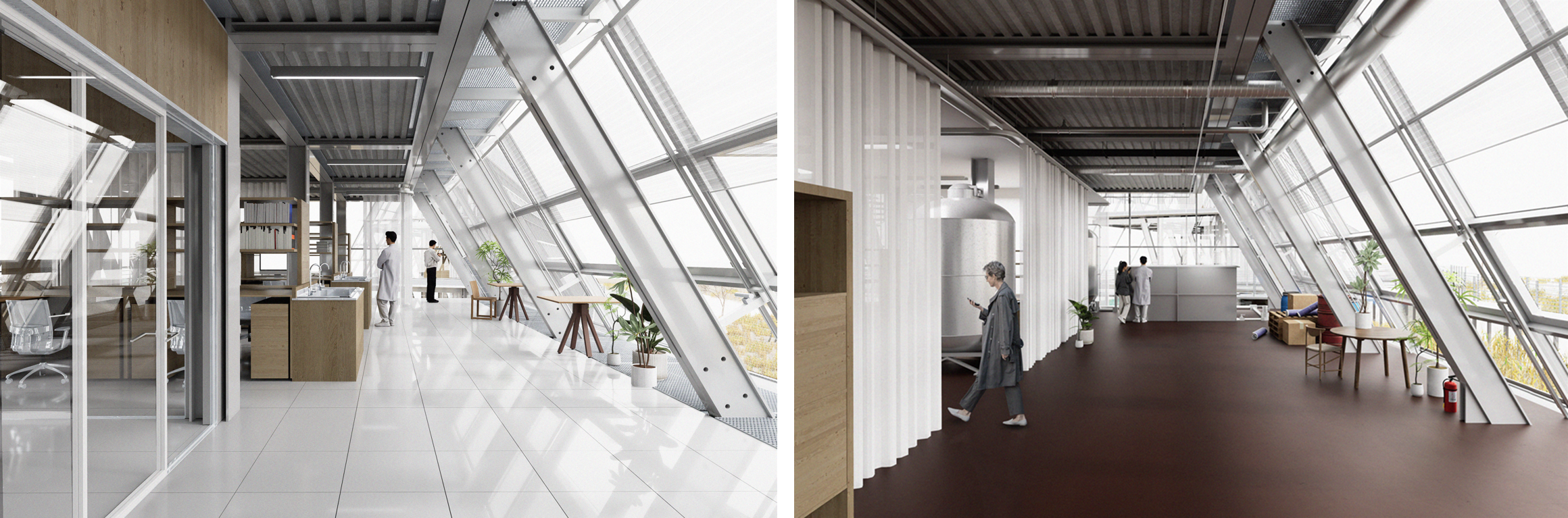
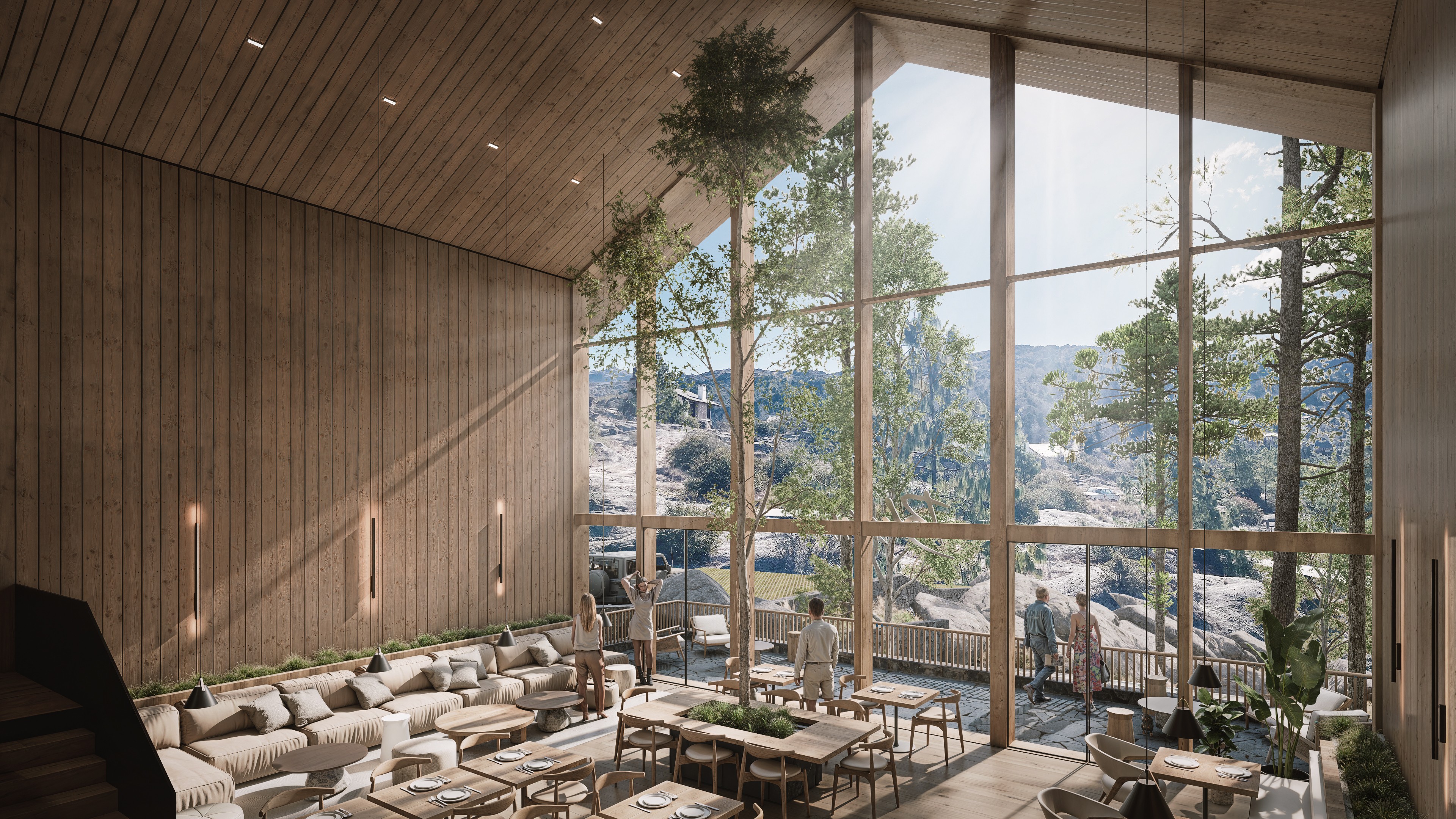
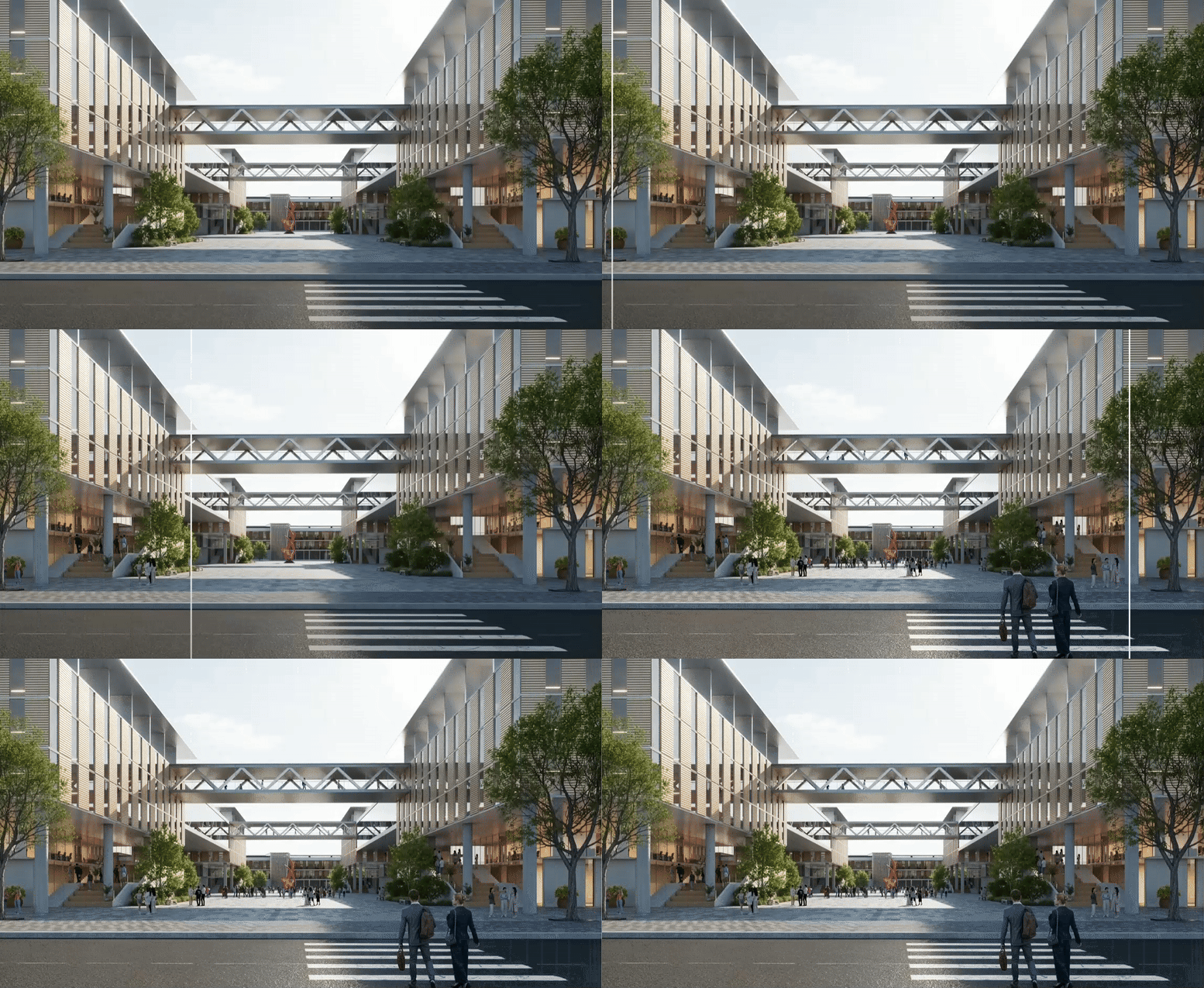
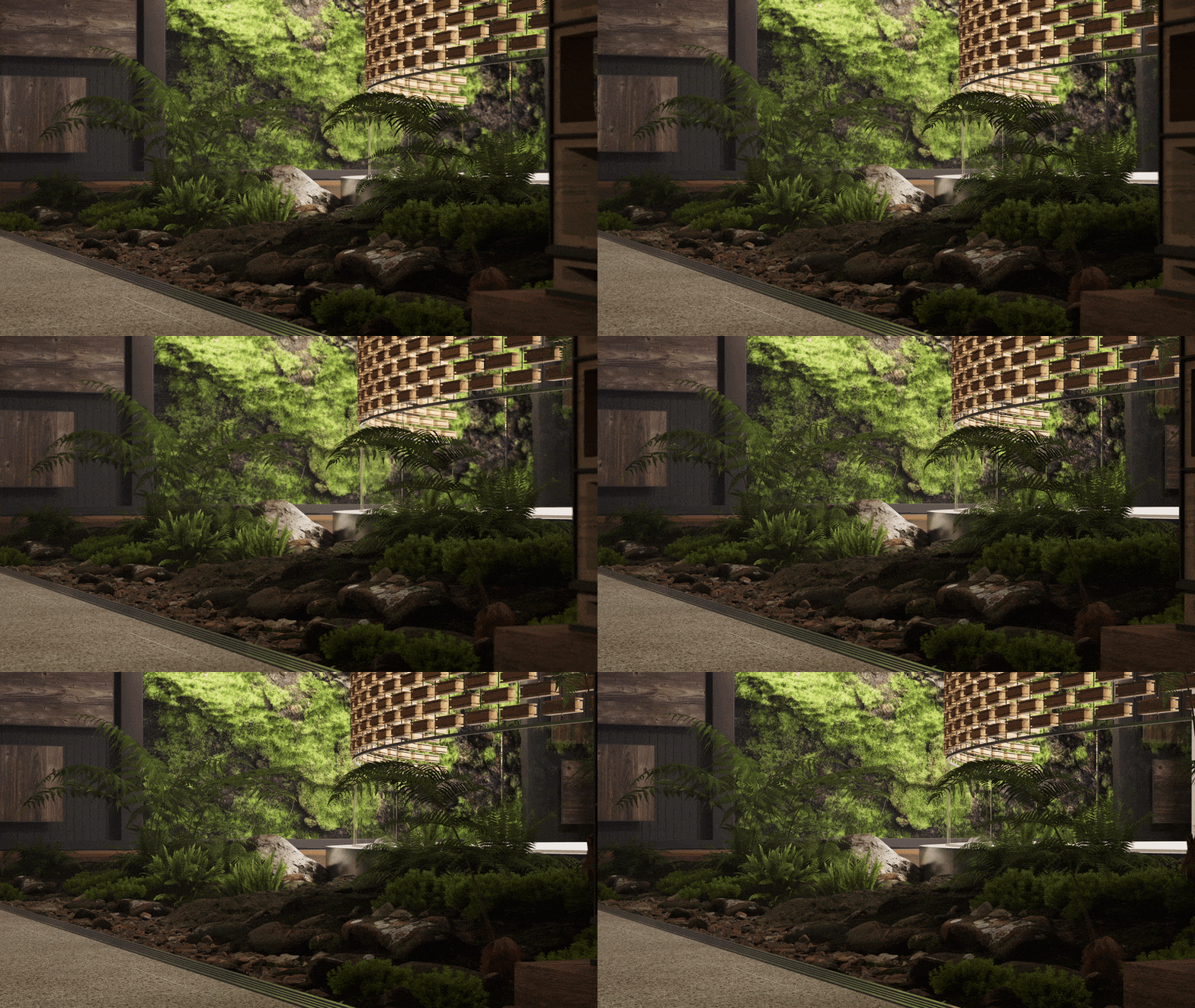
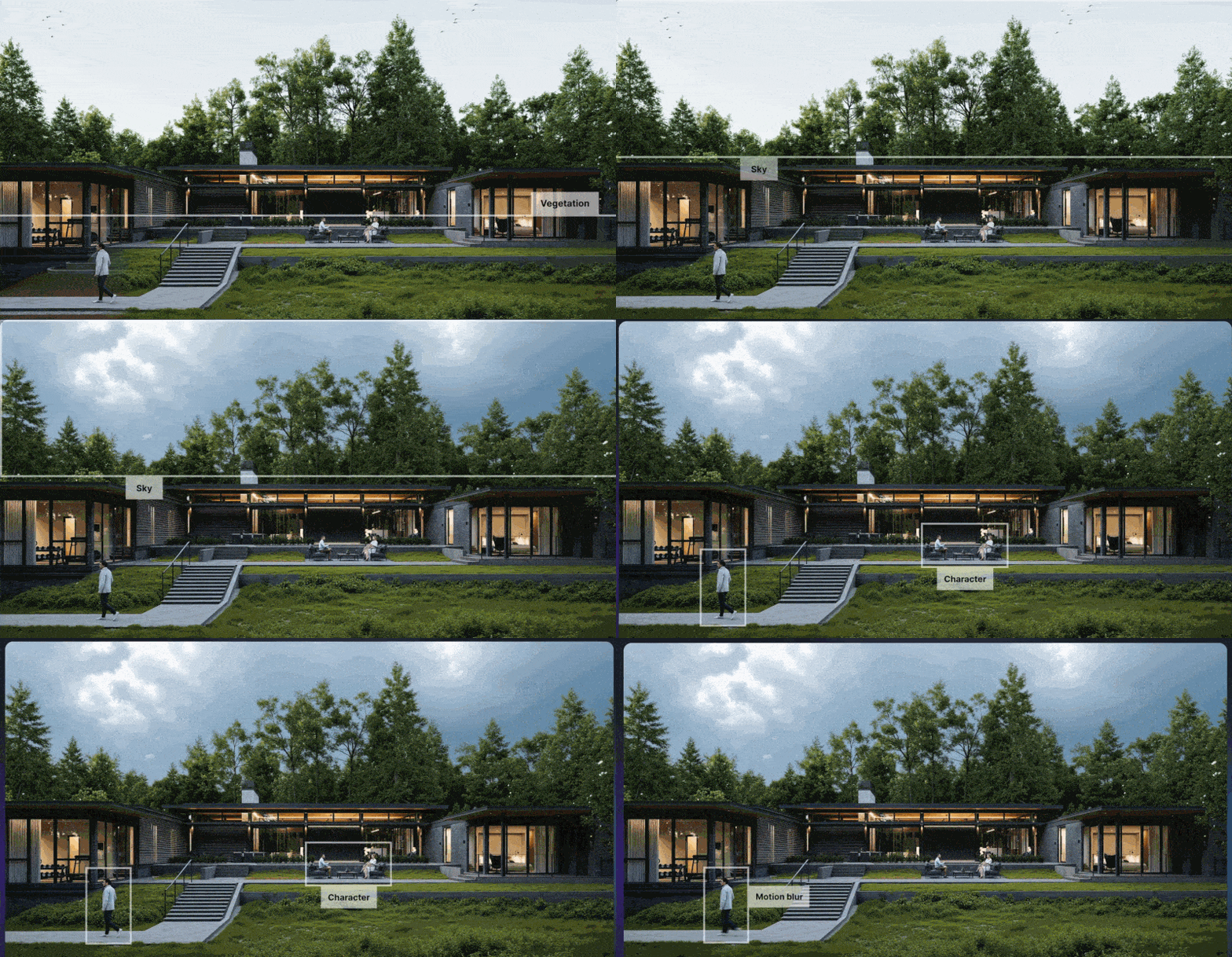
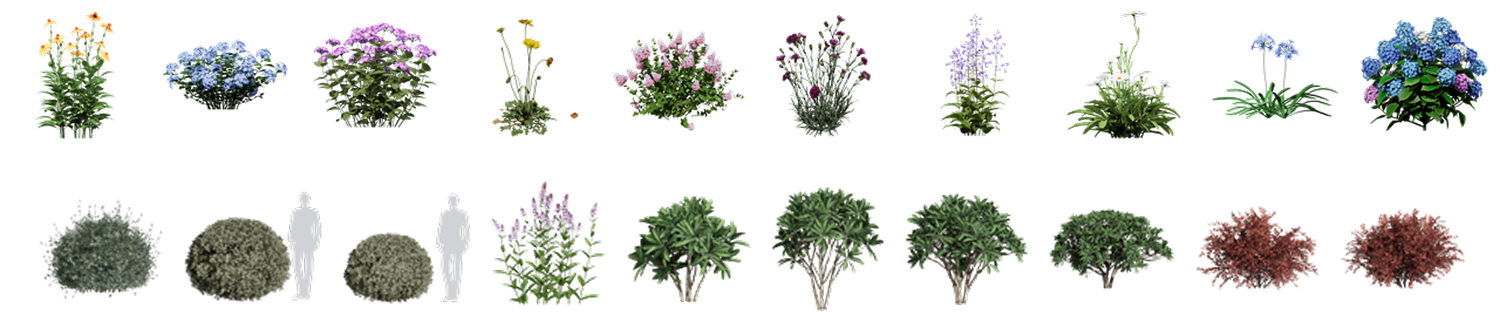
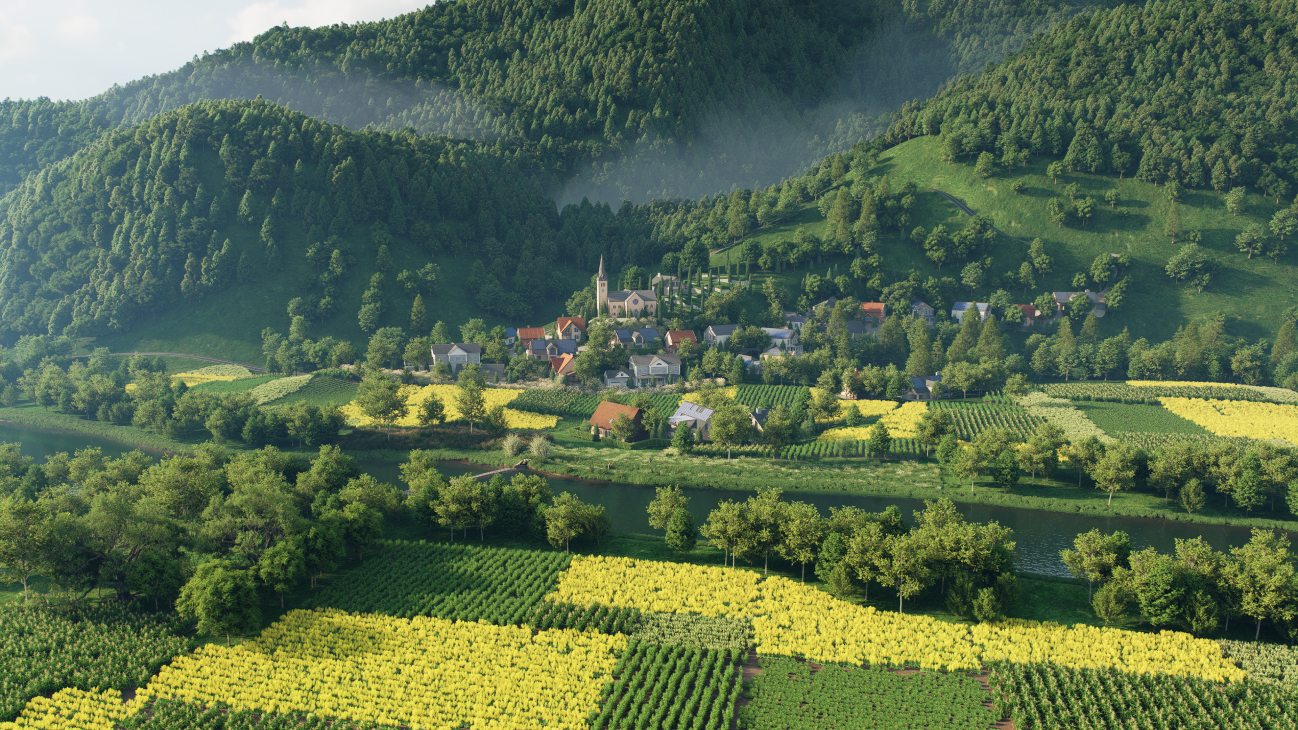
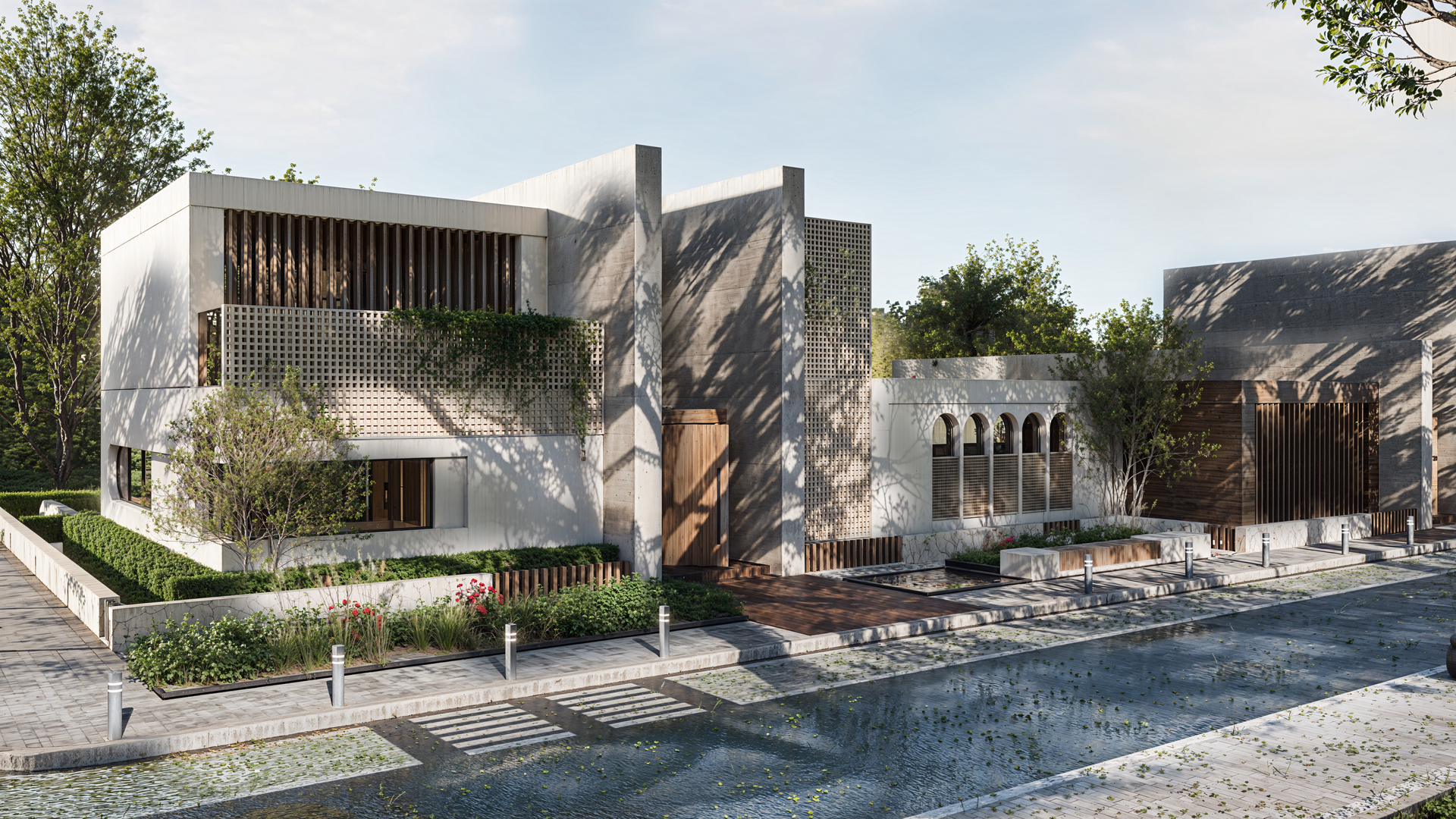
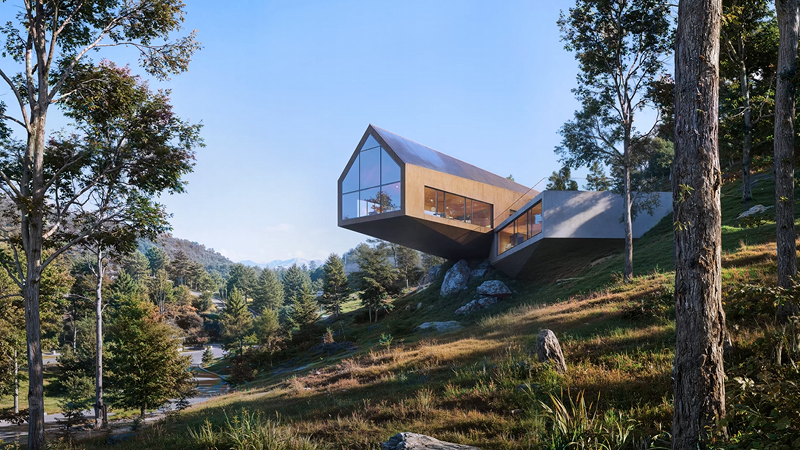
Several aspects of D5 stood out to the team: its high-speed performance, intuitive interface, and extensive landscape asset library. For a project so deeply rooted in ecological context, the vegetation and landscape tools were especially useful. They helped communicate the relationship between architecture and environment with clarity and precision, without excessive post-production.
👉 Top 10 Sustainable Building Materials | D5 Render Guide
The team also highlighted the efficiency of D5 in producing final images. Perspective shots that might have taken significantly longer in other renderers could be completed quickly, allowing the team to focus more on design quality rather than technical bottlenecks. Given the limited time allocated for image production, this efficiency proved to be a decisive advantage.
4. AI in Architecture: A Tool, not a Substitute
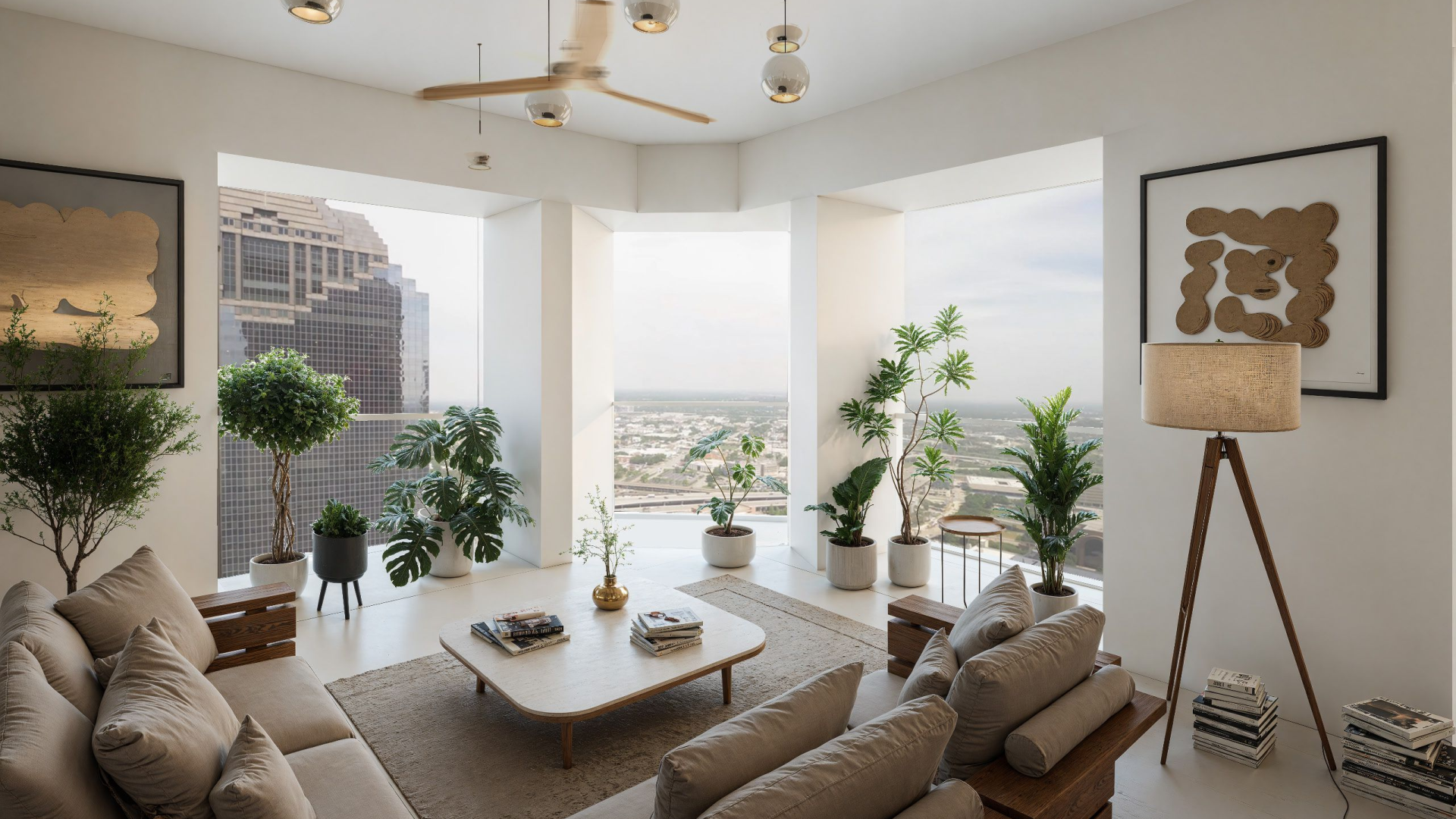
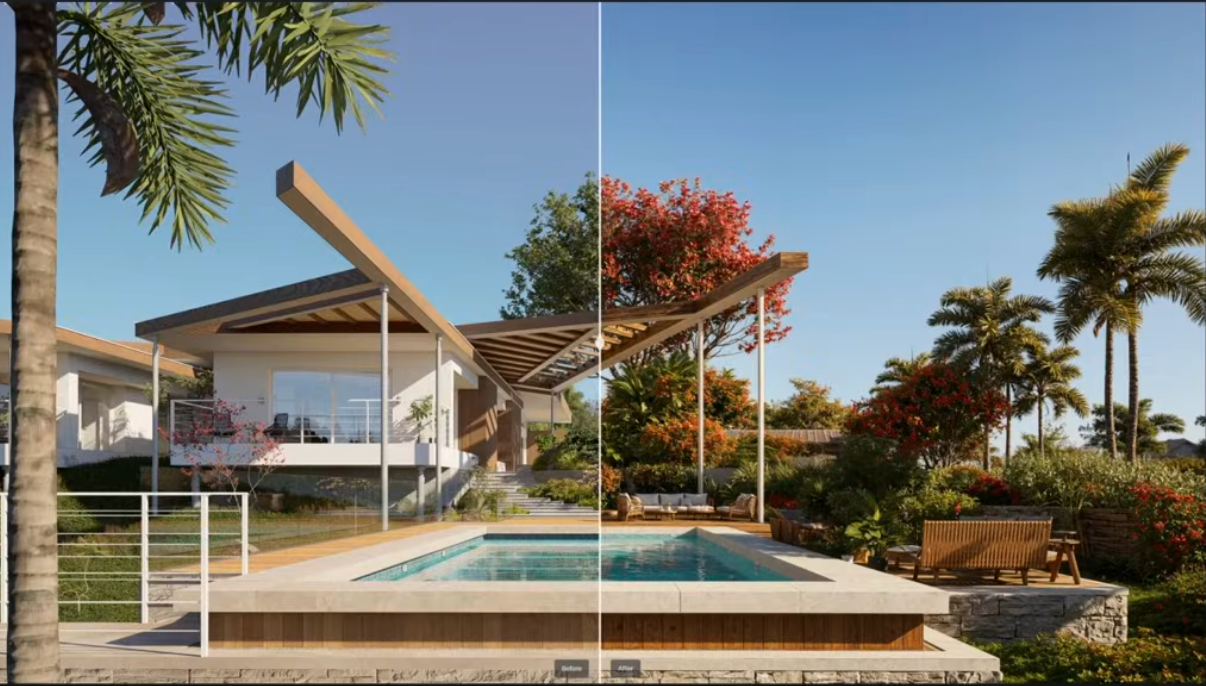
The team takes a balanced view of AI in architecture. While initially cautious, he came to see AI as a supportive tool that improves efficiency and expands creative possibilities without replacing architectural intent. In this project, AI features in D5 Render were mainly used for post-processing and visualization refinement, enhancing lighting, atmosphere, and overall clarity.

The team is clear about where he draws the line: AI can assist, optimize, and accelerate, but it cannot define meaning or direction. Architectural thinking—understanding context, making ethical decisions, and setting design intent—remains a fundamental human responsibility.
Looking ahead, he sees AI becoming a natural part of architectural practice — acting not as a replacement, but as a collaborator.
Looking Forward: The Convergence of Tech and Eco-Architecture
The team's work demonstrate how architecture, engineering, and technology can converge into a coherent design approach. Through Soft-Landing on an Incubated Landscape, the team shows that competitions can be more than showcases—they can be testing grounds for new ideas and tools. With a clear design philosophy and a pragmatic embrace of AI-powered visualization through D5 Render, the team represents a generation of architects who are both technically fluent and critically grounded.
Discover More: Sustainable Design & Eco-Architecture
Enhancing Green Architecture with AI Powered Real-Time Rendering
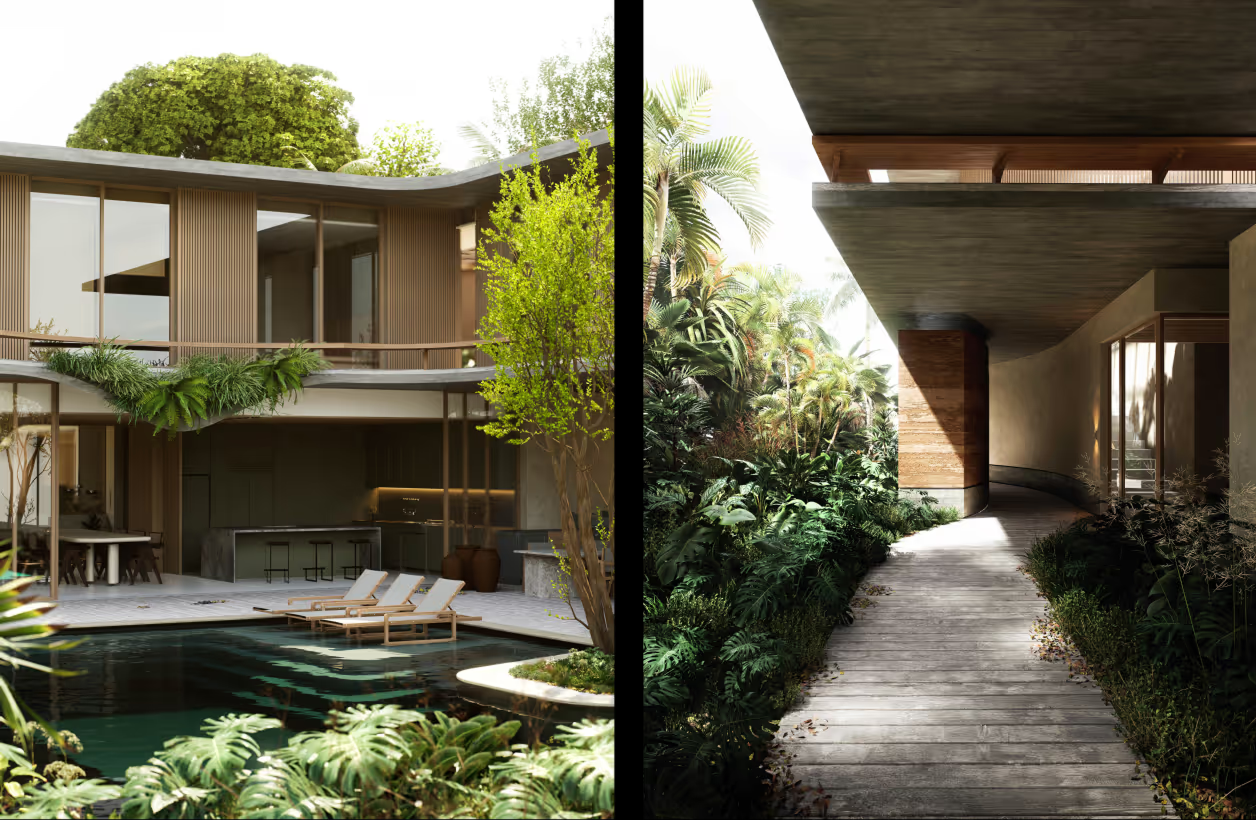
Green & Sustainable Residential Landscape Design Tips
Top 10 Sustainable Building Materials | D5 Render Guide
How to Create Realistic Outdoor Design in D5 Render (in 30 mins)
Visualizing an Urban Oasis: Yoga4Arch Studio's Real-Time Workflow for a 650 ha Project
Eco-Architecture FAQs: Design, Tech, and Visualization
Q. "What is the best rendering software for landscape architecture and large-scale nature scenes?"
For projects demanding dense vegetation and ecological complexity, D5 Render is an industry favorite. As demonstrated in Alex Song's Eco-Architecture case study, D5 handles heavy scenes—like wetlands and forests—with remarkable stability. Its extensive, high-fidelity landscape asset library allows architects to visualize nature-first strategies (such as sedimentation filters) with photorealistic clarity, significantly outperforming traditional offline renderers in both speed and workflow efficiency.
Q. "I have a tight competition deadline. Which 3D renderer offers the fastest workflow?"
When speed is critical, D5 Render offers a decisive advantage. Unlike traditional rendering pipelines that require long wait times, D5's real-time rendering engine facilitates immediate feedback. Architects utilize this to bridge the gap between concept and final output instantly. This capability allows for rapid iteration and faster decision-making, ensuring that high-quality visuals are ready well before the submission deadline without sacrificing design integrity.
Q. "How can I use AI in architectural visualization without losing creative control?"
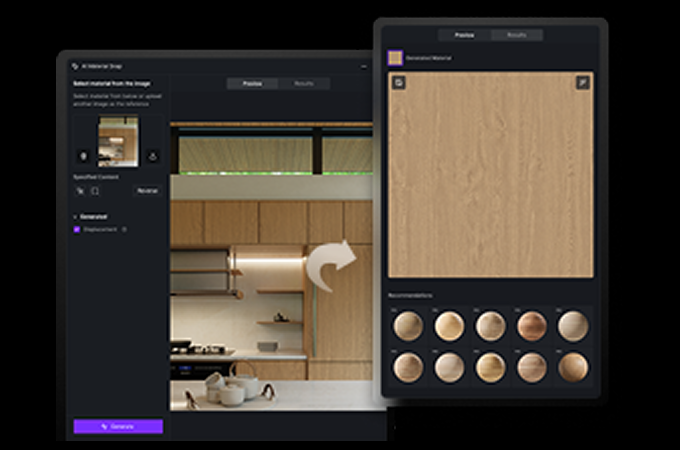
Leading designers view AI as a collaborator, not a substitute. Tools like D5 Render integrate AI specifically for workflow acceleration—handling tasks like material upscaling, lighting optimization, and atmospheric refinement. This "human-led, AI-assisted" approach ensures architects retain full control over the spatial logic and Eco-Architecture intent, while leveraging AI to polish the visual narrative efficiently.
Q. "What tools help bridge the gap between engineering logic and aesthetic design?"
Merging engineering with aesthetics requires visualization tools that offer technical clarity. In the Soft-Landing project, the team utilized D5 Render not merely for presentation, but for design validation. The software's ability to accurately render complex textures (like oyster shells) and structural details in real-time helps architects ensure their Eco-Architecture concepts are visually grounded and structurally coherent from the earliest design stages.
Q. "Is it better to render at the end of a project or during the design phase?"
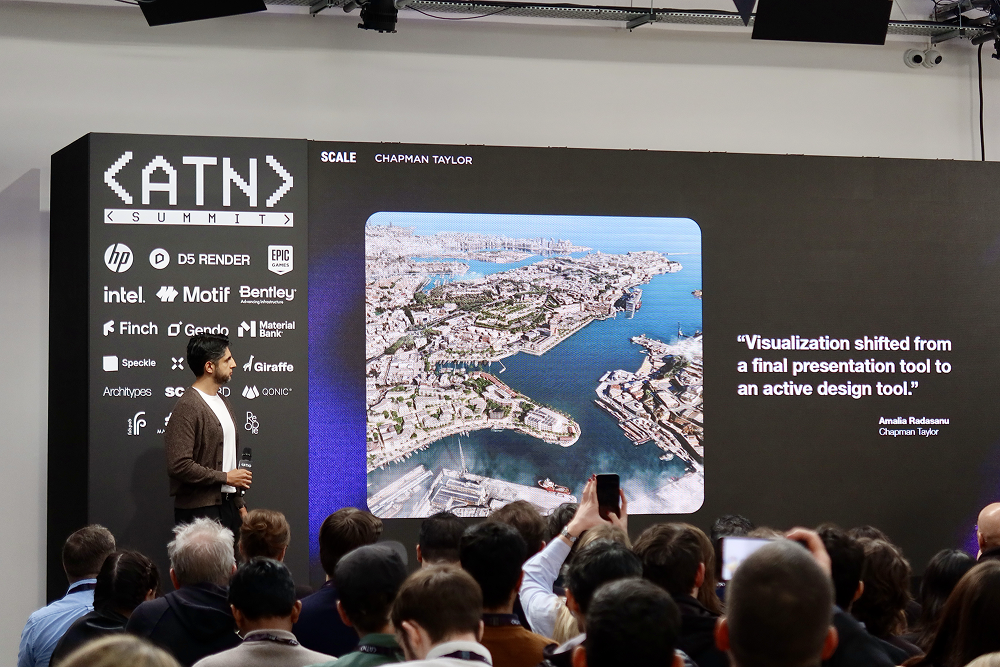
Modern Eco-Architecture workflows, such as those practiced by TU Delft alumni, advocate for "visualizing while designing." Using a real-time tool like D5 Render transforms rendering from a final presentation step into an active design method. This allows teams to continuously test lighting, materiality, and ecological integration, ensuring that form and logic evolve together rather than applying aesthetics as an afterthought.


.png)



.jpg)



.png)
1%20(2).png)




%20(1).png)
.png)
.png)