
Key Takeaways:
- Real-time visualization is most effective when it gives architects direct control over materials, light, and environment at the moment decisions are made.
- By keeping BIM as the single source of truth and using D5 via LiveSync, a small studio can test design intent visually without creating parallel models or workflow friction.
- When visualization is precise and trustworthy, client conversations shift from “what will it look like?” to practical decisions about cost, constructability, and delivery.
Studio Overview
- Location: New York, USA
- Team Size: 3 architects
- Studio Type: BIM-driven architectural practice with a strong design–build mindset
- Project Types: Public-sector and civic projects, religious architecture, industrial and warehouse facilities, residential (including coastal housing), and select commercial work
- Modeling Tools: Archicad (primary BIM platform), Rhino (early schematic studies)

Not every firm wants to dazzle with visuals. Some want clarity.
With a tightly integrated BIM workflow and a small but focused team, Studio 88 uses D5 Render as a design tool rooted in discipline.
“For us, rendering isn’t about making something look dramatic. It’s about understanding how the design will actually behave—how light, materials, and space come together—before we commit to it.”
—Jooyoung Lim, Architectural designer
By embedding D5 directly into their design process—not as a final layer, but as an early decision tool—Studio 88 has created a workflow where visuals don’t just show architecture. They shape it.
1. A BIM-First Practice, by Design
Studio 88 operates with the precision of a much larger practice. Led by Managing Principal Joseph Grant AIA, NCARB, DBIA, with decades of experience across civic, public-sector, and technically complex projects, the firm emphasizes coordination, constructability, and documentation rigor. BIM isn’t treated as a downstream requirement. It’s the backbone of their design process.
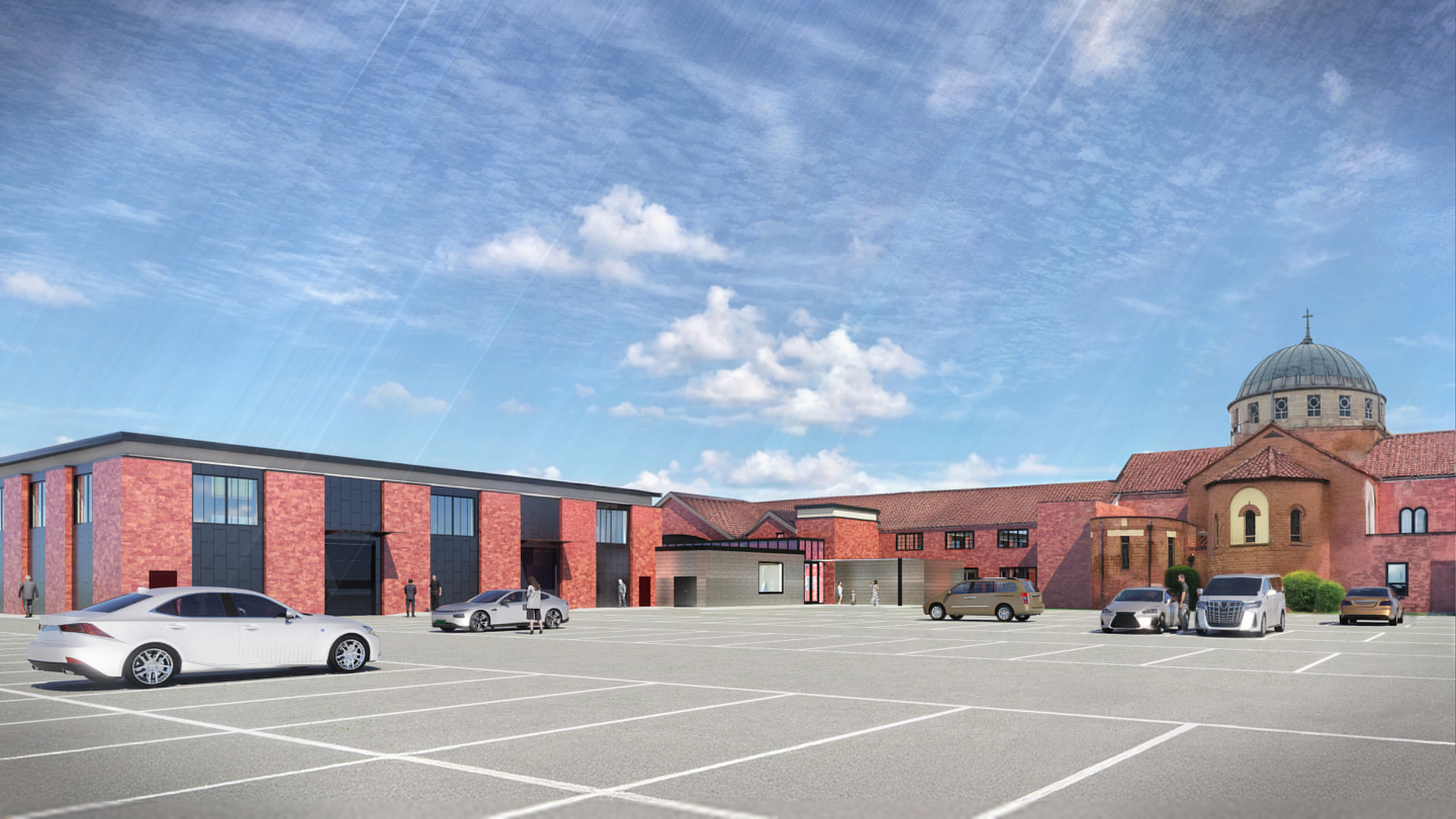
Architectural designer Jooyoung Lim plays a key role in upholding that standard. On the expansion of the St. Paul Greek Orthodox Cathedral in Hempstead, he restructured the firm’s Archicad-based BIM system, reducing coordination time with structural and mechanical teams by roughly 30%. The goal wasn’t just speed, it was clarity. Better coordination meant fewer errors, less rework, and more design intent carried through to construction.
That same mindset guides the firm’s use of visualization. Any tool brought into the workflow must reinforce that clarity, not compromise it.
2. Visualization That Enters Early Without Breaking BIM
At Studio 88, visualization begins early in the process, but only when it supports, rather than disrupts, the integrity of the BIM model.
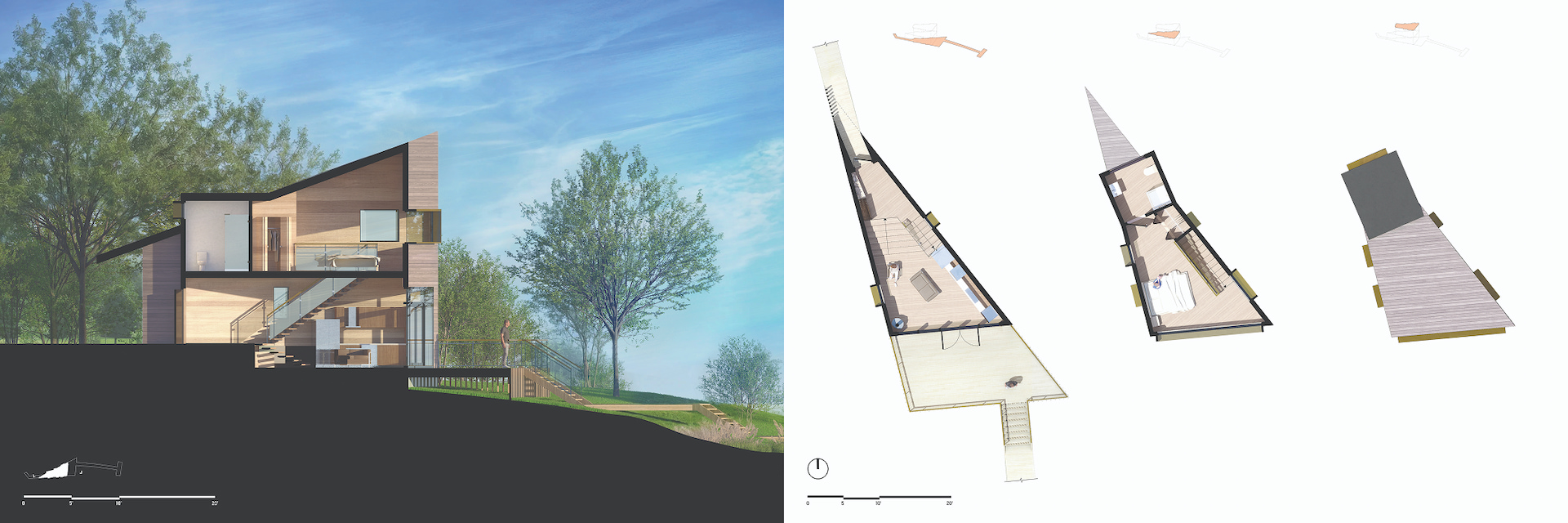
During conceptual studies, especially when exploring massing or site context, the team may sketch ideas in Rhino. These early forms are brought into D5 to quickly test atmosphere, light, and spatial relationships. But once a project moves toward realization, Archicad becomes the central model, and D5 Render stays closely linked through LiveSync.
This live connection allows geometry and material changes in Archicad to instantly reflect in D5. There’s no need to export static models or manage parallel files. Visualization becomes an extension of the BIM model itself, not a separate layer.
“We’re very careful not to break the BIM workflow just to get visuals. If a project is moving toward construction, Archicad stays the source of truth, and D5 helps us test decisions without creating parallel models.”
Also read: Archicad-D5 Workflow Smooths Large-scale Architecture Design
3. Real-Time Control Over Materials and Environment
What sets Studio 88’s workflow apart is how deliberately they use D5 for fine-tuned control.
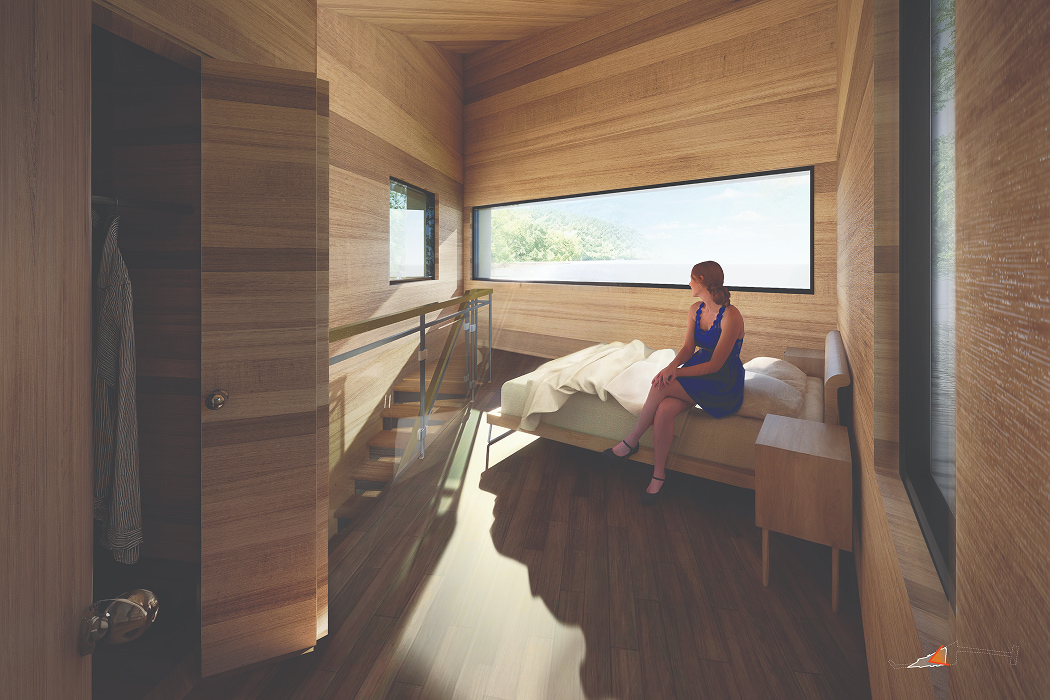
D5’s physically based rendering system and real-time material editor give Lim the ability to adjust finishes interactively, under realistic lighting. For one project, a bronze-toned facade was proving difficult to assess in the BIM environment alone. With D5, reflectivity and tone could be calibrated live, until the material felt just right before ever hitting the documentation phase.
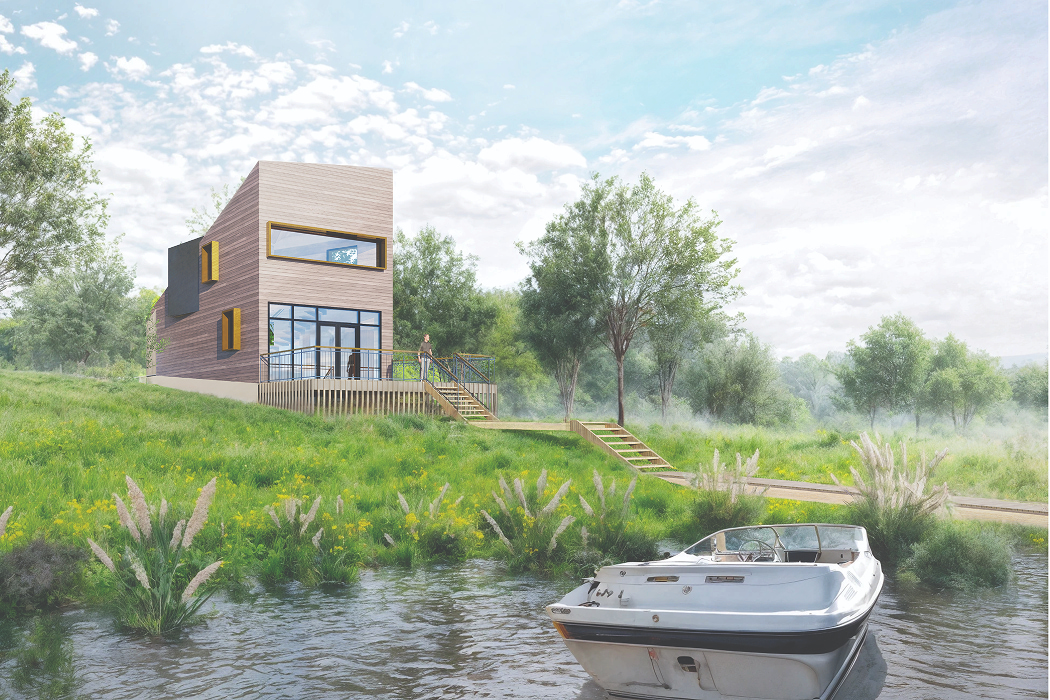
The studio also relies on D5’s geo-coordinated sky and weather systems to test how spaces respond to real environmental conditions. Whether adjusting sun angle, cloud cover, or time of day, lighting updates instantly, powered by real-time raytracing and D5’s GI system. These aren’t cosmetic tweaks; they’re a way to visualize performance and perception with clarity.
Also read: D5 Render | Natural Sunlighting for Archviz with Geo&Sky
4. When Visualization Stops Being the Question
The impact of this precision becomes clear in client conversations. Studio 88 uses their visuals to eliminate uncertainty.
“When the visualization is working, clients stop asking what it will look like. The conversation moves to cost, materials, and how we’re actually going to build it.”
Internally, the effect is the same. . With Lim currently as a primary D5 user, the visuals support fast, focused dialogue with principals—no interpretation needed. The design speaks for itself.
5. A Lean Team, Powered by Purposeful Tools
With a compact team, Studio 88 avoids handoffs and fragmented workflows. Visualization is centralized, efficient, and iterative. D5’s fast interface, large scene capability, and low-friction setup allow a single designer to explore, revise, and deliver without stepping outside the BIM process.
Post-production is minimal. The work happens in real time where decisions can still be made.
6. From Real-Time Testing to Award Recognition
The Boater’s Cabin project is a case in point. Designed as a coastal retreat shaped by wind, light, and seasonal change, it demanded environmental testing and subtle spatial calibration.
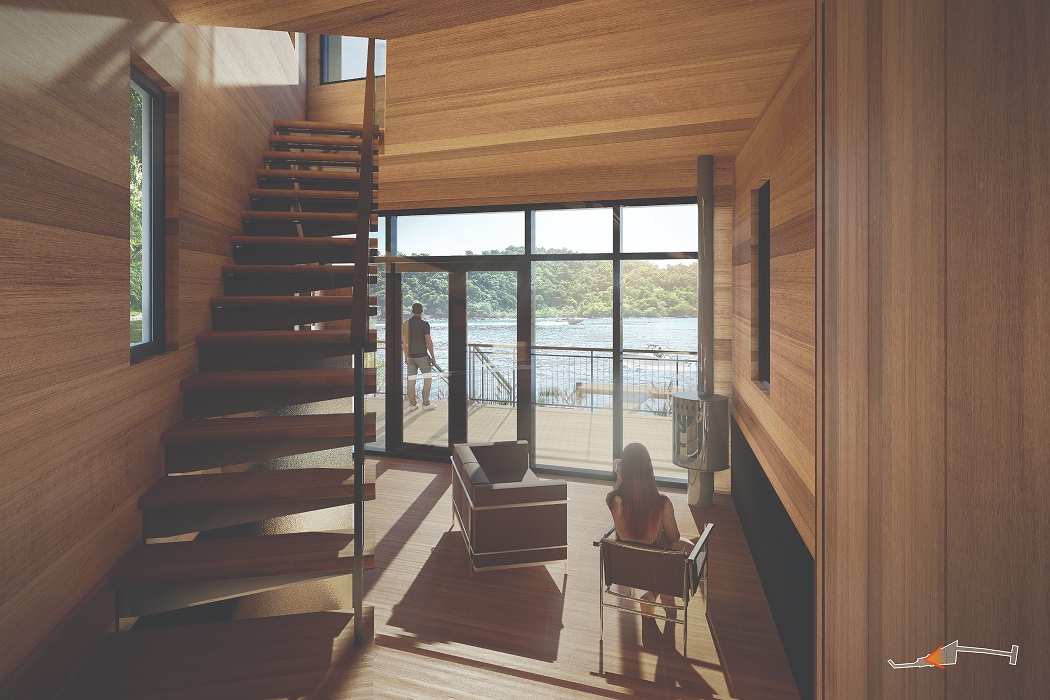
Using D5’s lighting and environmental tools, the studio evaluated how the architecture would evolve across weather and time. These insights informed design decisions and ultimately helped the project win an AIA Long Island Chapter Archi Award in the Unbuilt Residential category.
7. Visualization as Discipline
Studio 88’s work with D5 Render isn’t about replacing design thinking with surface-level polish. It’s about integrating visualization into a disciplined workflow, where tools like LiveSync, real-time lighting, PBR materials, and environmental controls reinforce the precision that defines the firm’s approach.
By integrating visualization into the fabric of their design process, Studio 88 offers a powerful model for other small, technically focused practices: real-time rendering doesn’t have to be loud to be effective. It just has to be accurate, responsive, and aligned with how you actually work.
8. See How D5 Fits Your Process
Whether you’re refining your visualization pipeline or scaling collaboration across your team, our team can help you evaluate the right setup. Share your details below and we’ll connect with you shortly.
9. Your Work Deserves the Spotlight
Has D5 transformed how you design, present, or collaborate? Turn your D5 Render project into a story that inspires designers around the world! Share your journey—and let the world see what’s possible.
By submitting your project, you could:
✅ Be featured in a global case study seen by thousands
✅ Co-host a D5 webinar and showcase your expertise
✅ Speak at official D5 events and elevate your industry presence
This is more than a feature—it’s your chance to grow your voice, build your brand, and inspire a global design community. Share your stories here.

 English
 Español
 Français
 한국어
한국어 日本語
日本語