IV. Technical Comparison
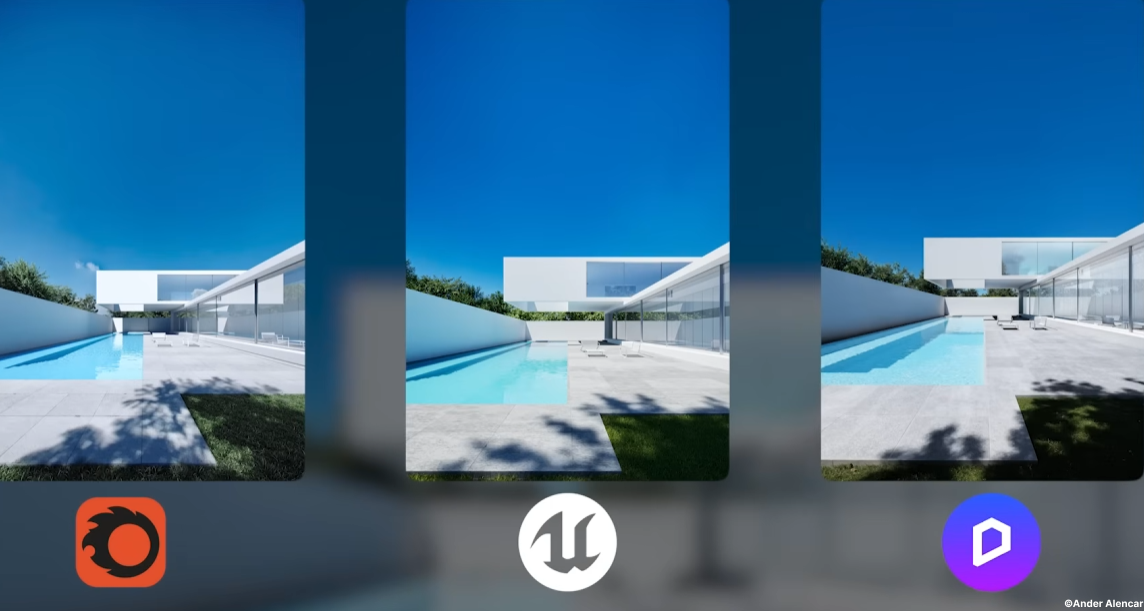
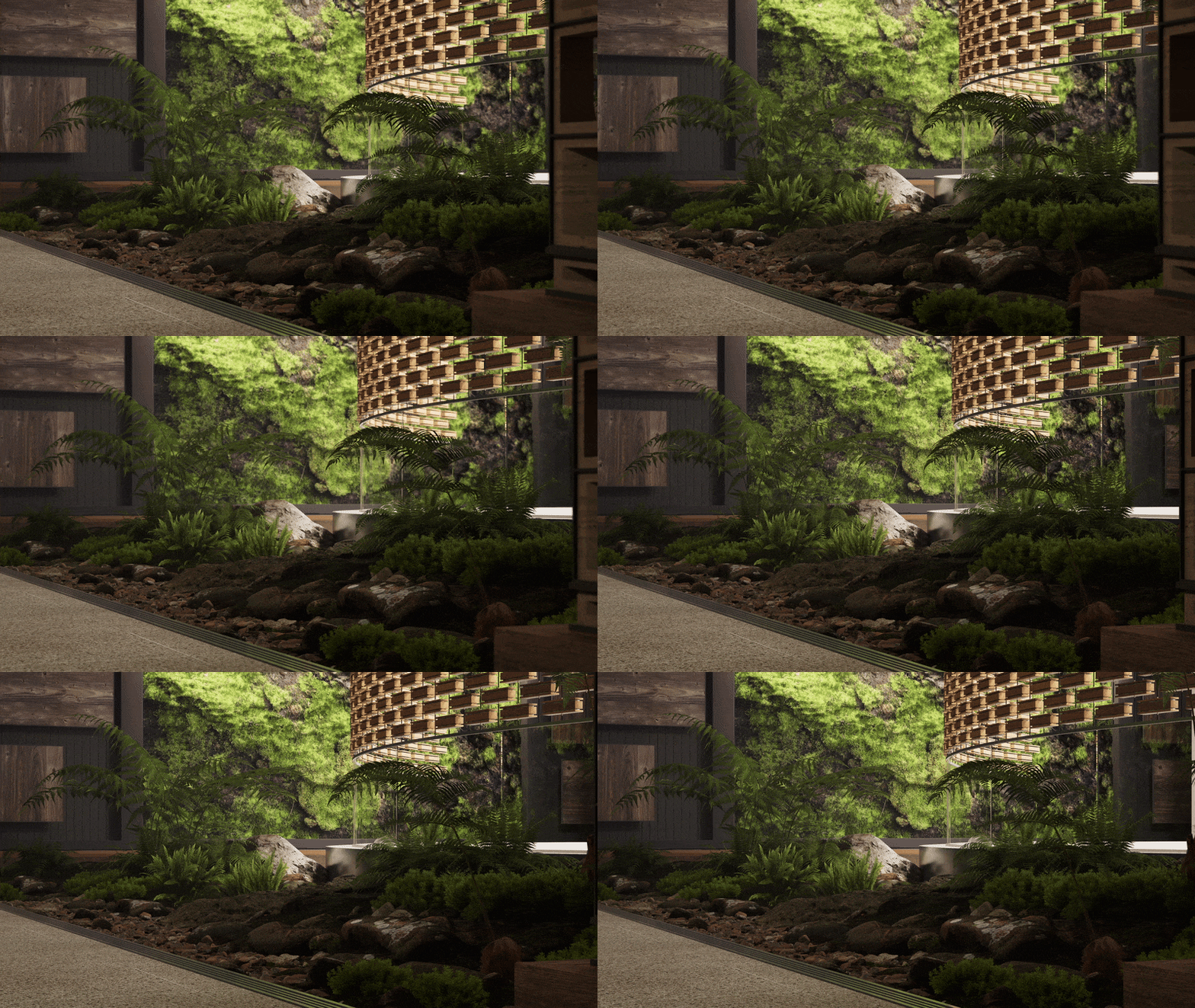
Real-Time Viewport (vs UE Lumen)
Real-Time Viewport (vs UE Lumen)
| UE Lumen | D5 Engine | |
|---|---|---|
| Real-time Performance |
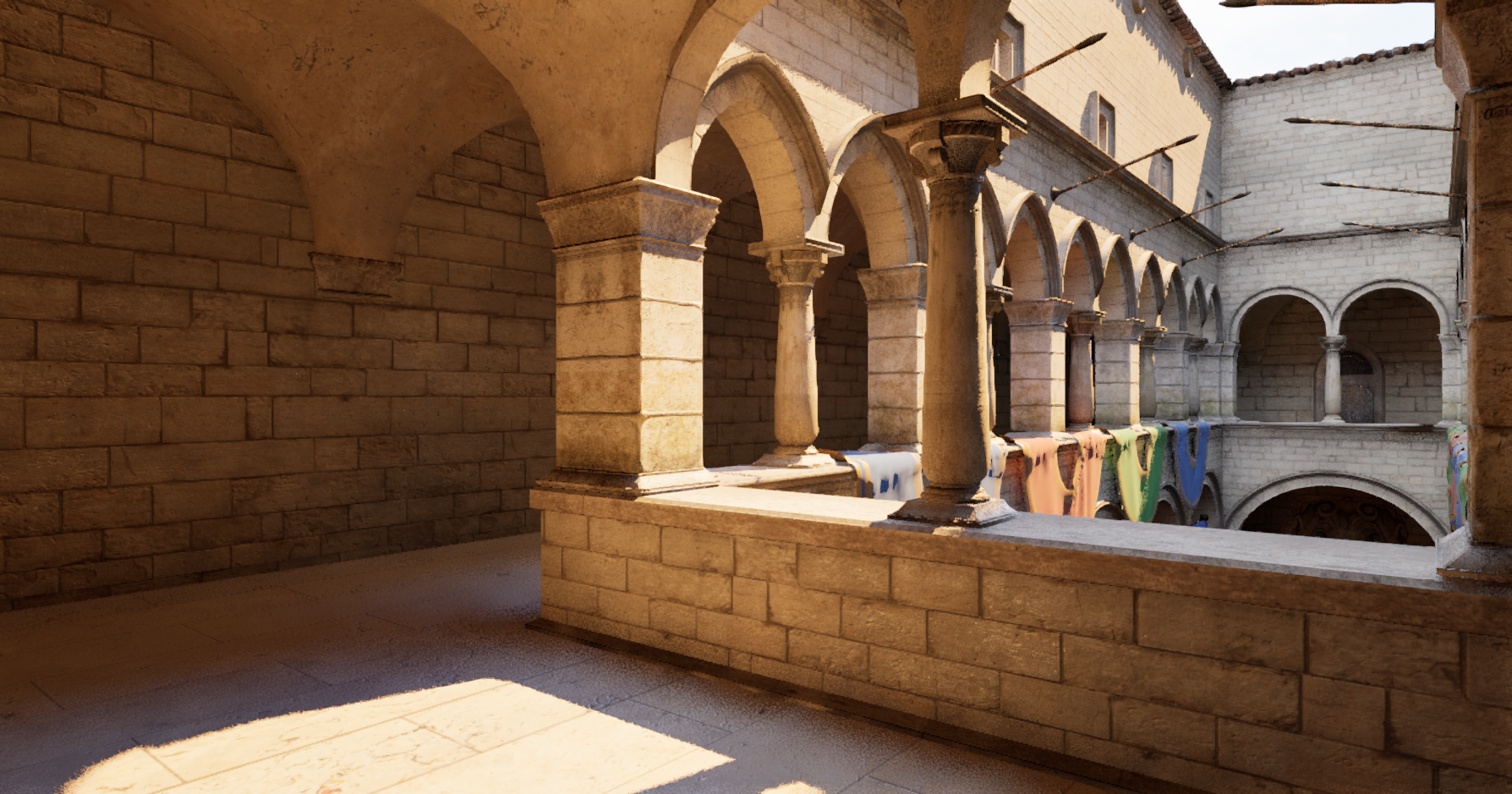
15.5ms (High Quality Preset)
|
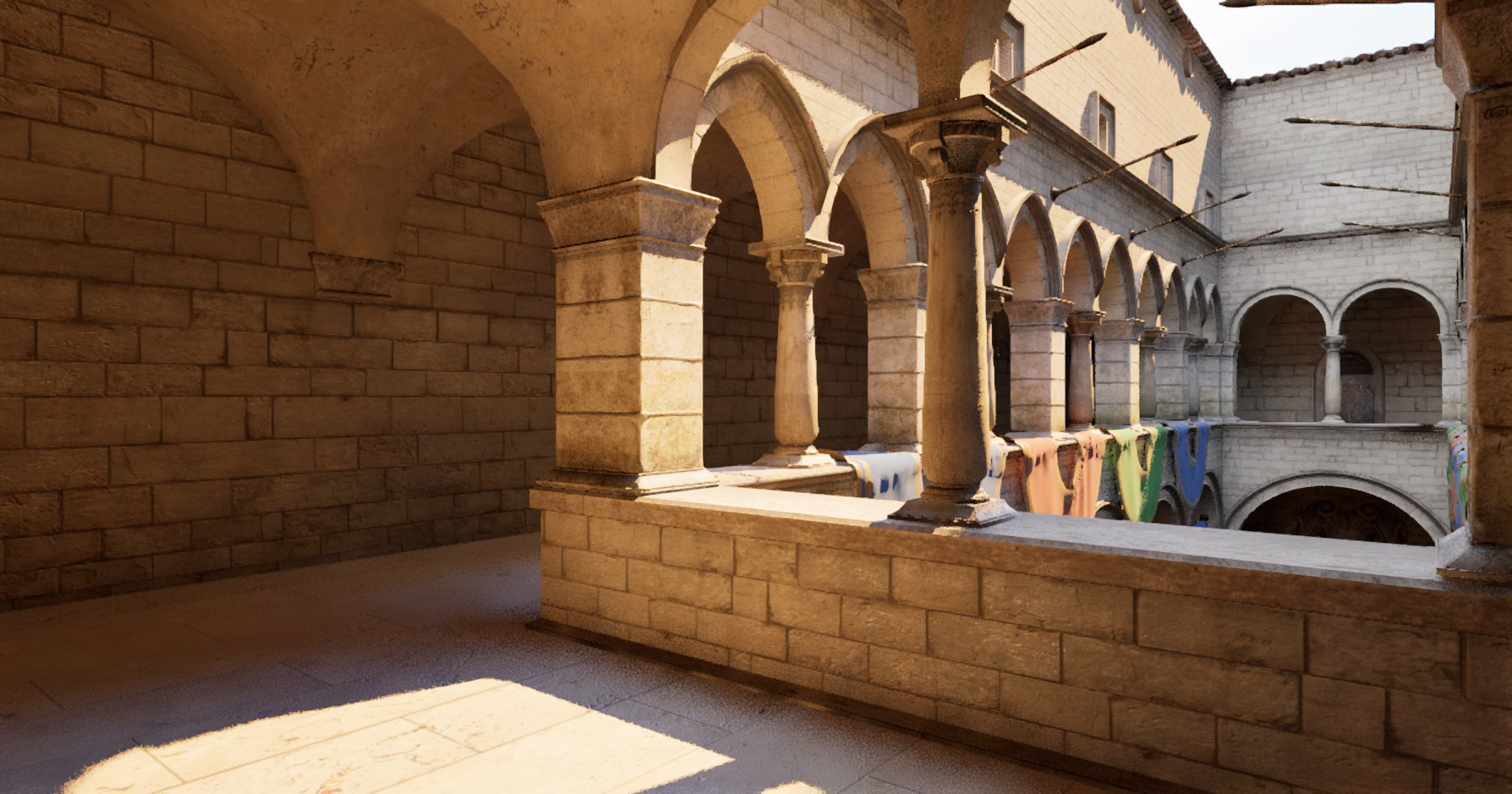
10ms
|
| GI |
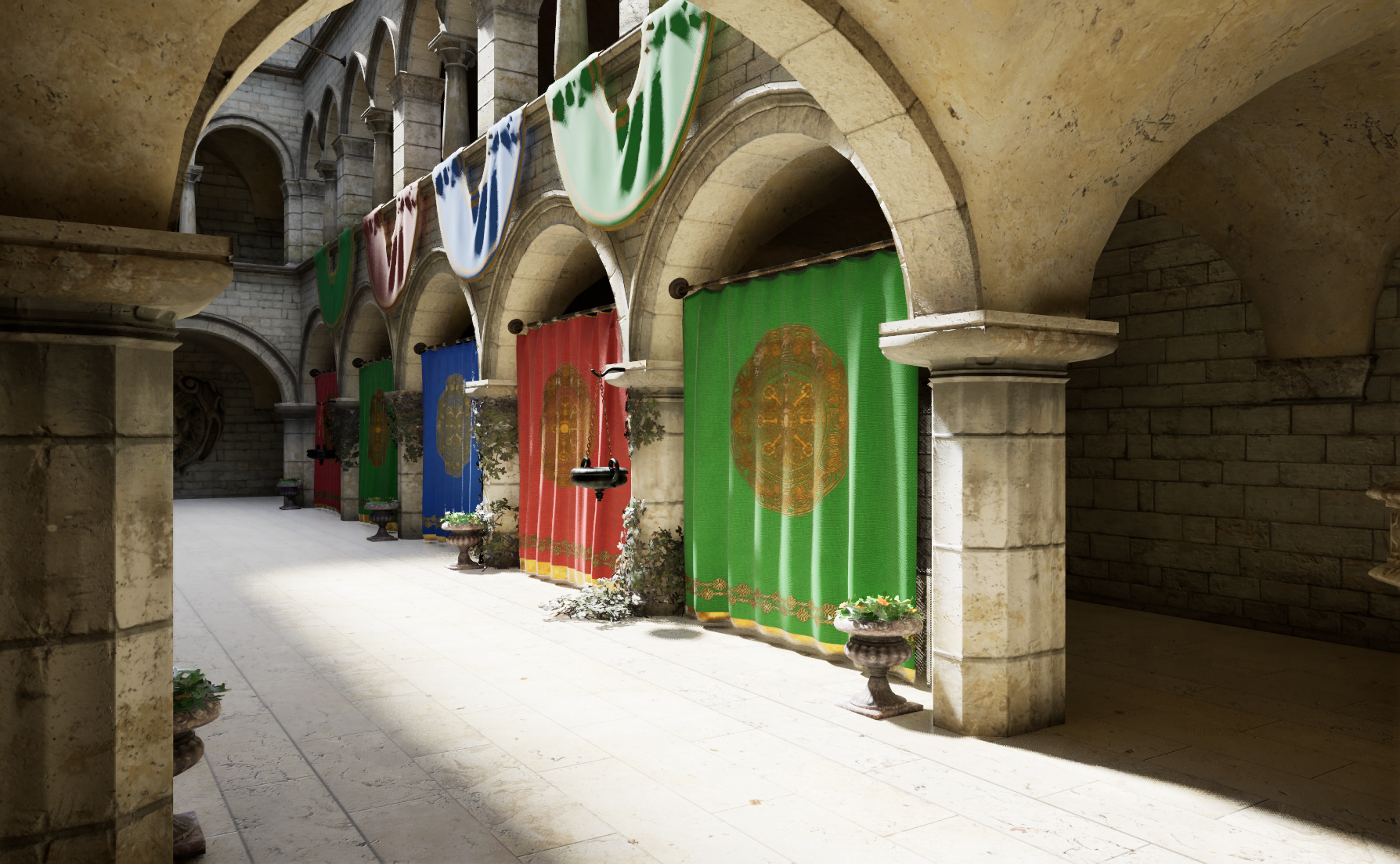
Noticeable artifacts beyond directional light
|
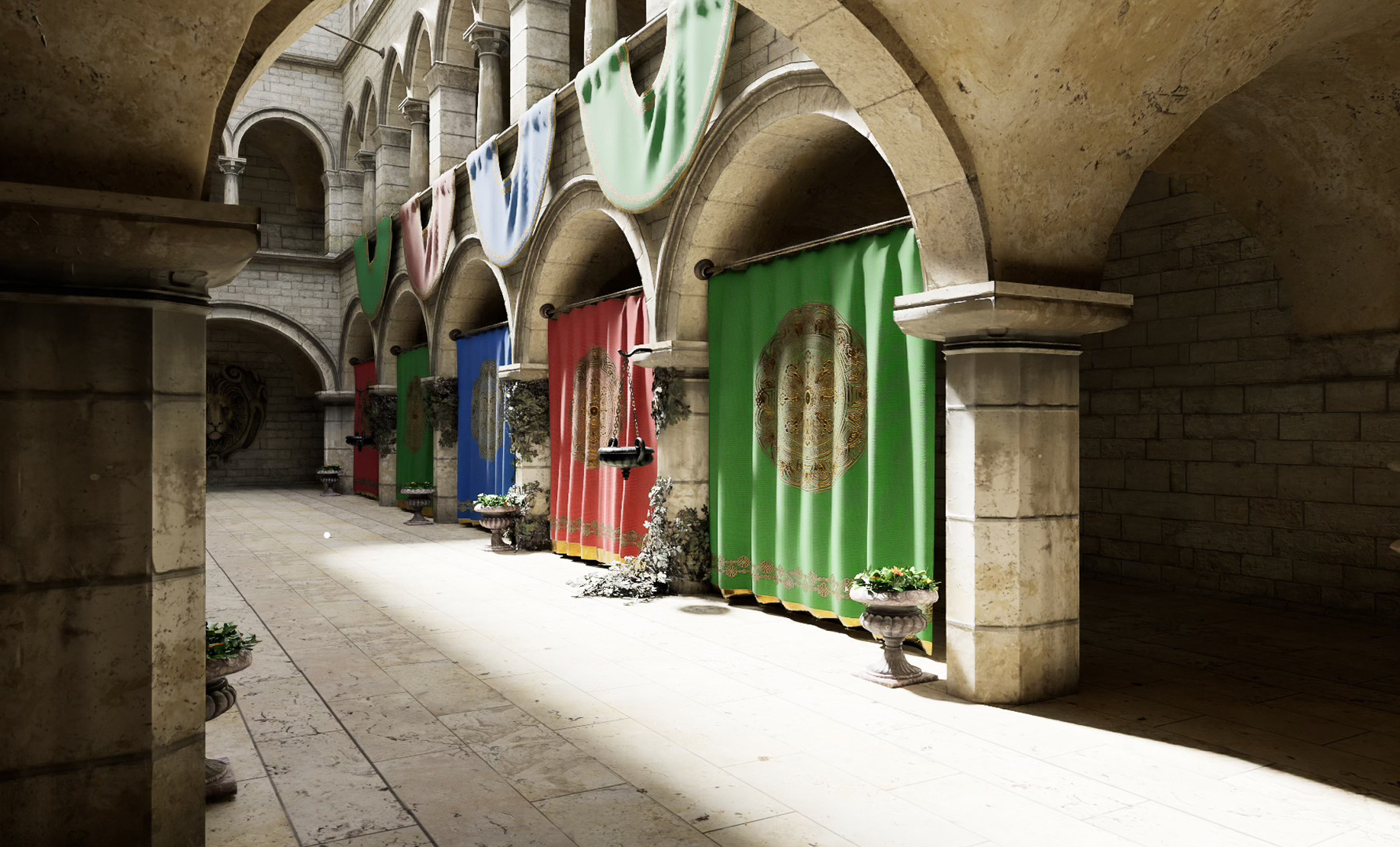
Accurate lighting from all sources with complete GI
|
| Material |
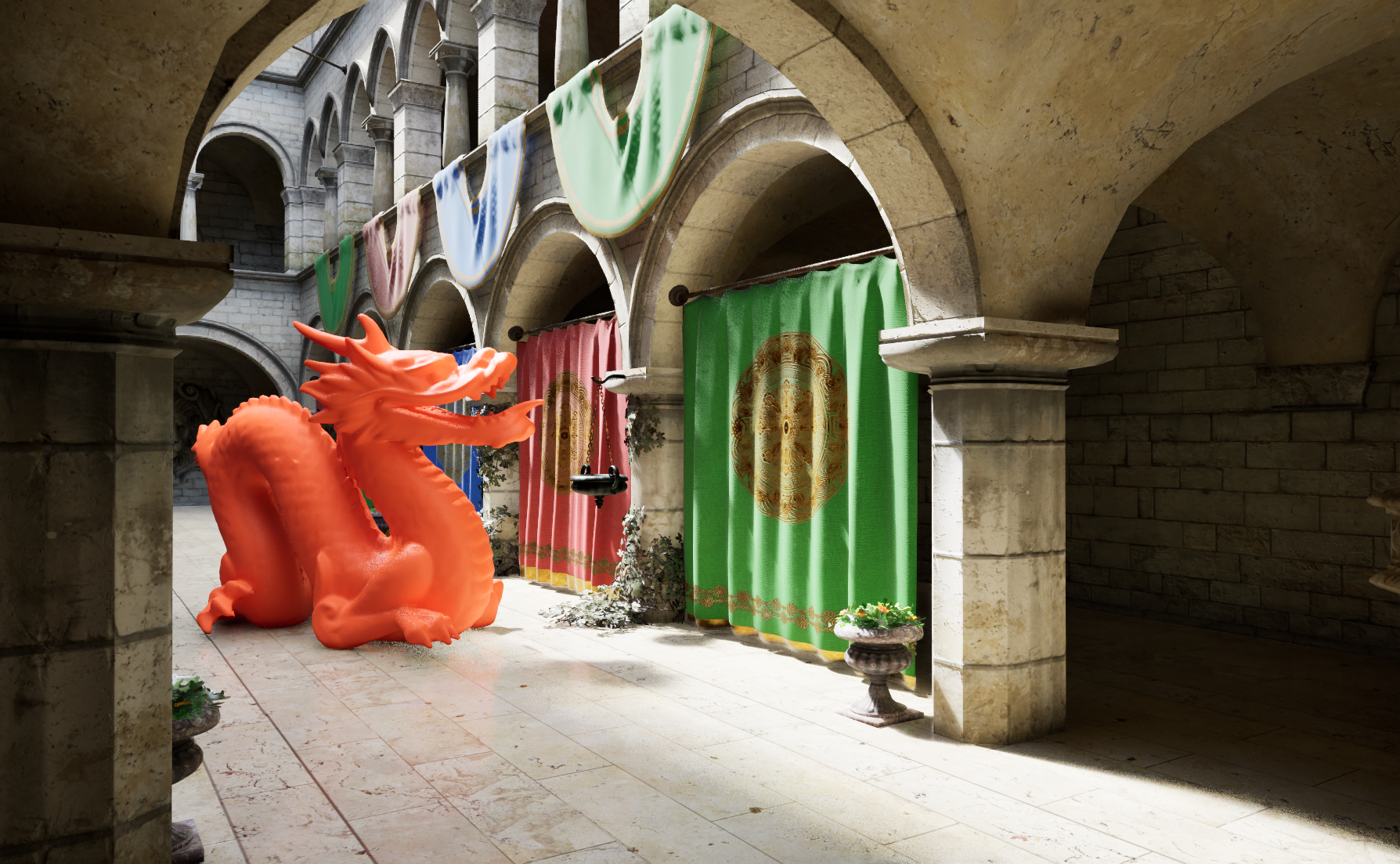
Lacks detailed GI bounce
|
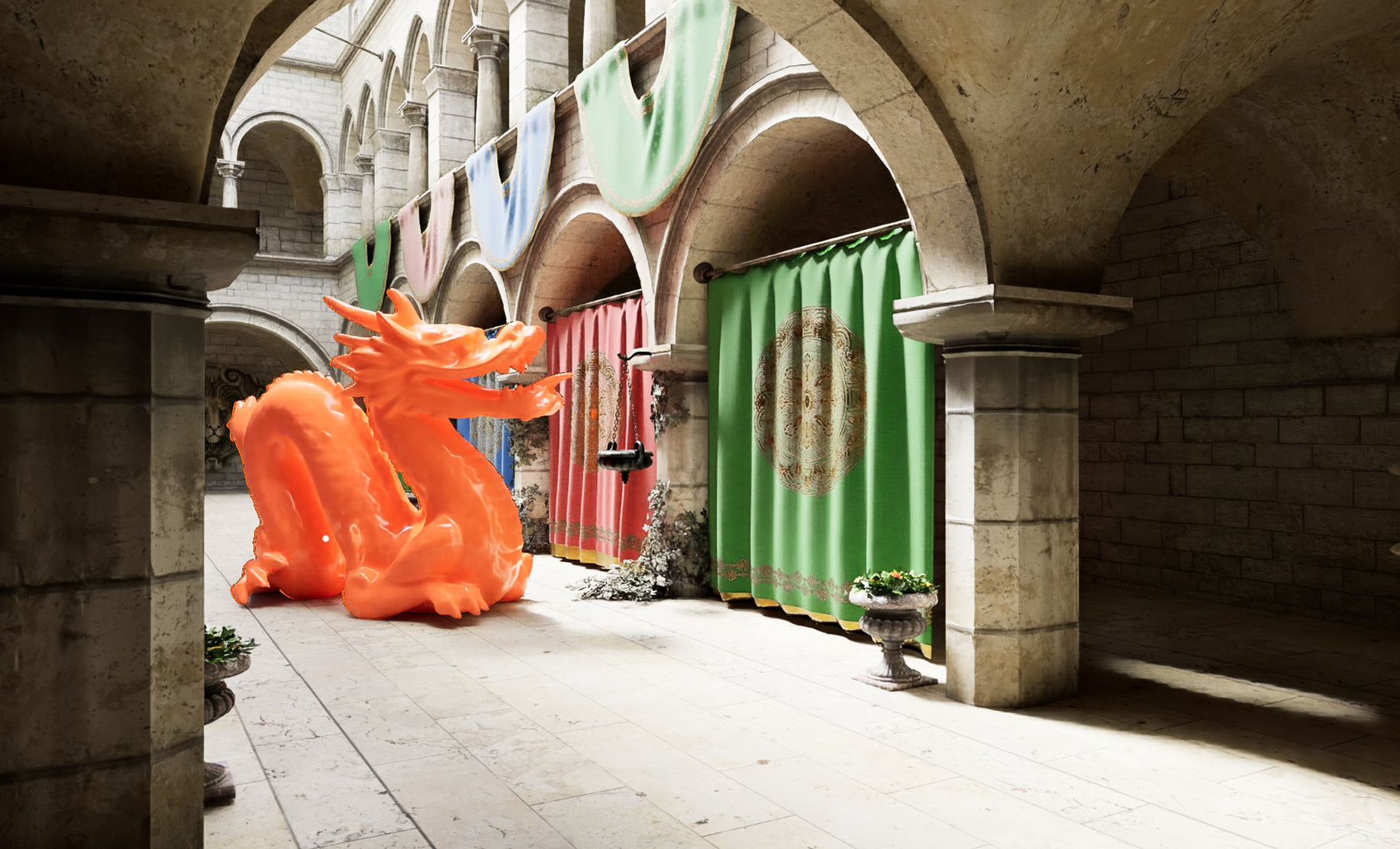
Full GI bounce accurately captures material color and texture
|
| HDR |
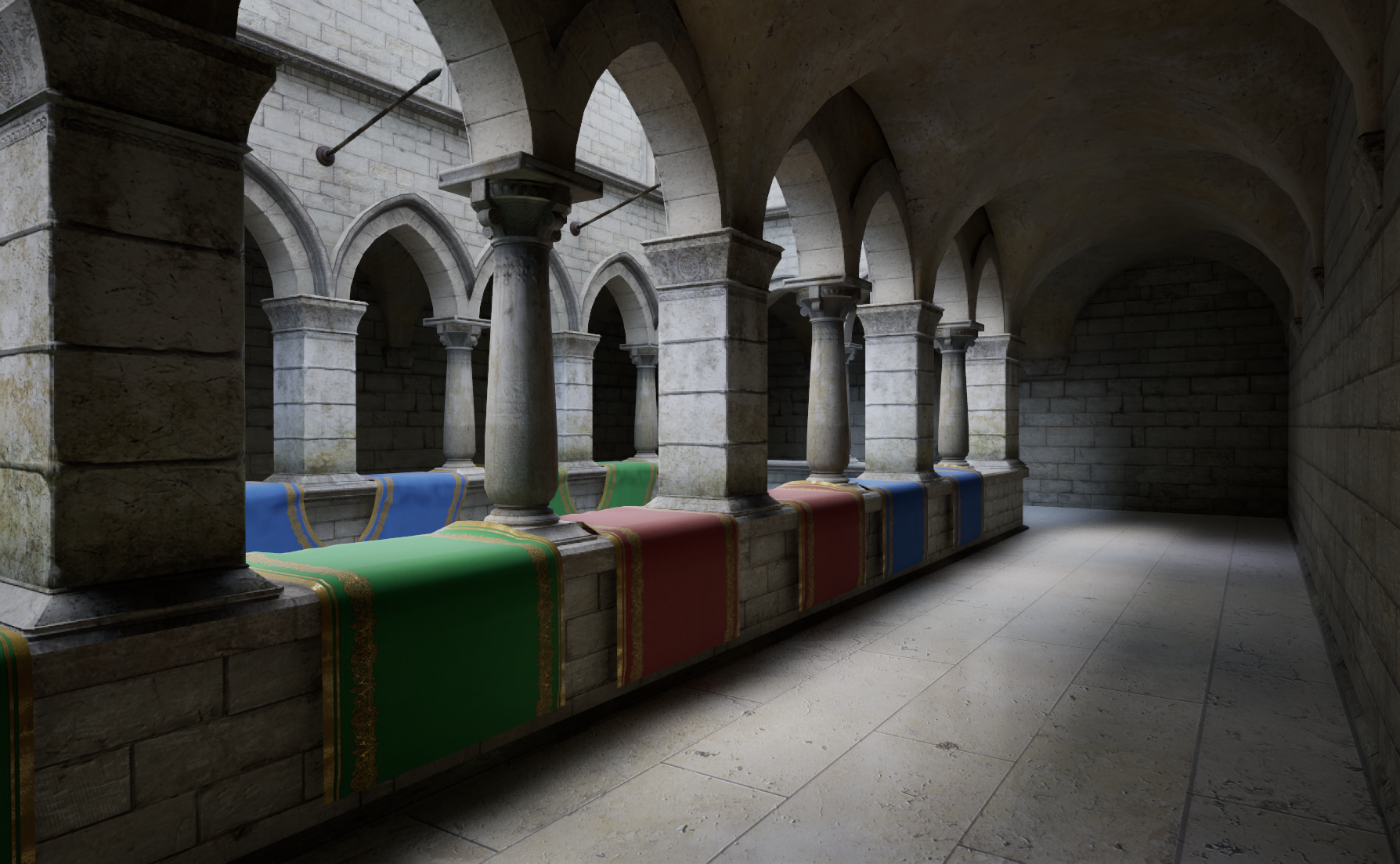
Limited high-frequency HDR sampling; difficult to light scenes with HDR alone
|
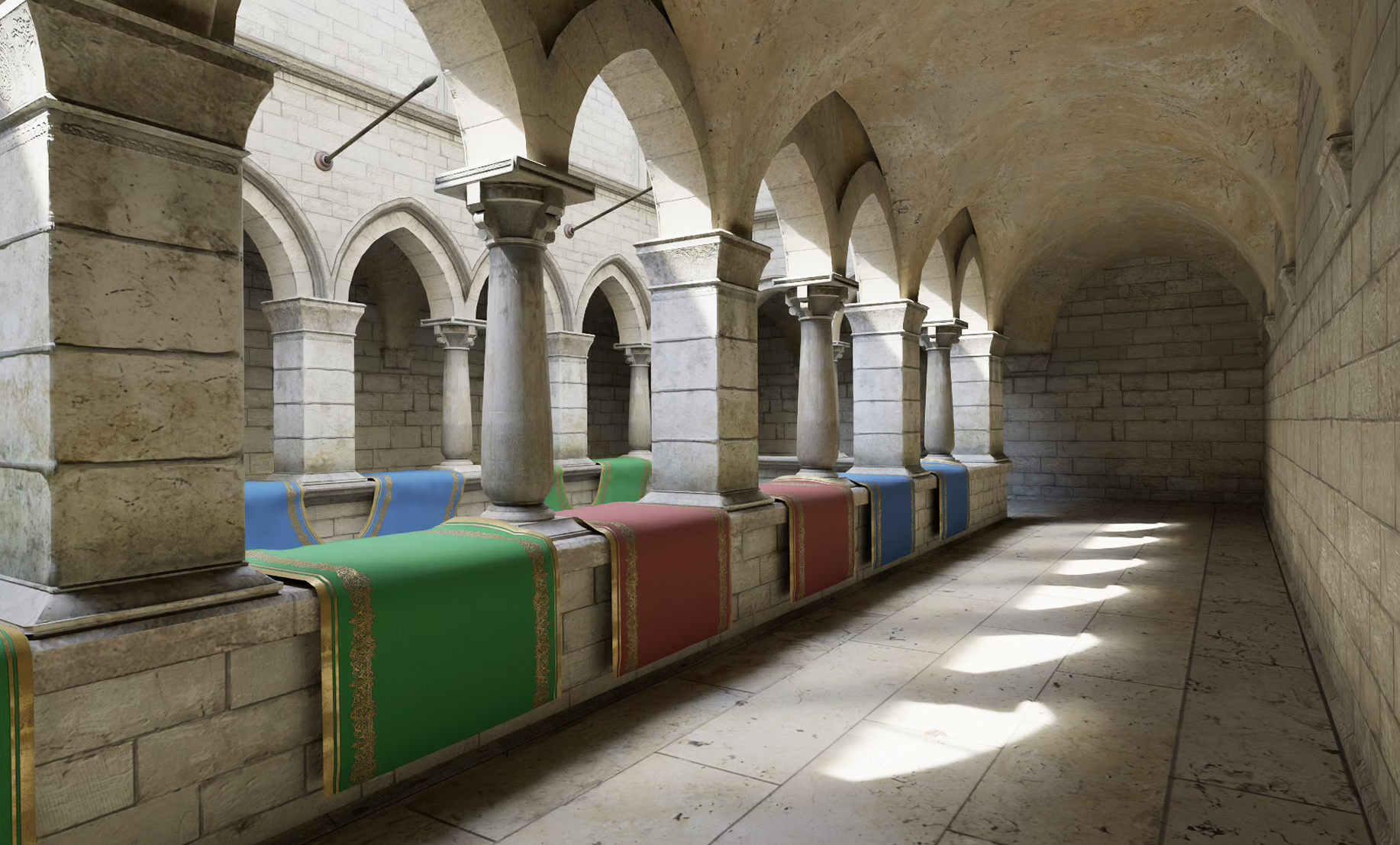
Full HDR sampling—HDR alone can realistically light a scene
|
| Glass |
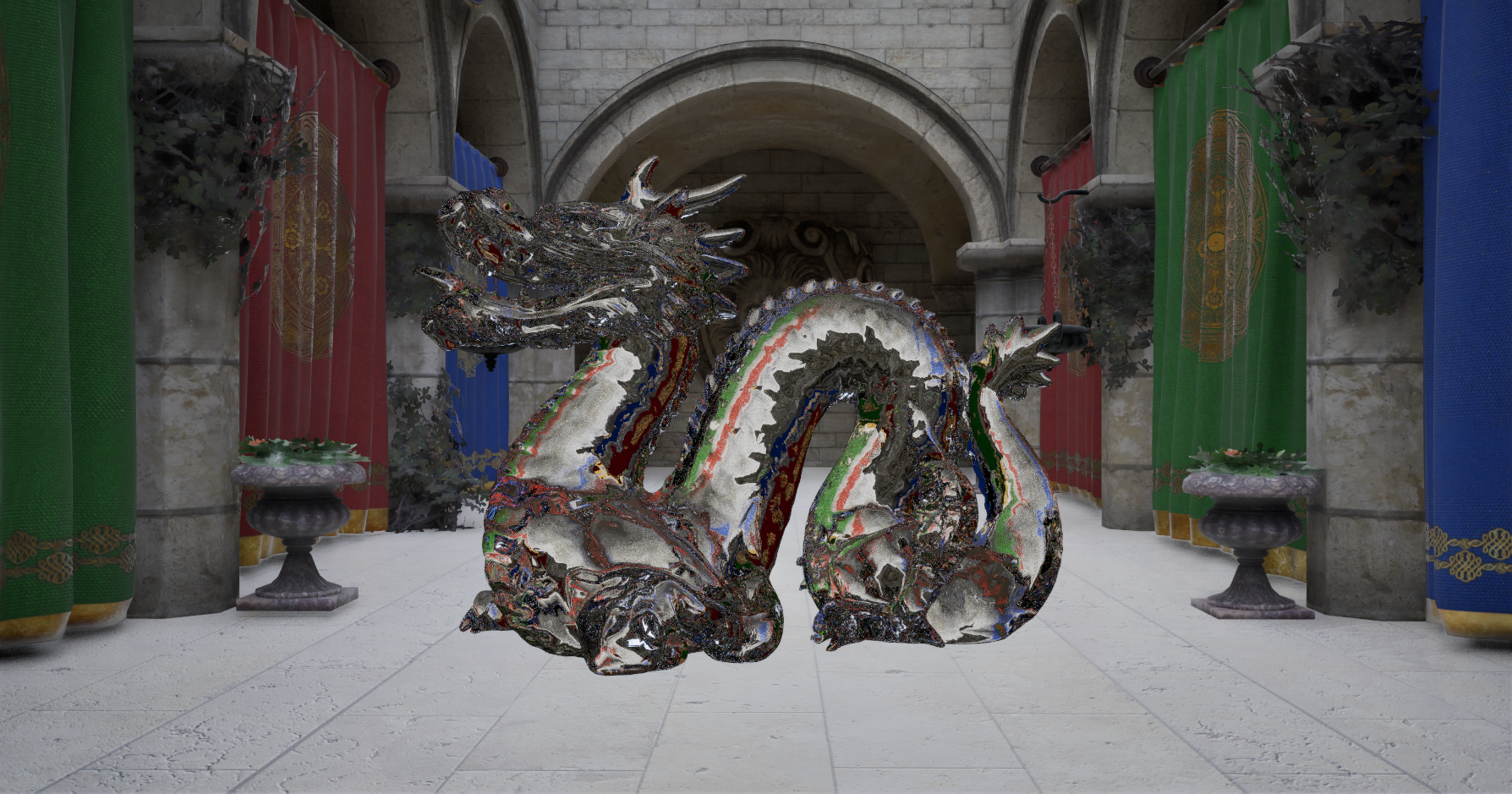
Incomplete refraction; no support for roughness; lighting cuts off
|
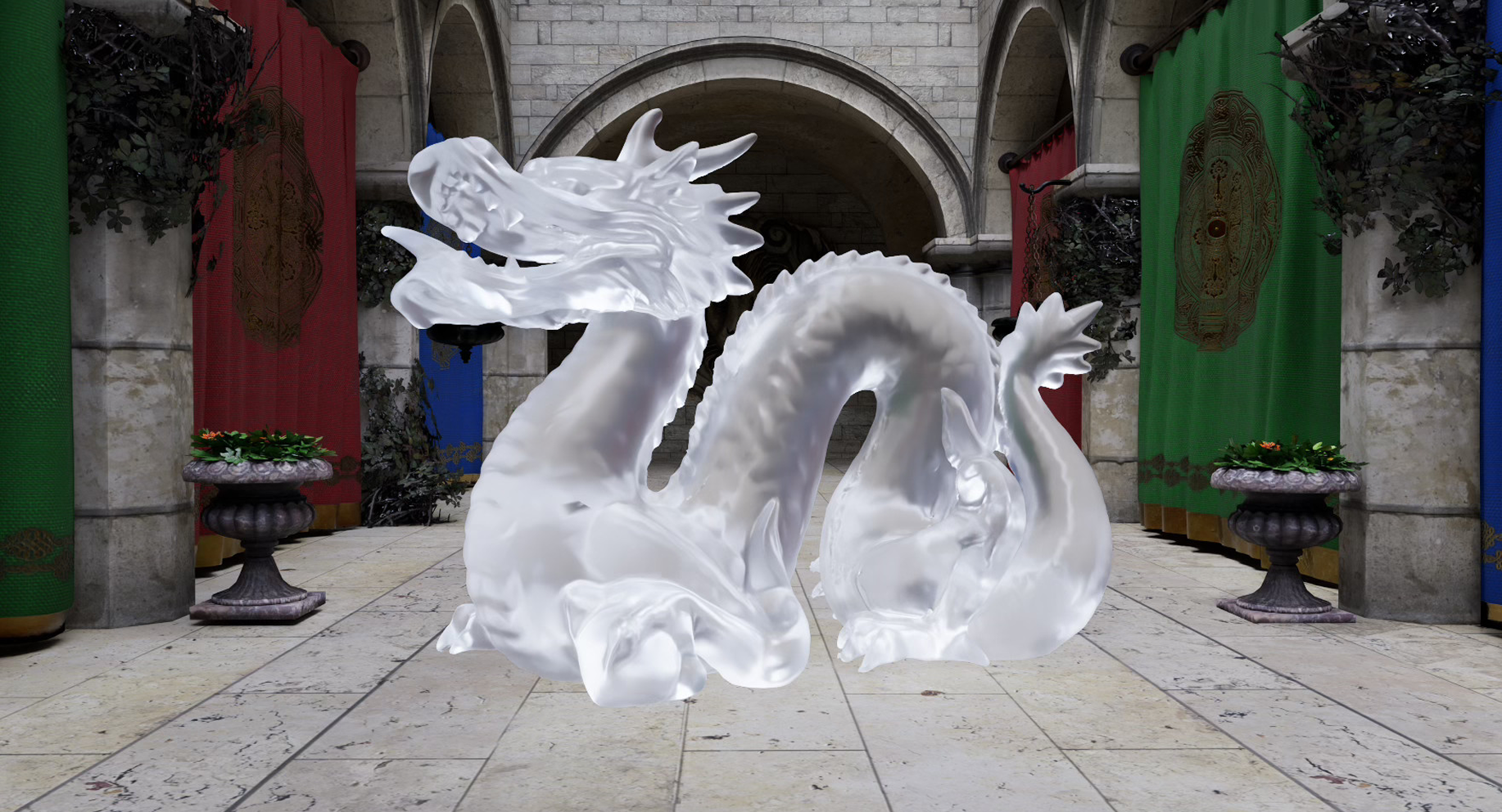
Complete reflection and refraction
|
| Mirror |
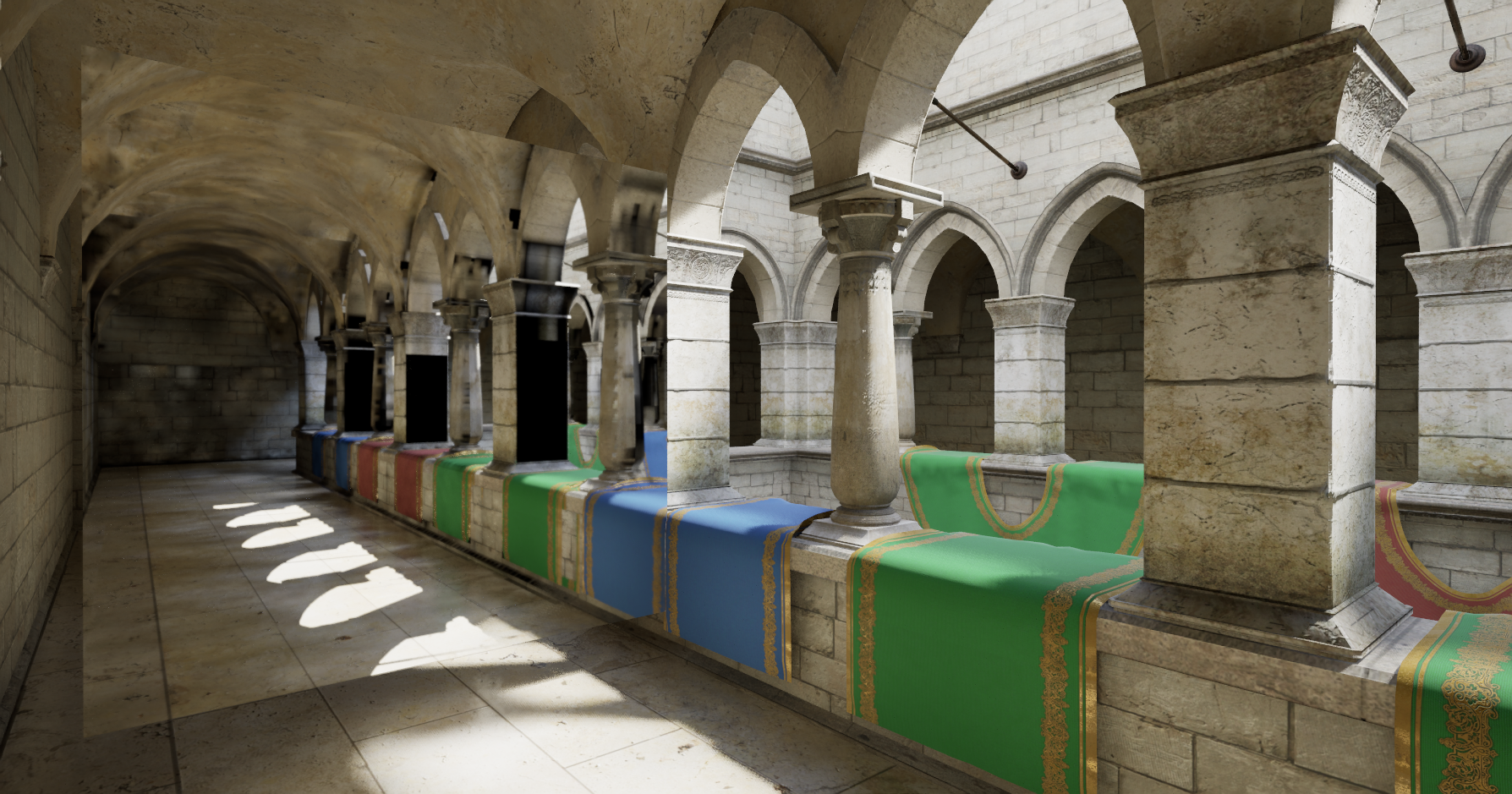
Poor reflection quality due to hybrid approach
|
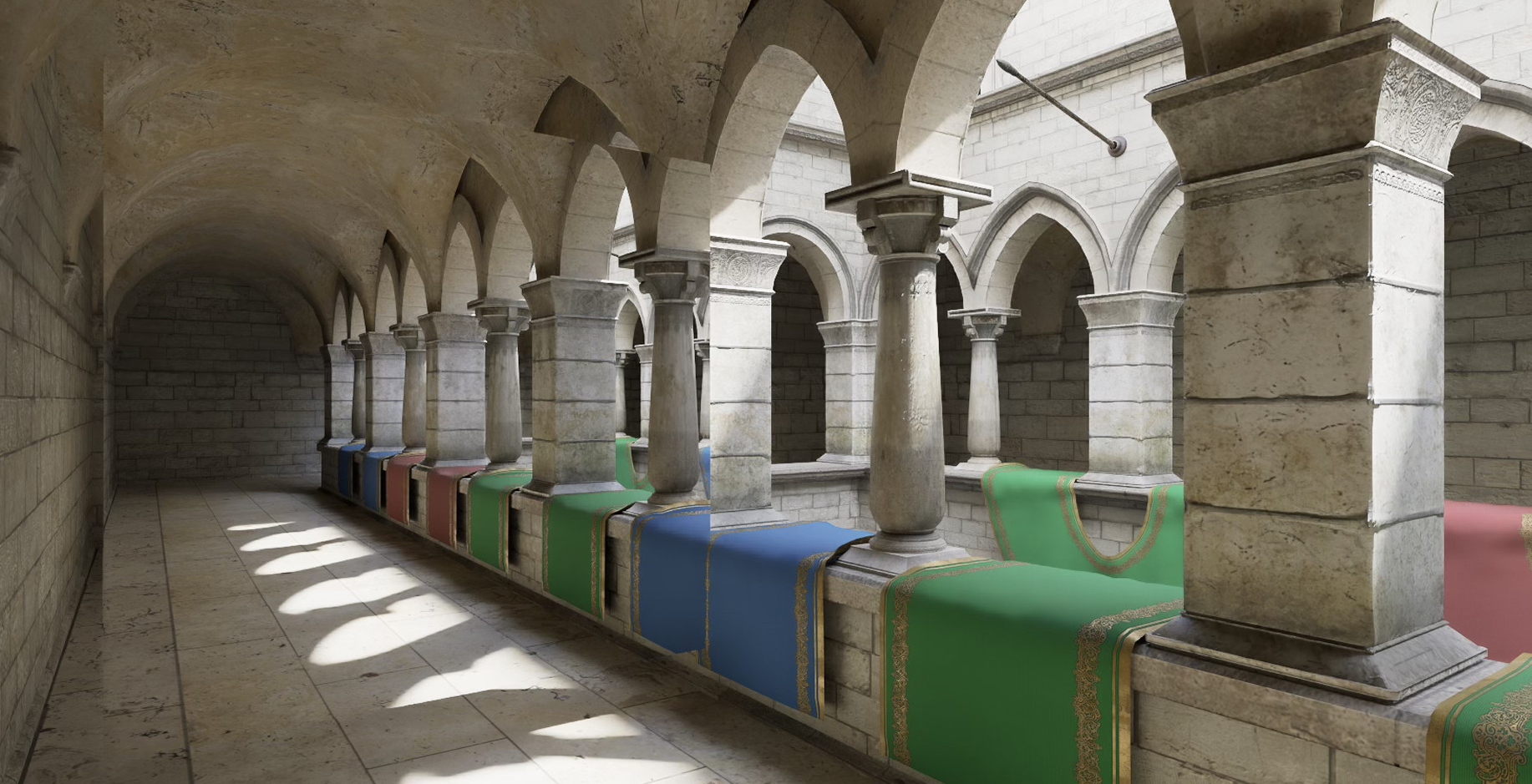
Perfect mirror reflection with full GI and skylight support
|
Final Output (vs UE Path Tracer)
| UE Path Tracer | D5 Engine | |
|---|---|---|
| Noise Level (same 128spp) |
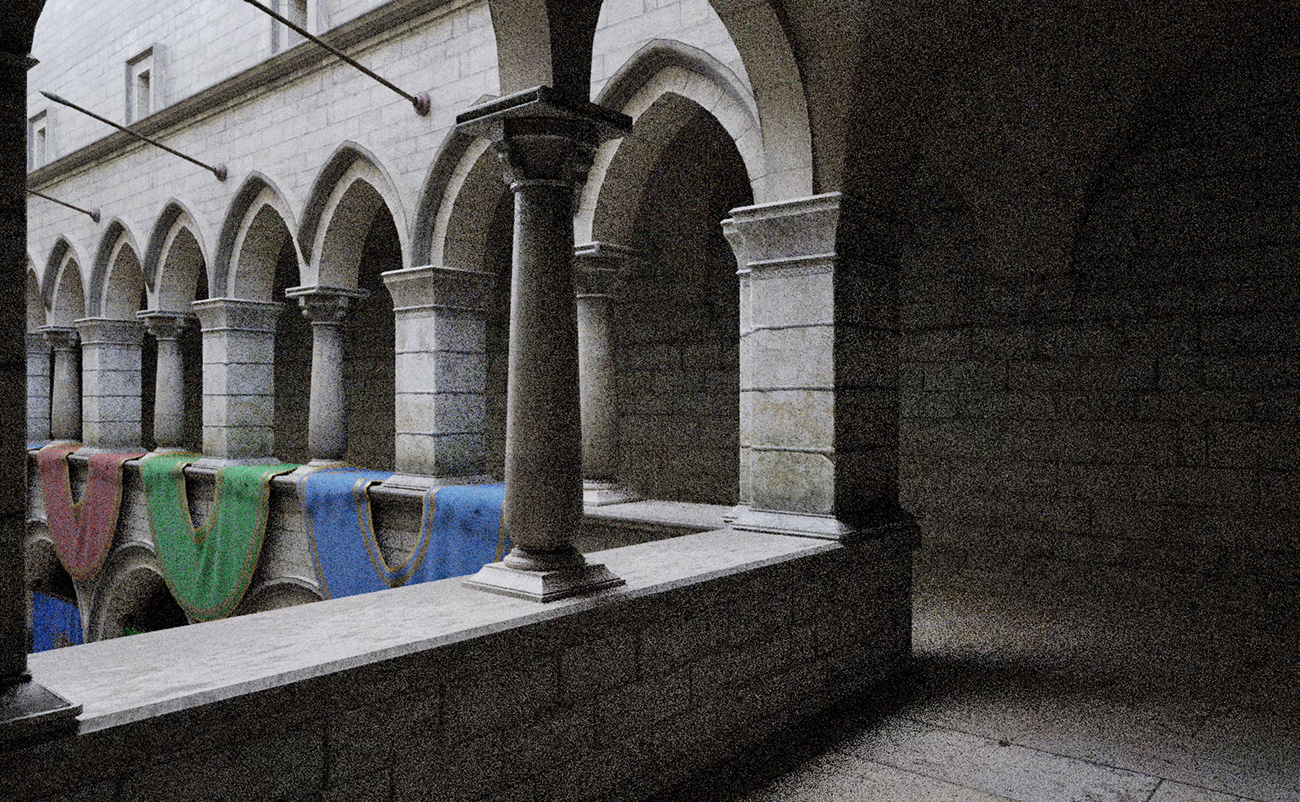
|
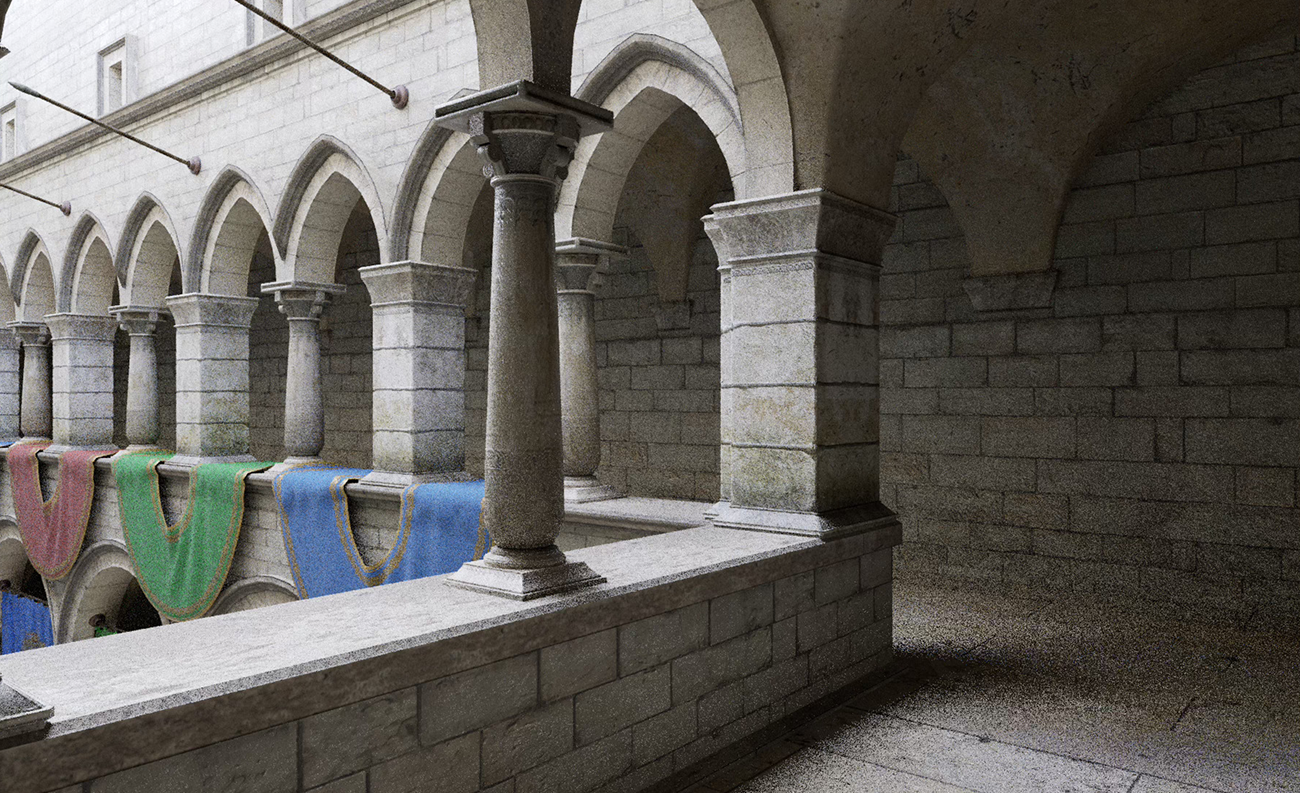
D5 shows less variance and reaches output quality faster
|
| Output Time | D5 Engine converges in seconds during real-time preview, with results nearly identical to final output—so a separate render time comparison isn't necessary. | |
.png)







.png)
1%20(2).png)


















%20(1).png)
.png)

.png)
































.png)
.png)