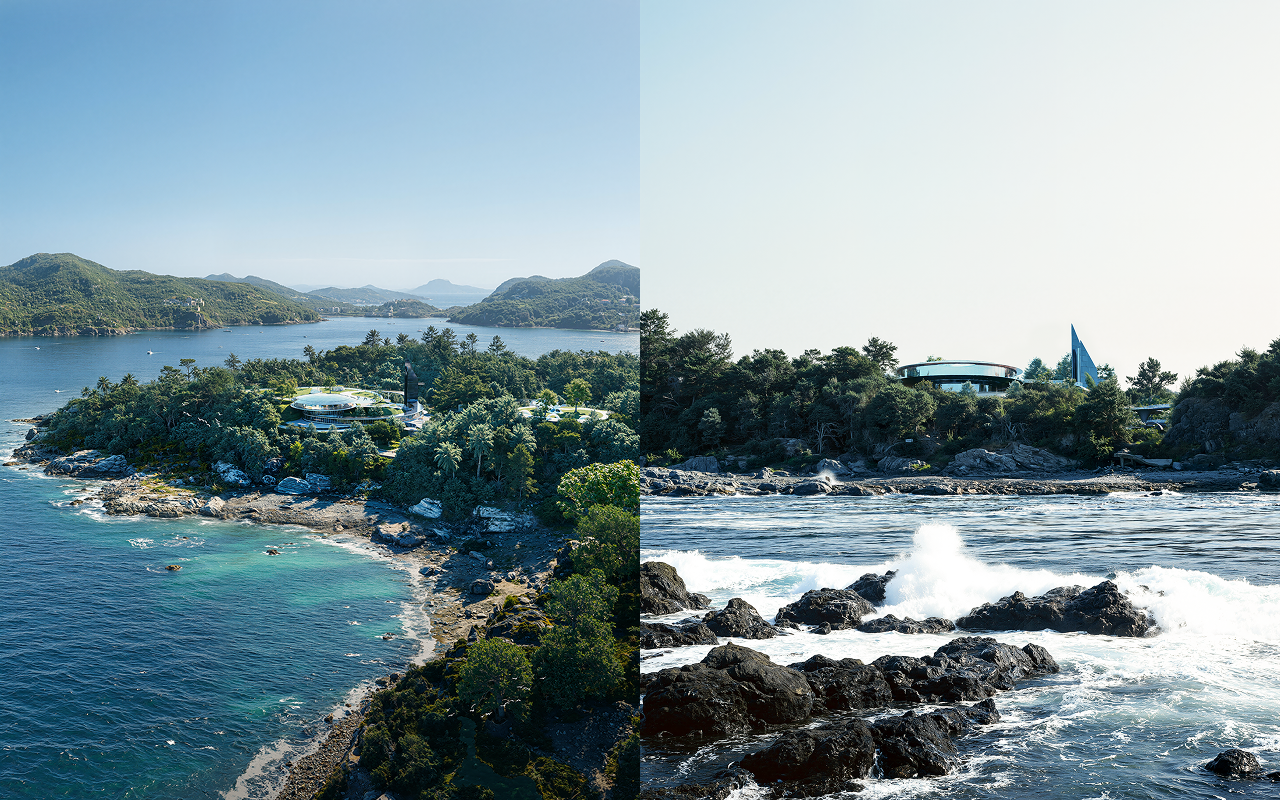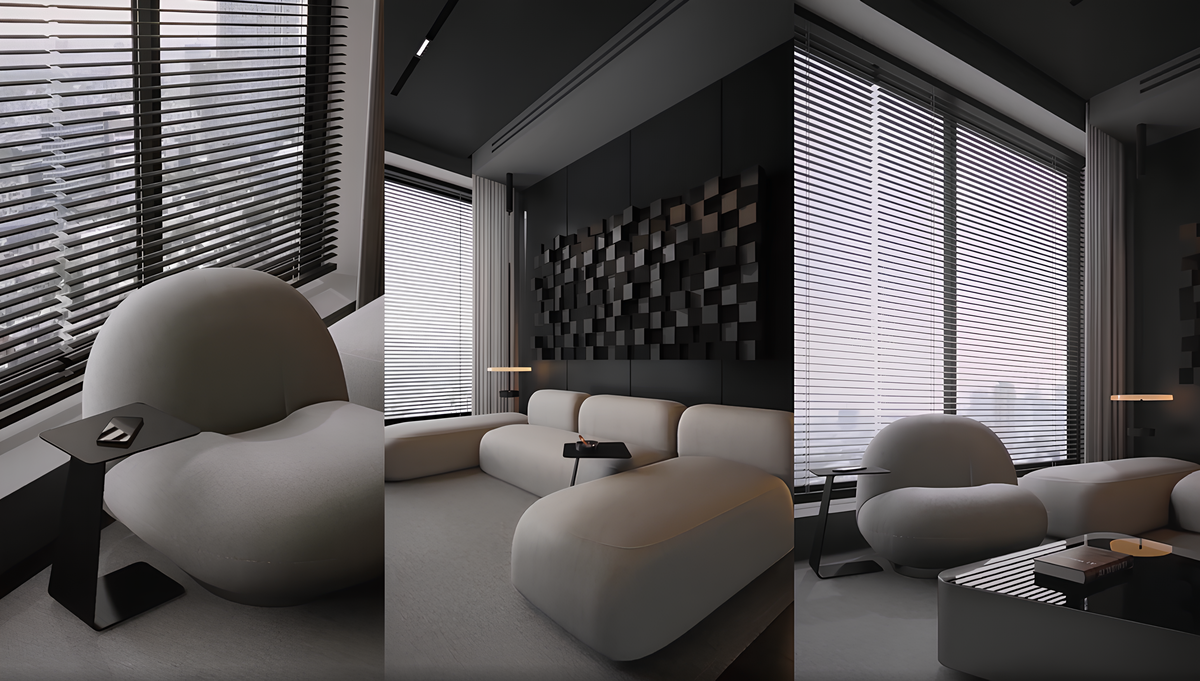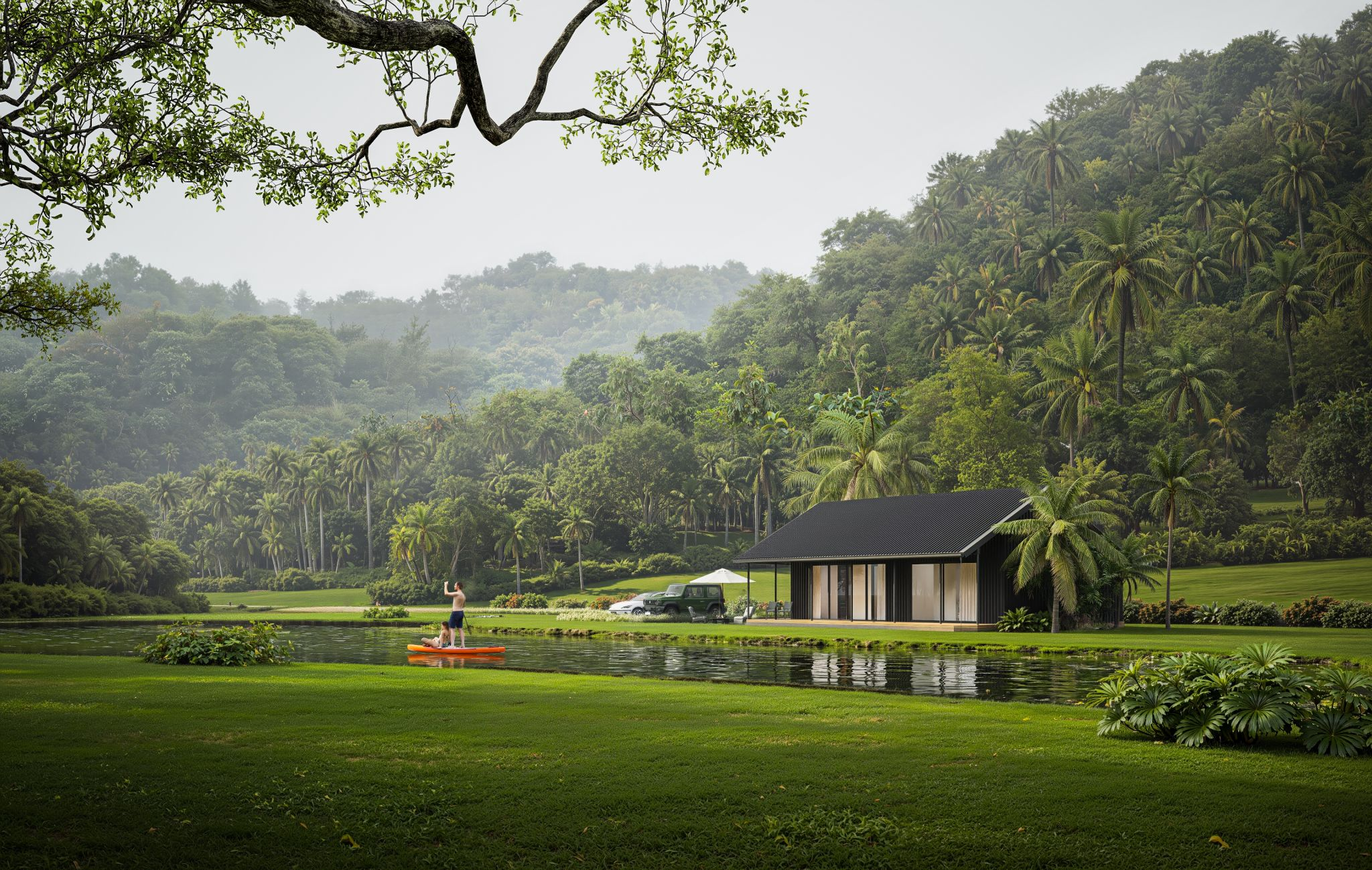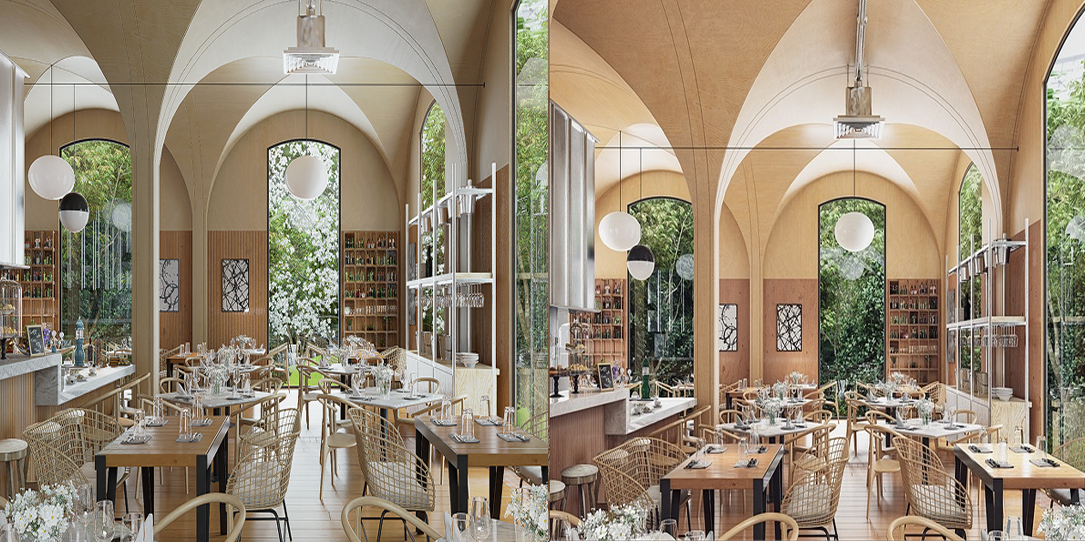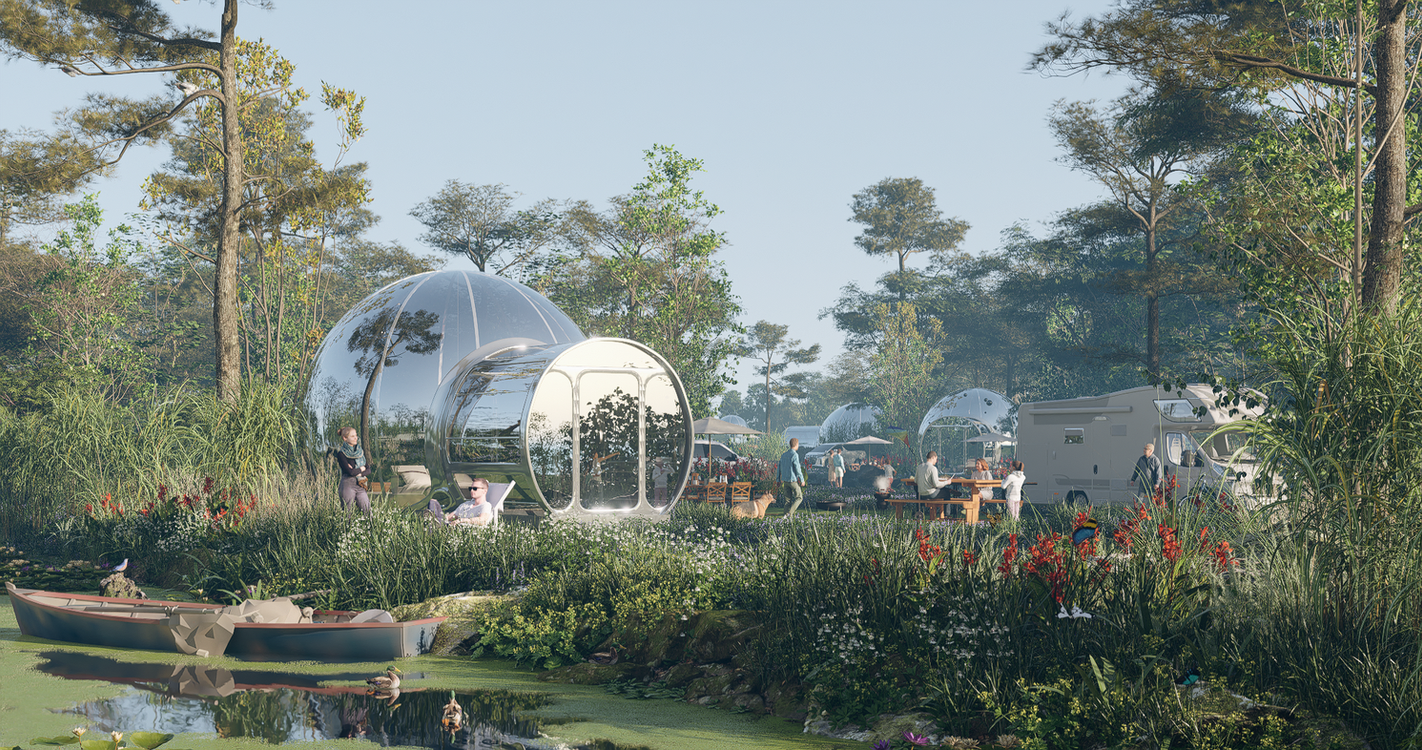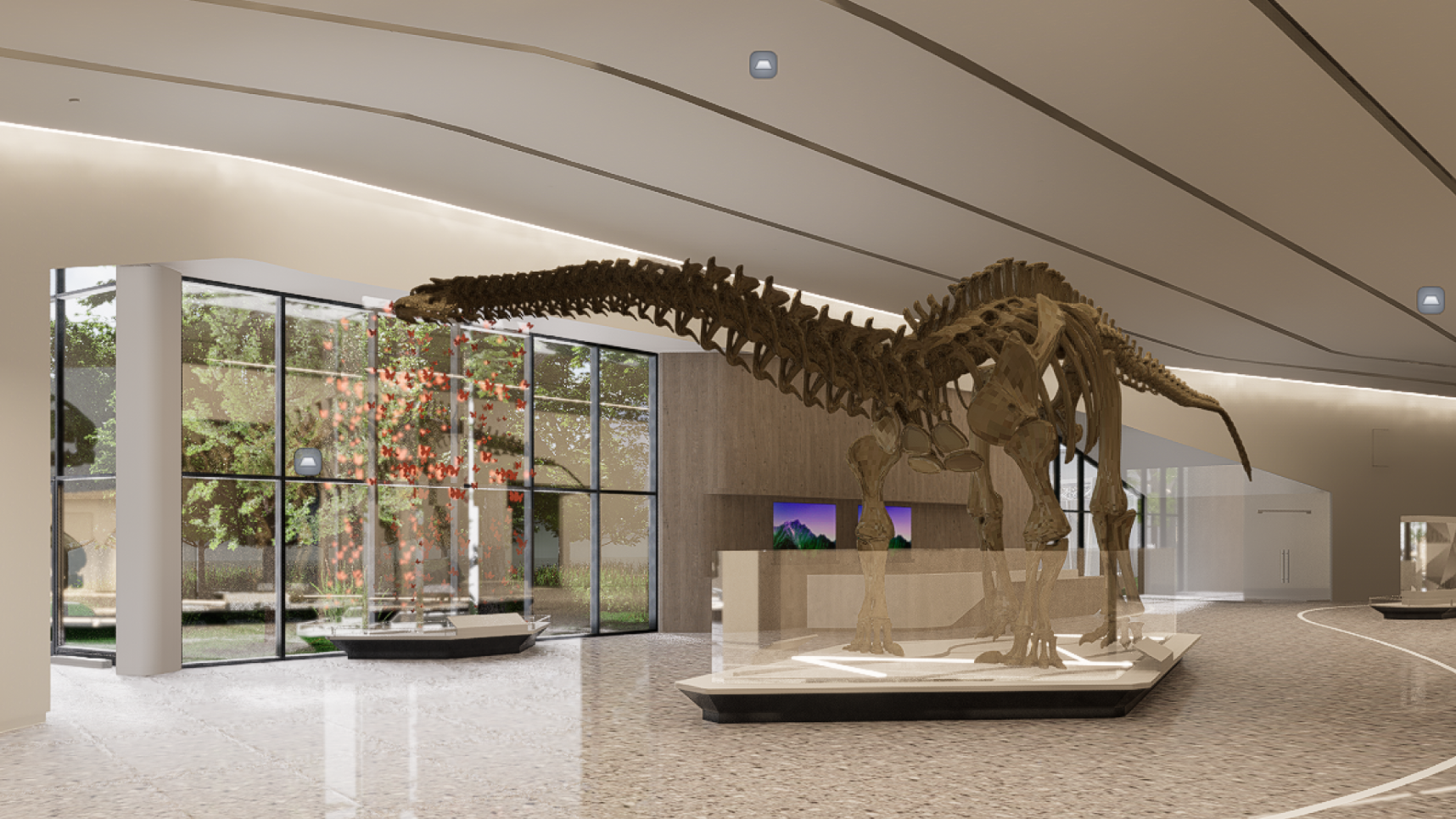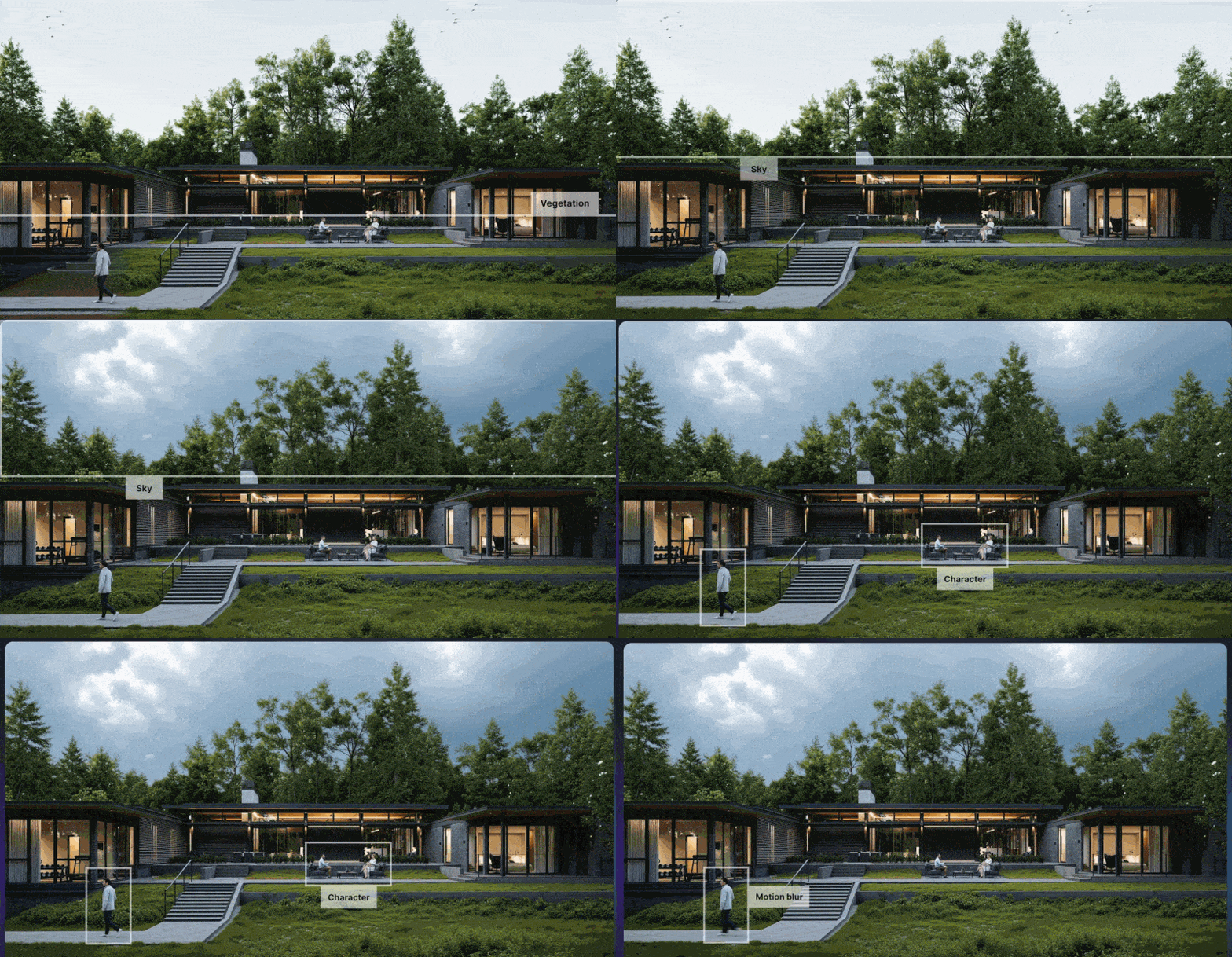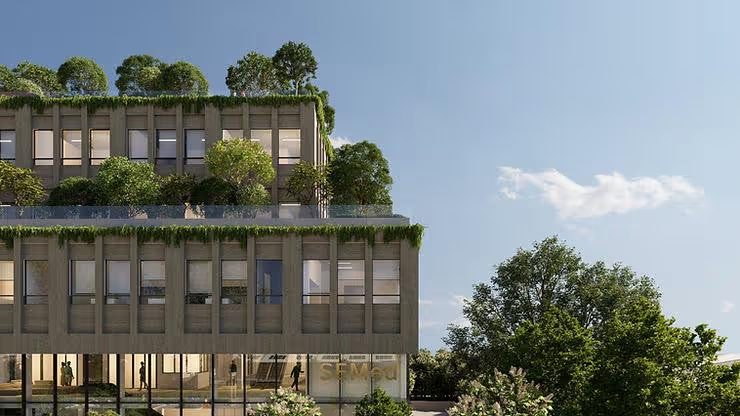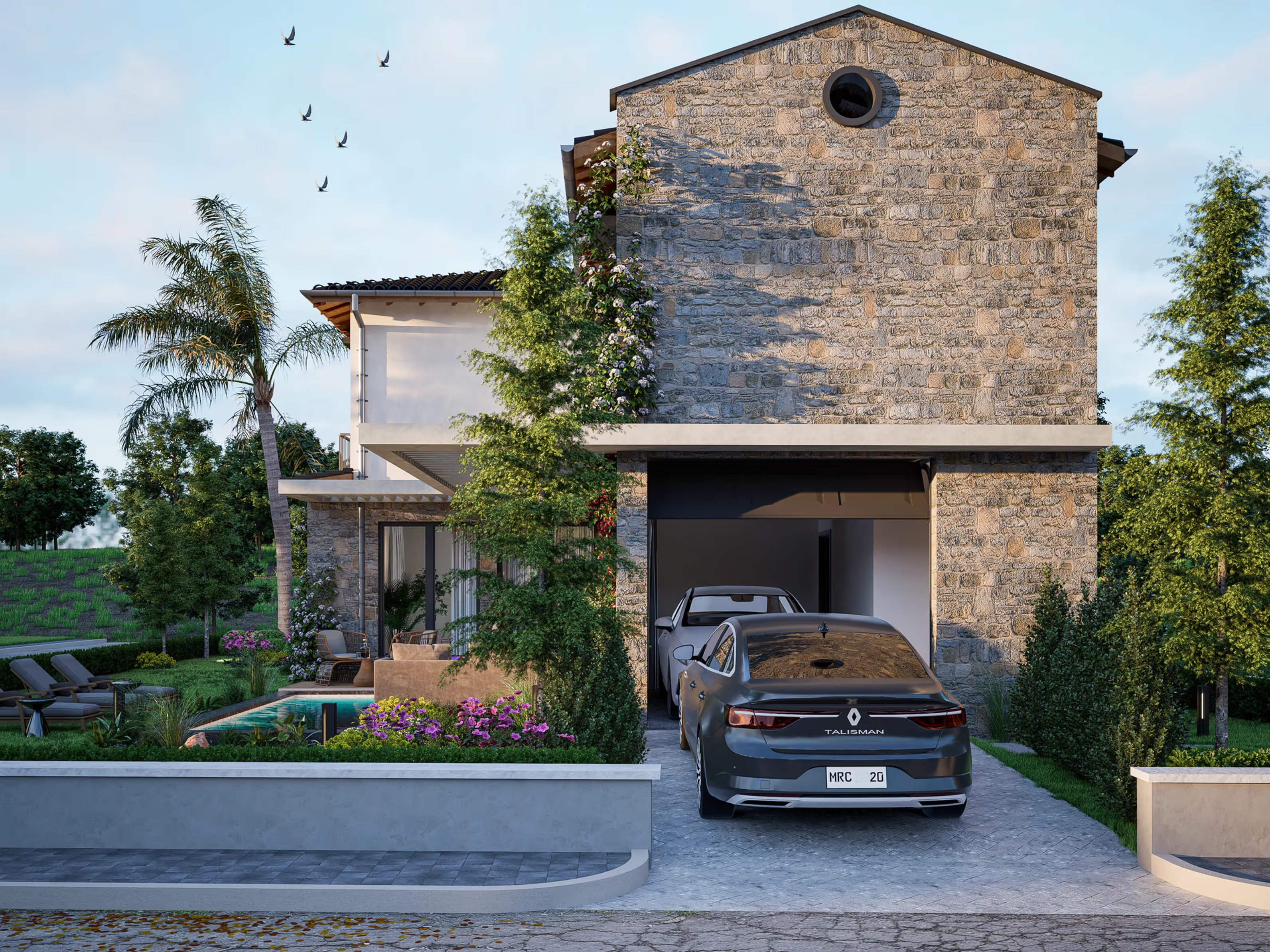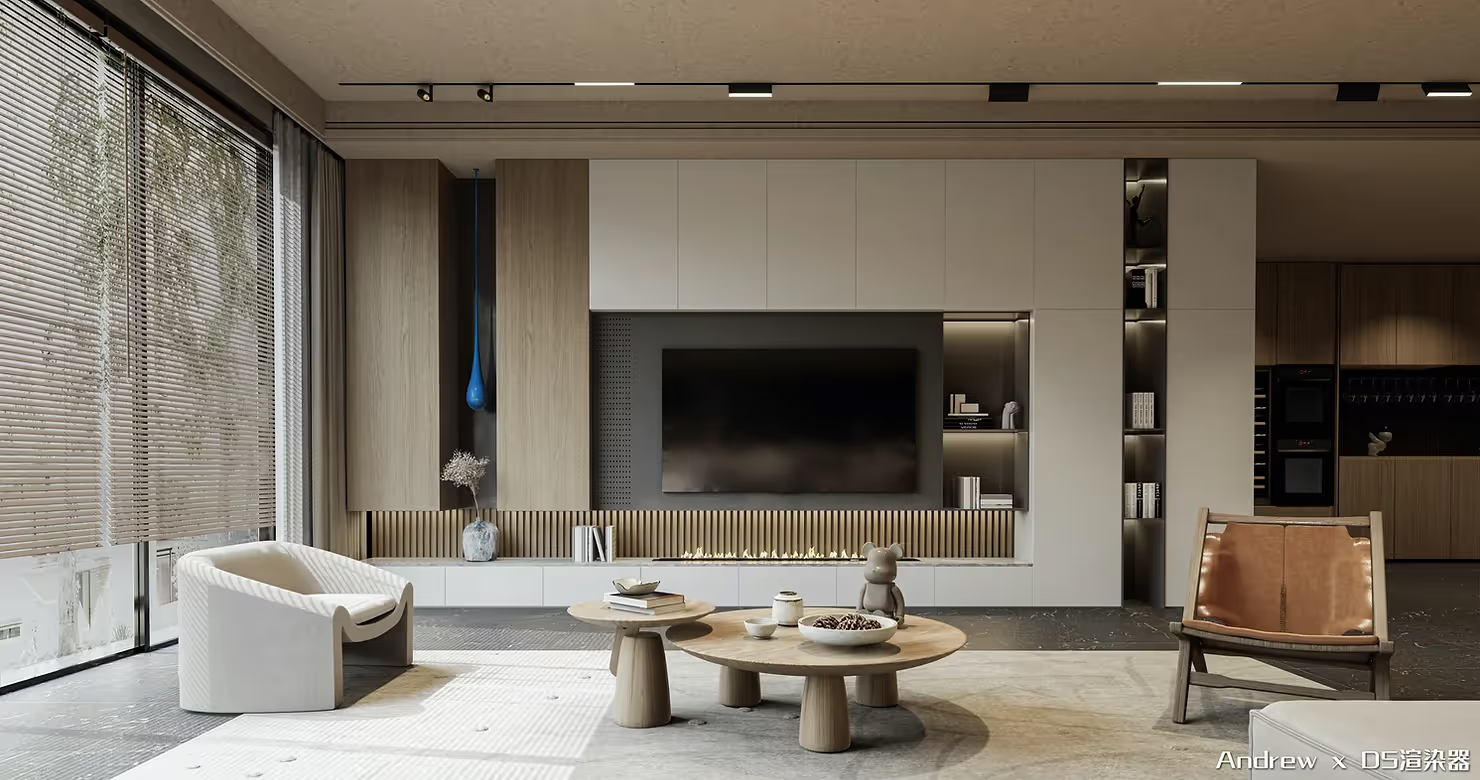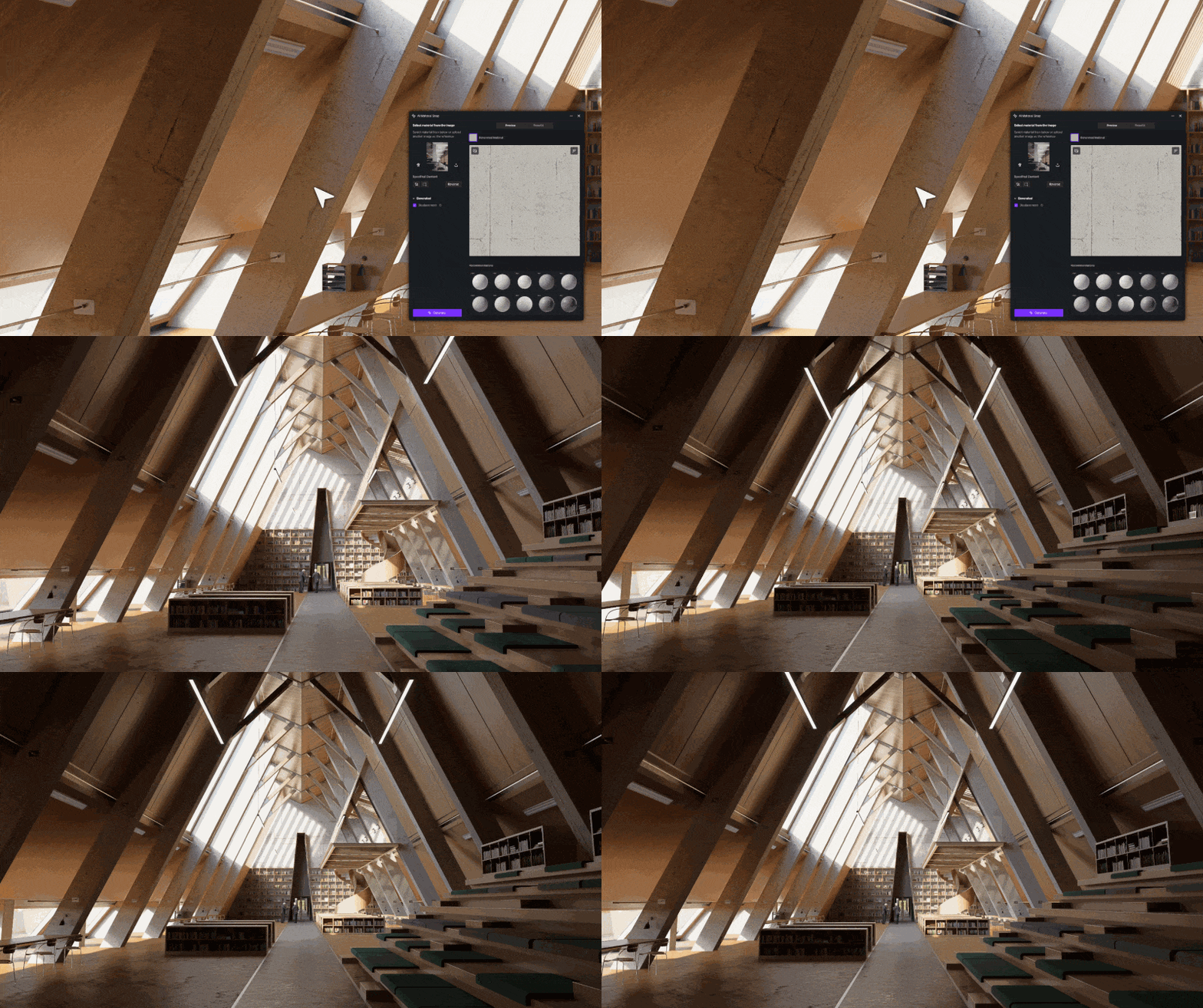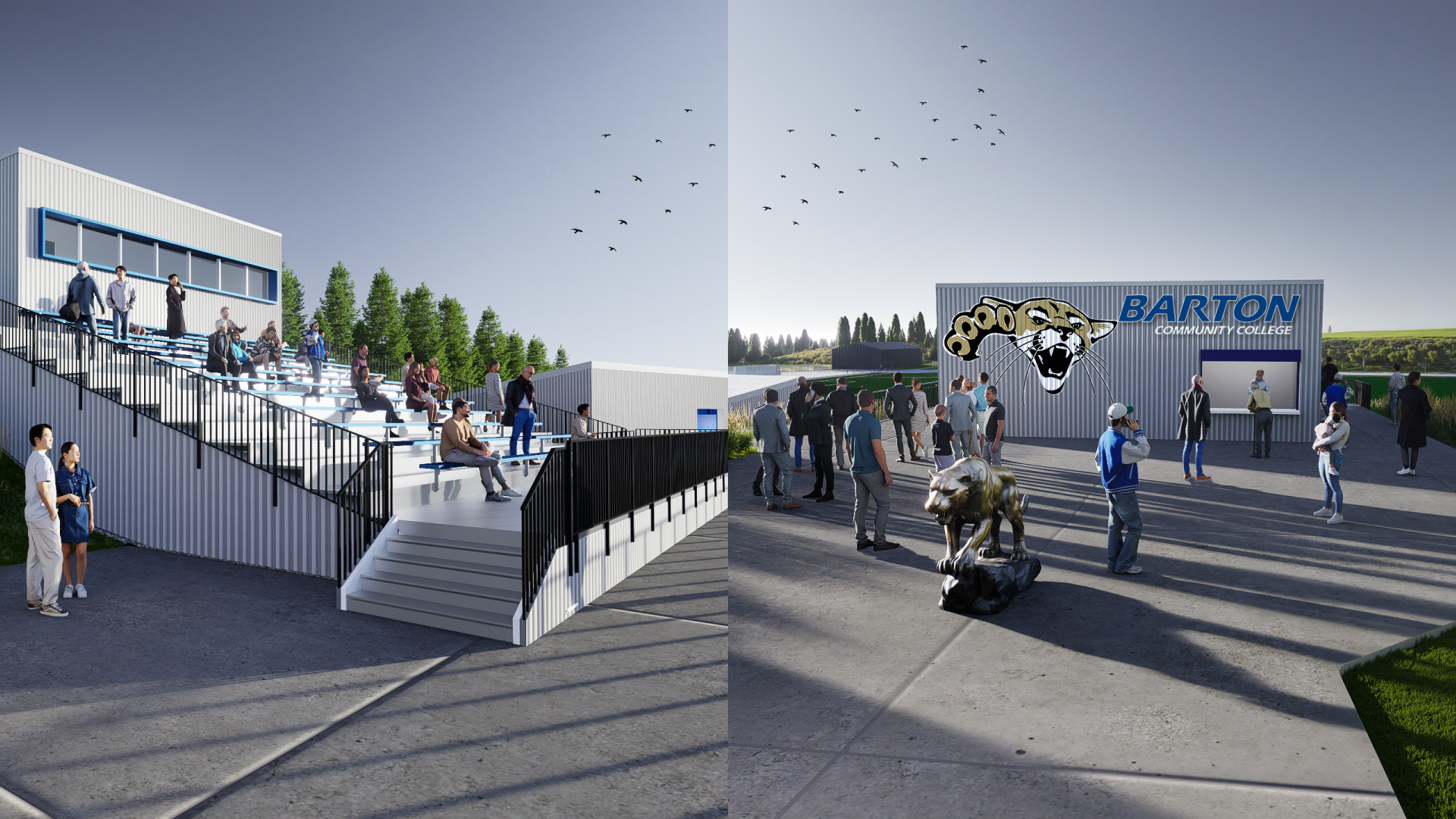


What began as a shift is now becoming visible across the industry.
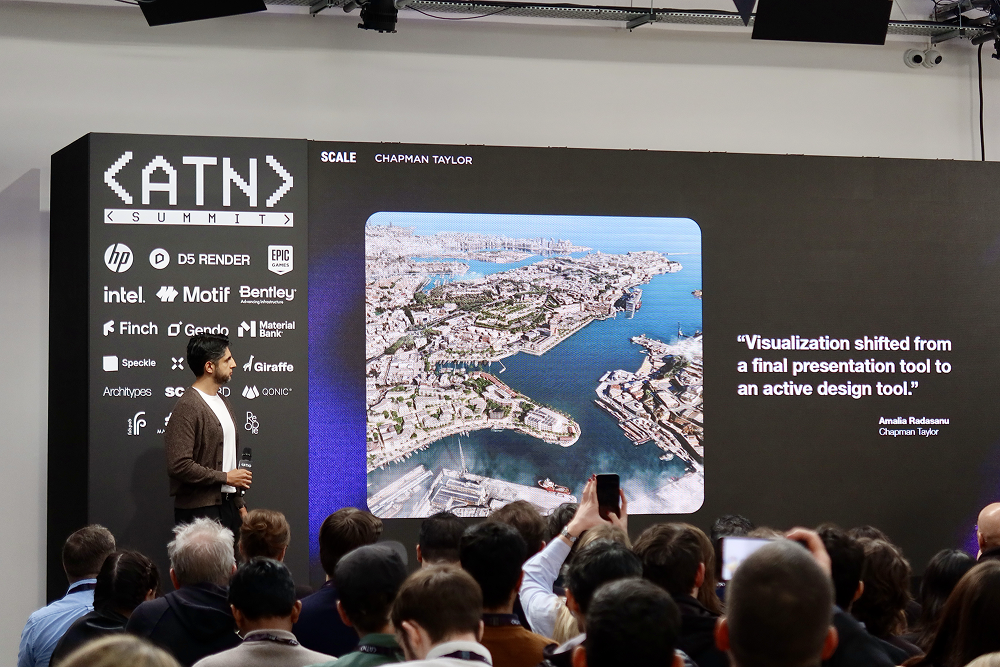
Over the past few months, the conversation around architectural visualization has moved beyond tools and outputs. The question is no longer whether AI or real-time rendering has a place in design workflows—but how deeply it can be embedded into them. In April, that transition became clearer than ever. Across studios, universities, and global platforms, a new pattern is emerging: visualization is no longer a final step. It is becoming part of how architecture is conceived, tested, and communicated from the very beginning.

From AI Tools to Workflow Thinking
The conversation around AI continues to evolve—but more importantly, it is becoming more grounded.
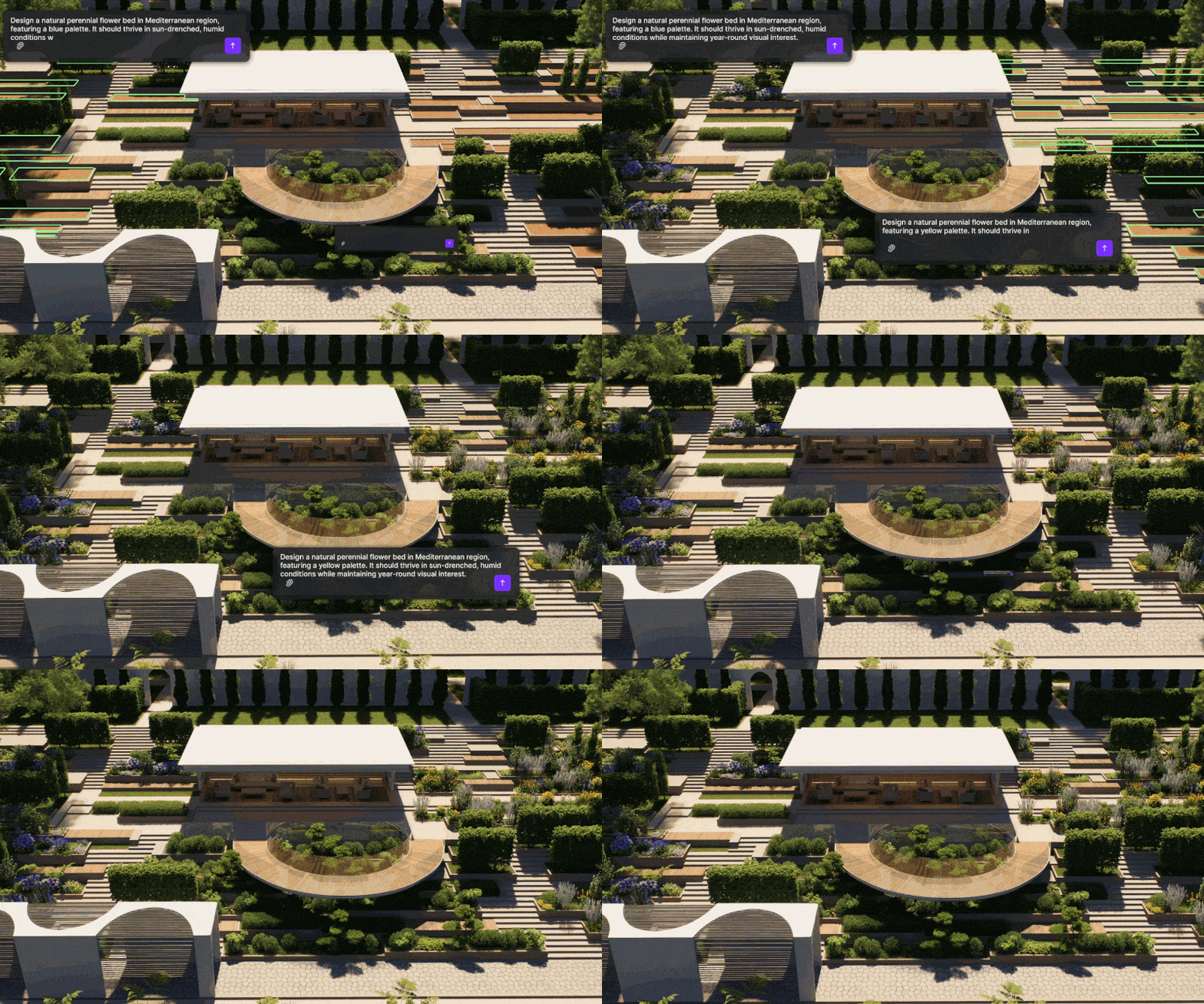
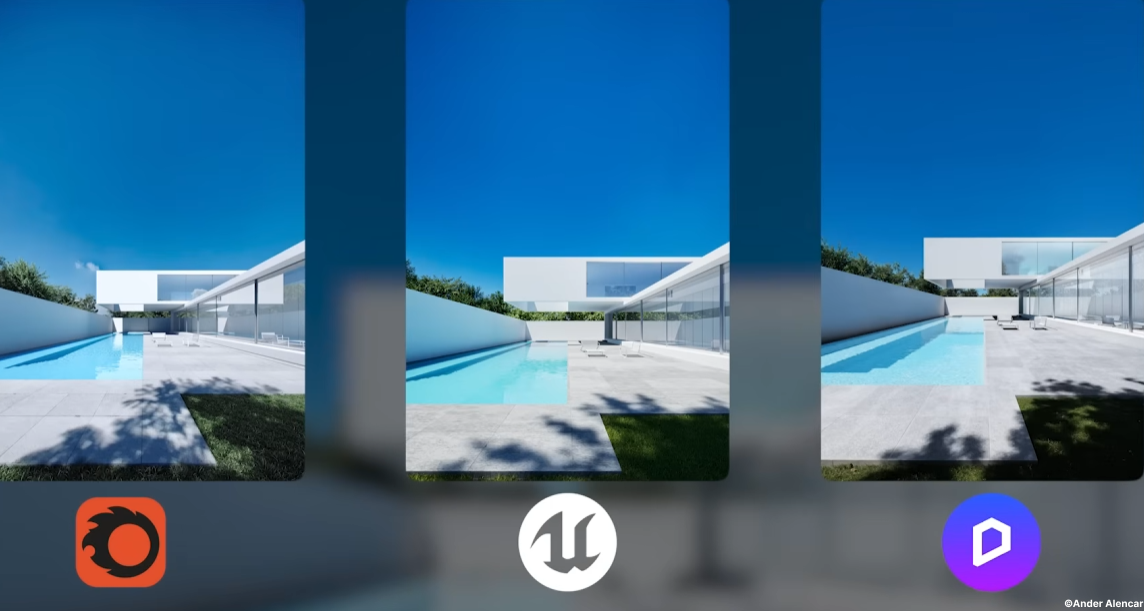
In the session D5 Render vs Nano Banana, the discussion moved beyond comparing outputs and into something more fundamental: the difference between generating images and developing design. While image-generation tools offer speed and inspiration, real-time workflows remain essential for iteration, spatial control, and decision-making.
This shift in perspective is not isolated. In Latin America, Diseñar con InteligencIA focused on how AI can be embedded directly into the design workflow, transforming fragmented processes into a continuous flow.
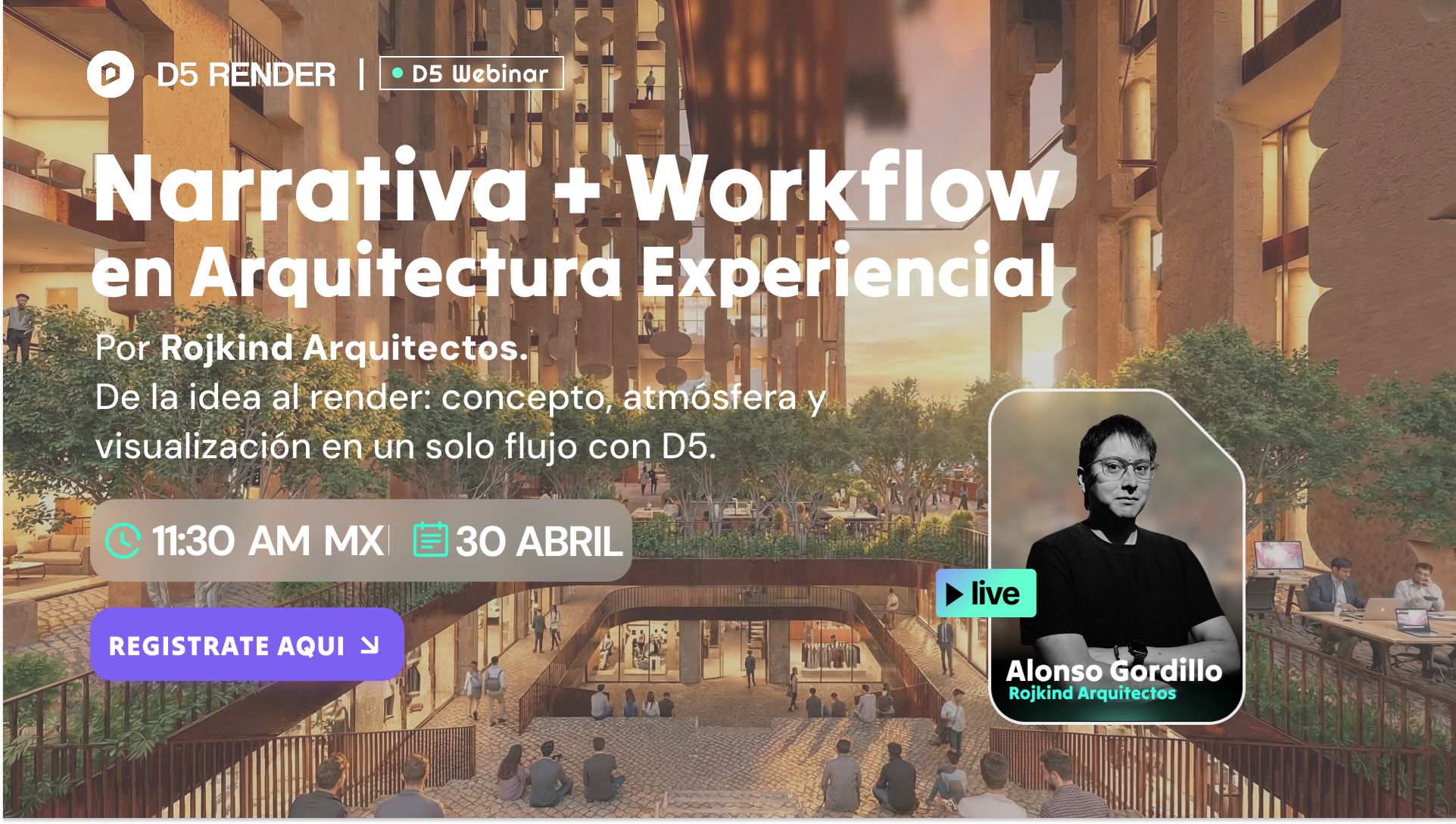
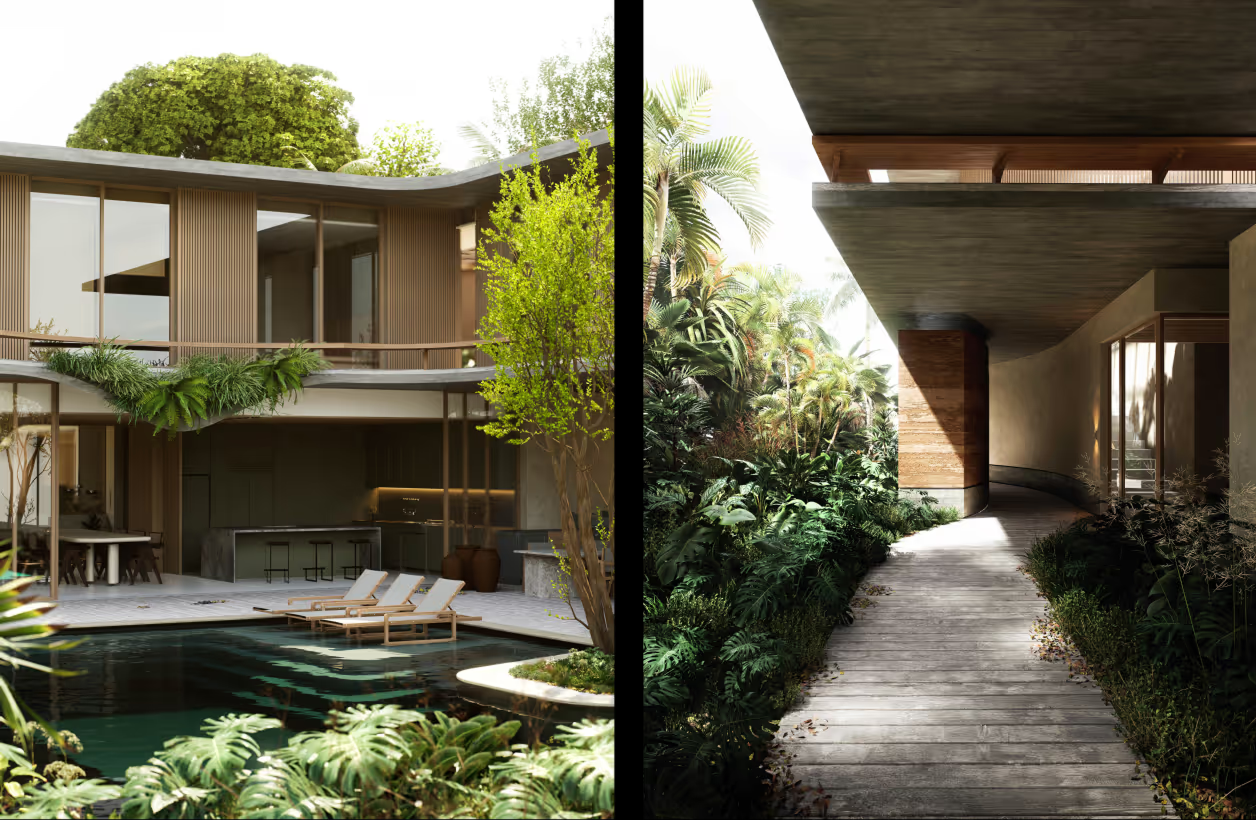
And the upcoming session Narrativa + Workflow en Arquitectura Experiencial with Alonso Gordillo from Rojkind Arquitectos reflects a growing alignment between storytelling and workflow—two aspects that were often treated separately.
Read Rojkind case study here →

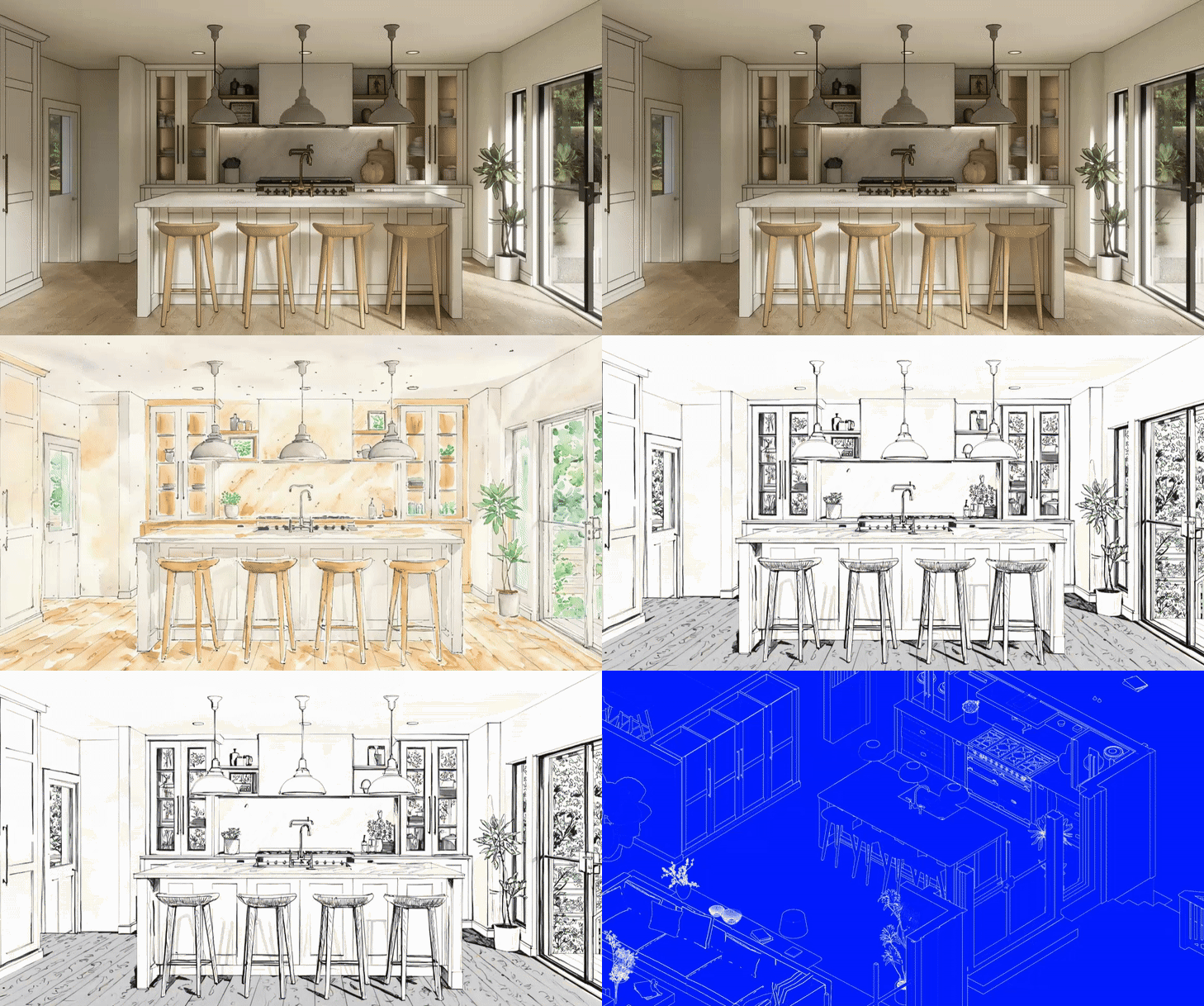
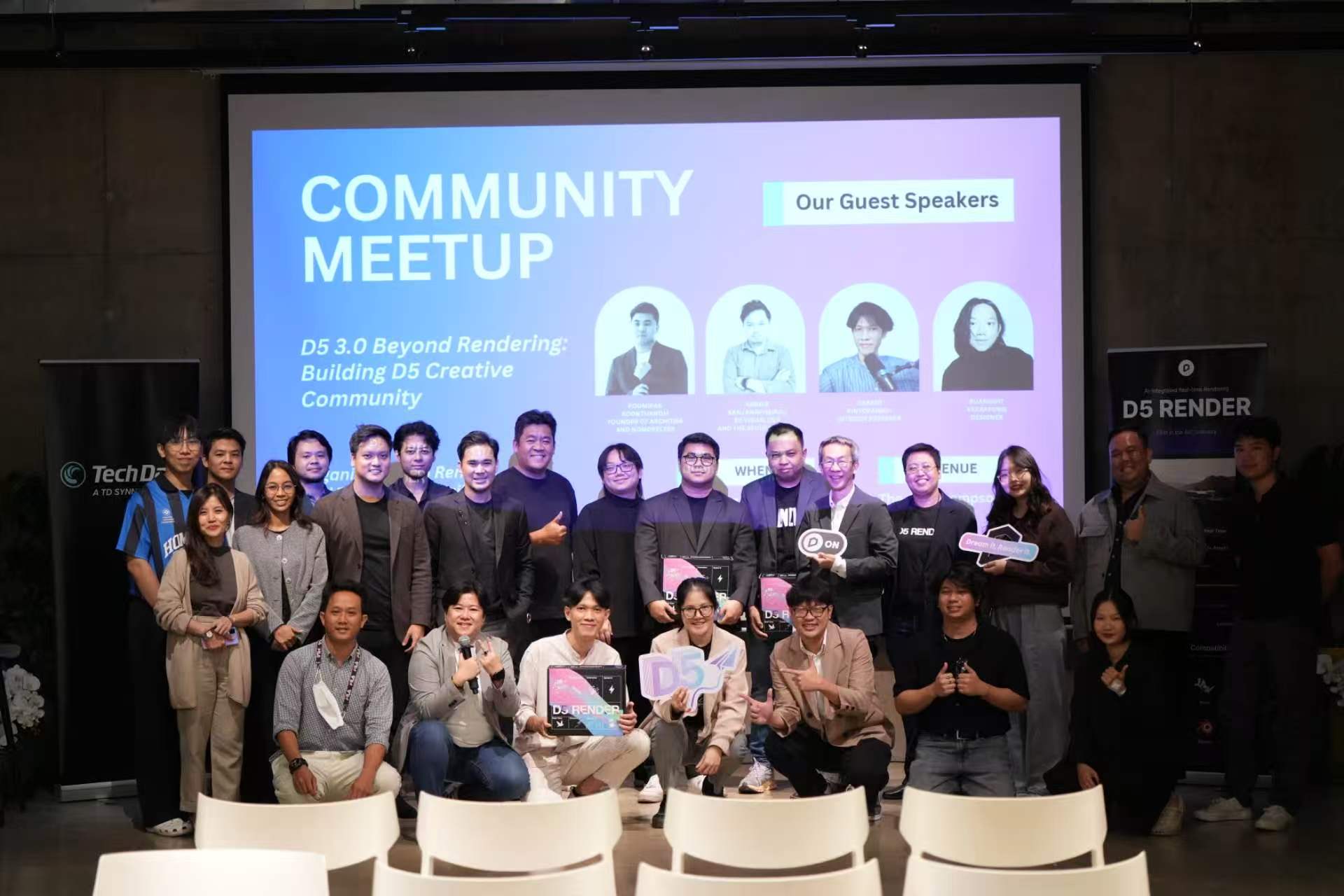
Even at the workflow level, this direction is becoming clearer. In the upcoming webinar on April 29, we'll explore how end-to-end interior workflow can transforms your Archicad models into presentation-ready visuals—without the technical friction.
D5 Pro codes are available for live attendees(first come, first served)—join us on the day to secure your trial.
Across all of these conversations, the focus is no longer on individual tools, but on how they connect into a single, continuous process.
Visualization as Part of Design Thinking
As workflows become more integrated, the role of visualization itself is changing.

At CetraRuddy, visualization plays a similar role. Rather than serving as a presentation layer, it becomes a tool for testing ideas, aligning teams, and shaping decisions earlier in the process.
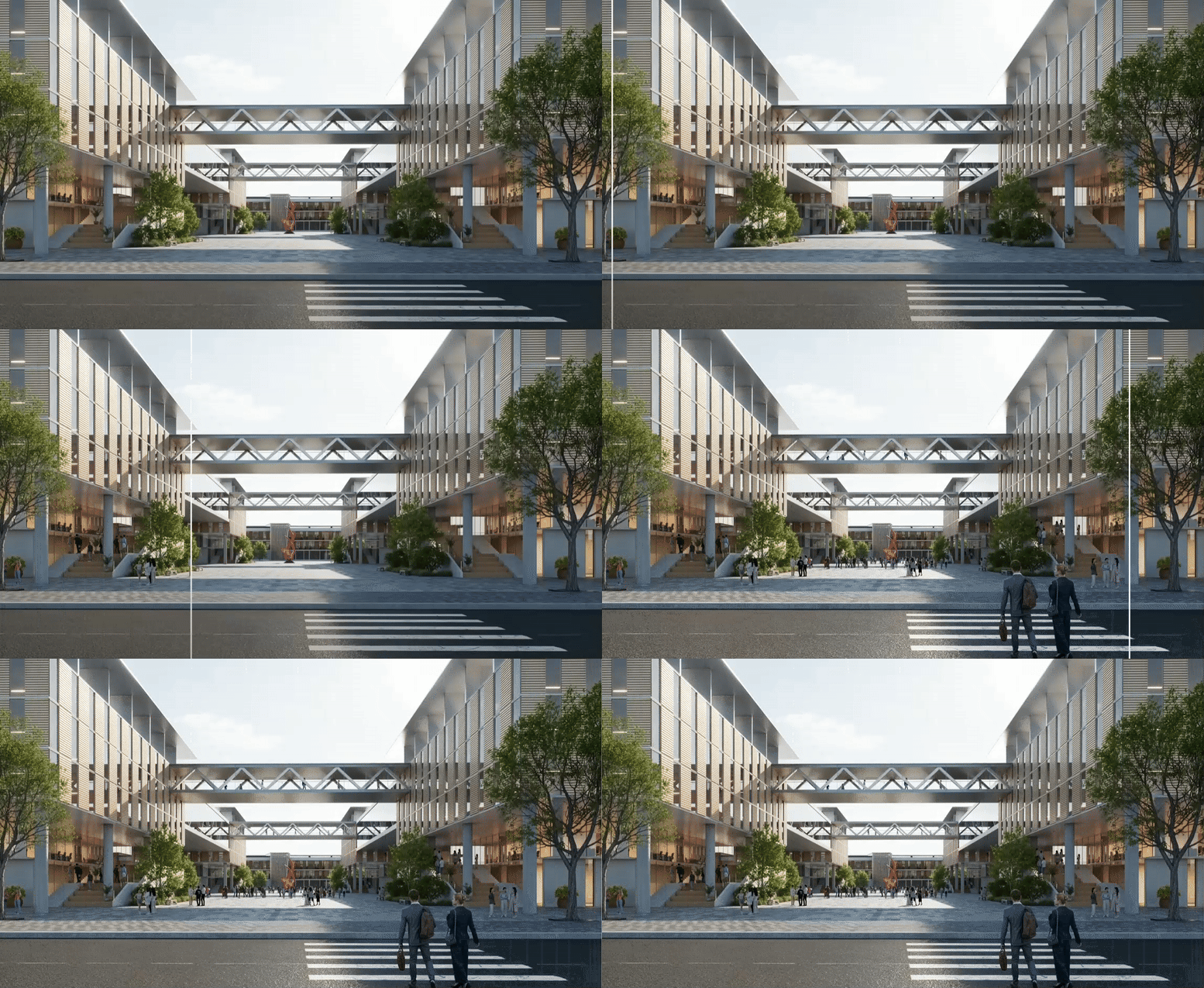
And what begins at the level of workflow quickly expands into how teams operate. At Junglim Architecture, real-time visualization supports a wider transformation in how teams collaborate and deliver projects.
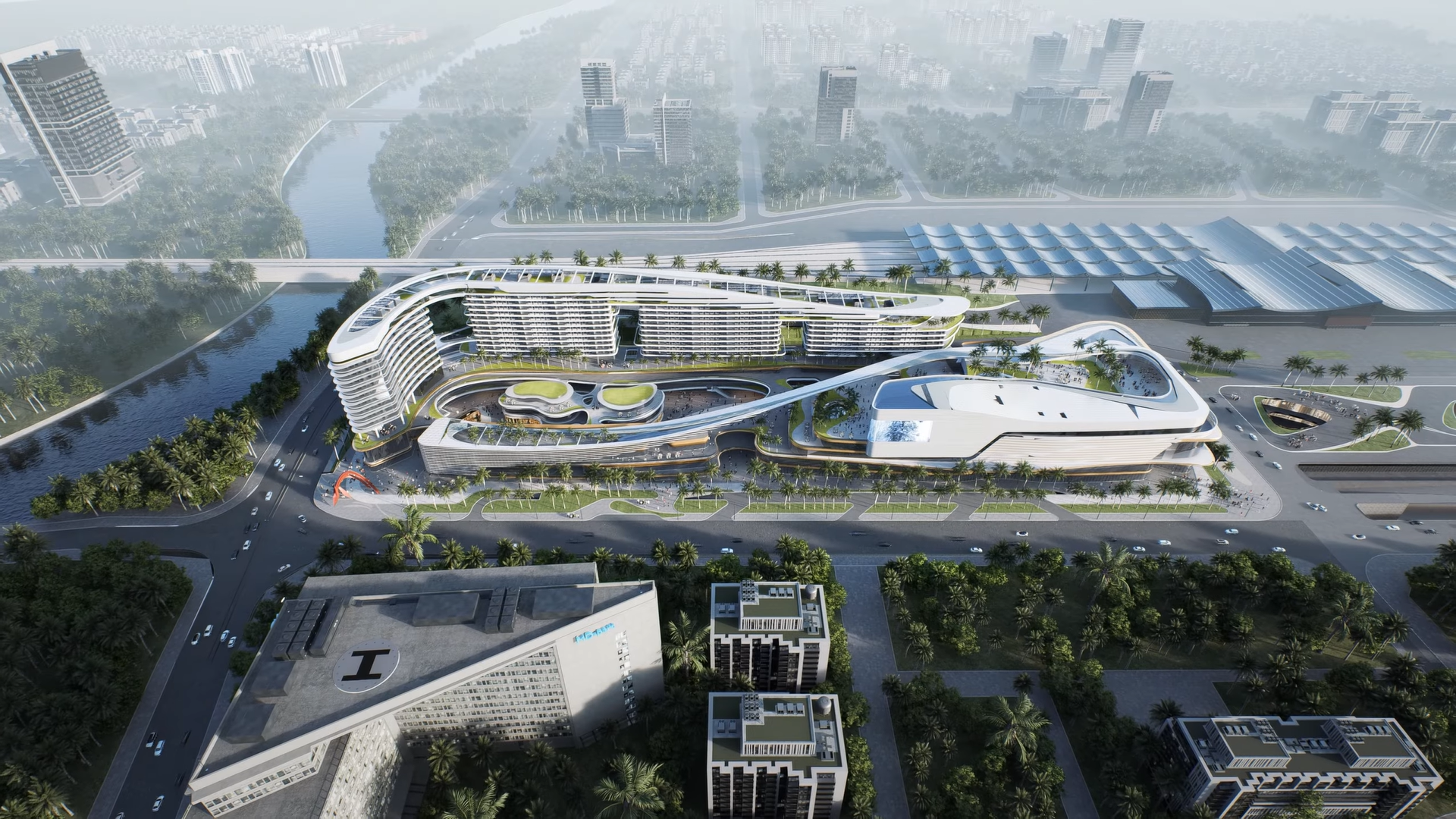
Similarly, WilkinsonEyre integrates AI and real-time workflows into complex design processes, enabling faster iteration and more responsive collaboration.

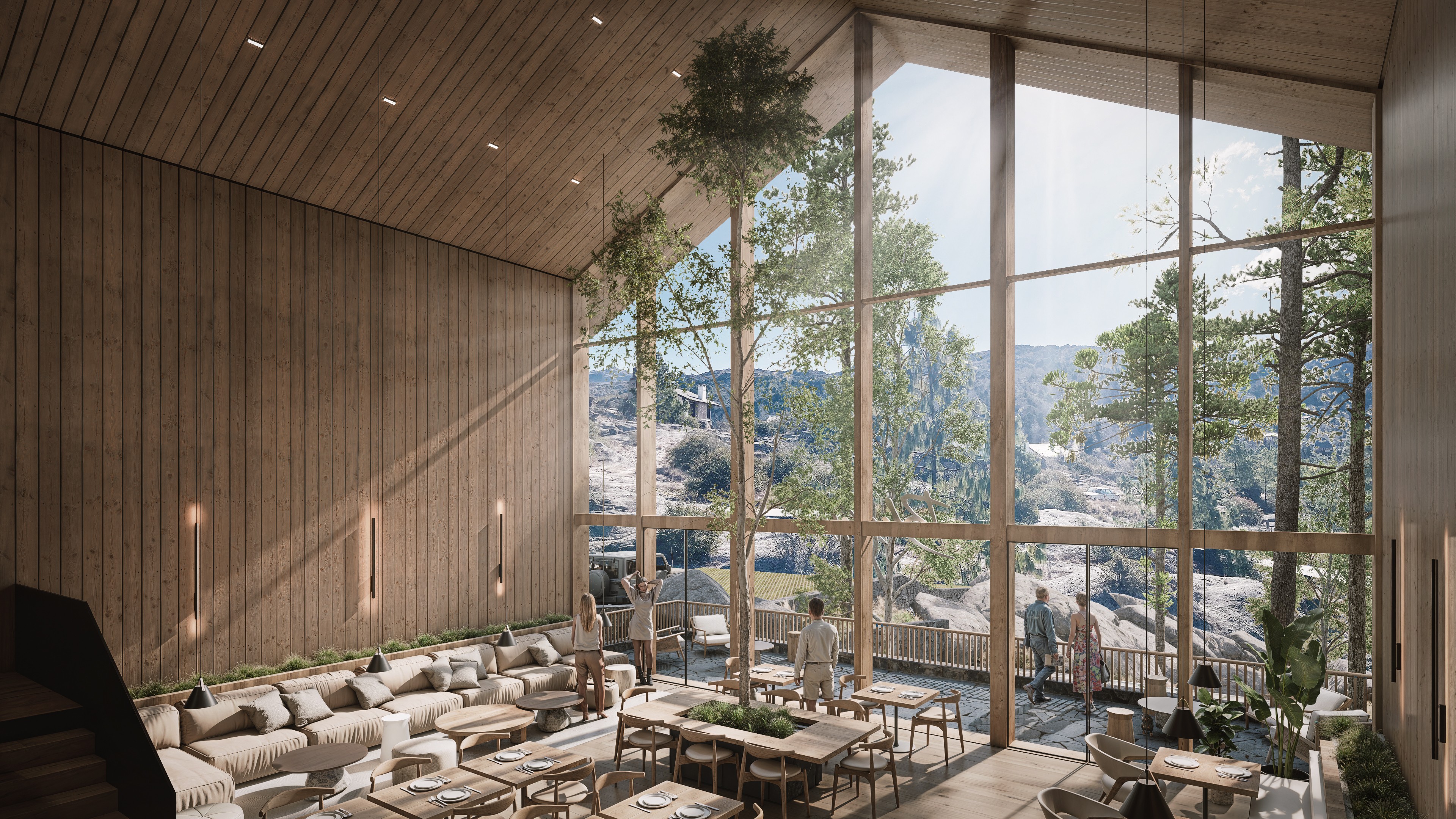
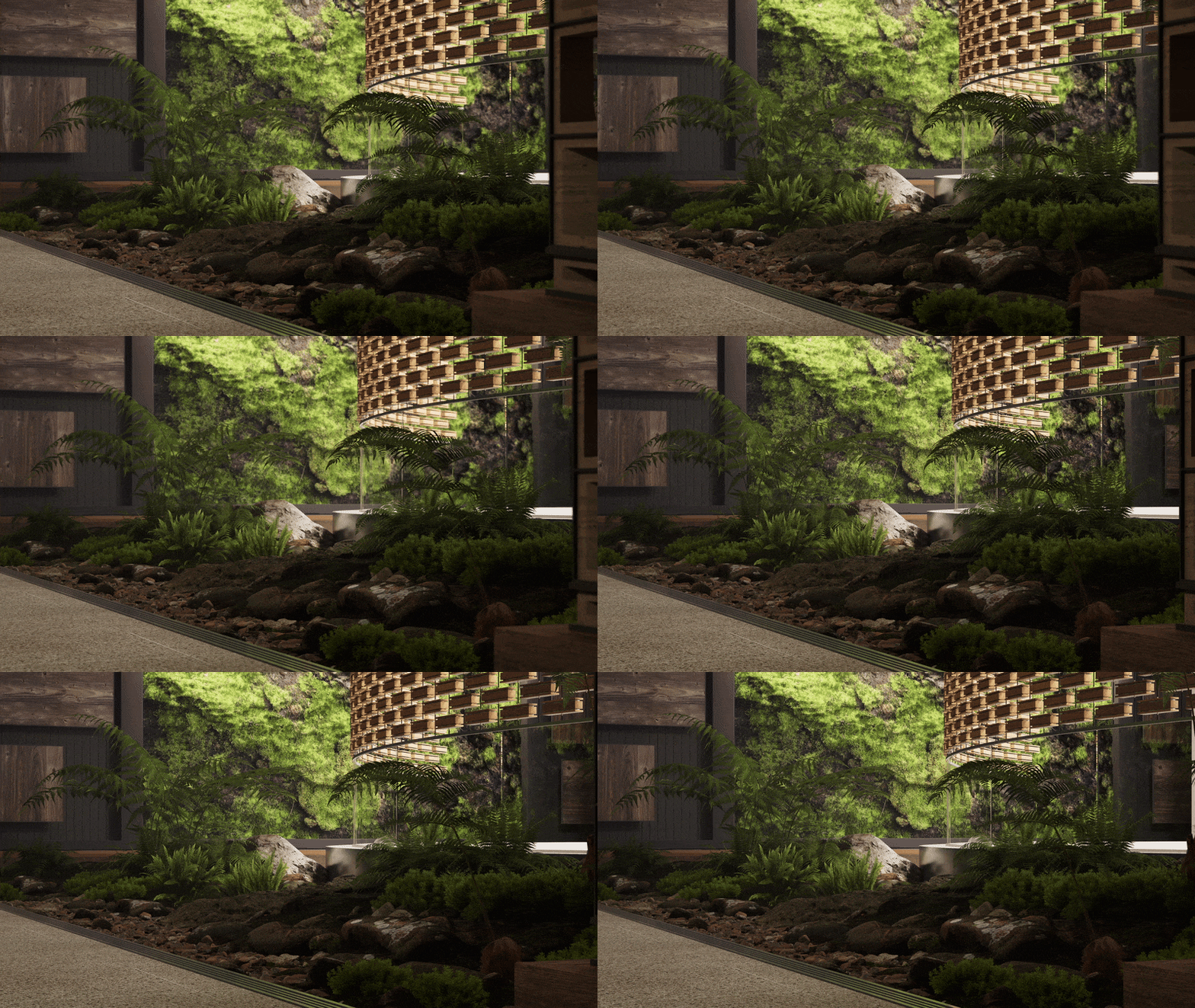
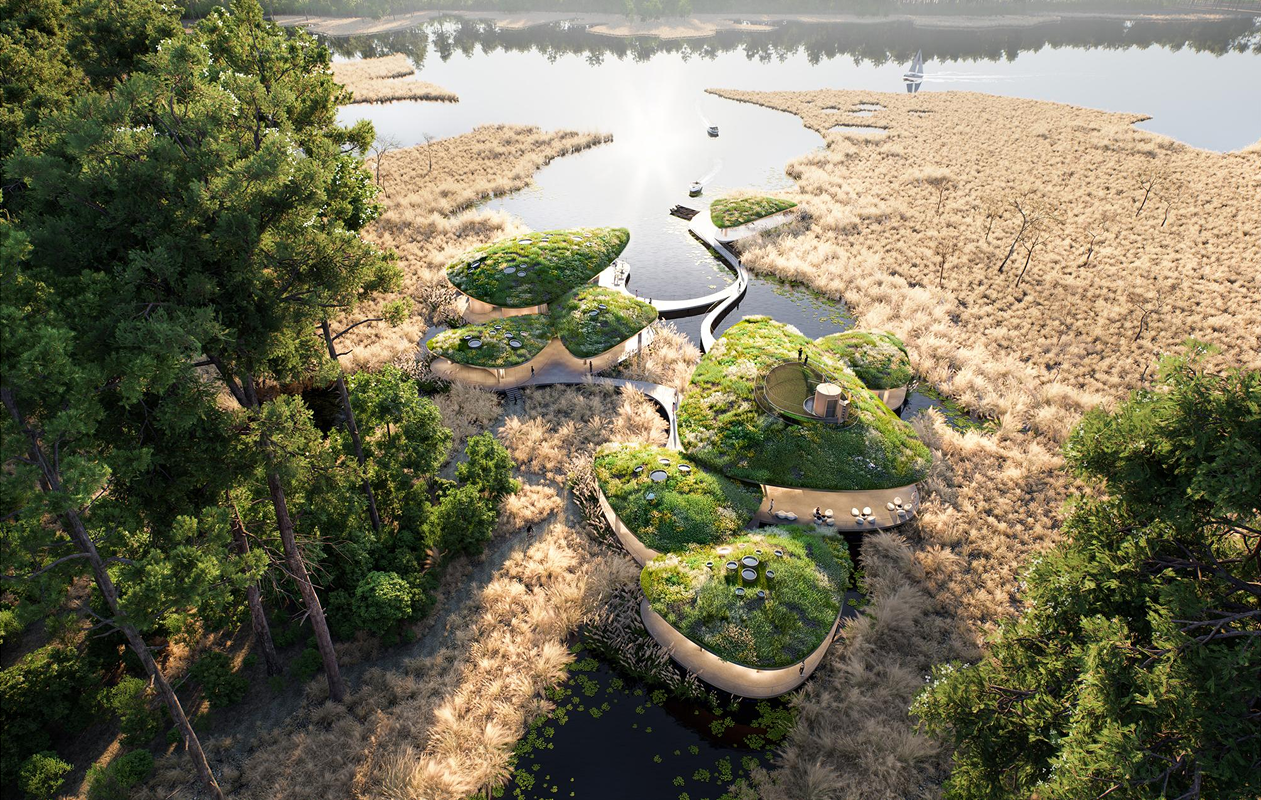
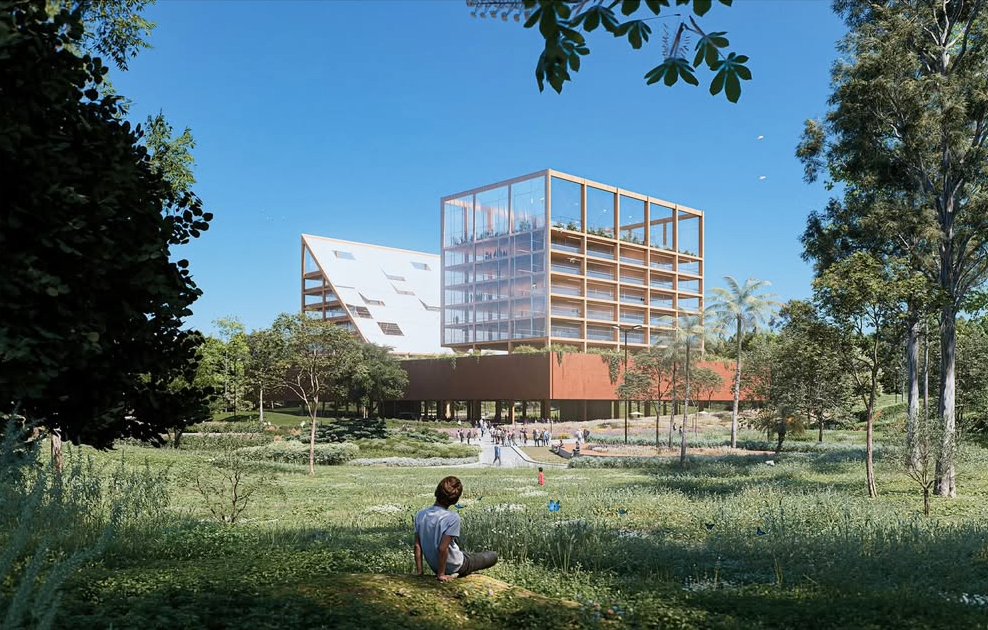
At AODK, teams are using D5 collaboratively to visualize biophilic design concepts in real time, aligning environmental intent with design decisions as they happen.
What ties all of these together is that none of them treat rendering as a final decorative stage. They show visualization acting as an operational layer inside design culture.
Expanding the Workflow Across Practice
April’s content reinforces this transition from multiple angles.
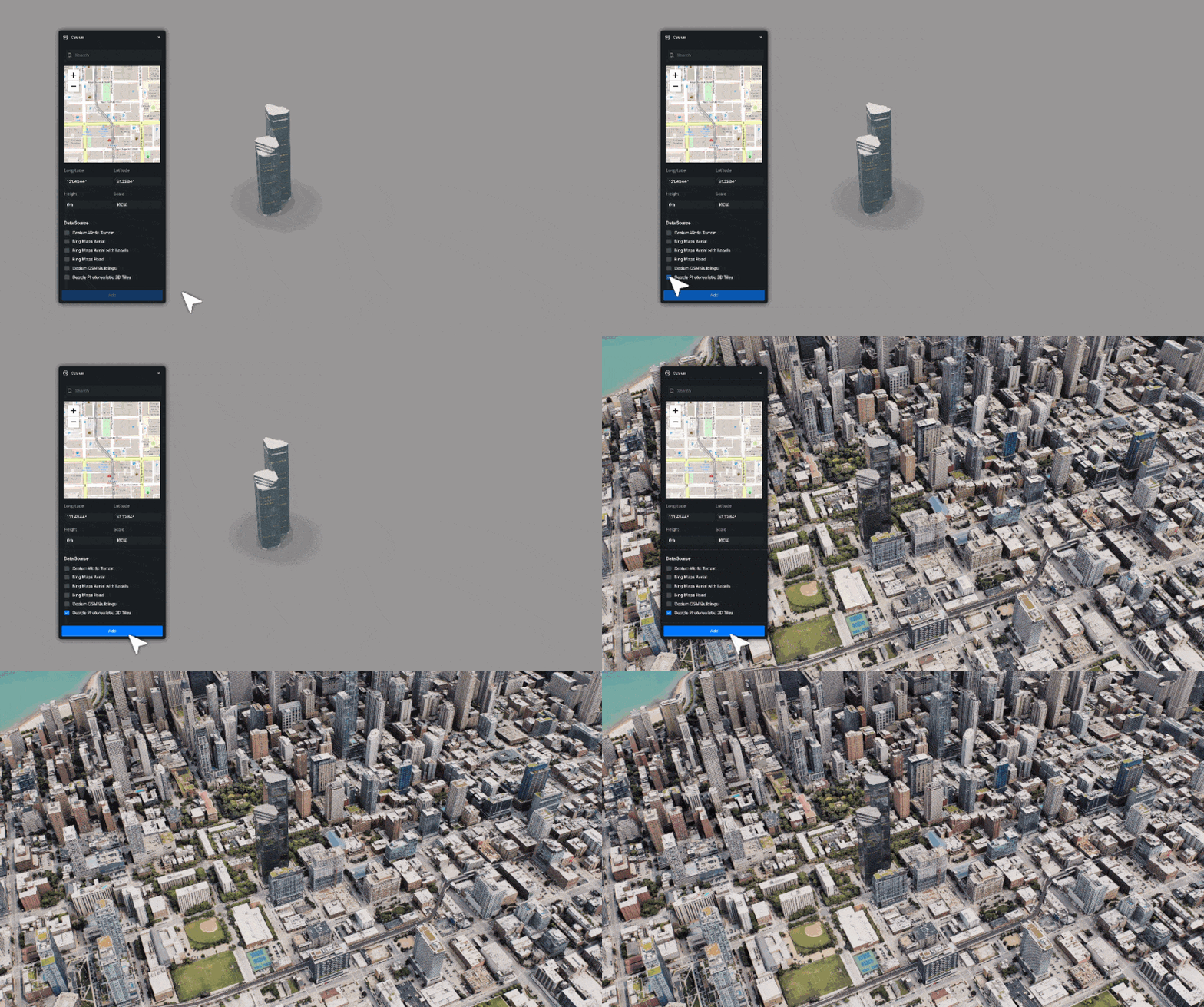
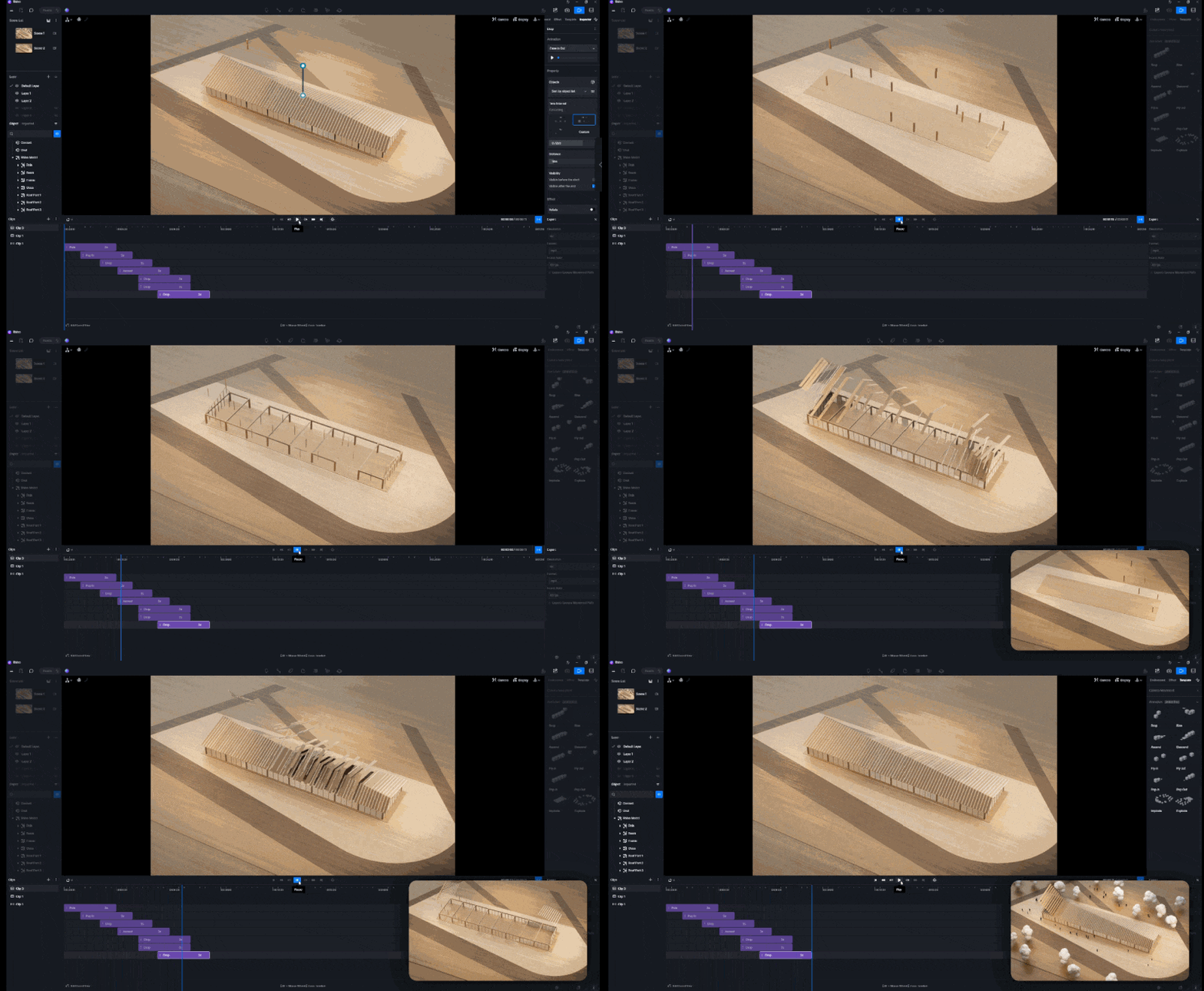
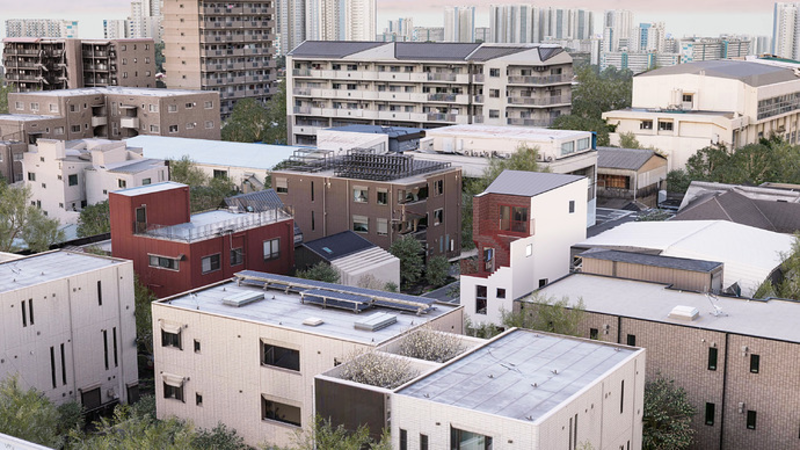
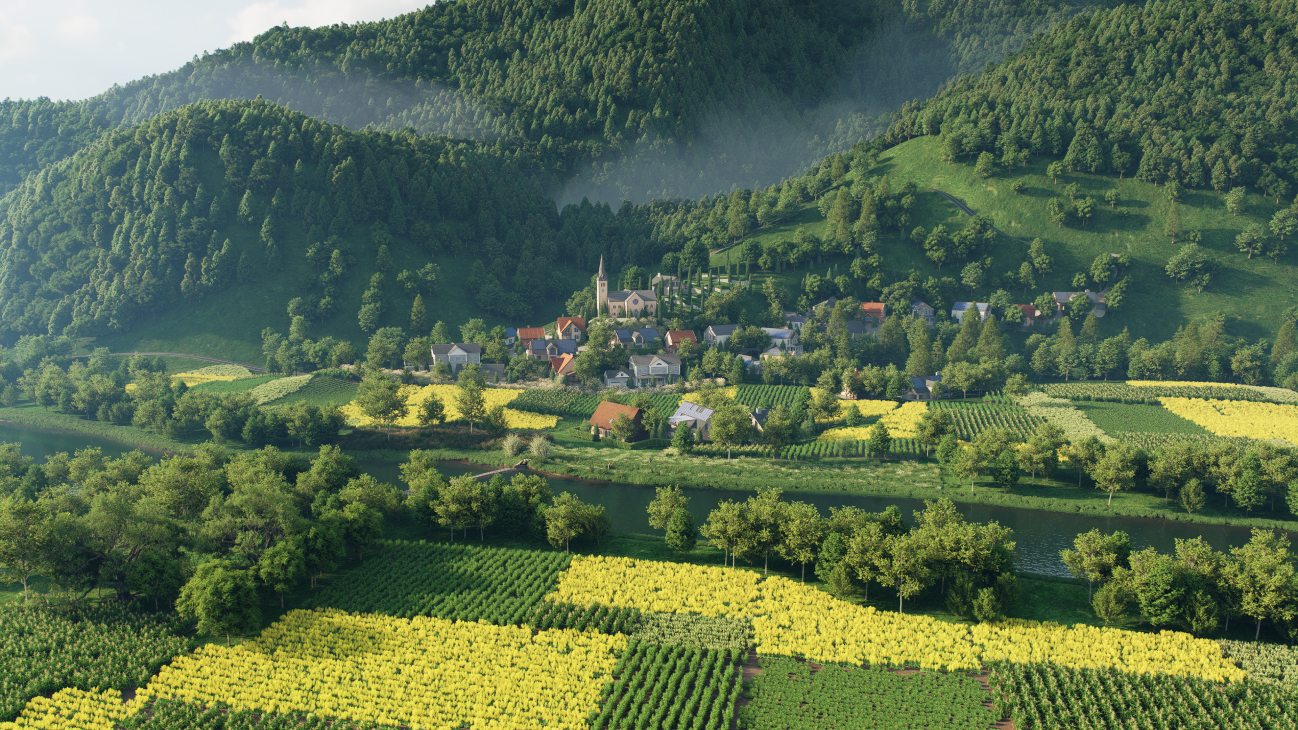
The tutorial Still Manually Creating Site Context from Scratch? highlights how automated methods can replace repetitive manual work, making workflows faster and more efficient.
This is where the broader transformation becomes tangible—not in abstract concepts, but in how work gets done.
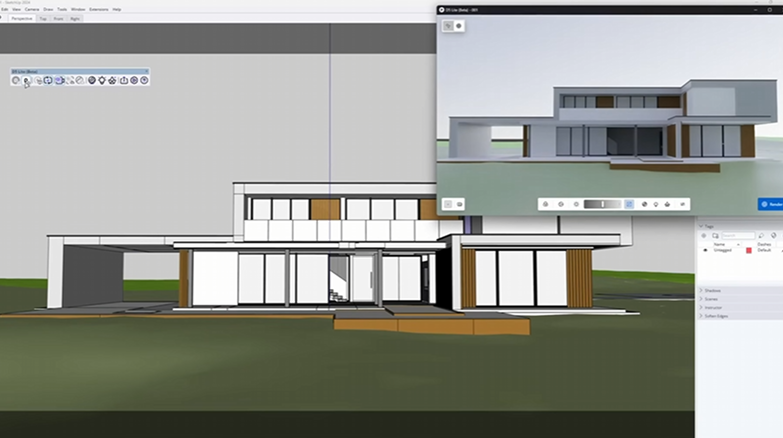
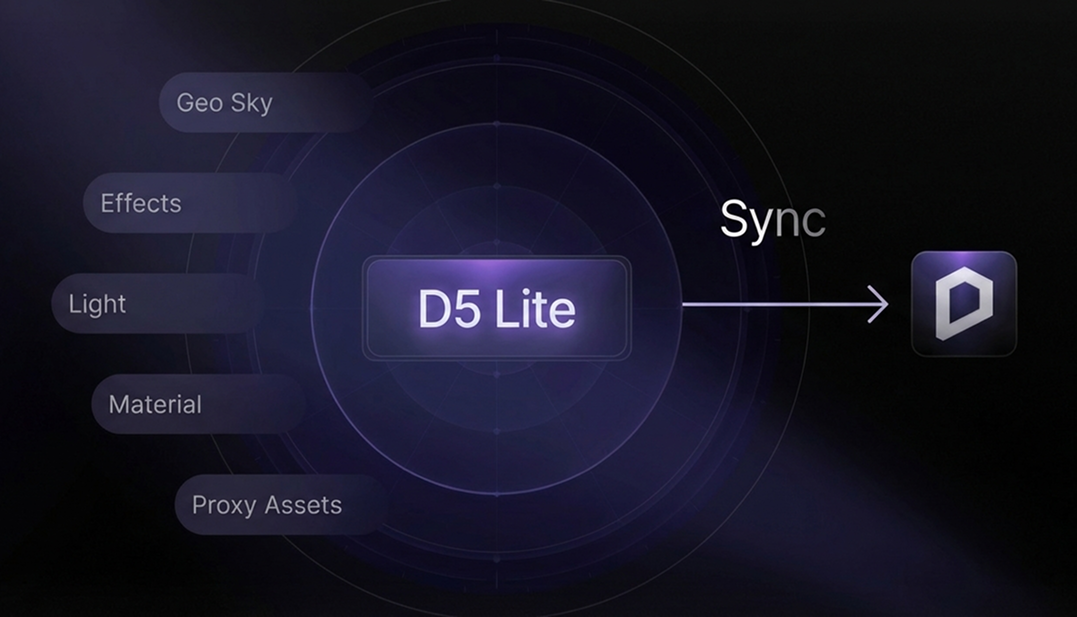
Early-stage ideation is explored in SketchUp AI Tools: D5 Lite vs. Midjourney, comparing fast image generation with more controllable, workflow-based approaches.
The broader ecosystem is mapped in Top 8 Best AI SketchUp Plugins Every Architect Needs in 2026, situating D5 Lite within a wider set of tools.
At the same time, communication and presentation are addressed in How to Create Interactive Presentations for Architecture, highlighting how visualization supports not just design, but storytelling.
From Studios to Classrooms
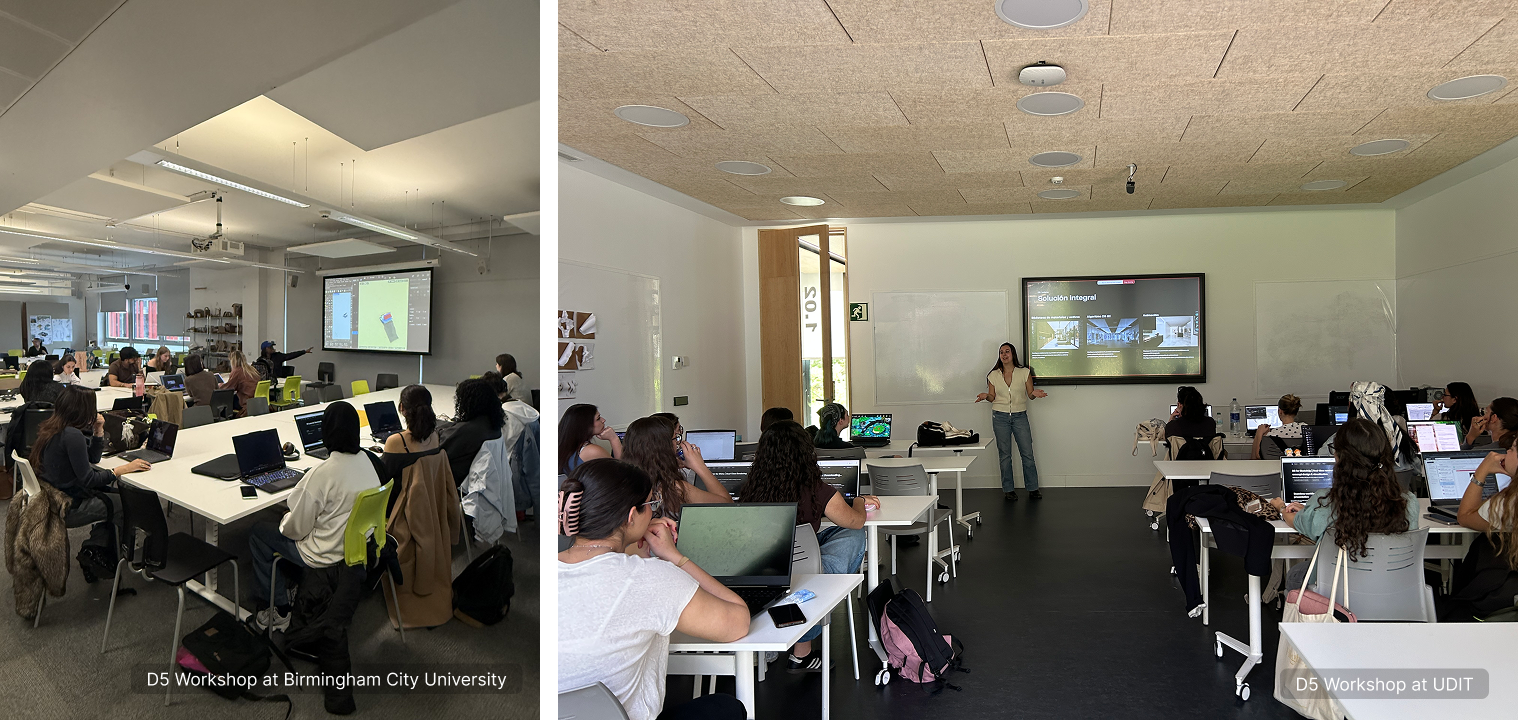
The same shift is also visible in education.
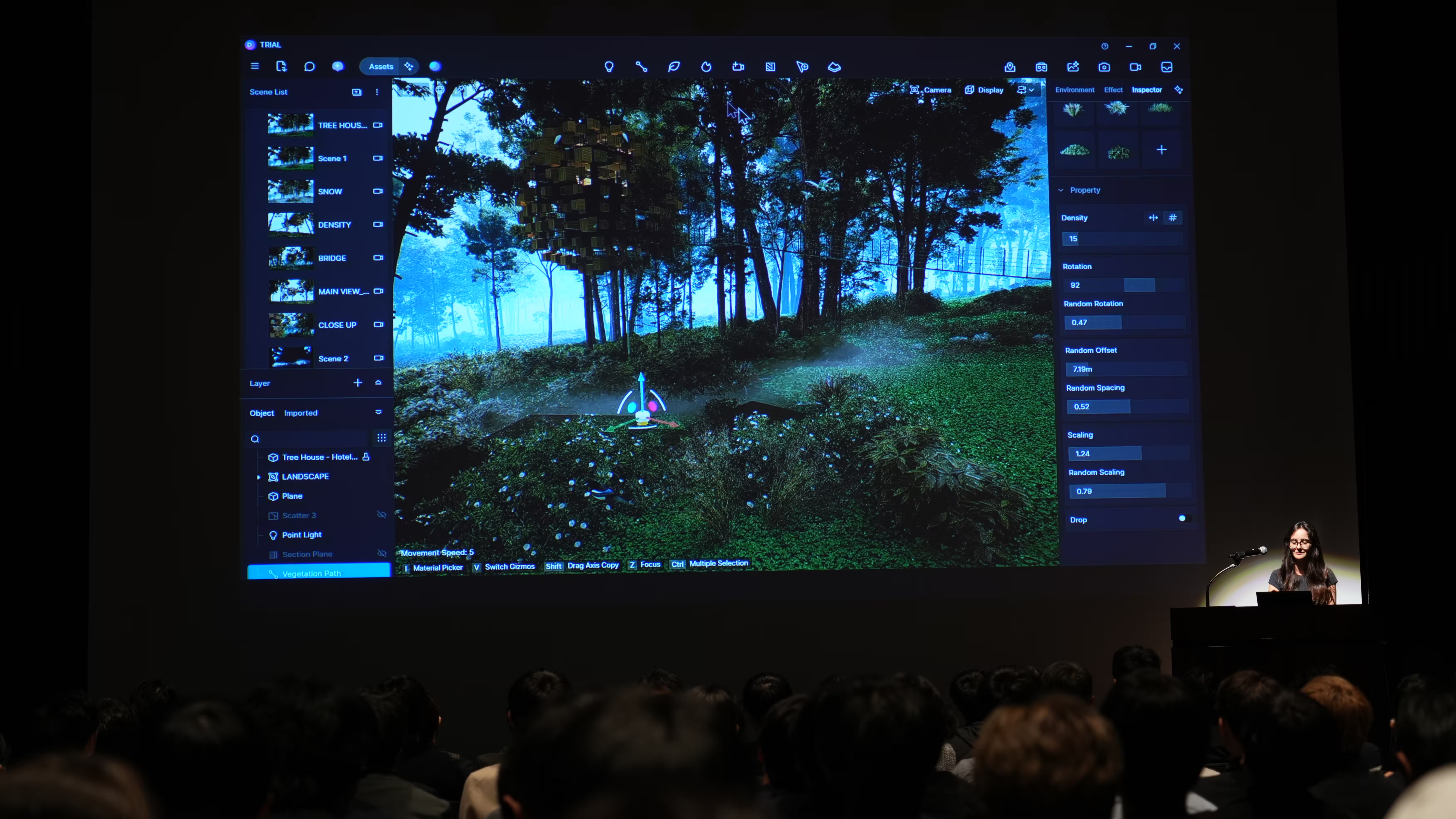
Workshops at Birmingham City University, UDIT, and Anna University introduced students to real-time workflows connecting tools like Rhino directly into D5. In many cases, students were able to move quickly from onboarding to producing high-quality visualizations, engaging directly with the workflow rather than learning it as a separate step.
This signals something more long-term. For the next generation, visualization is not something that happens after design—it is part of how design is learned.
From Tool to Platform
Beyond workflows, April also expanded into design culture and community.
In Thailand, the ASA Architectural Rendering Competition challenges students to express the “spirit of space” through advanced visualization.
Participants first go through intensive training sessions covering AI ideation, rendering, context, and realism before the live final at Architect’26, IMPACT, where winners will be announced on May 3.
Meanwhile, the Drawing of the Year Awards 2026 has officially opened submissions worldwide—inviting architects, designers, and creatives to showcase their work on a global stage, with opportunities for international exhibition, industry recognition, and access to professional tools. Submit your work here →

Looking Ahead
If March introduced a shift, April showed how that shift begins to scale.
Across studios, teams, and classrooms, the same pattern is emerging. Visualization is no longer confined to the end of the process. It is becoming part of ideation, collaboration, and decision-making.
And as that pattern continues to expand, it points toward something larger: a future where design is no longer divided into separate stages, but shaped through a continuous, connected workflow.
That future is no longer theoretical. It is already taking form.


.png)



.jpg)



.png)
1%20(2).png)




%20(1).png)
.png)
.png)