重要なポイント: インテリアデザインとスタイリングは空間の創造において異なる役割を果たします。デザインは構造と機能を形作り、スタイリングは雰囲気と物語を高めます。 3Dビジュアルアーティストにとって、プロジェクトがデザイン主導かスタイリング主導かを理解することは、モデリングの細部からレンダリングの照明や雰囲気まで、すべてに影響します。 分野を超えた効果的なコラボレーションは、成果物のカスタマイズ、明確なコミュニケーション、クライアントの意図に合わせた視覚化戦略の調整にかかっています。
「インテリアデザイン」と「インテリアスタイリング」をあたかも交換可能であるかのように使うのは、よくある混同です。どちらの分野も空間の雰囲気と機能を形作るものですが、目的は異なり、創作プロセスのさまざまな段階で登場します。これらのニュアンスを理解することは、クライアントにとって役立つだけでなく、インテリアデザイナー、スタイリスト、特に分野を超えてコラボレーションする3Dビジュアルアーティストにとって不可欠です。
リノベーションを計画している場合でも、フォトリアリスティックなレンダリングを作成する場合でも、誰のためにデザインするのか、プロジェクトのどの時点でデザインするのかを特定することで、ワークフロー、ビジュアル、クリエイティブな方向性を根本的に変えることができます。
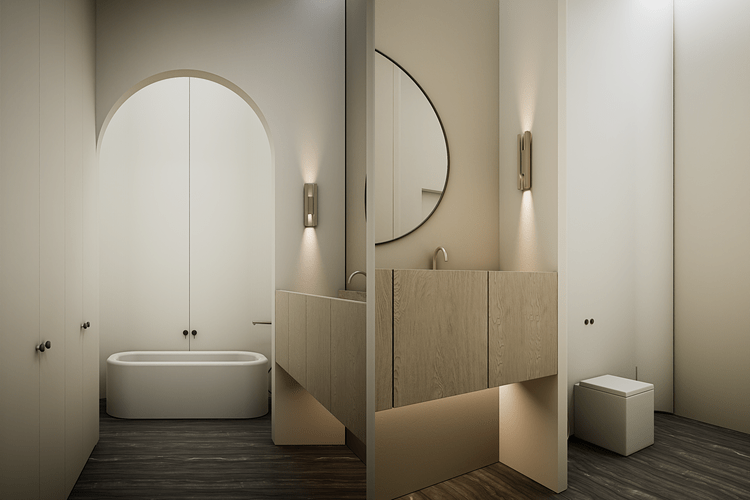
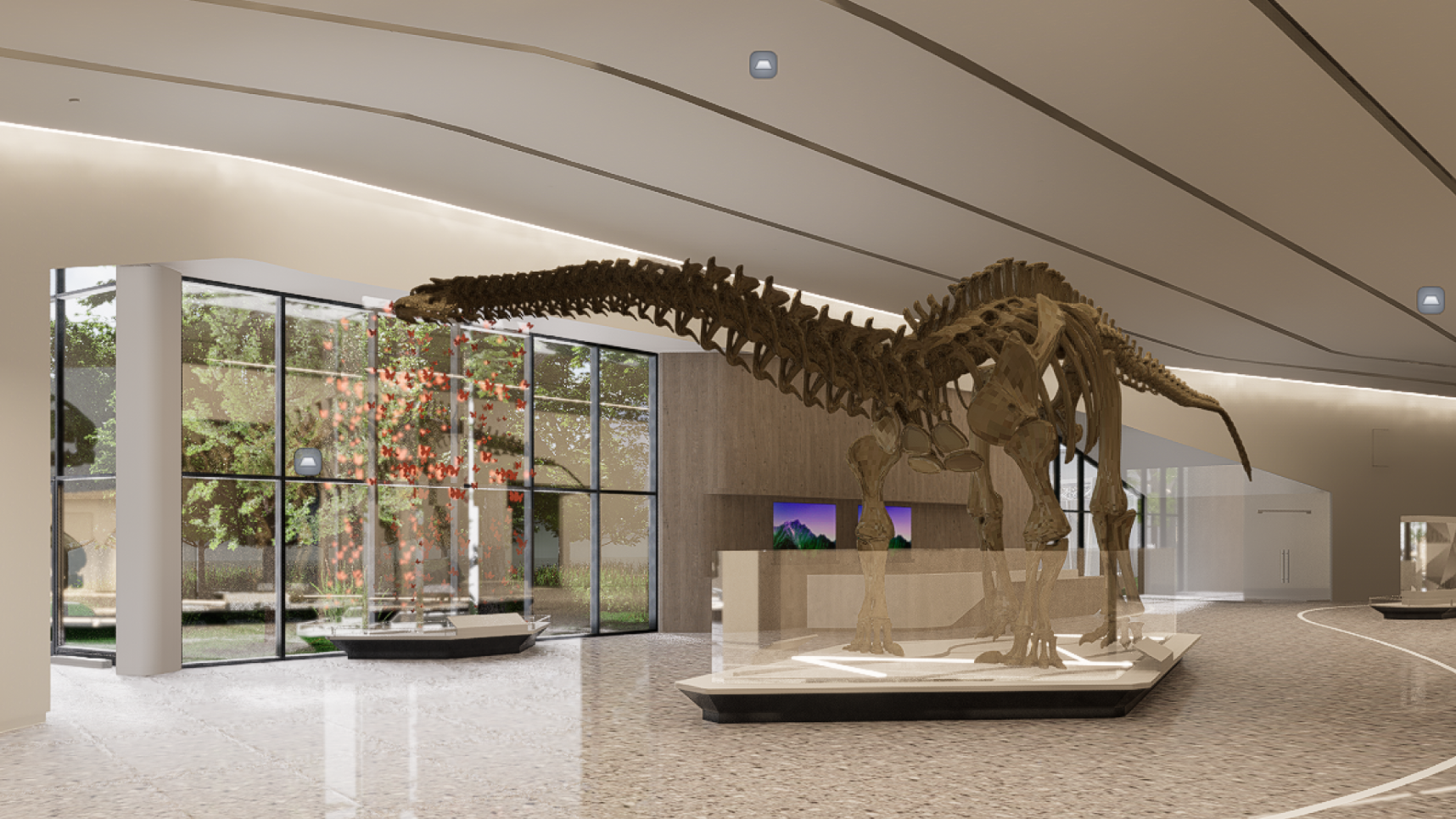
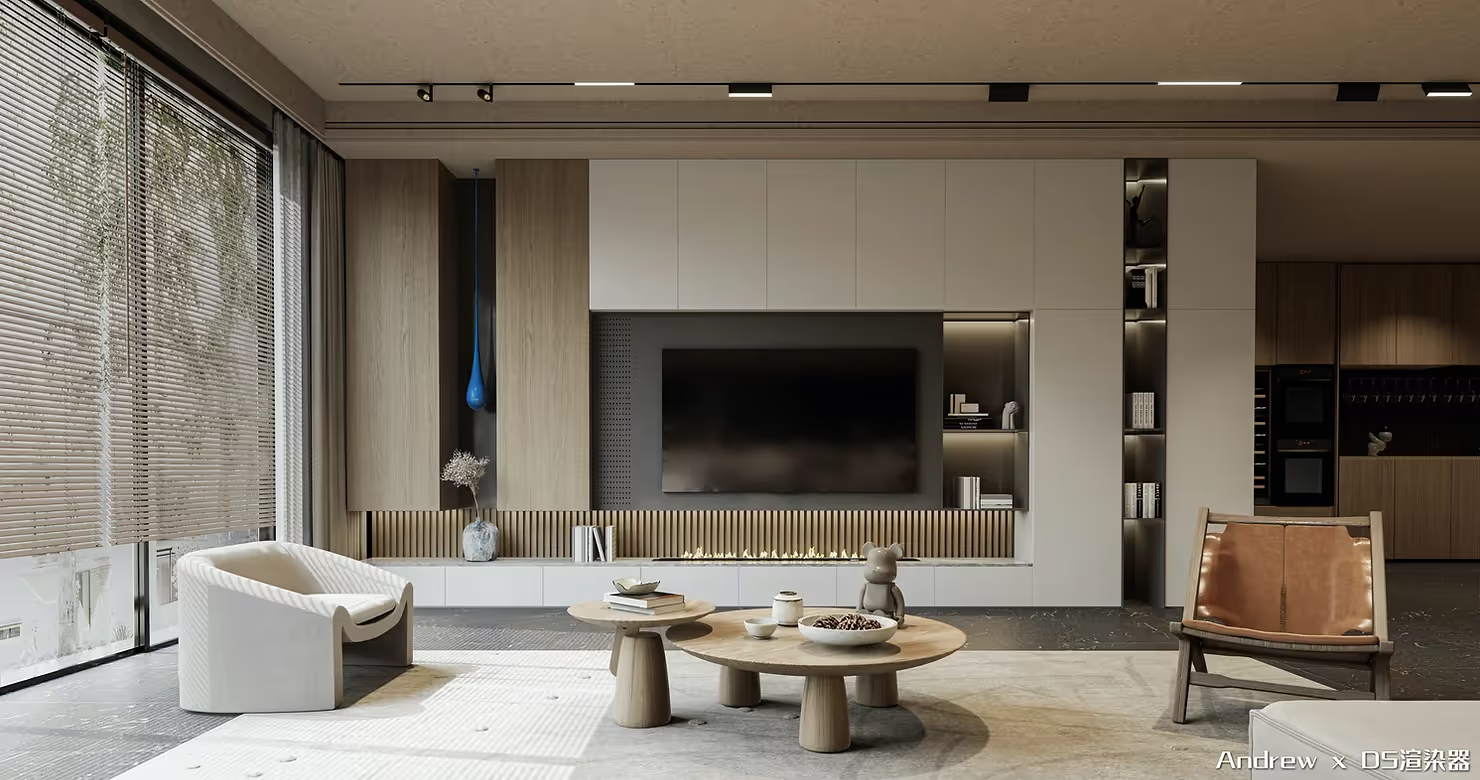
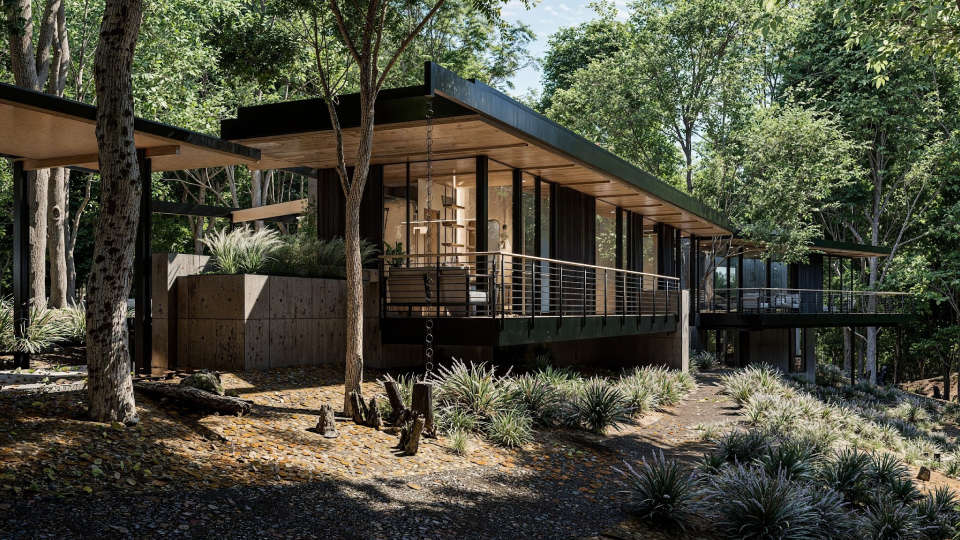
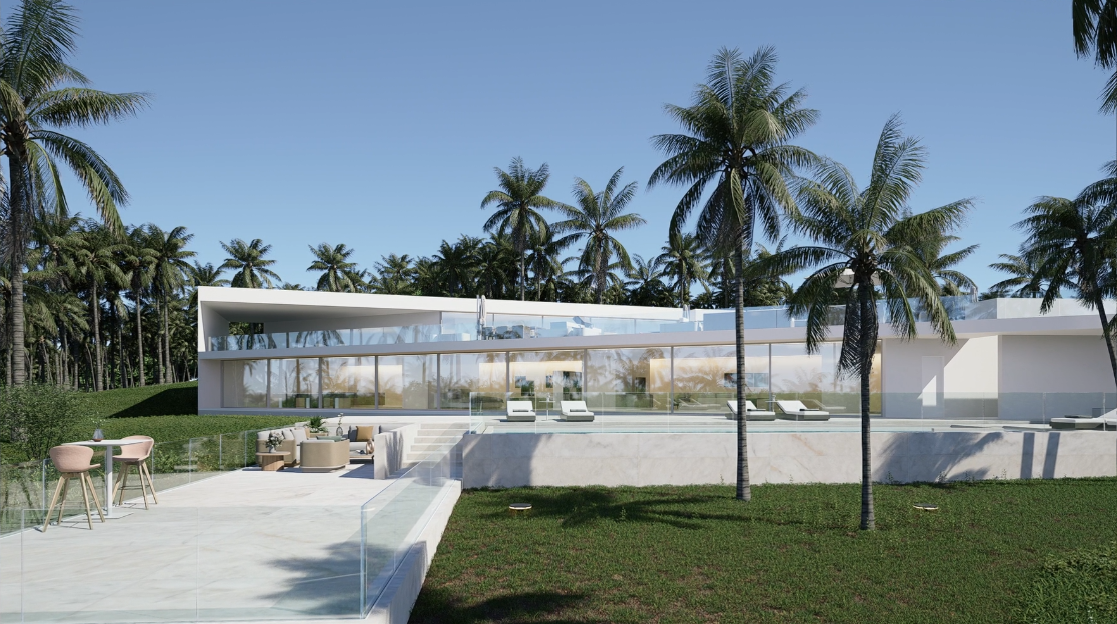
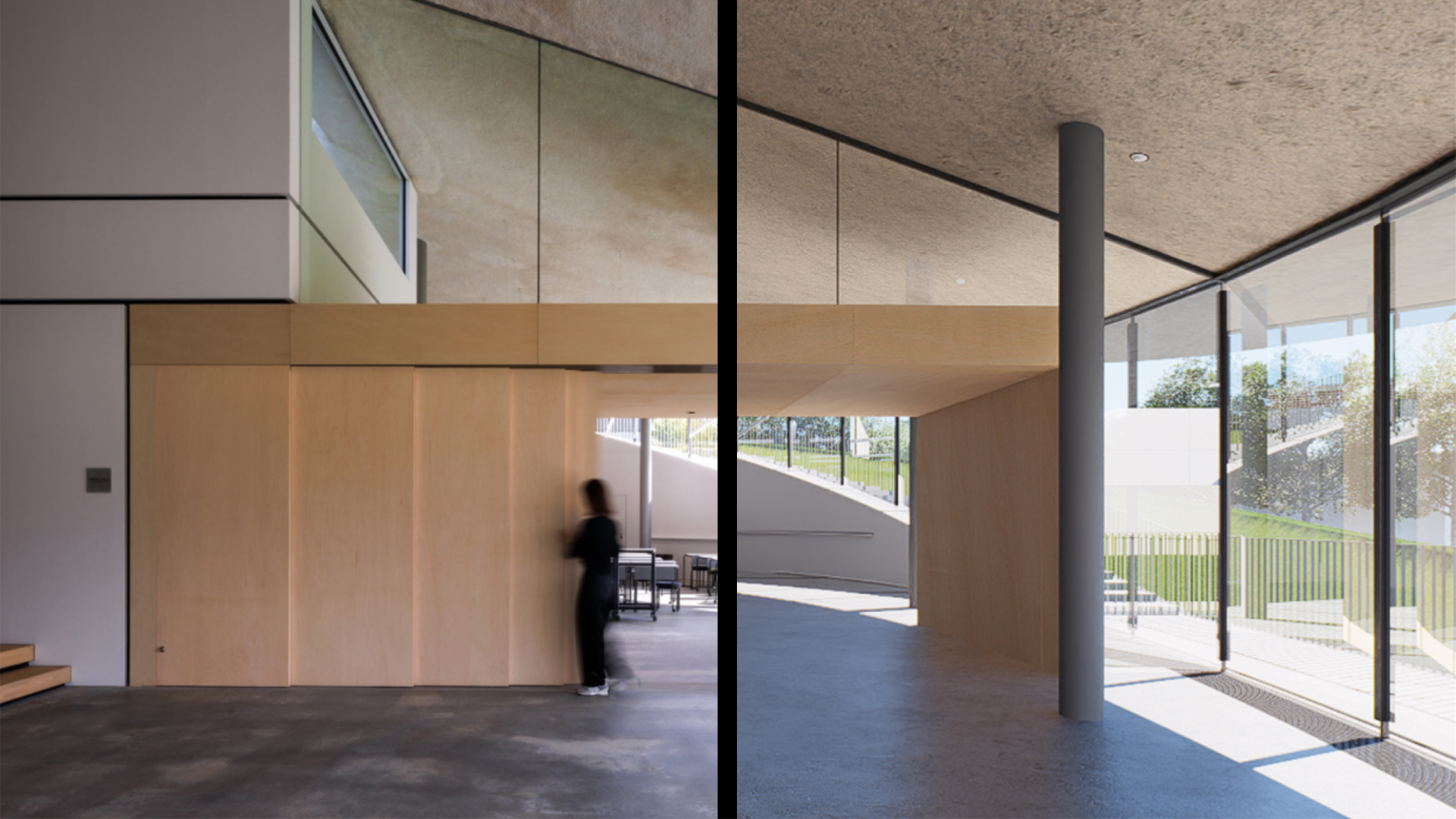
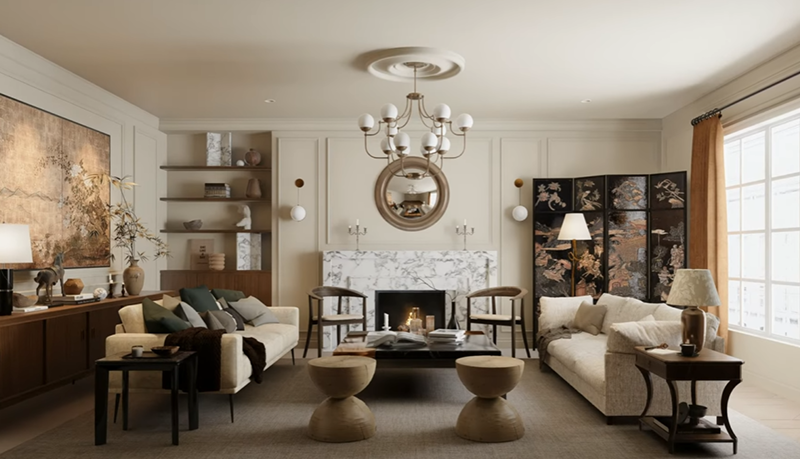
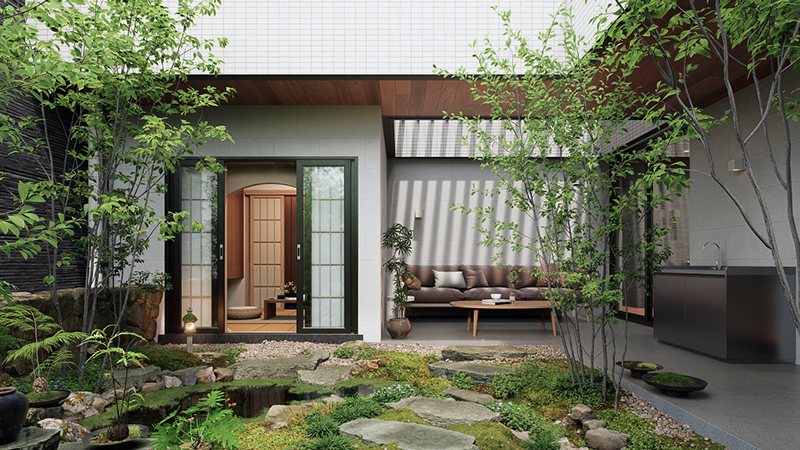
インテリアデザインとインテリアスタイリング:役割と責任 アーティスト:テモ・ボクチャバ インテリアデザイン これがインテリアのアーキテクチャです。スペースプランニング、機能レイアウト、照明ロジック、マテリアル仕様などです。多くの場合、建築家、エンジニア、請負業者と調整して、空間を正確に生き生きとさせる必要があります。多くのインテリアデザイナーは正式な資格を持ち、建築基準や規制に関連する要素を扱っています。
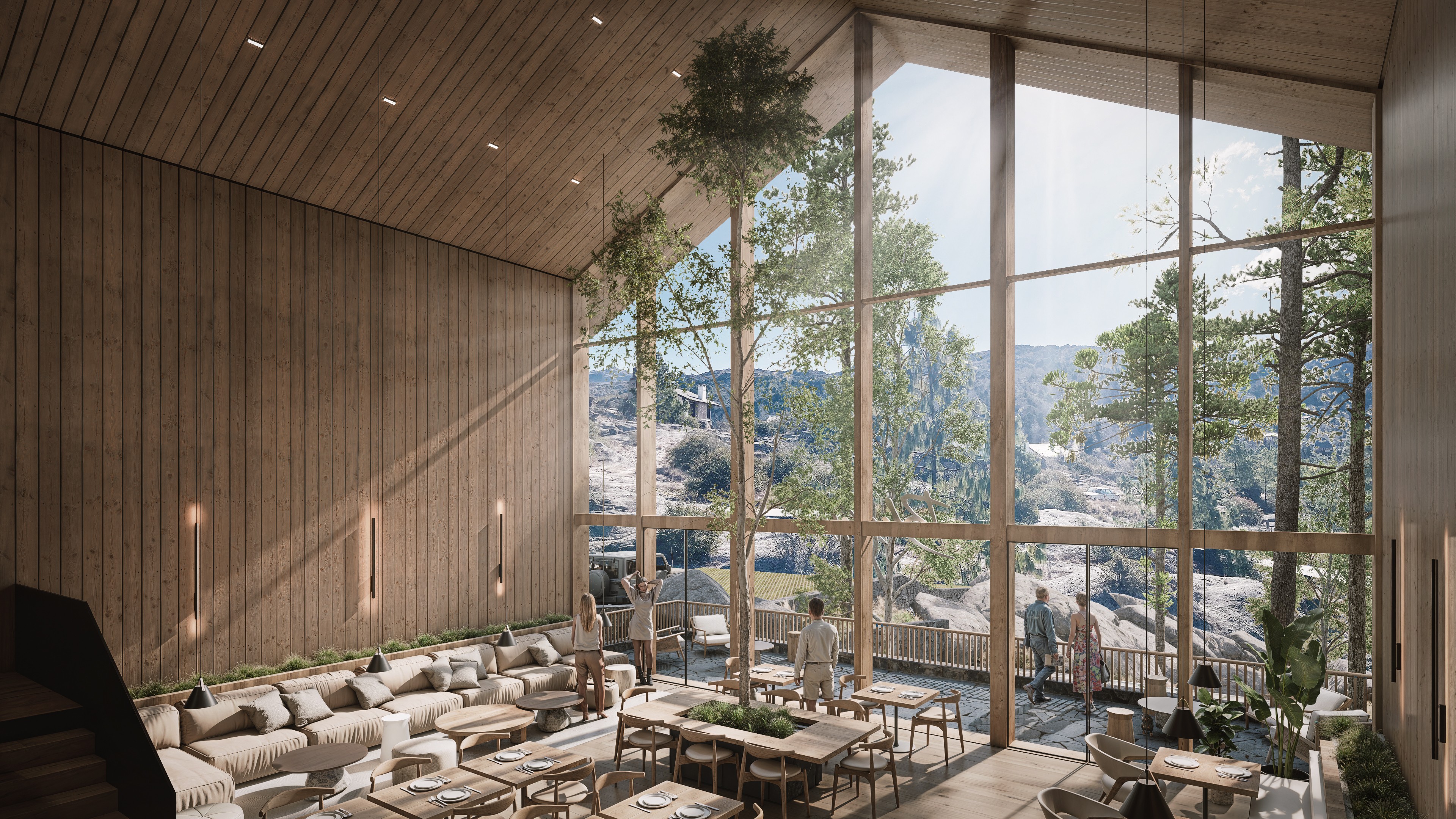
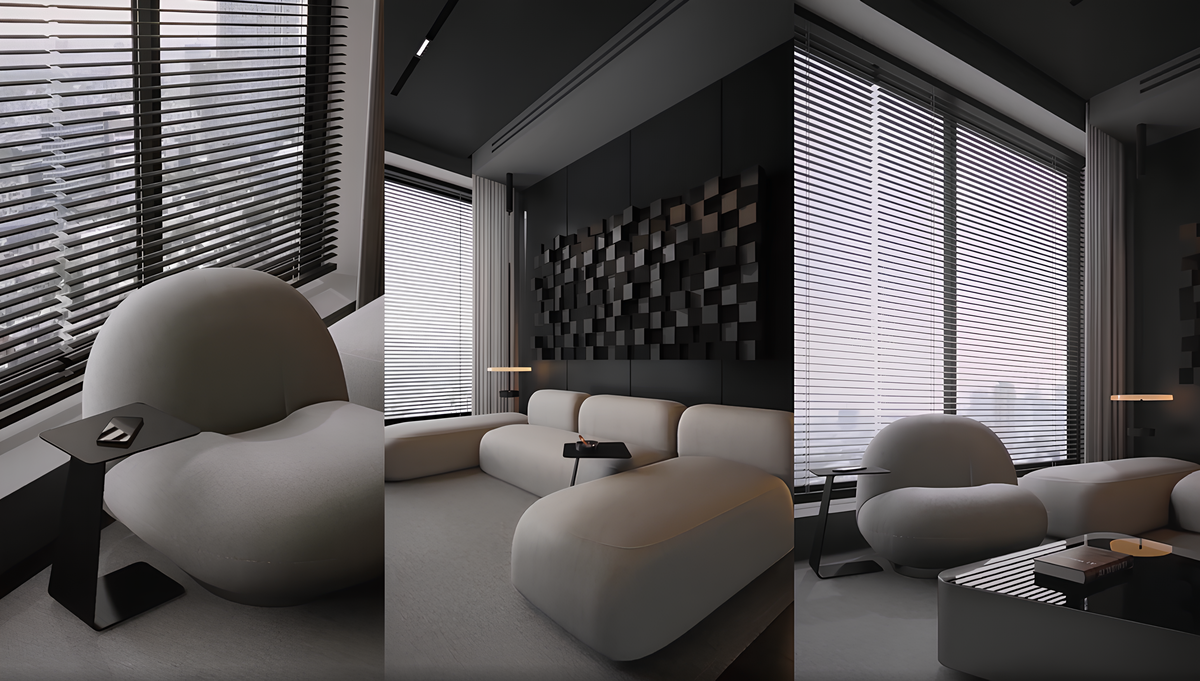
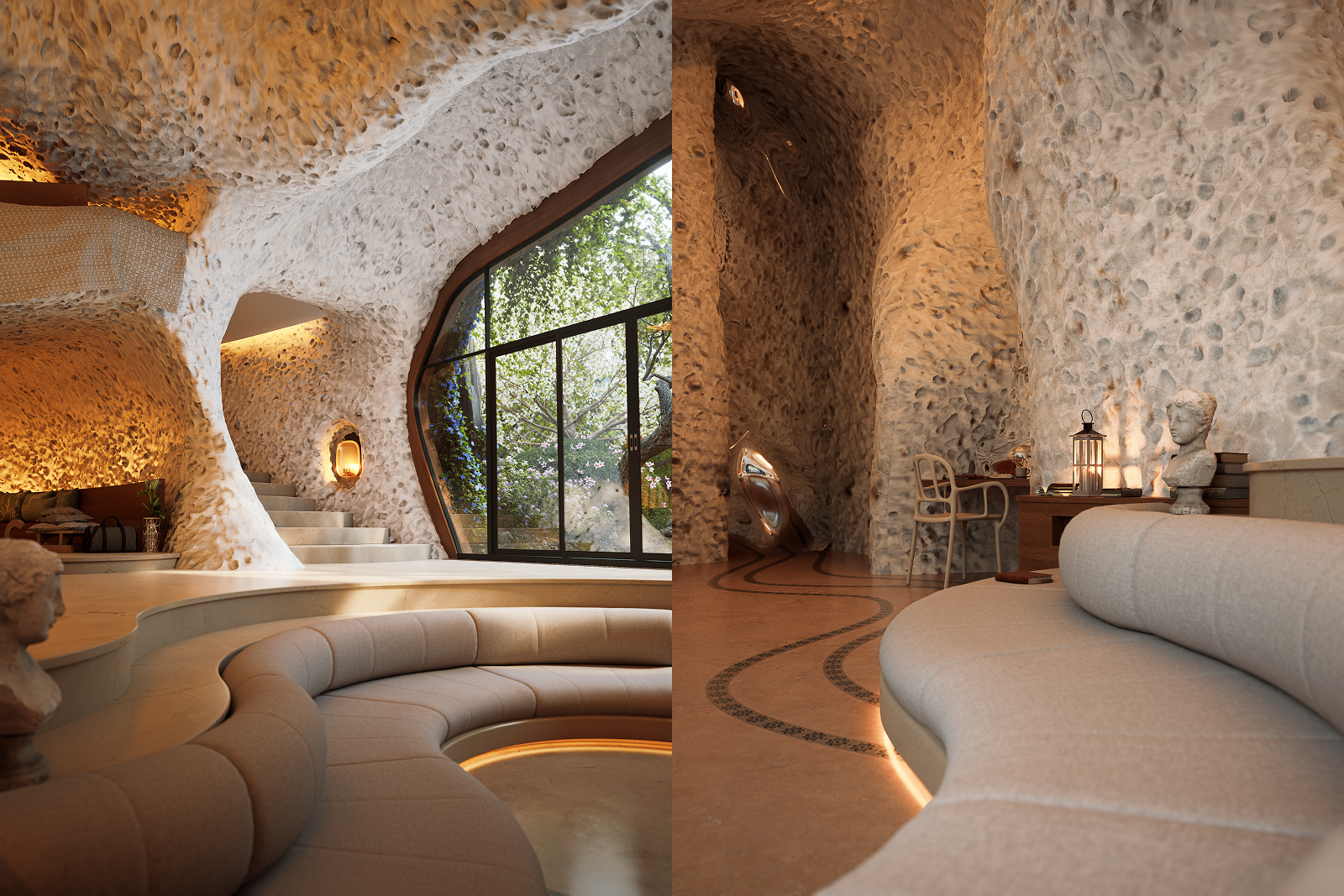
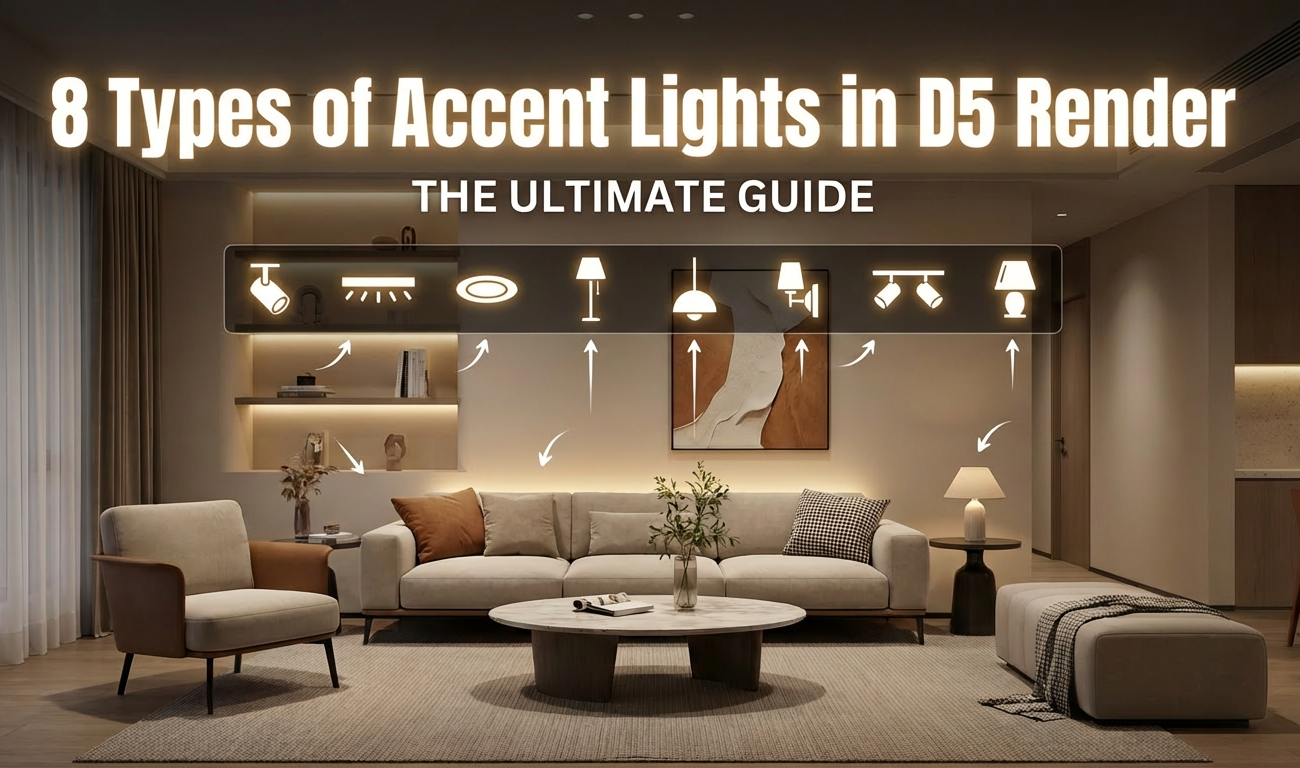
インテリアスタイリング スタイリングは最終段階に入ります。視覚的な温かさ、個性、まとまりを重ねていくことです。スタイリストがキュレートします。 家具、テキスタイル、 点灯 、そしてムードとキャラクターを演出するアクセサリー。技術的に健全な空間と、感情的に共鳴する空間の違いです。
プロインサイト: 3D アーティストは、空間をデザイナーとスタイリストのどちらのために視覚化するのかを知っていれば、モデリングするディテールの種類から、シミュレートする照明、作り出す雰囲気まで、すべてが変わります。D5 Renderのようなツールを使うと、構造的な明瞭さに重点が置かれているのか、雰囲気のあるストーリーテリングに重点が置かれているのかによって、ビジュアルの調整が容易になります。一目でわかる主な違い
Interior Design vs Styling Table
Feature
Interior Design
Interior Styling
Focus
Function, structure, space planning
Mood, color, visual harmony
Project stage
Early – pre-build or during reno
Late – after build or install
Outputs needed
Layouts, technical renders, materials
Moodboards, staged visuals, vignettes
Tools used
CAD, Revit, SketchUp, D5
Photoshop, D5 , Pinterest, props
Key collaborators
Architects, engineers
Photographers, marketing teams
これらの違いを理解することで、最初から適切な期待、成果物、クリエイティブな方向性が確実に得られます。
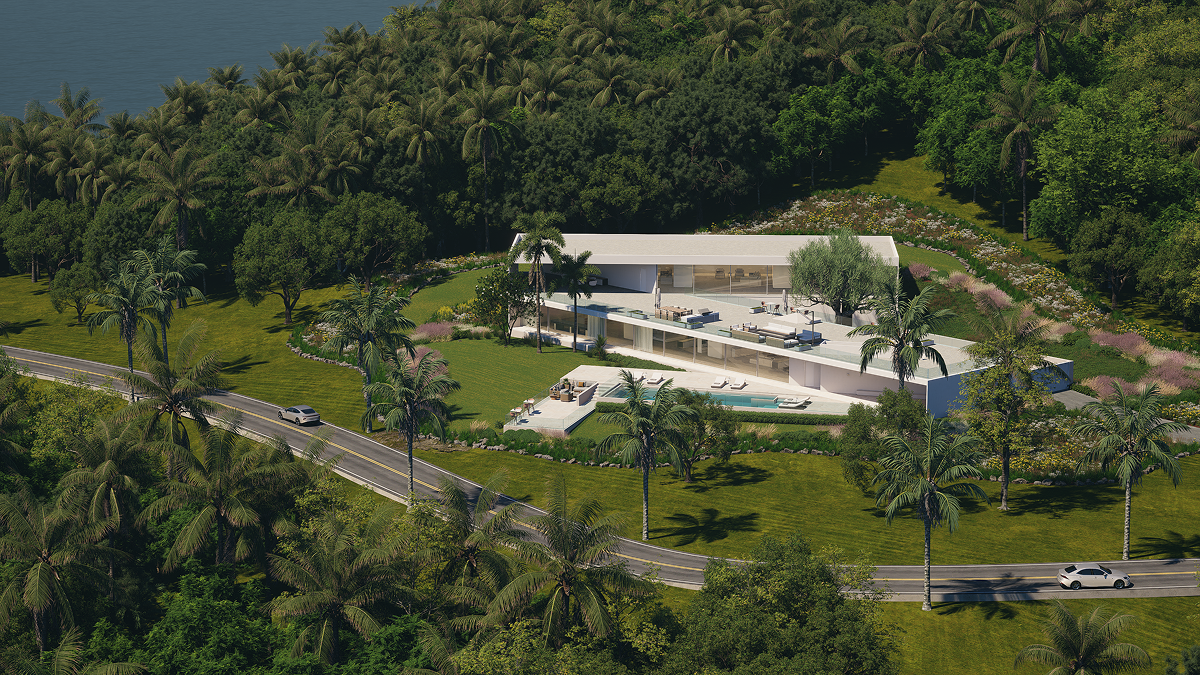
コラボレーション:デザイナー、スタイリスト、ビジュアルアーティスト デザイナーとスタイリストは往々にして交わりますが、その意図は異なります。デザイナーはフローと使いやすさを定義し、スタイリストはアンビエンスとトーンを作ります。
アーティスト:エマニュエル・ソリズ・ソリア 3D アーティストにとって、これはツールキットを調整することを意味します。
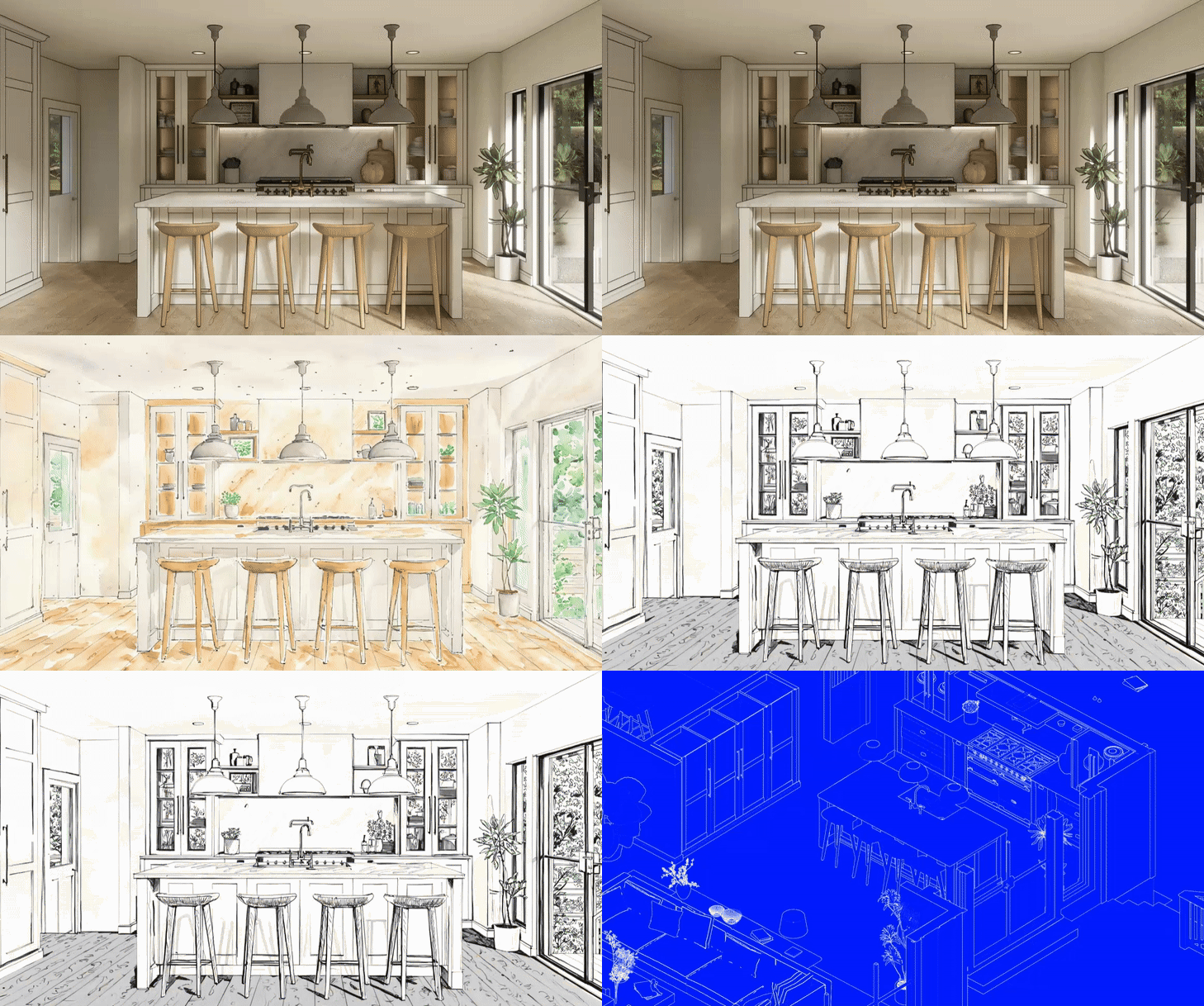
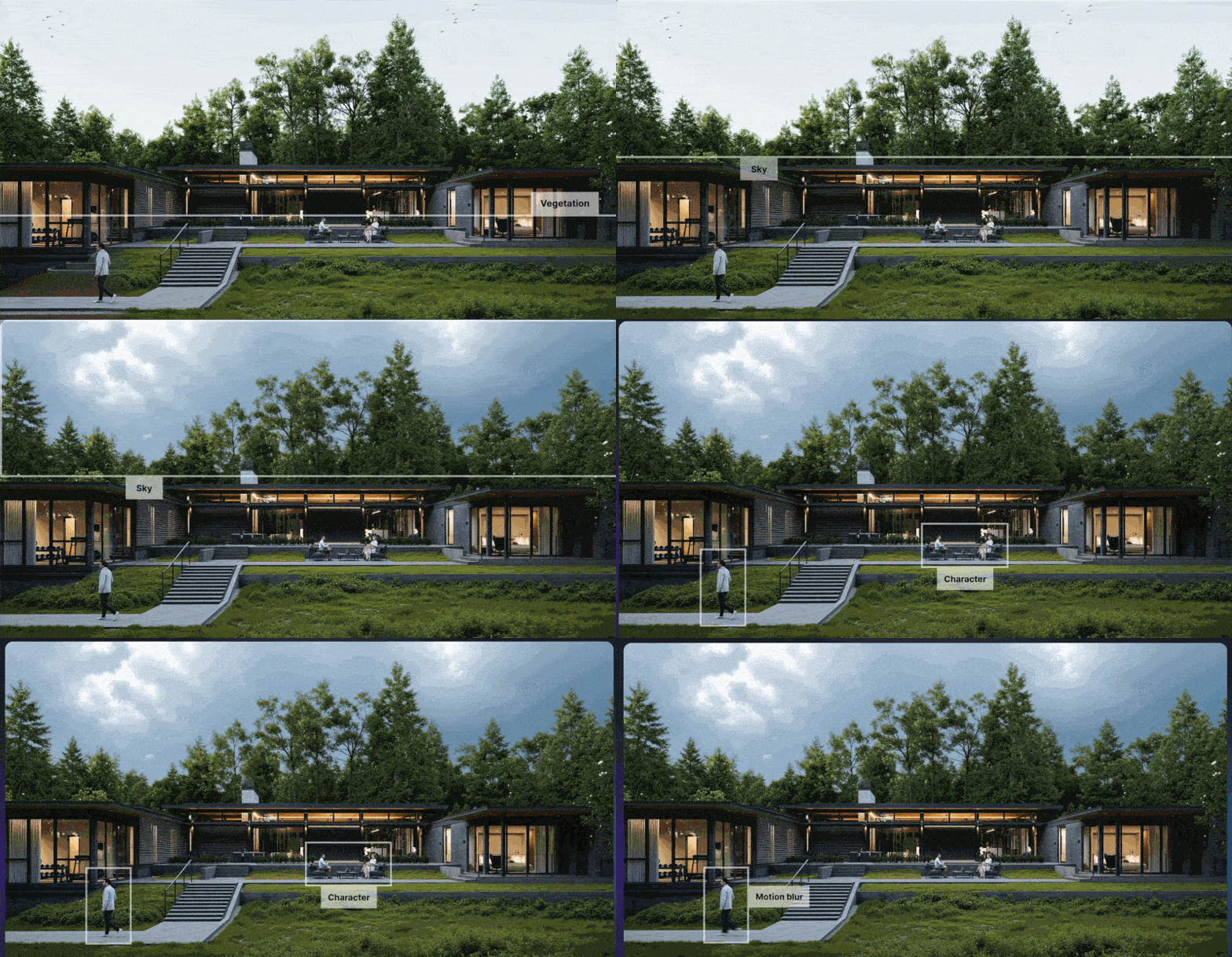
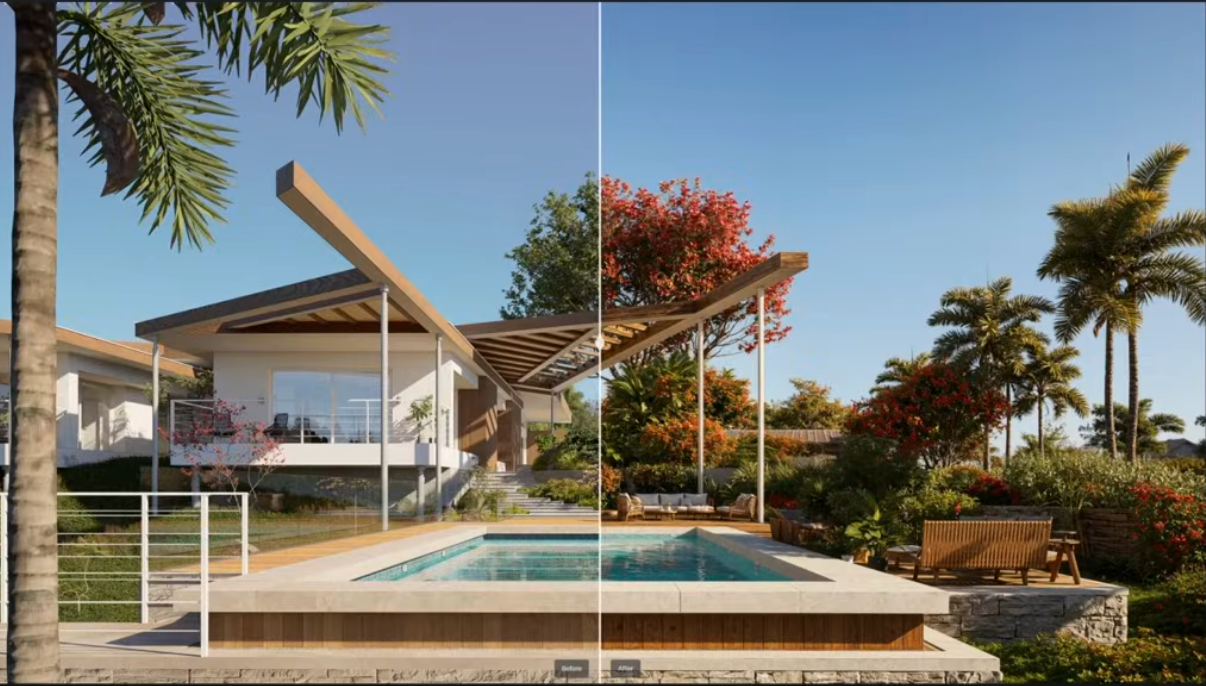
設計者には、スケマティックレンダリング、デイライトスタディ、および技術的な忠実性が必要です。 スタイリストは、温かみのある照明、重ねた小道具、視覚的なストーリーテリングなど、柔らかさを求めています。 プロのヒント: カメラアングル、ポストプロセッシング、アセットの配置は、主なクライアントが誰であるかによって使い方が異なります。テクニカルデザインのレンダリングとエディトリアルスタイルのビネットは同じものではありません。D5 Renderでは、正投影ビューからパースビューに切り替えたり、LUTフィルターを適用したりすると、プレゼンテーションのトーンが劇的に変わることがあります。また読む: Studio GERAU の、より速く、よりスマートで、フォトリアリスティックなインテリアレンダリングの秘訣
3D アーティスト向けワークフローガイド 3Dアーティストは、プロジェクトを開始する前に、範囲とワークフローを理解する必要があります。
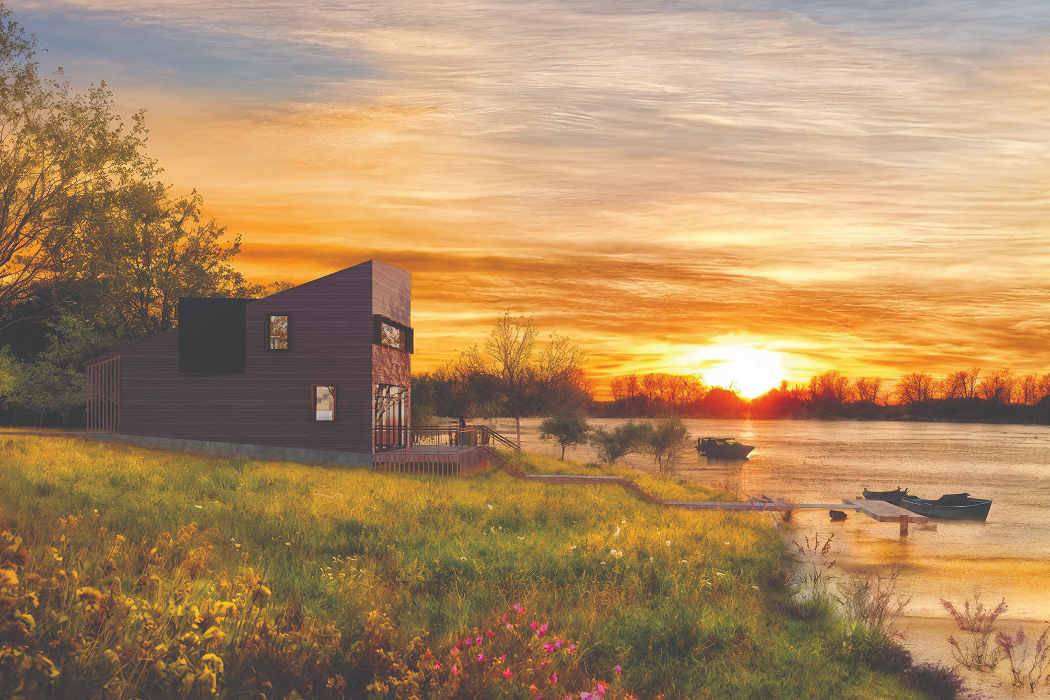
インテリアデザイン プロジェクトには、構造計画と機能計画が含まれます。新しいレイアウト、組み込み機能、マテリアルアプリケーションを見せる必要があるかもしれません。ビジュアルは使いやすさと形の両方を伝えます。 インテリアスタイリング プロジェクトは範囲が狭く、雰囲気が中心です。個性やストーリーを反映した厳選されたアイテムを使って、既存の建築を強化しているのです。 アーティスト:レオナルド・ラフェブレ
Interior Projects Comparison
Aspect
Interior Design Projects
Interior Styling Projects
Changes to Spaces
Structural changes, layout updates
No structural changes
Focus
Functionality and aesthetics
Visual appeal and personality
Services Needed
Full design services, technical drawings
Styling and decor selection
Example Task
Show new kitchen layout
Show new sofa and art in living space
また読む: ユーザーショーケース:D5によるArchicadインテリアビジュアライゼーション
インテリアデザインプロジェクトのチェックリスト: 間取り図と立面図を確認 CAD ファイルを使用して技術的な正確性を確認する 計画が進展するにつれてモデルを改訂 美学を兼ね備えたバランス構造 D5 Renderでは、リアルタイム3Dレンダリングを使用して空間を調べてください インテリアスタイリングプロジェクトのチェックリスト: ムードボードとスタイルガイドを確認 デコレーションアセットを正確に選択して配置 光、質感、ムードを強調 D5 のリアルタイムライティングを使用してスタイリングの方向をプレビューする ヒント: デザイナーとスタイリストのどちらと仕事をしているのかを早い段階で明確にしてください。作業範囲、ツール、ストーリーテリングアプローチを定義します。成果物と視覚化戦略 クライアントの役割に基づいてアウトプットを調整することで、明確さとインパクトが得られます。
Deliverable Comparison
Deliverable Type
Interior Designer Needs
Interior Stylist Needs
3D Renders
Yes, including structure and finishes
Yes, focused on decor and feel
Floor Plans
Often required
Rarely needed
Animations/Walkthroughs
Sometimes, for spatial experience
Sometimes, for mood and marketing
Styling Visuals
Sometimes
Always
Collaboration Table
Who You Work With
What to Show in Renders
Services to Highlight
Interior Designer
Structure, layout, finishes, lighting
Technical precision, iteration tracking
Interior Stylist
Decor, color, mood, finishing touches
Asset curation, ambiance creation
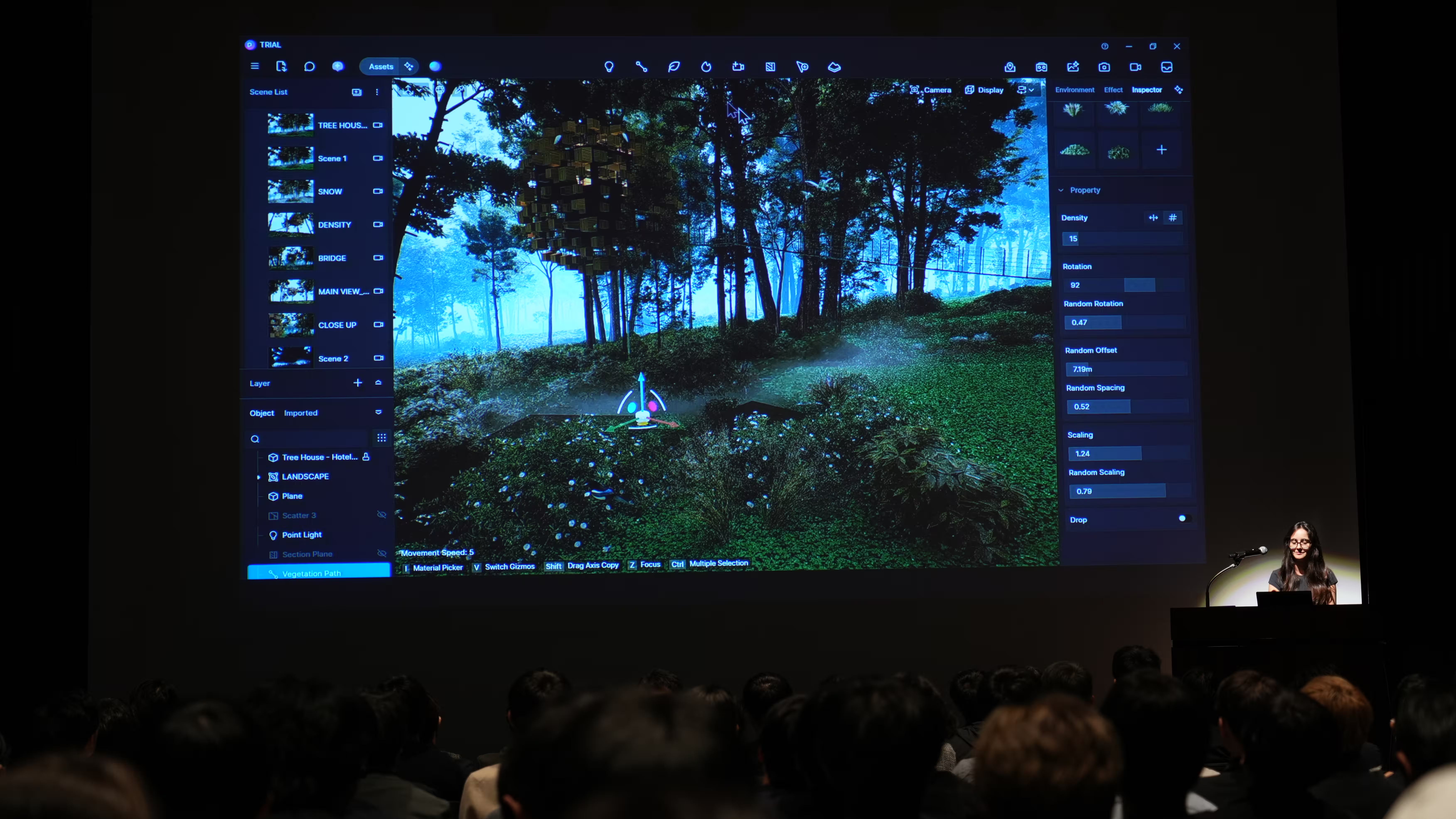
D5 Renderでは、LUTフィルター、リアルタイムGI、レイヤー化されたアセットライブラリなどのツールを使用して、ビジュアルをデザインからスタイリングの視点へとすばやく切り替えることができます。
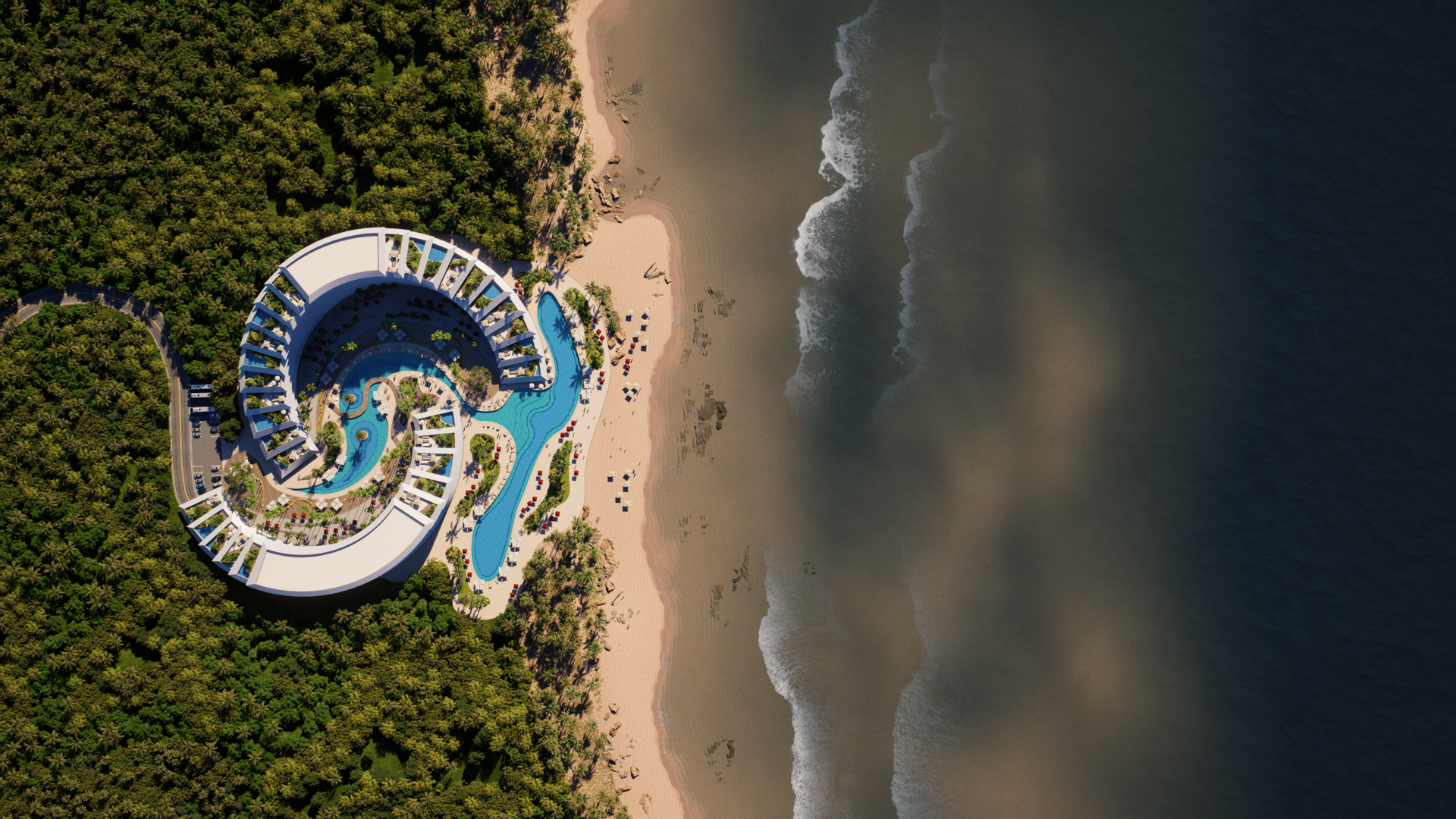
コラボレーションのヒント:デザイナーやスタイリストとの連携 アーティスト:ジョン・クルム 詳細な概要から始めましょう。フロアプラン、材料サンプル、ムードボード、またはスケッチを依頼してください。 初期の下書きを共有しましょう。フィードバックループにより最終品質が向上し、ミスアライメントが回避されます。 共有プラットフォーム(BIMやクラウドフォルダなど)を使用して変更を追跡し、更新をリアルタイムで同期します。 例:あるホスピタリティプロジェクトで、チームは本物の木材、石、生地のサンプルをビジュアライザーと共有して、意図した仕上がりを再現できるようにしました。スタイリストは、雰囲気を導くためにイメージリファレンスやカラーパレットを提供することがよくありました。 3D アーティストのコアスキル ブリーフを理解する デザインブリーフを注意深く読み、解釈してください 目標、期待、成果物を明確にする デザイナー/スタイリストと積極的にコミュニケーションをとる アセットの選択 デザインの意図とストーリーテリングの両方をサポートするアセットを選択してください サイズ、規模、マテリアリティのリアリティを確保 整理されたアセットライブラリの管理
Key Skills Table
Skill Category
Key Abilities
Communication
Ask questions, share ideas, provide feedback
Organization
Manage files, track revisions, meet deadlines
Technical Knowledge
Use D5, SketchUp, Revit, understand design rules
Creative Judgment
Balance aesthetics with user function
専門的に重要な理由 デザイナーの場合:スタイリストにいつ引き継ぐべきかを知っていれば、プロジェクトの完成度を高めることができます。
スタイリストの場合:空間の骨格を理解することで、デザインの意図と衝突することなく拡張できます。
3D アーティストや建築ビジュアライゼーションのプロ向け:テクニカルブリーフとスタイリングブリーフを区別することで、コミュニケーションを効率化し、クライアントの信頼を高め、ビジュアルサービスの提供を拡大できます。
ライフスタイルレンダリングに参入したいですか?それとも、デザイン開発のビジュアルに焦点を当てていますか?デザインとスタイリングの境界線を理解することが第一歩です。
結論 インテリアデザインとスタイリングは相補的な分野であり、機能的でありながら感情的にも豊かな空間を提供する上で、それぞれが不可欠です。ビジュアルアーティストにとって、これらの役割を明確にすることで、より正確で説得力のある、文脈を意識したビジュアルが可能になります。
レンダリングする前に、「どのフェーズを描いているのか」と自問してみてください。私は誰を応援しているんだろう?そして、どうすれば彼らのビジョンをピクセル単位で視覚的に高めることができるのでしょうか?
目的を持ってレンダリングする準備はできていますか?D5 Render でより視覚的なワークフローを探ってみましょう。
よくある質問 インテリアデザインとインテリアスタイリングの主な違いは何ですか? インテリアデザインは、空間の仕組みや見た目を変えます。インテリアのスタイリングは、空間の見栄えを良くするために最後の仕上げを加えます。デザインでは構造を扱います。スタイリングでは装飾に専念するんですね。
3D プロジェクトを始める前に確認しておくべきことは何ですか? プロジェクトにデザインやスタイリングが必要かどうかを尋ねる必要があります。これにより、3D 画像に何を表示すべきかがわかります。ブリーフ、ムードボード、または間取り図を頼むこともできます。
インテリアスタイリングプロジェクトにはどのようなアセットが必要ですか? 家具、アート、ラグ、装飾品の3Dモデルが必要です。クライアントのスタイルに合ったアイテムを選ぶべきです。照明と色を適切に選択すると、画像がリアルに見えます。
3Dアーティストはインテリアプロジェクトにどのようなソフトウェアを使用していますか? SketchUp、3ds Max、ブレンダー、または AutoCAD を使用できます。また、多くのアーティストは V-Ray や Lumion などのレンダリングツールも使用しています。これらのプログラムは、詳細でリアルな画像を作成するのに役立ちます。
クライアントにとって3Dレンダリングが成功する理由とは? 優れた 3D レンダリングでは、空間がはっきりと表示されます。適切な色、照明、ディテールを使用する必要があります。クライアントは、決定を下す前に、空間の見た目や雰囲気を確認したいと考えています。





.png)



.jpg)


.png)
1%20(2).png)




%20(1).png)
.png)
.png)