

Key Takeaways:
- Design-Led, Non-Hierarchical Thinking Drives Better Outcomes. WJ Architects prioritizes ideas over roles, allowing multiple directions to be explored before committing. This creates stronger concepts and a more adaptive design process, especially in complex urban projects.
- Visualization Becomes Part of Design, Not Just Representation. By integrating real-time visualization early, the team designs with spatial awareness from the start—turning rendering into a continuous feedback loop that supports decision-making throughout the project.
- Speed Unlocks Iteration, Not Just Efficiency. D5 enabled the team to reach high visual quality early, allowing continuous refinement up to submission. Instead of shortening the process, speed expanded their ability to iterate and improve the design.
- Complex Urban Projects Become Feasible Under Real Constraints. Within a 30-day timeline, WJ Architects delivered an 83–86 acre proposal with clarity and realism. By separating geometry from visual detail, they managed scale efficiently while maintaining performance and design integrity.
Studio Overview
- Location: United States
- Team Size: 67
- Studio Type: Architecture and urban design practice
- Project Types: Large-scale urban redevelopment, mixed-use districts, public realm and landscape-driven projects
- Modeling Tools: Rhino
For WJ Architects, design is driven by ideas rather than hierarchy. The studio works through a collaborative, iterative process where concepts evolve through dialogue and rapid exploration. Multiple directions are tested before committing to a central idea, after which the team shifts to focused development. Sketching, Rhino modeling, and real-time visualization are used in tandem, allowing the team to move fluidly between concept and spatial validation.
This approach becomes critical in projects that demand both scale and sensitivity, such as the Historic Gas Plant District project.
Designing with Responsibility: The Historic Gas Plant District
Located in St. Petersburg, Florida, the Historic Gas Plant District carries a complex history. Once a thriving African American neighborhood, it was cleared for Tropicana Field, displacing homes, churches, and businesses while promised economic benefits never materialized.

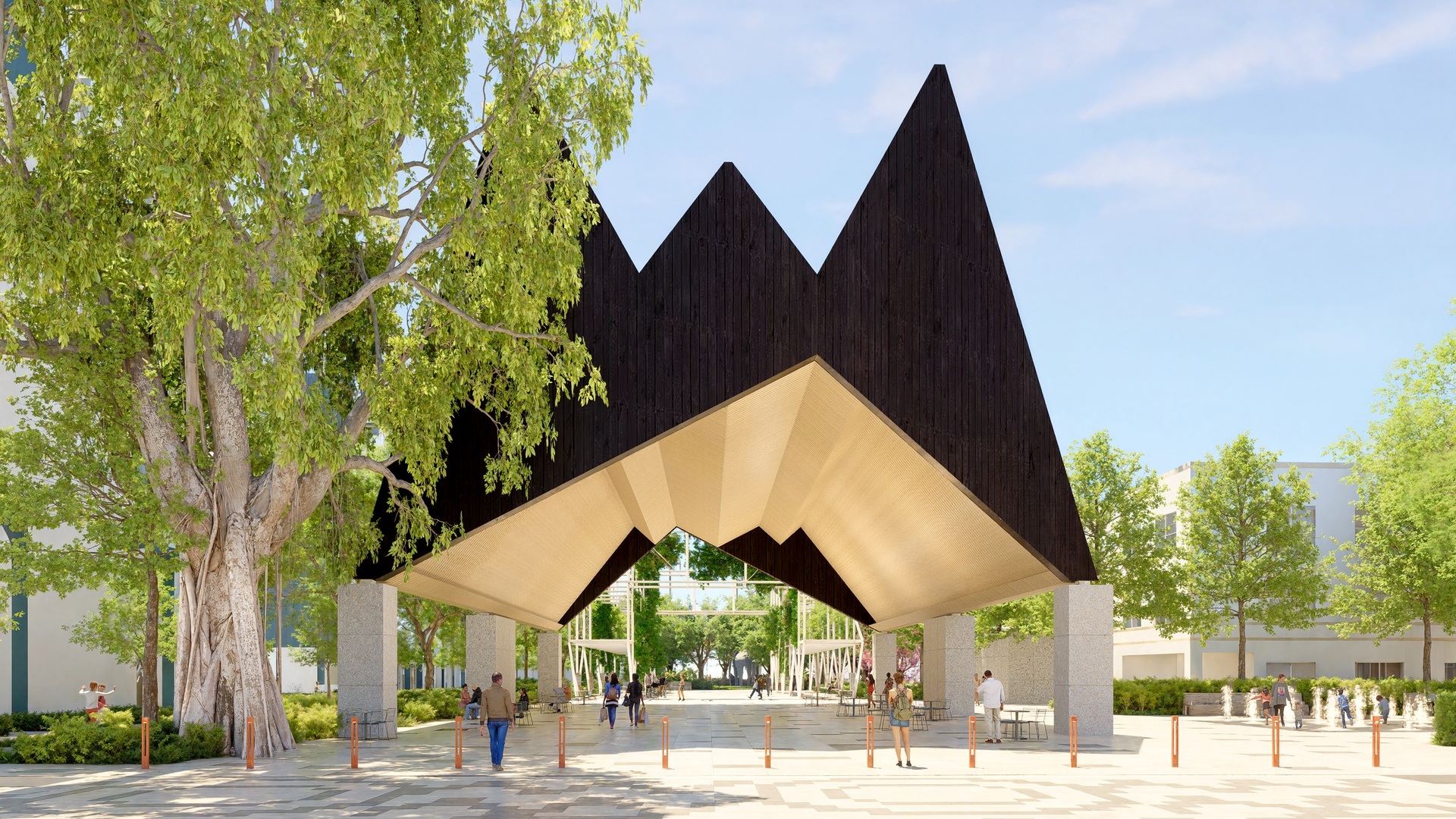
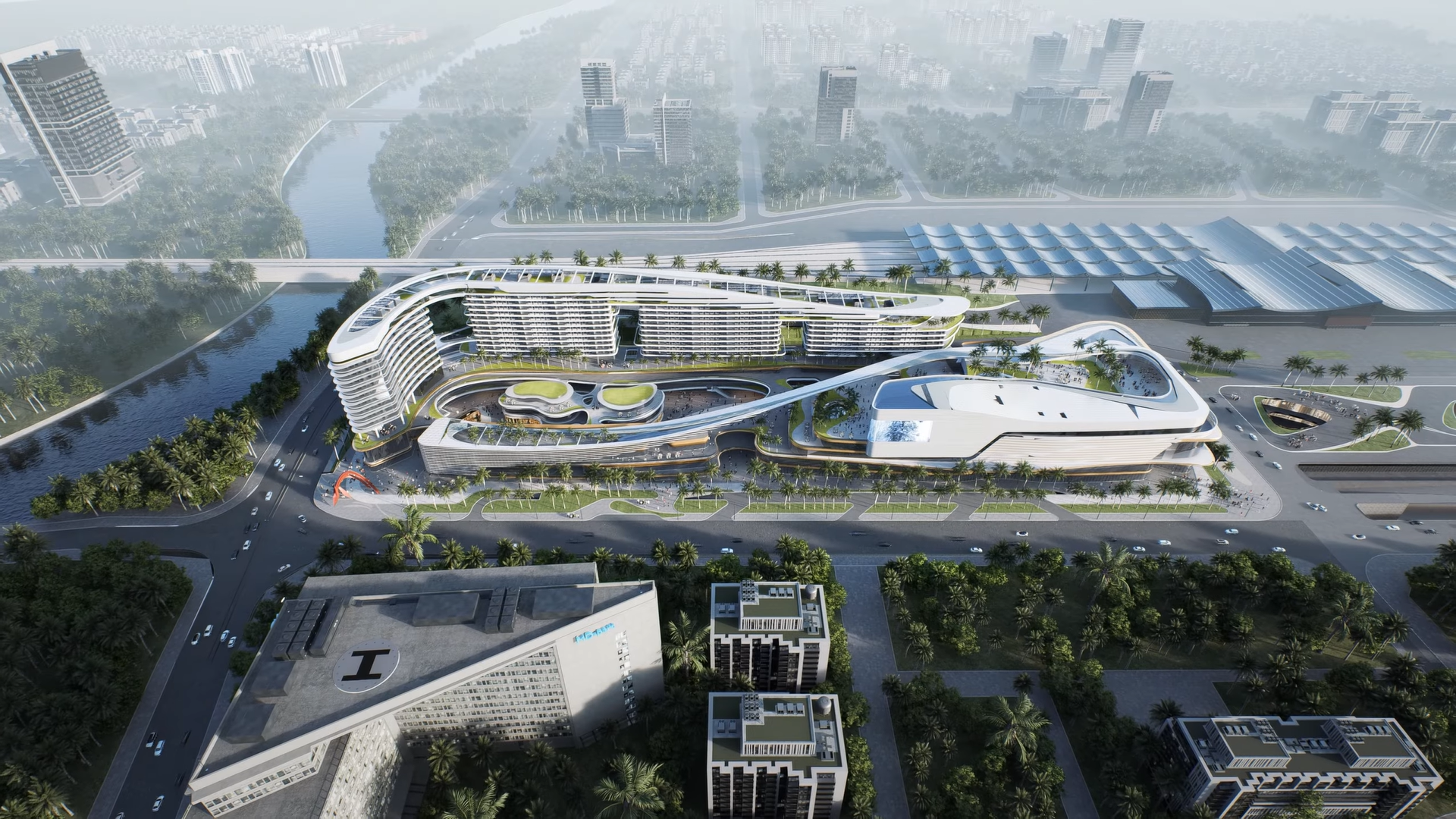
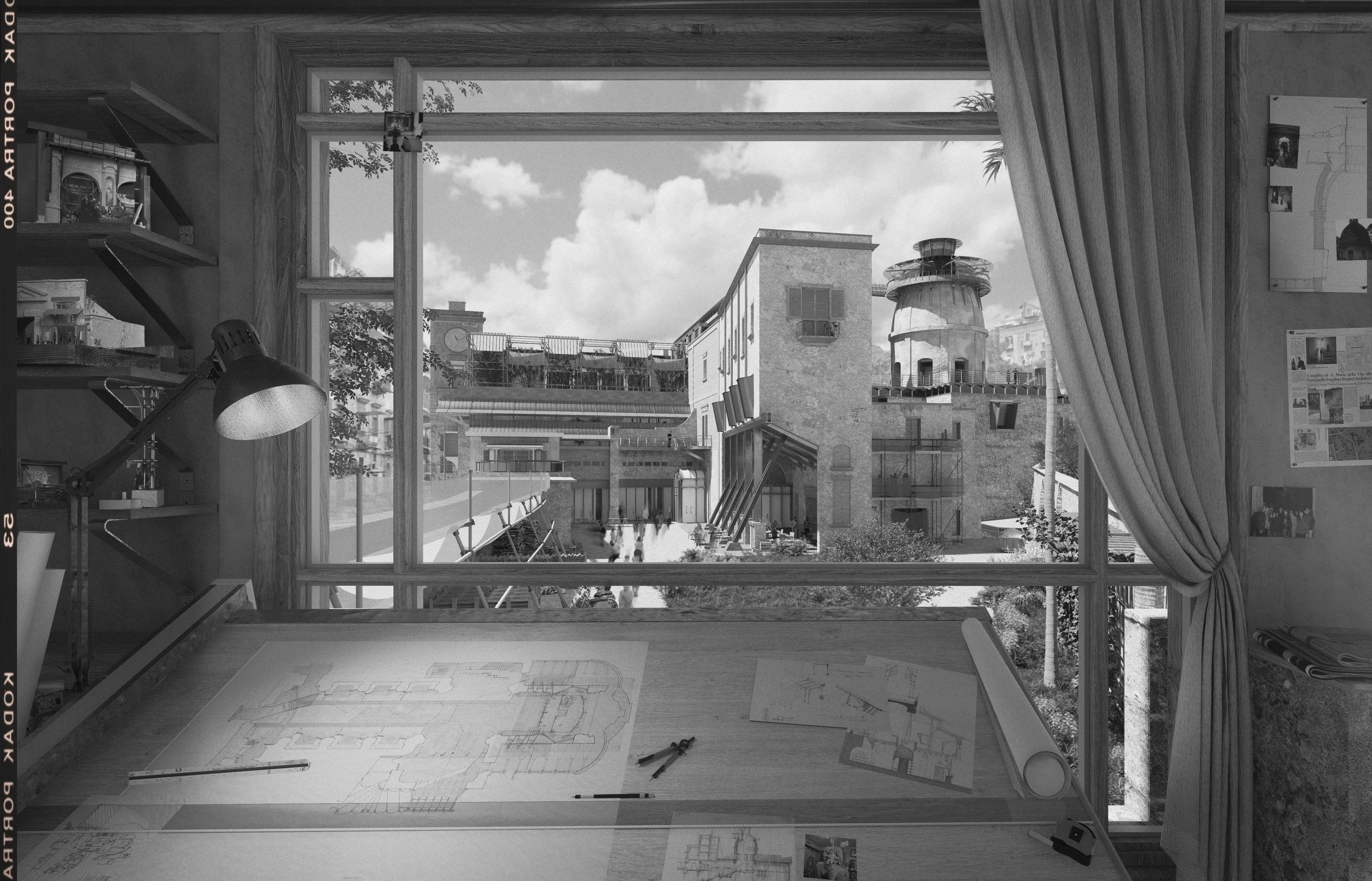
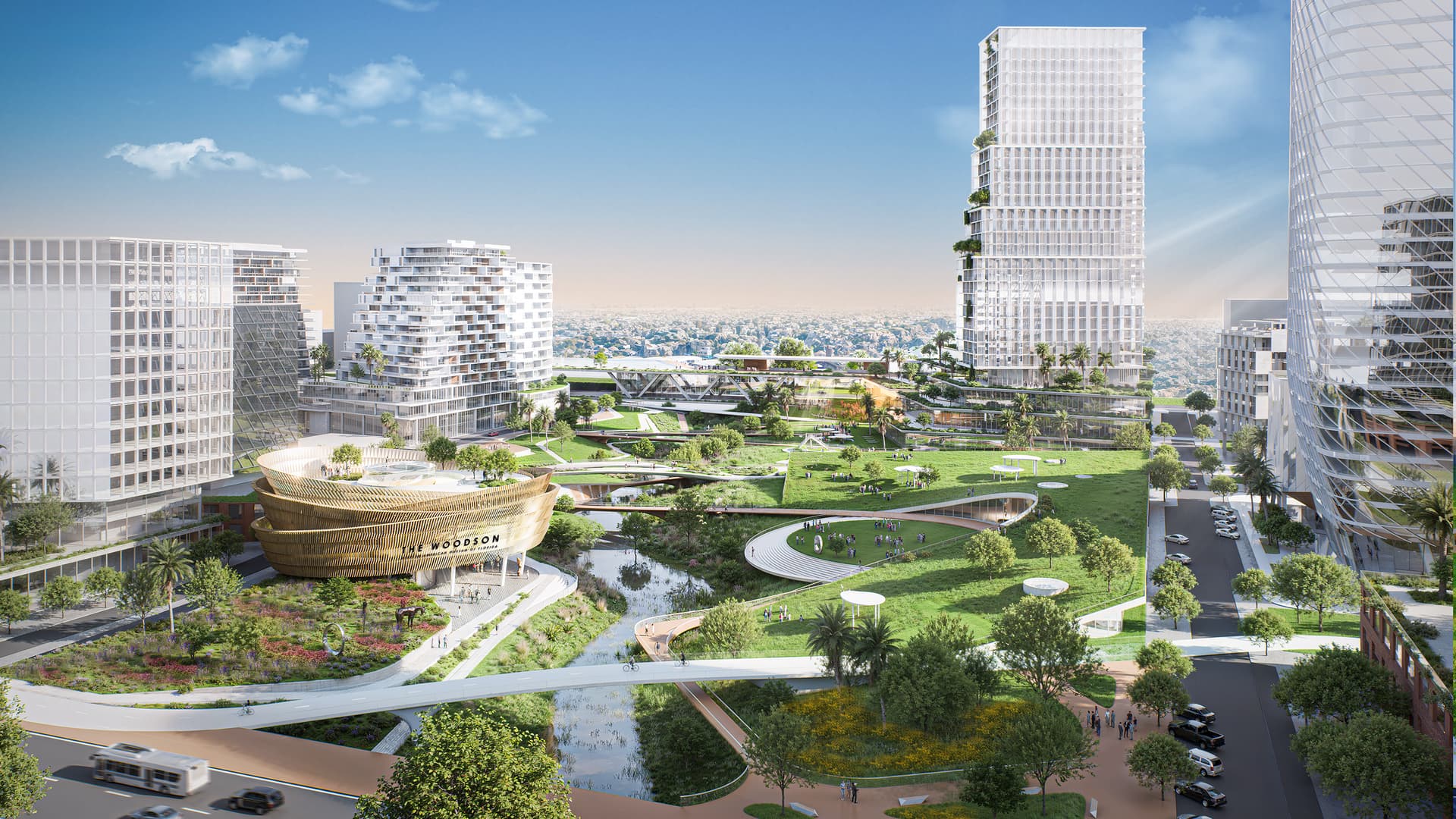
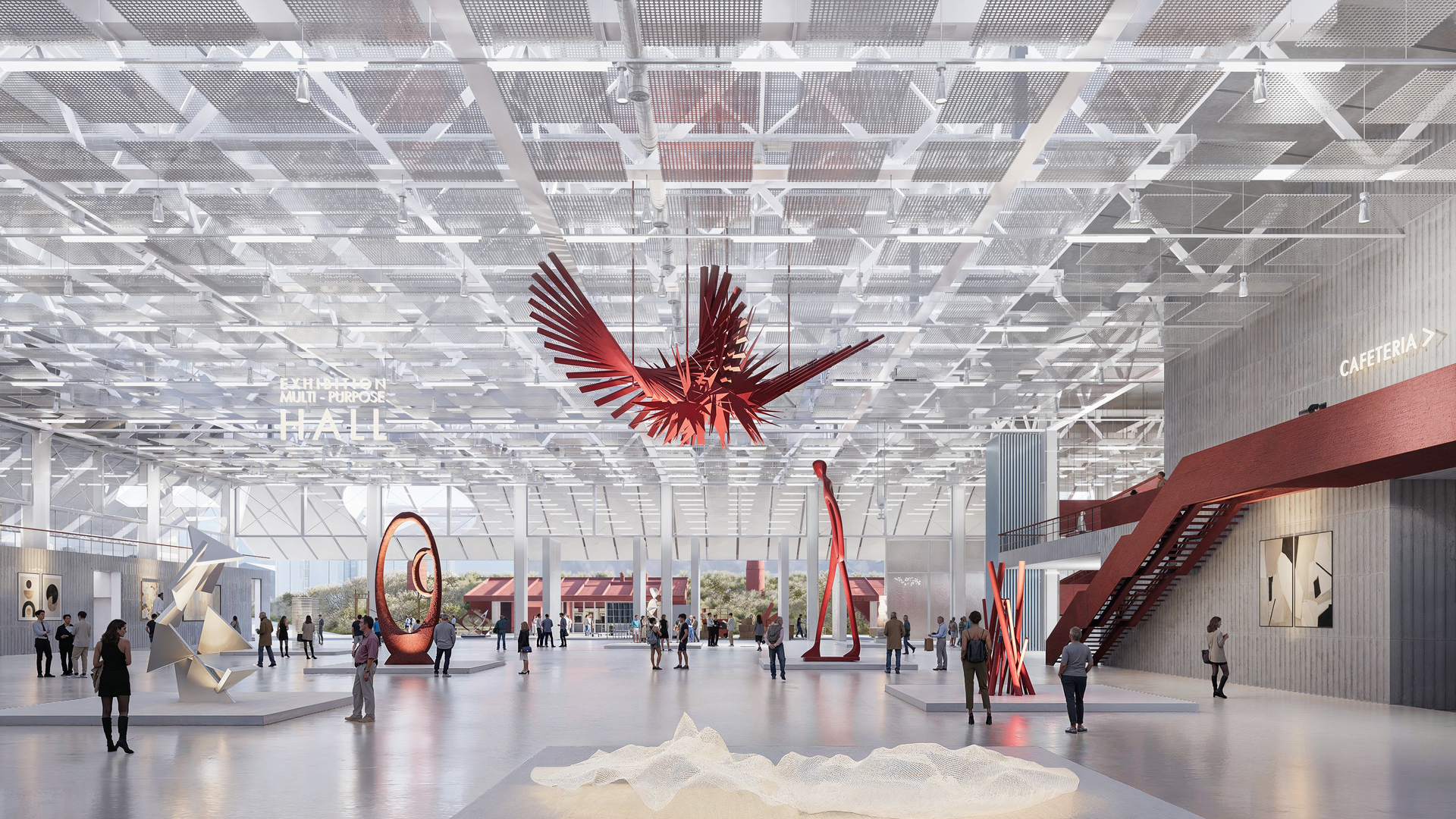
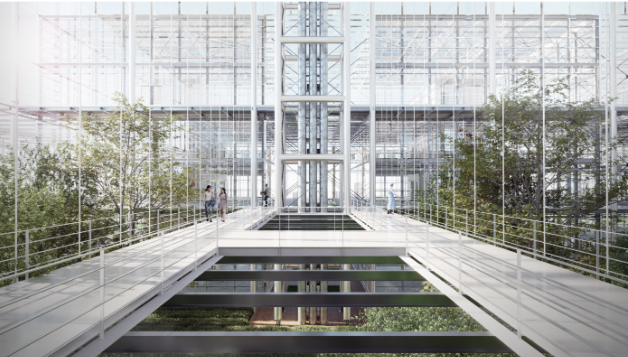
Spanning approximately 83 to 86 acres, the site is now being reconsidered for redevelopment. WJ Architects approached it not as a collection of buildings, but as an urban strategy focused on reconnection. Their proposal aims to restore continuity within the city, transforming an underutilized, asphalt-heavy site into a meaningful public environment.

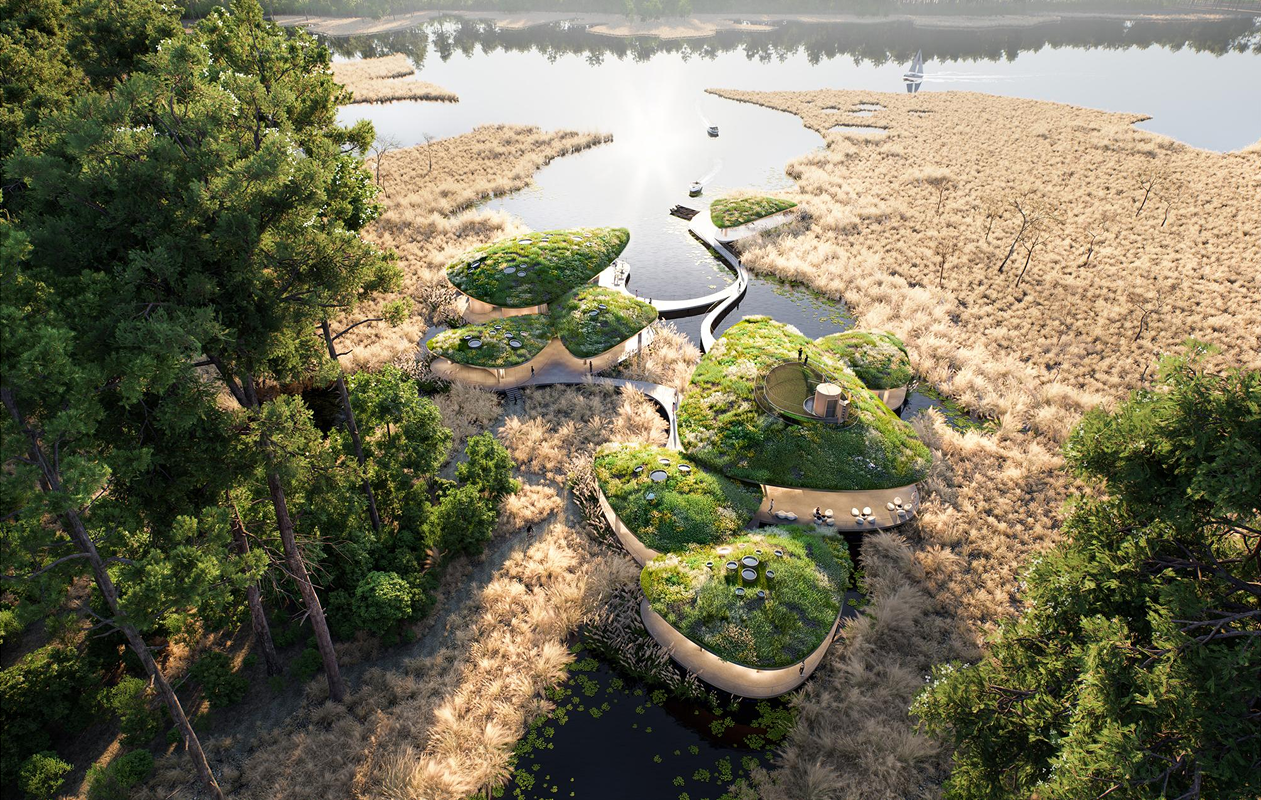
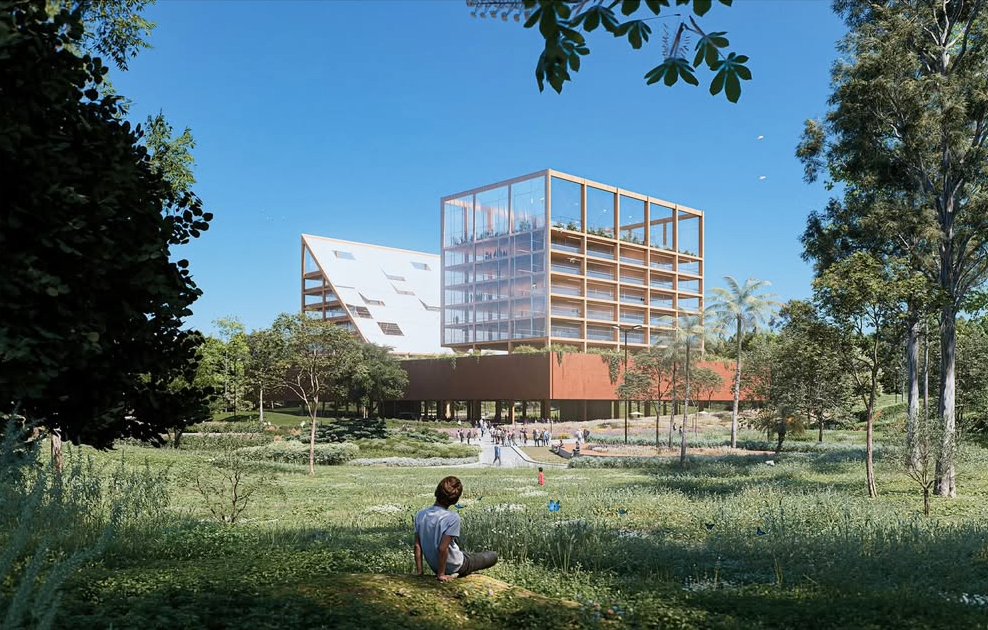
At the center is Booker Creek, reorganized as a green spine that structures movement and reconnects surrounding neighborhoods. The emphasis is on creating a cohesive system of landscape, infrastructure, and public space rather than isolated architectural objects.
From Open Exploration to Focused Execution
The design process begins broadly, using sketches and Rhino models to explore multiple possibilities. The goal at this stage is to identify a strong organizing idea rather than finalize form.

For this project, the team concentrated early efforts on defining the park system and its role in reconnecting the city. Once this framework was established, the process shifted toward refinement, with limited directional changes and increased focus on development and communication.
Visualization as a Design Tool, Not an Output
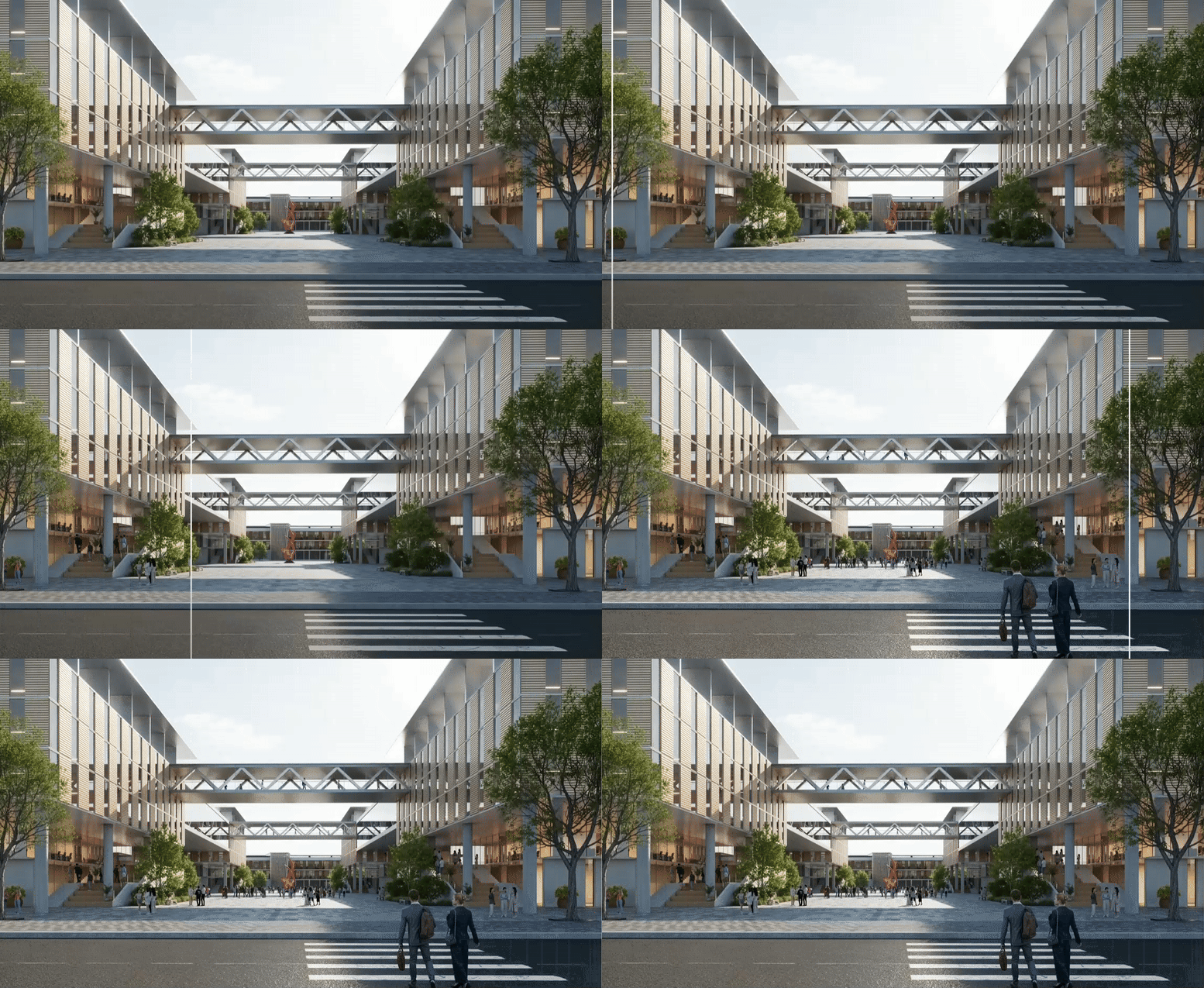
Visualization is integrated directly into the design process. Tools such as D5 Render and Enscape are used early to experience space, evaluate scale, and explore material relationships.
Now we have the ability to design with perspective… 10–15 years ago, we didn’t have that.
—Jamison Sweat, Director of Design at WJ Architects
This allows decisions to be made with greater spatial clarity from the outset. As the project progresses, design and visualization operate as a continuous loop, with iteration continuing up to submission.
Collaboration Across Teams and Scales
The project involved collaboration with another firm, with around 40 contributors and approximately 10 architects directly involved. Responsibilities were divided by site zones, with WJ Architects focusing on the central park and adjacent buildings while the partner firm handled surrounding development areas.
Models were exchanged to maintain alignment, while visualization remained fully in-house at WJ Architects. Architects produced their own renderings, ensuring consistency between design intent and visual output.
Adopting D5 Render in a Transitional Workflow
D5 Render was introduced while the studio was still actively using Enscape, particularly for early-stage live syncing. Rather than replacing existing tools, D5 became part of an evolving workflow, used for both early exploration and final output.
Its intuitive interface enabled quick adoption, offering a balance between visual quality and ease of use compared to more complex rendering tools.
D5 has been a happy medium—good quality but quick on the feet.
Working at Urban Scale: Why D5 Mattered
The scale of the project introduced challenges in managing file size and performance. Traditional workflows required embedding assets directly into models, increasing complexity and slowing performance.
D5 allowed the team to separate geometry from visual detail. Base models remained lightweight, while assets were applied within the rendering environment. This made it possible to handle a large, multi-building site efficiently.
Speed, Iteration, and Control
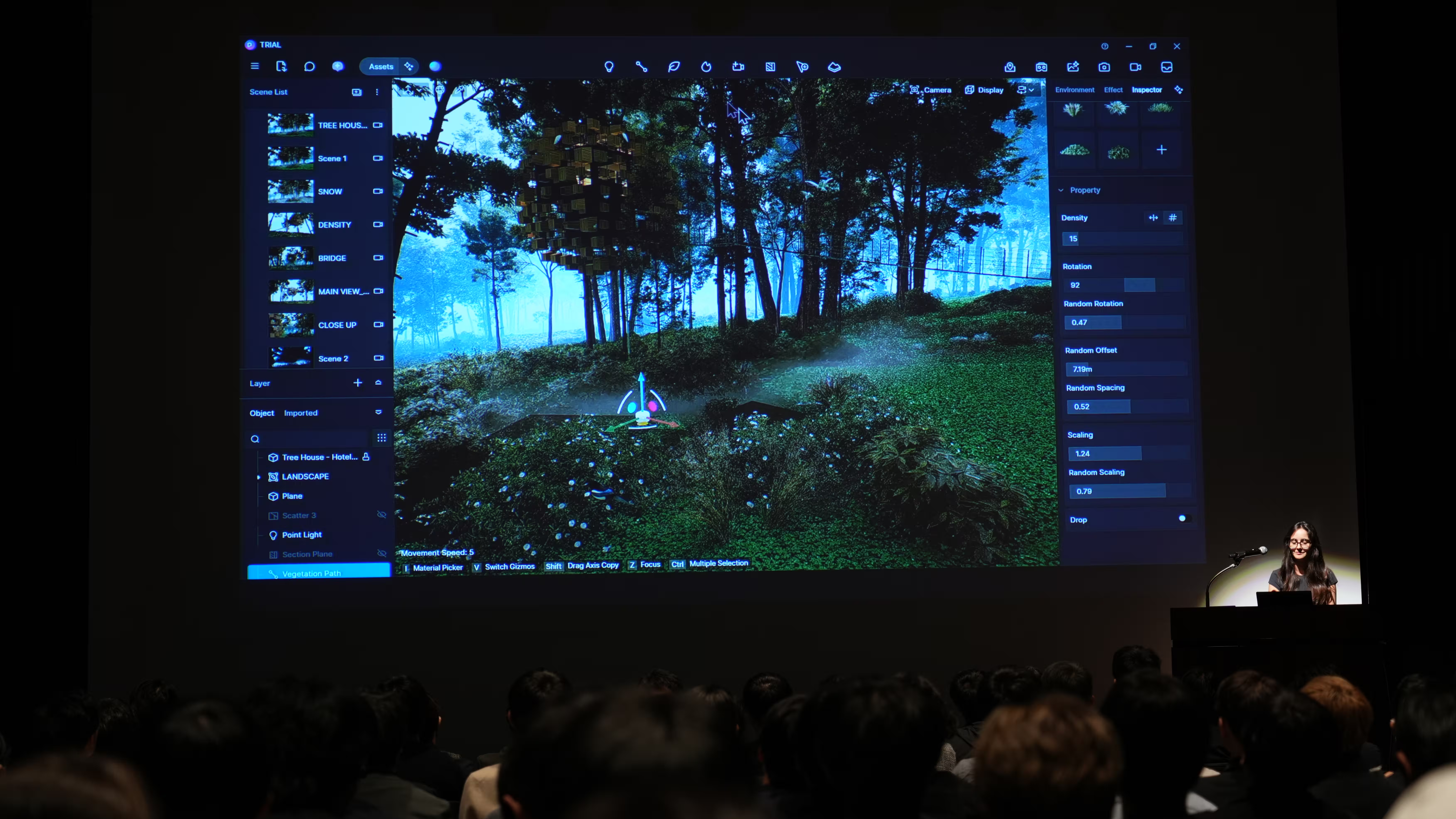
D5 enabled rapid scene building through tools such as scattering and brush-based placement, allowing the team to reach high visual quality early.
Rather than reducing effort, this increased their capacity to iterate. The team continued refining throughout the process, often up to submission, with no clear bottleneck between design and visualization. Keeping visualization in-house also ensured direct control, with architects adjusting scenes in real time and shortening feedback loops across the team.
This efficiency also reduced reliance on post-production and minimized the need for external visualization support, simplifying the overall pipeline while maintaining design integrity. The resulting visuals helped communicate the project clearly and received strong feedback for their realism, particularly in how elements like the creek were perceived.
A New Standard for Large-Scale Visualization
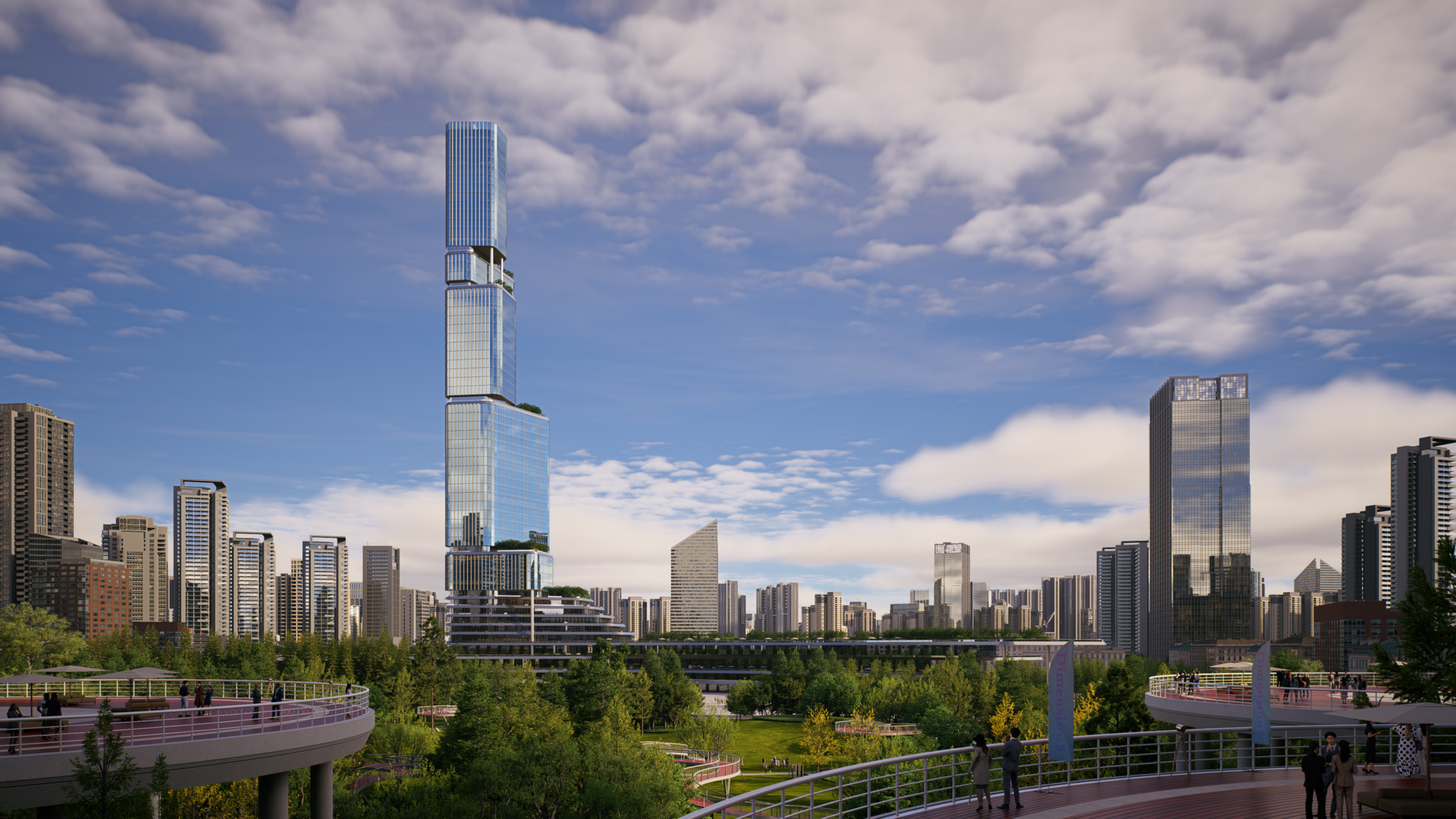
With approximately 30 days to develop an 83–86 acre urban proposal, the project placed significant pressure on both workflow and output quality. Within this constraint, D5 enabled the team to manage a complex, multi-building environment while maintaining performance and clarity.
By separating geometry from visual detail, the team could handle urban-scale models efficiently without overloading files, allowing them to focus on design rather than technical limitations. The ability to iterate continuously—up to the day of submission—demonstrated a shift in workflow capacity, where visualization no longer restricted exploration but supported it.
D5 enabled the team to communicate a complex urban strategy with clarity and completeness within real-world constraints.
We wouldn’t have gotten there without D5—not at this quality.
AI as Assistance, Not Replacement
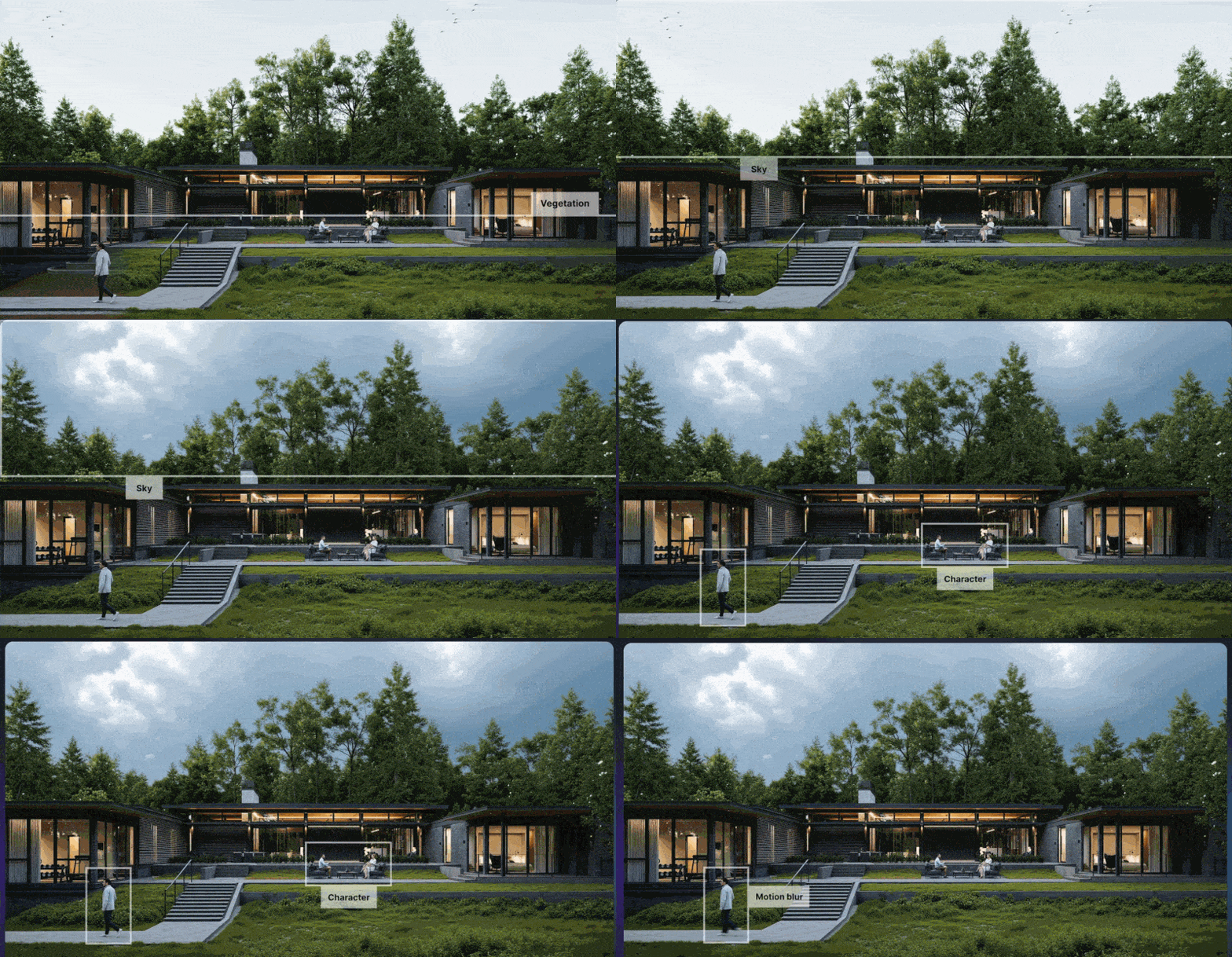
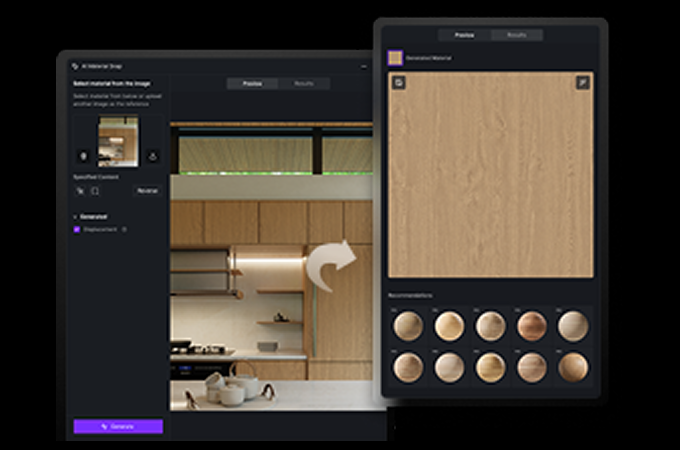
AI features were used selectively and tactically, primarily to support production tasks rather than drive design decisions. The team applied AI for refining vegetation, assisting with material choices, upscaling images, and generating simple assets such as sculptural elements when needed. These uses were integrated into the workflow as accelerators, helping resolve specific tasks quickly without interrupting the broader design process.

Crucially, AI did not dictate outcomes. As noted in the interview, it “didn’t really take over”—the team remained fully in control of composition, materiality, and spatial intent throughout. In this way, AI functioned as a supportive layer within the workflow, enhancing efficiency while preserving authorship and design judgment.
Conclusion: Merging Design and Visualization
The Historic Gas Plant District project reflects a shift in how WJ Architects approaches design. Visualization is fully embedded within their workflow, supporting iteration, communication, and decision-making.
Rather than replacing design thinking, tools like D5 reinforce the studio’s core principles of collaboration, exploration, and clarity.


.png)




.jpg)



.png)
1%20(2).png)





%20(1).png)
.png)
.png)