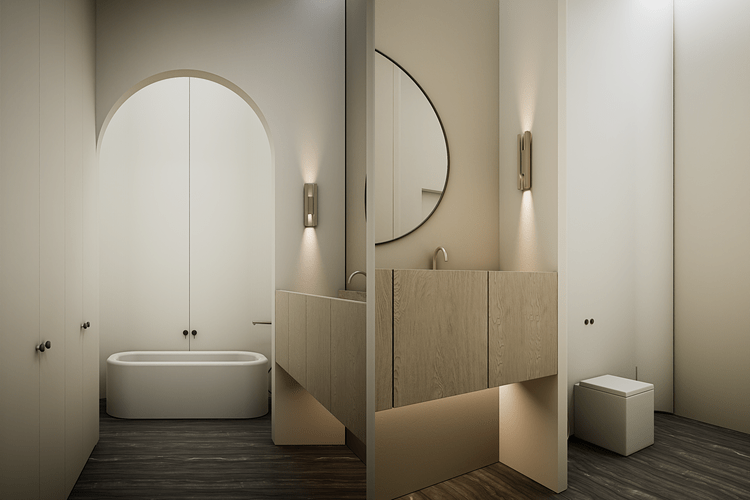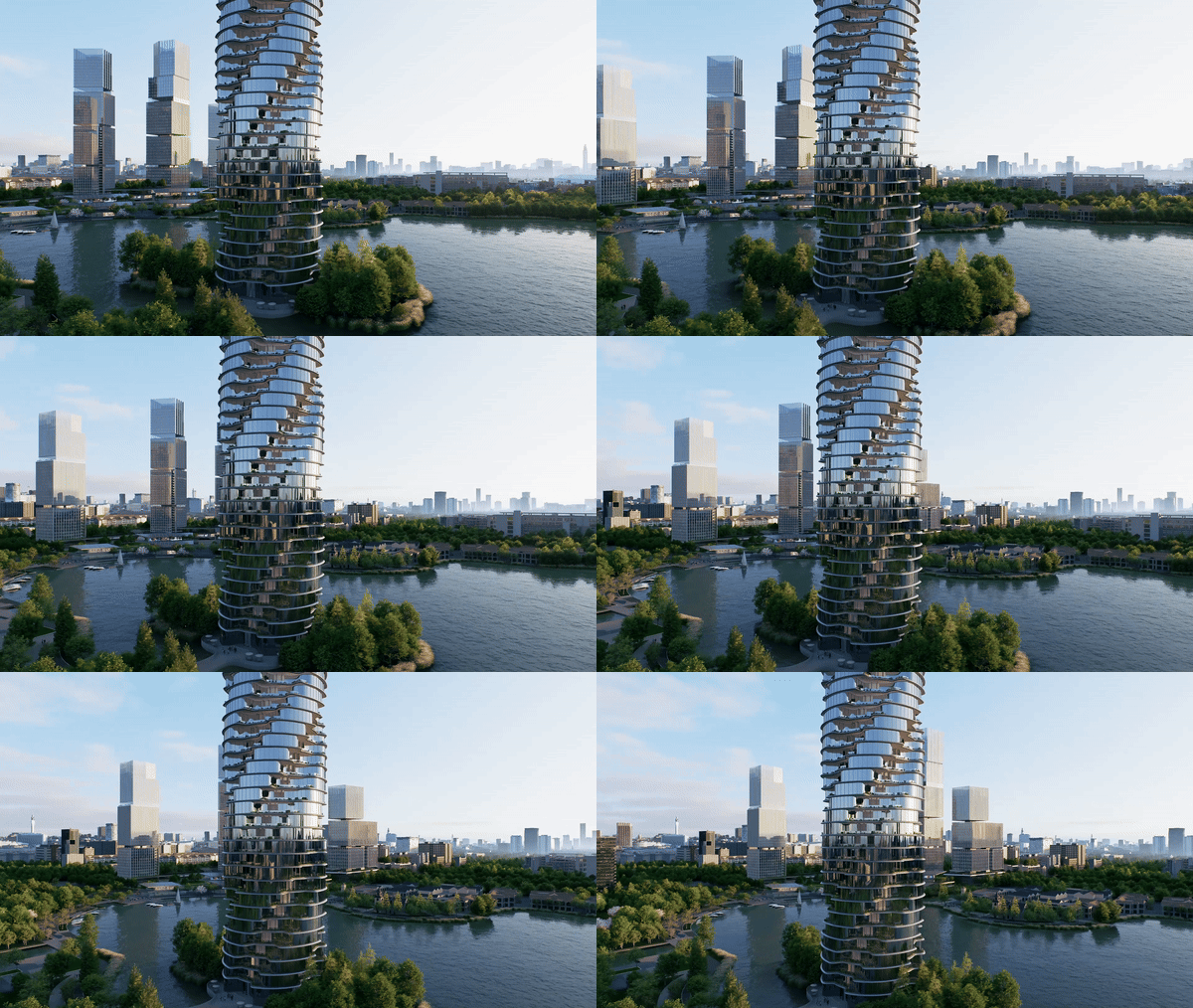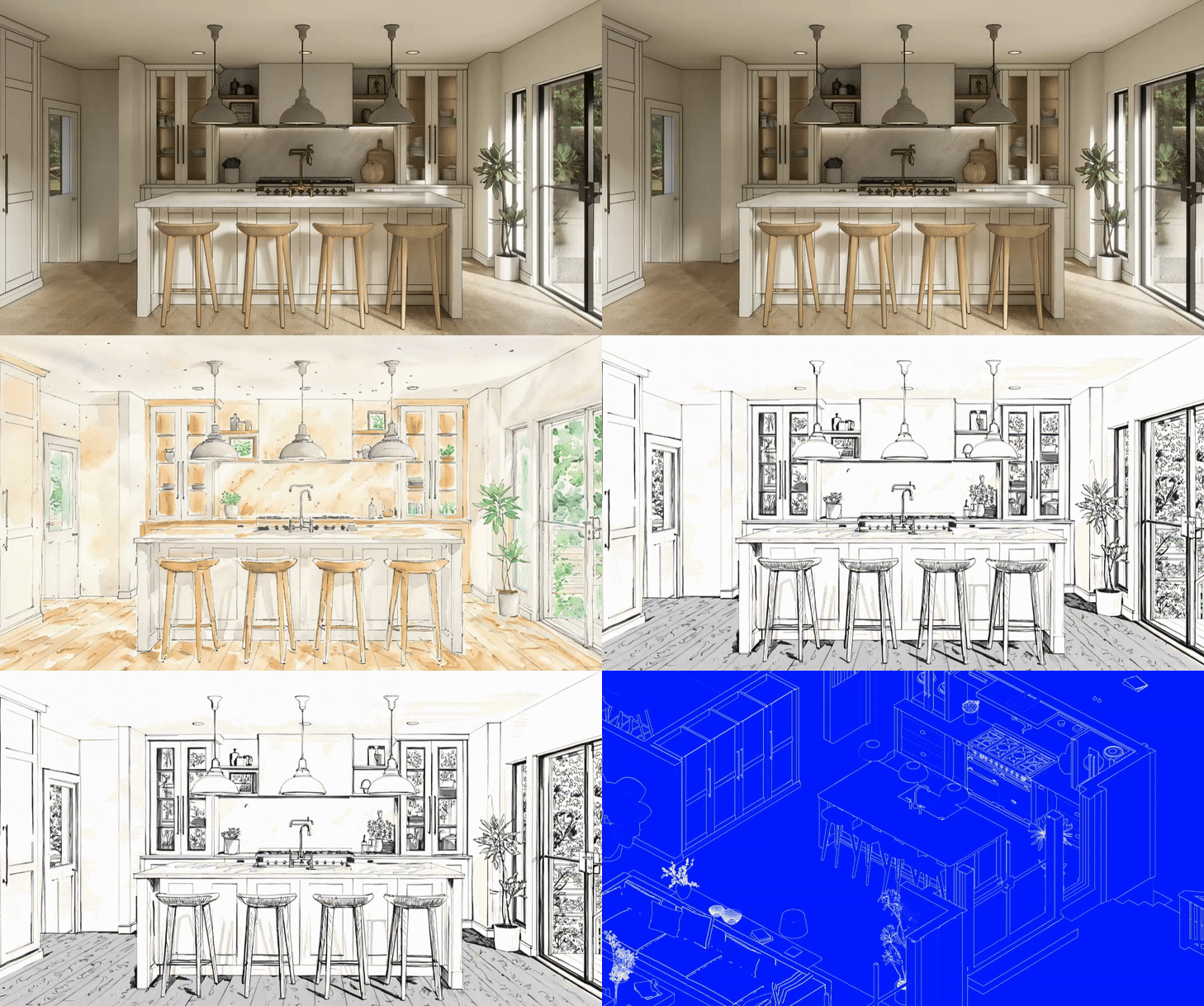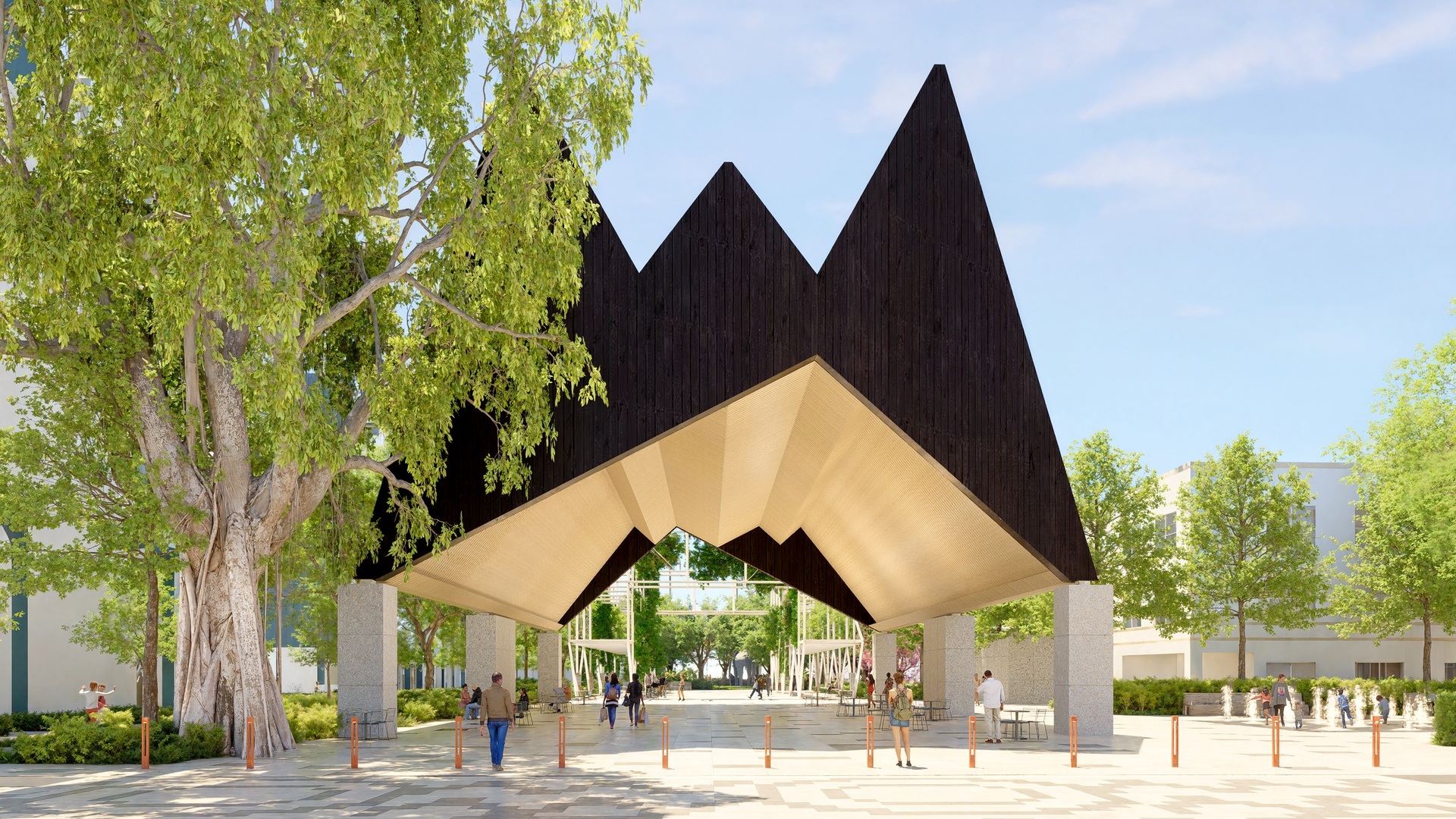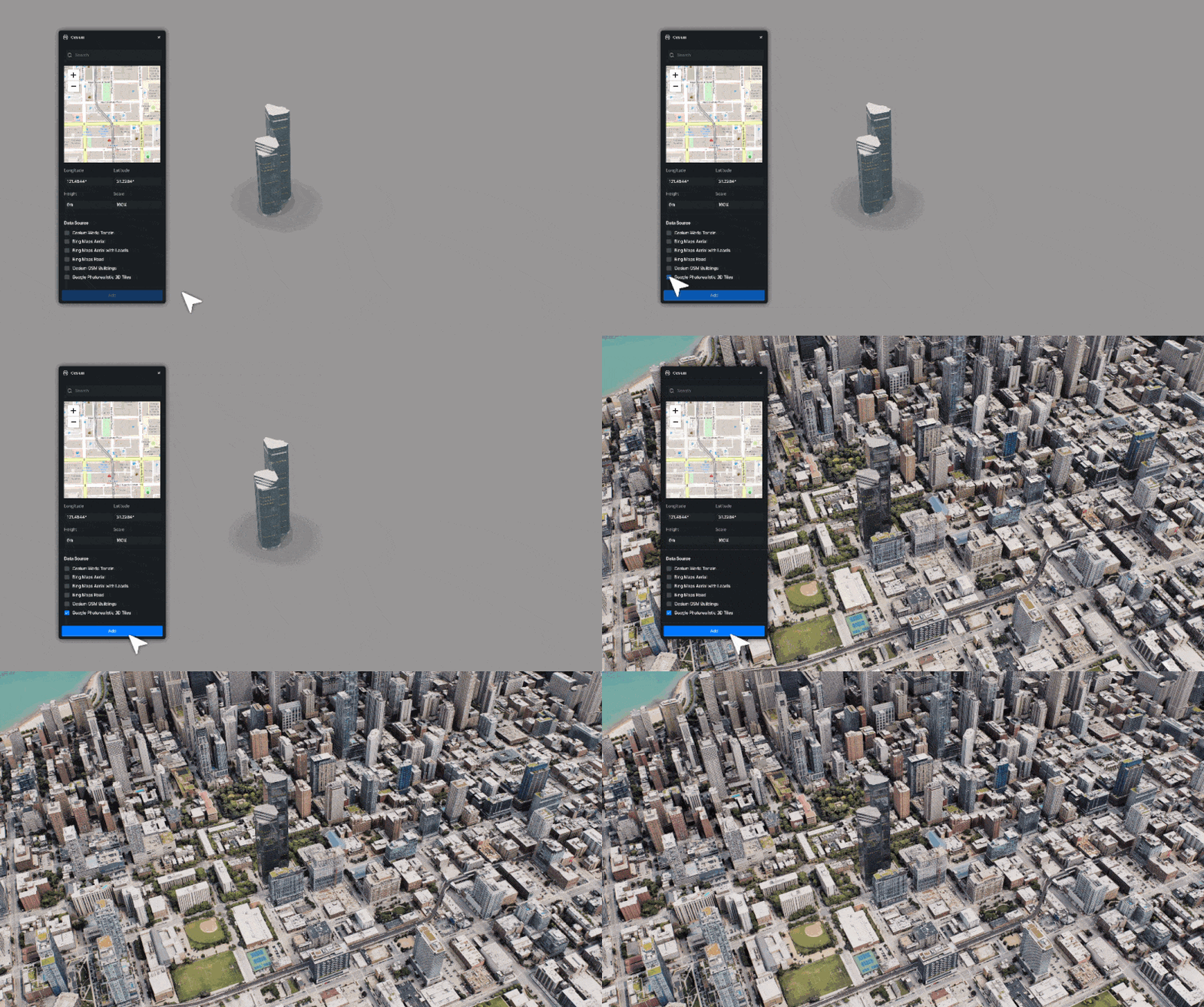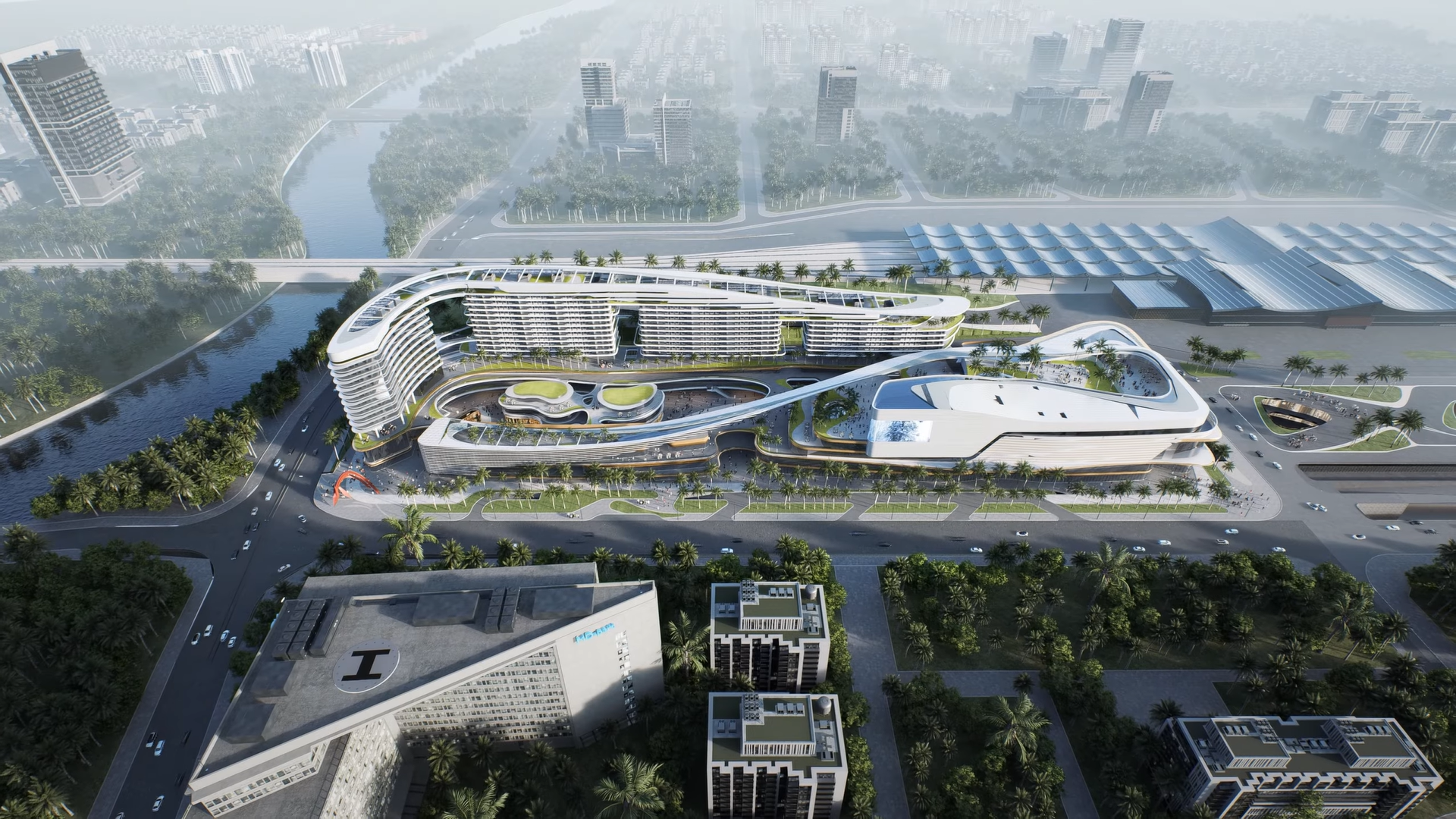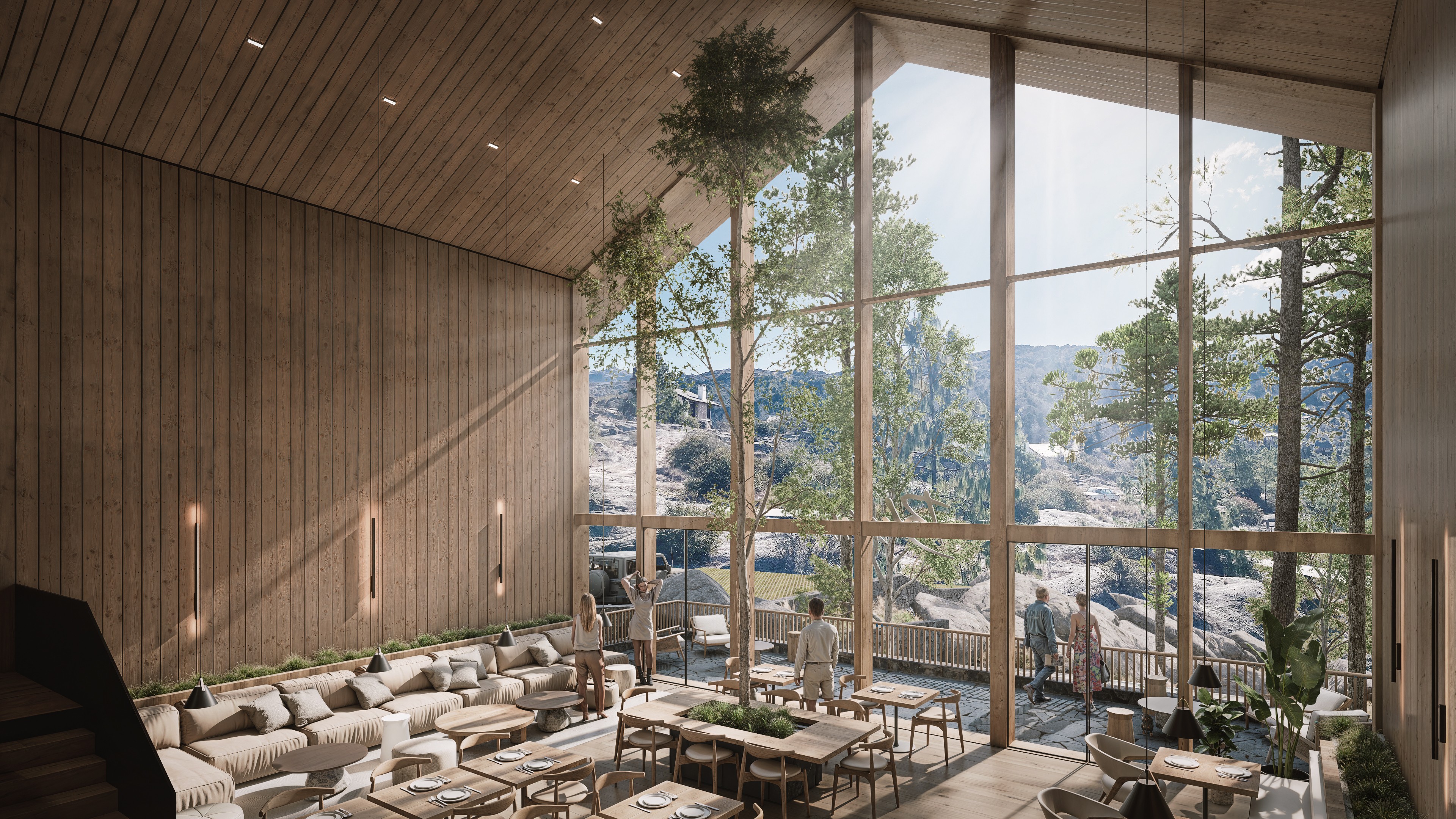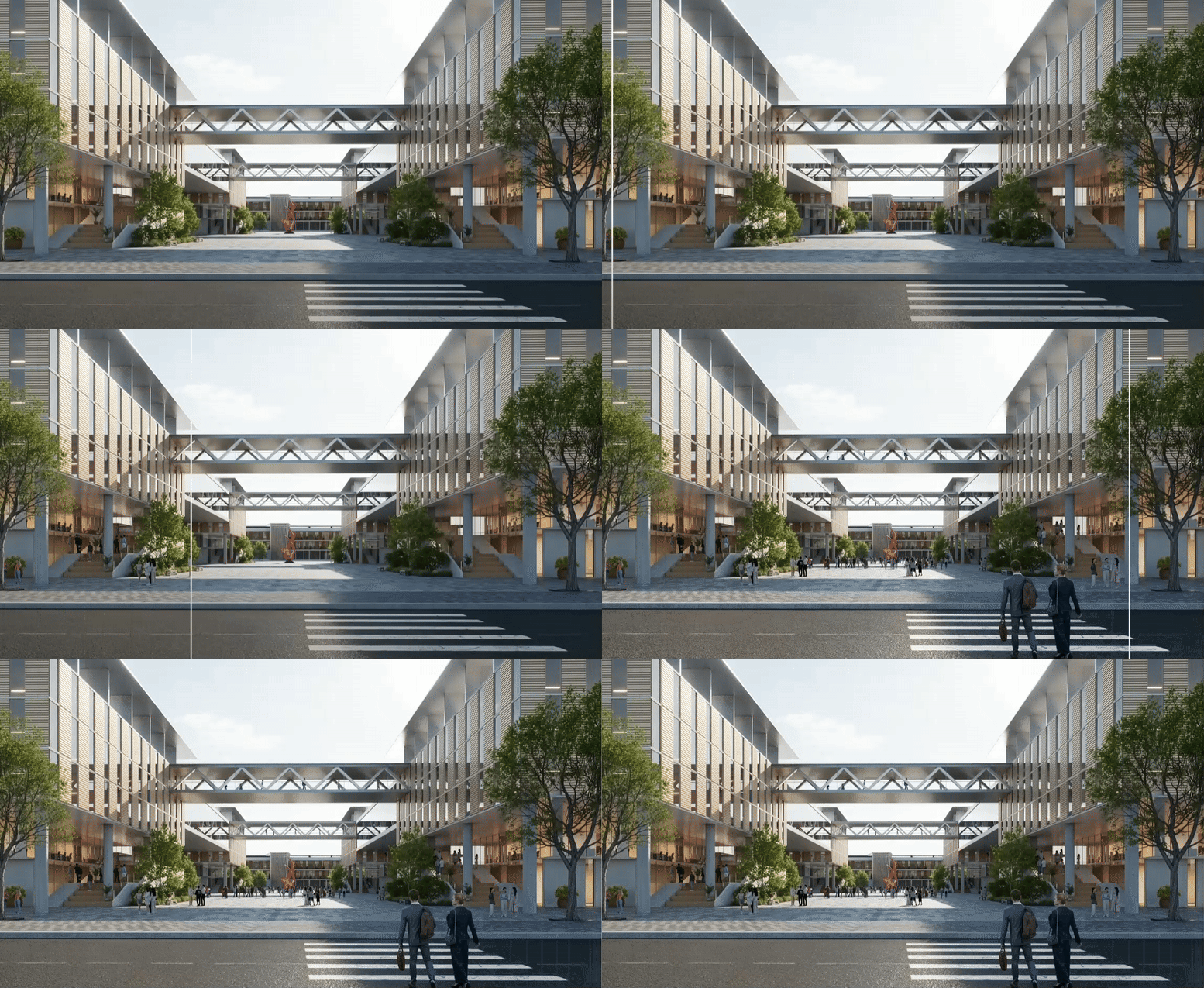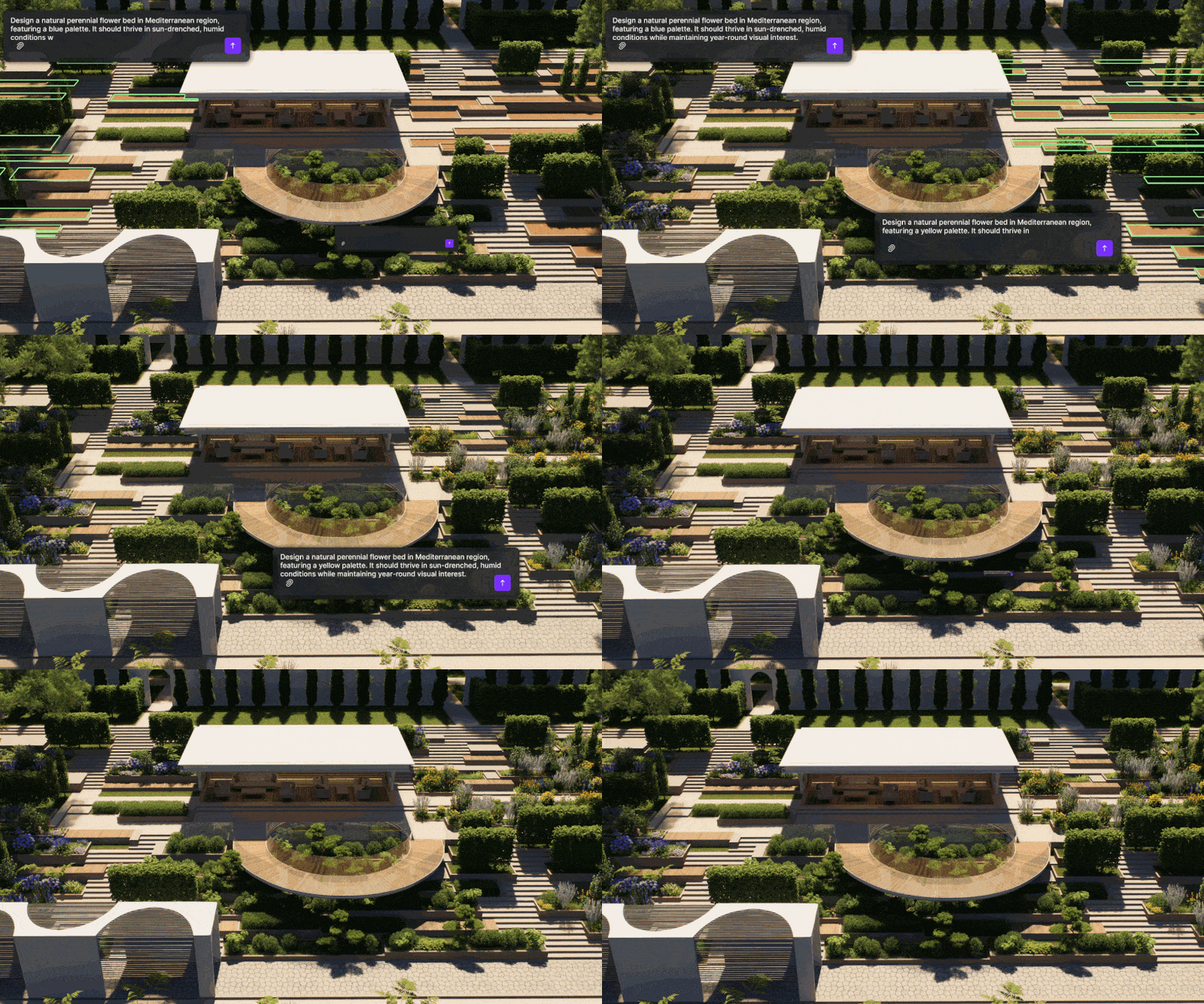


March revealed a clearer direction for D5: not only as a rendering tool, but as an AI-driven workflow system—connecting early design, real-time visualization, and team collaboration into one continuous process.
Across global sessions, case studies, and industry events, one idea surfaced consistently: visualization is no longer a final step. It’s becoming part of how design happens.
Webinars: From Exploration to Structured Workflows
March’s webinars moved beyond feature introductions and into something more practical—how teams are actually structuring their workflows with D5.
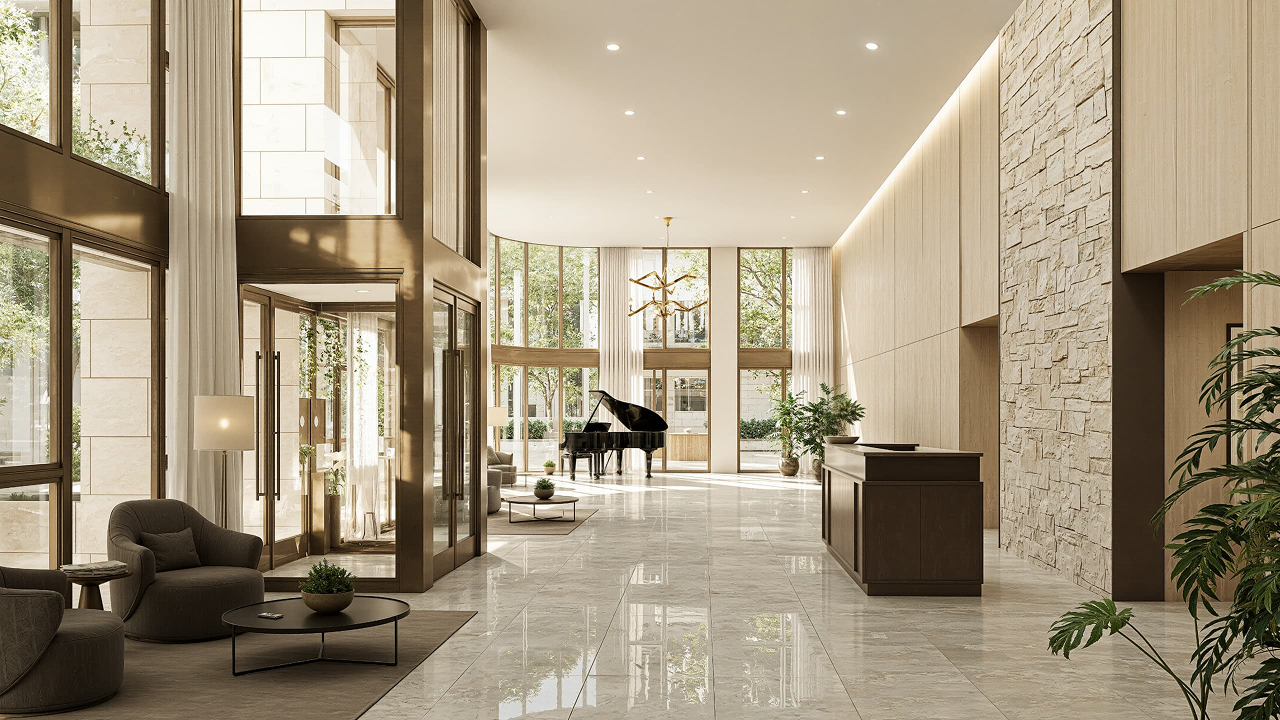
Sessions like “Visualization Collaboration in Practice” explored how real-time visualization is becoming a shared environment for teams, helping architects, clients, and stakeholders align earlier in the design process. Instead of waiting for final renders, decisions can now happen continuously as the design evolves.
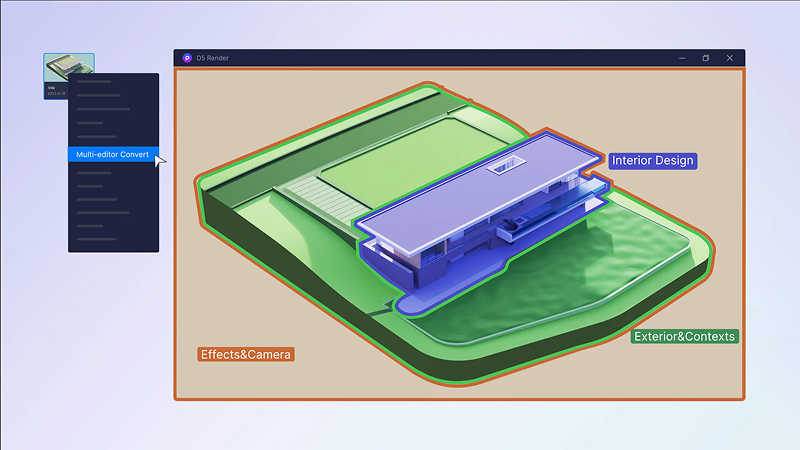
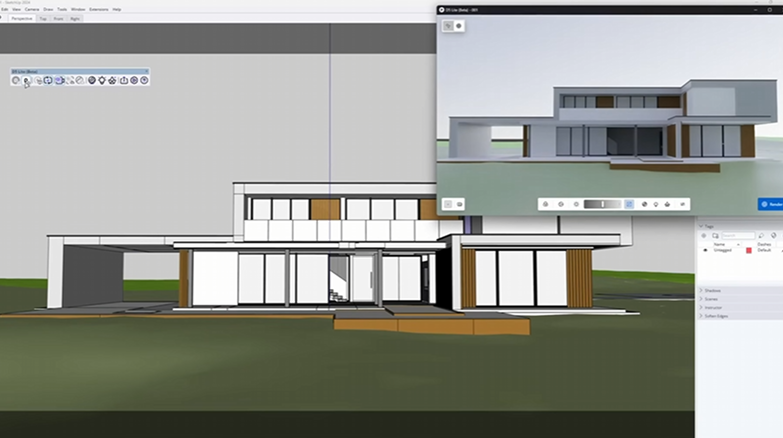
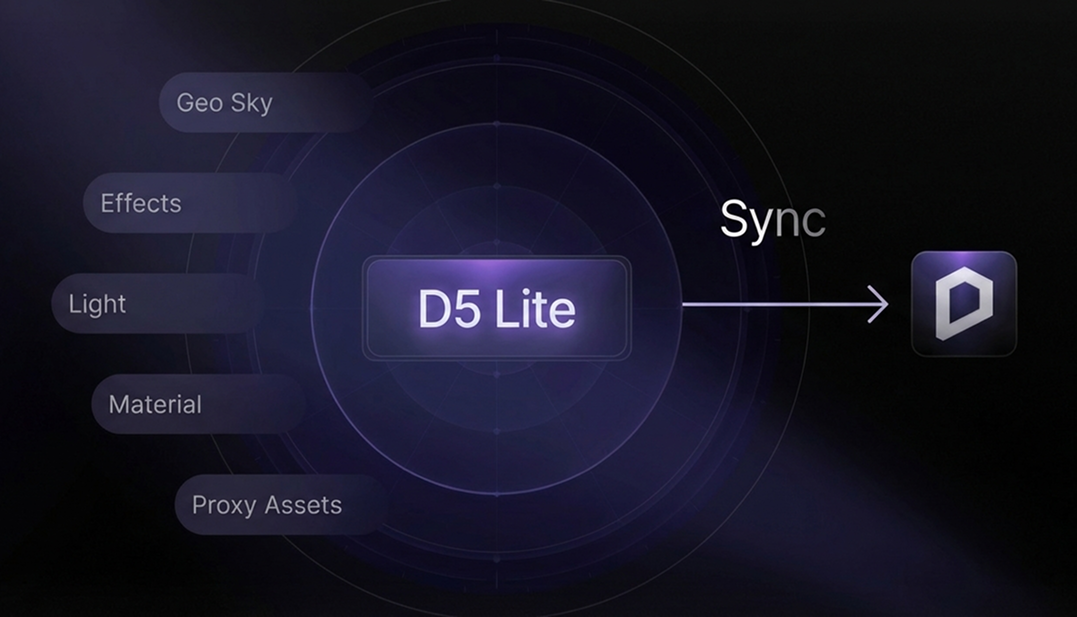
In LATAM, “De la fricción al flujo” focused on eliminating fragmentation—showing how a connected workflow, from early-stage exploration with D5 Lite to production in D5 Render, allows teams to move fluidly without breaking context.
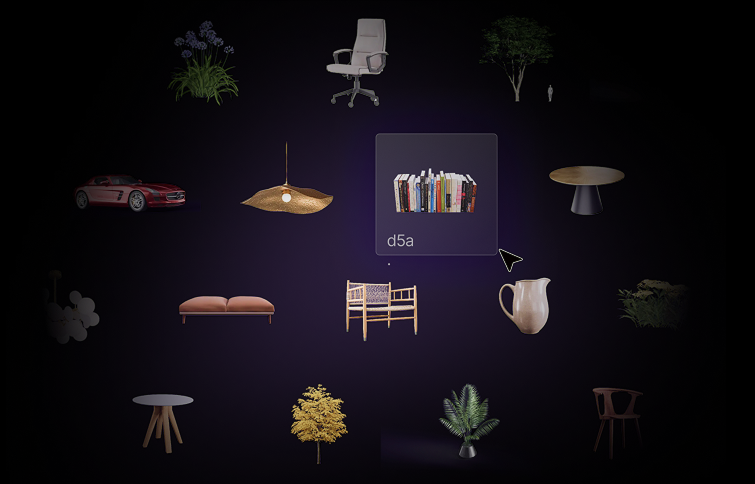
Meanwhile, in Poland, “AI w programie do renderingu — zobacz, co naprawdę potrafi!” grounded AI in real use cases, demonstrating how tools like AI Scene Match and AI Asset Recommendation reduce repetitive work while maintaining full design control.
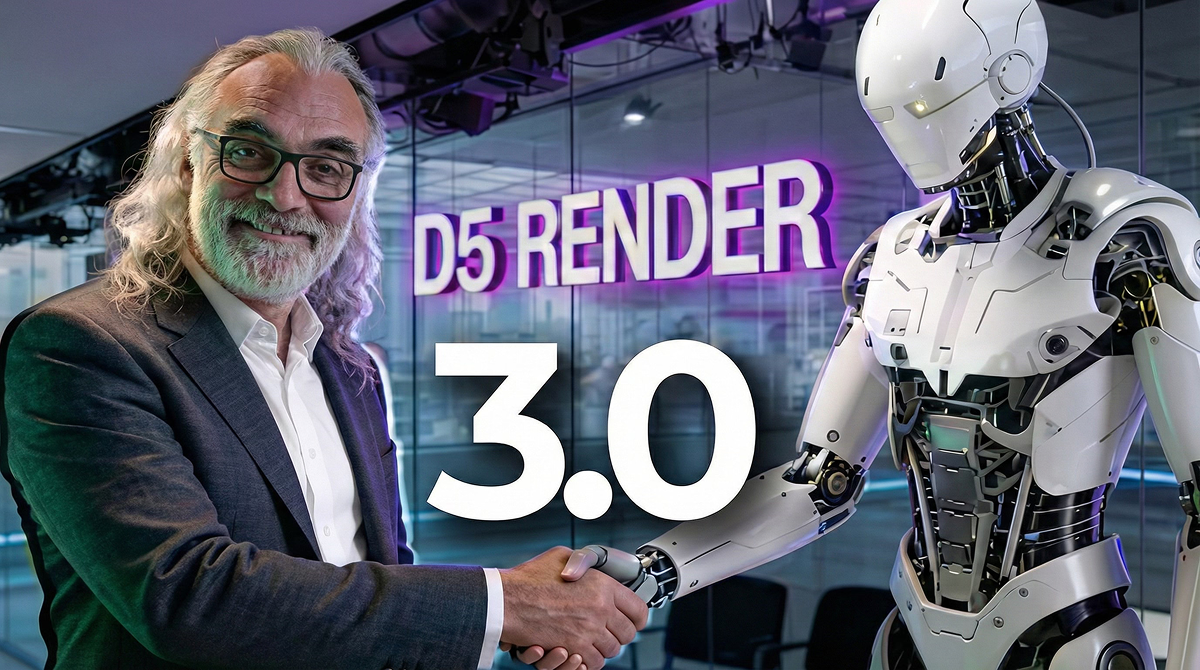
The Japan D5 3.0 webinar further reinforced this direction, presenting advanced capabilities to a market where precision and workflow reliability are essential.
Across regions, the message was consistent:
AI and real-time visualization are no longer standalone tools. They now operate as a unified layer across the entire design workflow.
Upcoming Webinar: D5 Render vs Nano Banana
📅 April 16, 2026
In this upcoming session hosted by BIM Pure, Andy Christoforou breaks down the evolving relationship between real-time rendering and image-generation AI. Drawing from his experience across tools, he will share practical insights on how D5 and emerging AI platforms like Nano Banana can work together within a unified workflow.
The session will also explore broader questions shaping the industry—from AI agents vs platforms, to the future direction of architectural visualization.
Events: From Presence to Industry Leadership
Beyond online sessions, March also marked a stronger presence in the global architecture and design community.

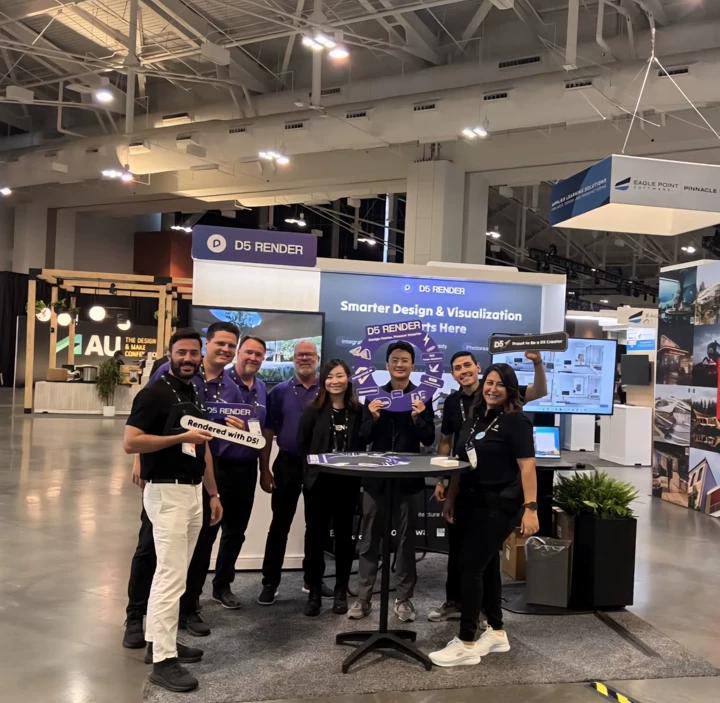
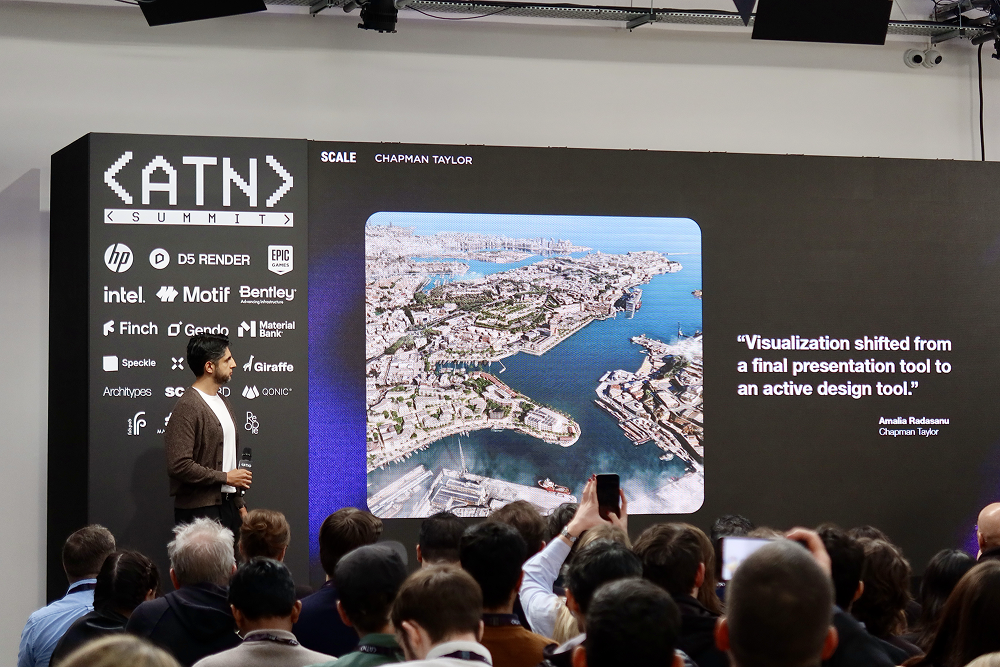
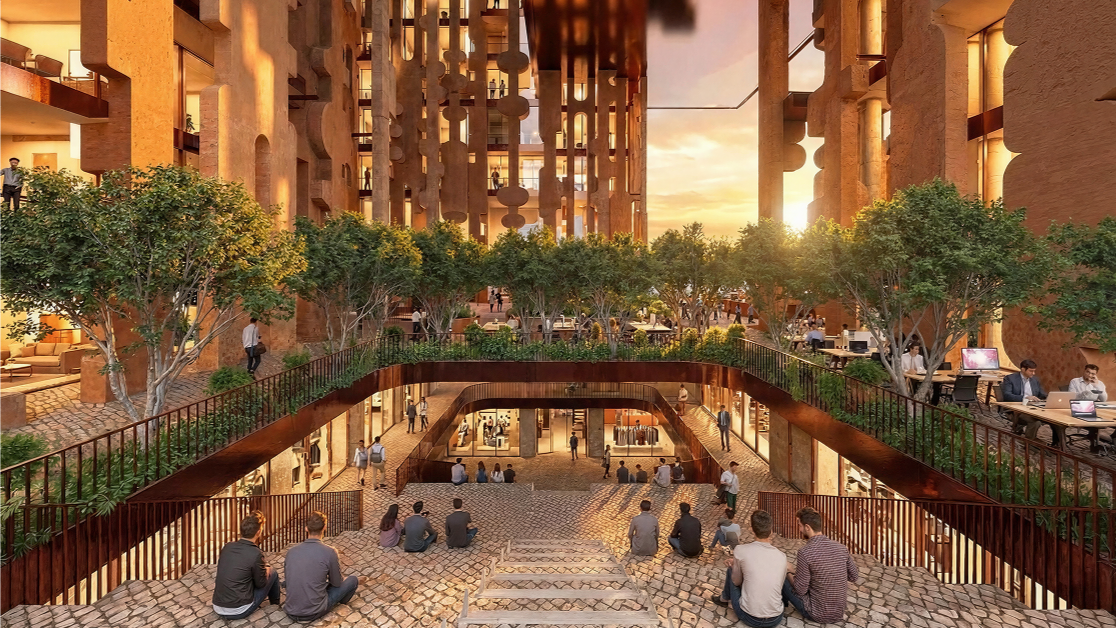
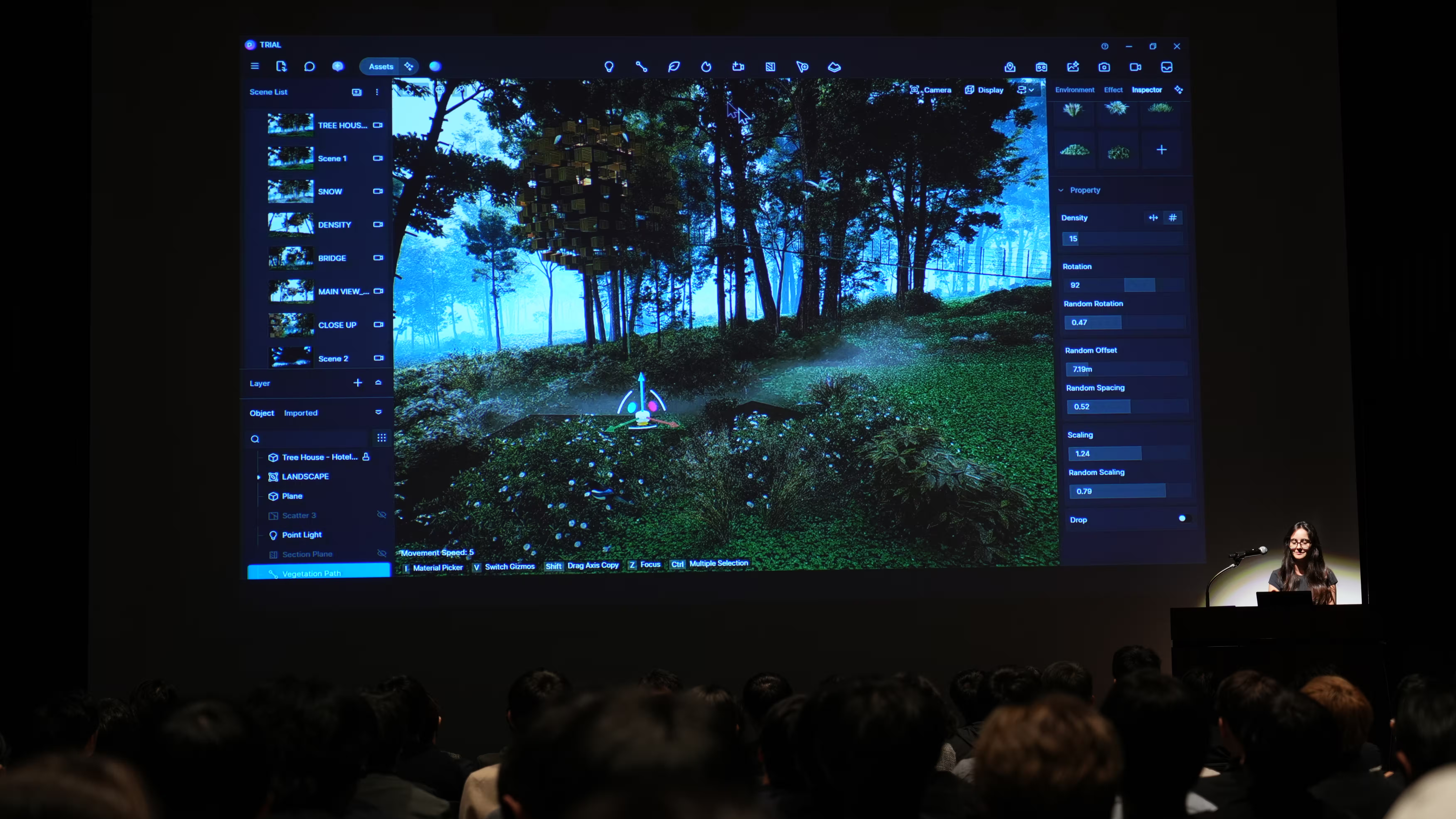
Bringing together architects, visualization artists, and industry leaders, the summit became a platform for real conversations around how AI and real-time workflows are reshaping design practice. Firms like Chapman Taylor shared their experiences integrating AI and real-time visualization into early-stage design, offering a grounded perspective on how these tools are being adopted in practice.
ATN D5 Video Competition
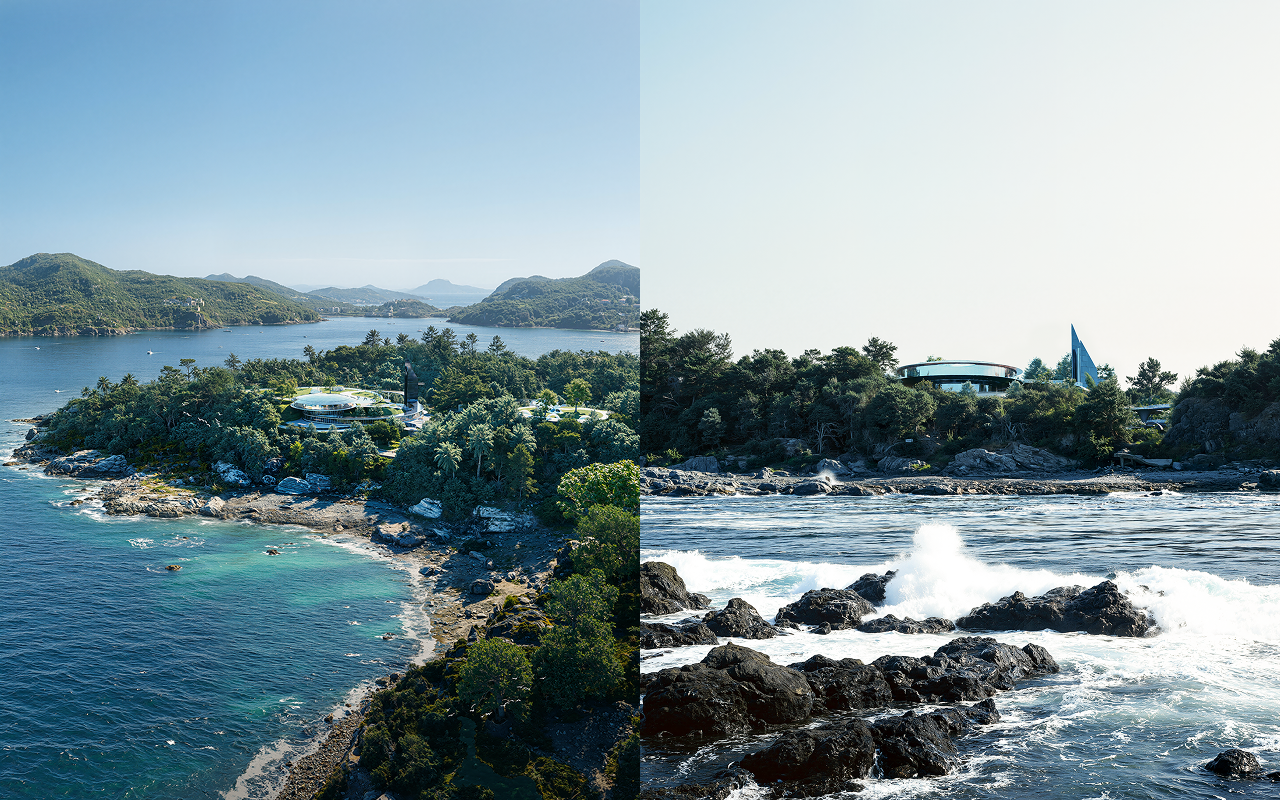
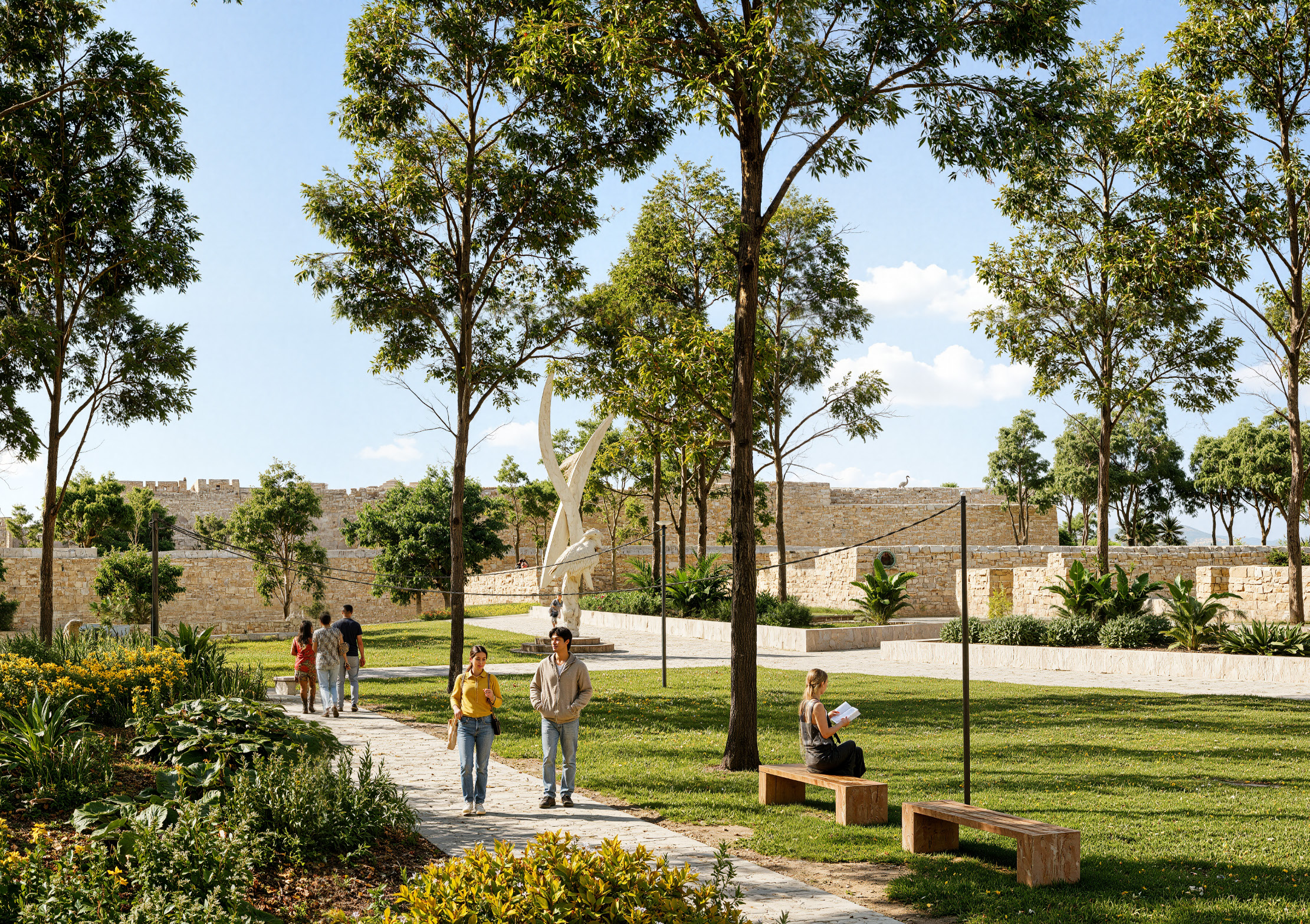
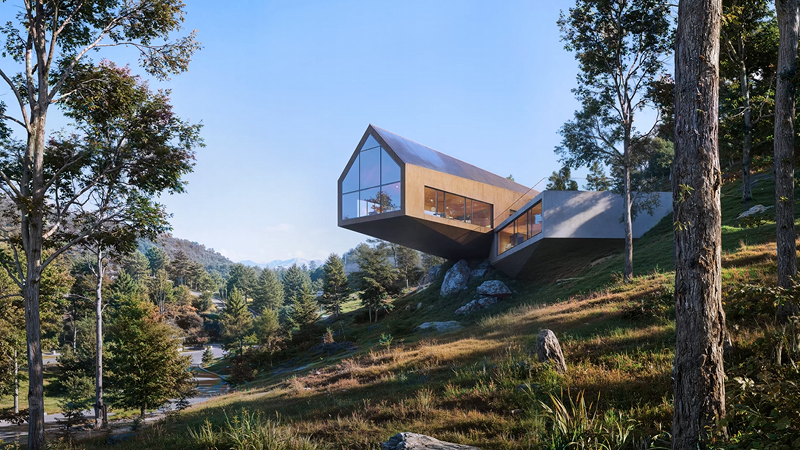
In collaboration with BIG, HP, and D5, participants reimagined the BIG birdhouse model across entirely new environments, exploring light, materiality, mood, and cinematic storytelling through 30–60 second films rendered in D5.
The creativity and quality across submissions have been incredibly high, showcasing how real-time workflows are enabling new forms of visual storytelling.
Congratulations to all winners!
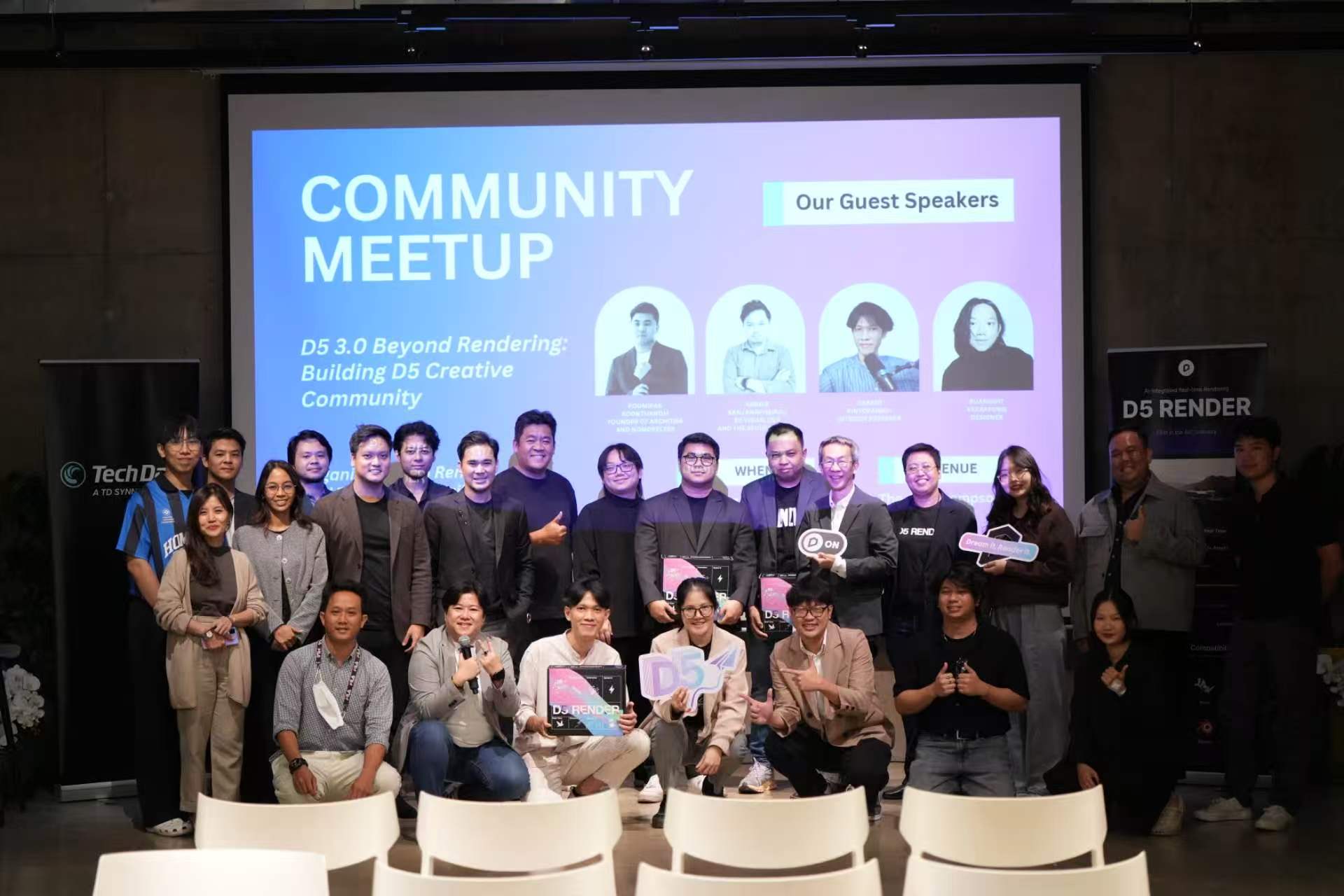
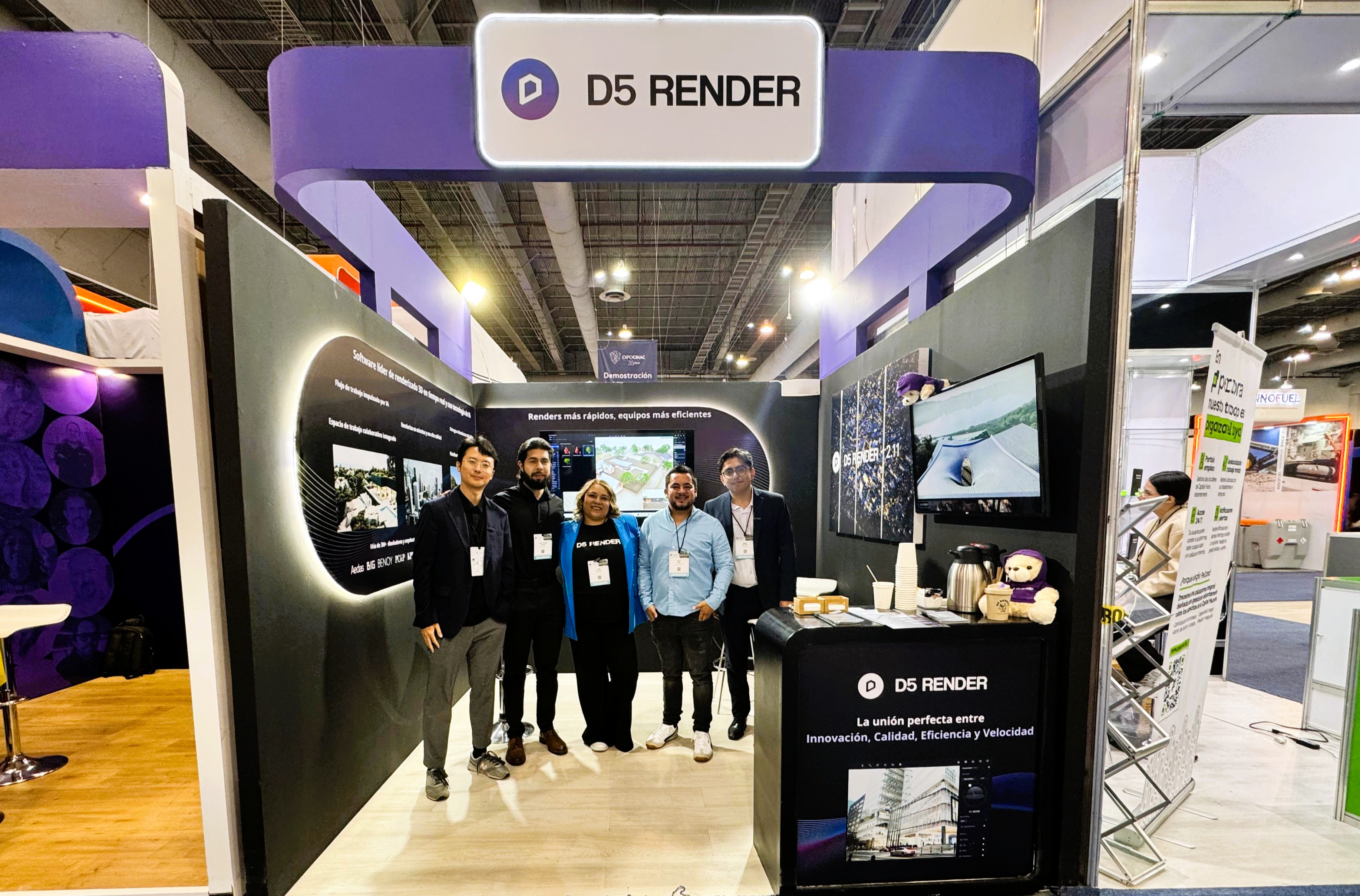
Beyond global gatherings, D5 also connected with regional communities. At Vietnam Built, D5 engaged with architects, developers, and industry professionals across Southeast Asia—one of the fastest-growing regions in the global construction landscape.
Campus & Education Initiatives
As part of D5’s growing education initiatives, campus workshops continue to introduce real-time workflows to the next generation of designers.
On March 11, Campus Ambassador Alana Adler hosted an introductory D5 workshop at the University of Nevada, Las Vegas, bringing together over 30 participants, including both students and faculty.
The session focused on the fundamentals of D5 for interior design, sparking early exploration into AI-powered, real-time visualization within academic settings.
Case Studies: Proof Across Scales and Teams

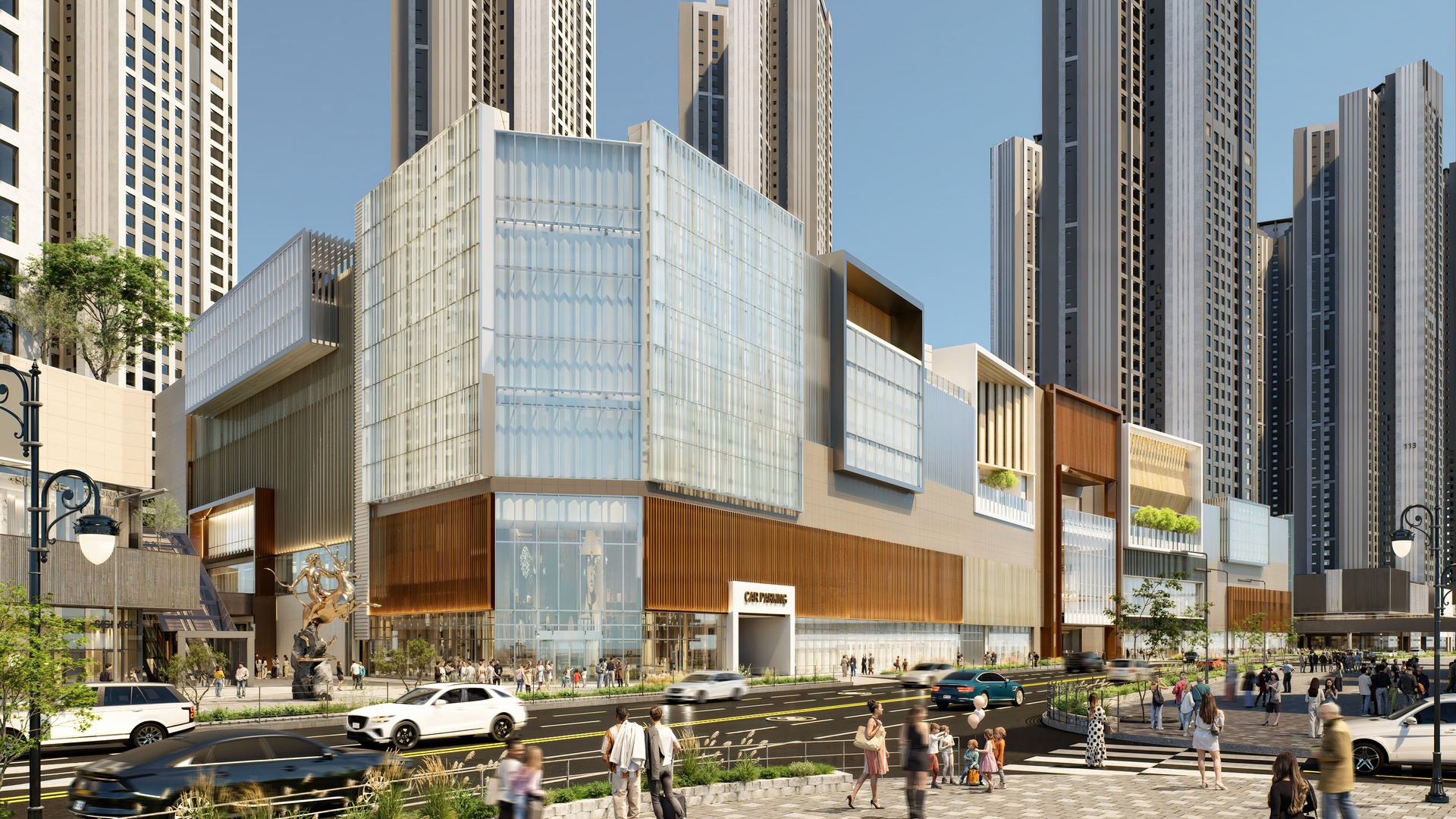
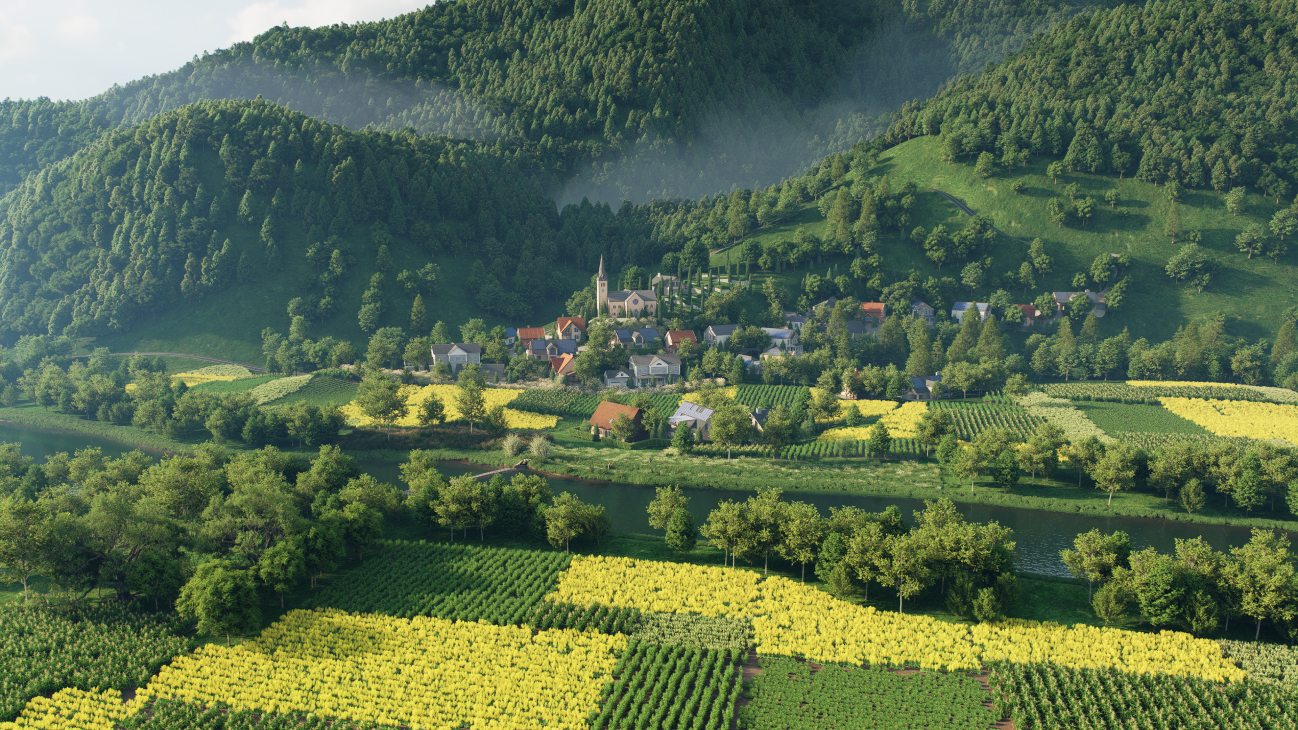
One of Japan’s largest and longest-established multi-disciplinary design firm, Nihon Sekkei showcased how D5 supports large-scale, multi-disciplinary projects, where coordination across teams is critical.

Read how Nihon Sekkei adopts D5 Render to speed up large-scale, multi-discipline workflows here →
Other stories highlighted how visualization is becoming a shared language across teams:
How Ennead emphasized cross-discipline alignment with shared visualization.
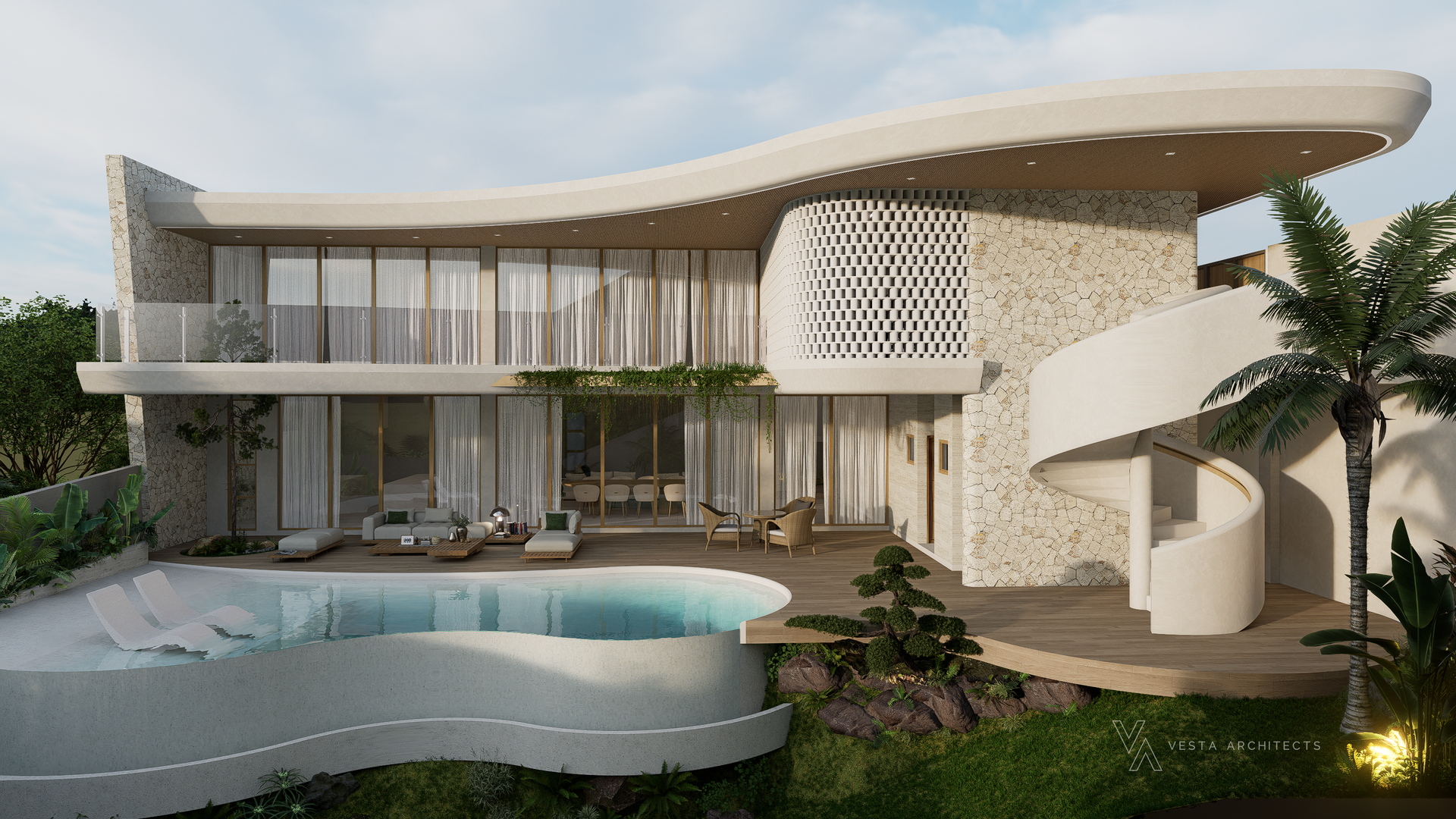
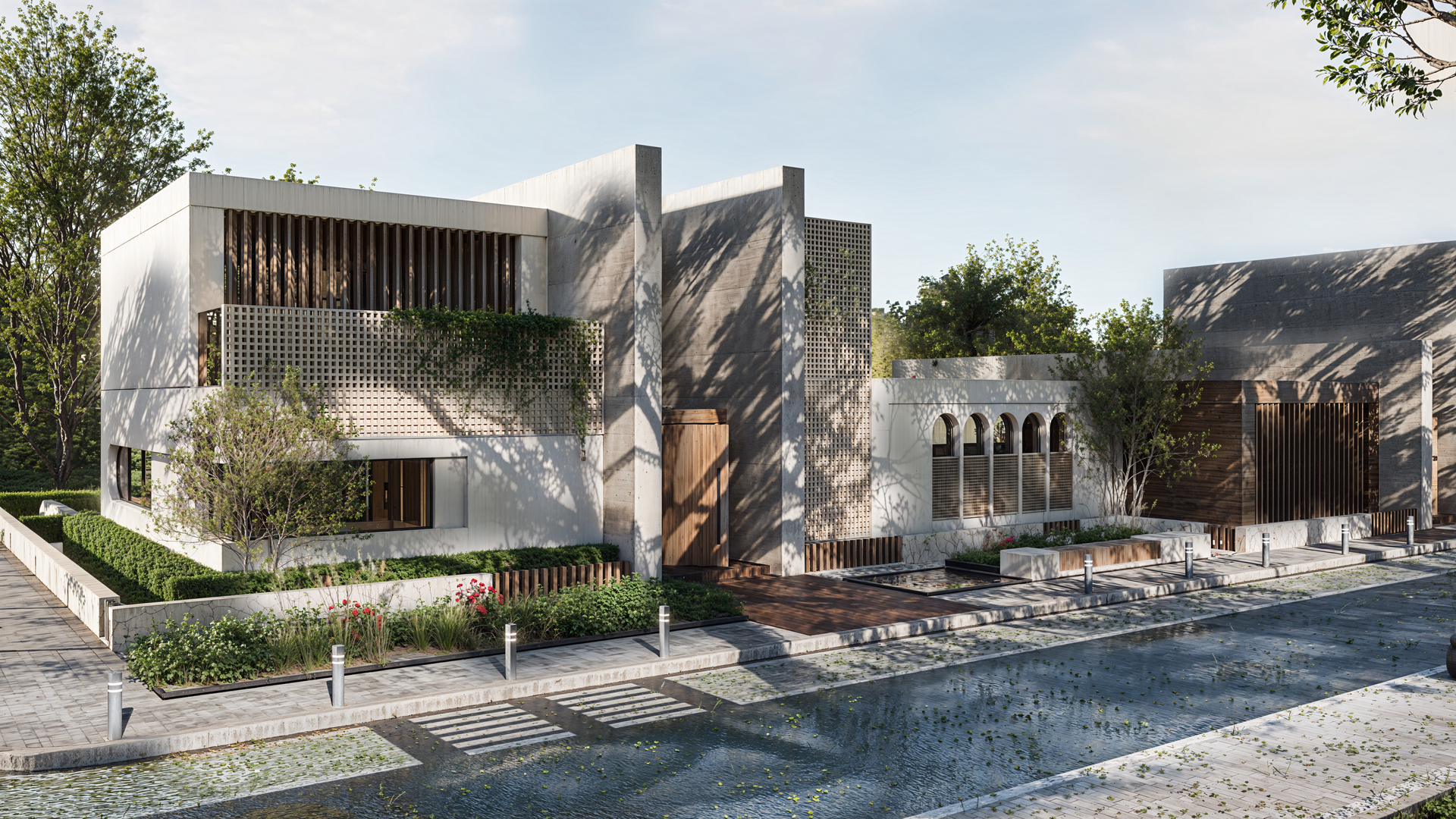
Vesta Architects demonstrated how real-time rendering connects design directly with construction, reducing gaps between intent and execution.
Across different project types and regions, the pattern is consistent: a connected workflow leads to better alignment, faster decisions, and more reliable outcomes.
Blogs & YouTube Tutorials
March’s articles and tutorials reflected a similar evolution—from isolated techniques to integrated workflows.
“Create an Architectural Rendering in 15 Minutes: The AI Workflow” showed how AI can compress production timelines, turning hours of manual work into minutes of structured iteration.
Other pieces explored both technical depth and creative direction:
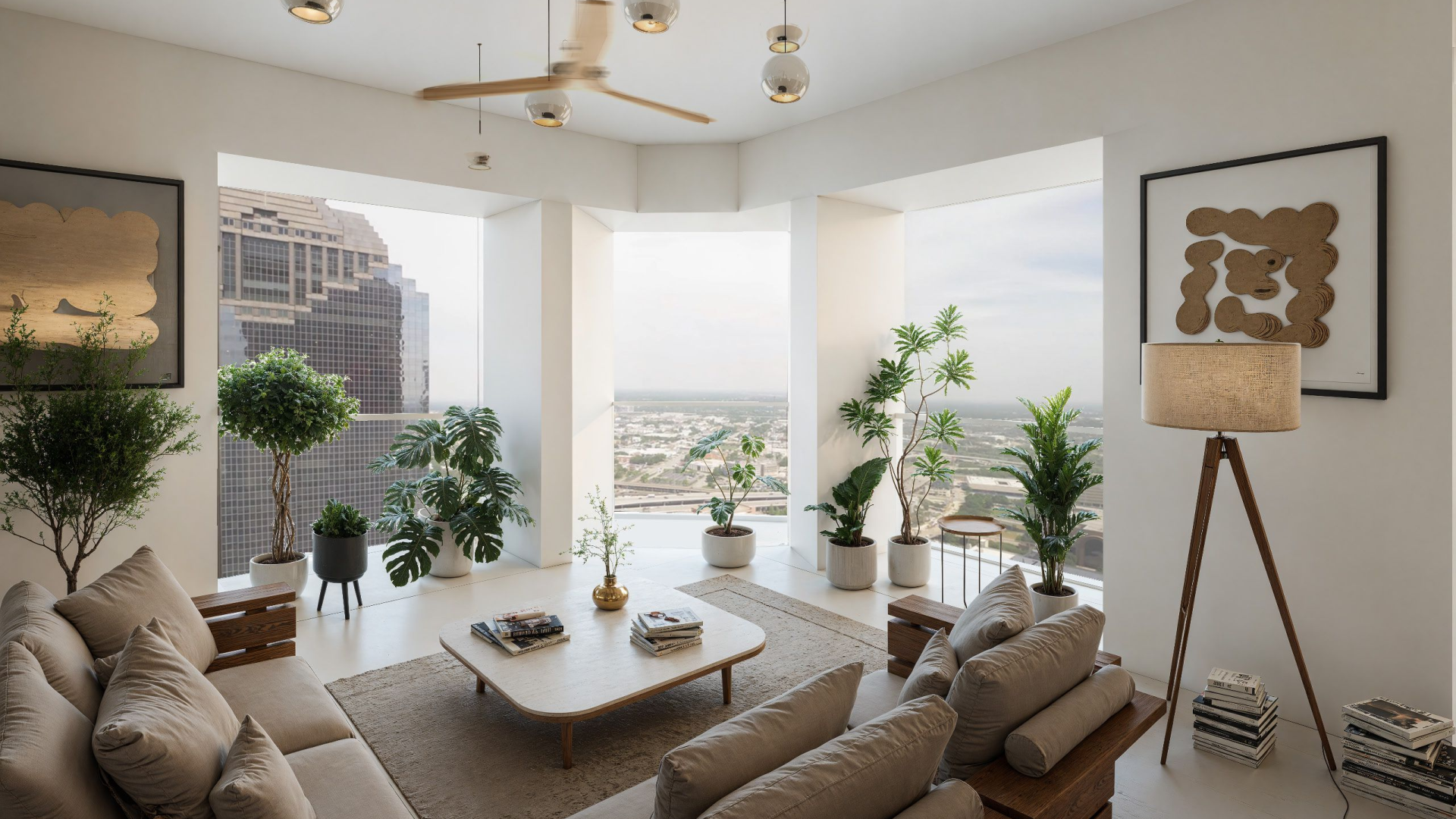
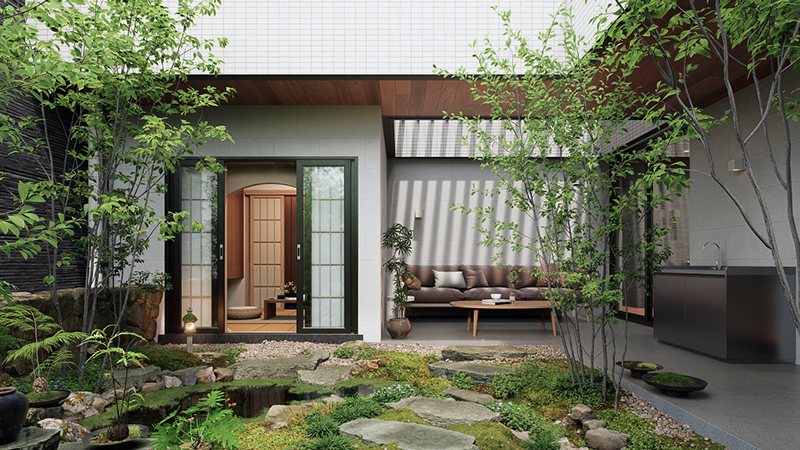
Mastering Wabi-Sabi combined cultural design thinking with AI-powered workflows.
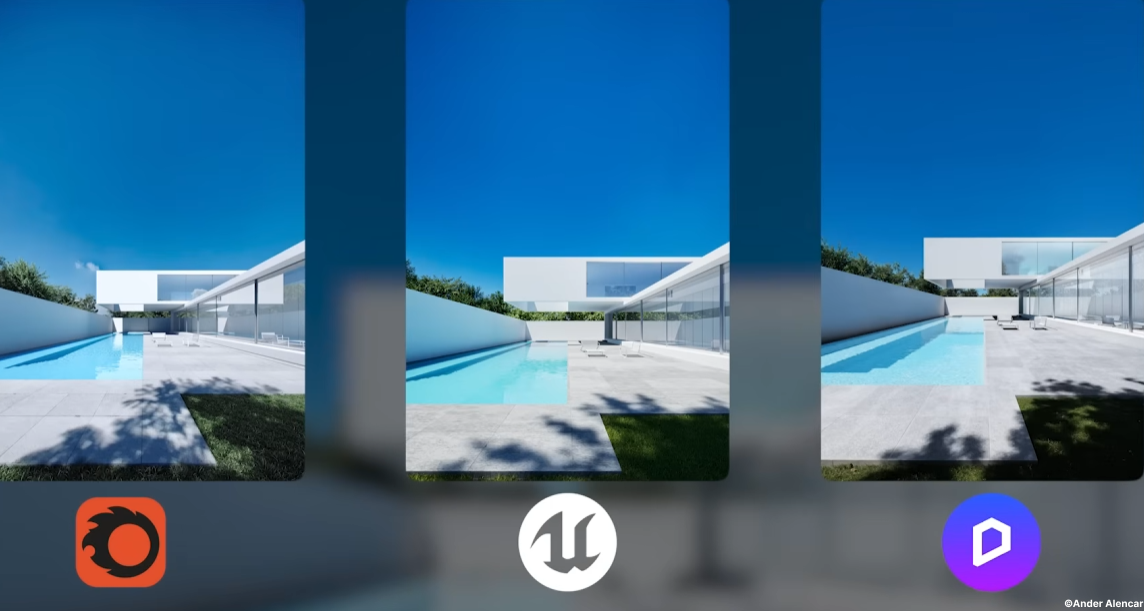
D5 Lite vs. Midjourney addressed a growing question in the industry—highlighting the difference between AI-generated imagery and geometry-based, controllable visualization.
At the same time, new video tutorials brought these ideas into practice:
Make Your Ocean Look Real & Animated in 5 Minutes (Waves + Foam) | Dynamic Ocean Tutorial
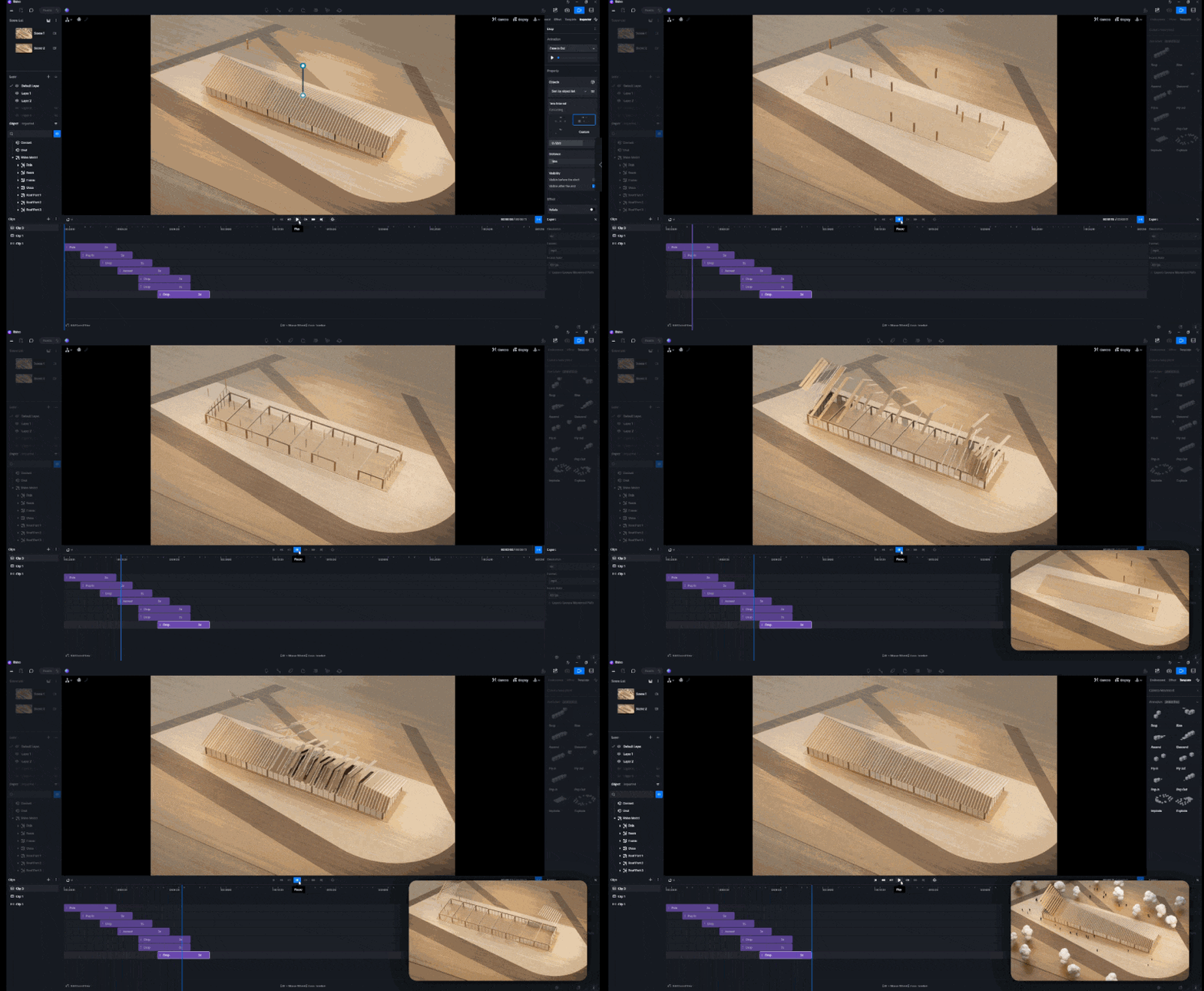
3 Smarter Ways to Present Architecture Projects: Spatial Tour, XR & Animation
Architecture Projects Taking Too Long Across Teams? Fix It with This Method
Looking Ahead
D5 is evolving beyond rendering into a unified, AI-driven workflow for spatial design. One where early exploration, real-time visualization, and final delivery are no longer separate phases, but part of a continuous process.
And as more teams begin to adopt this way of working, the impact becomes less about tools—and more about how design itself evolves.
If you’d like to stay updated on how real-time and AI-driven workflows continue to evolve across studios, projects, and teams, subscribe below.



.jpg)

.png)
.png)



.jpg)



.png)
1%20(2).png)



%20(1).png)
.png)
.png)