

Key Takeaways
- Visualization no longer ends at delivery—it extends into distribution, where the same work continues to circulate and generate value.
- D5’s real-time workflow shifts the focus from what is created to what is retained, turning iterations into usable outputs instead of discarded steps.
- By making the process visible through D5, an external 3D artist moves closer to design decision-making, transforming visualization into both a collaborative tool and a communication layer.
Studio Overview
- Location: Hanoi, Vietnam
- Team Size: Solo / Independent (Founder-led practice)
- Studio Type: 3D Architectural Visualization Studio
- Project Types: Architecture (residential & commercial), exterior and interior visualization, conceptual competition work, VR and animation
- Modeling Tools: Client-provided models, commonly SketchUp, Revit, Rhino
For most 3D artists, visualization ends at delivery.
For ANT.archviz, it continues.
The shift was not planned. A series of renders, produced as part of client work, began to circulate on Instagram. They were not framed as content, nor optimized for reach, yet they drew attention—not only for their quality, but for how clearly they communicated space, light, and atmosphere.
That response suggested something else was happening.
The images were doing more than delivering a design. They were distributing it.
In the months that followed, the account grew steadily, reaching over 180,000 followers. The output, however, did not expand. There was no separate content pipeline, no additional production. The same projects continued, approached slightly differently.
Scenes were no longer treated as a single endpoint.
A lighting test adjusted late in the process became worth keeping. A material change used to compare options could be recorded. Camera angles explored in passing often revealed clearer compositions than the final selection. These moments, previously incidental, began to accumulate.
I realized the work doesn’t end at delivery. One project can become many pieces of content.
What emerges is not an added layer of content creation, but a redistribution of attention.
The work remains the same. What changes is what is kept.

When Process Becomes Distribution
This way of working depends on flexibility in the workflow.
In more traditional pipelines, variation carries a cost. Adjustments require time to render, narrowing what can be explored. This leads to slow iteration, indirect communication, and positions the 3D artist as an external, reactive role. As a result, much of the process remains internal—not by choice, but by constraint.
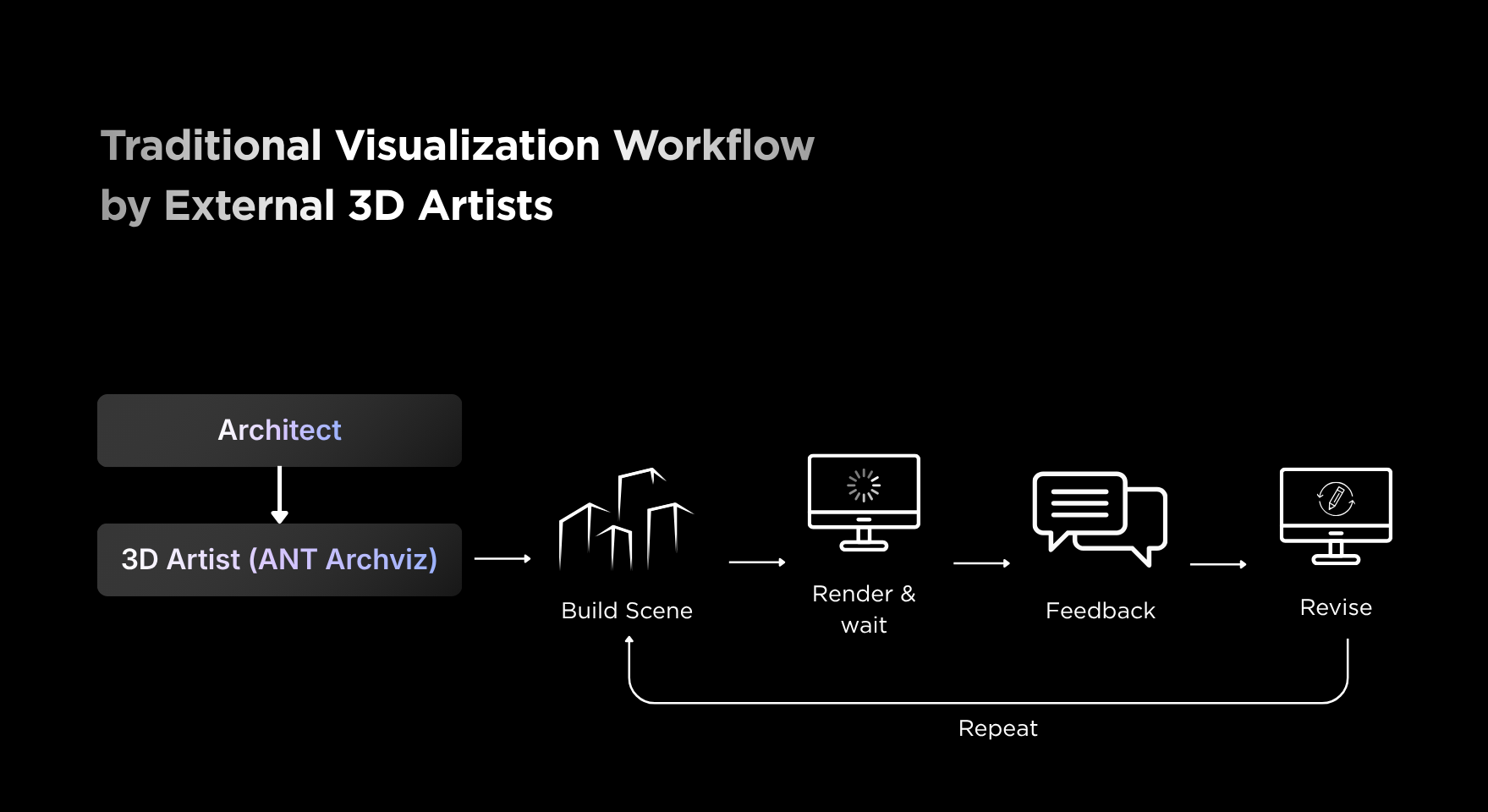
Working in real time shifts that balance.
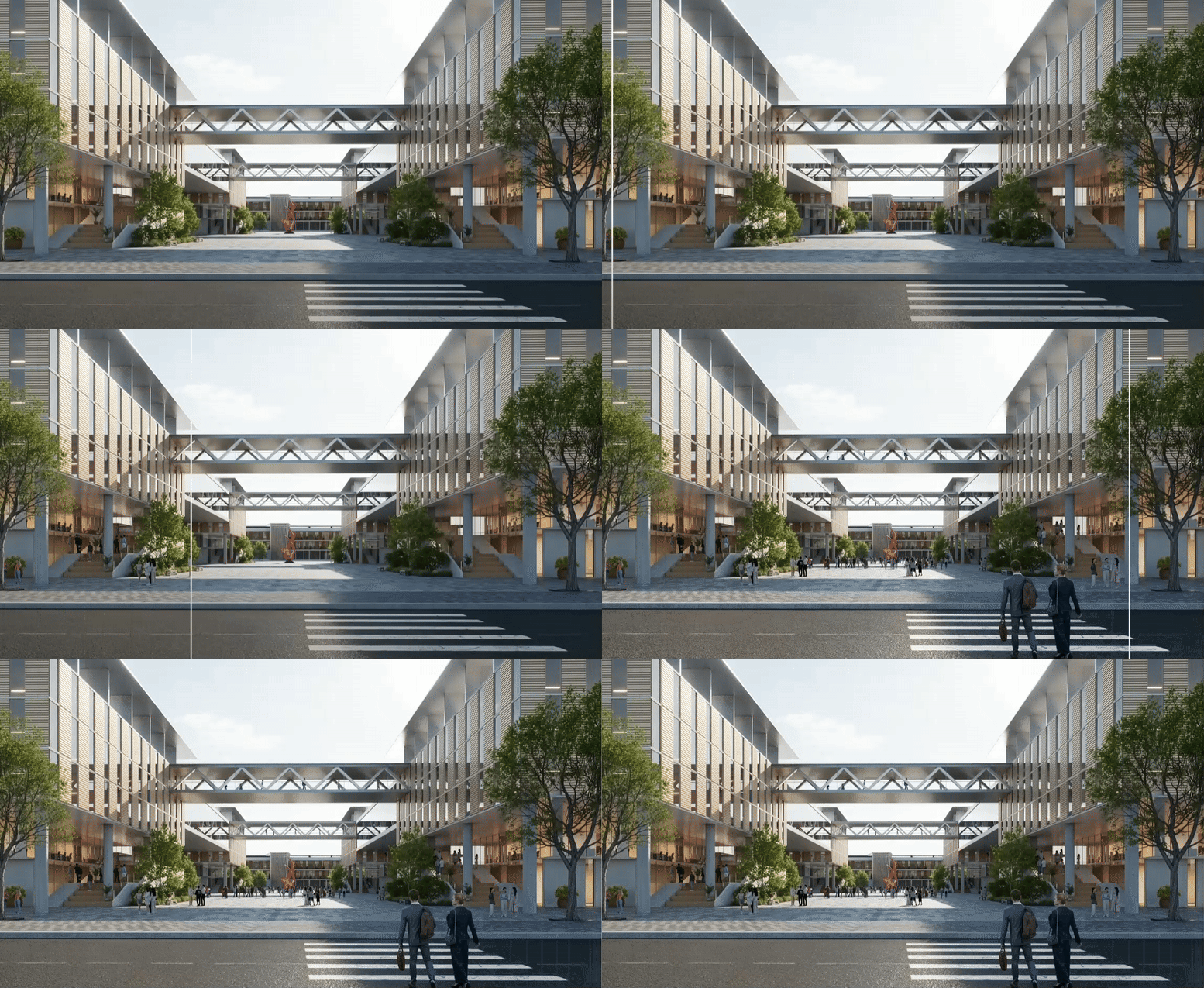
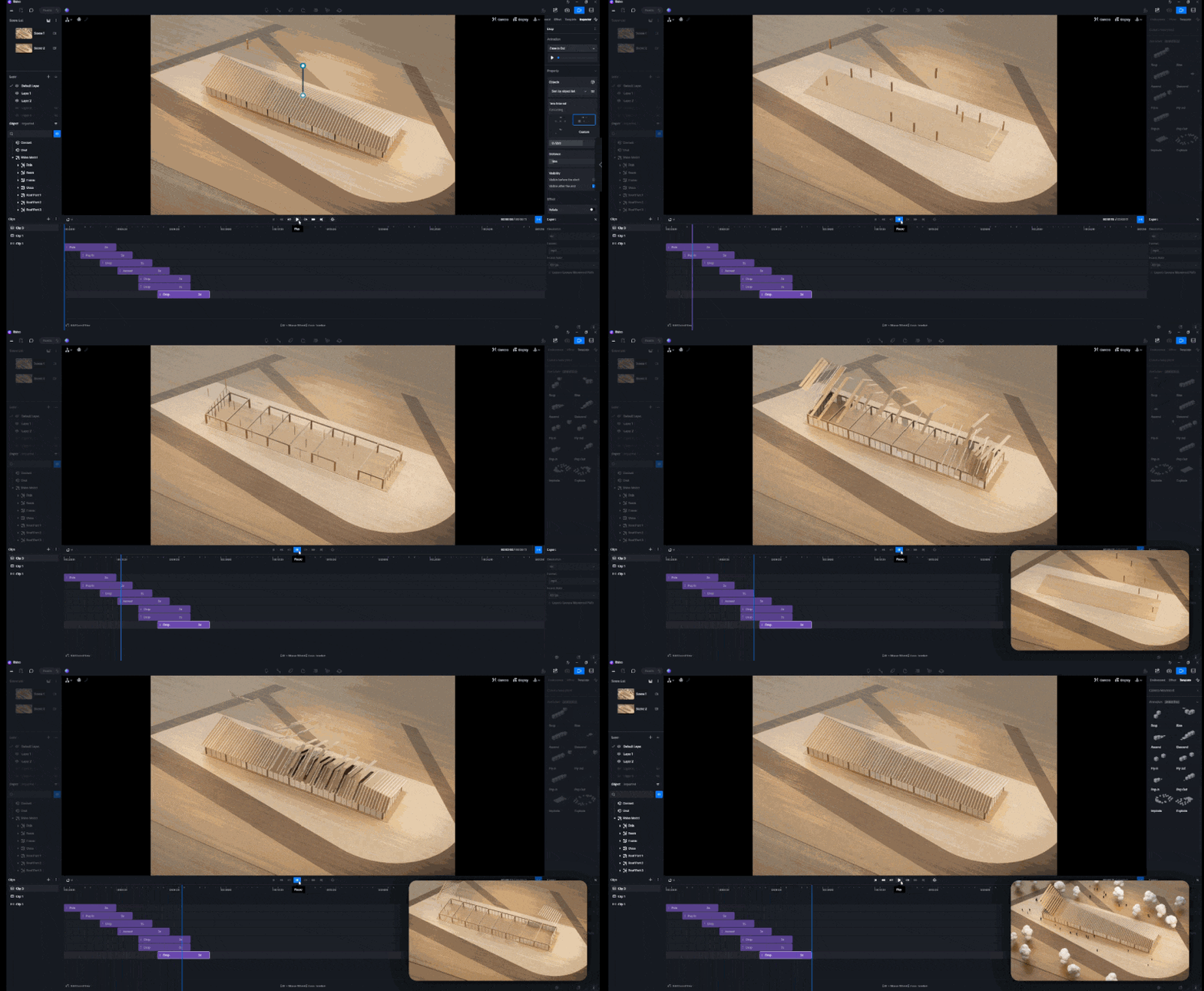
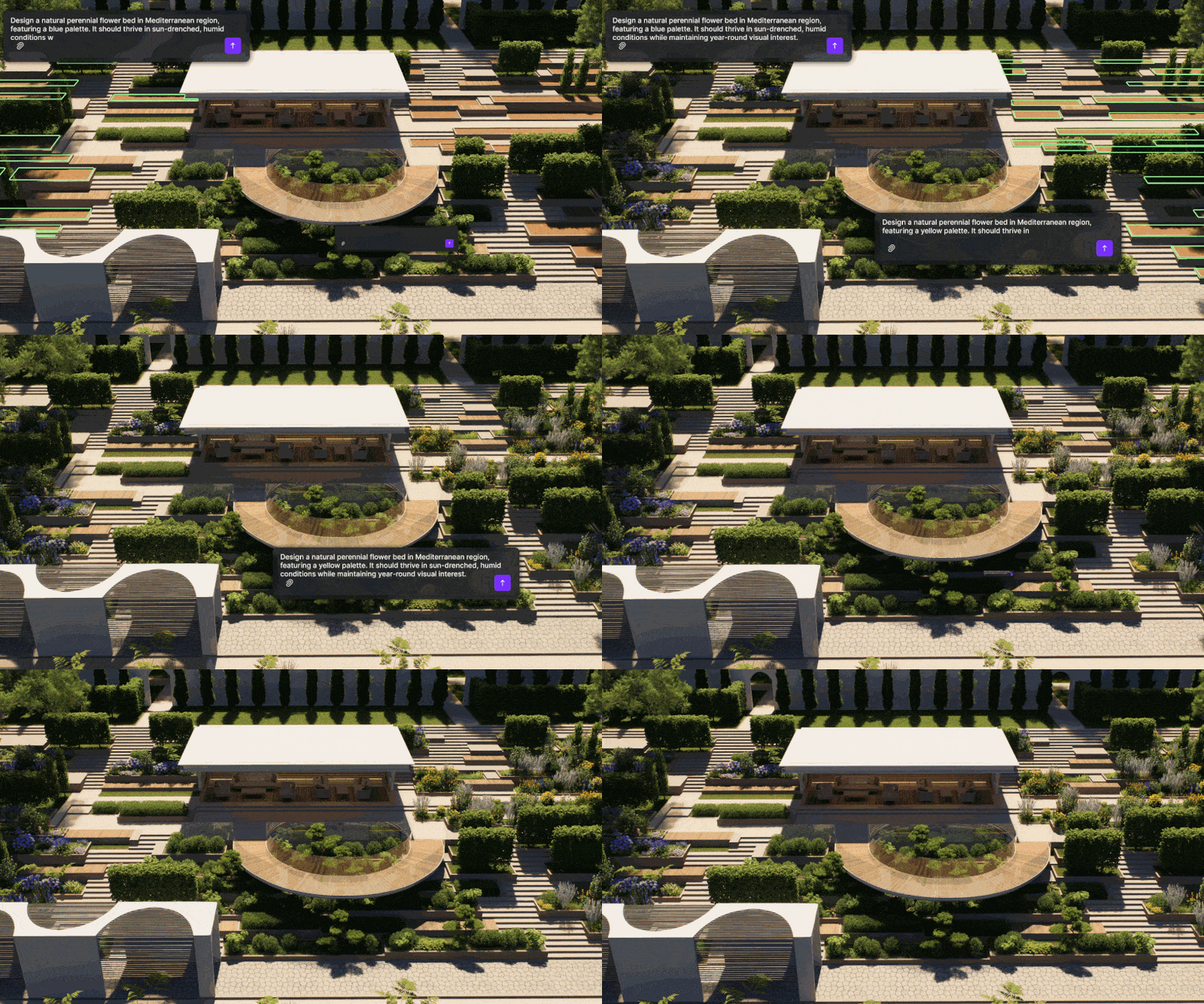
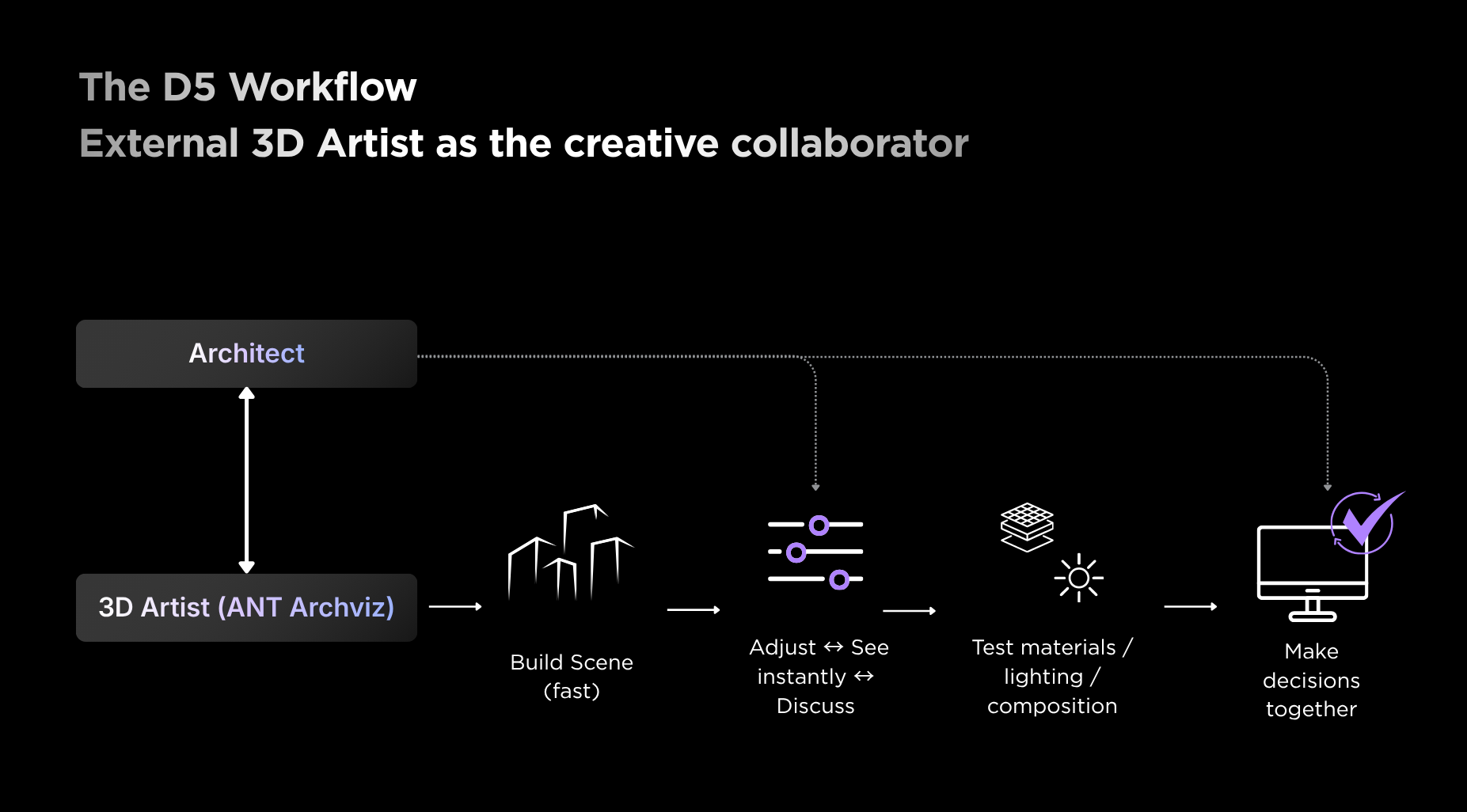
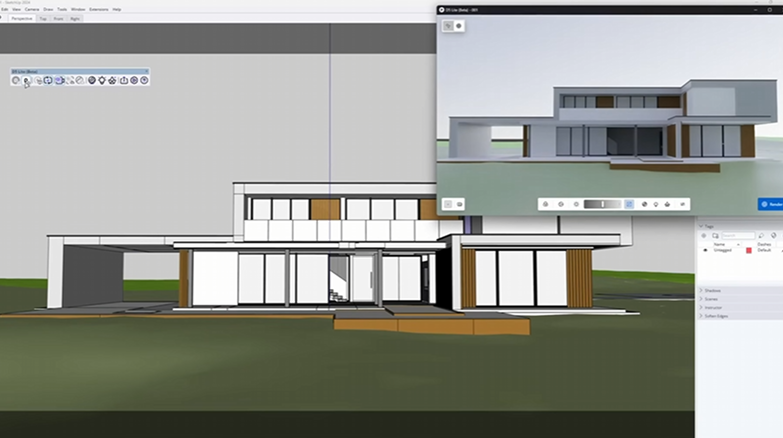
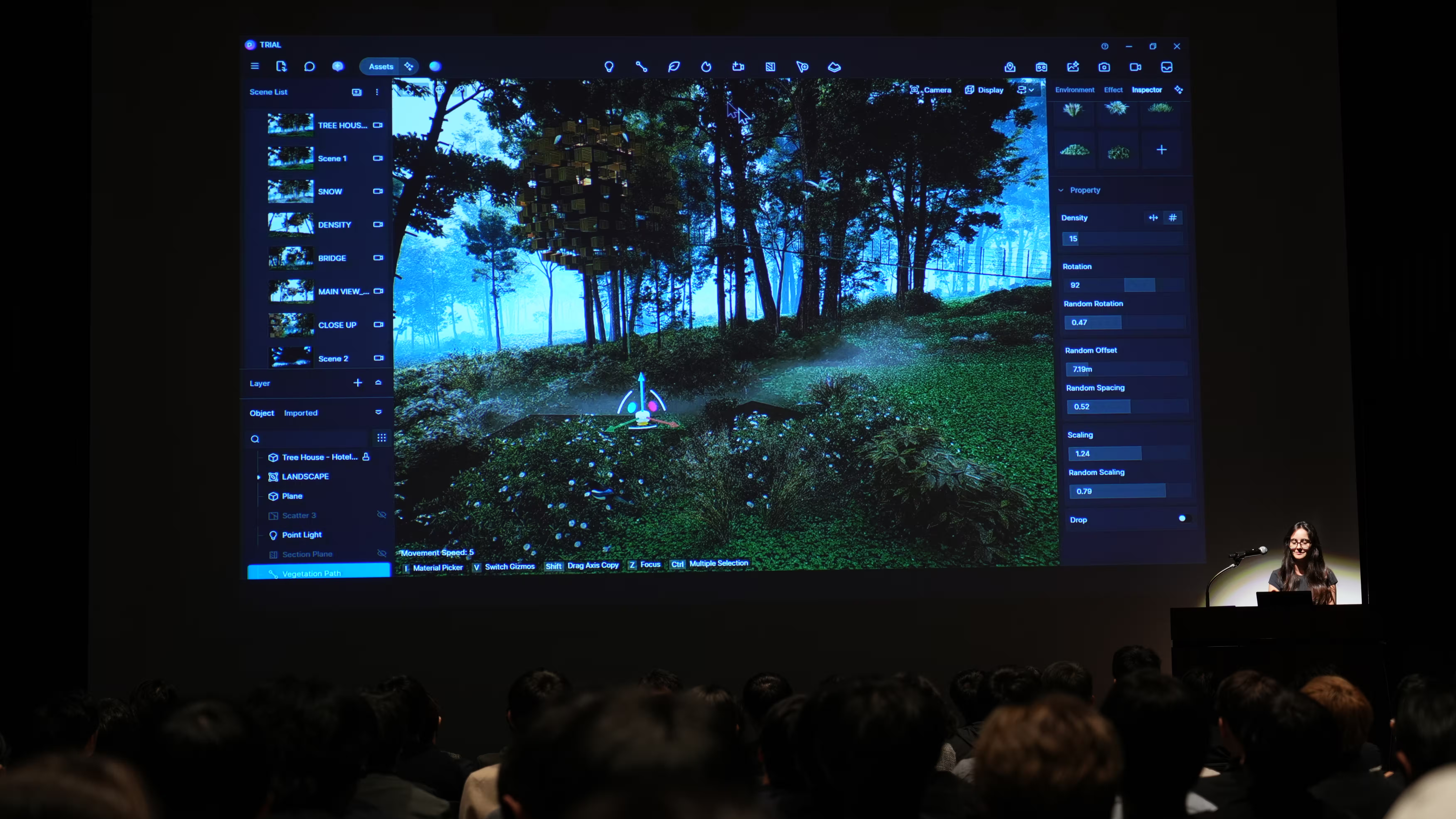
In D5, lighting, materials, and camera can be adjusted continuously while the scene remains open. These changes can be captured as they happen, without interrupting the workflow.
The sequence becomes less linear.
Early visualizations make the project tangible in a way drawings cannot, allowing spatial relationships to be evaluated more clearly.
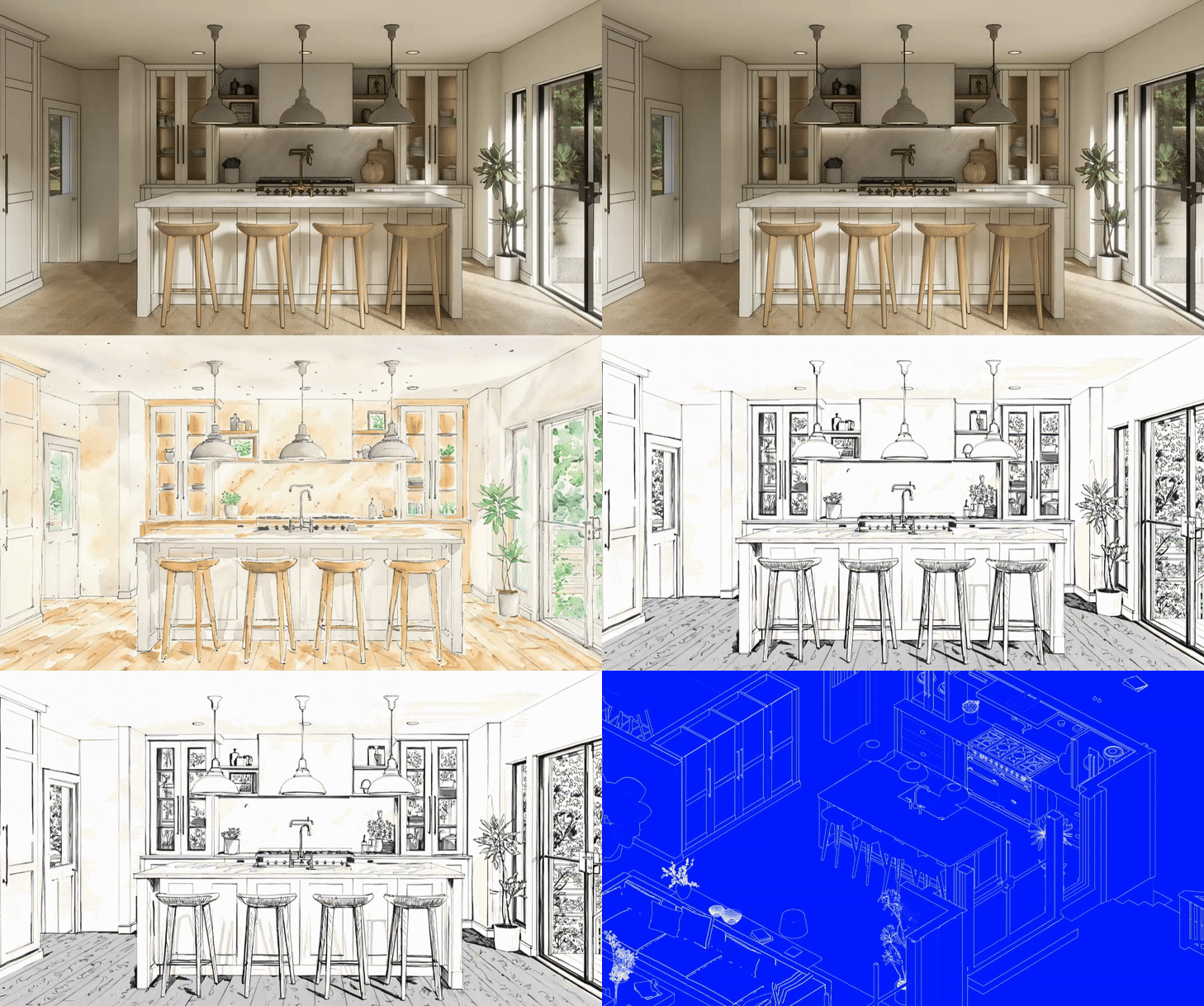
Rather than moving from build to render to delivery, it becomes fluid. Decisions are made, revised, and revisited, with each stage leaving usable traces. This enables continuous iteration, supports visual communication, and positions the 3D artist as a collaborative, embedded role. What was once discarded now becomes part of the output.
Over time, these fragments accumulate into a parallel layer of material.
Each project contributes not only to the design, but to how that design is understood and circulated. The boundary between production and communication begins to blur.
This has implications for collaboration.
Although ANT.archviz remains external to the design teams it works with, the speed of iteration brings it closer to decision-making. Changes can be tested in conversation rather than after the fact.
Instead of rendering what’s already decided, we can test ideas together and see the result immediately.
The distinction between external and embedded becomes less clear.
The work remains the same. What changes is how much of it becomes visible.
Also read: Photography Techniques for Photorealistic Rendering: Framing, Color Balance & Exposure
How Visibility Is Produced
Here, visibility is less about distribution than retention—what is kept, not just what is made.
Rather than restating the workflow shift, its effect can be seen directly in the work.
This becomes clearer in specific projects.
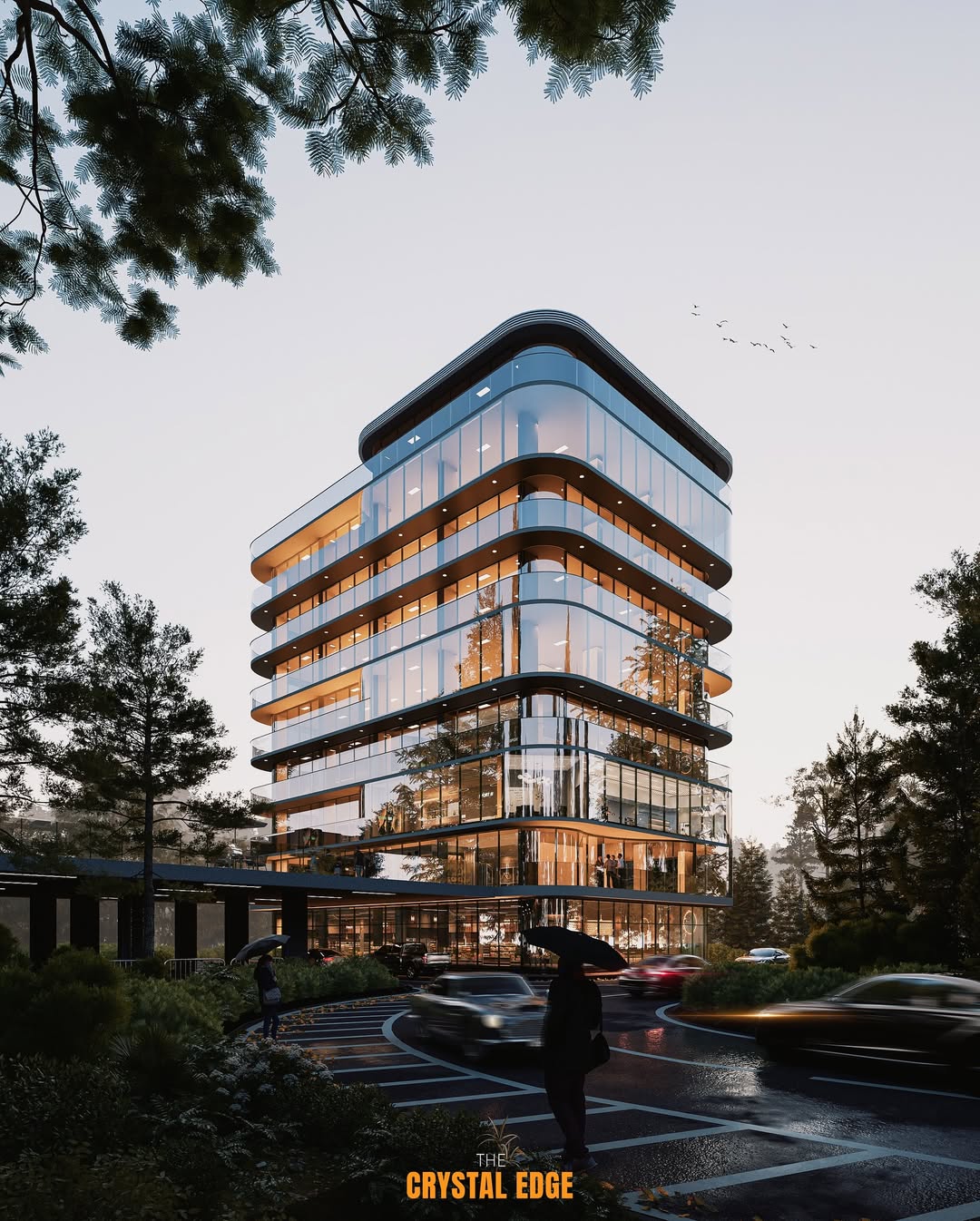
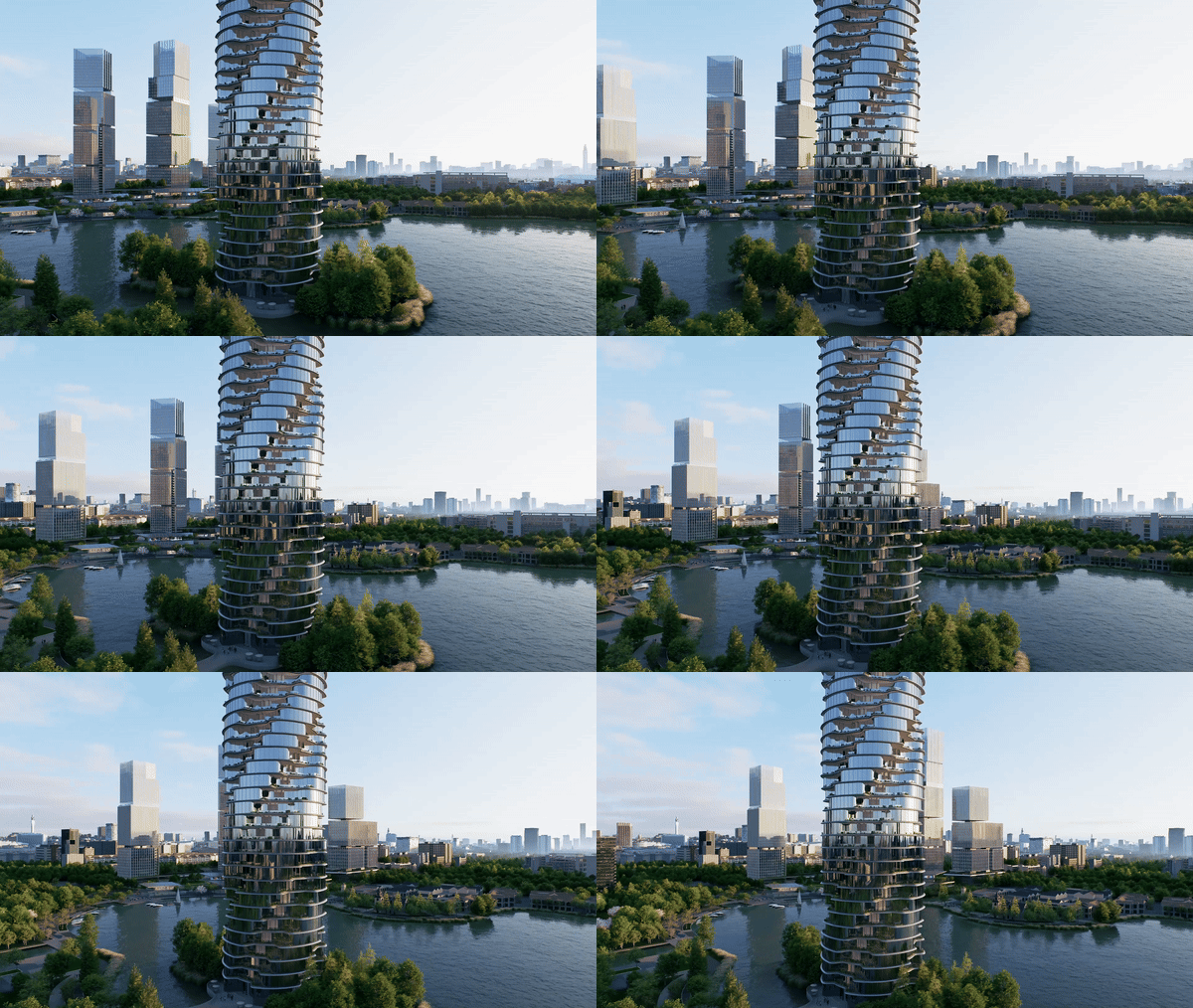
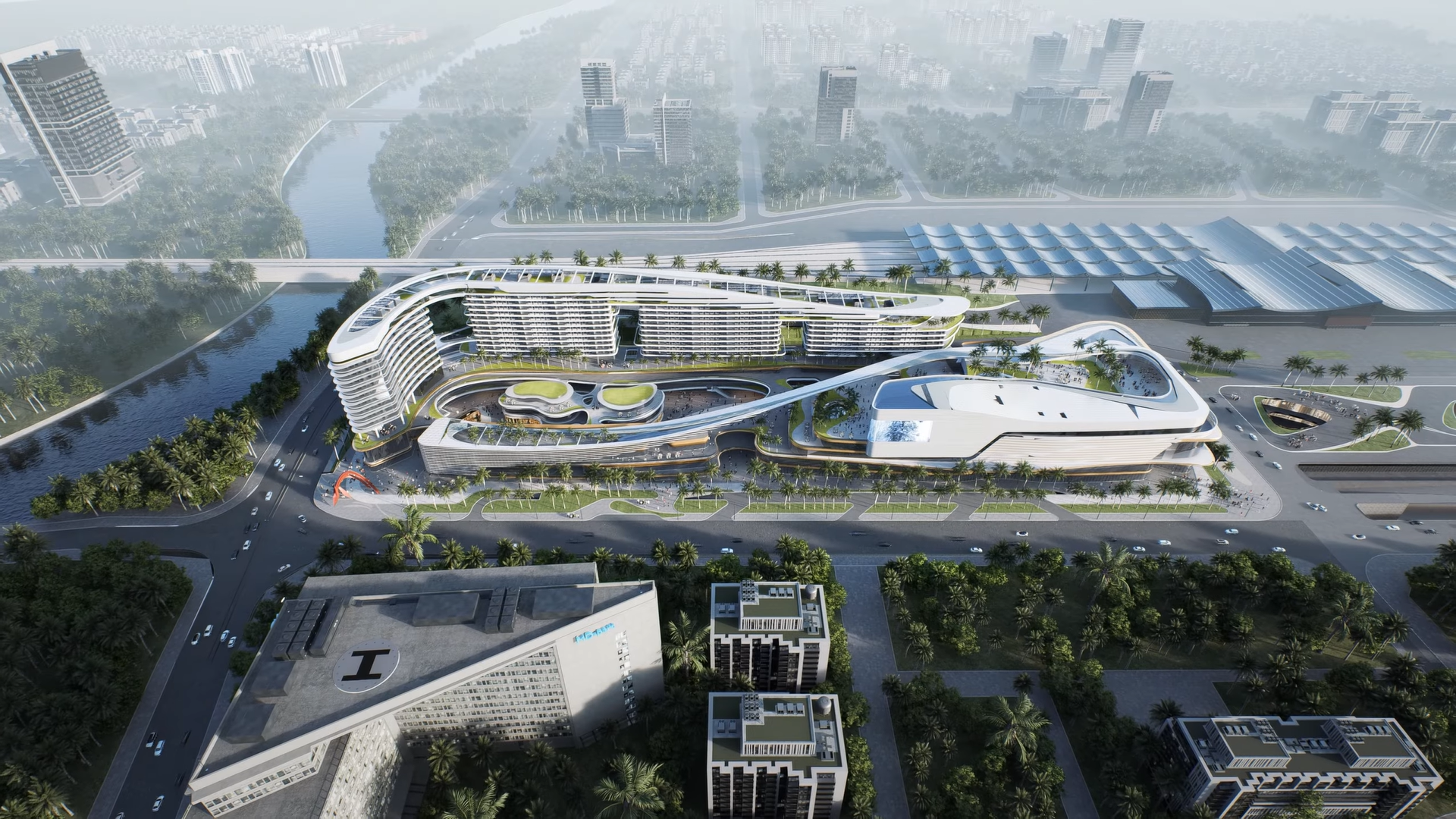
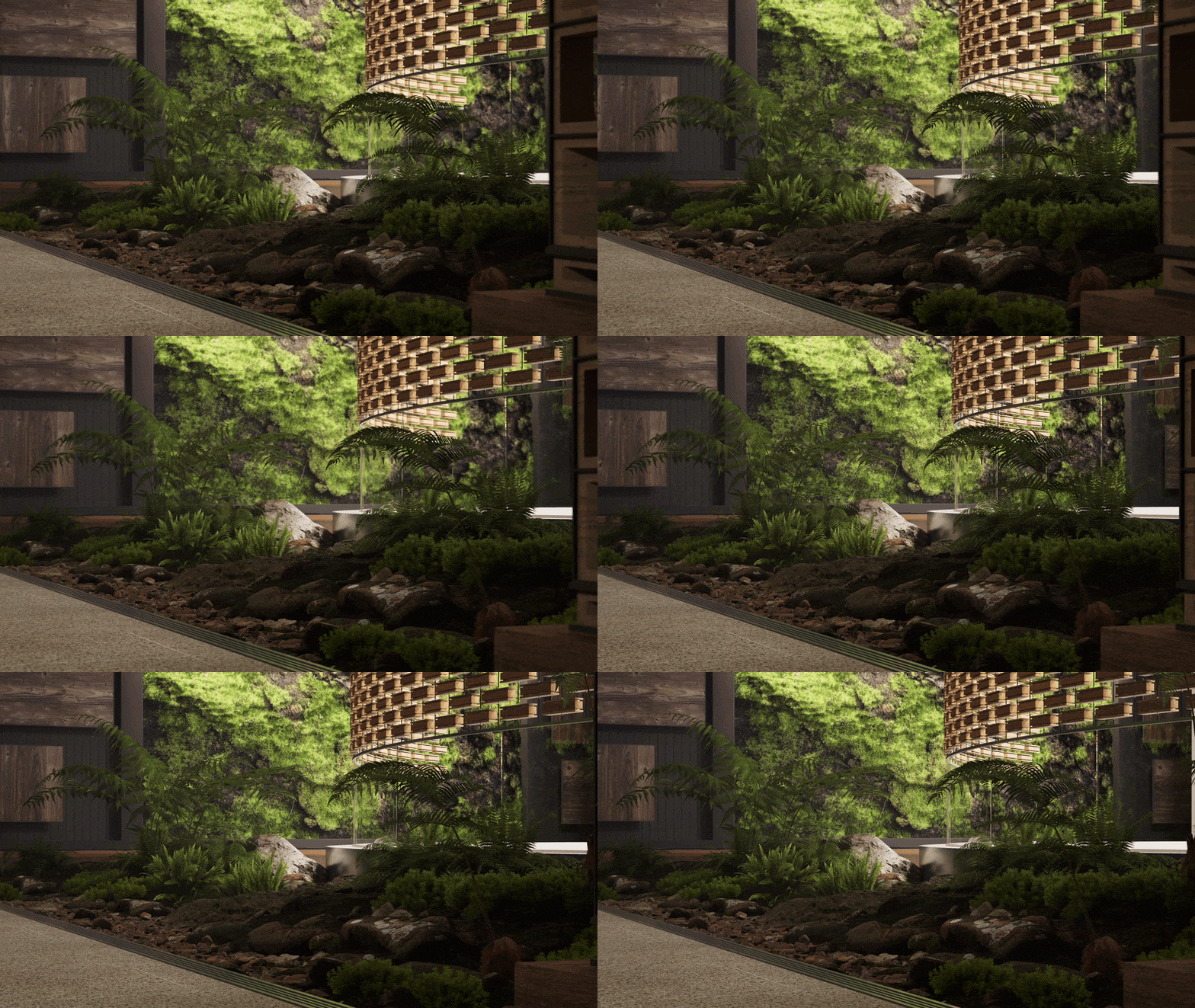
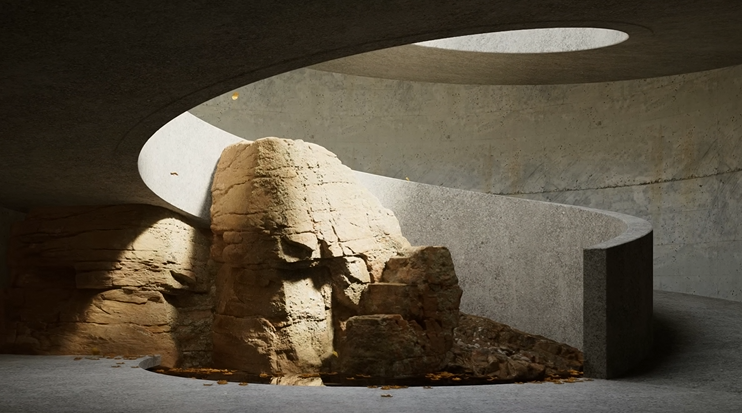
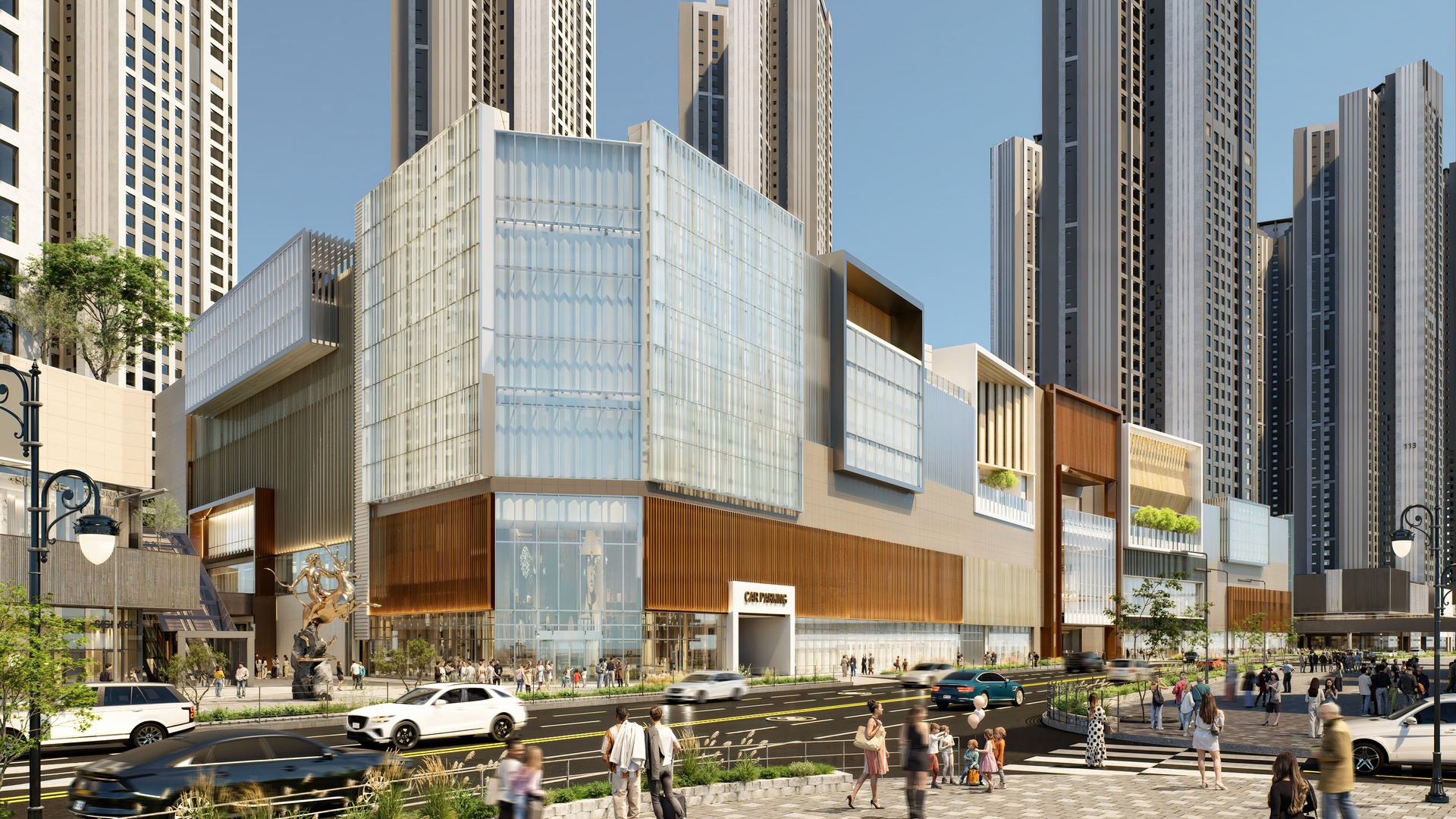
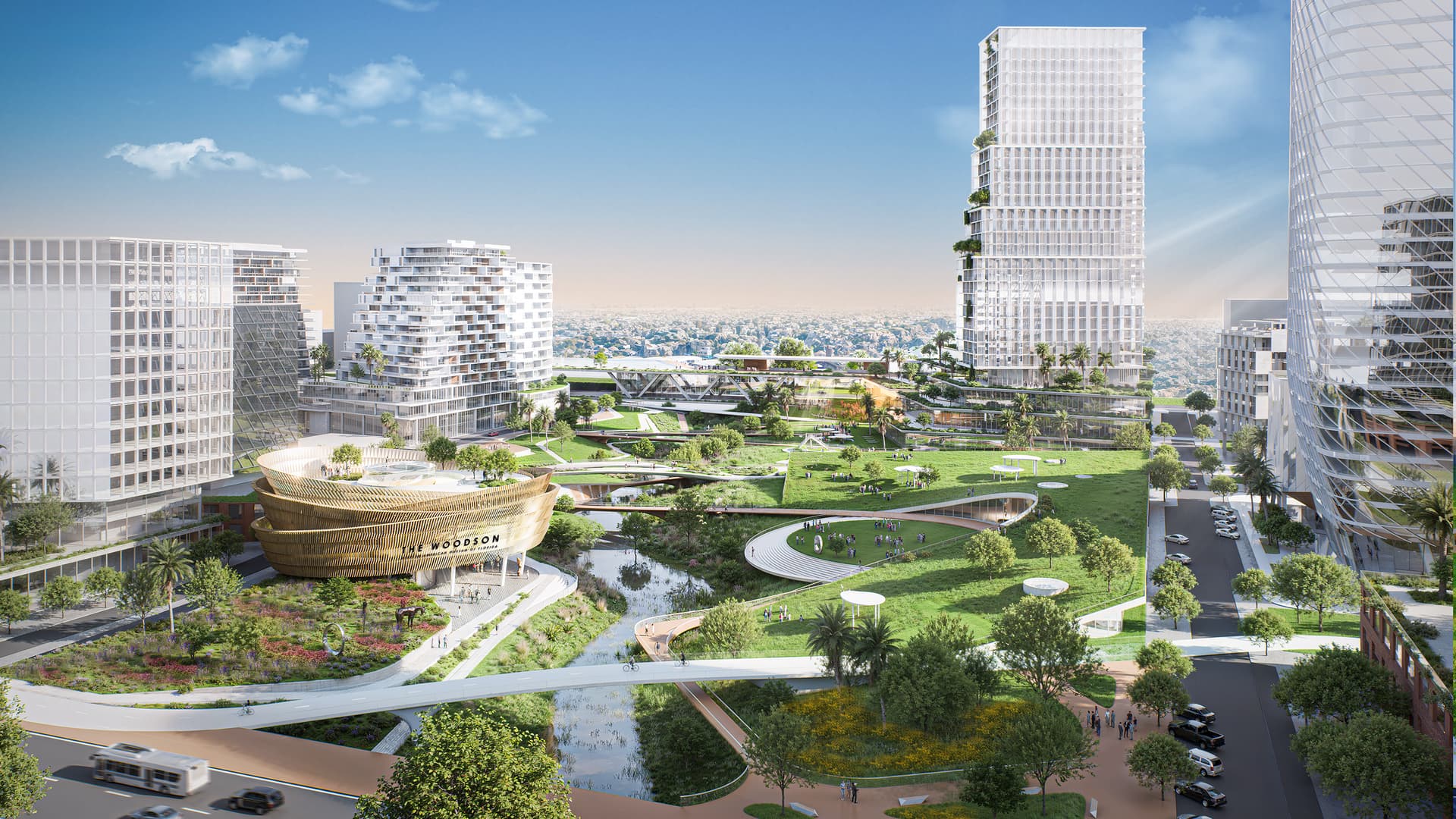
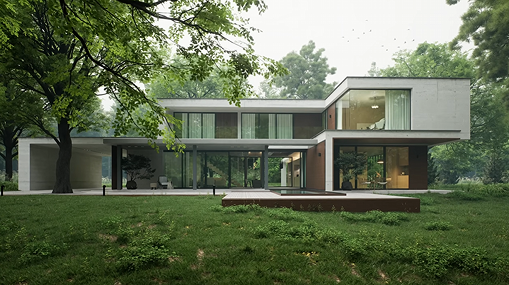
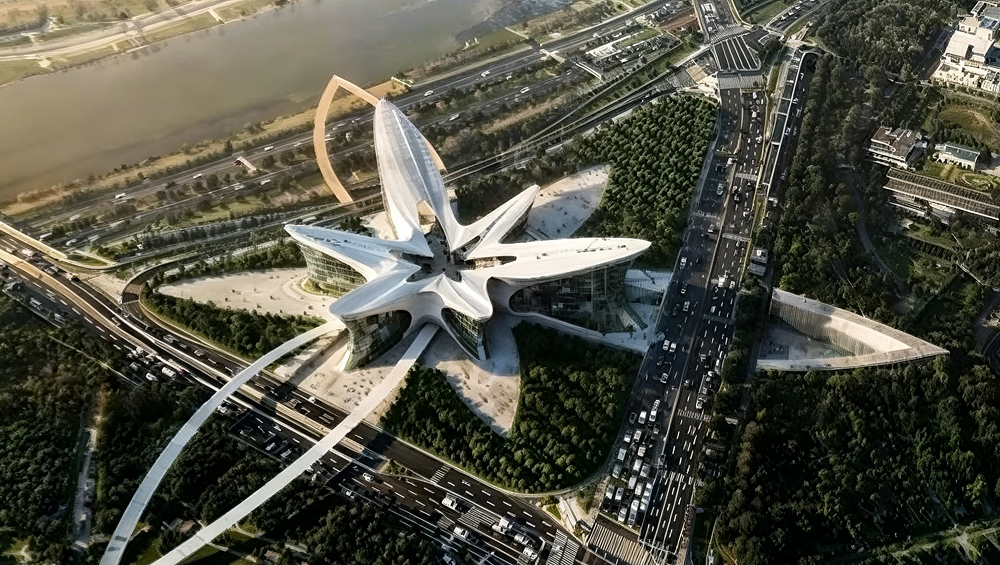
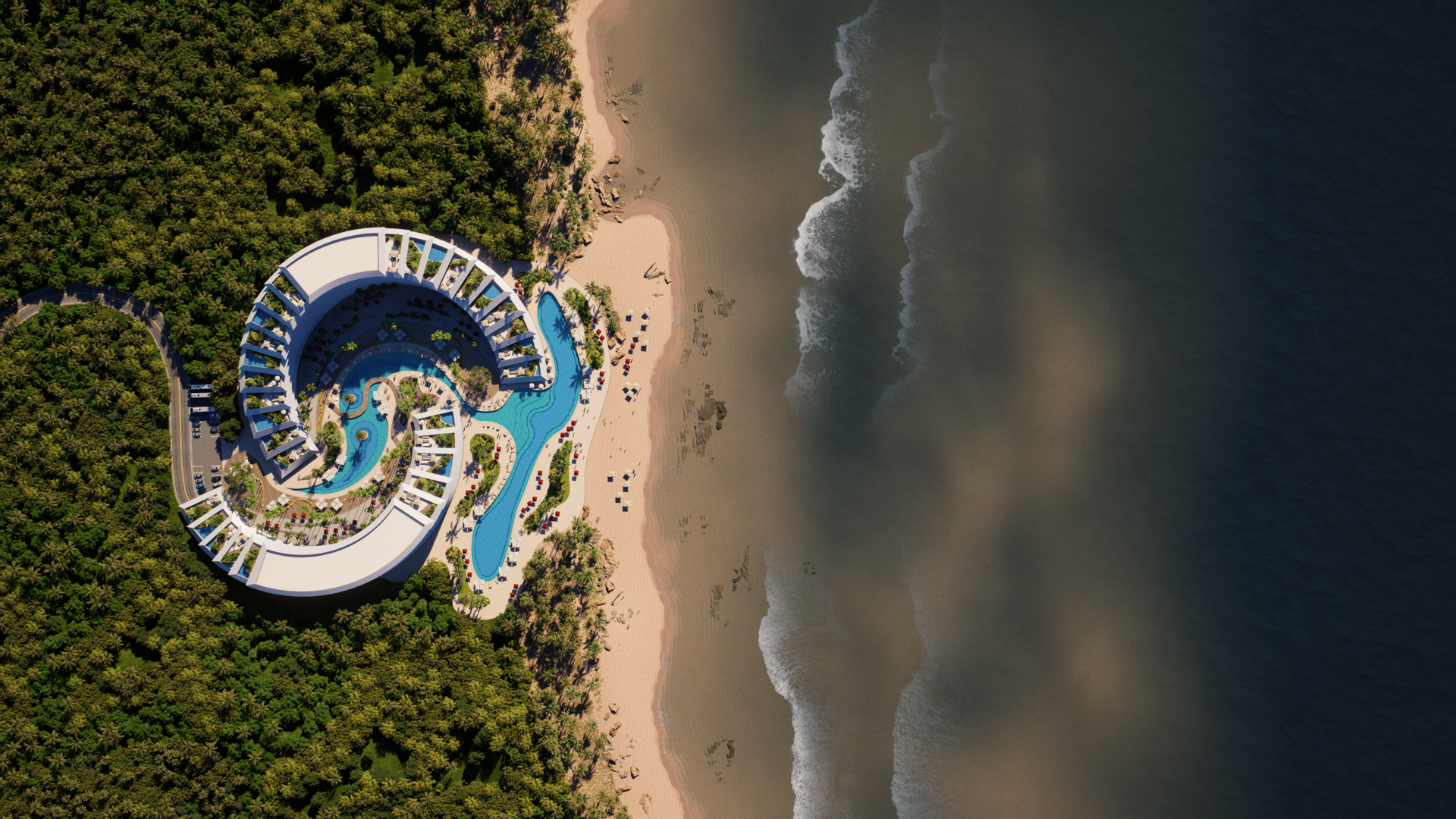
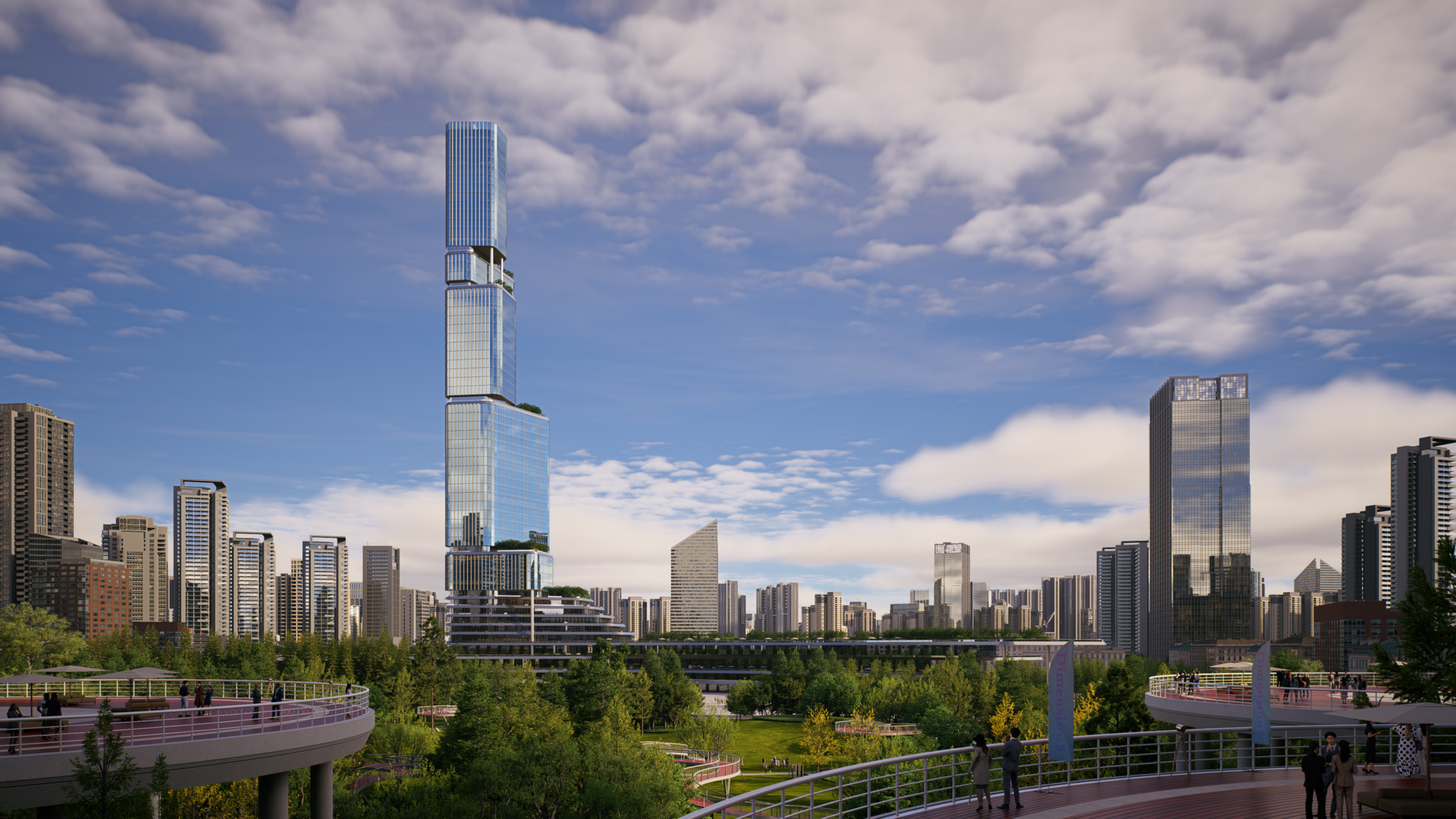
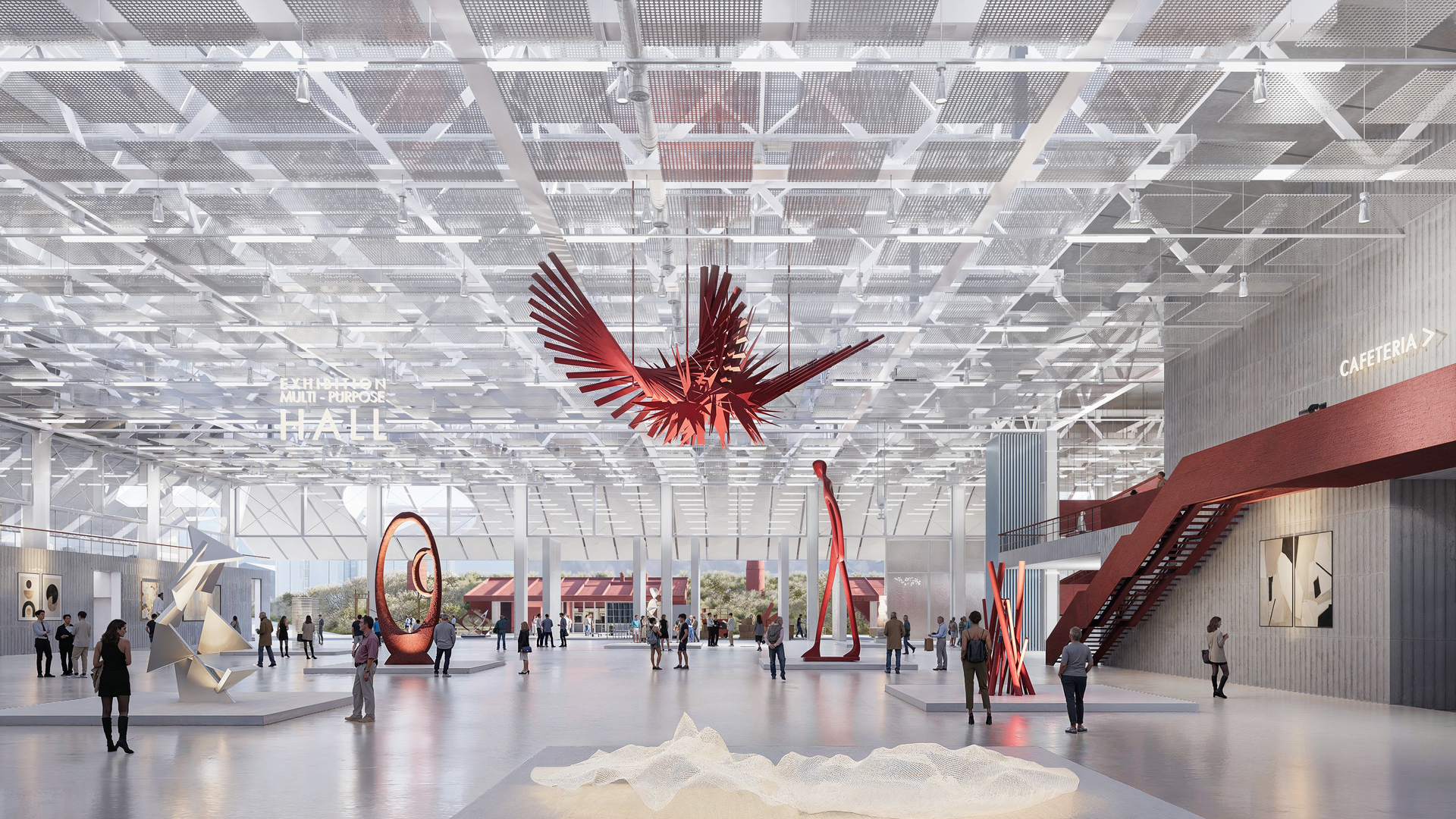
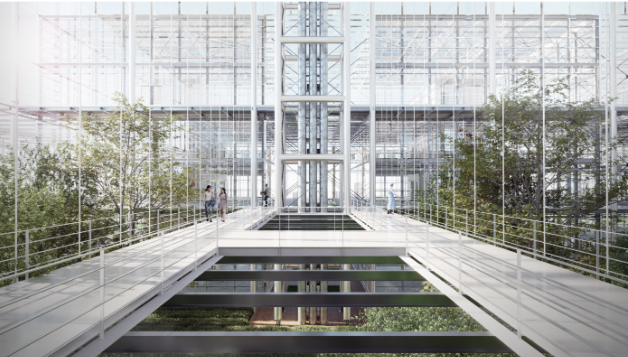
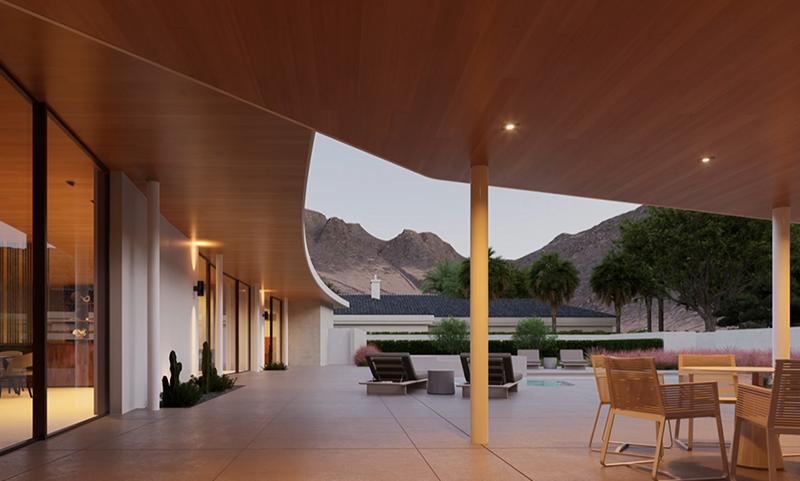
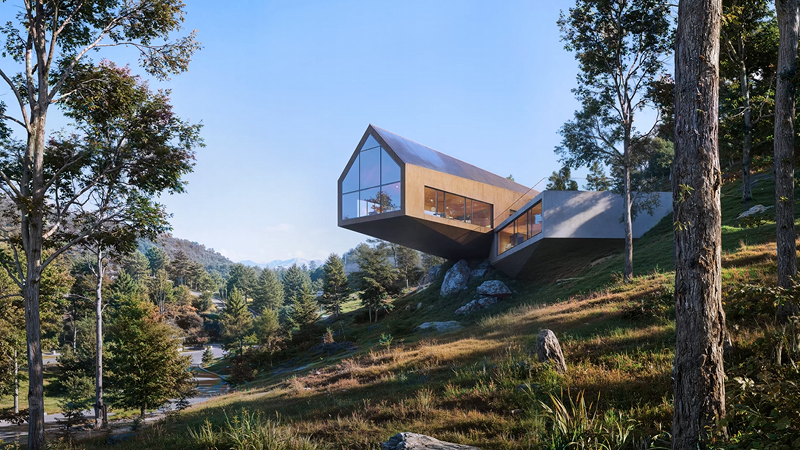
In The Crystal Edge, a conceptual competition entry defined by glass and transparency, much of the work lies in calibrating reflection and light as a coupled system rather than as isolated settings. Small adjustments to reflectivity, roughness, and light direction are tested in sequence, each producing a slightly different reading of depth and enclosure.
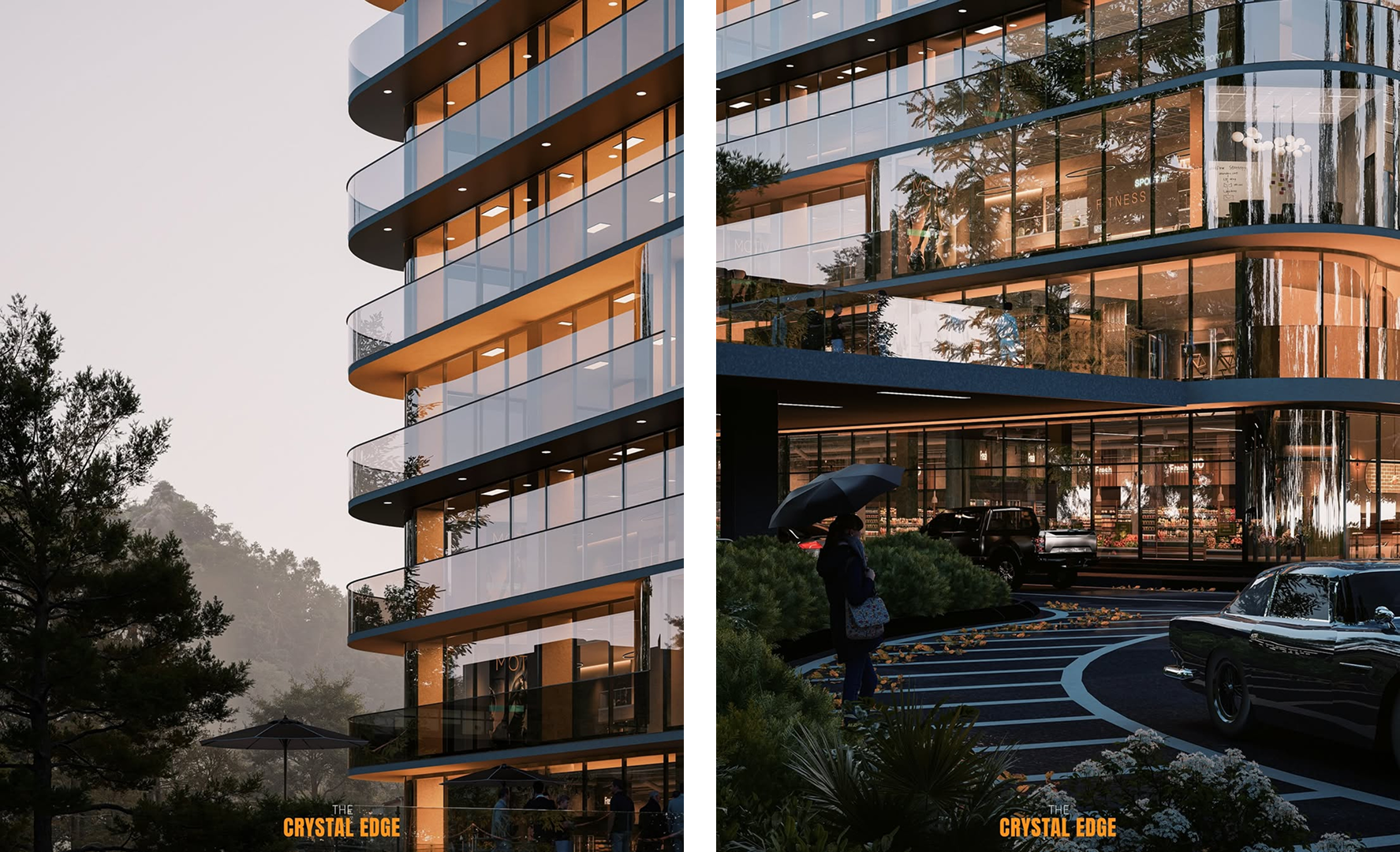
These increments do not alter the geometry, but they change how clearly the architecture can be read. While a single image is selected for delivery, the surrounding iterations—reflection studies, lighting comparisons, and camera refinements—become a set of legible decisions when shared, revealing why one condition is chosen over another.
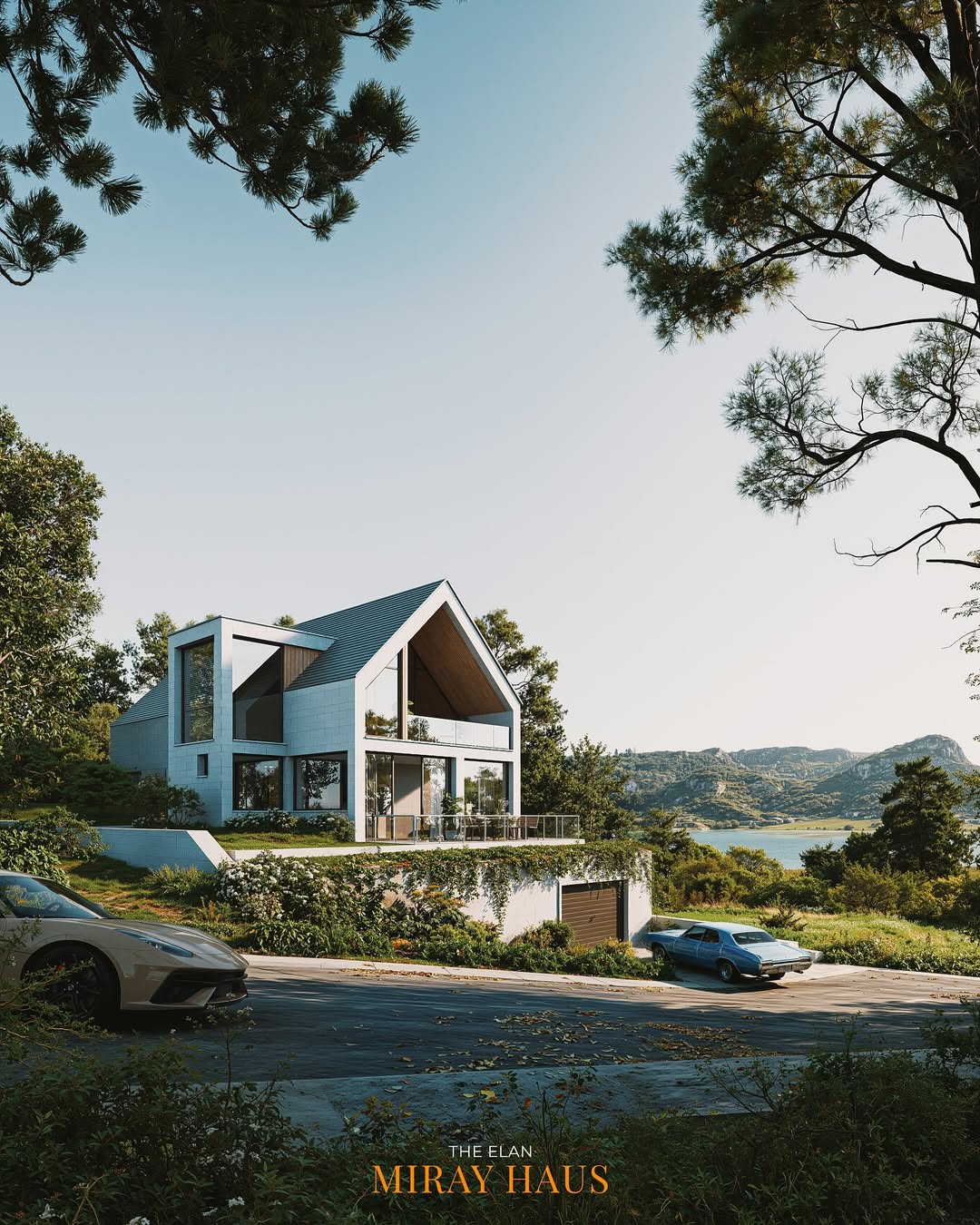
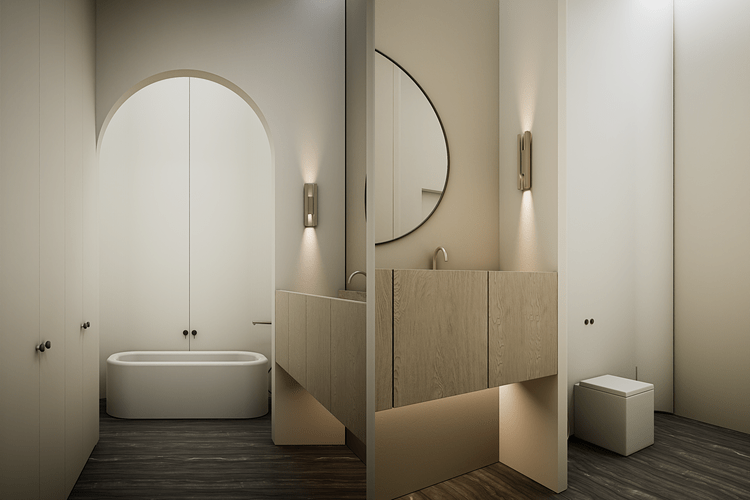
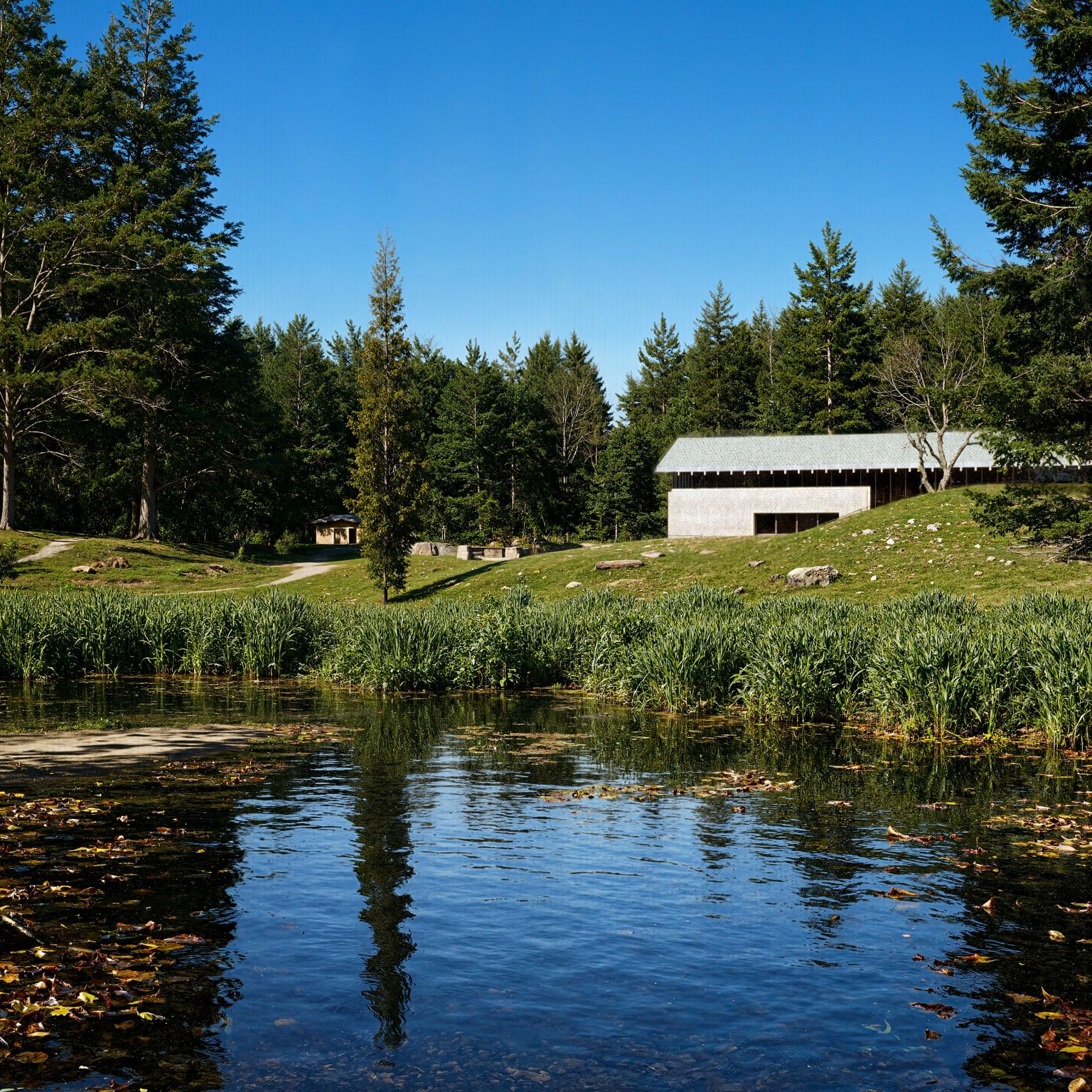
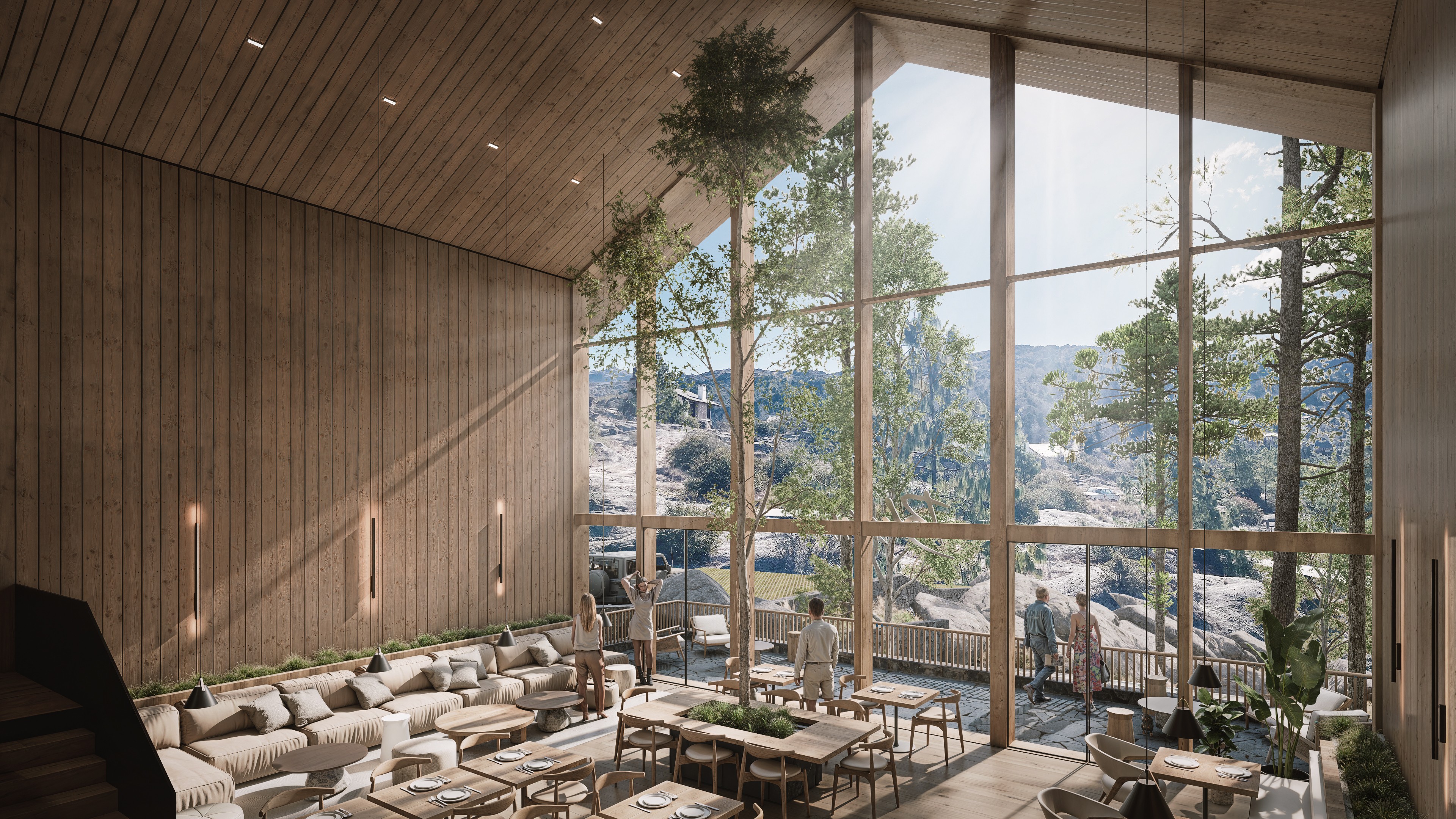
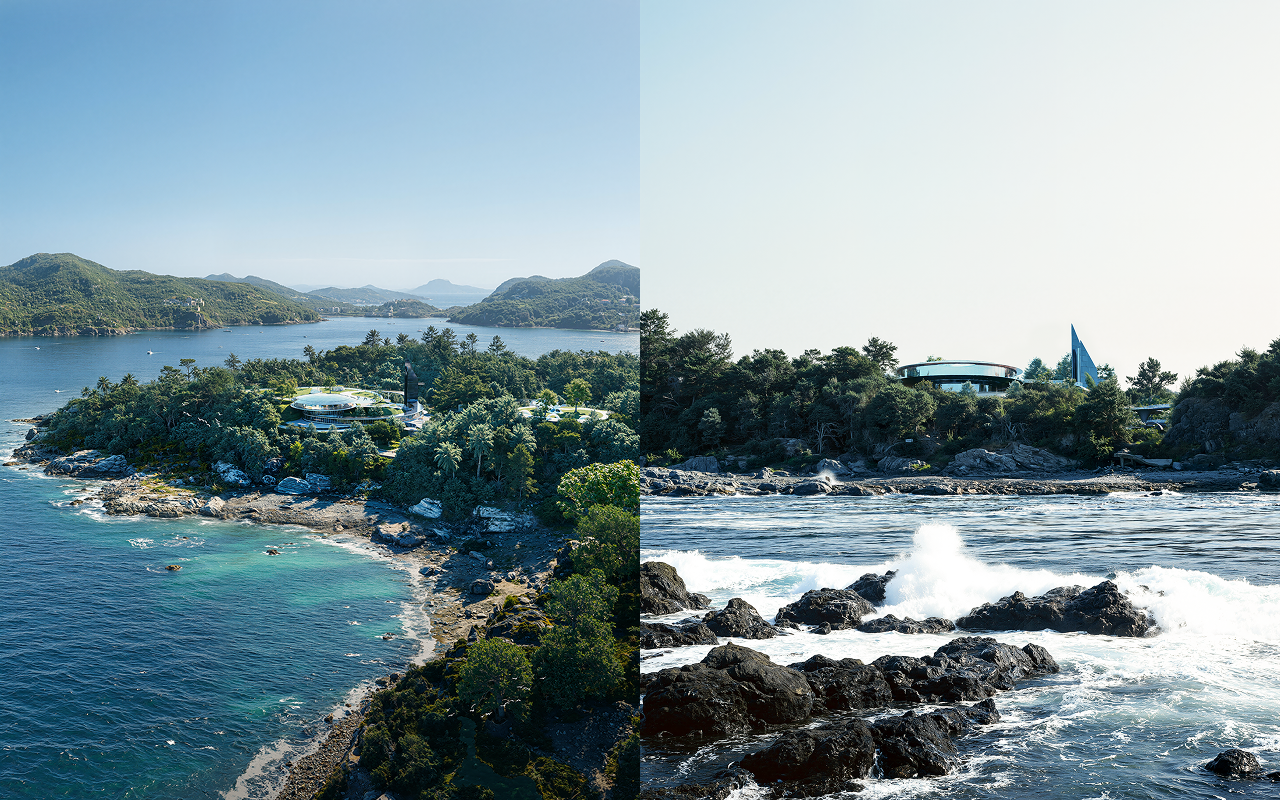
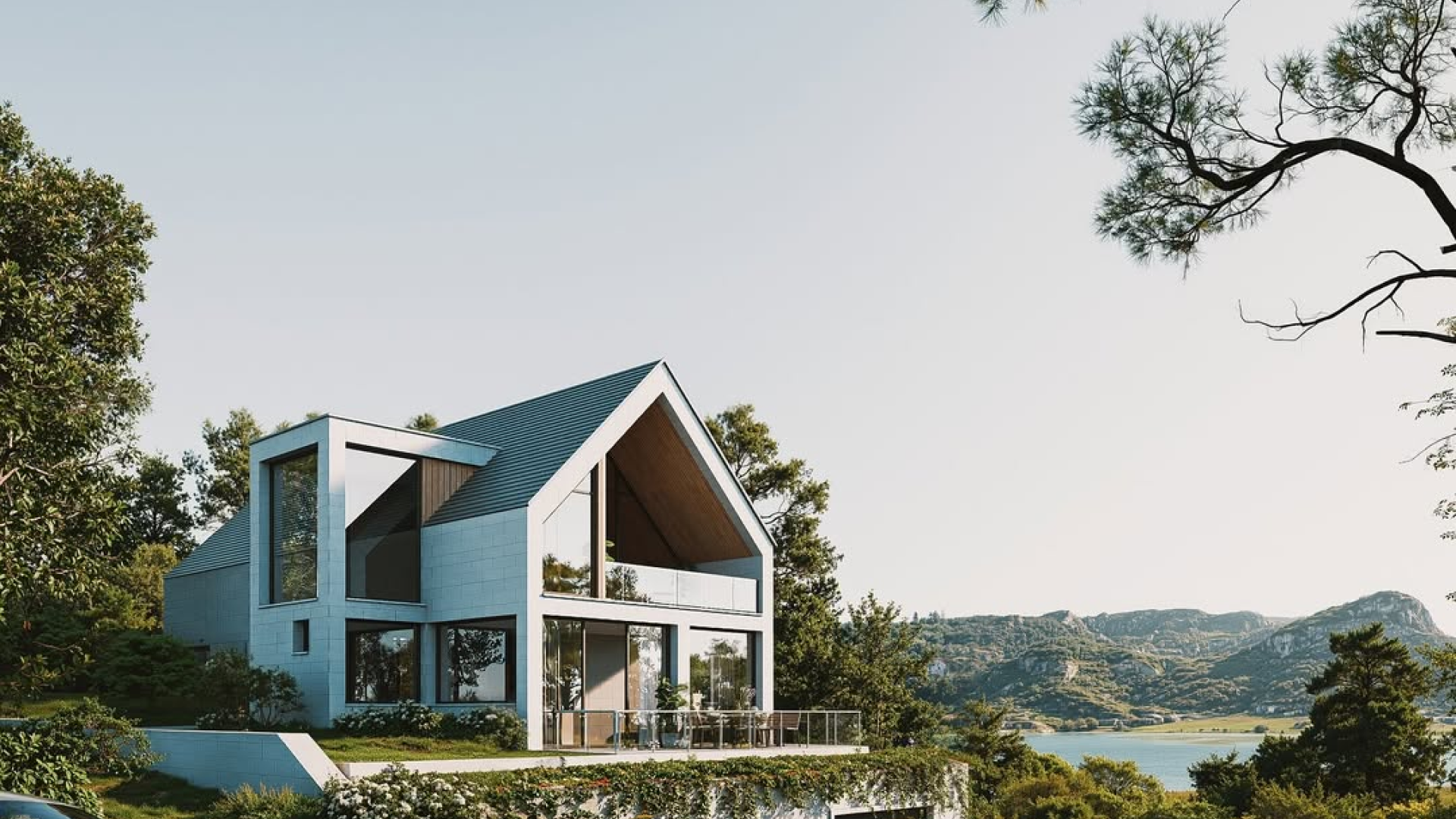
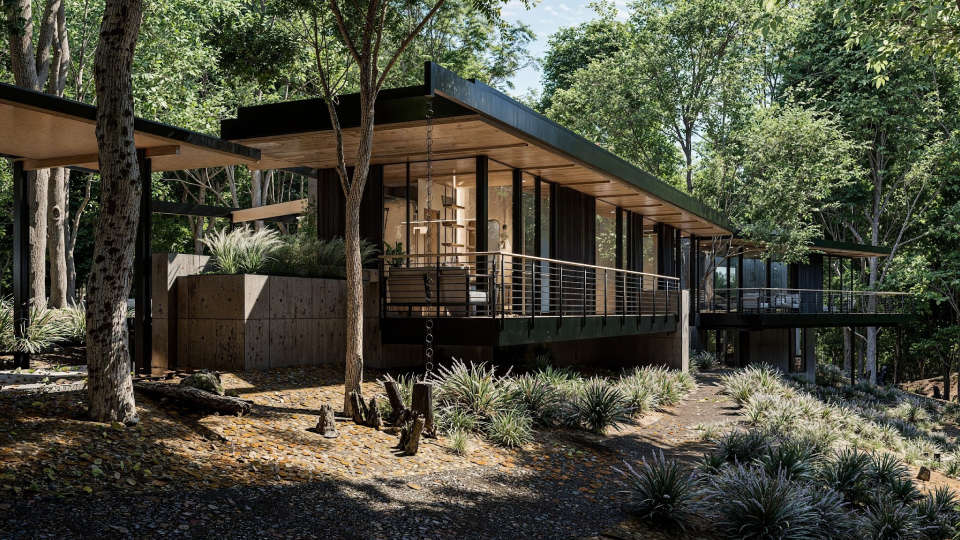
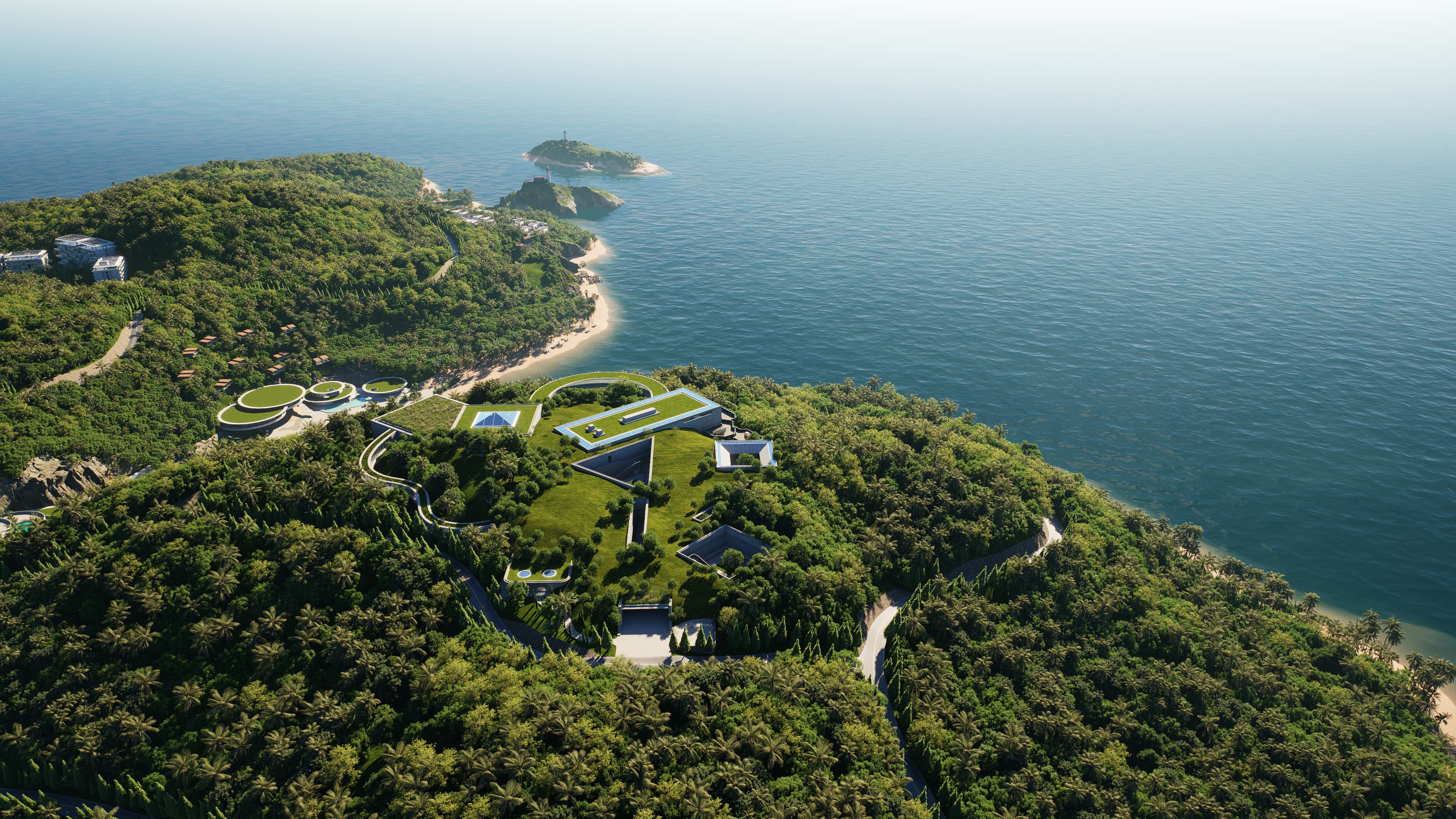
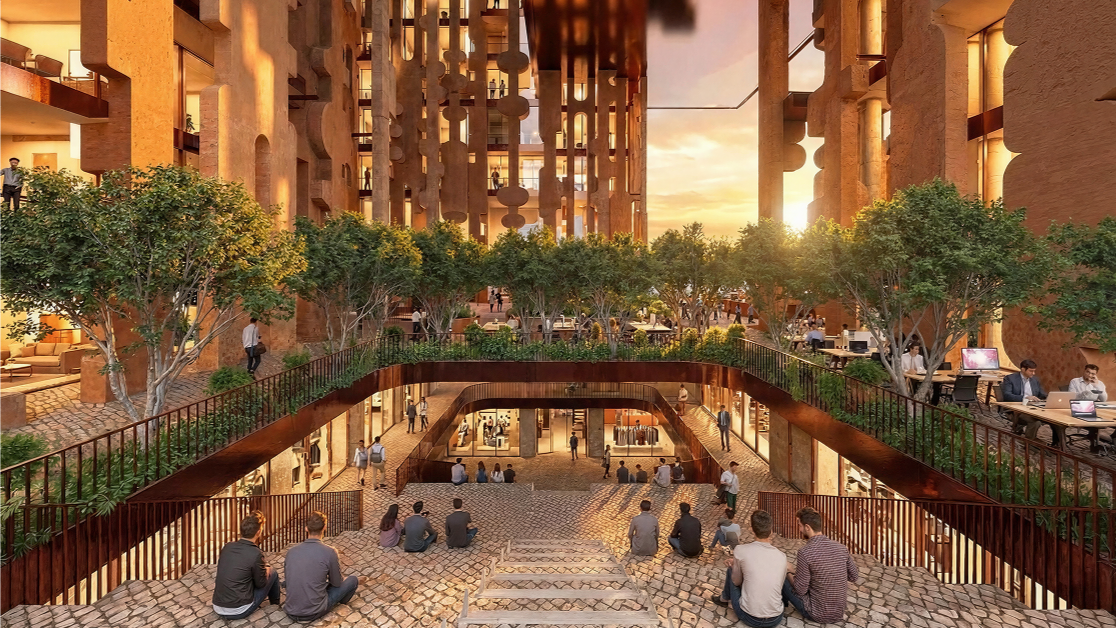
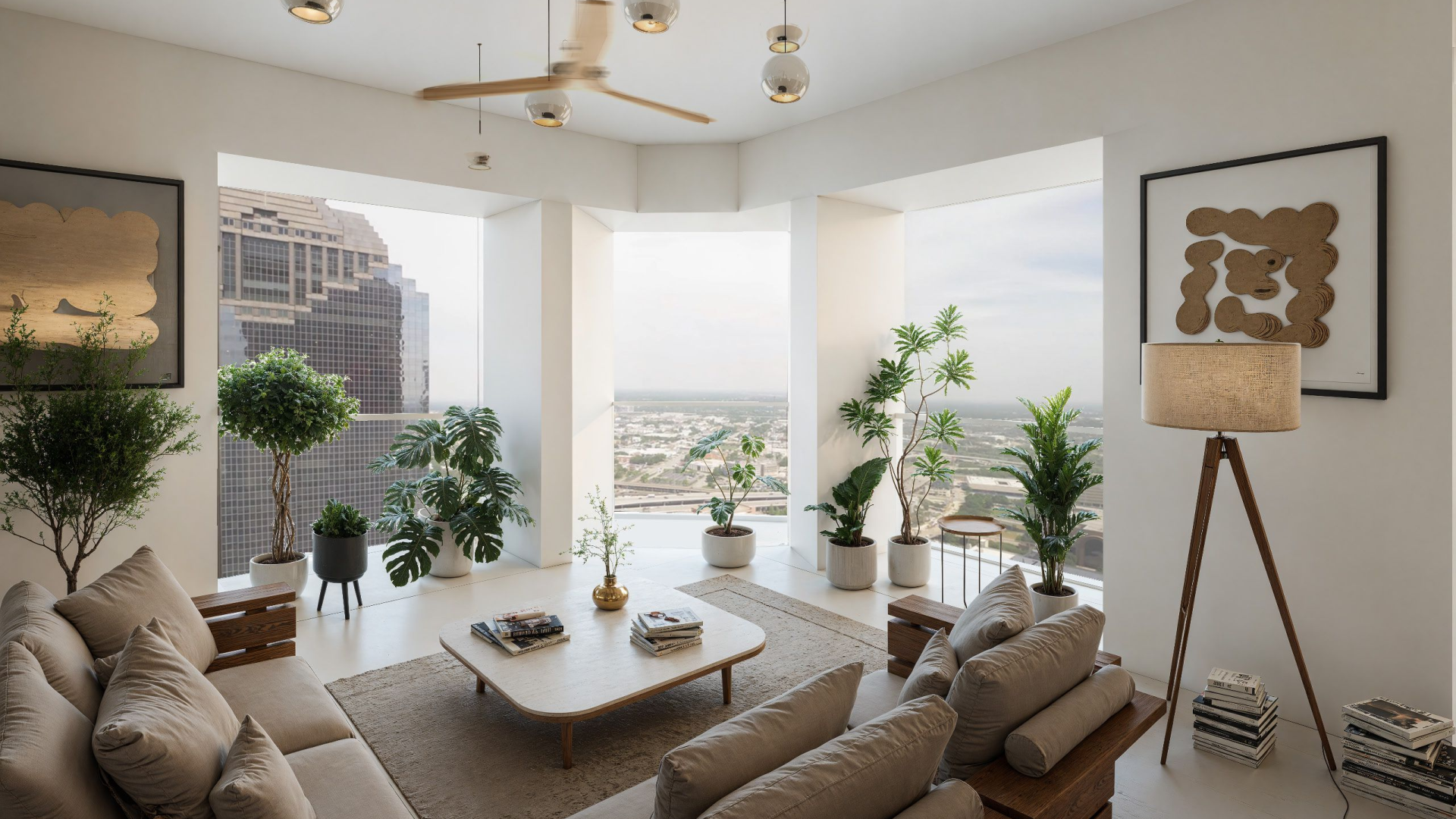
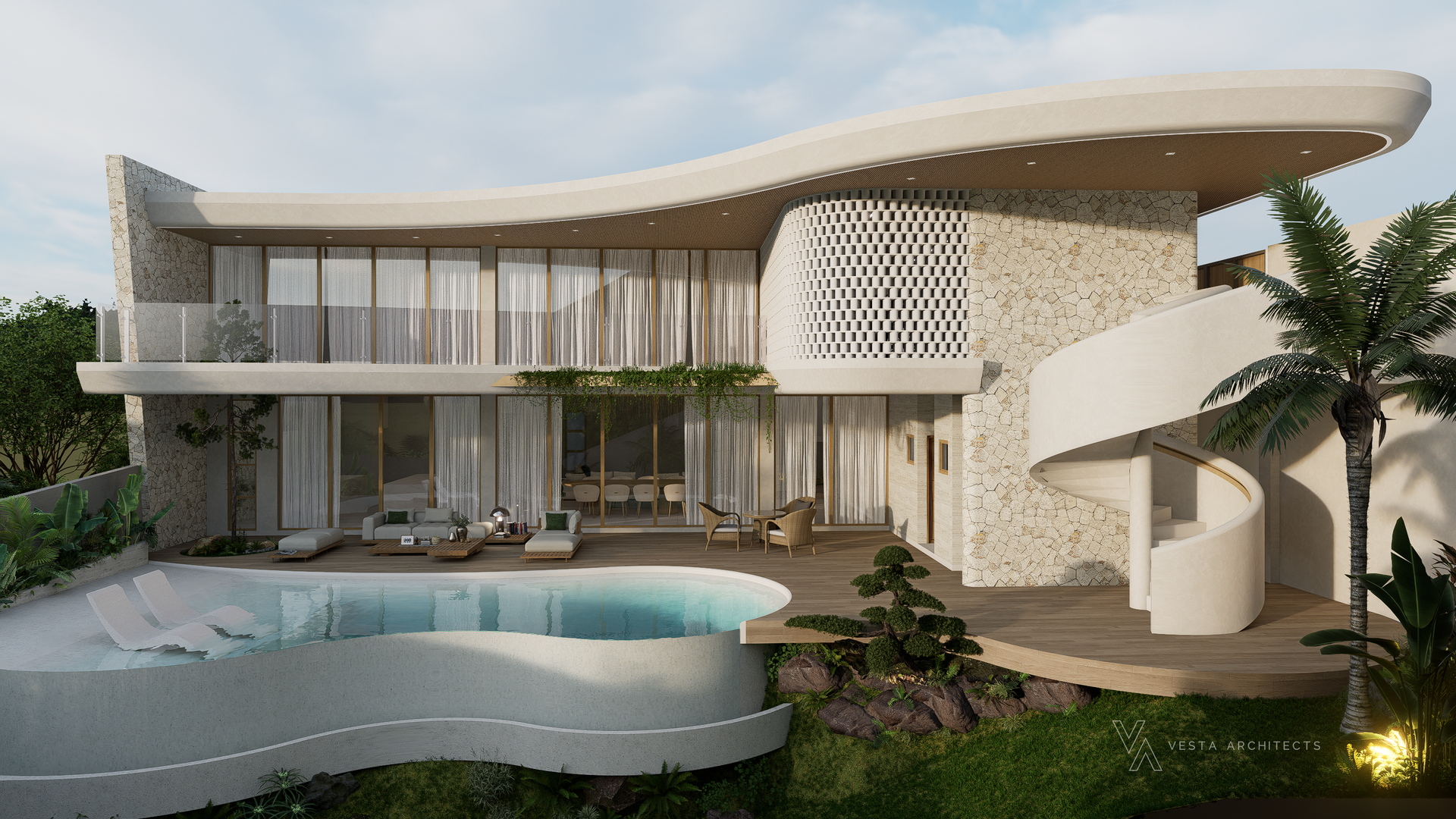
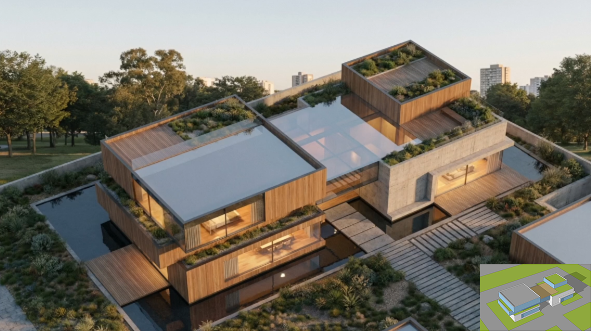
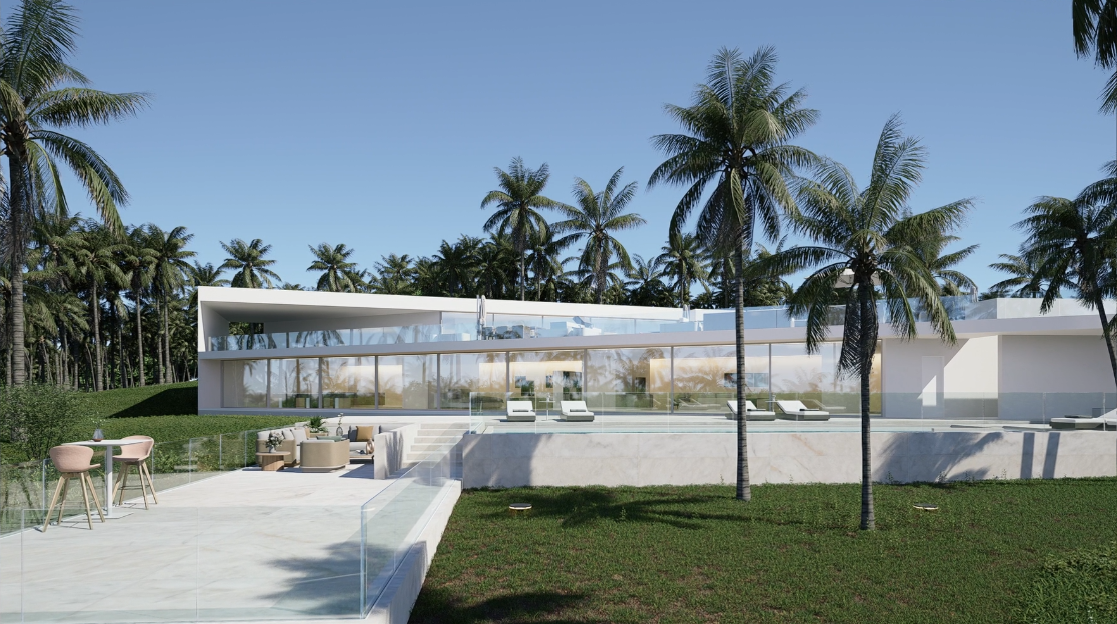
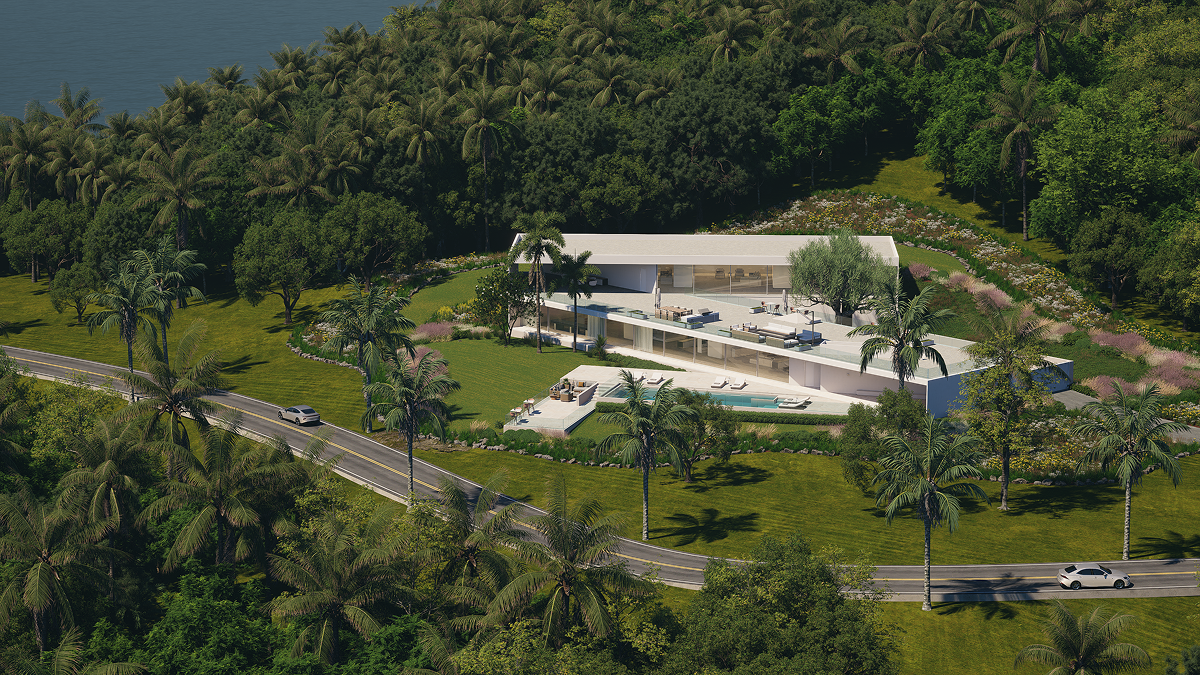
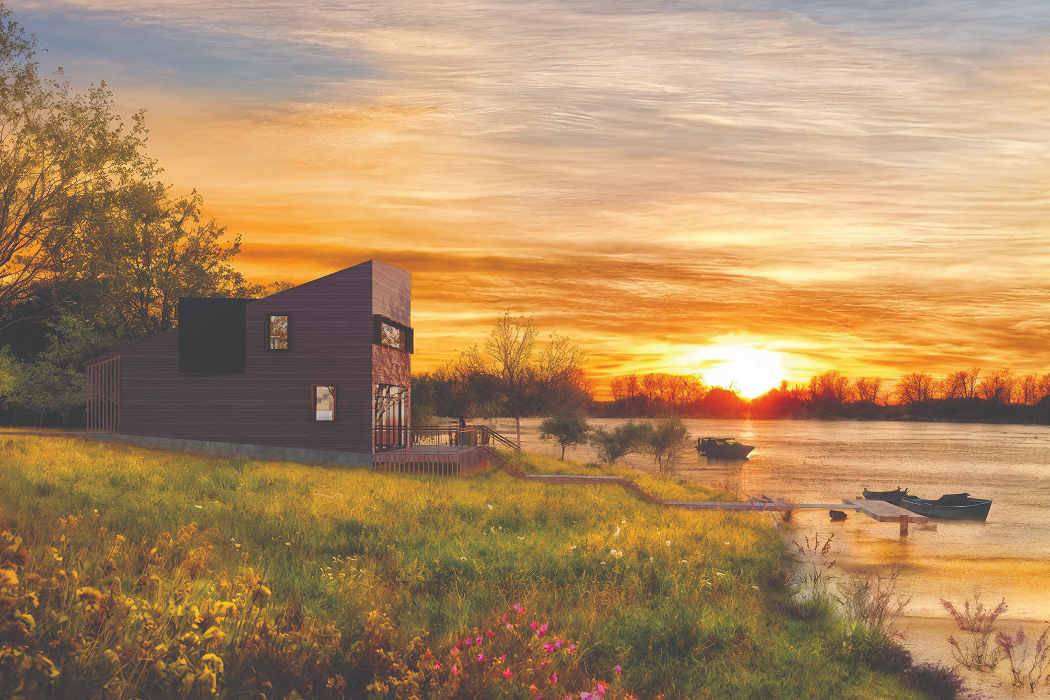
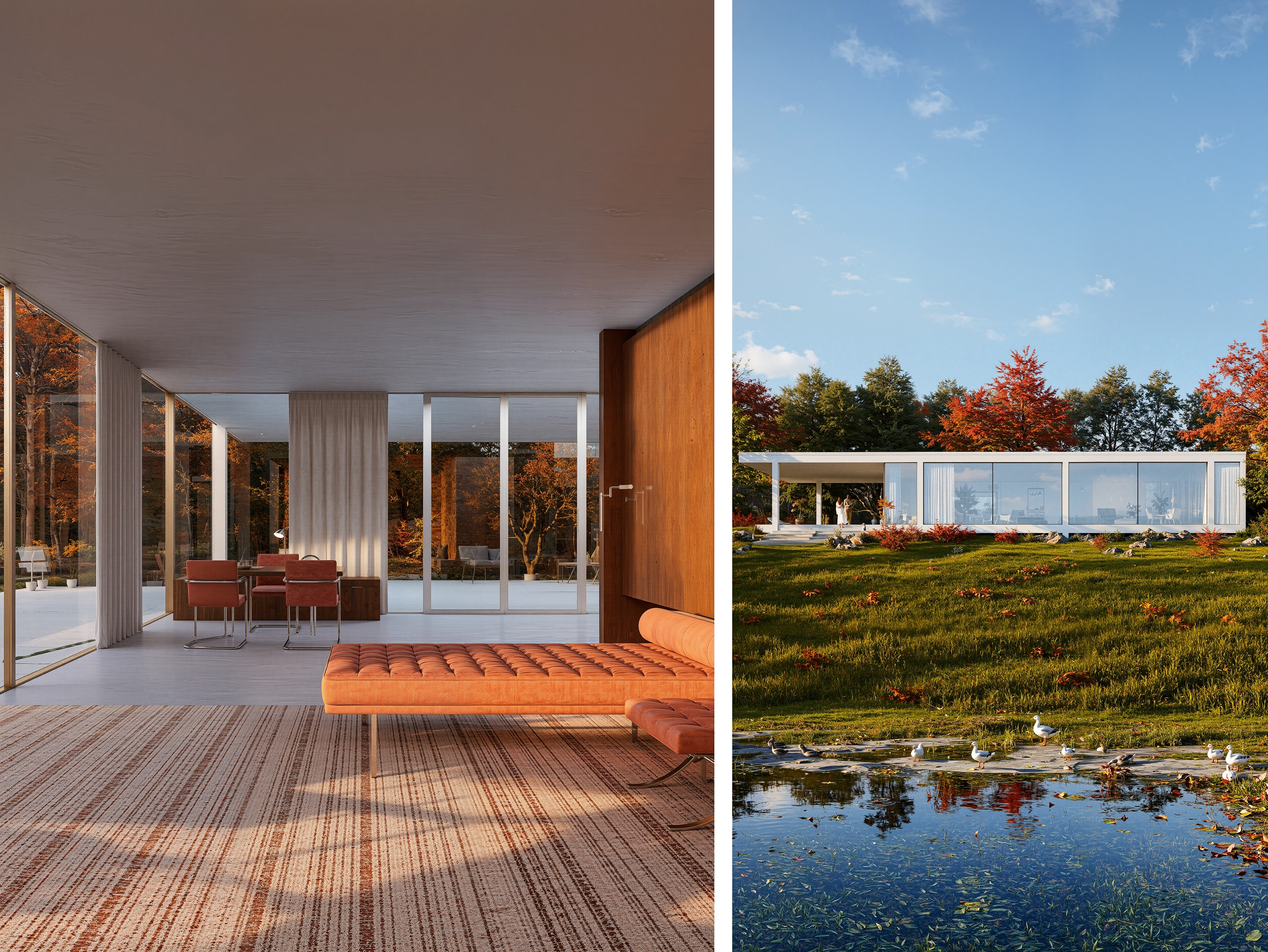
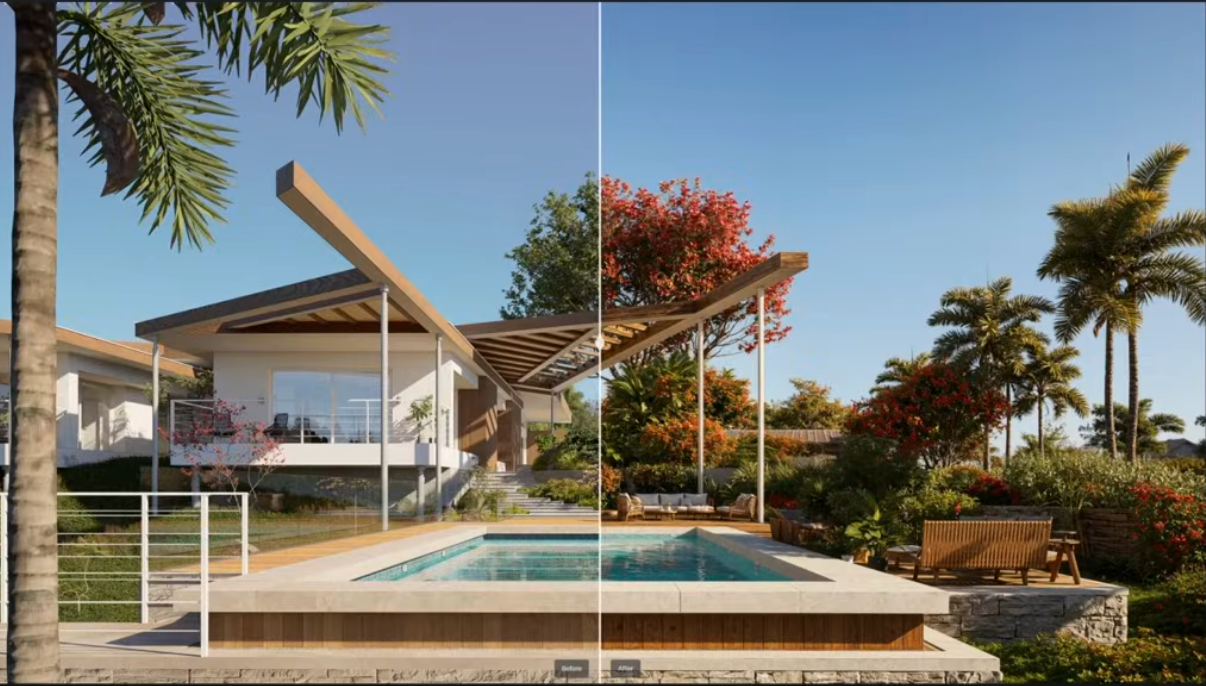
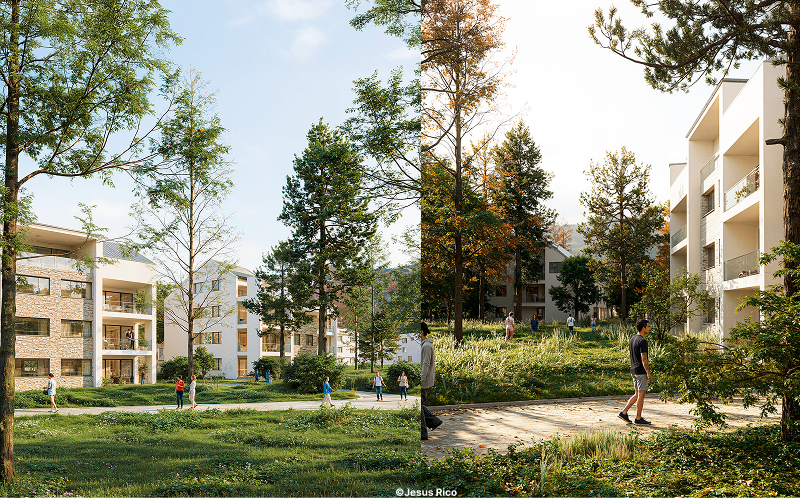
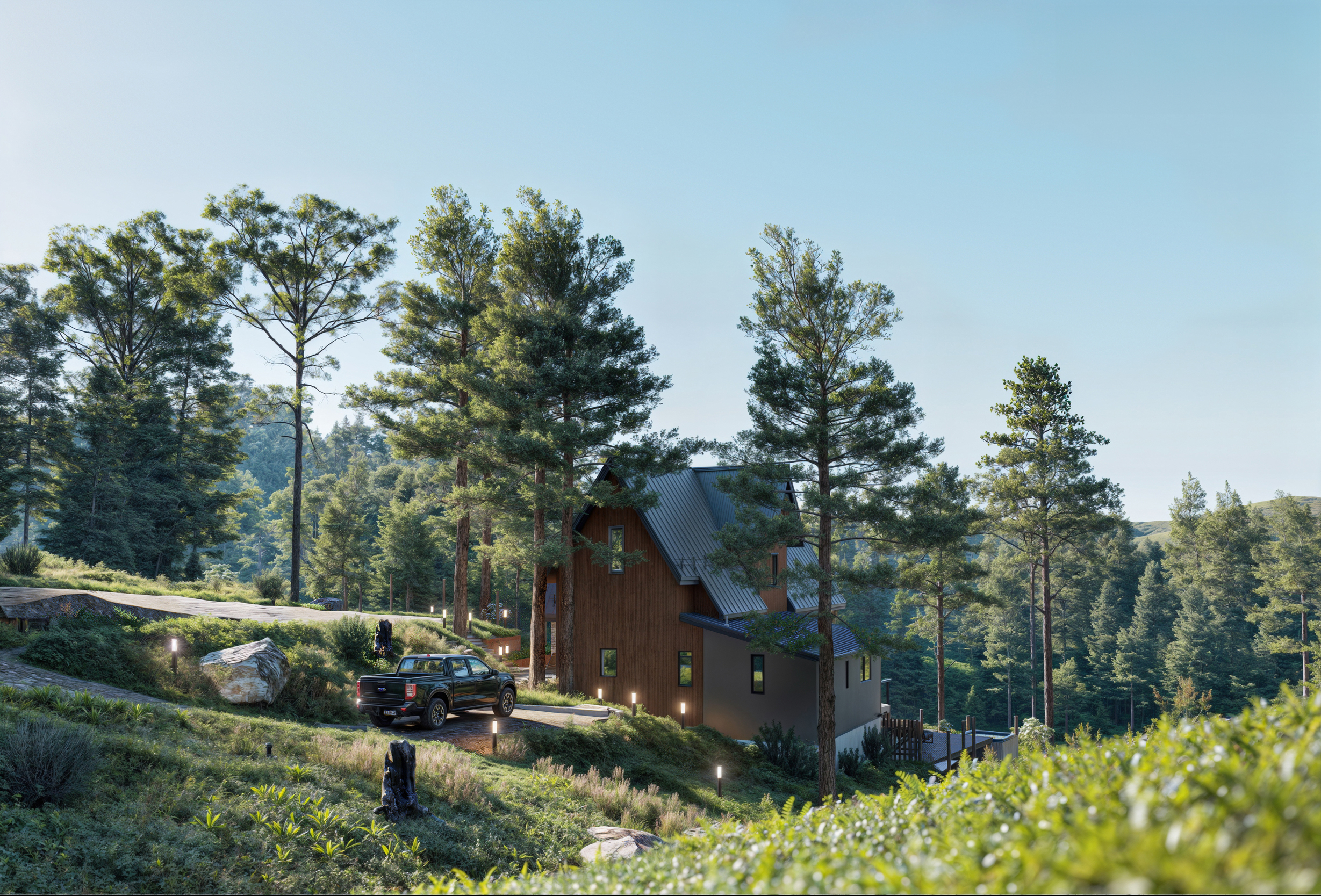
In Elan Miray Haus, the process is more exploratory and comparative. Multiple lighting conditions—daylight, sunset, blue hour—are tested not to arrive at a fixed mood immediately, but to map how the same space performs under different atmospheres. Each setup exposes different priorities: daylight clarifies form and proportion, sunset emphasizes warmth and material depth, while blue hour compresses contrast and foregrounds silhouette.
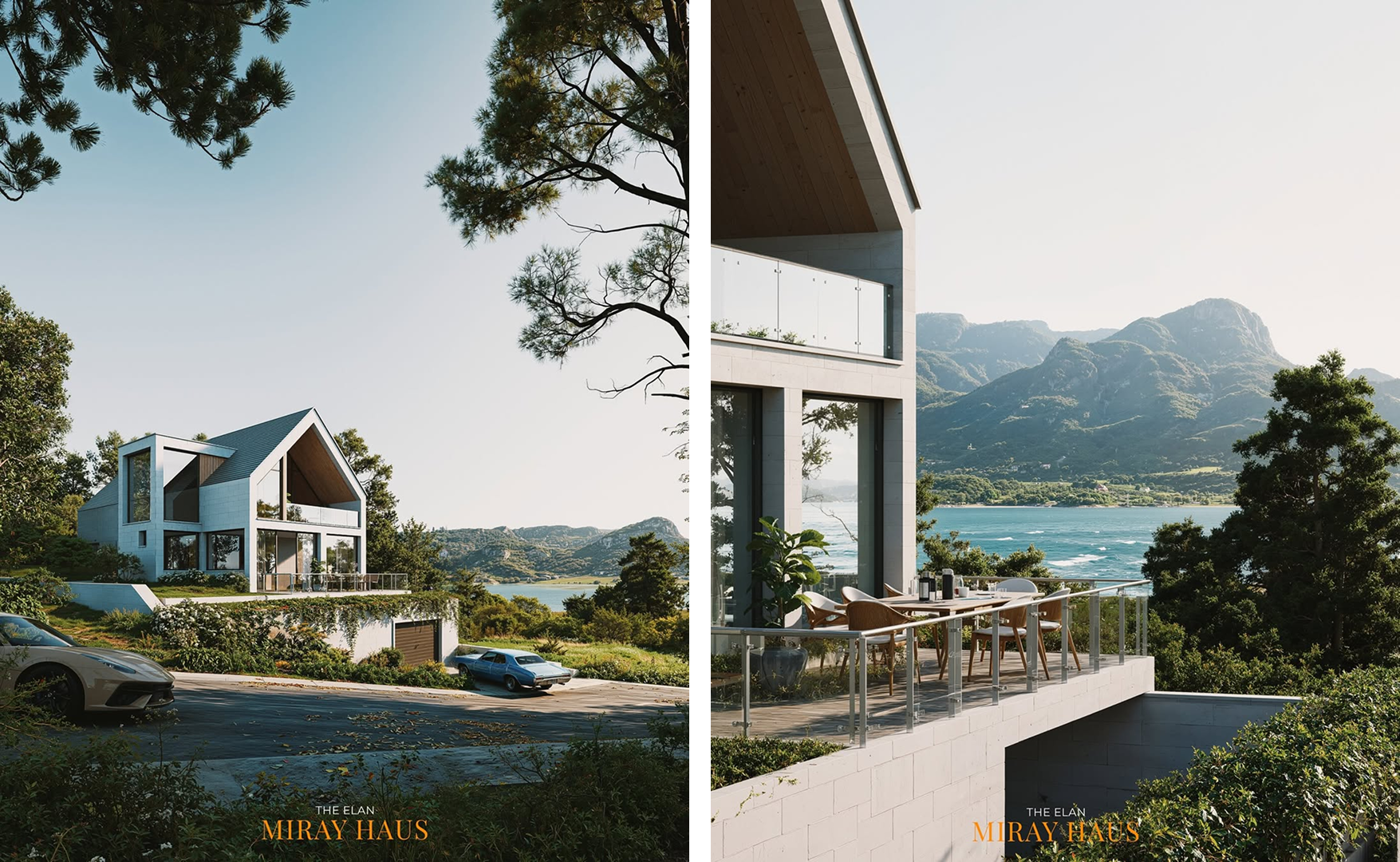
Some of these variations lead to design refinements, such as adjusting openings to control glare or frame views; others simply expand the range of possible readings. In both cases, the sequence of tests becomes material in its own right, making the evolution of the scene visible rather than implicit.
Once the space is visualized, people start to see things differently. That’s when design decisions change.
What these projects demonstrate is not a change in output, but a change in retention.
The work produces more than it used to—not because more is created, but because less is discarded.
That difference allows visualization to operate as both a design tool and a distribution layer at once.
Also read:
Glass Rendering Tips with D5 Render for Realistic Architectural Visualization
Out-of-the-box Interior Parallax Assets Available in D5 Library to Save Your Time
The Collapse of Distance
The effect of this shift is not only visual, but relational.
The distance between architect and visualizer is reduced as feedback becomes immediate and iteration continuous. The visualizer no longer operates at the end of the process, but within it—testing materials, adjusting light, and refining composition in direct response to discussion.
Visualization becomes a working medium through which decisions are explored and validated. Architects no longer need to infer how a condition might perform; they can see it. Clients respond to images rather than abstractions, and decisions can be made earlier, with greater confidence.
Visualization moves upstream, and the work no longer ends where it once did.


.jpg)

.png)
.png)



.jpg)


.png)
1%20(2).png)


%20(1).png)
.png)
.png)