

Key Takeaways
- Visualization shifts from a final presentation layer to a decision-making system used from the earliest stages. It enables design intent to be tested, aligned, and carried consistently through to completion.
- Fragmented, multi-tool pipelines are replaced by a unified visualization workflow. Design, rendering, and presentation operate in one continuous, integrated environment.
- Client communication evolves from static reviews to real-time collaboration. Interactive visualization reduces misalignment and accelerates confident decision-making.
- Speed becomes a driver of design quality rather than just efficiency. Faster iteration allows deeper exploration and better-informed design outcomes.
- Visualization is embedded into the firm’s culture, not just its tools. Training and education ensure it becomes a standard way of thinking and working.
Studio Overview
- Location: Seoul, South Korea
- Team Size: 1,000+ employees
- Studio Type: Full-service architecture, urban design, and engineering firm
- Project Types: Retail and commercial developments, mixed-use complexes, cultural and civic buildings, residential projects, urban masterplans, and large-scale public infrastructure
- Modeling Tools: Revit, Rhino, SketchUp, 3ds Max

At Junglim Architecture, visualization is no longer a final step used to illustrate a completed idea. It has become the medium through which design is explored, tested, and aligned across teams from the very beginning.
Over the past three and a half years, the firm has transformed not only its workflow, but its way of working. By embedding D5 Render across the entire project lifecycle, what began as a tool within a single division has evolved into a firm-wide platform. More importantly, this shift extends beyond workflow optimization—it reshapes how teams collaborate, how decisions are made, and how design intent is shared across the organization. Visualization moves from representation to decision-making, from fragmented processes to a continuous system, and from isolated outputs to a shared foundation for design culture.
Achieving Near-Built Accuracy Through Early Visual Alignment
In conventional architectural workflows, visualization often sits at the end of the process. Drawings establish the design logic, while renderings are produced later to communicate intent. This separation introduces a gap between what is designed and what is perceived.
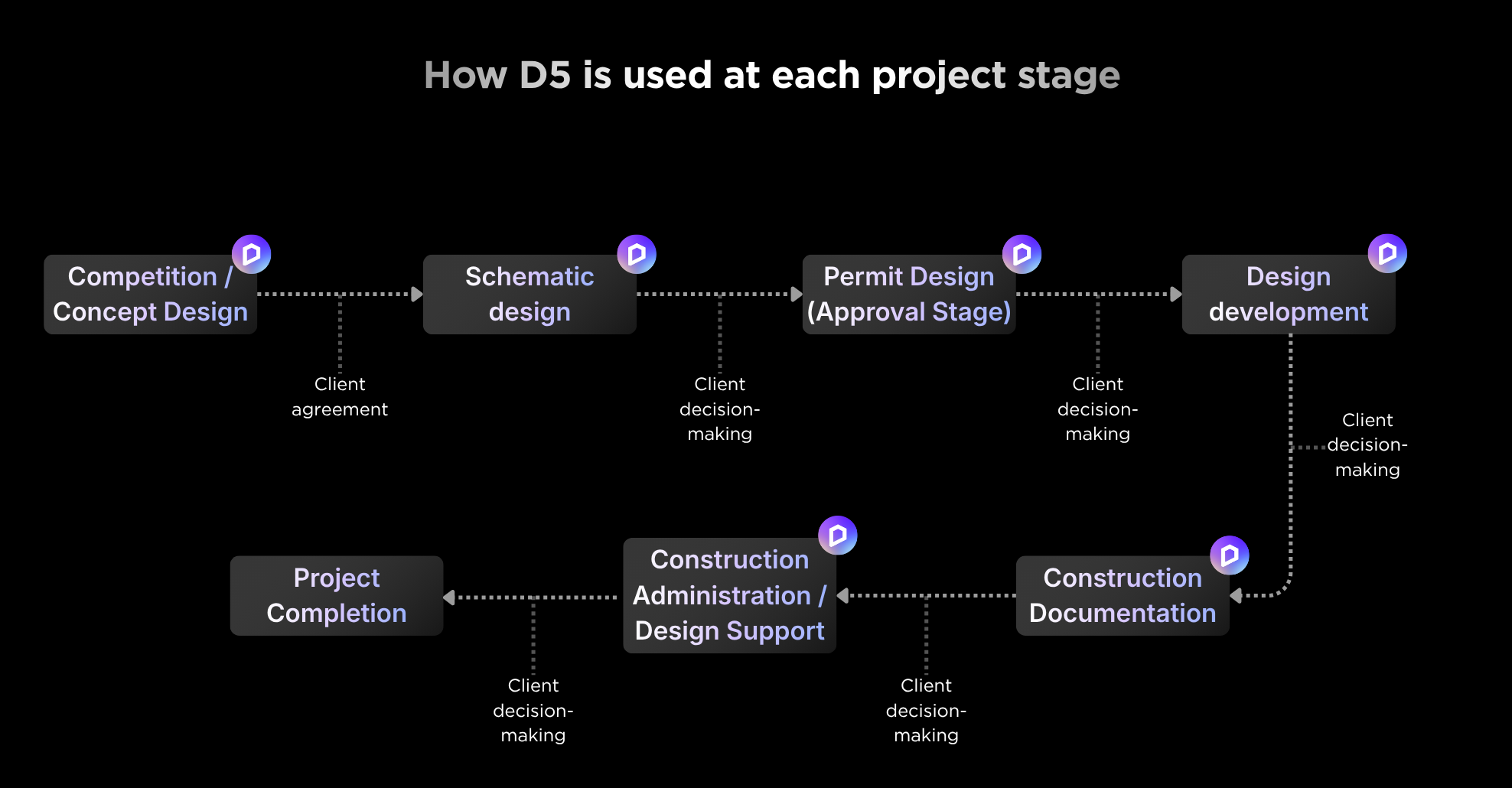
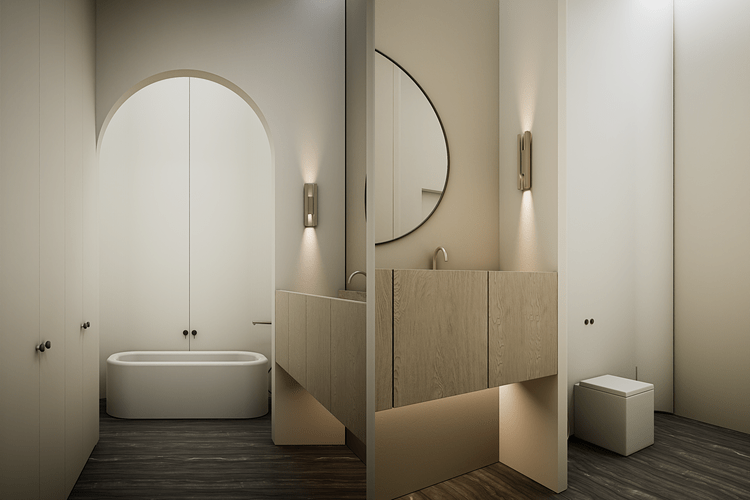
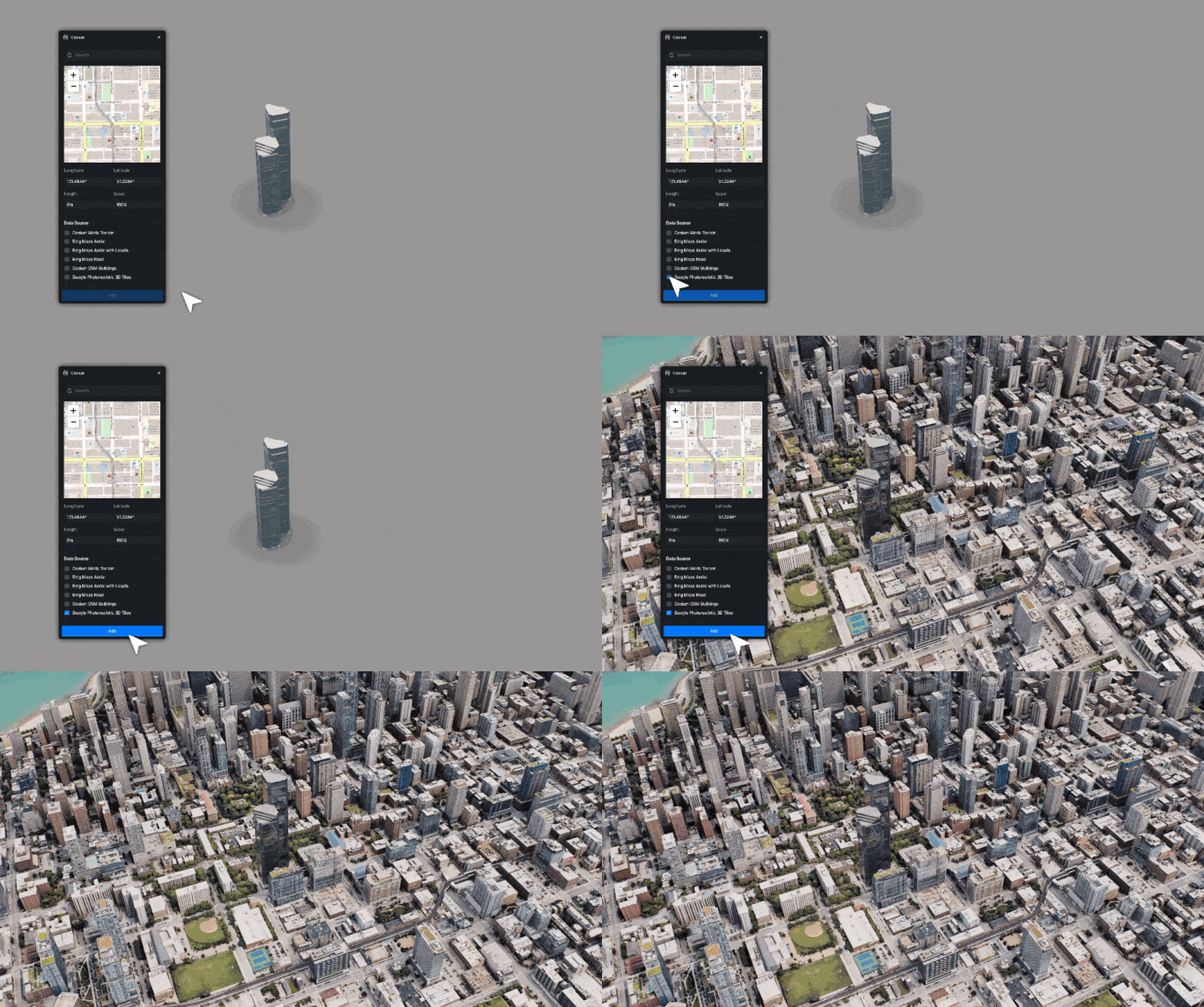
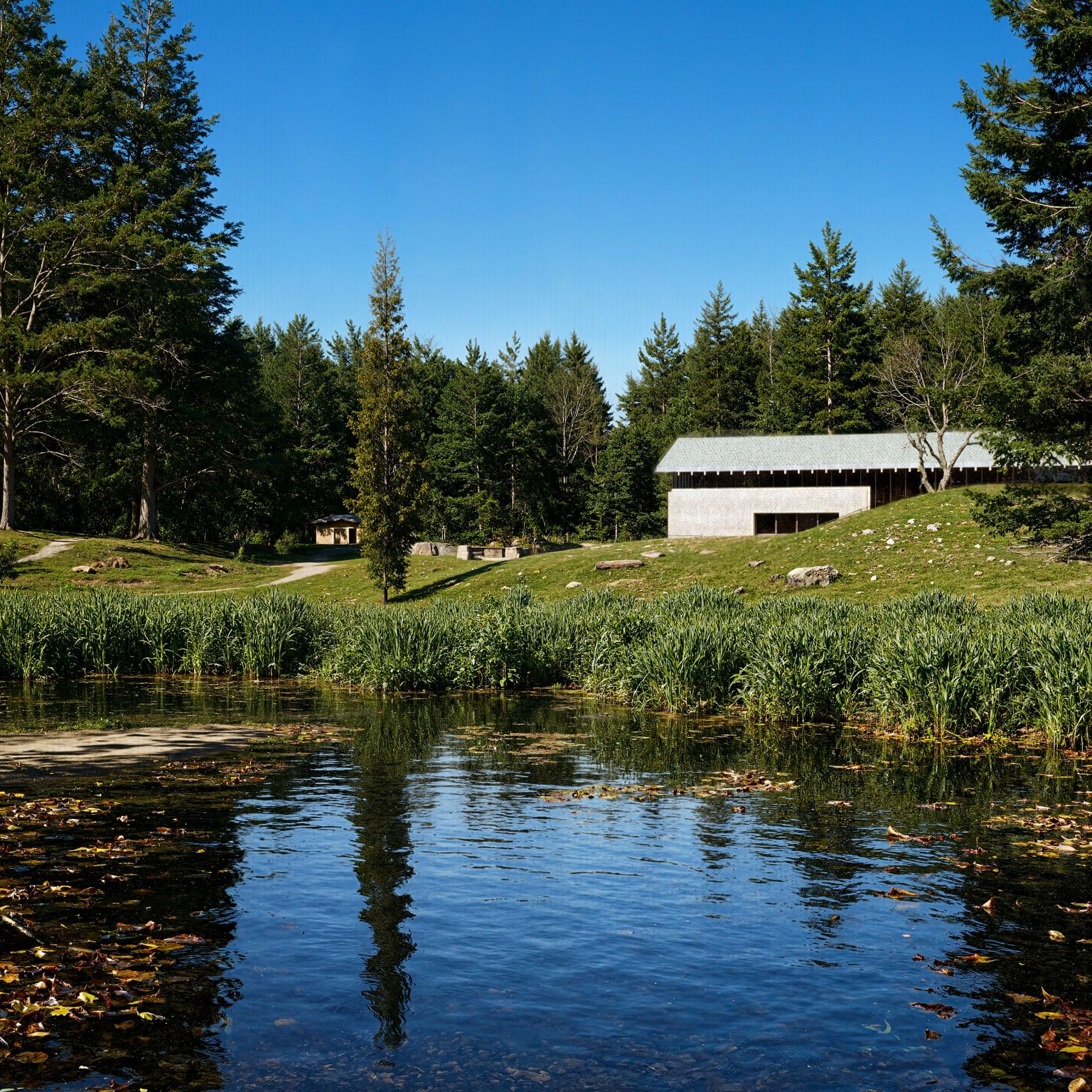
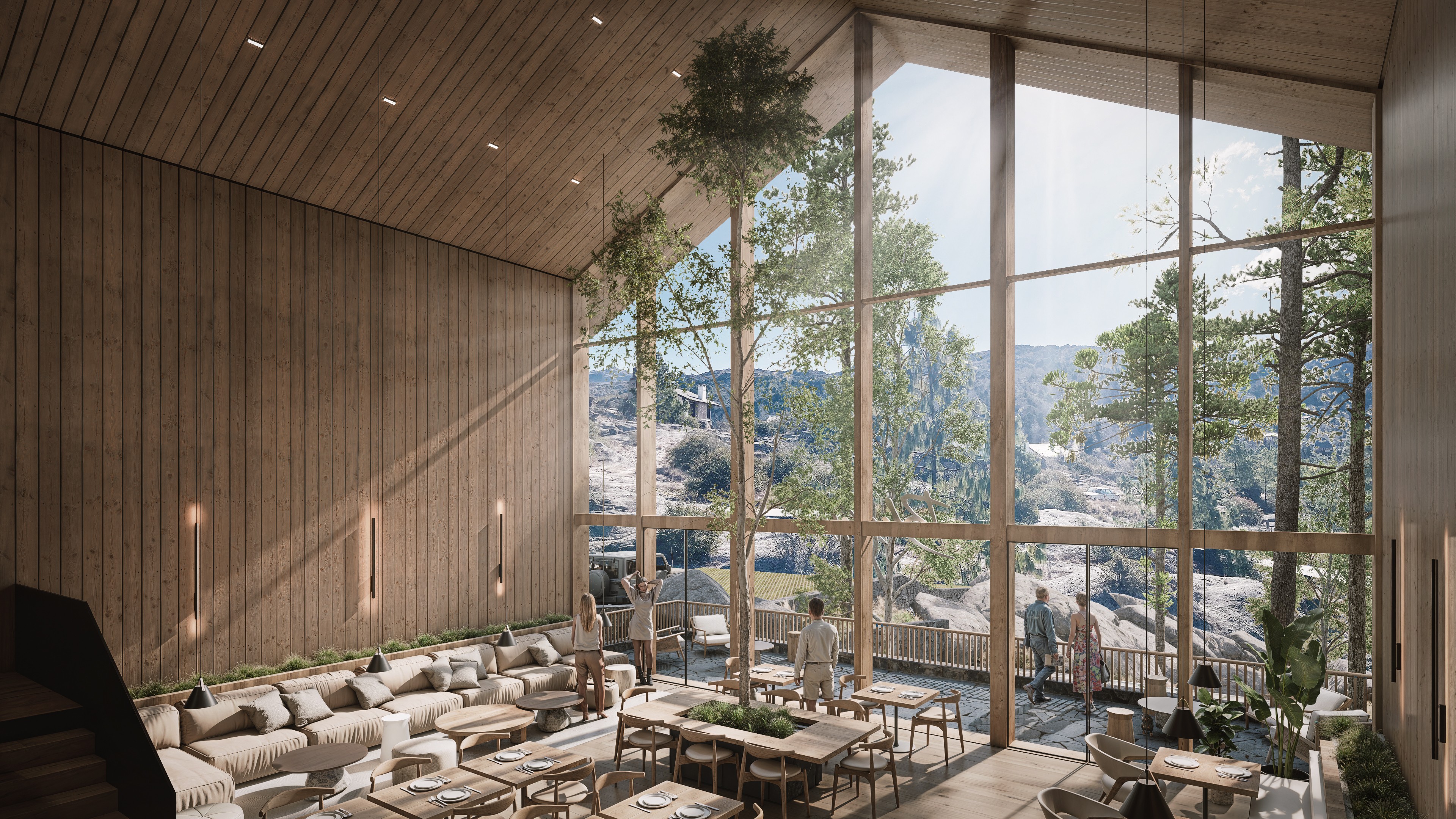
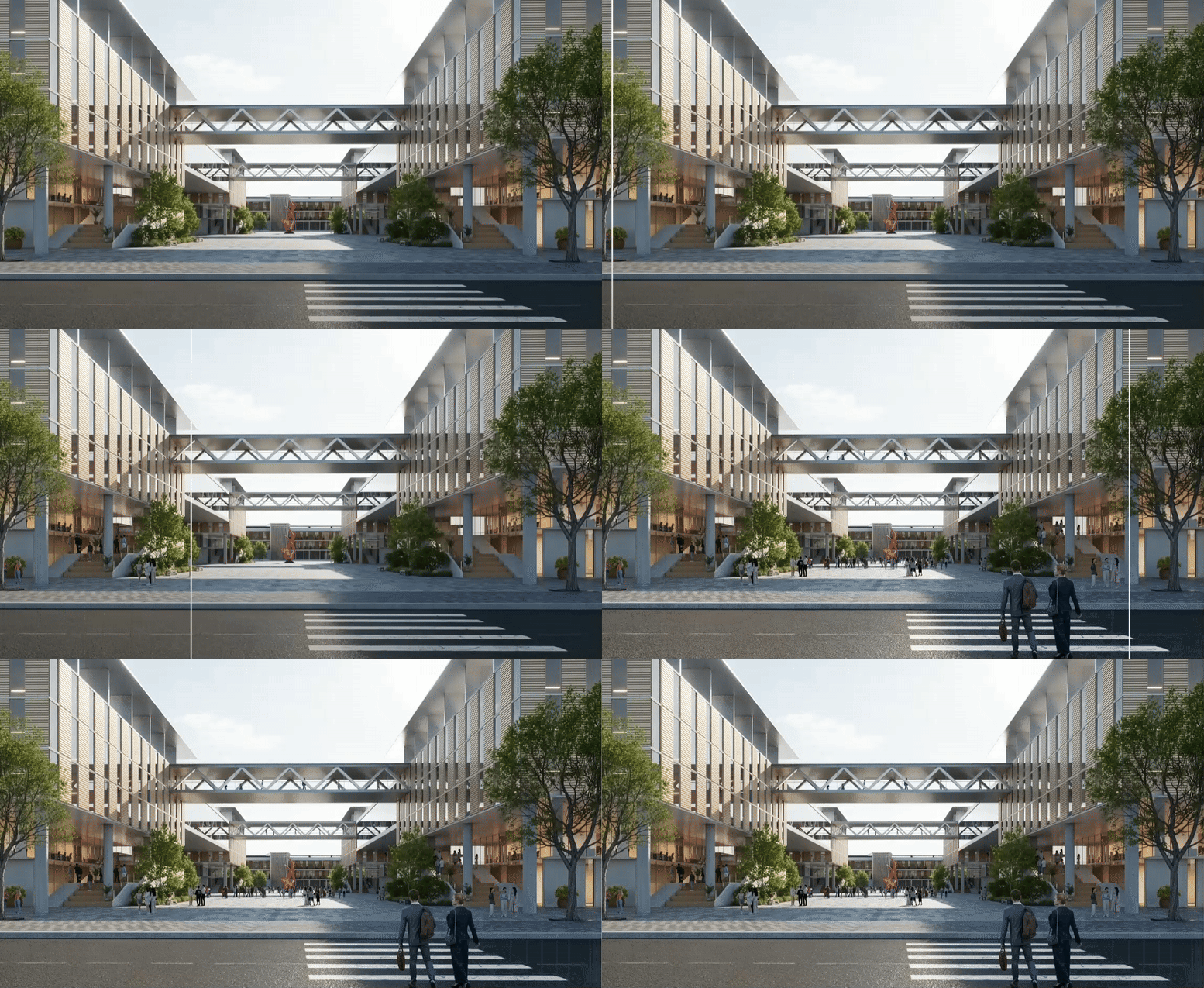
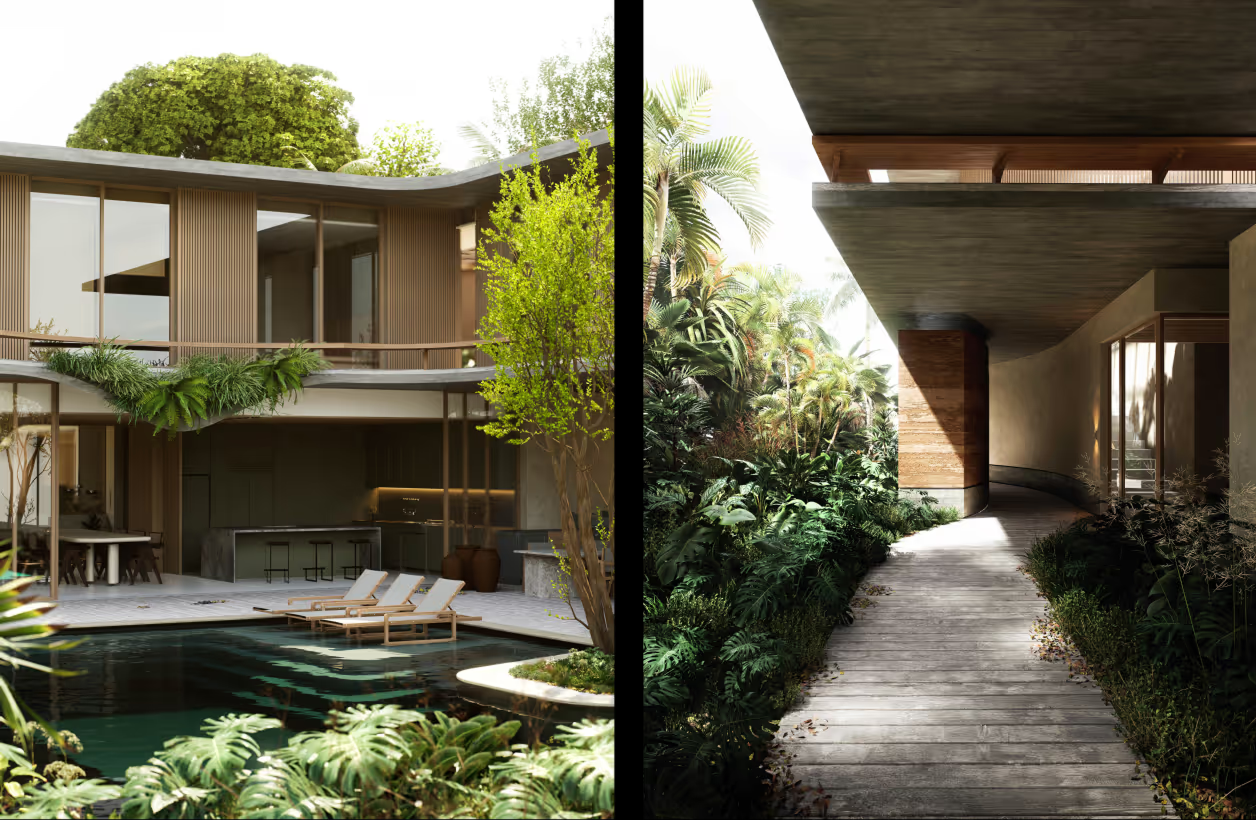
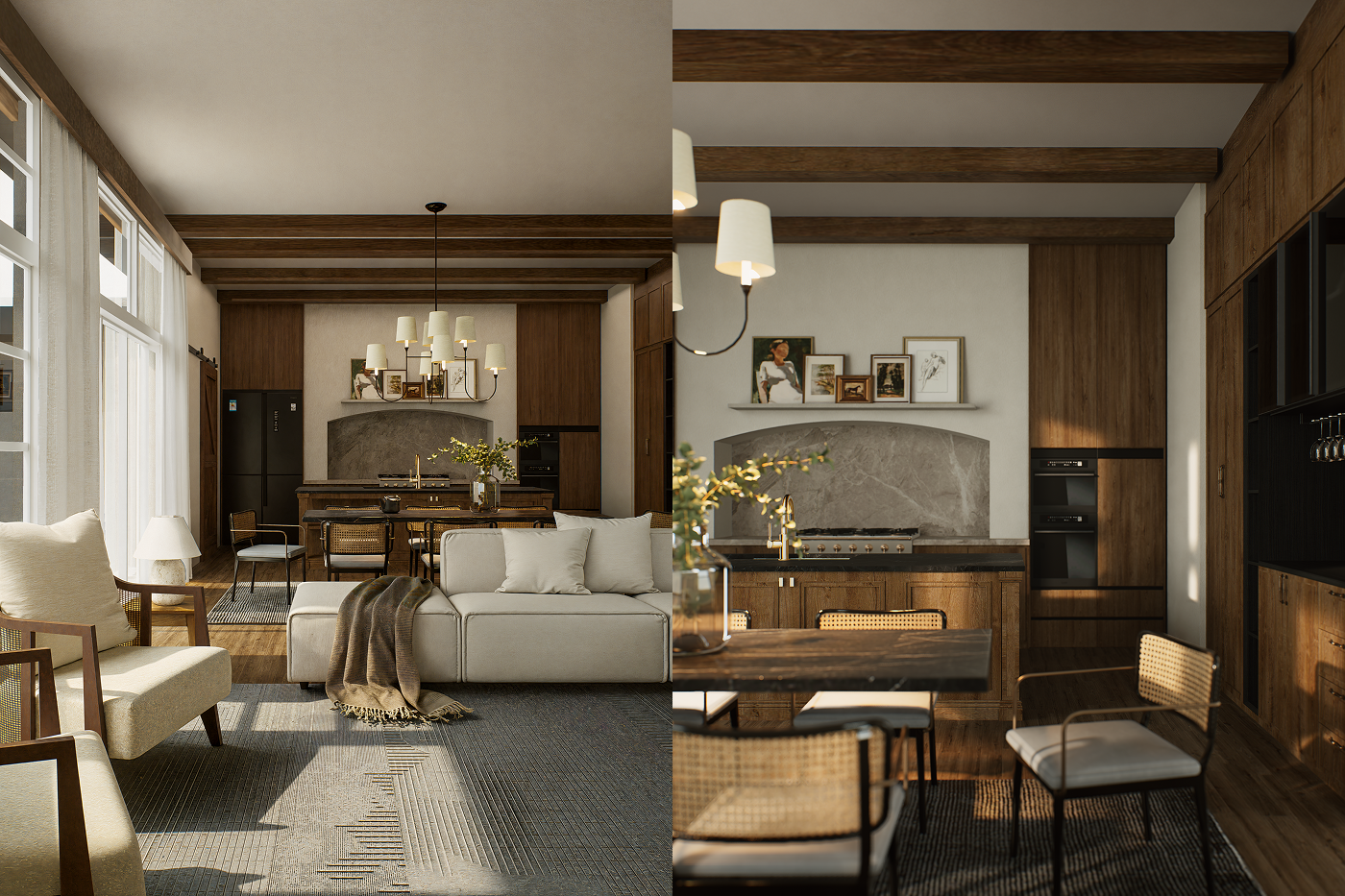
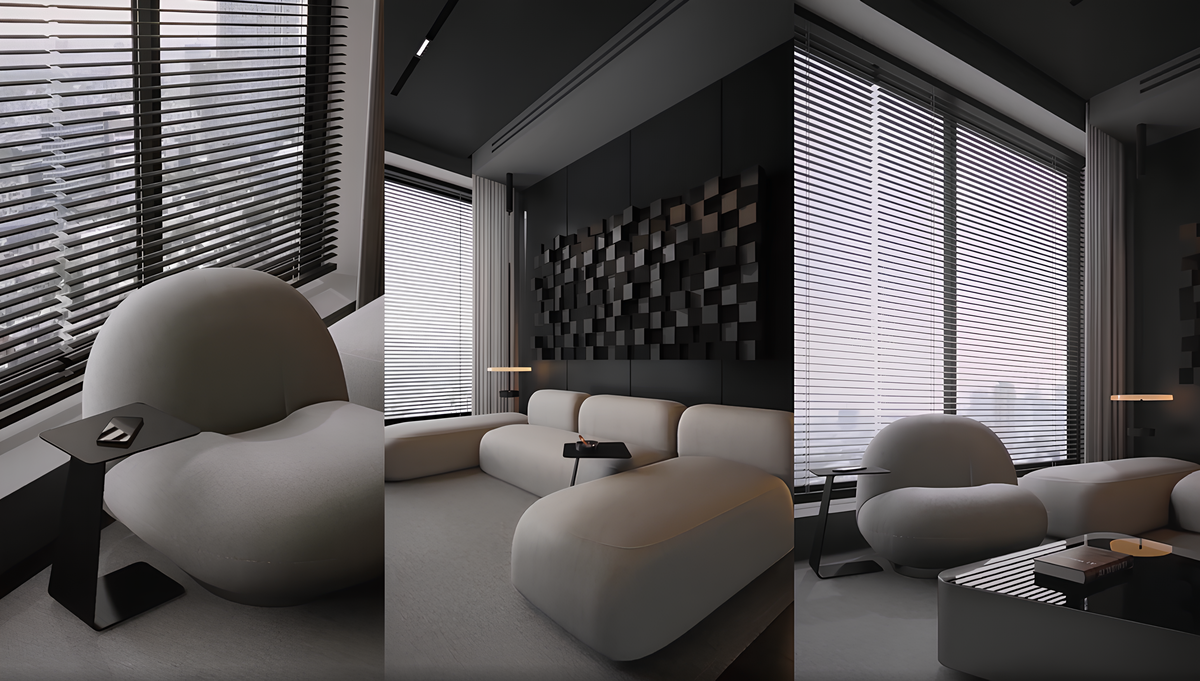
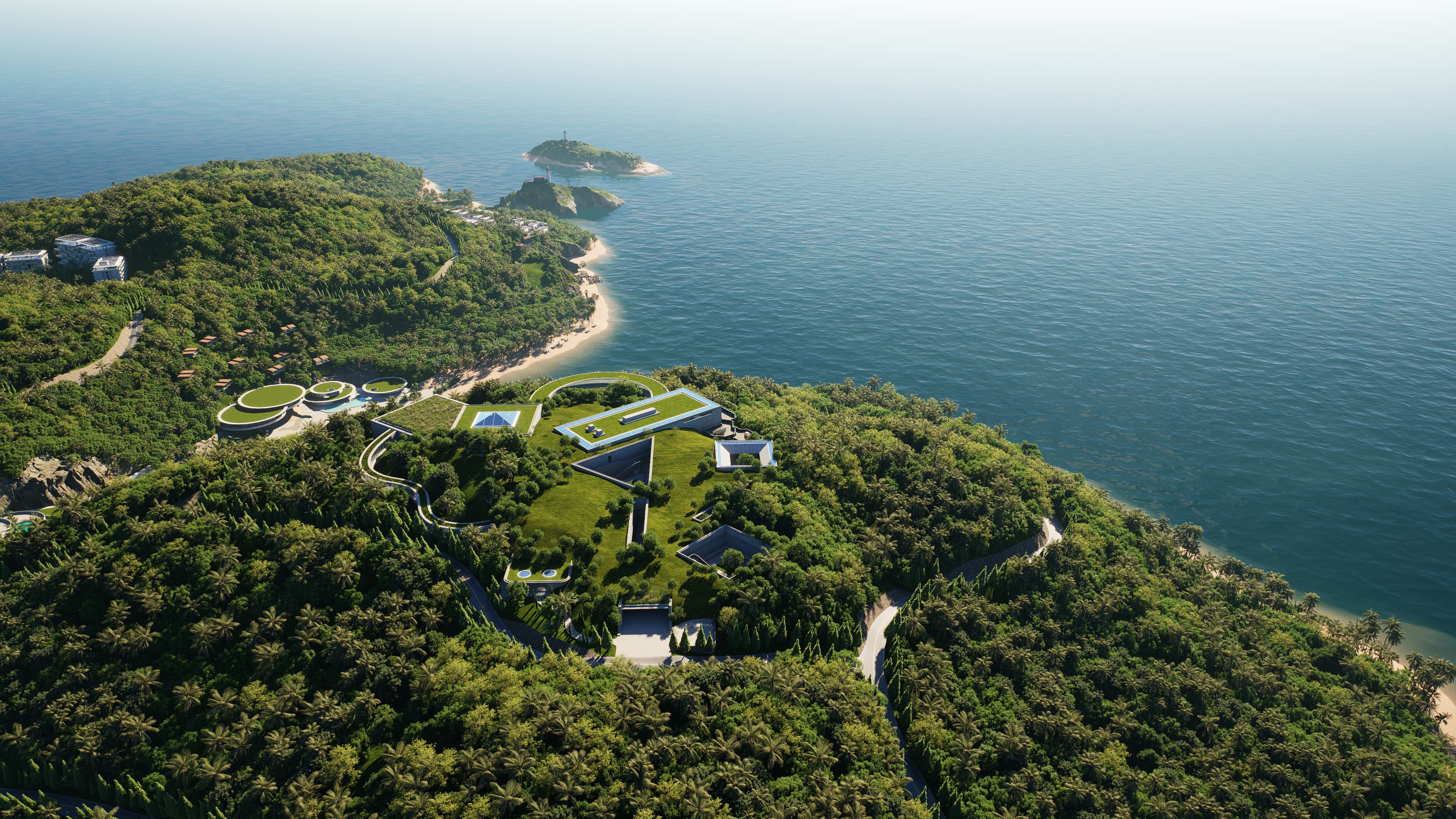
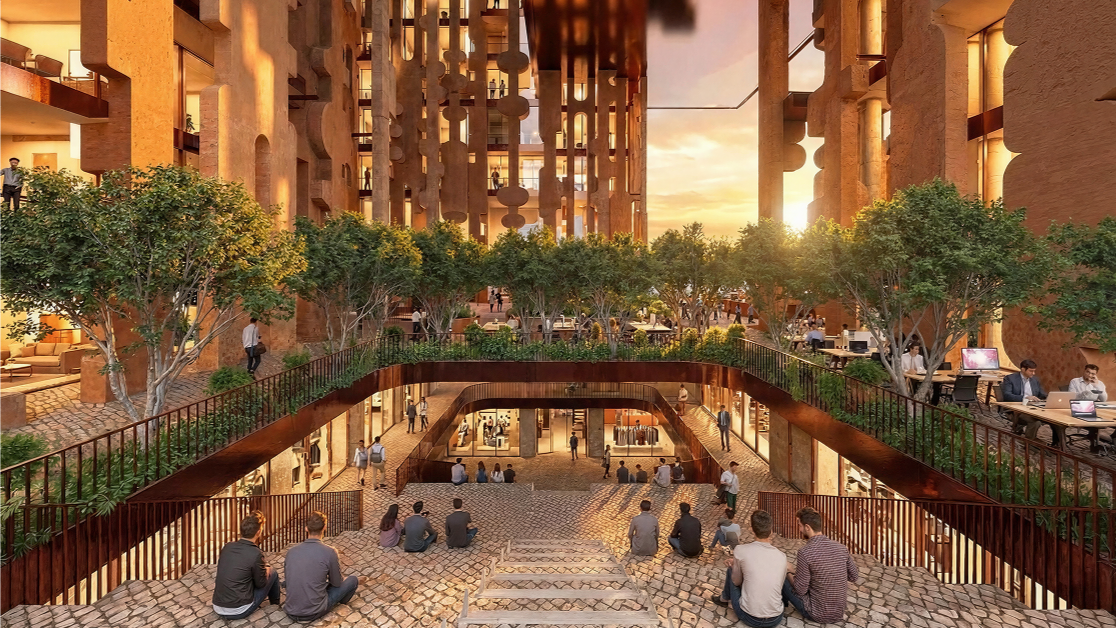
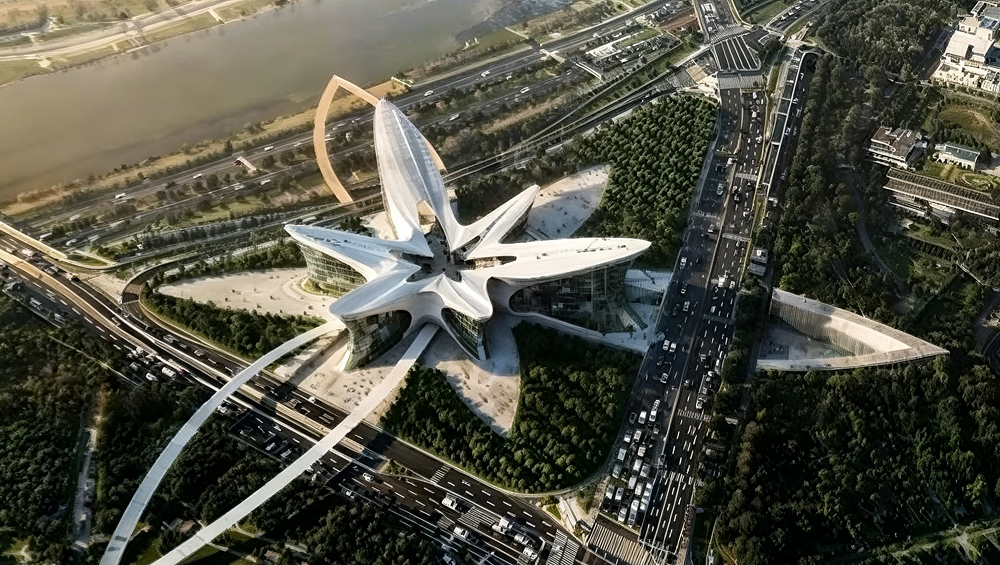
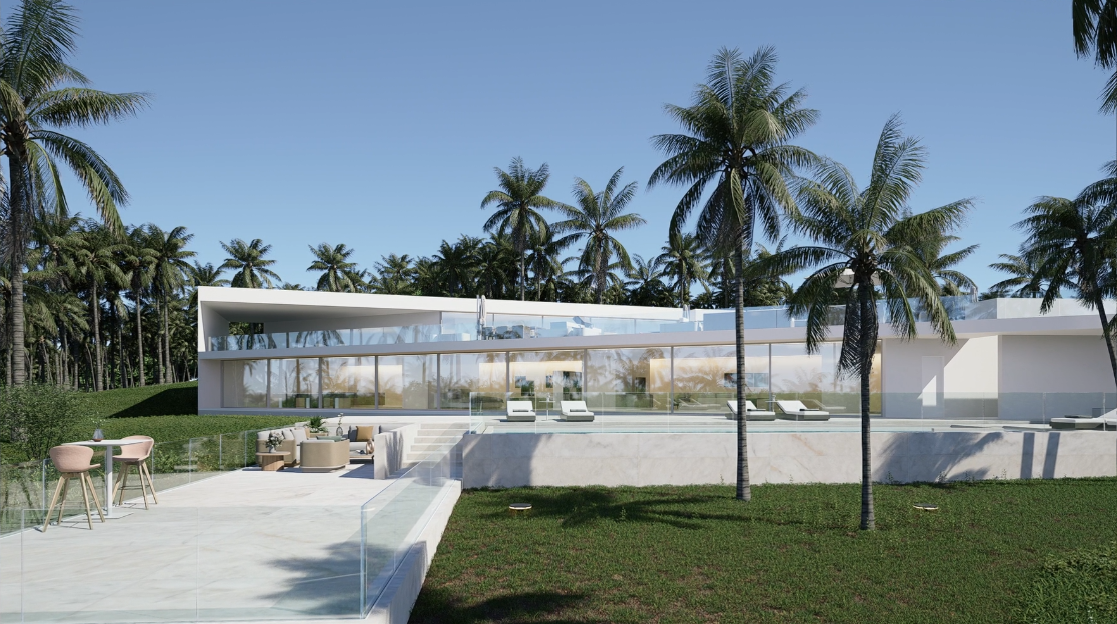
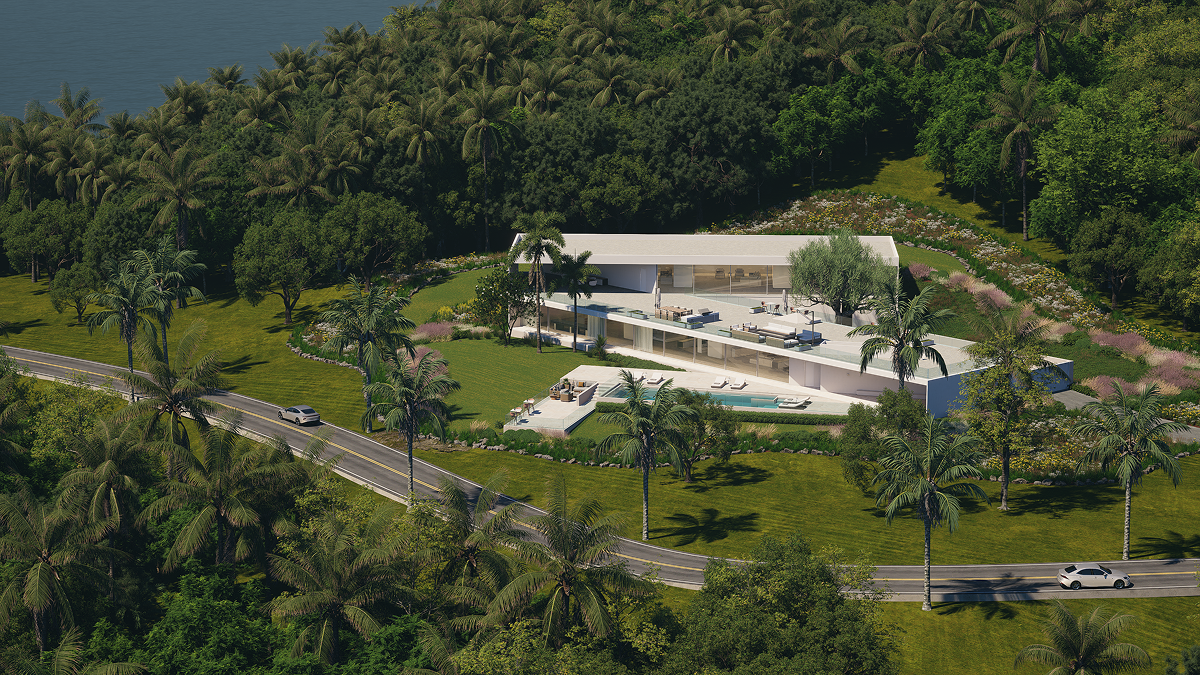
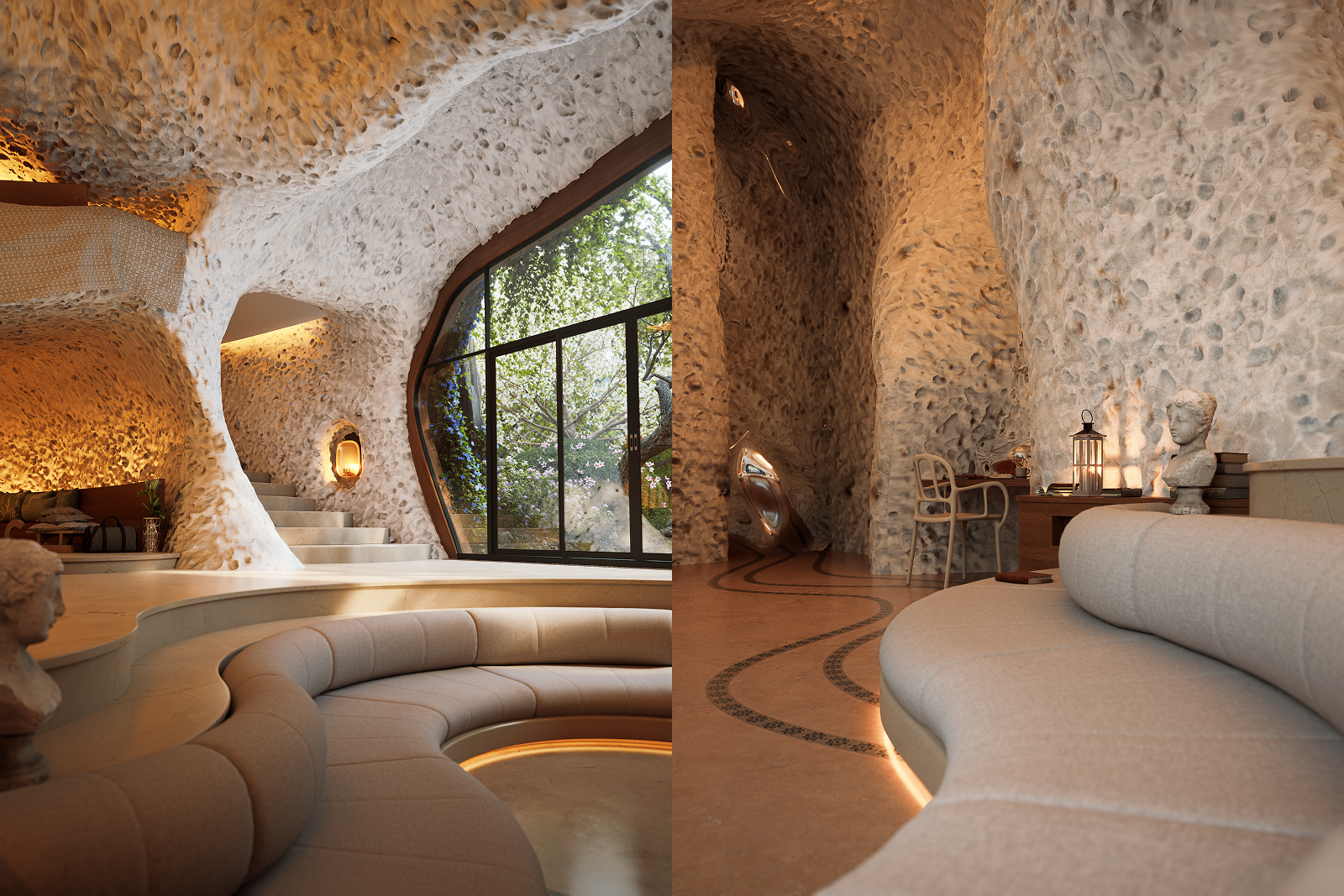
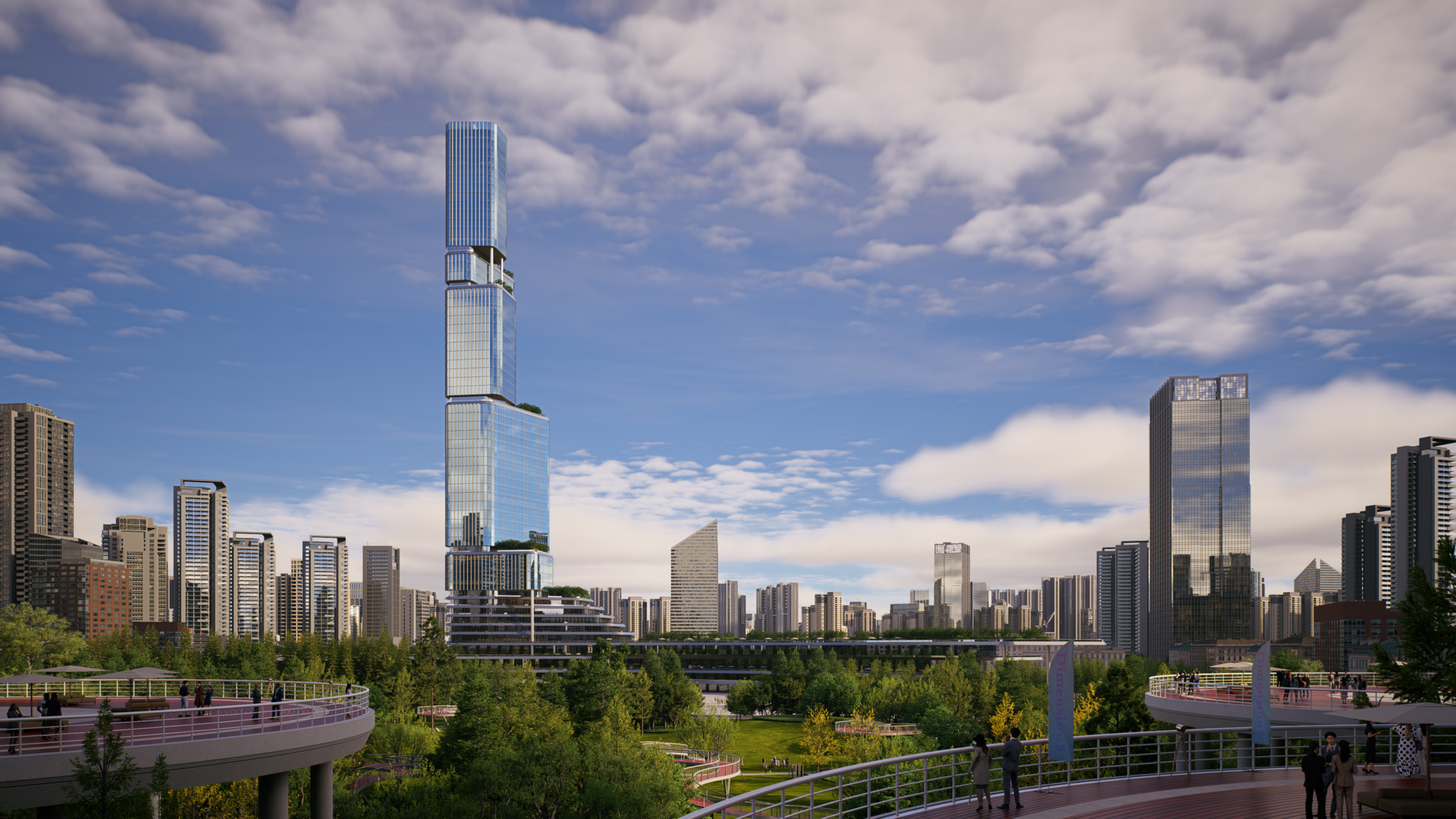
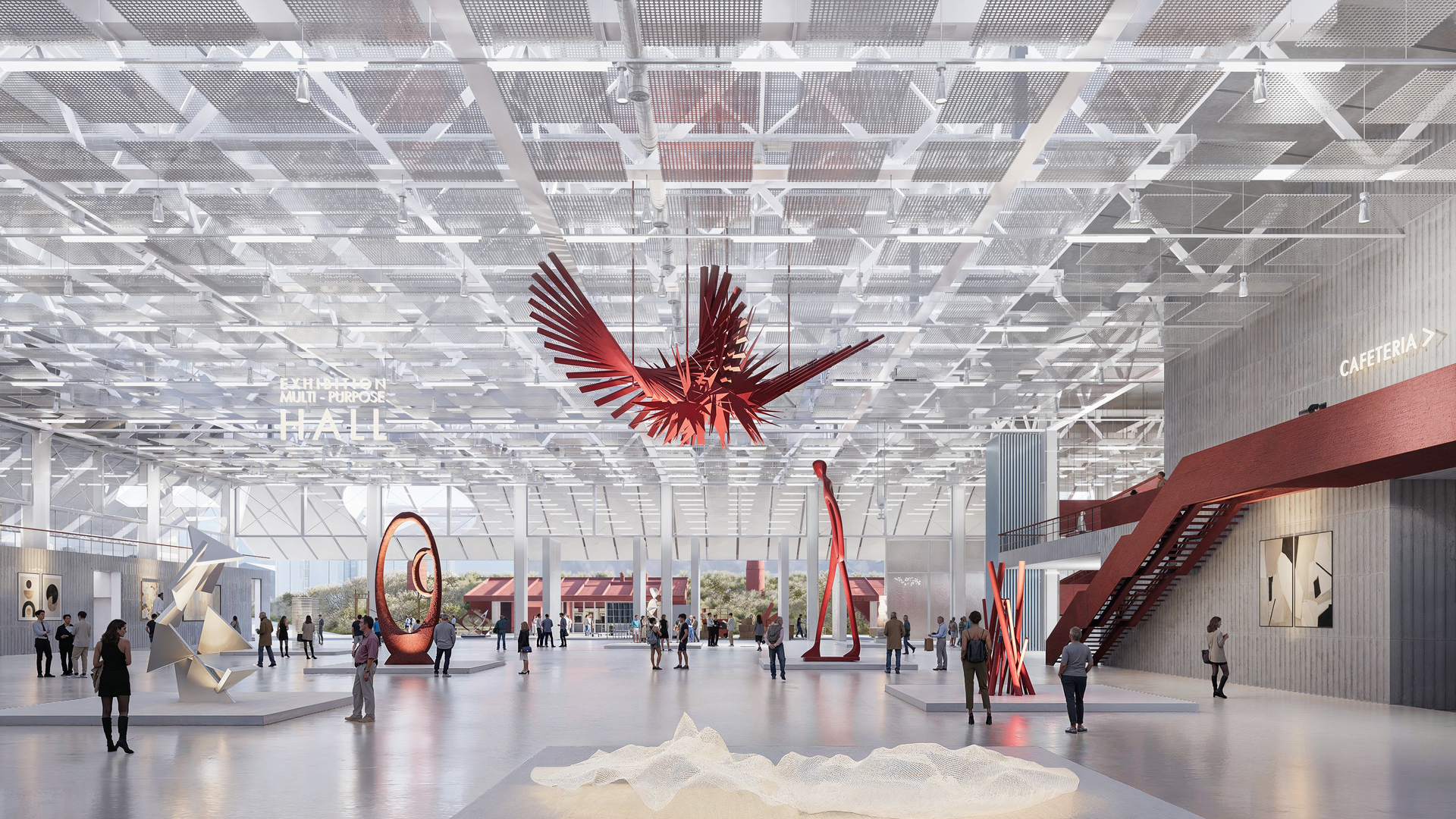
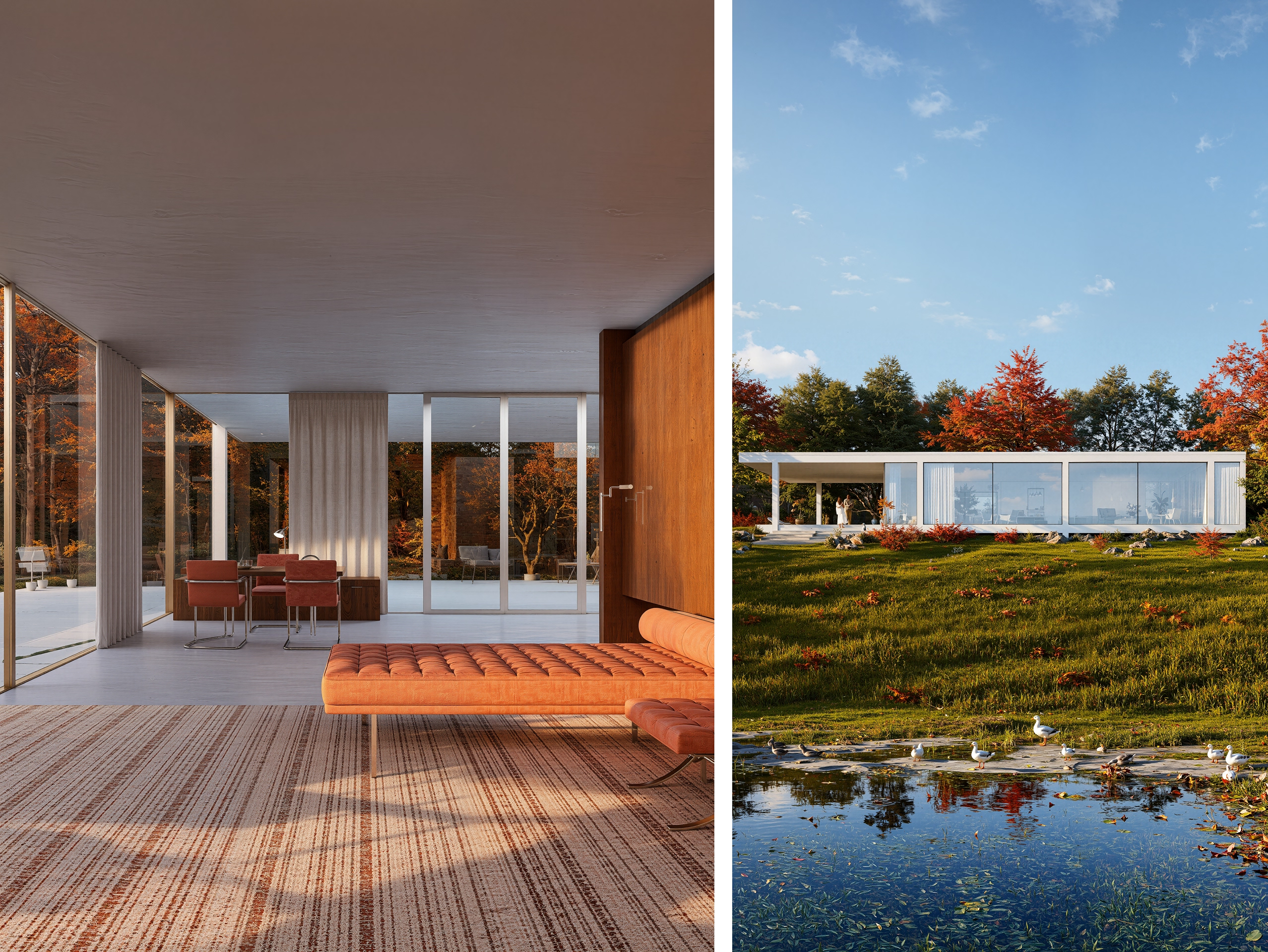
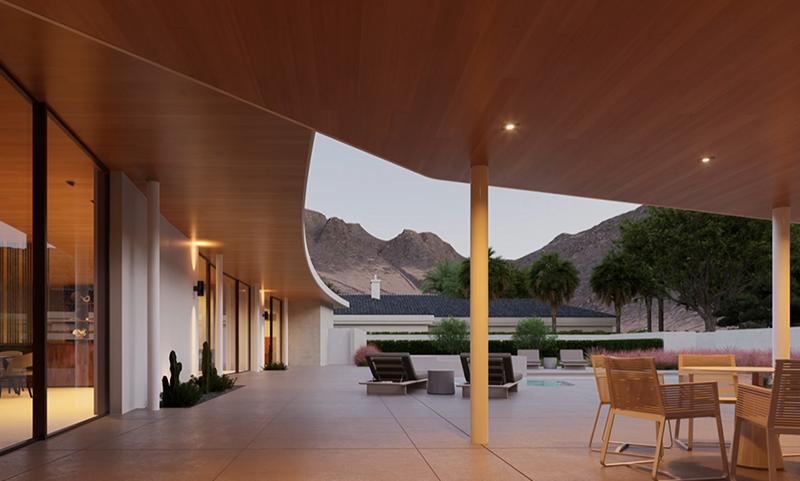
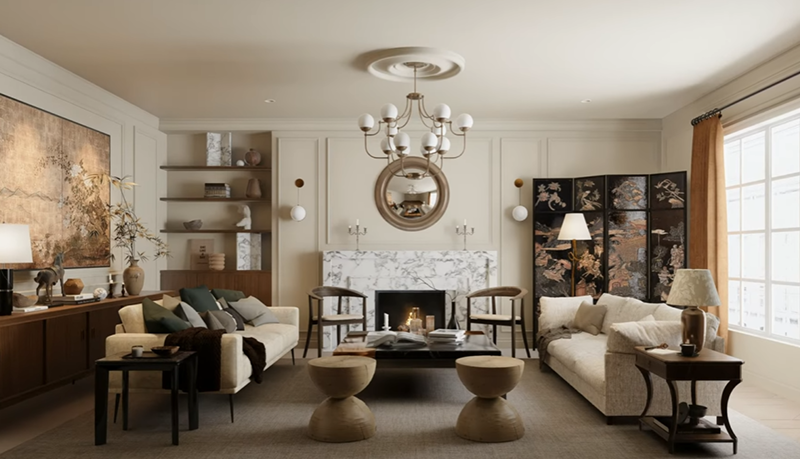
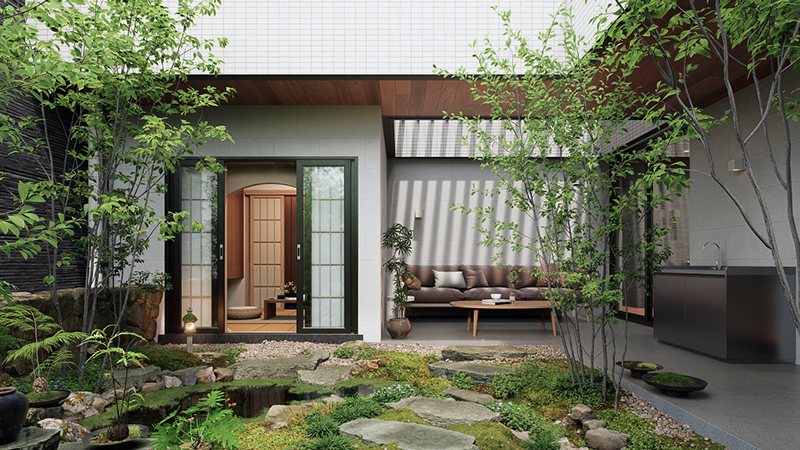
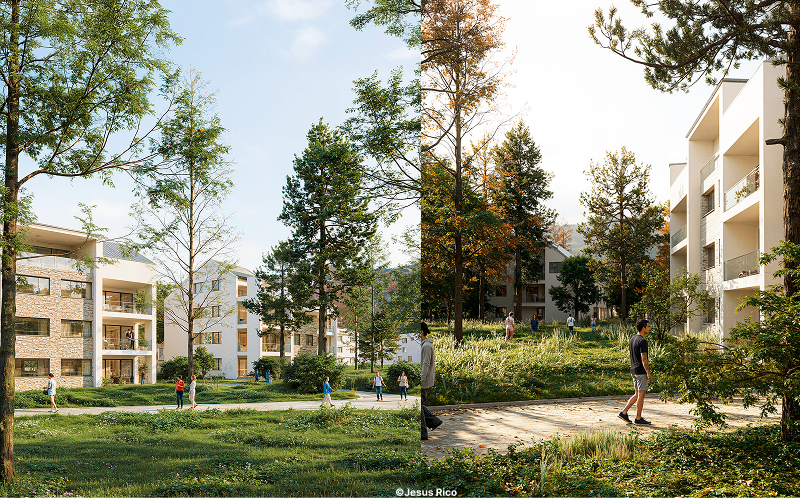
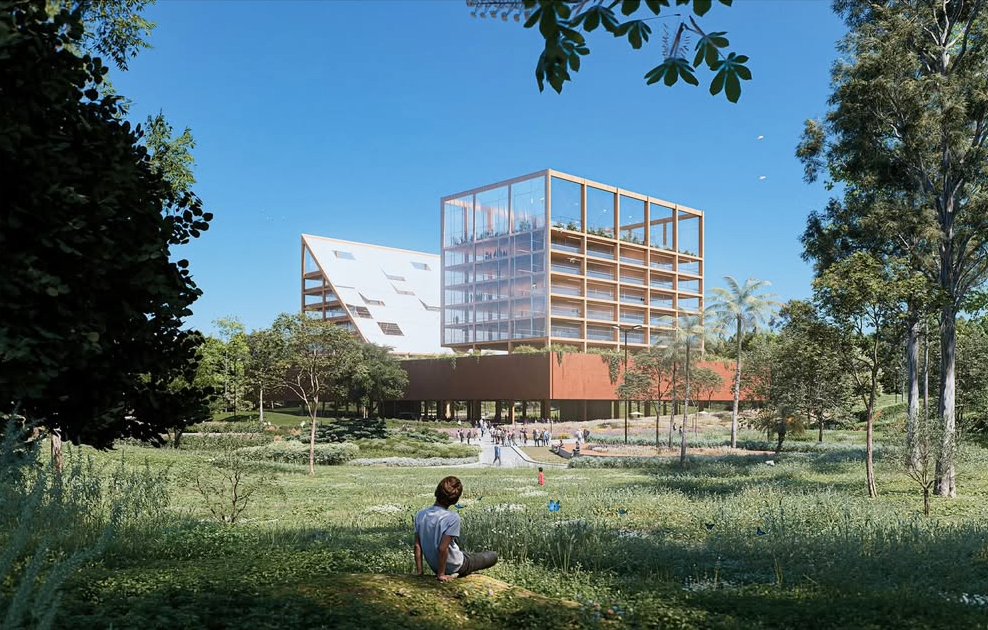
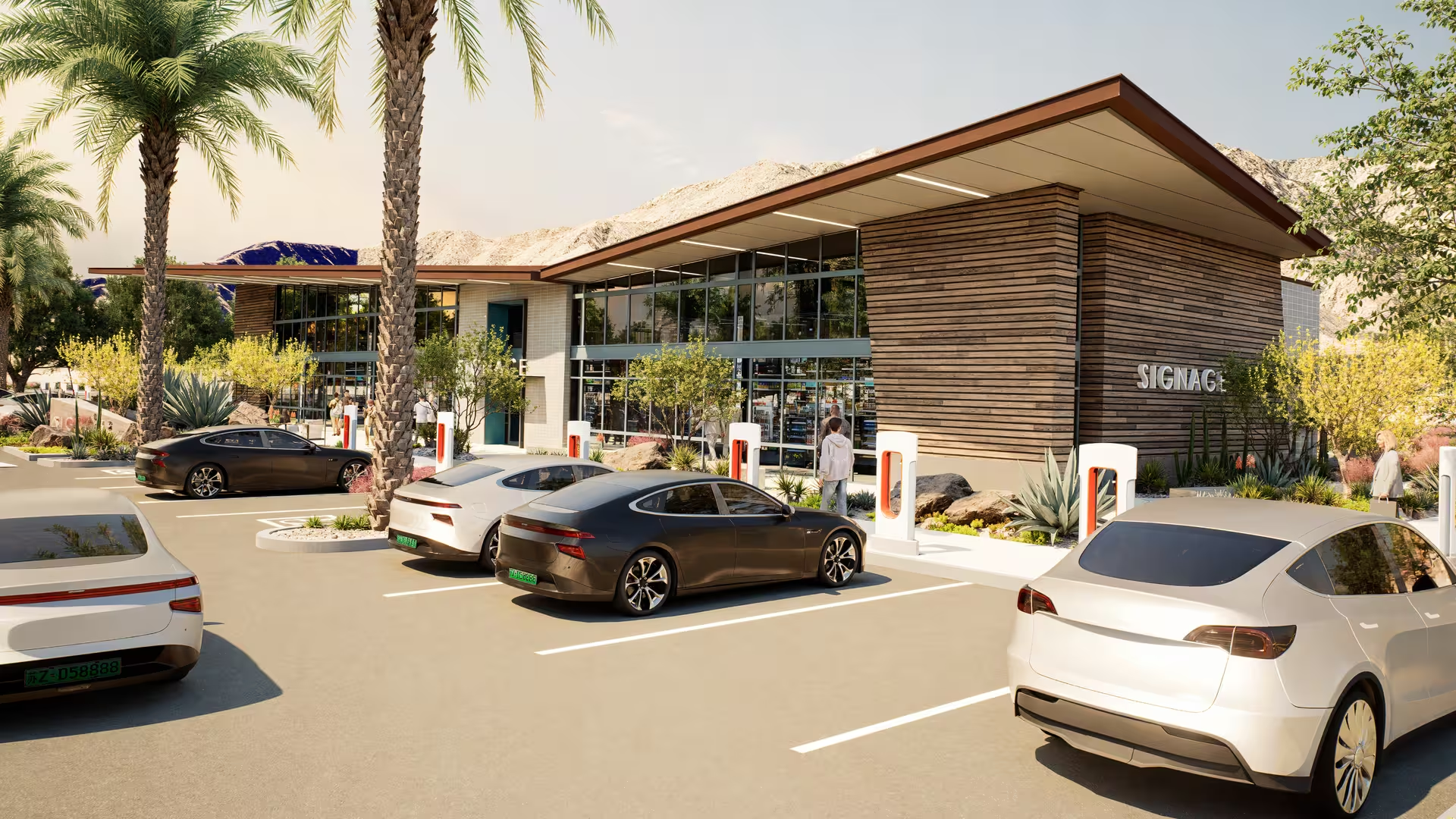
At Junglim, this gap has been significantly reduced. Visualization now begins at the earliest stages of a project, where spatial qualities such as light, material, and atmosphere are explored directly through real-time rendering. Rather than relying on abstraction, designers engage with space as it will be experienced.
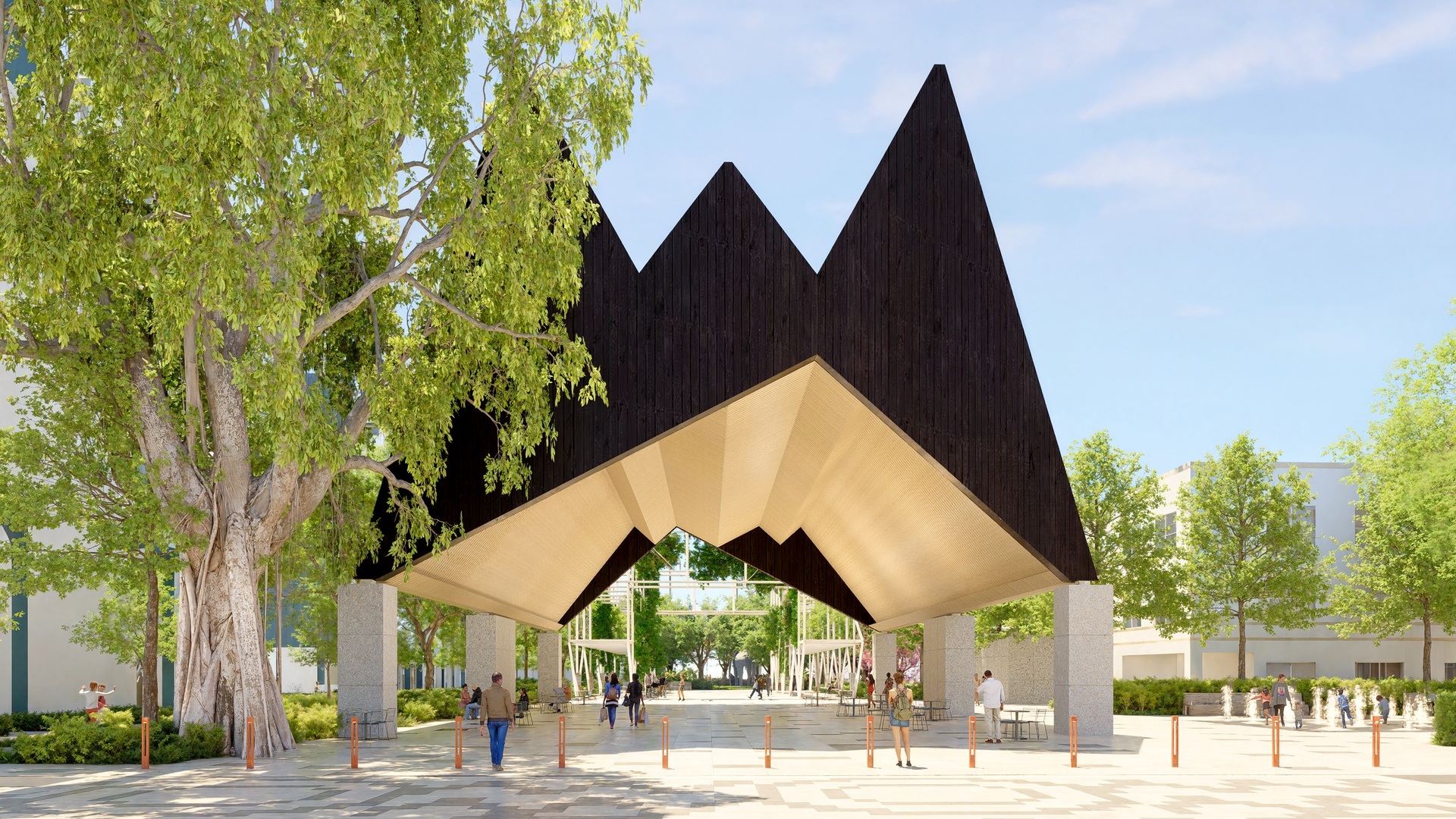
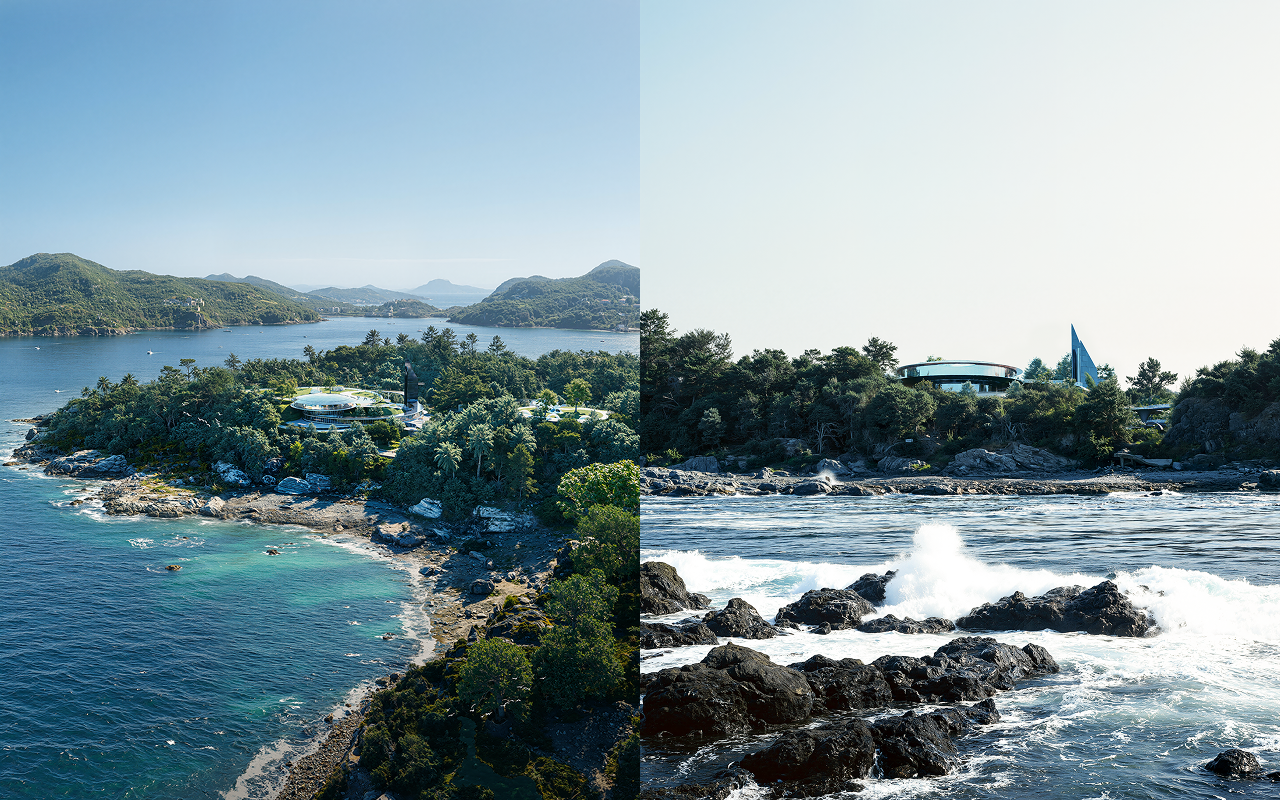
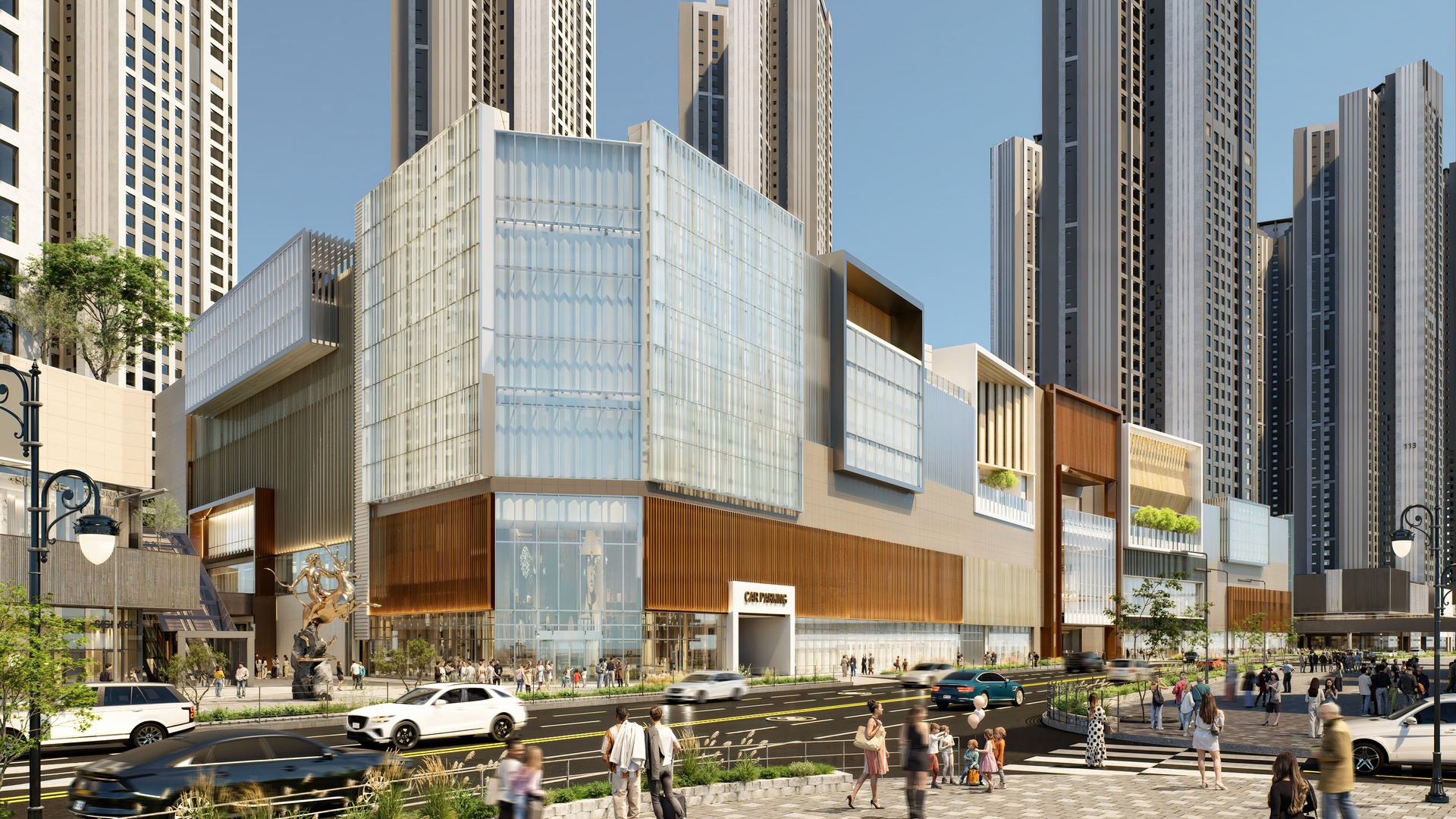
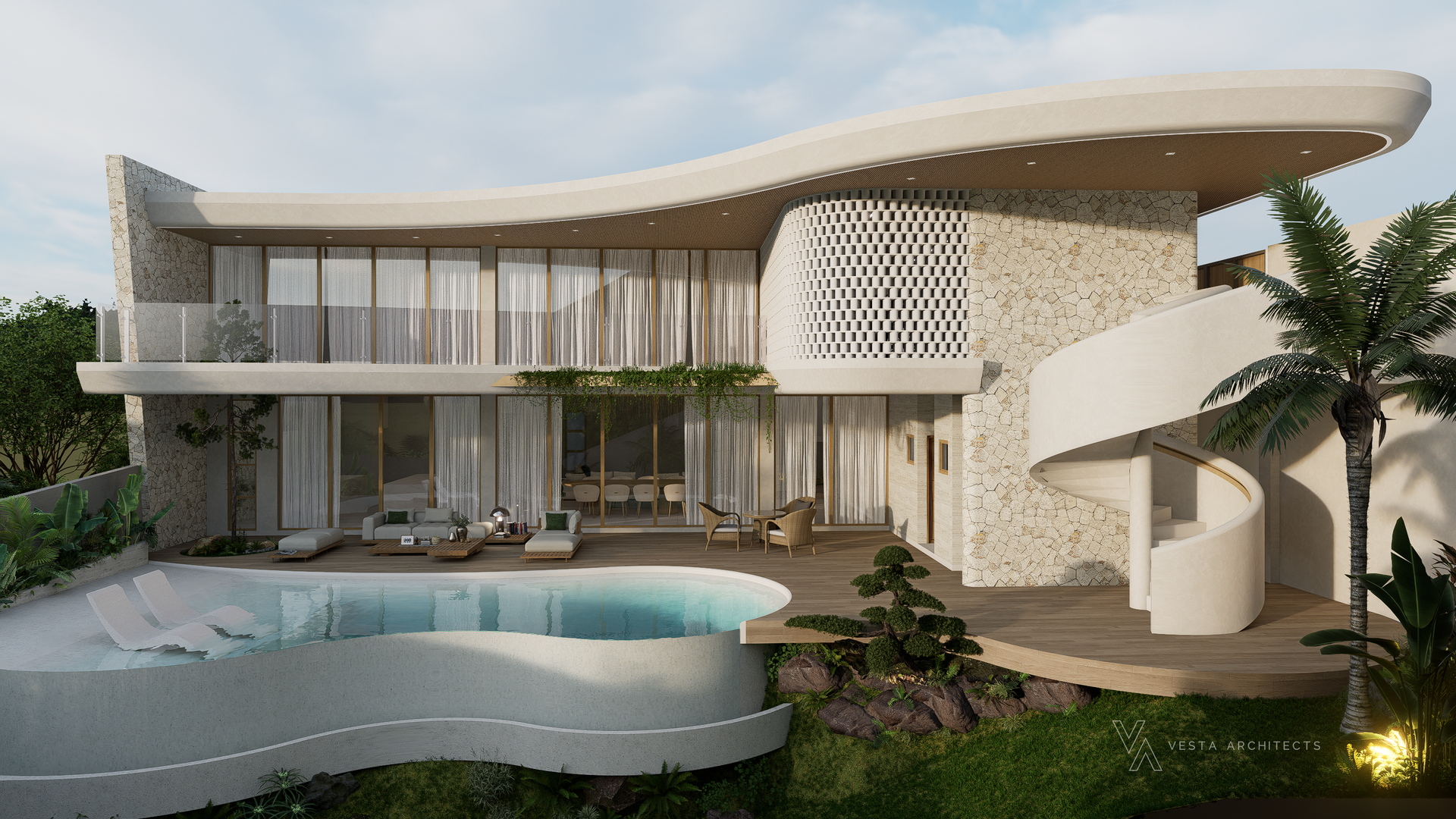
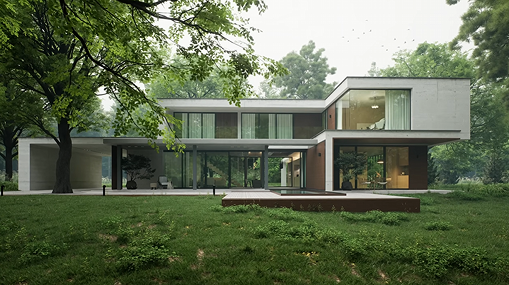
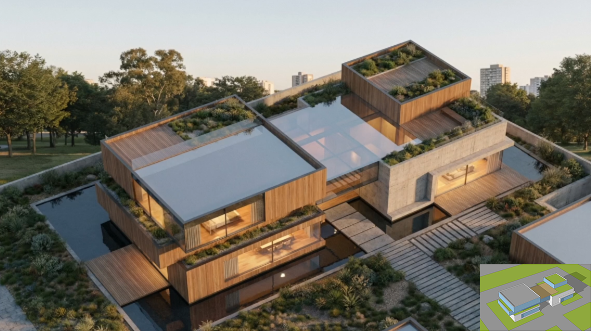
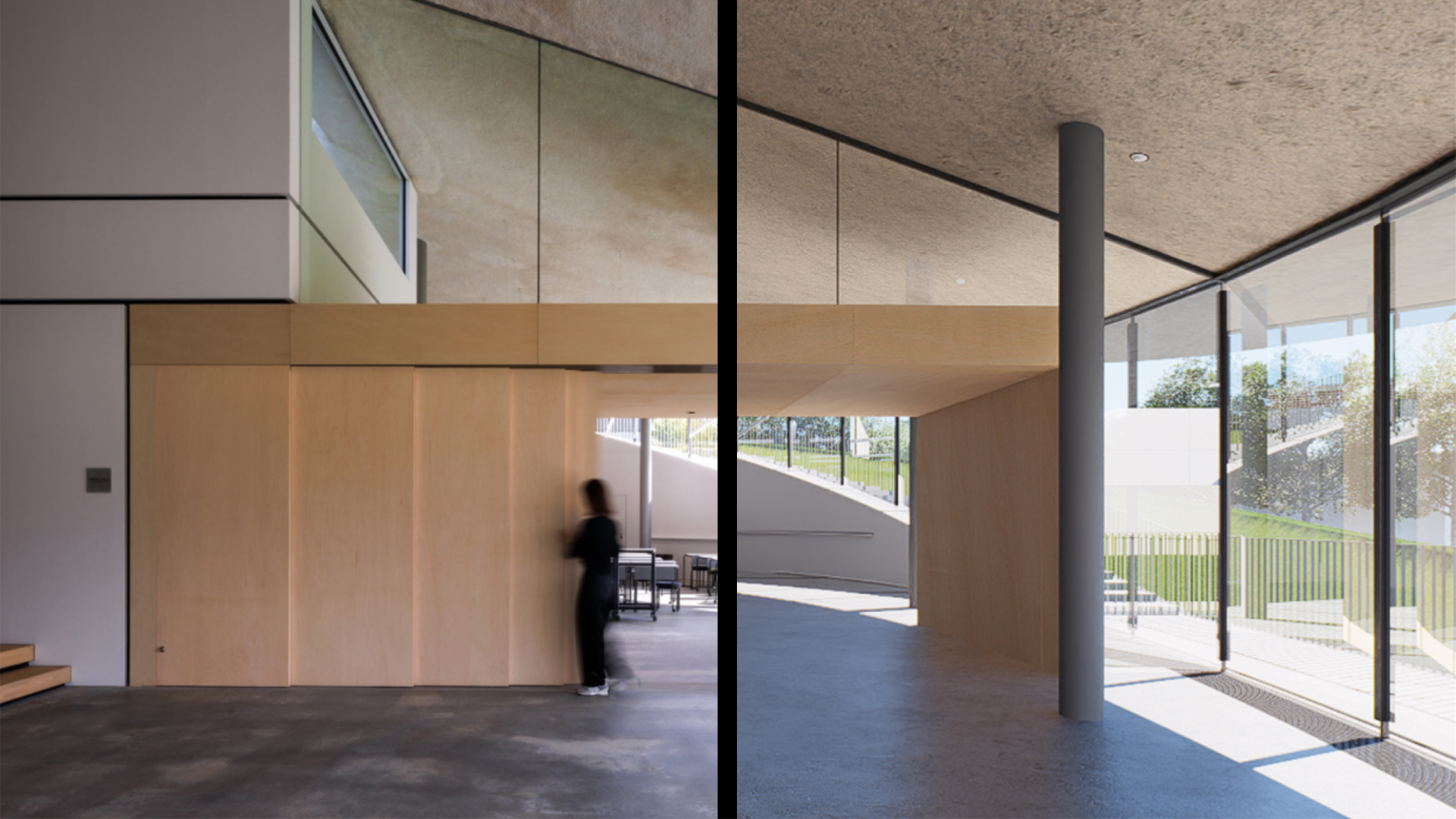
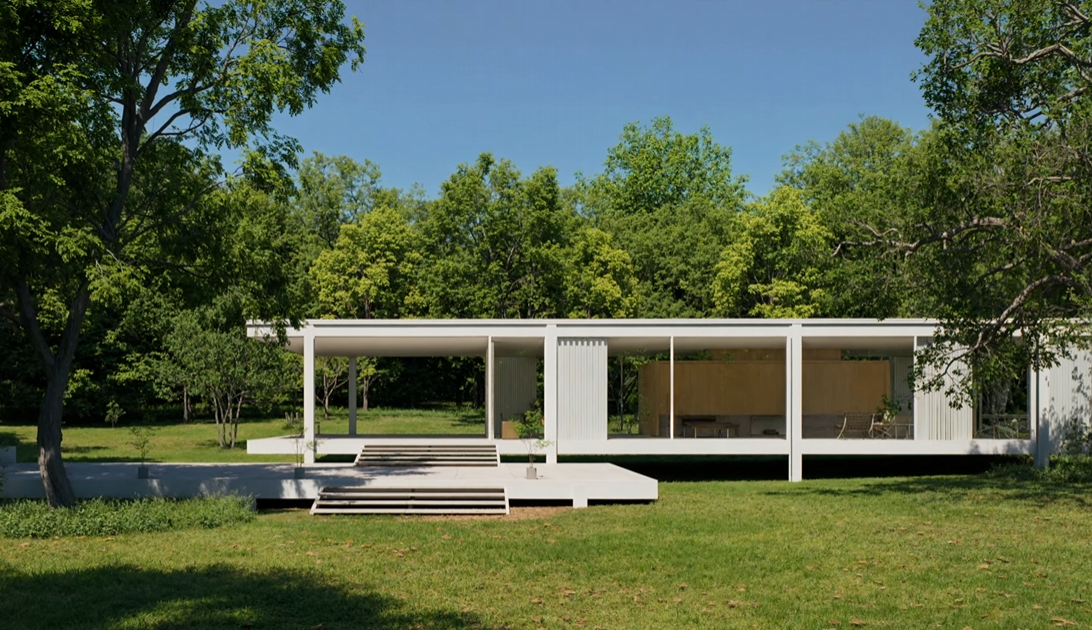
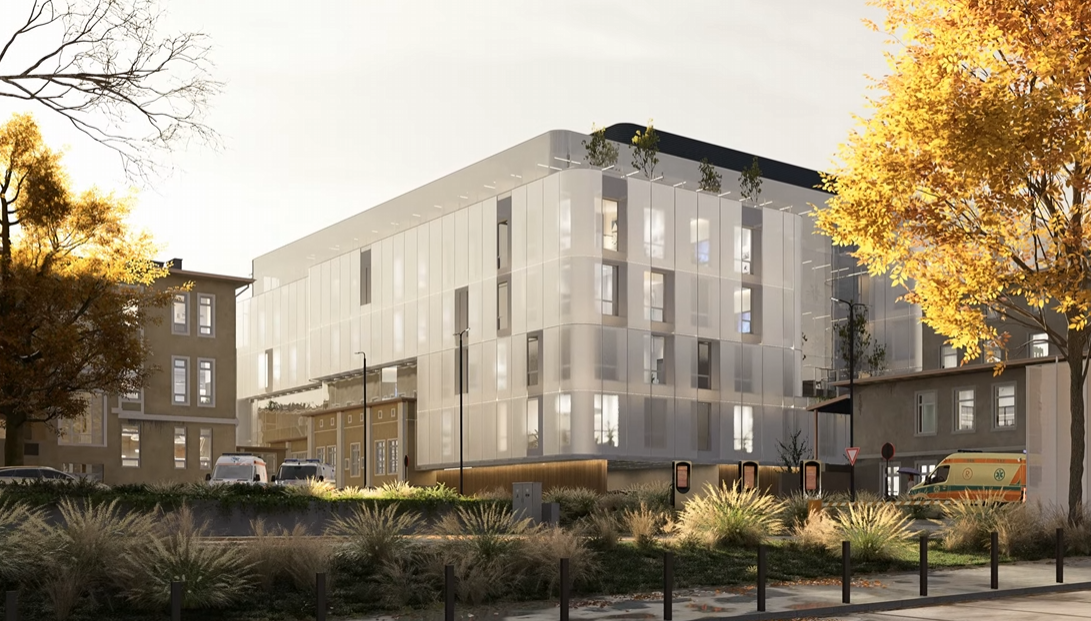
This shift fundamentally changes how decisions are made. Early visualizations are not treated as temporary outputs, but as critical references that guide the project forward. Design direction is established visually, agreed upon with clients early, and carried through consistently to completion. The result is a level of fidelity between concept and built outcome that is rarely achieved in traditional workflows. At completion, Junglim reports that the built outcome achieved approximately 99% synchronization with the initial design visualizations, with completed projects closely matching their early-stage intent.
In this context, visualization is no longer a representation of design. It becomes the environment in which design happens.
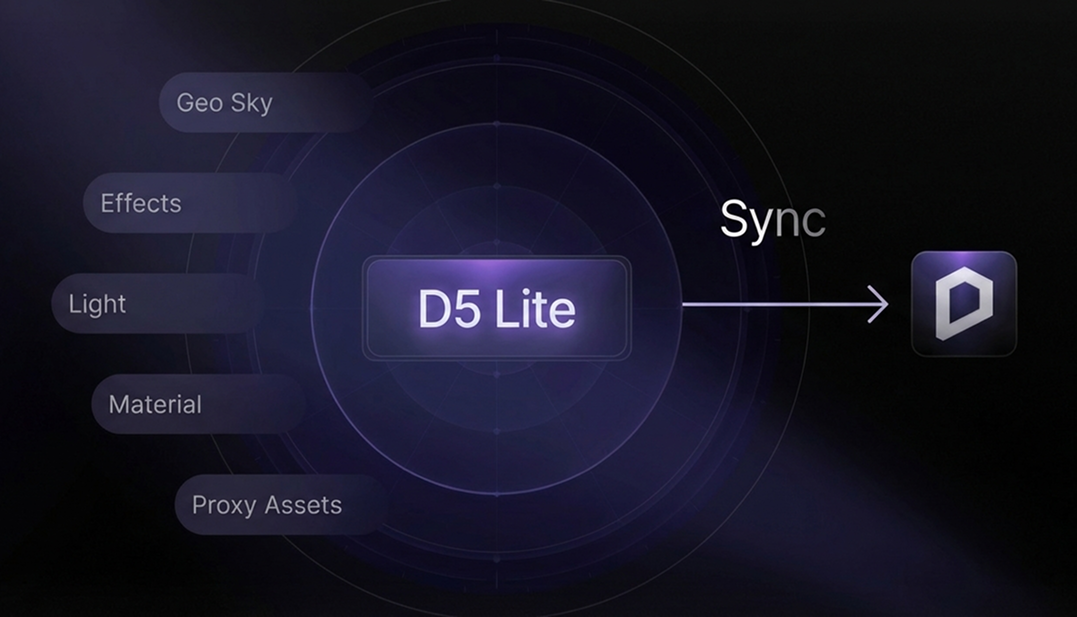
Also read: SketchUp Tutorial 2026: Turbocharge Your Workflow with D5 Lite
Consistent Output Across Teams and Projects

The transformation at Junglim is also reflected in how tools are organized within the practice. Previously, visualization was fragmented across multiple platforms tied to different modeling environments, forcing teams to navigate separate systems, manage inconsistent outputs, and coordinate across disconnected stages.
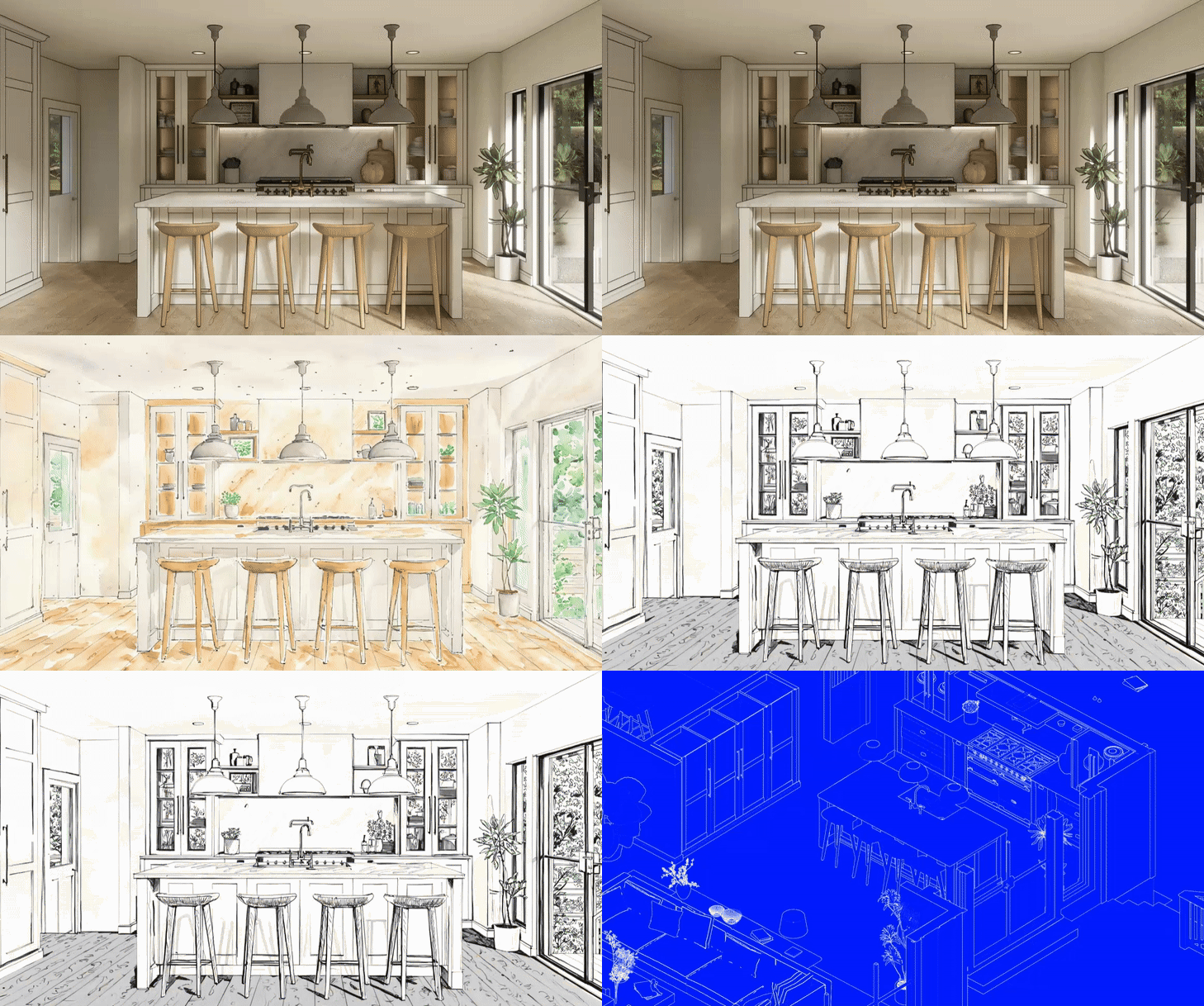
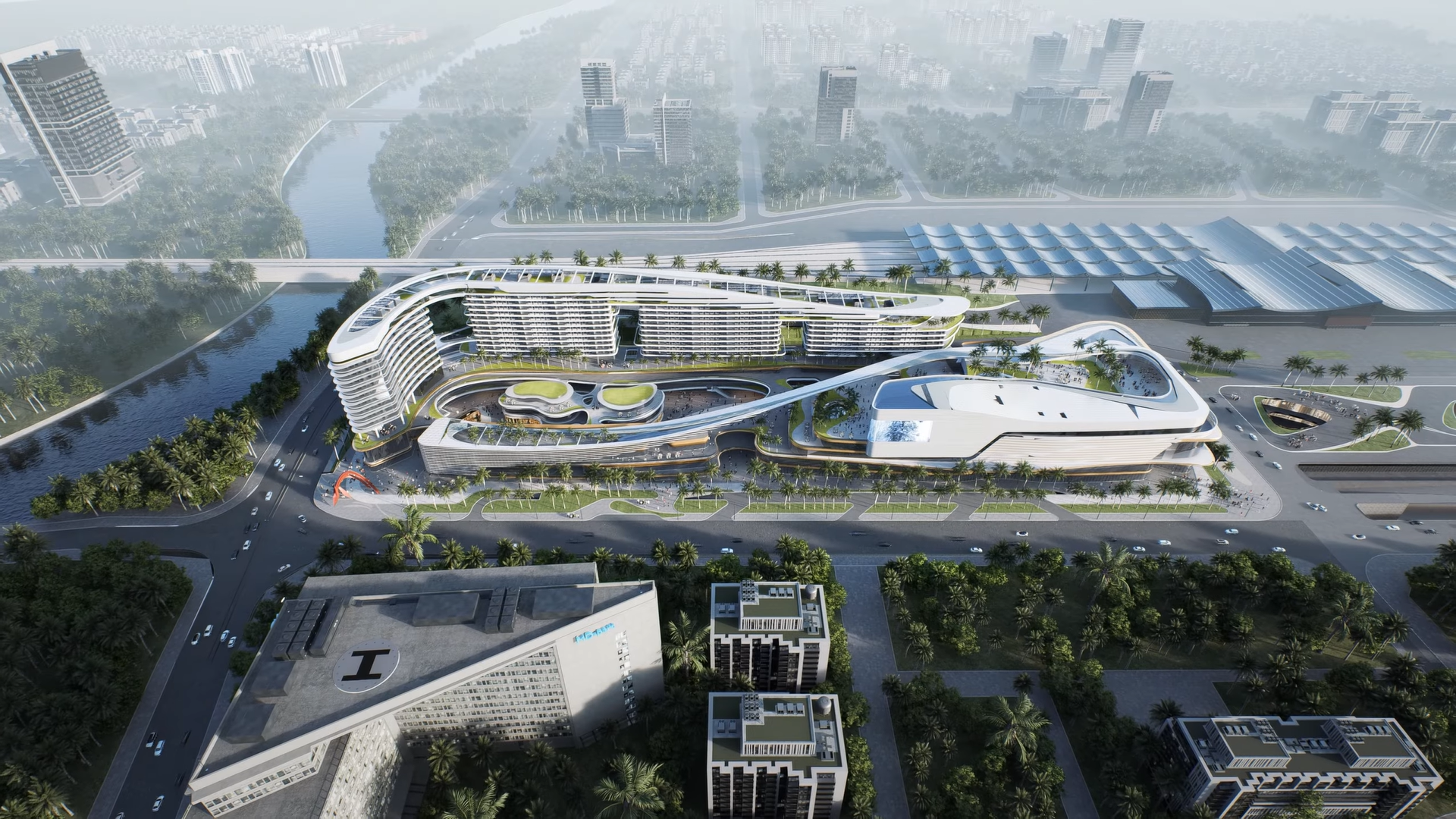
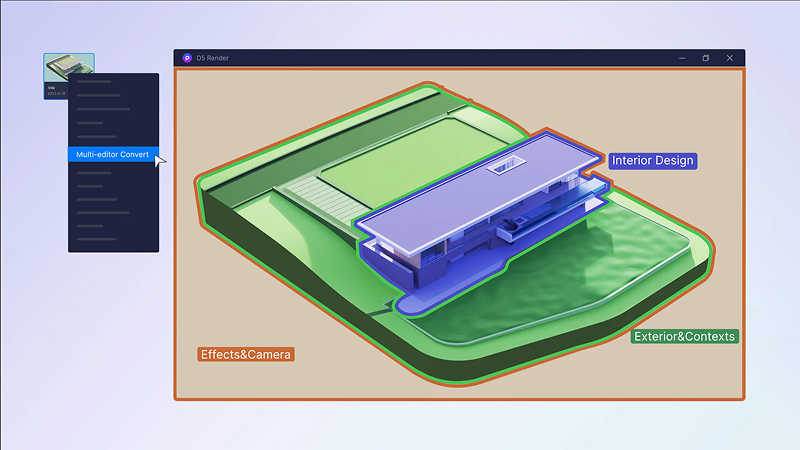
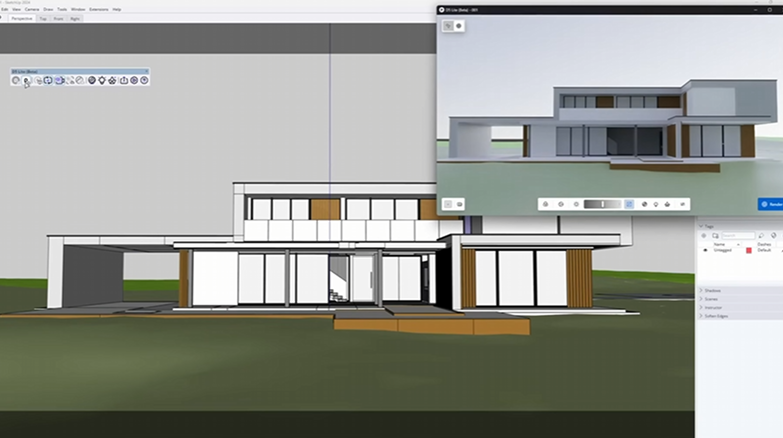
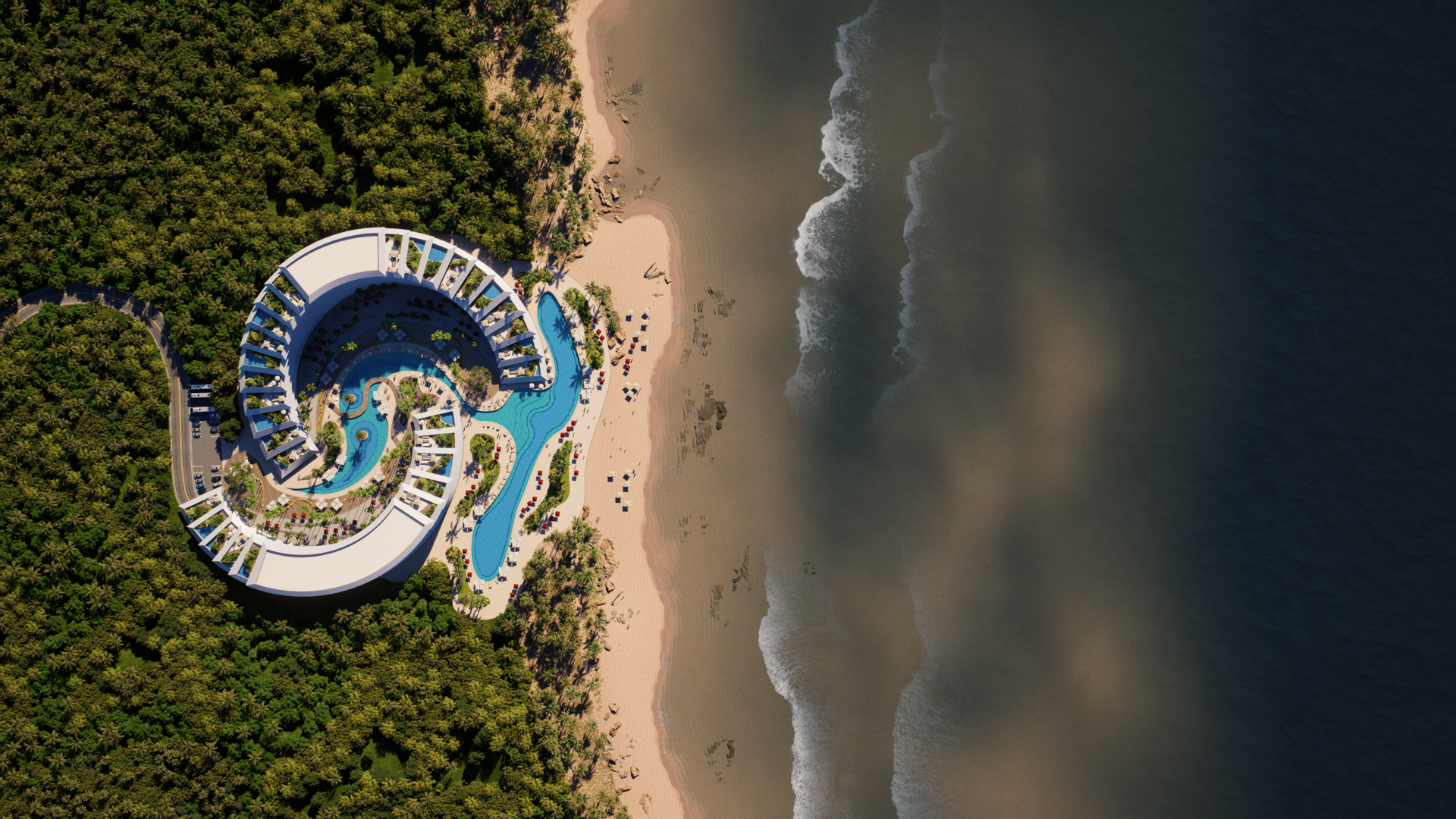
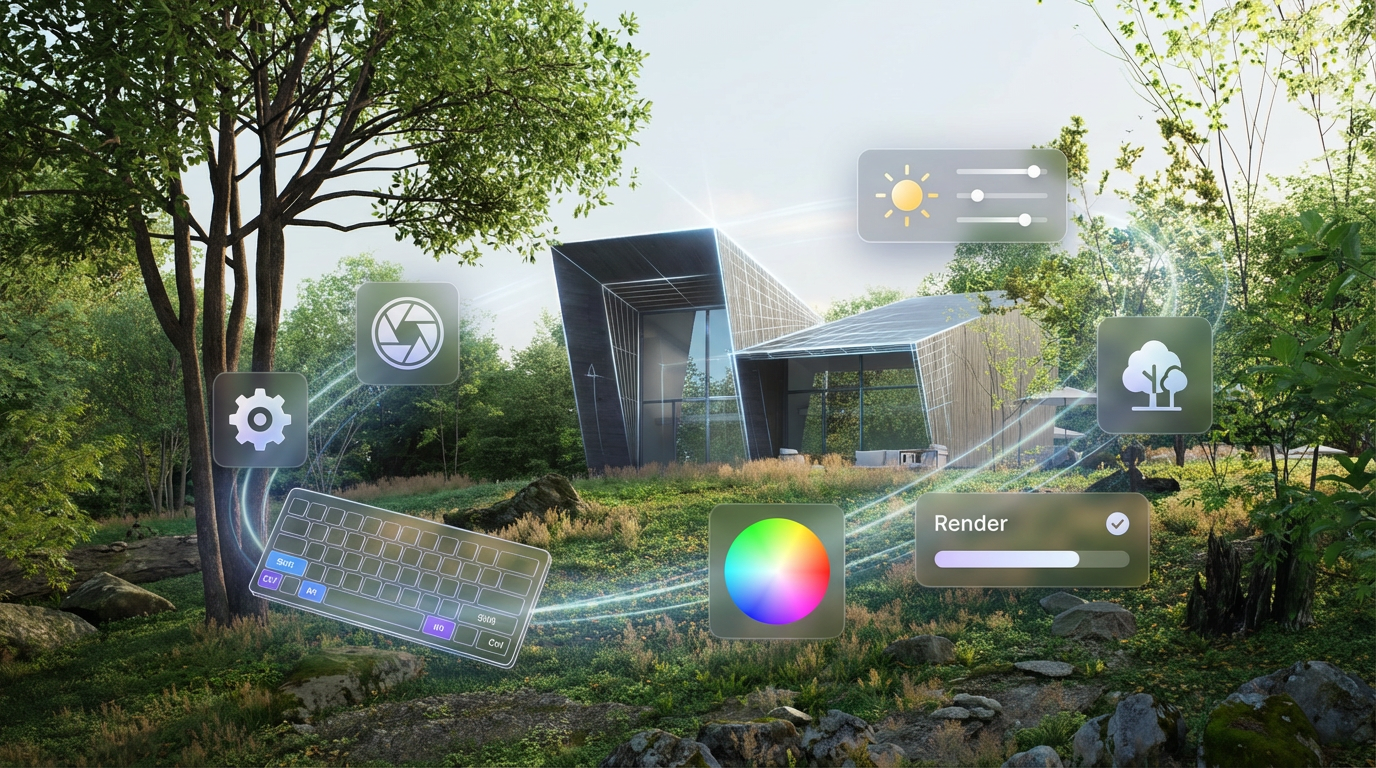
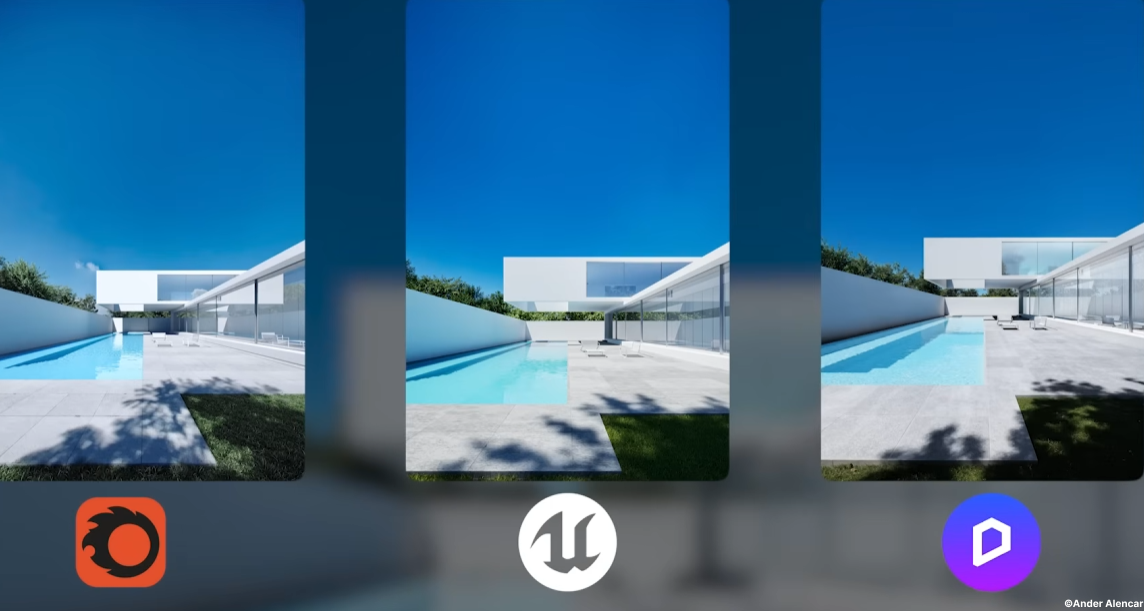
With D5 Render, this structure is consolidated into a single, unified platform. Models from various software can be visualized within one environment, removing the traditional separation between design, rendering, and post-processing and allowing teams to work with greater consistency and clarity.
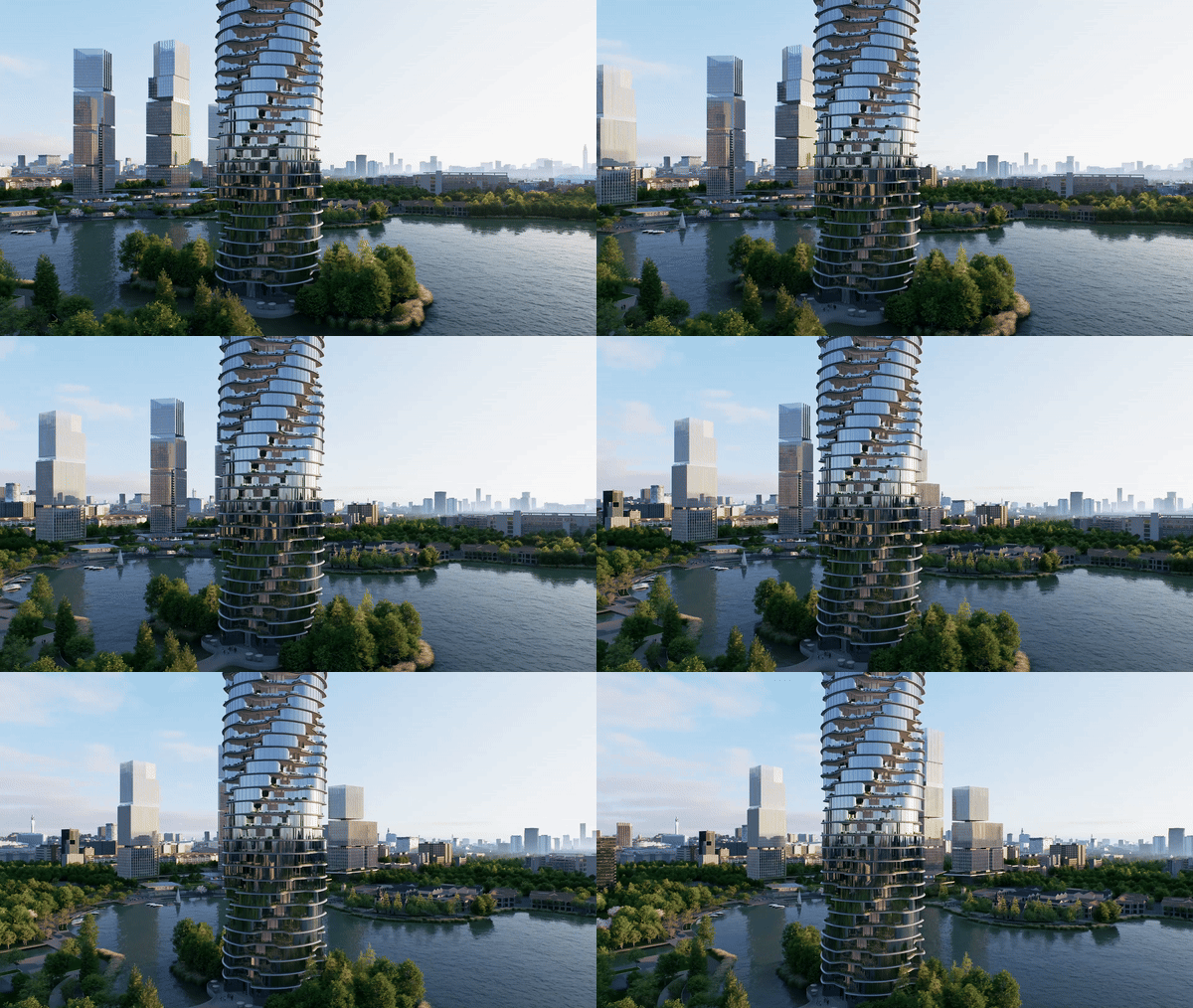
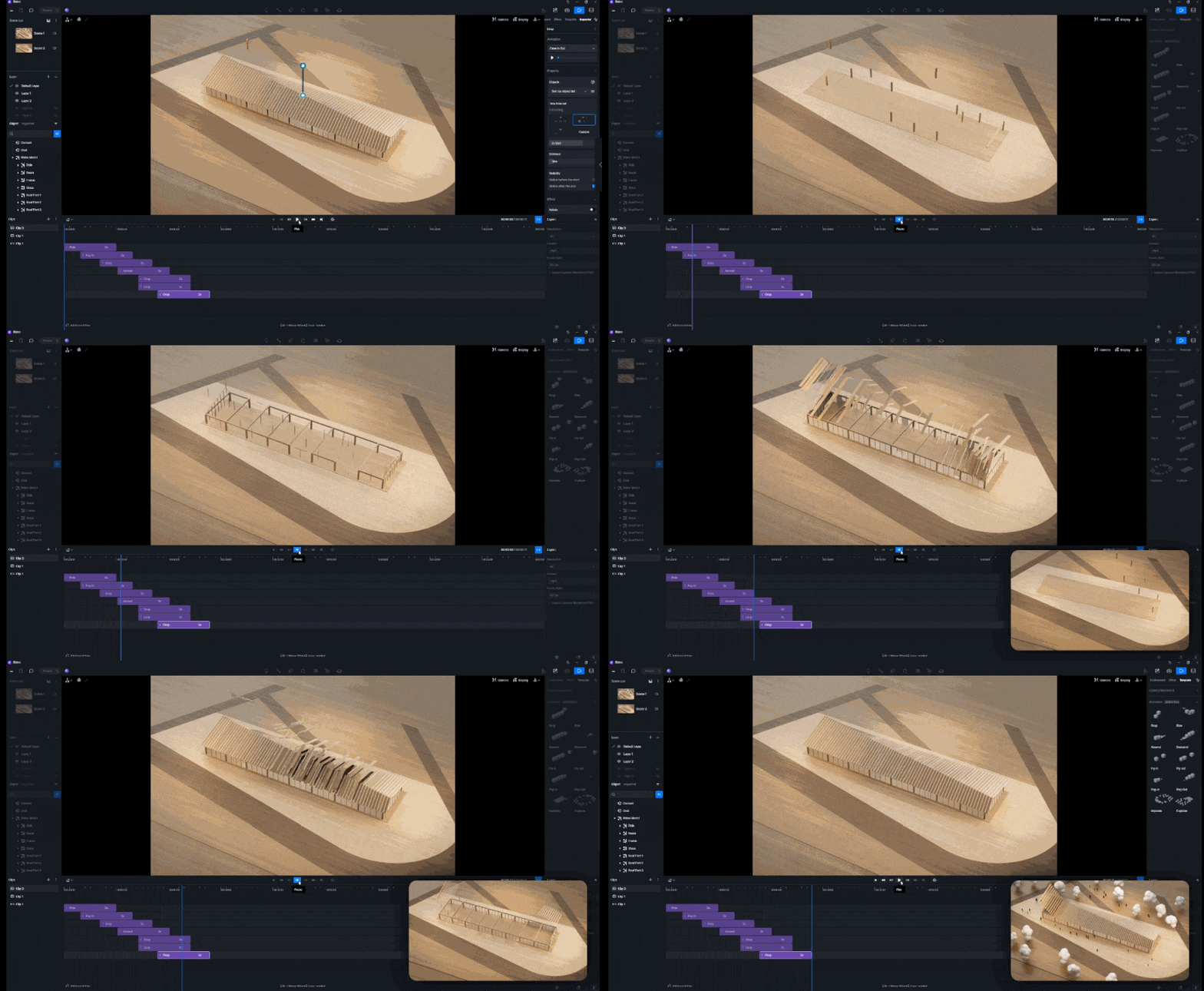
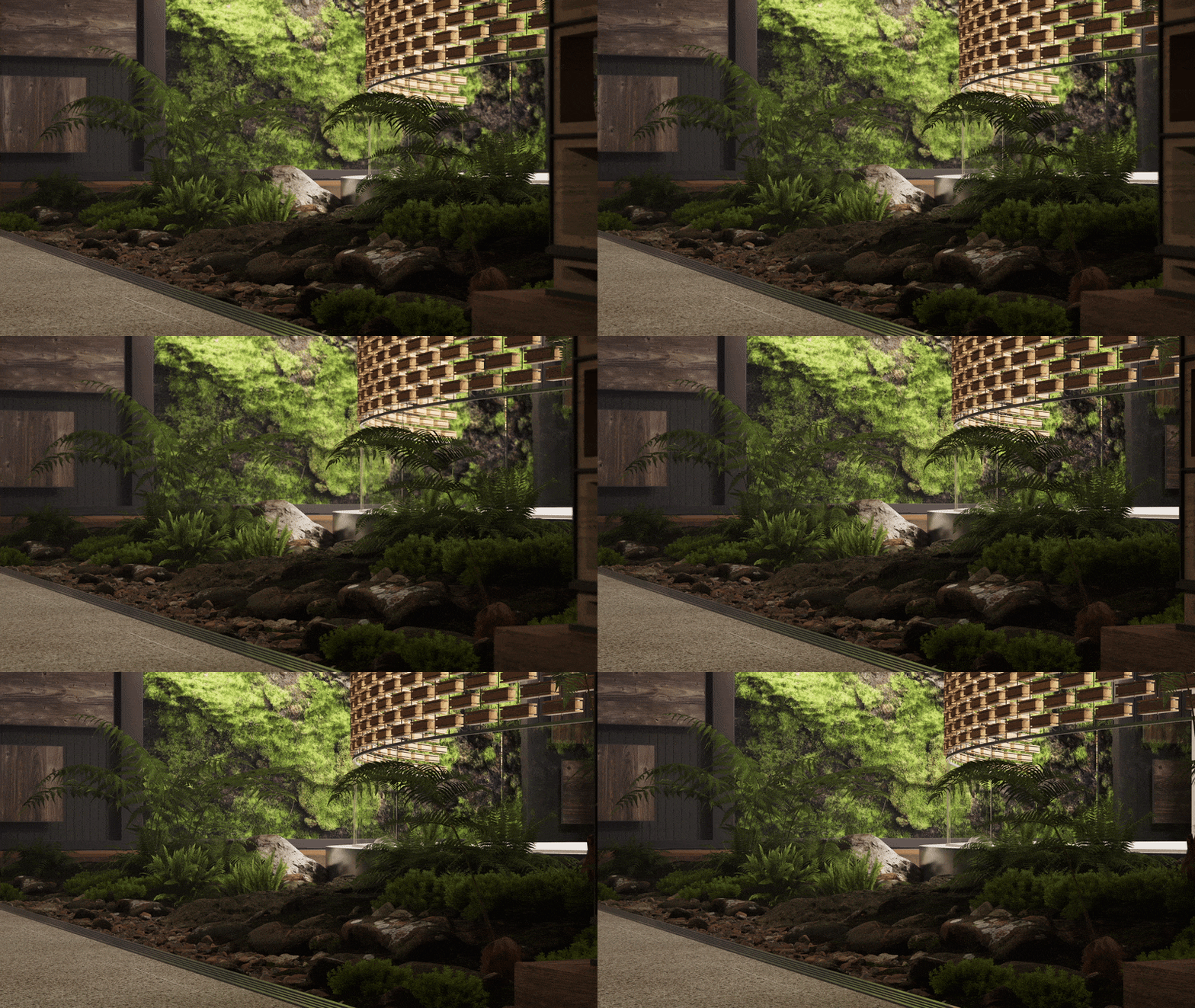
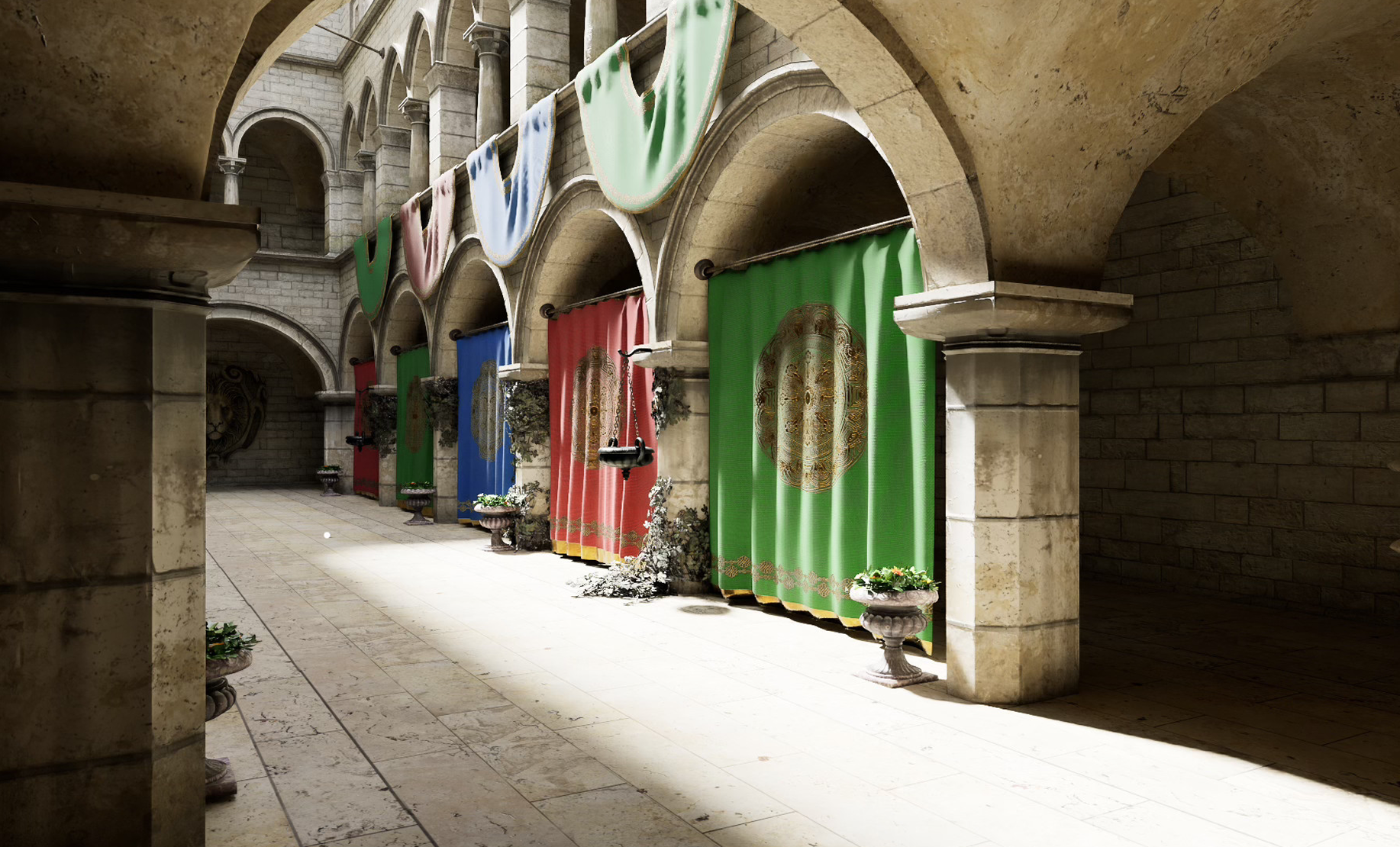
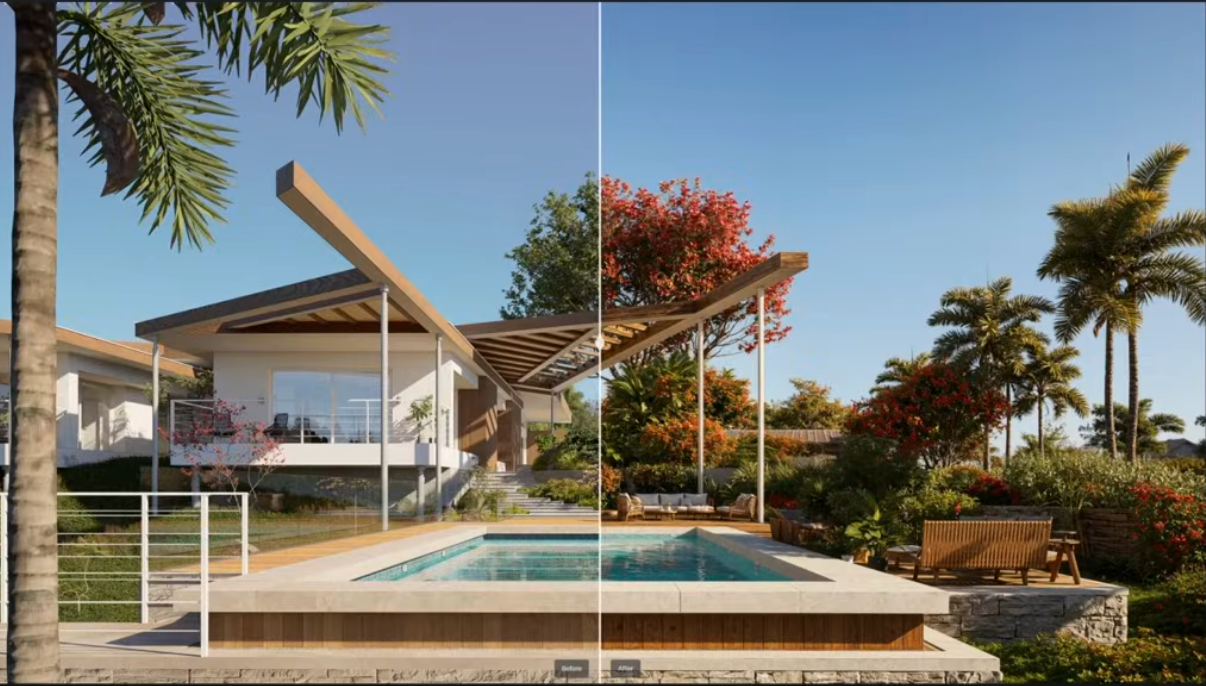
Visualization becomes a continuous workflow rather than a sequence of isolated steps. Materials, lighting, and environmental conditions can be adjusted in real time, eliminating external post-processing and reducing friction across the pipeline. Designers can focus on design intent instead of technical translation.
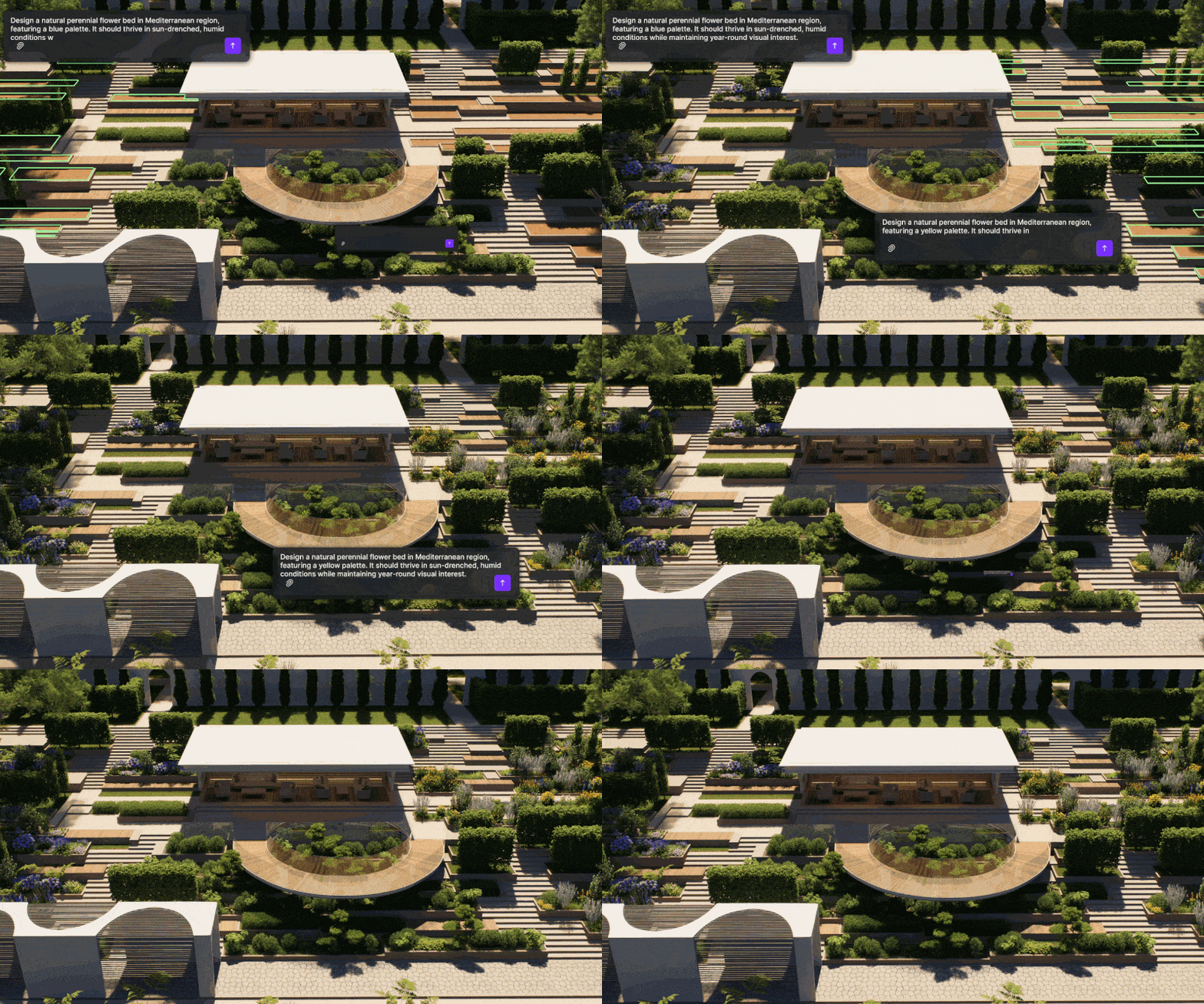
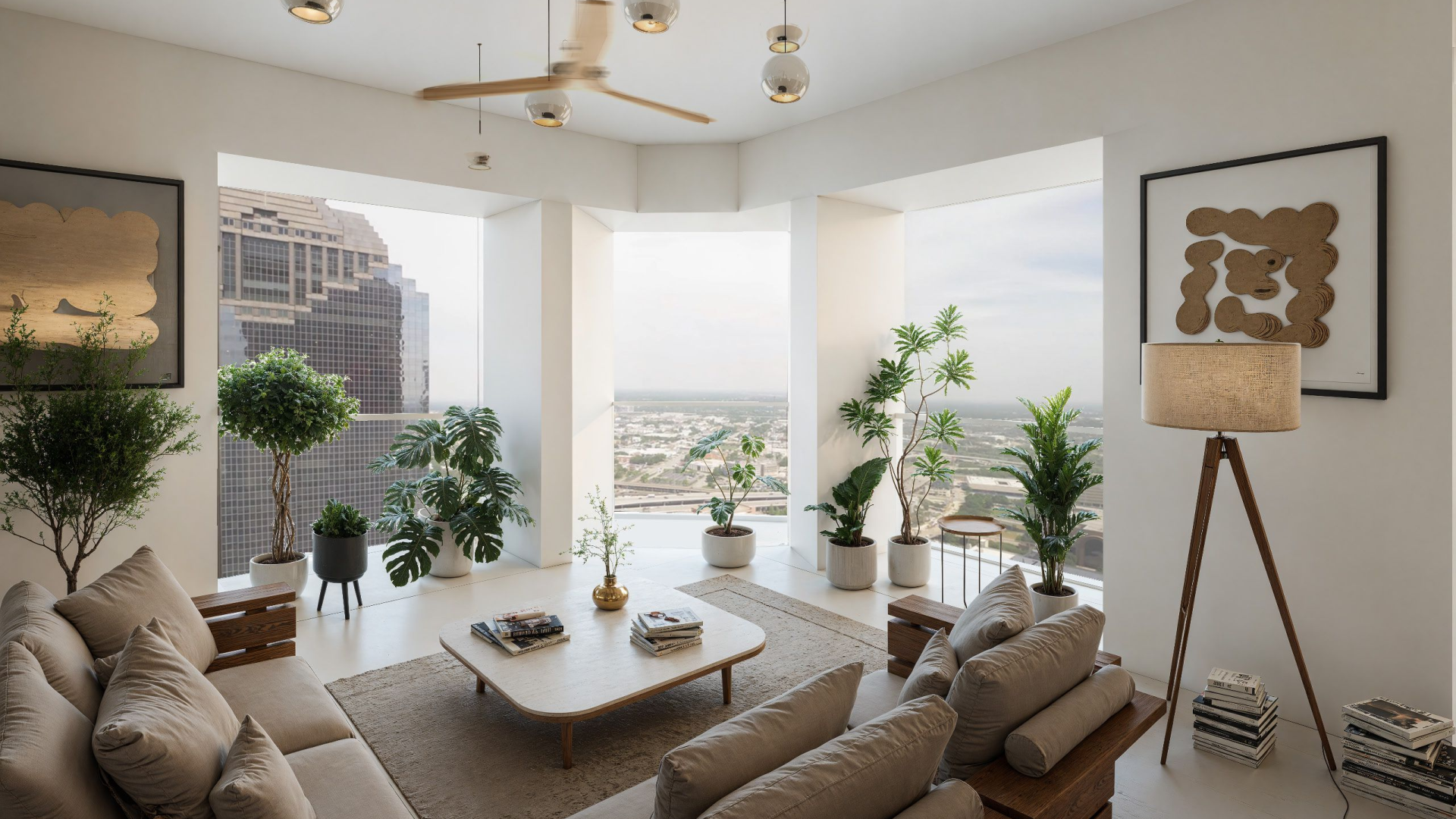
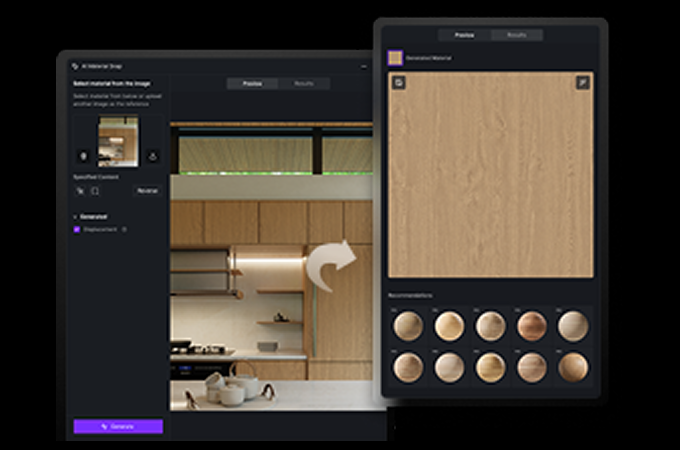
In the context of the rapidly evolving AI-driven image landscape, this integration becomes even more significant. Rather than relying on separate AI tools that risk breaking consistency, D5 enables high-quality, design-consistent visuals within the same workflow. What was once a multi-step pipeline is now a unified process, where rendering, post-processing, and AI-driven capabilities operate together.
The result extends beyond efficiency. By unifying workflows, the firm establishes a shared visual language that strengthens collaboration and ensures consistent outcomes across teams and projects.
Also read: Redefining the Architectural Design Process in 2026: From Friction to Flow
Turning Client Communication into Live Collaboration

The most immediate change can be seen in how Junglim communicates with clients. Architectural presentations have traditionally relied on static images, requiring clients to interpret drawings and rendered views independently. This often leads to misalignment, delayed feedback, and repeated revisions.
D5 Render introduces a different dynamic. During meetings, designers can adjust materials, lighting, and perspectives in real time, allowing clients to engage directly with the design. Instead of reviewing fixed proposals, clients participate in an evolving visual dialogue.
This interactive approach reduces ambiguity and accelerates decision-making. Spatial intent is communicated more clearly, and feedback can be incorporated immediately. As a result, the design process becomes more collaborative and more efficient, with fewer iterations required to reach alignment.
In this sense, visualization functions as a communication platform that bridges the gap between technical expertise and client understanding.
Speed as a Framework for Better Design
While real-time rendering significantly increases speed, its impact at Junglim goes beyond efficiency. Faster workflows enable a different approach to design exploration.

When iteration is no longer constrained by time-intensive rendering processes, designers are able to test more options, compare alternatives, and refine ideas more thoroughly. Decisions are based on visual evidence rather than assumption, and the range of possibilities that can be explored within a given timeframe expands significantly.
This redefines the role of speed in the design process. It is not simply about delivering results faster, but about creating the conditions for better outcomes. The ability to iterate quickly allows for deeper engagement with design, leading to solutions that are both more precise and more intentional.
At the same time, the shift from 2D abstraction to 3D experiential design strengthens clarity across all stages of the project. Designers no longer rely solely on drawings to infer spatial qualities. Instead, they work directly within a visual environment where those qualities can be tested and refined continuously.
A Platform That Extends Beyond Projects

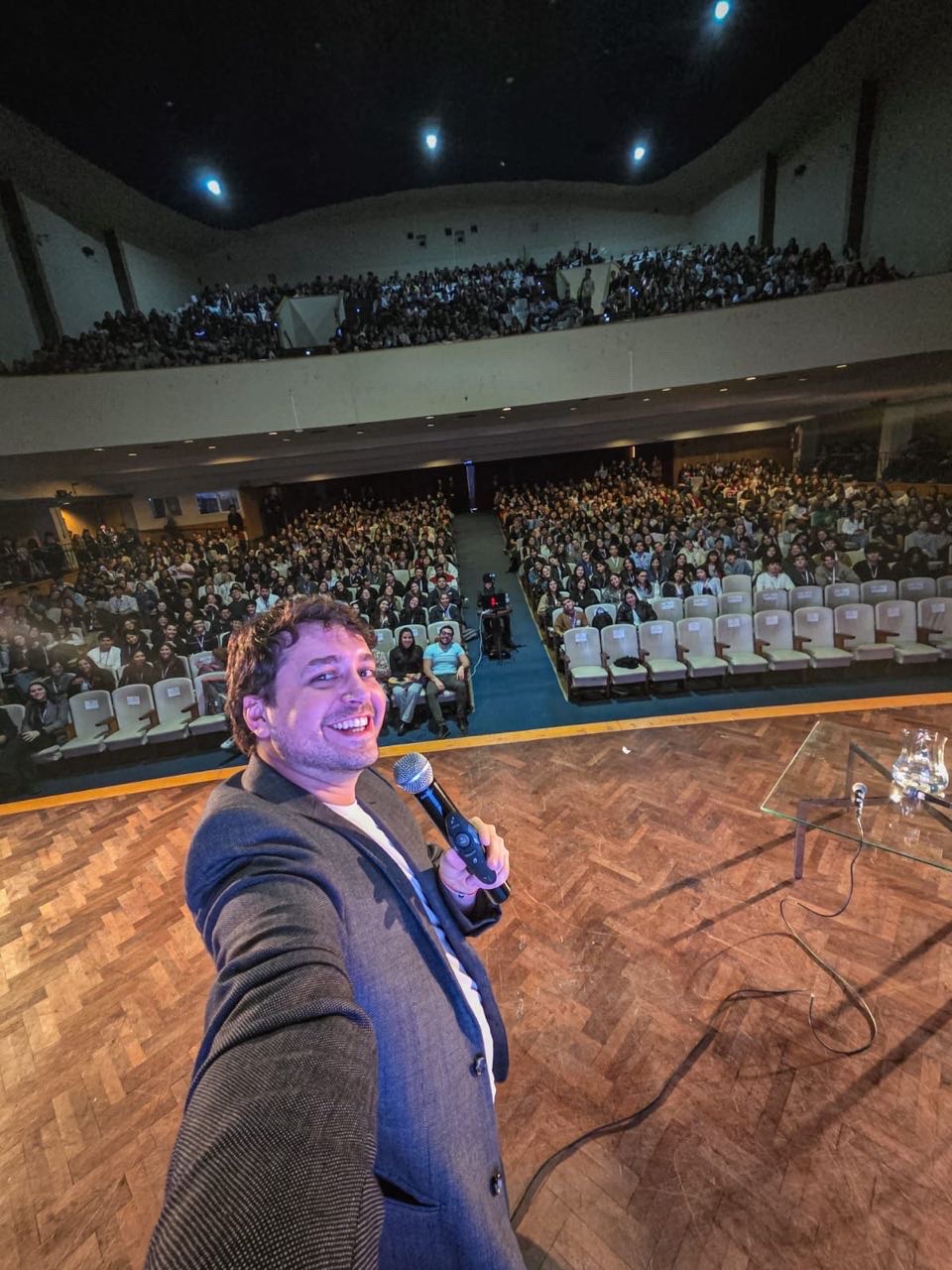
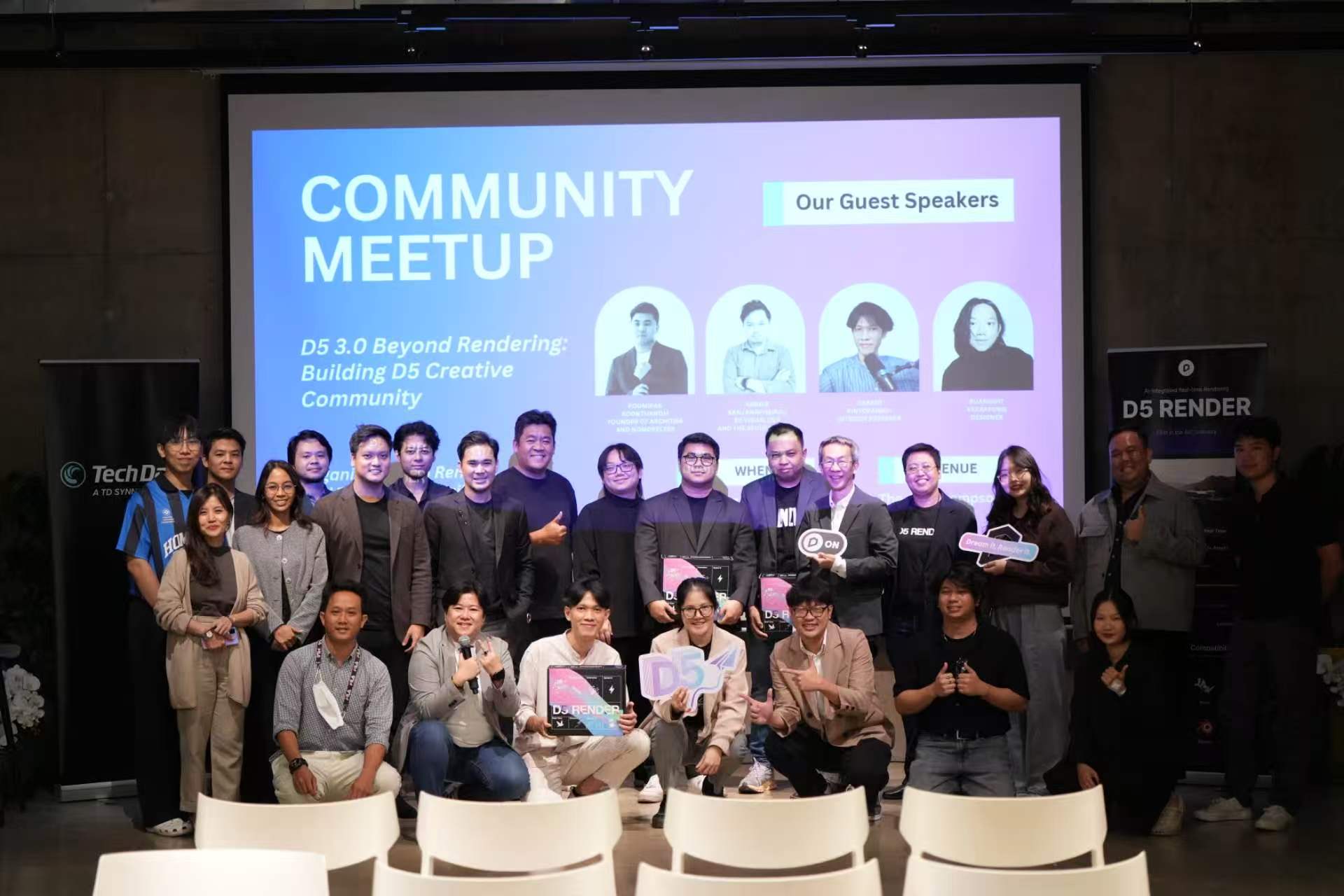
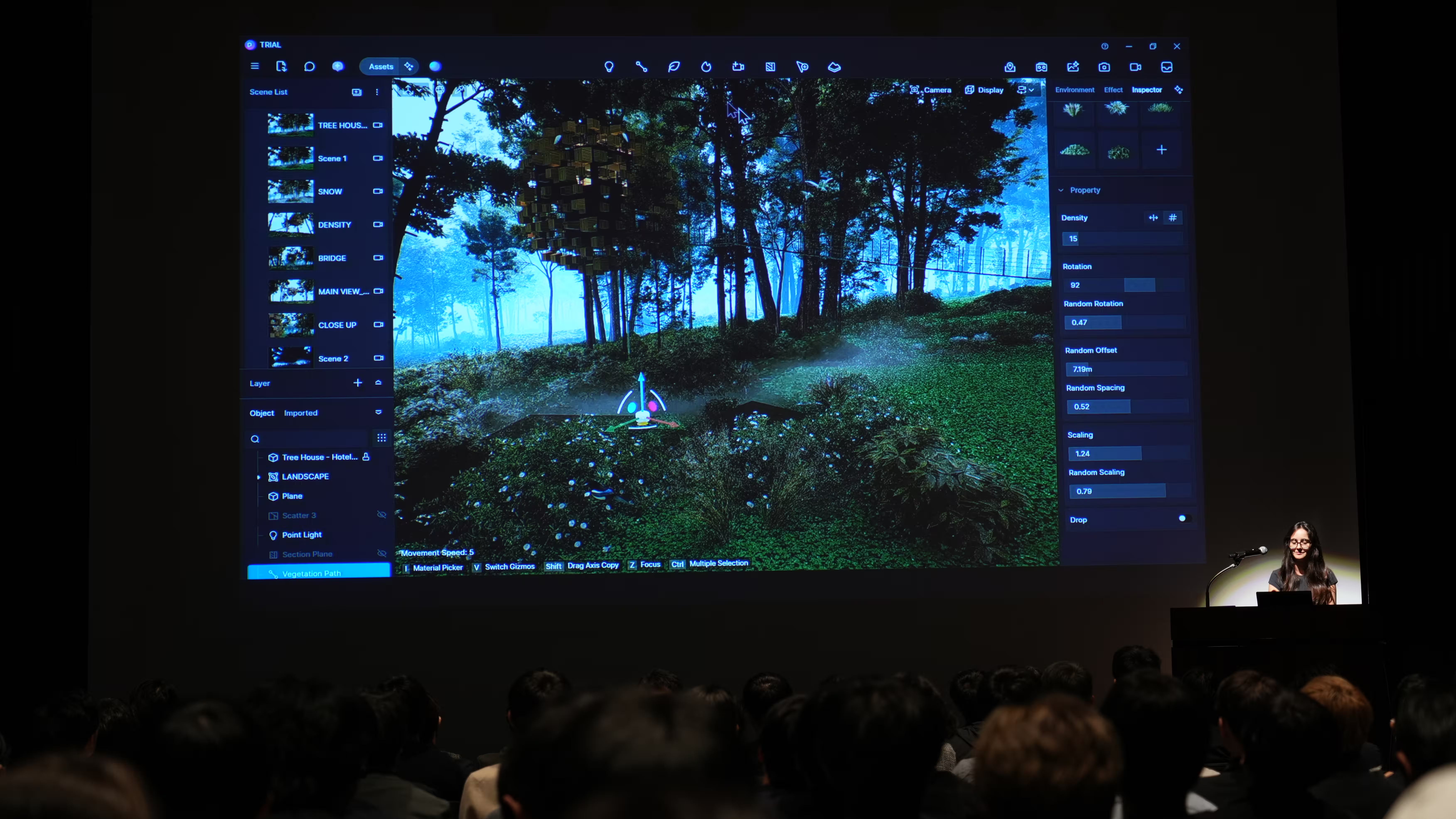
The impact of this transformation extends beyond individual projects and into the structure of the firm itself. D5 Render has been incorporated into Junglim’s internal training programs, ensuring that new team members adopt a visualization-driven approach from the outset. Through JAdU, the firm’s educational initiative, this knowledge is also shared with architecture students, contributing to a broader shift in how the next generation approaches design.
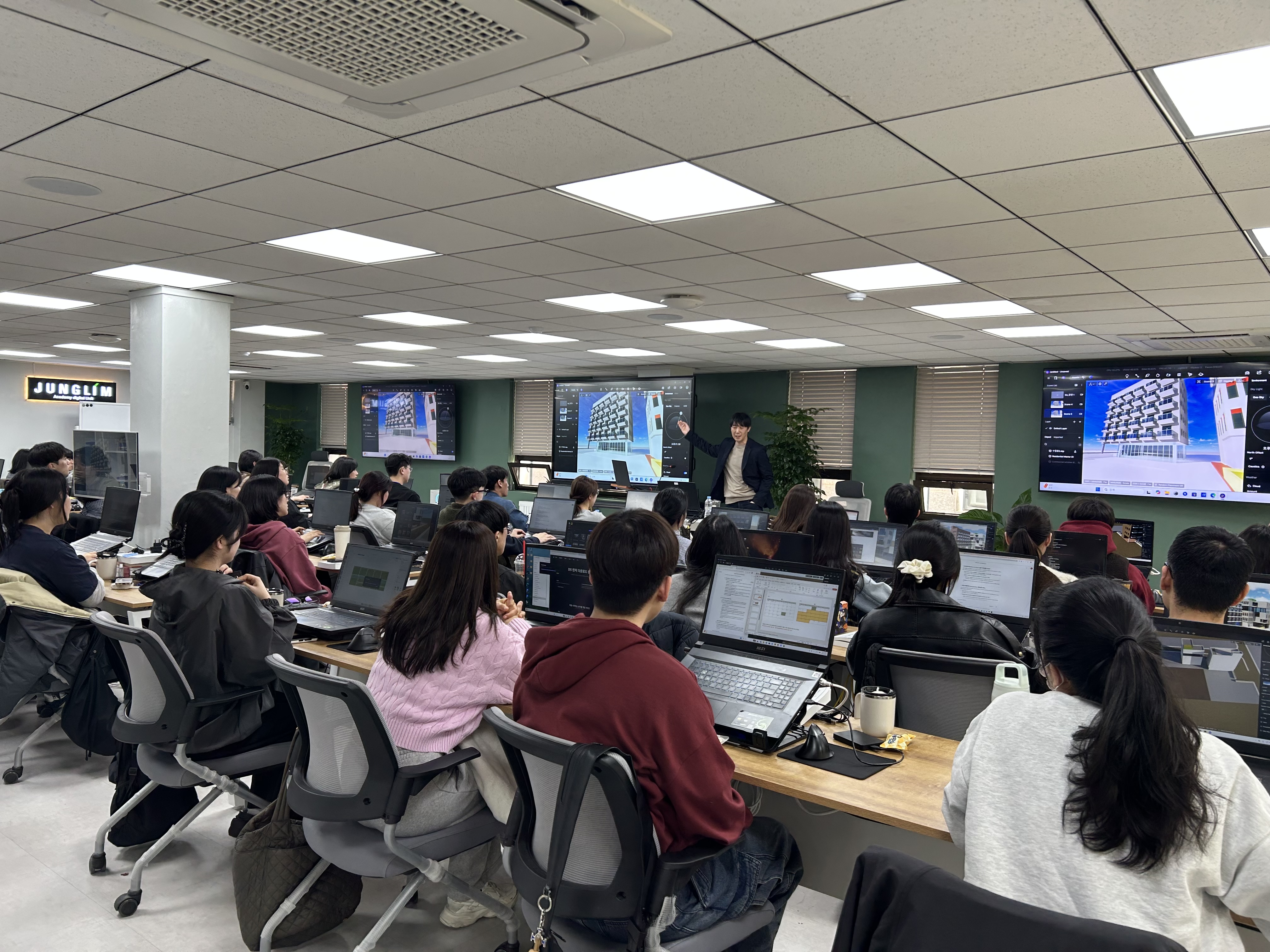
What emerges is not just a new workflow, but a new standard. Visualization becomes embedded in the culture of the practice, shaping how ideas are developed, communicated, and realized.

Redefining the Role of Visualization in Architecture
Junglim Architecture’s experience demonstrates a broader evolution within the discipline. Visualization is no longer confined to representation. It is becoming a central mechanism for decision-making, collaboration, and execution.
By integrating real-time visualization into every stage of the workflow, the firm has moved from a fragmented, tool-driven process to a continuous, design-driven system. The boundaries between thinking, communicating, and building are reduced, allowing for a more coherent and aligned approach to architecture.
In this model, the value of visualization lies not only in how a project looks, but in how it enables better decisions, stronger alignment, and ultimately, more accurate realization of design intent.


.png)
.png)



.jpg)



.png)
1%20(2).png)


%20(1).png)
.png)
.png)