.png)


Key Data Points
- Up to 80% reduction in iteration time reported by KPF when shifting to real-time workflows
- 200× faster animation delivery compared to traditional CPU-based rendering pipelines
- 76.6% of designers report workflow friction caused by "tool hopping"
AI scene automations reduce environment setup from hours to seconds
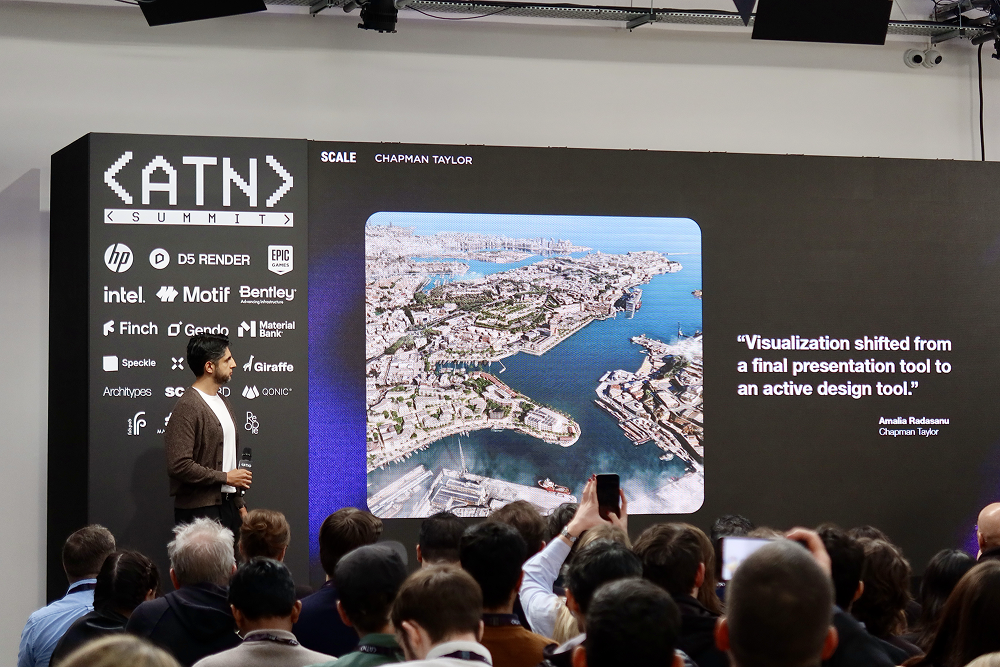
In architectural visualization, competitive advantage is increasingly defined by iteration velocity — how fast a firm can move from concept to client-ready presentation without operational drag. While render speed is often discussed, firm leaders tracking delivery timelines, margin control, and bid performance know the deeper constraint is workflow fragmentation. According to D5’s industry research, 76.6% of designers report struggling with “tool hopping” — repeated switching between disconnected applications that leads to duplicated effort, scene reconstruction, and non-billable setup overhead.
D5 Render 3.0 addresses this structurally. By embedding AI inside a physics-based real-time engine, it reduces export–import resets and stabilizes scene conditions so iteration cycles compress rather than restart. The measurable impact appears in iteration velocity, animation delivery, and environment setup — all directly tied to approval speed and production margin.
Also read: What is D5 Engine? A Proprietary Core Built for Spatial Design
1. Where Time Is Actually Lost in Visualization Workflows
Final rendering represents only a fraction of total effort. Most time is consumed by lighting adjustments, material preparation, asset placement, and rebuilding scenes after revisions. In fragmented pipelines, each export or relink introduces latency and inconsistency, and these micro-resets accumulate into measurable delay.
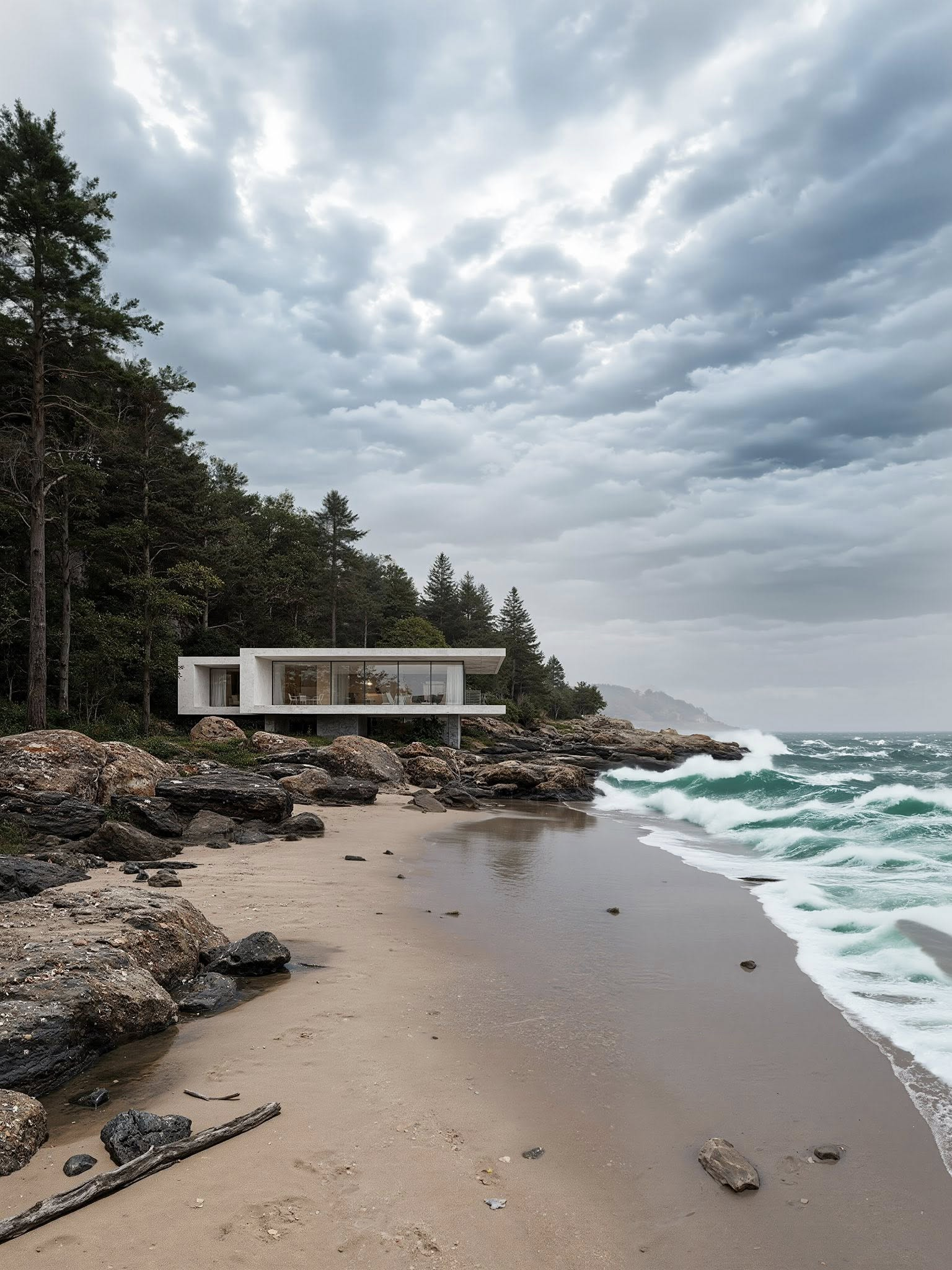
D5 3.0 consolidates modeling, rendering, and refinement within a unified real-time environment. Teams evolve a single persistent scene instead of reconstructing multiple versions, reducing technical overhead and preserving iteration momentum.
2. D5 Lite and D5 3.0 AI System: Early Validation, Fewer Resets
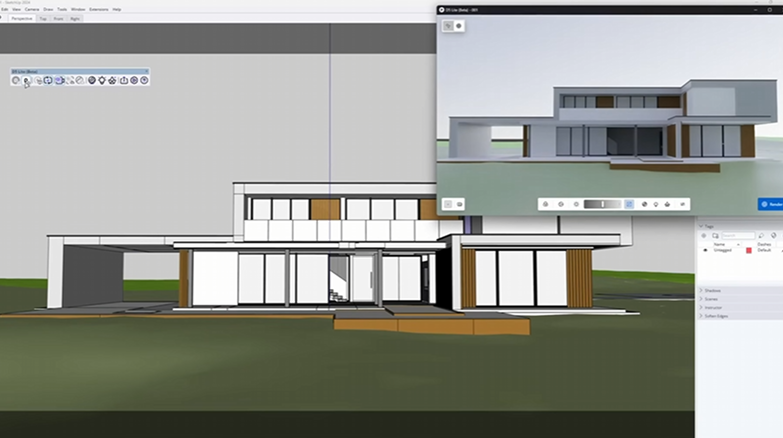
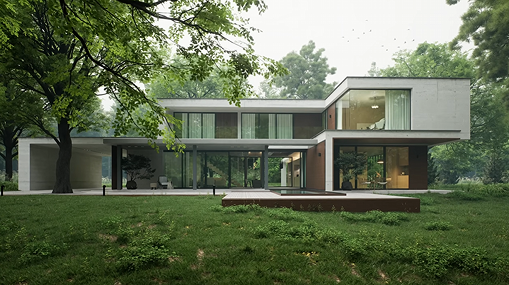
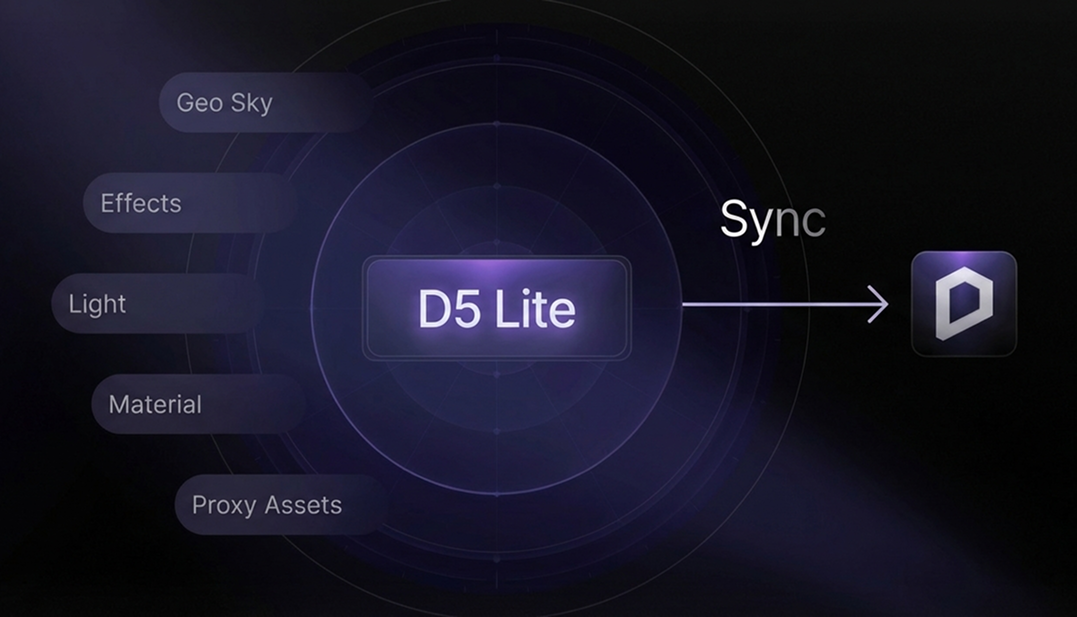
Inefficiency often begins at the modeling stage, where visual feedback is deferred. D5 Lite synchronizes real-time visualization directly with modeling software, allowing lighting, materials, and atmosphere to update continuously. Designers receive visual insight without breaking modeling flow, and early decisions are informed by visual realism rather than abstract assumptions.
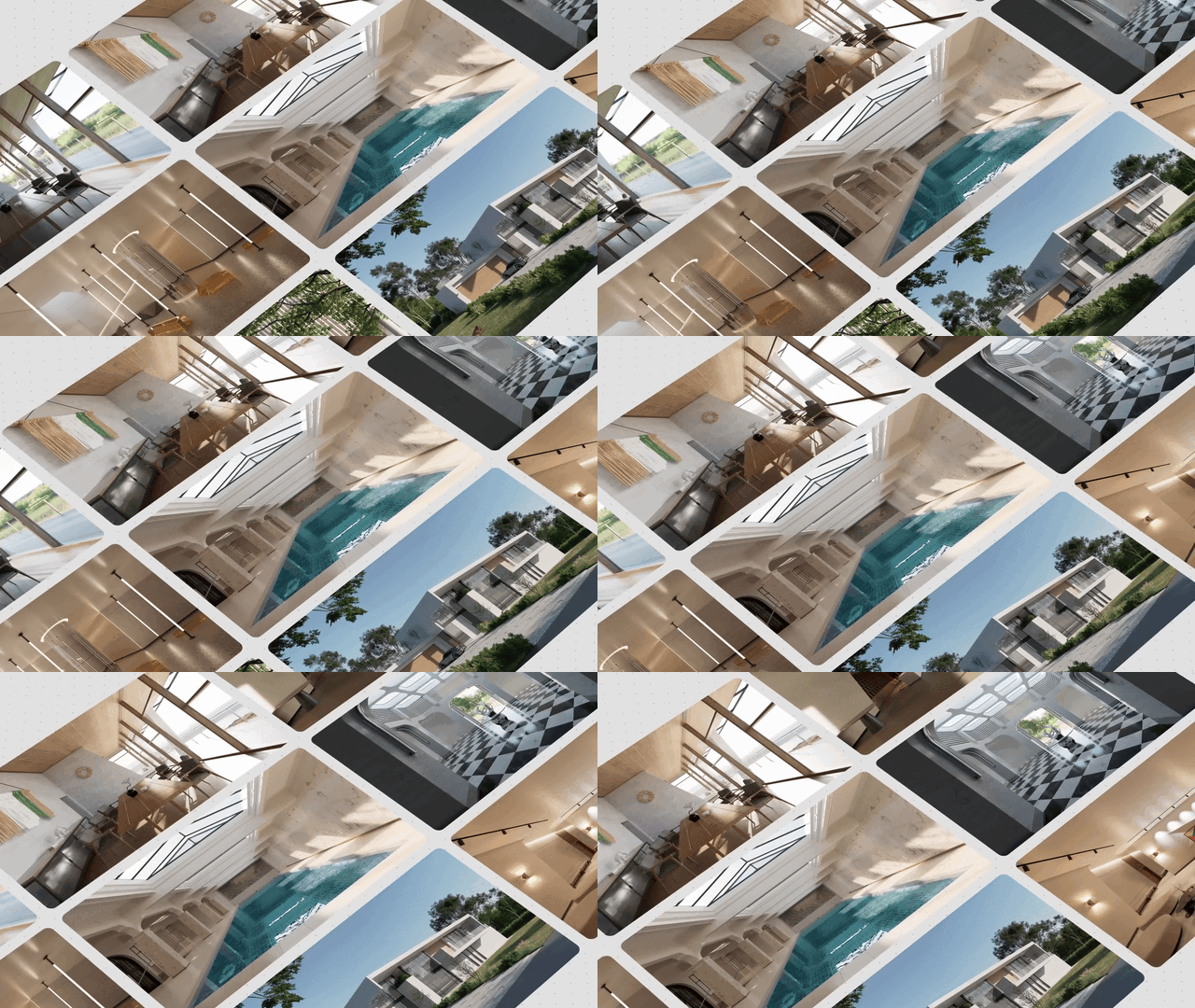
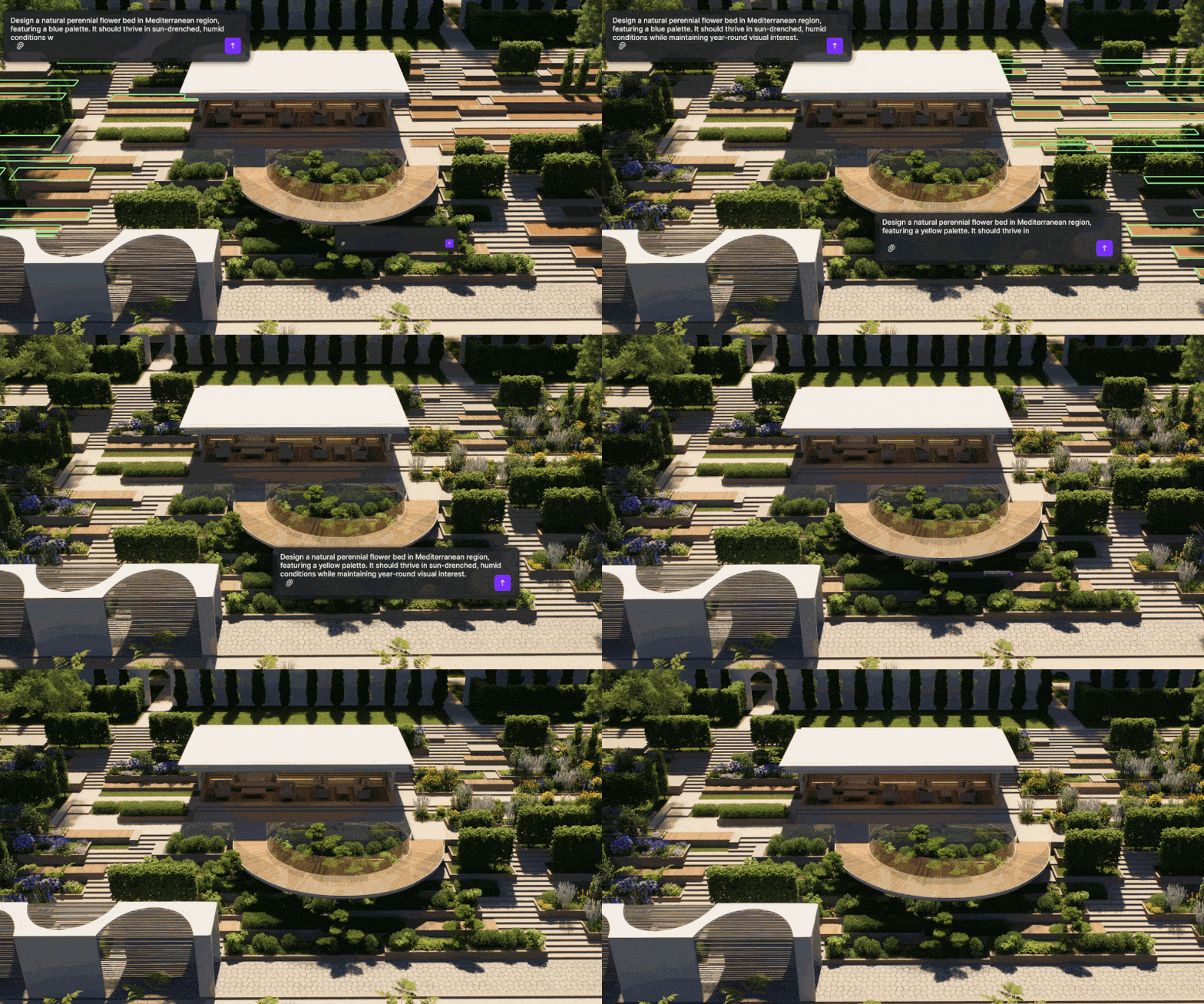
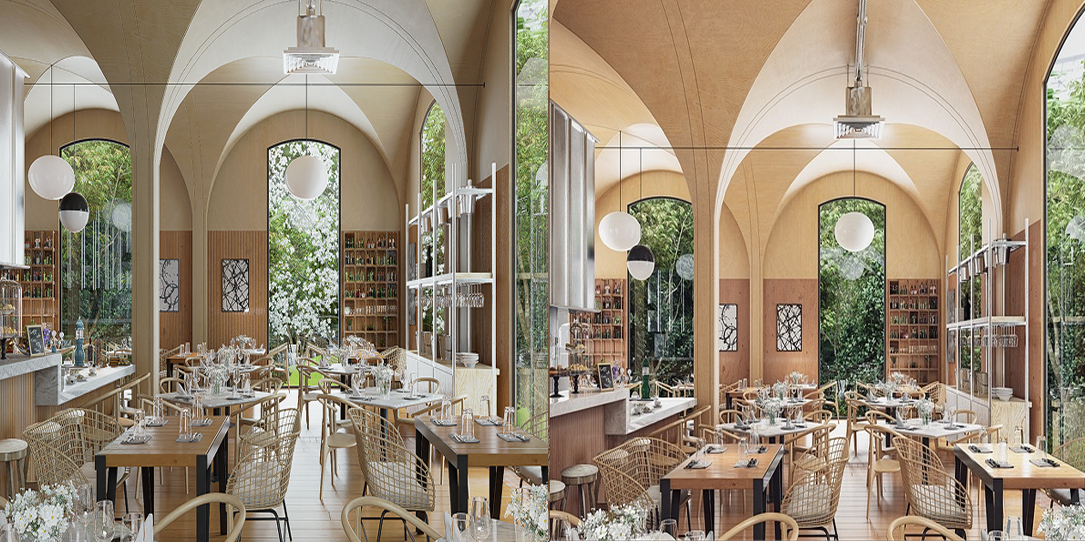
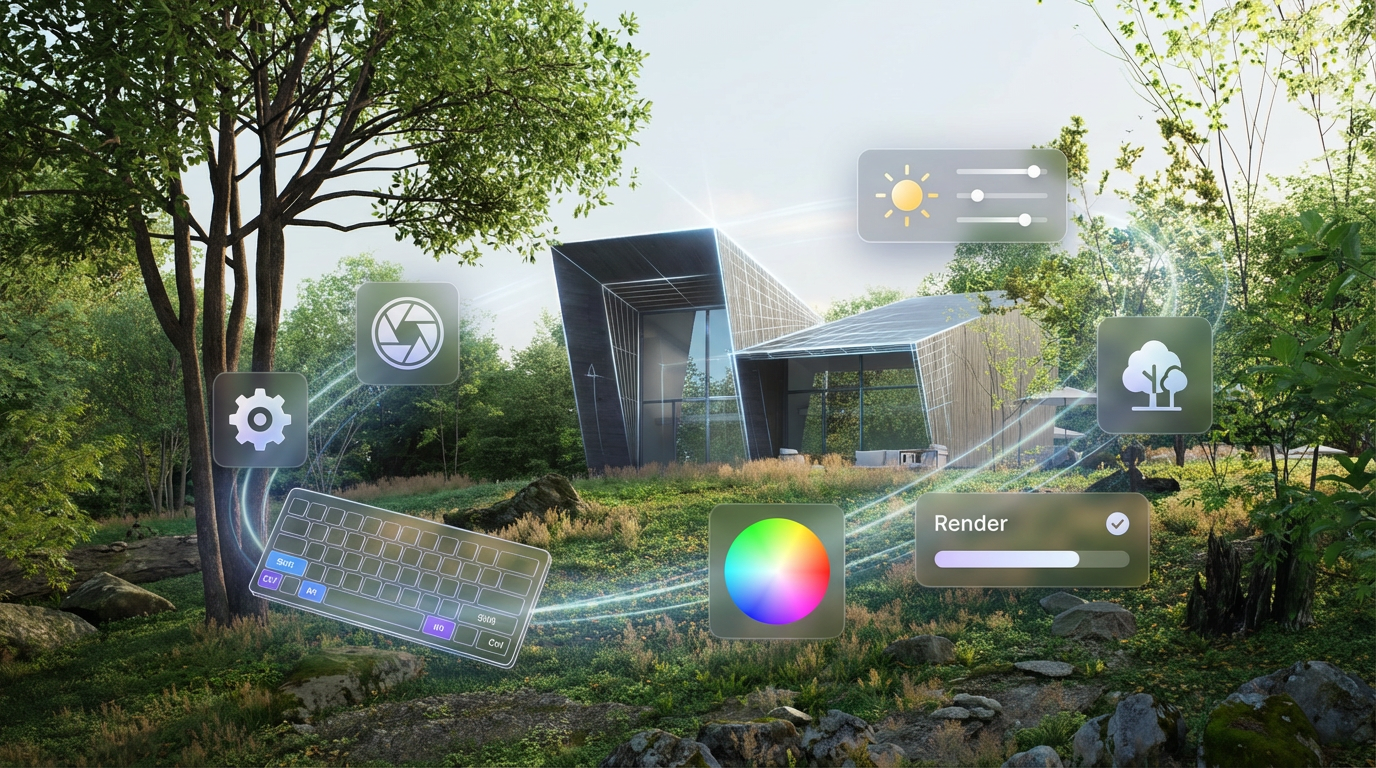
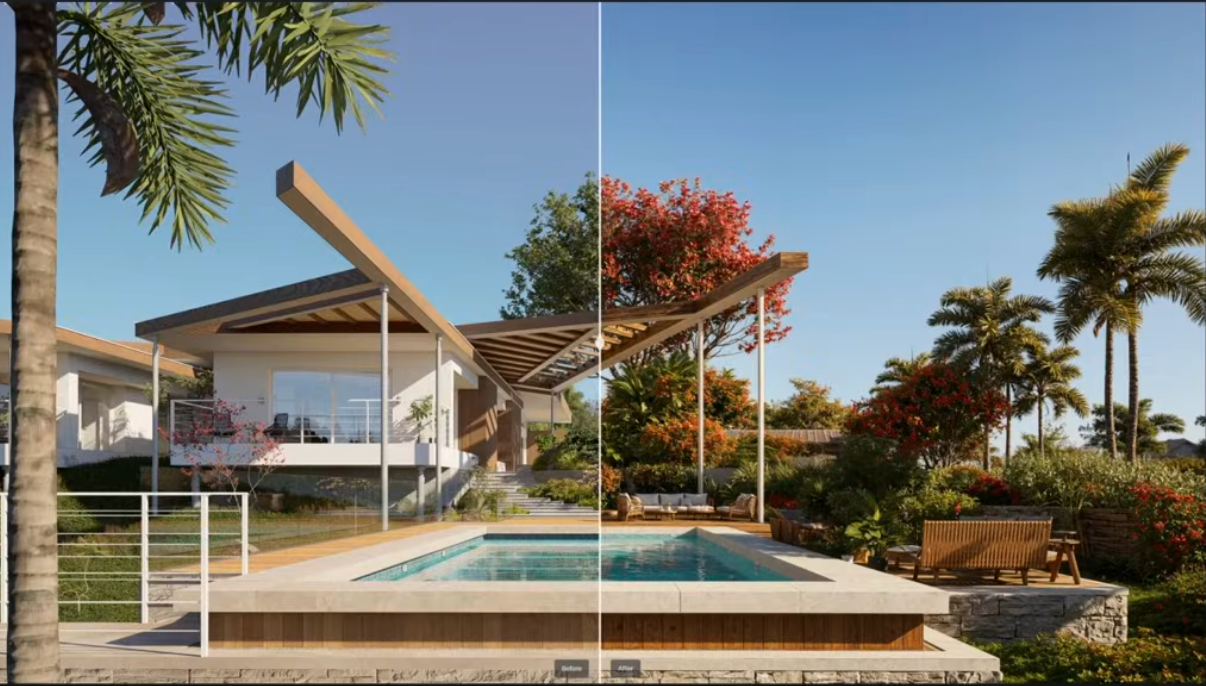
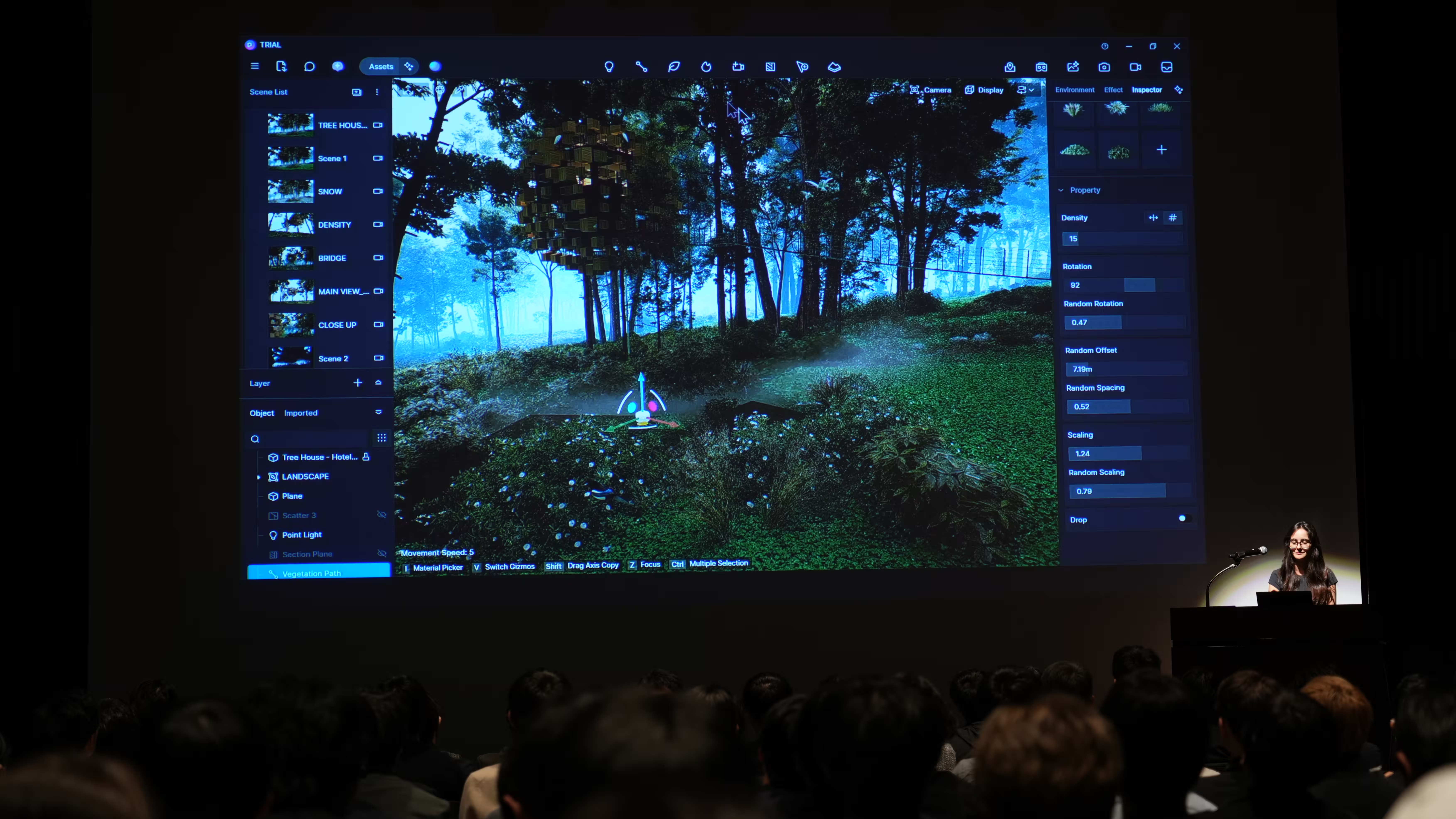
Within this persistent environment, D5 3.0 introduces AI system such as AI Scene Match, AI PBR Material Snap, AI Asset Recommendation, AI Image to 3D, and AI Enhancer translate intent into live-adjustable parameters.


Lighting baselines generate in minutes instead of hours, materials are created in-scene without external round trips, asset selection becomes guided rather than trial-and-error, and refinements occur without triggering new render cycles. The common effect is cumulative: reconstruction gives way to incremental refinement.
Also read: Need Free PBR Textures? Try AI PBR Material Snap in D5!
3. Why Assistive AI Matters in AEC
Architectural workflows demand precision, traceability, and clear accountability. Embedded AI in D5 3.0 strengthens these requirements by accelerating setup, comparison, and refinement without removing designer control over form, material logic, or environmental parameters. Rather than automating authorship, it compresses decision loops, enabling faster evaluation of lighting, context, and composition while maintaining the technical rigor required in professional AEC delivery.
4. Measured Efficiency: Case Study Evidence
4.1. Iteration Speed – KPF
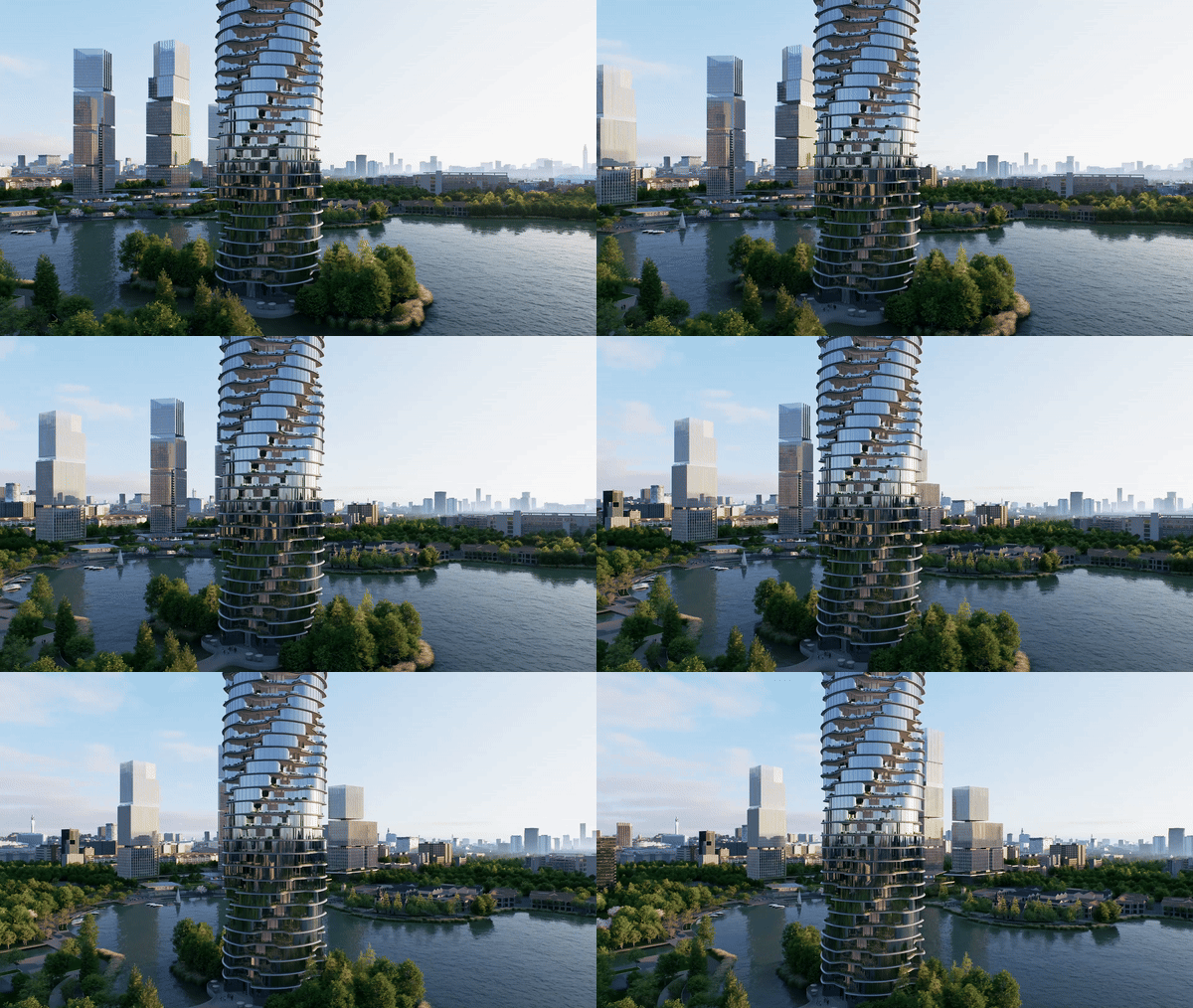
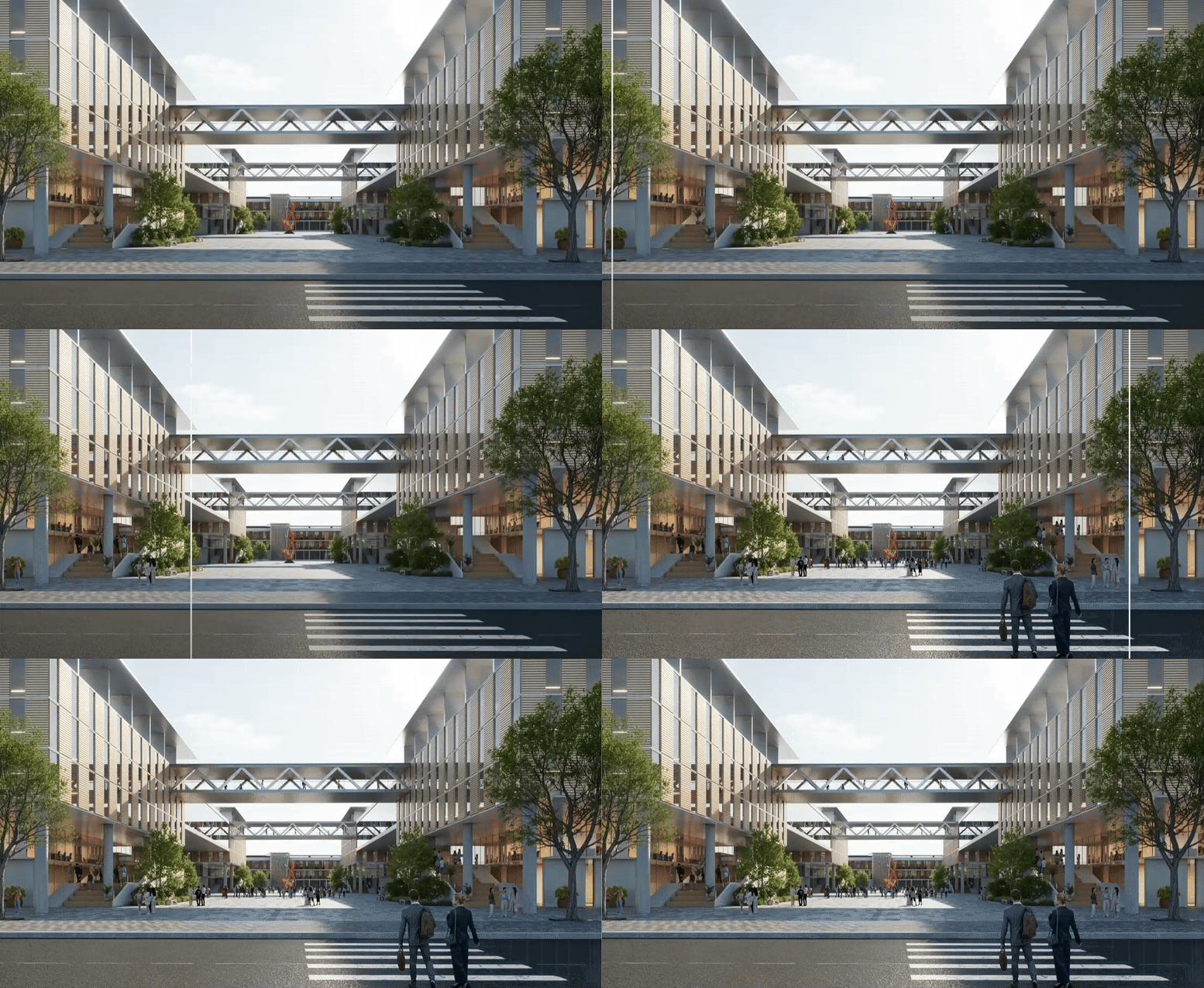
KPF reported that tasks previously requiring a week to prepare client draft visuals can now be completed within an afternoon, reducing iteration time by up to 80%. This shift reflects compressed validation cycles, where feedback, refinement, and approval occur in real time rather than across delayed render-review loops.
4.2. Animation Delivery – Kimmel Studio
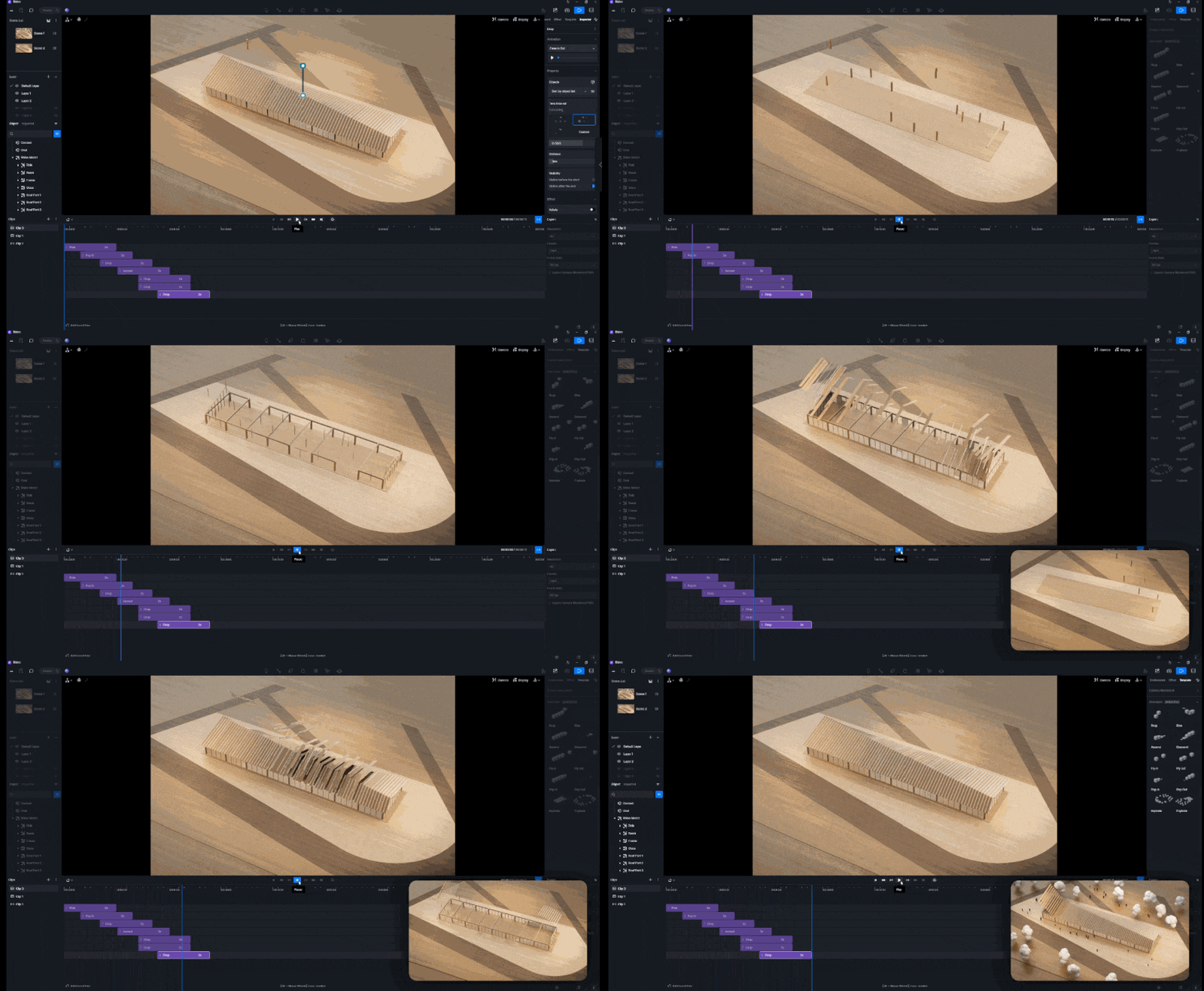
A 30-second animation that once required four days using CPU-based rendering tools can now be delivered in approximately 30 minutes within D5’s real-time environment — a 200× acceleration in delivery speed. The improvement stems not only from faster rendering, but from eliminating overnight render bottlenecks and repeated technical setup between revisions.
4.3. Environment Setup – Cesium & AI Scene Automation
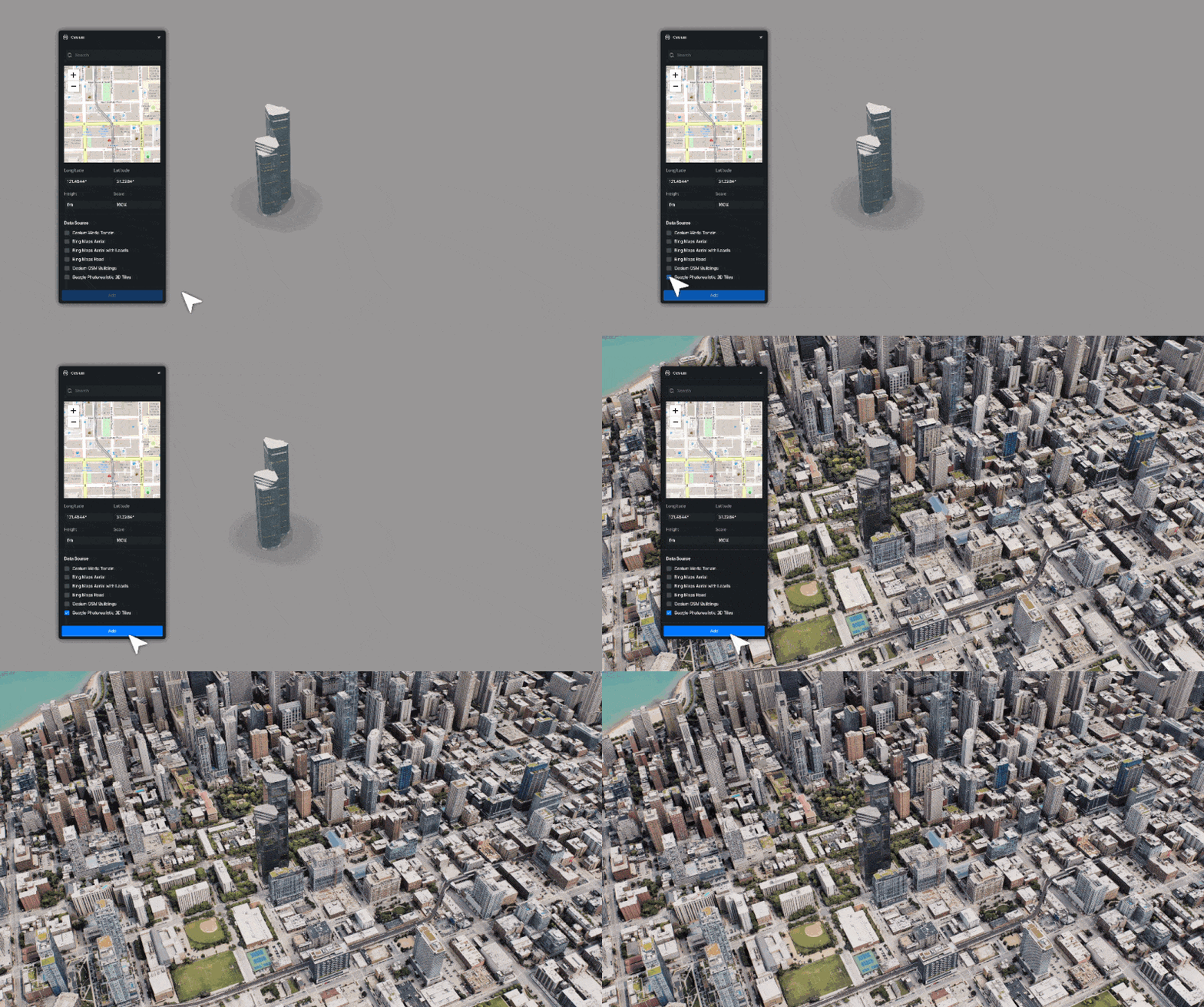
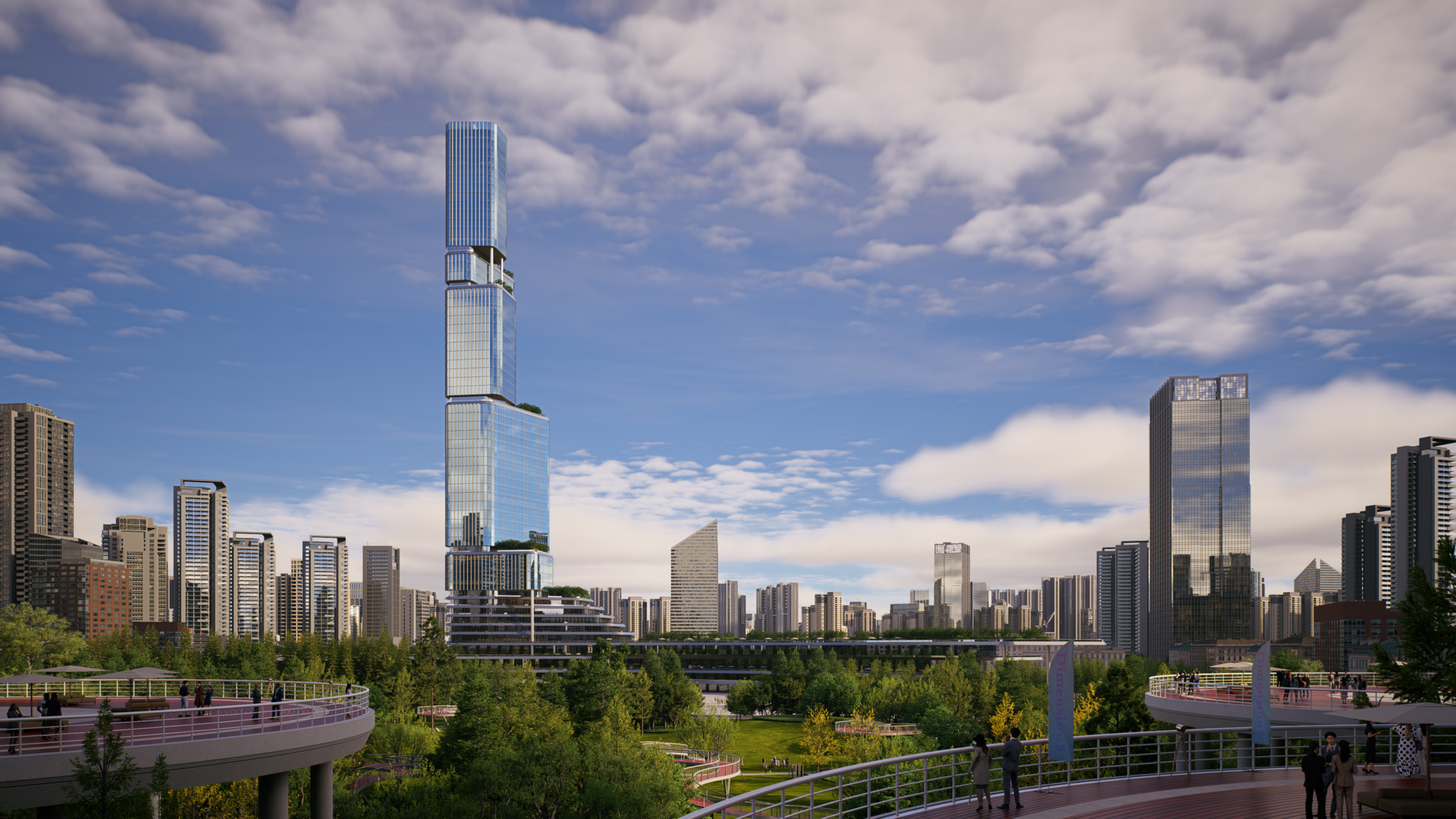
Manual urban context modeling can consume days or even weeks, particularly when rebuilding surrounding conditions for different presentations. With streamed 3D city data and AI-driven scene population tools, environmental context can be established in seconds, reducing repetitive reconstruction and accelerating client-ready visualization cycles.
5. Conclusion: Competitive Advantage Through Measurable Efficiency
Efficiency is defined by iteration velocity. It's about how quickly teams move from concept to validated presentation without rebuilding scenes. Documented results show up to 80% faster iteration cycles and 200× faster animation delivery, achieved through integrated real-time rendering and AI-assisted workflow consolidation.
For leadership, the implication is strategic: shorter approval timelines, stronger competition responsiveness, and reduced non-billable technical overhead. The outcome is measurable — fewer resets, faster validation, and a workflow aligned with both creative ambition and operational performance.







.png)






.jpg)







.png)
1%20(2).png)











%20(1).png)
.png)

.png)